3 major reason why Delhi’s pollution spikes in winter season

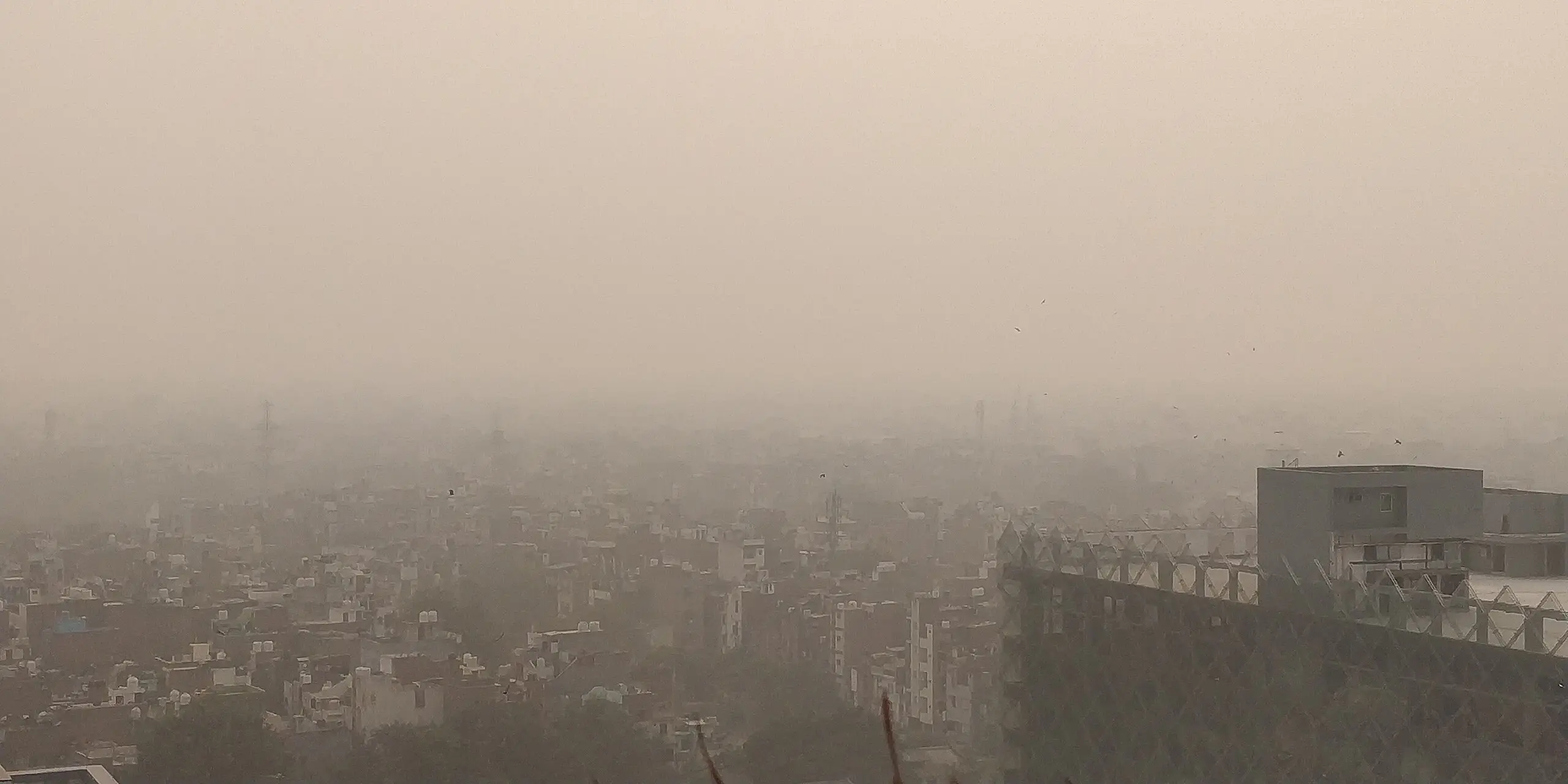
Delhi’s winter pollution spikes due to temperature inversions, low wind speeds, stubble burning nearby, and local emissions. Together, these factors trap dangerous pollutants over the city, causing hazardous smog and health risks that need urgent regional and local actions.
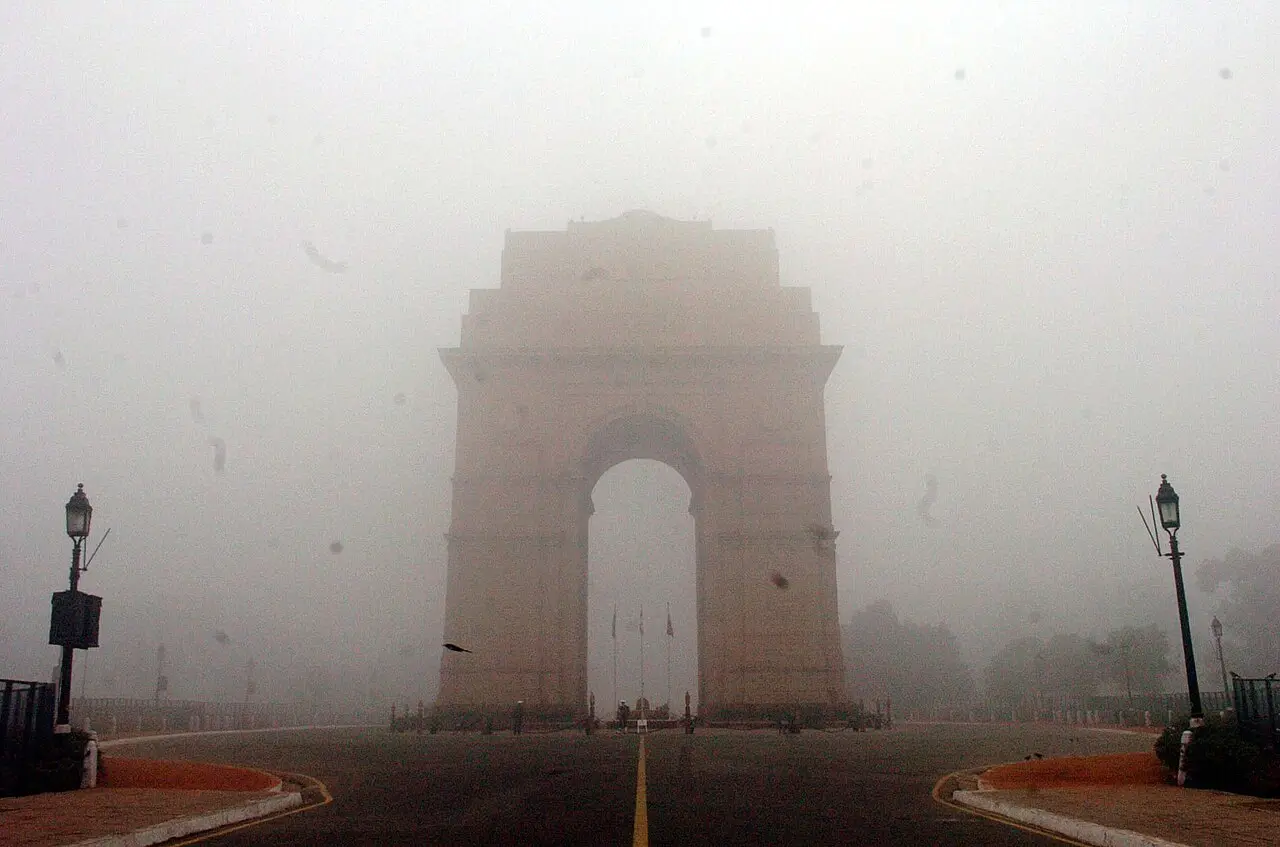
Temperature Inversions Trap Pollution
During winter nights, a temperature inversion forms, where a layer of warm air traps cold air near the surface. This suppresses vertical air movement, preventing pollutants from dispersing, and leads to the accumulation of smog in Delhi’s basin-shaped geography.
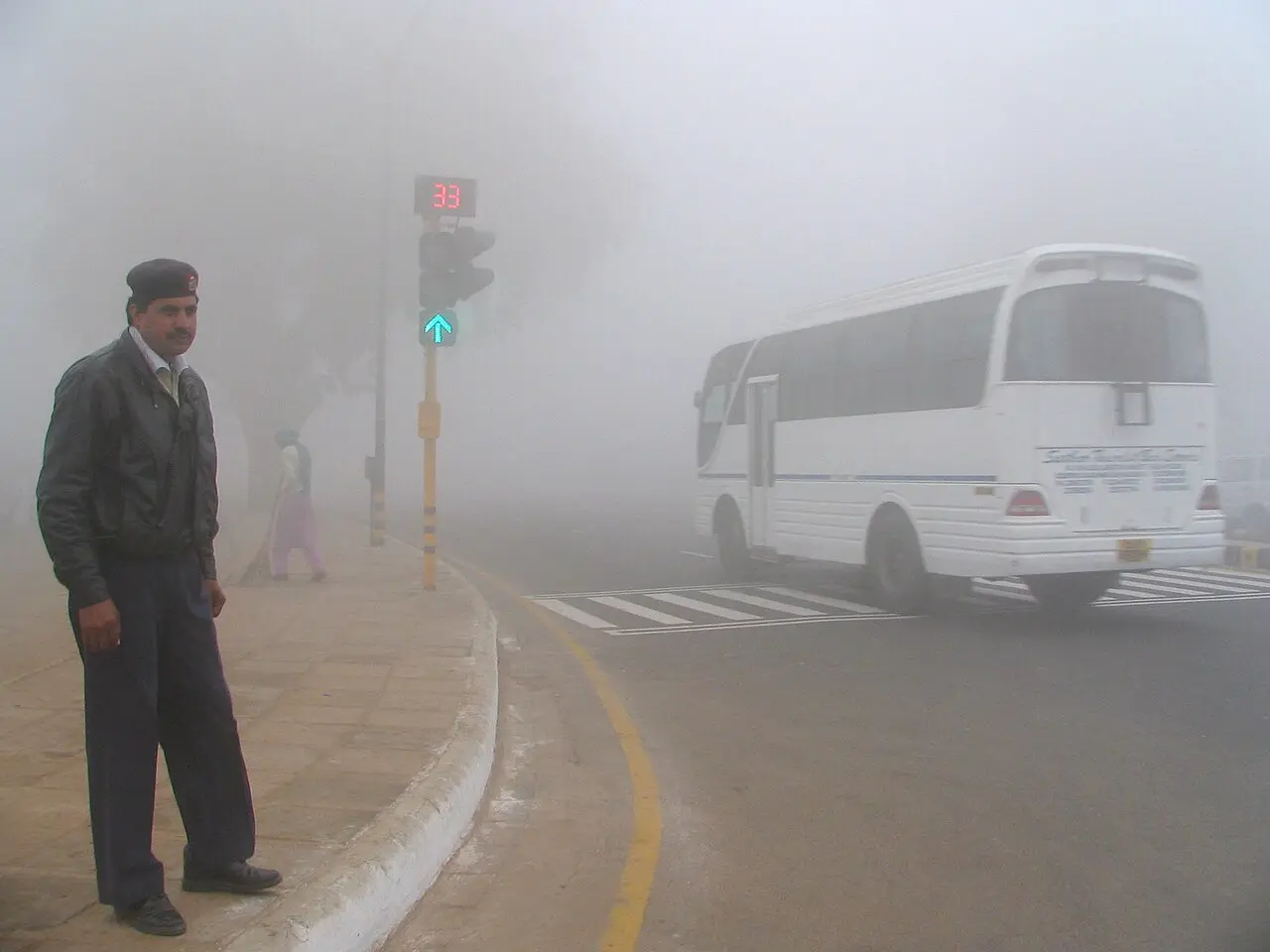
Low Wind Speeds Reduce Dispersion
Winter brings calm and slow wind conditions. With weak winds, airborne pollutants from vehicles, industries, and stubble burning remain suspended over the city for days, mixing with moisture to form dense and hazardous smog that blankets Delhi repeatedly.
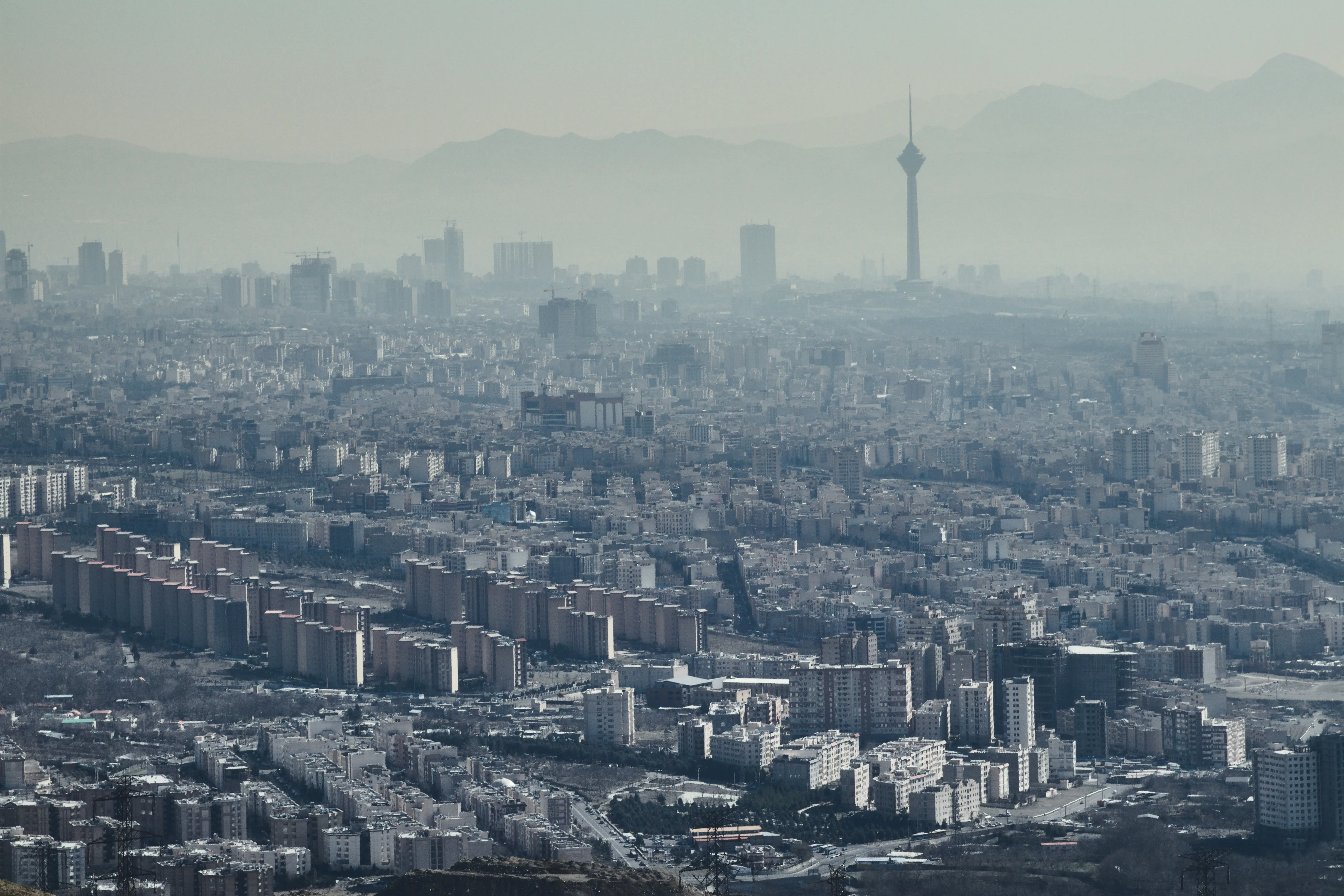
Stubble Burning Adds Significant Pollution
Each year, after harvest, farmers in Punjab and Haryana burn crop stubble to clear fields quickly. Satellite data shows thousands of fires contributing up to 30-40% of Delhi’s fine particulate pollution (PM2.5) on peak winter days, intensifying the smog crisis.
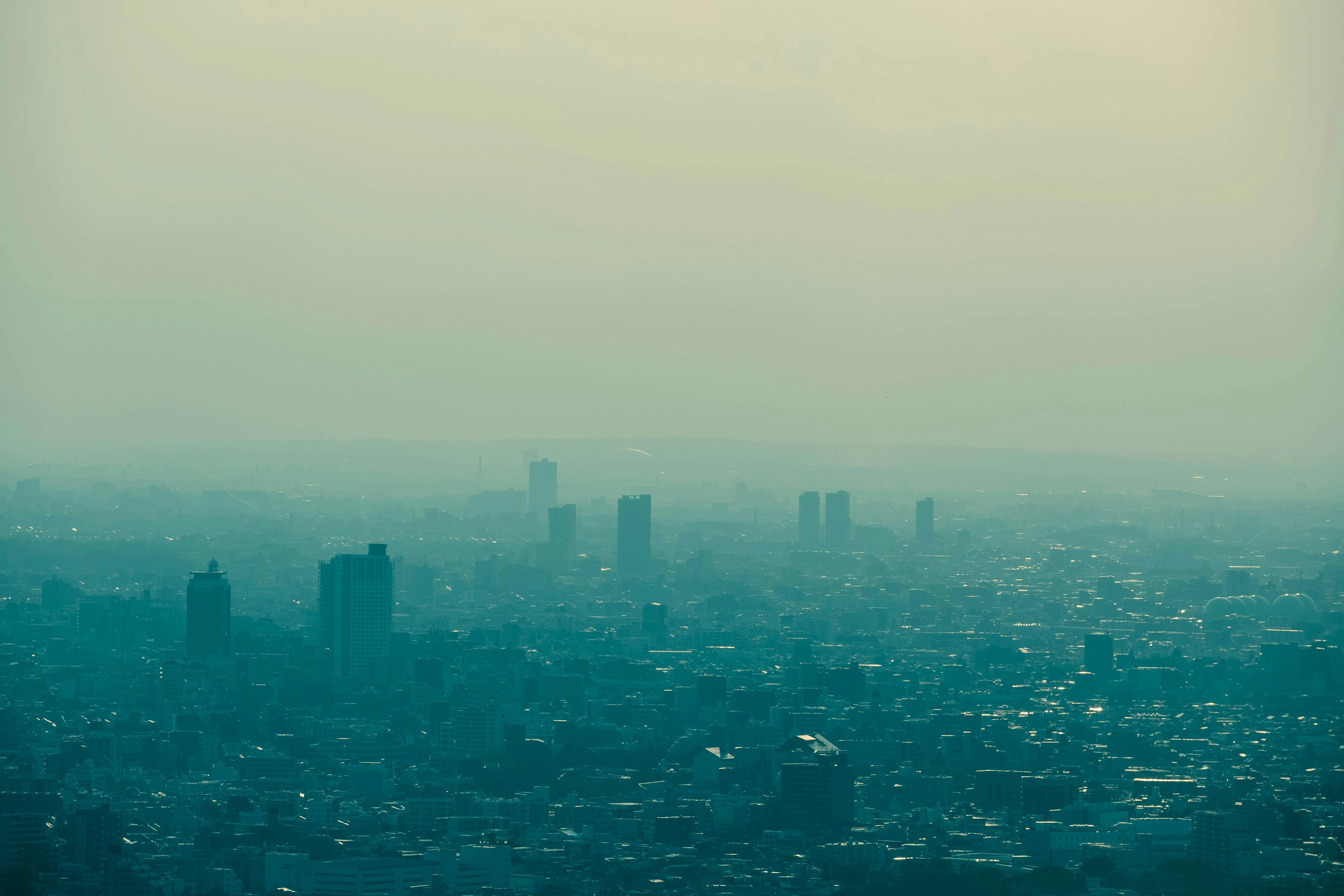
High Local Emissions from Traffic and Dust
Despite year-round measures, local pollution sources add nearly half of the winter smog. Vehicle emissions, construction dust, diesel generator exhaust, and waste burning in Delhi release large volumes of particulate matter worsening air quality during winter episodes.
Combination of Factors Creates a Pollution ‘Perfect Storm’
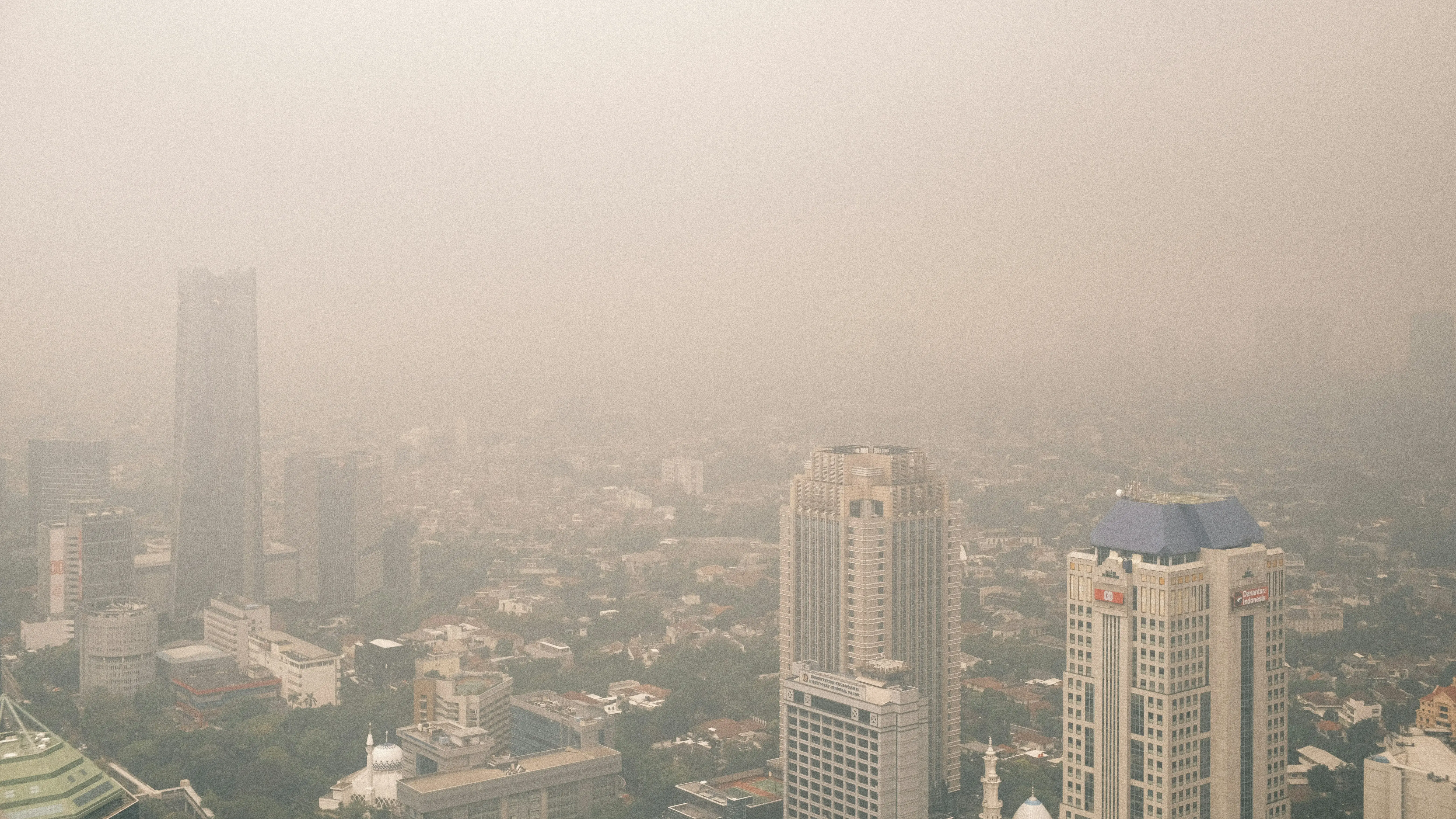
he convergence of meteorological traps, regional stubble burning, and persistent local emissions creates a ‘perfect storm’ of pollution. This combination causes the Air Quality Index (AQI) to soar beyond 400-500, levels that the WHO classifies as hazardous.
Severe Health Impacts During Winter Season
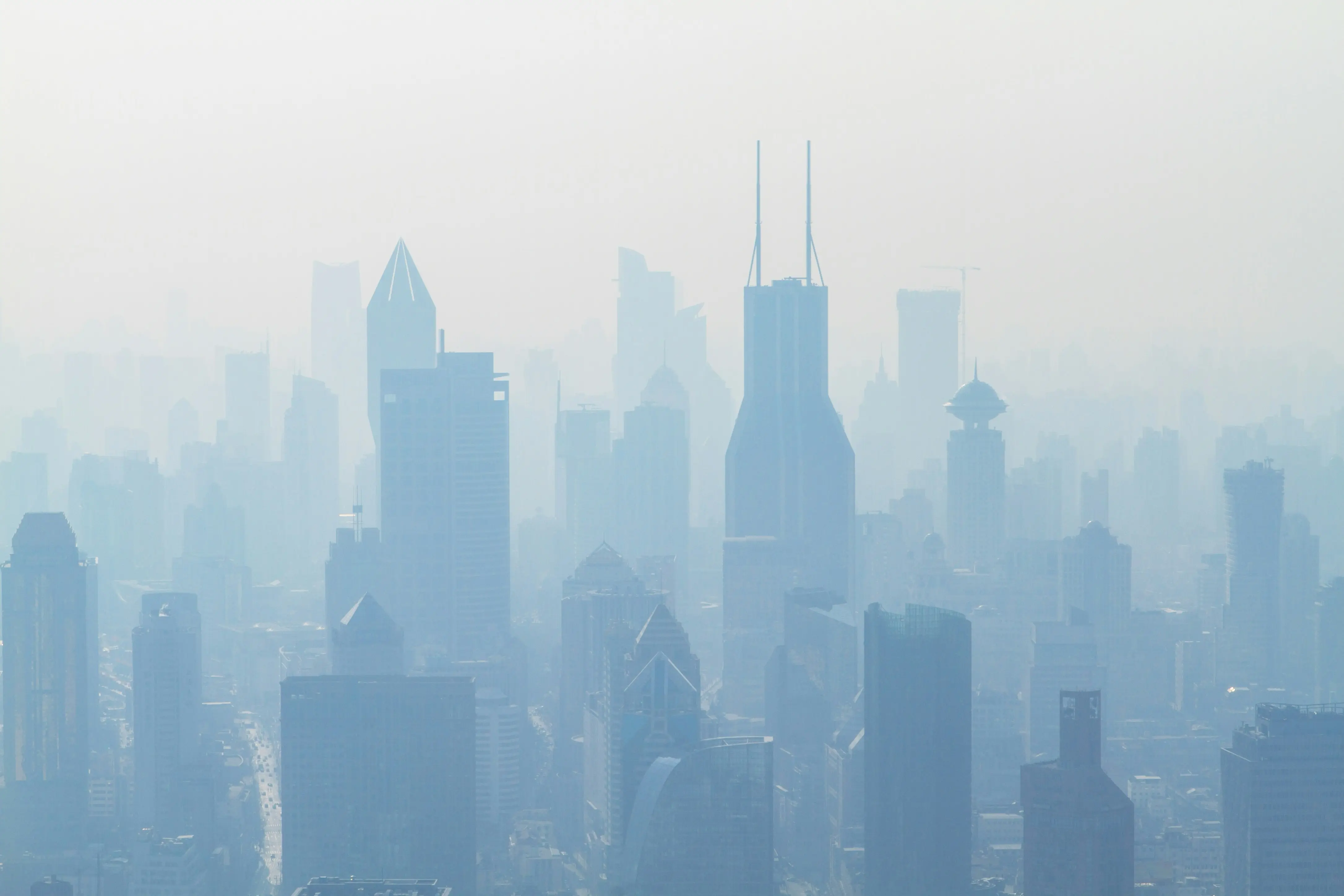
The winter smog leads to a surge in respiratory issues, lung infections, heart ailments, and worsened chronic conditions. Vulnerable groups like children, elderly and those with pre-existing health problems bear the brunt of the toxic air during these months.
Tackling the Problem Requires Regional and Local Action
Effective pollution control in winter needs coordinated efforts beyond Delhi, involving neighbouring states to curb stubble burning. Locally, stricter enforcement of vehicle emissions standards, dust control, and solid waste management are crucial for cleaner air.
)
)
)
)
)