24K, 22K, 18K, and 14K gold explained: What every investor should know

Gold purity is measured in karats (K), which tells us how much pure gold is present in a piece. The higher the karat, the purer the gold. Different karats have different colours, strengths, and uses. Let's know the main differences between 24K, 22K, 18K, and 14K gold.
What Does Karat Mean?
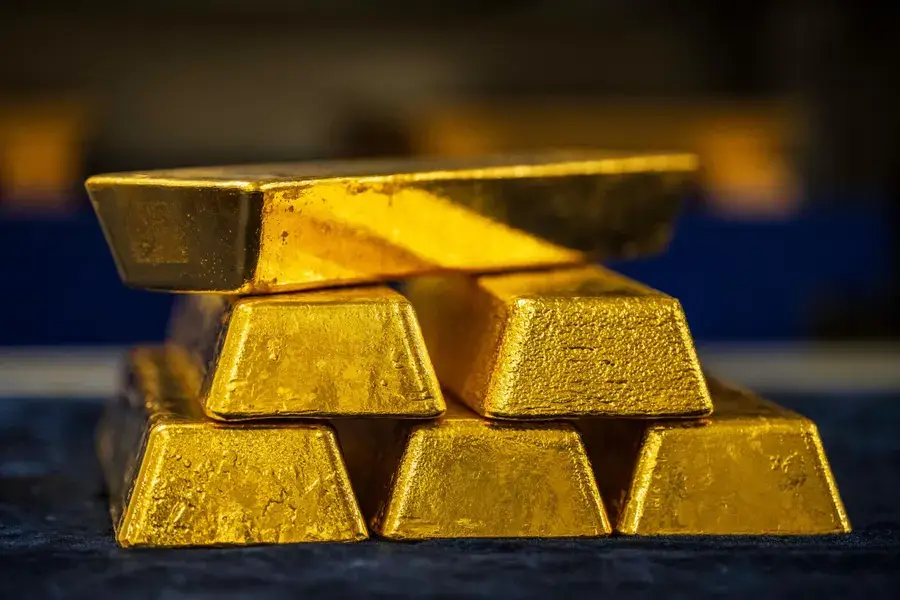
Karat (K) measures gold purity out of 24 parts.
24K means pure gold, 100 per cent gold content
22K means 91.6 per cent pure, with other metals added
18K means 75 per cent pure gold, 25 per cent other metals
14K means 58.3 per cent pure gold, rest alloys
24K Gold - Pure but Soft
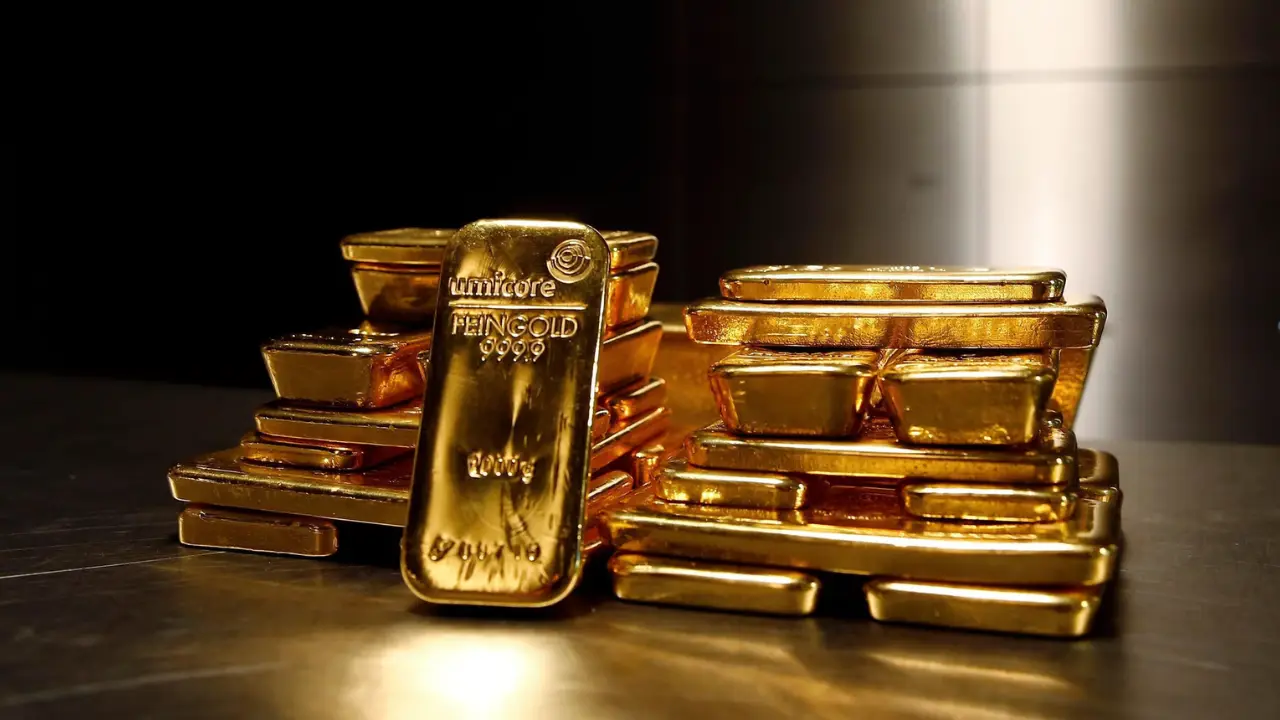
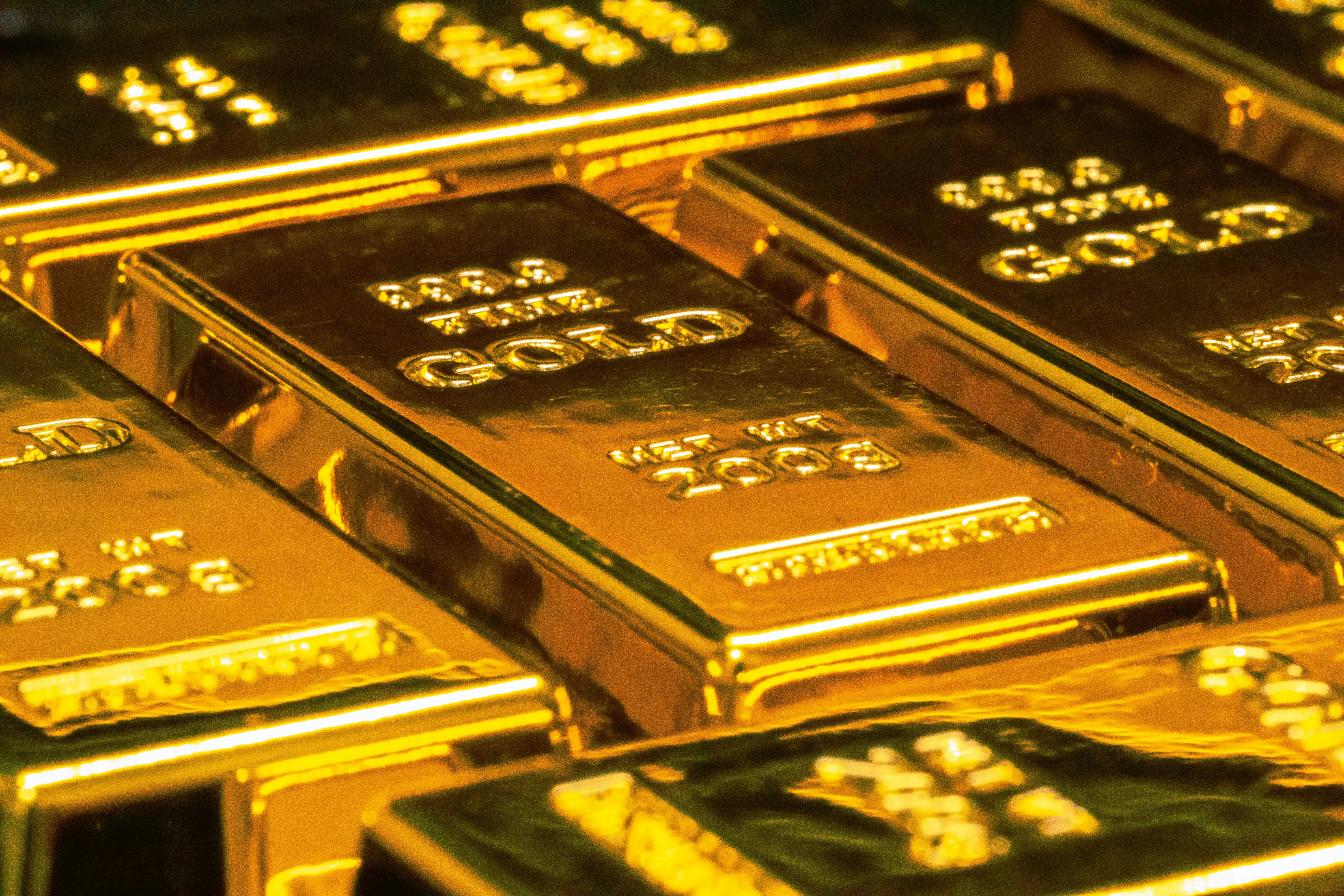
24K gold is the purest form and has a bright yellow colour. It is very soft and prone to scratches, so it's mainly used for investment like bars or coins, not everyday jewellery.

22K Gold - Traditional and Bright
22K gold is mostly pure and has a rich yellow colour. Indian and many Asian markets prefer it for wedding jewellery. It is softer than lower karats and must be handled with care.
18K Gold - Balance of Strength and Purity
18K gold contains 75 per cent pure gold and has a warm yellow tone. It is stronger than 22K and used for engagement rings and luxury jewellery offering durability with rich colour.

14K Gold
14K gold has 58.3 per cent pure gold and is mixed with other metals for strength and scratch resistance. It is the most durable and affordable choice, commonly used in Western everyday jewellery.
How Karat Affects Value and Colour
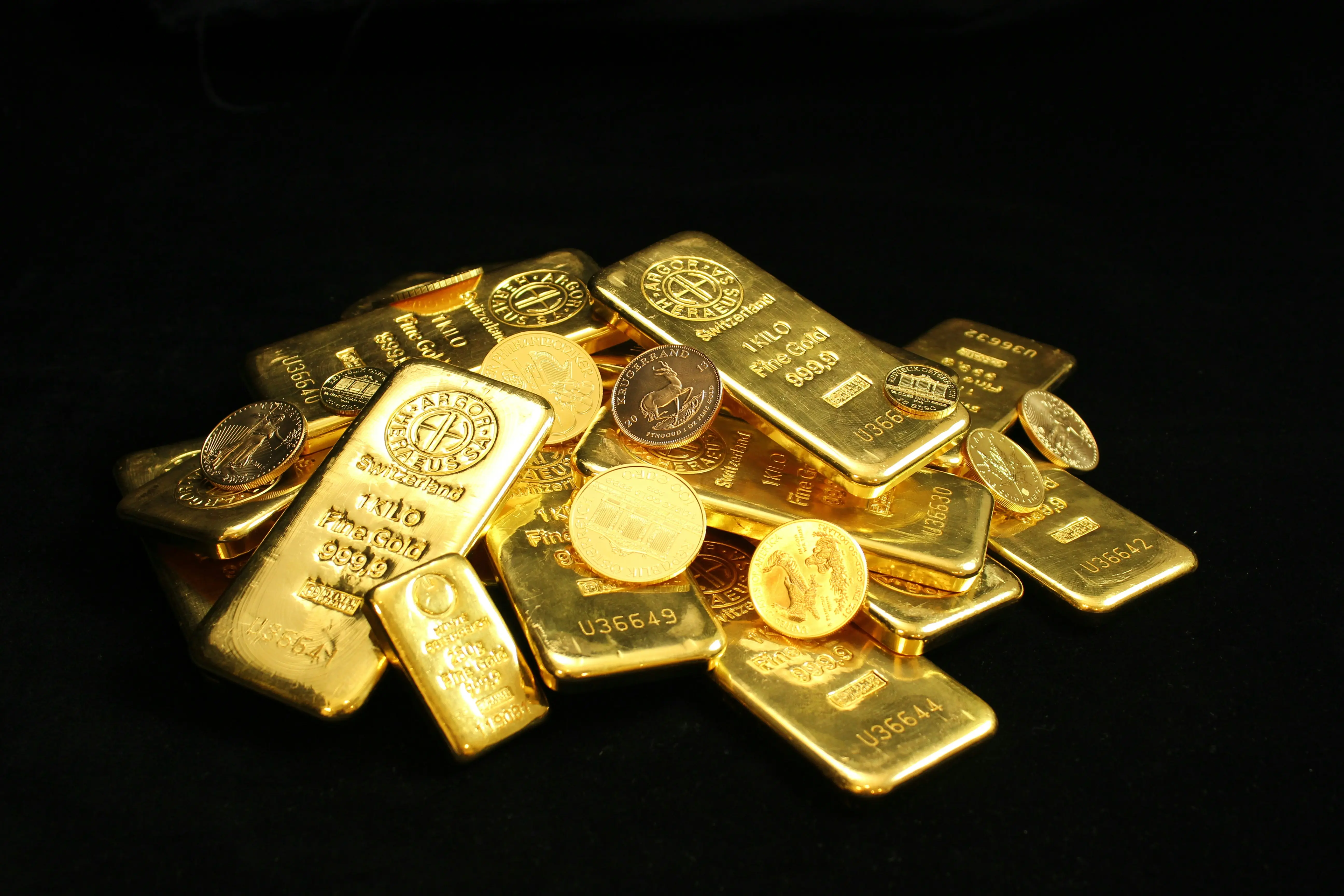
Higher karats mean more gold content and deeper yellow colour, but softer metal. Lower karats are harder, less bright, but better for daily wear. The price also depends on the karat, with 24K being the most expensive.
How to Choose the Right Karat?
Choose karat based on use and budget. Pick 24K for investment, 22K for traditional wear, 18K for balanced beauty and strength, and 14K if durability and cost are priorities.
)
)
)
)
)