Another war brewing? China deploys 200+ jet-converted drones closer to Taiwan, signals major military build-up

The deployment, identified through satellite imagery, places these aircraft within operational range of Taiwan and marks a notable shift in how older military assets are being repurposed for potential conflict scenarios.
Deployment near the Taiwan Strait
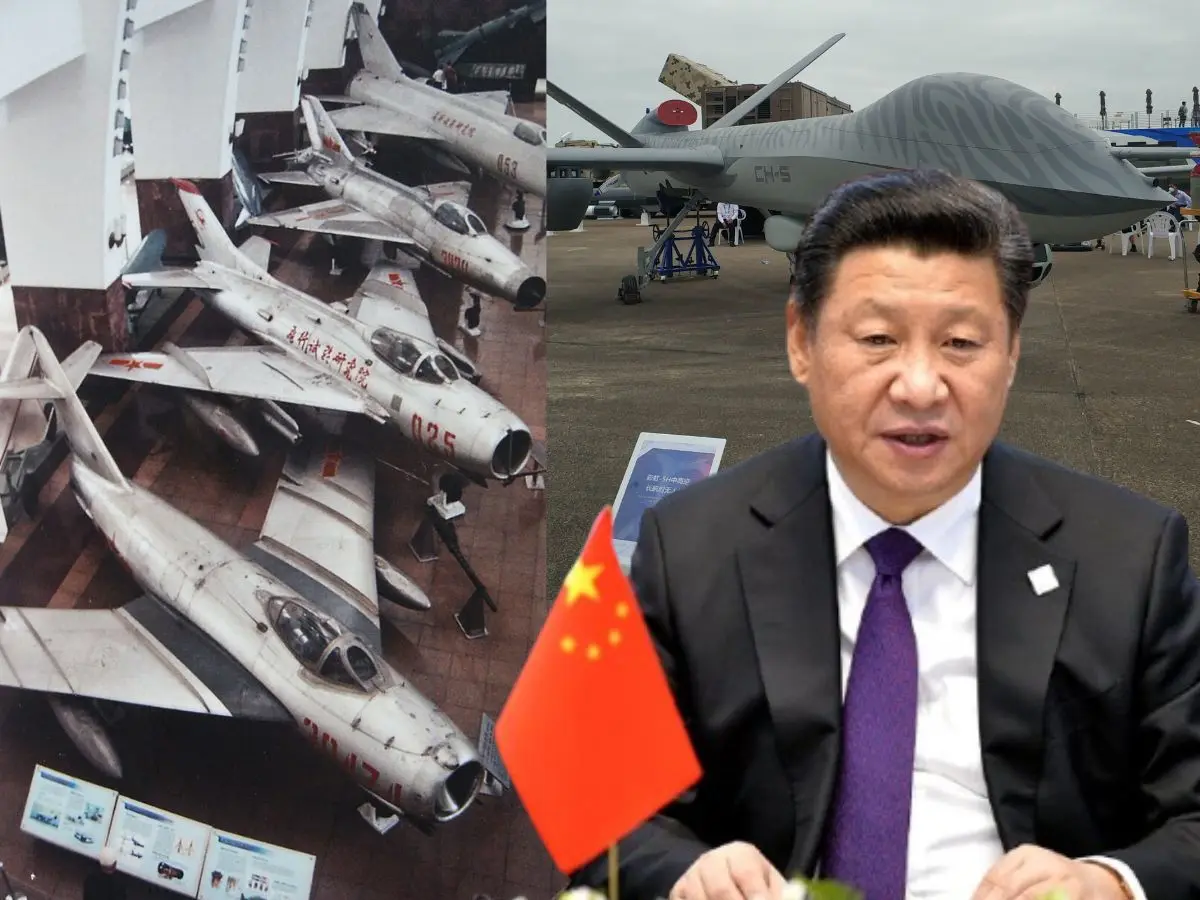
China has stationed more than 200 obsolete fighter jets converted into attack drones at multiple air bases near the Taiwan Strait, according to a report by the Mitchell Institute for Aerospace Studies, wrote Reuters. The deployment, identified through satellite imagery, places these aircraft within operational range of Taiwan and marks a notable shift in how older military assets are being repurposed for potential conflict scenarios.
Satellite evidence and locations
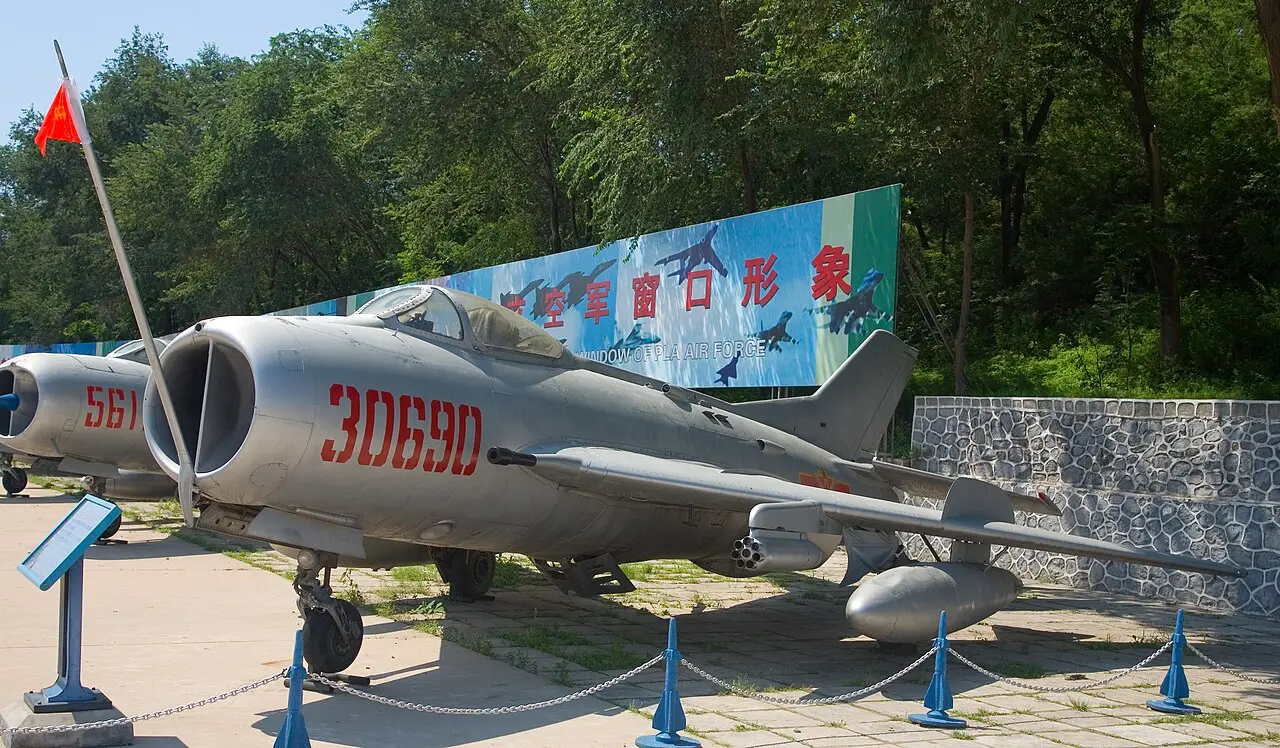
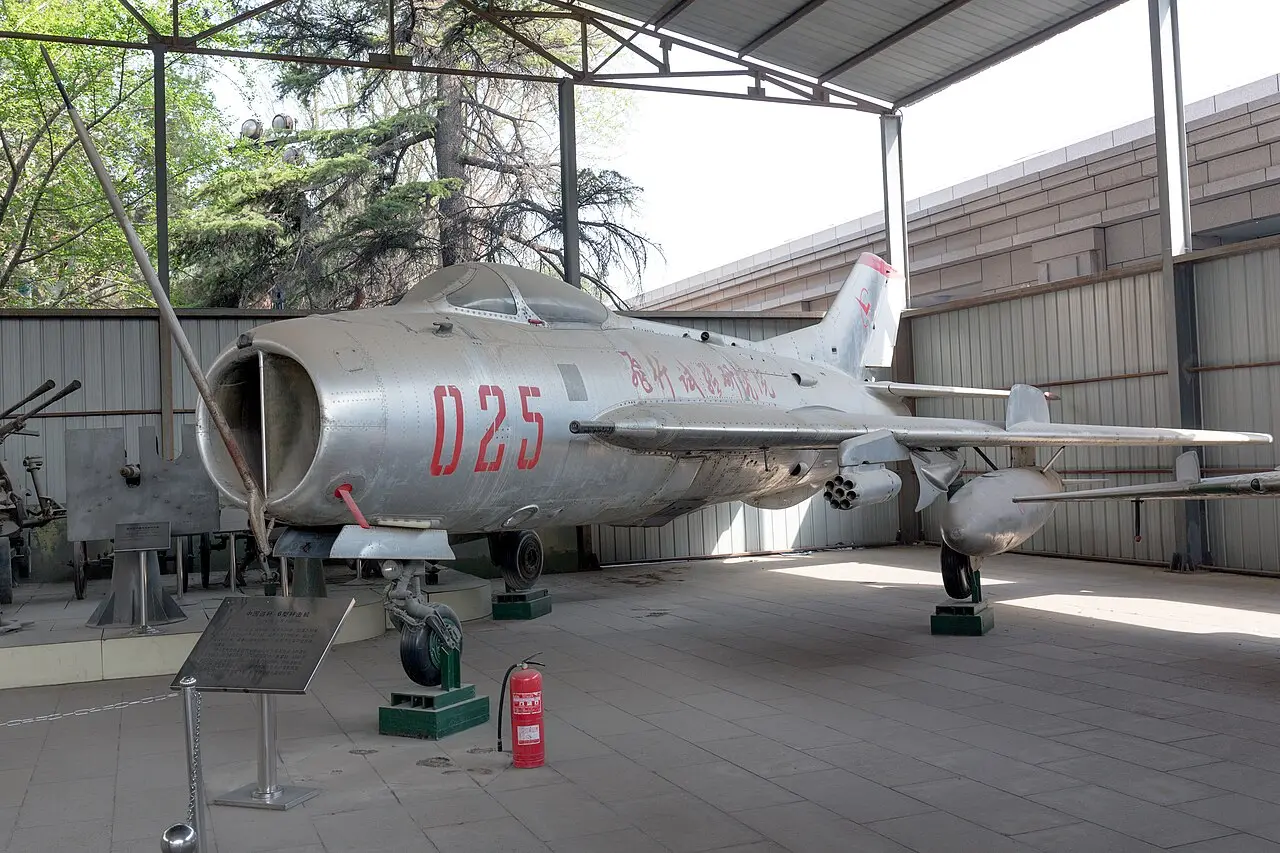
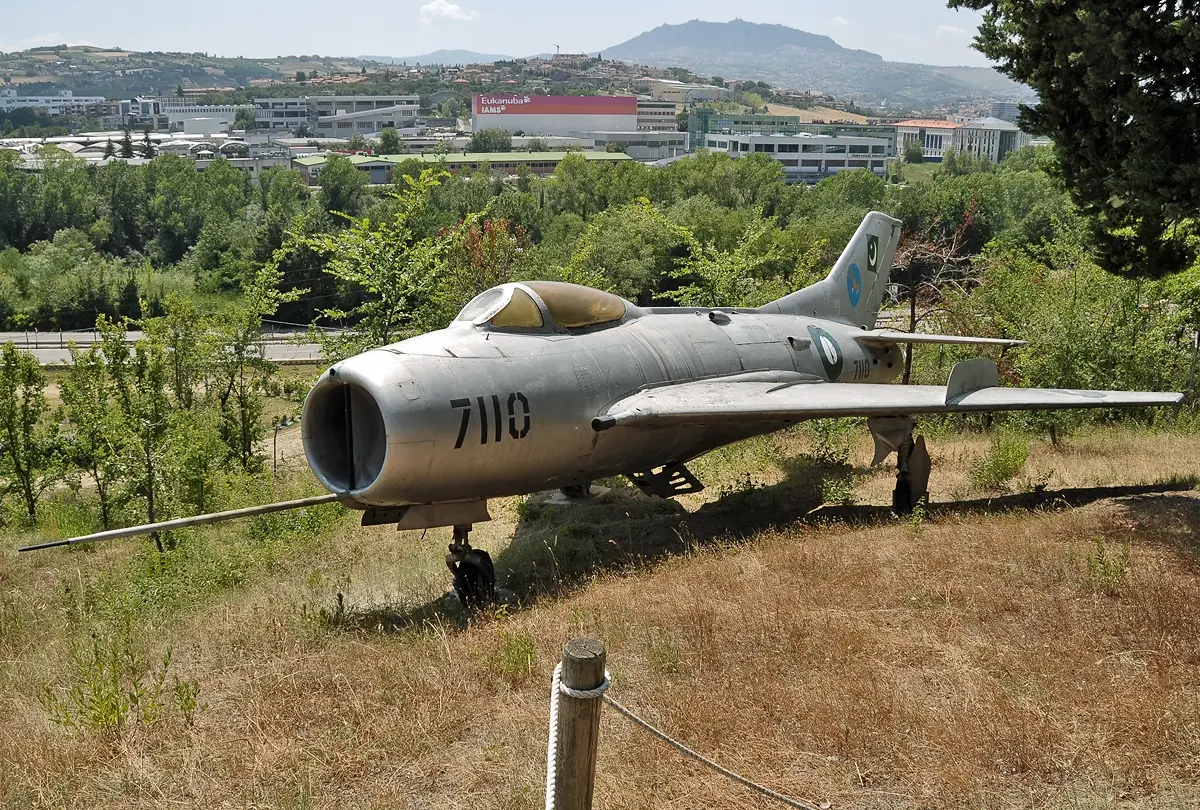
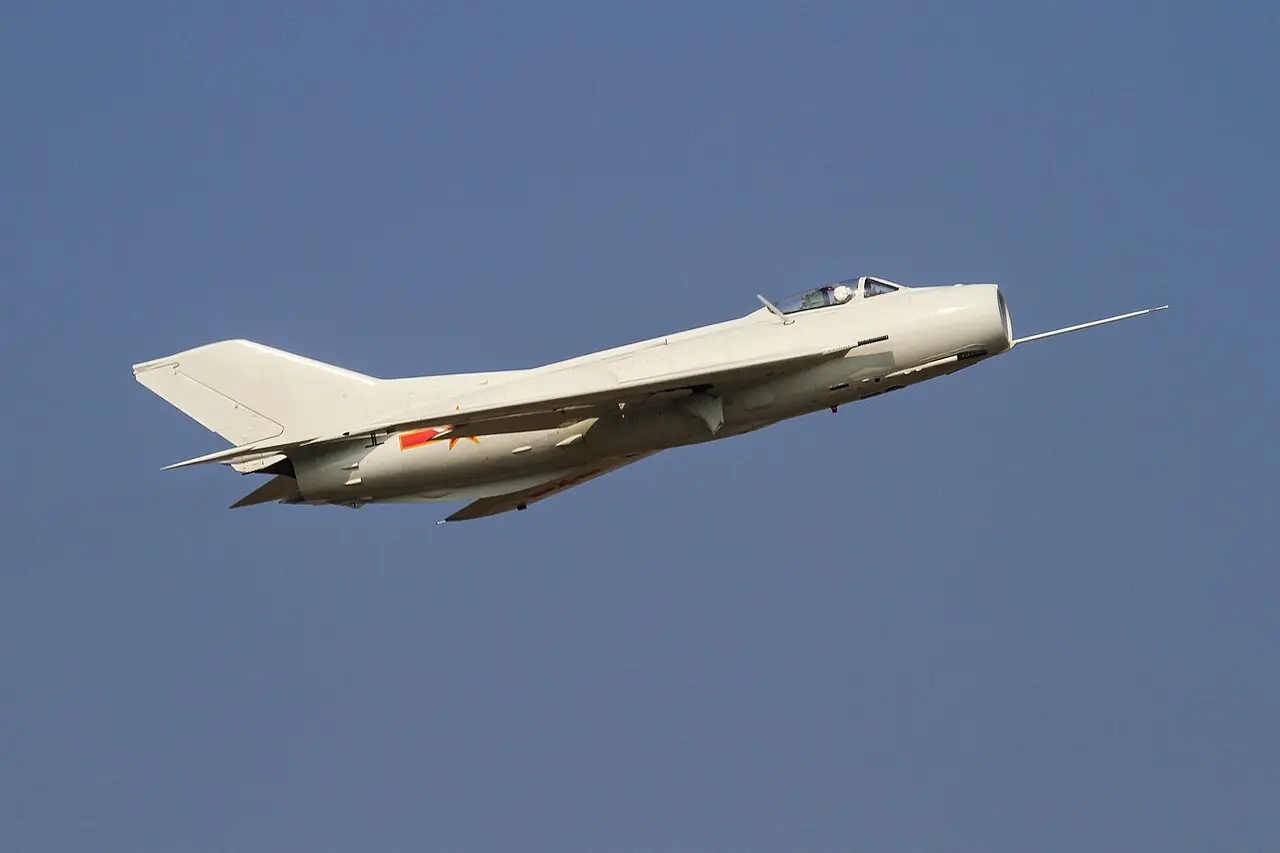
Analysis from the institute’s China Airpower Tracker project identified the aircraft at six air bases, five in Fujian province and one in Guangdong. The drones resemble supersonic J-6 fighter jets, a Soviet-era design first introduced in the 1960s. Satellite images show rows of these swept-wing aircraft positioned on runways, indicating they have been adapted for new operational roles rather than retired.
Scale and capability of the drone fleet
J. Michael Dahm, a senior fellow at the institute, told Reuters that the People’s Liberation Army has deployed “200 or more” such converted aircraft. He told Reuters that these systems are intended to be used in large numbers during the opening phase of any conflict. “They will attack Taiwan, U.S. or allied targets in large numbers, effectively overwhelming air defences,” he said, adding that the aircraft would function more like cruise missiles than traditional unmanned aerial vehicles.
Role in China’s broader strategy
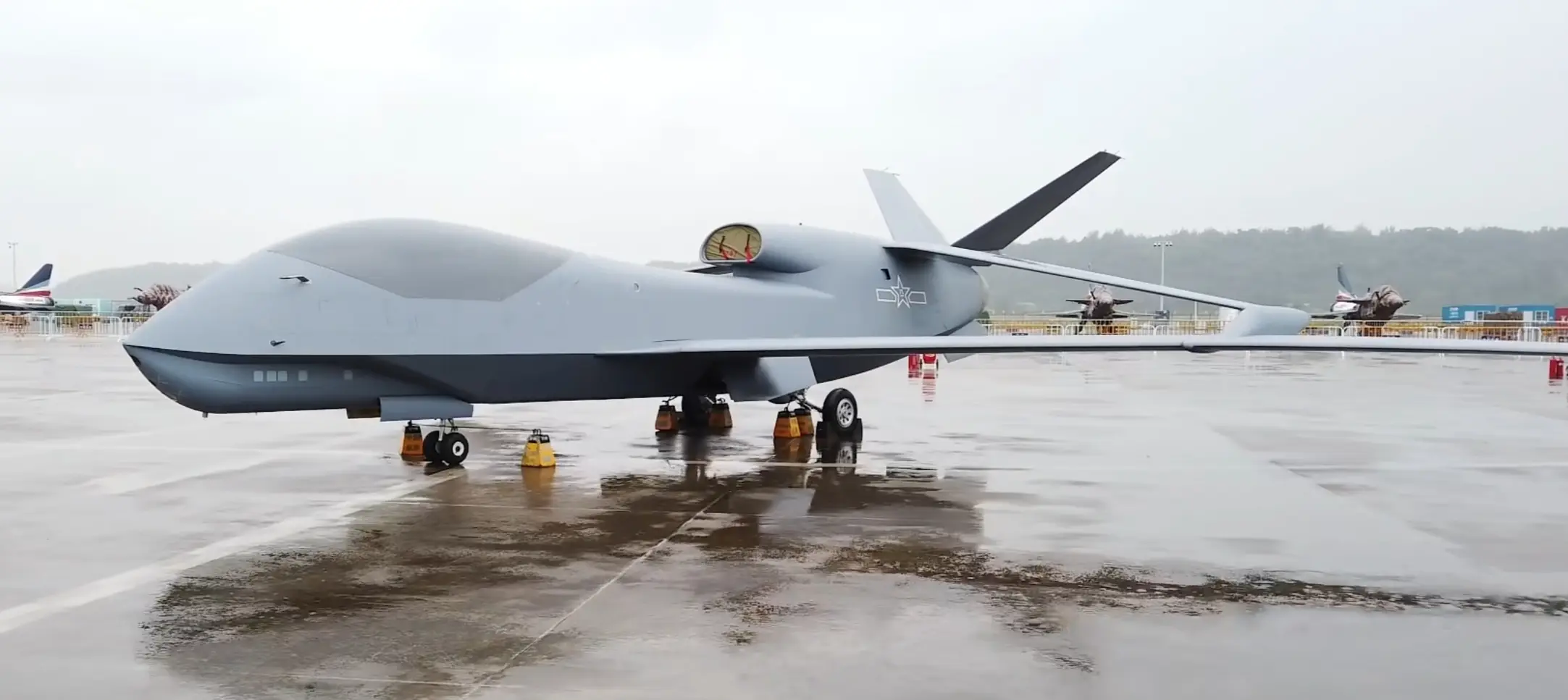
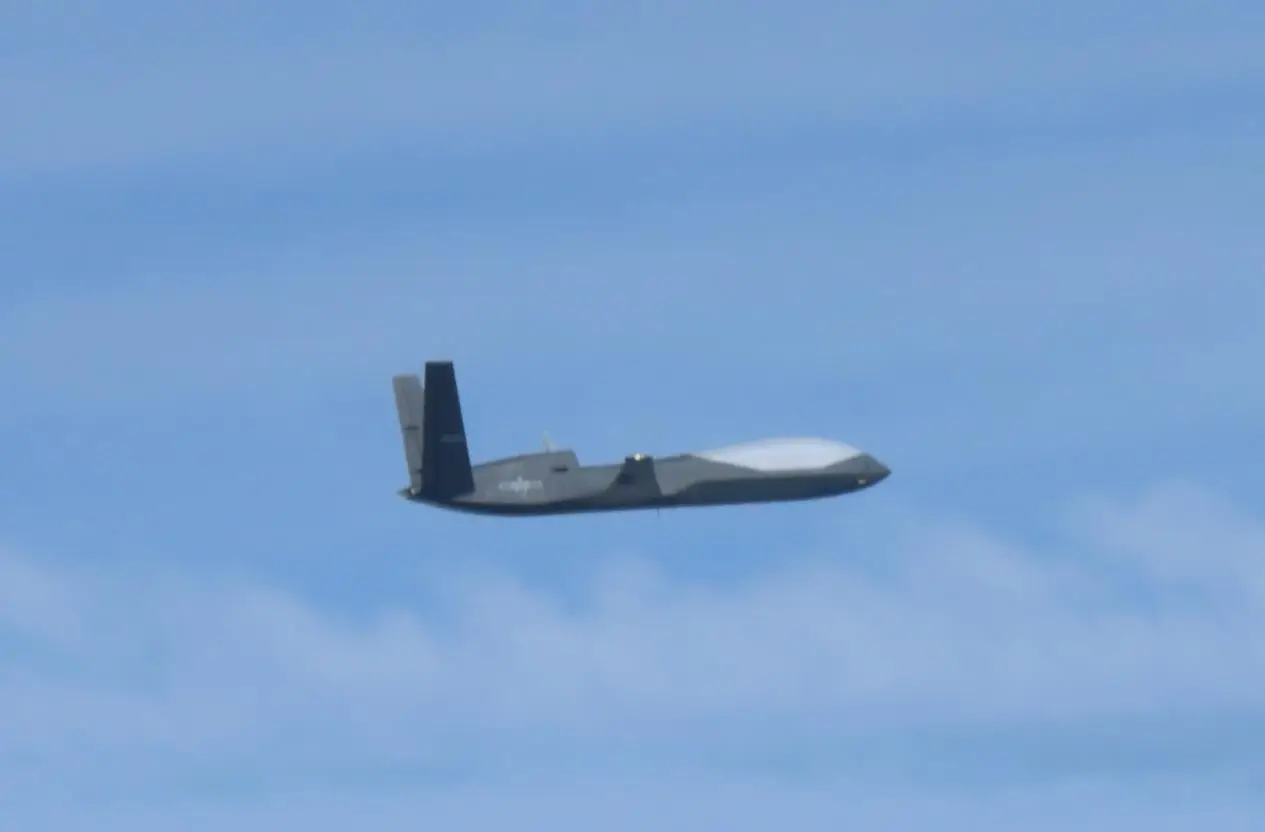
The converted drones form part of a wider expansion of China’s airpower capabilities. Alongside these systems, Beijing is investing in bombers equipped with stand-off missiles, modern fighter jets, ballistic and cruise missiles, and advanced unmanned aerial vehicles. China already dominates the global commercial drone market and continues to increase its military drone capacity.
Impact on Taiwan’s defences
Taiwanese officials say the primary aim of such deployments is to stretch and exhaust air defence systems. A senior security official said the drones are intended “to exhaust Taiwan’s air defence systems in the first wave of an attack”. He noted that intercepting large numbers of low-cost drones would force Taiwan to use expensive missile systems, raising concerns about cost efficiency.
Policy context and military assessments
Beijing considers Taiwan part of its territory and has not ruled out the use of force. Taiwan rejects those claims, maintaining that its future must be decided by its people. While the US intelligence community recently assessed that China is not planning an invasion by 2027, a Pentagon report has stated that China aims to be capable of winning such a conflict by that date.
Evolving nature of modern warfare
Taiwan’s defence ministry has described such drone deployments as “a form of asymmetric warfare that cannot be ignored”. Plans are under way to acquire new counter-drone systems. The development reflects a broader shift towards large-scale, cost-efficient drone warfare, where volume and affordability can be used to challenge traditional defence systems.
Drone warfare shaping modern conflict
Drones have become central to modern warfare. The ongoing West Asia conflict shows Iran using low-cost Shahed-136 drones in large numbers to overwhelm air defences, highlighting the cost imbalance with expensive interceptors. In response, the United States has also been using LUCAS drone based on similar designs. This trend underlines how mass-produced, low-cost drones are increasingly shaping military strategy, including China’s use of converted jet drones near Taiwan.
)
)
)
)
)