2,000-km kill chain: 5 reasons the US Navy cannot ignore China’s J-20 fighter jet stealth advancements

China's massive fleet of J-20 stealth fighters poses a critical threat to US Navy carrier strike groups. With a 2,000-kilometre combat radius, drone-swarm integration, and stealth geometry, the J-20 is built to blind and bypass American defences.
A 250-Jet Armada
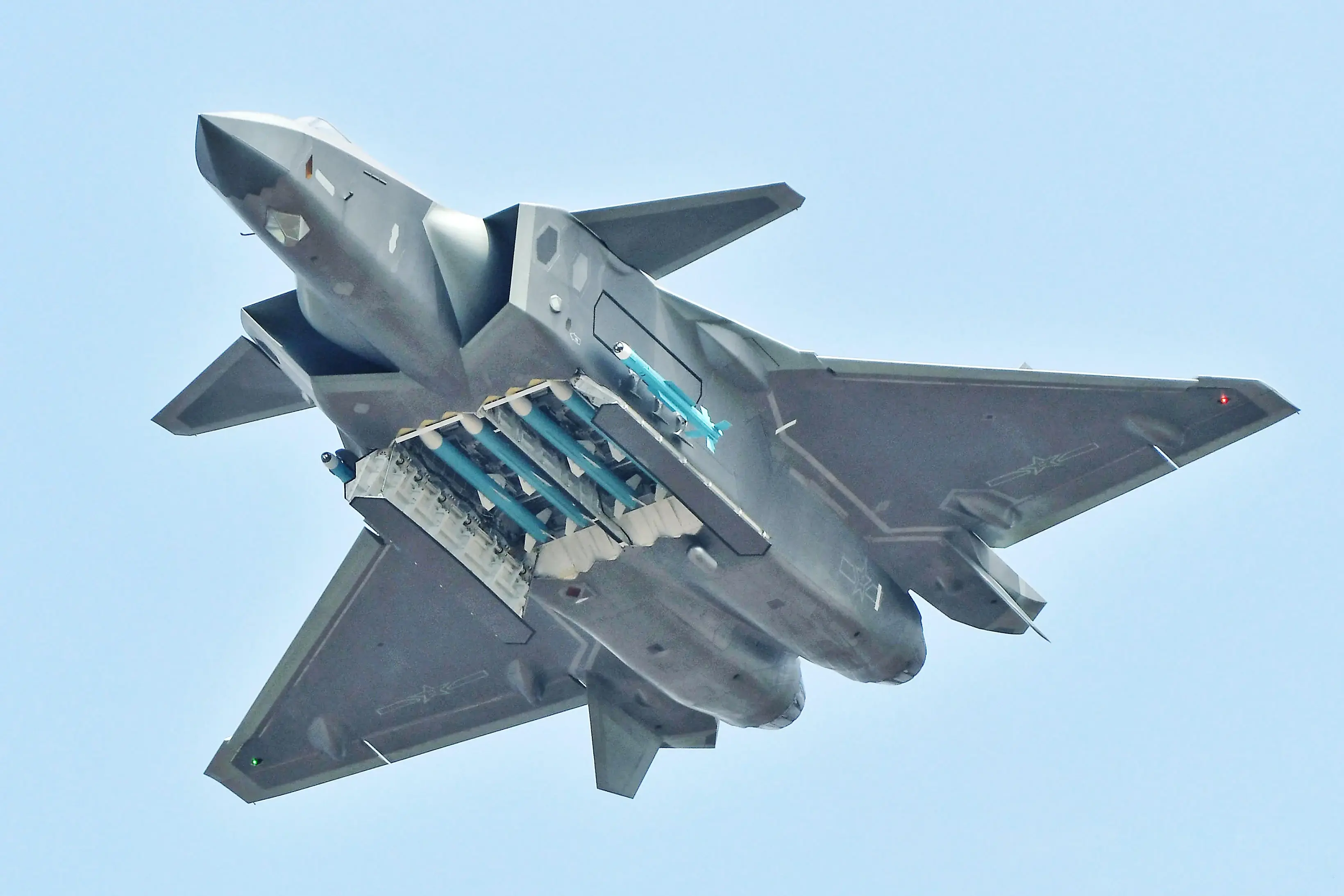
China has quietly accelerated the production of the Chengdu J-20, fielding an operational fleet of over 250 stealth interceptors. This massive armada officially outnumbers America's capped inventory of F-22 Raptors, providing the People's Liberation Army Air Force (PLAAF) with unprecedented numerical parity in the Pacific.
1. The 2,000-Kilometre Kill Chain
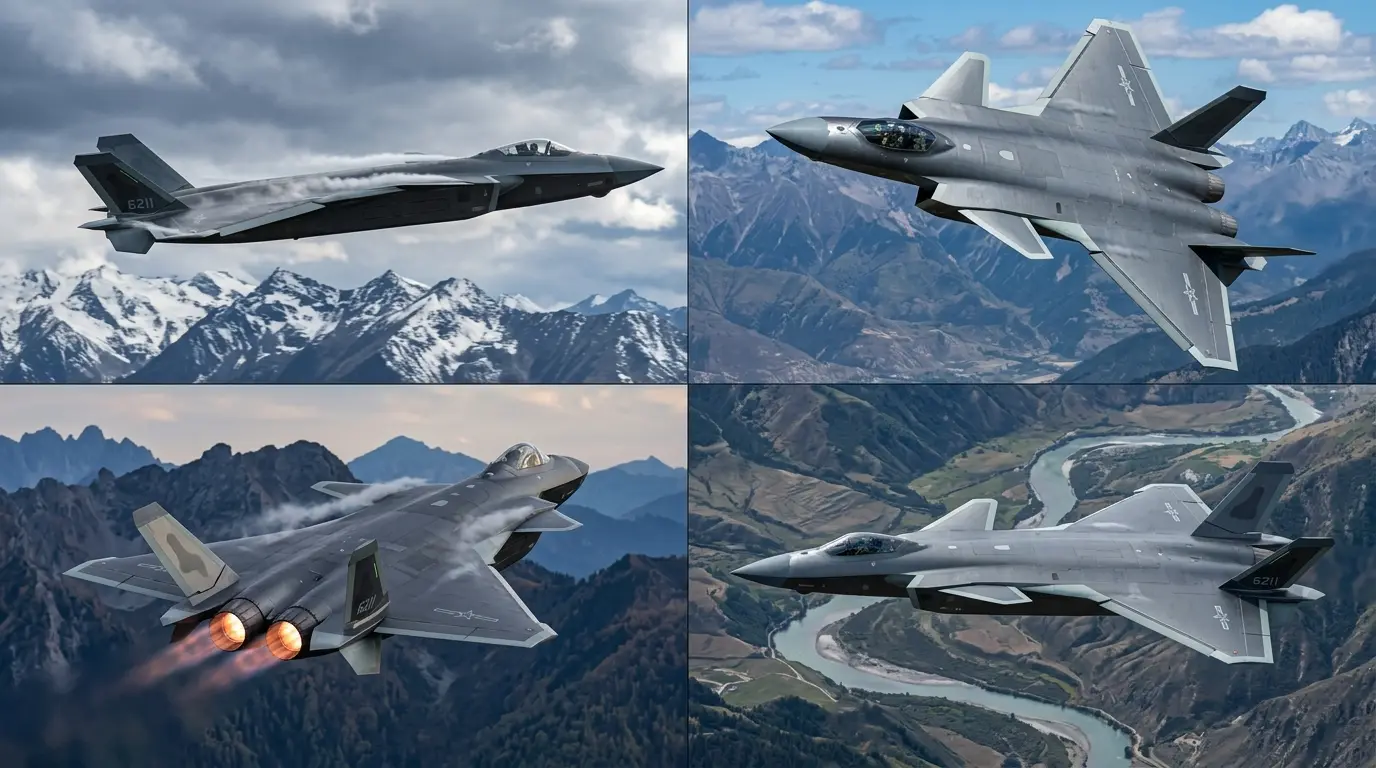
The newly integrated WS-15 turbofan engine grants the J-20 an unrefuelled combat radius exceeding 2,000 kilometres. This extended range allows Chinese pilots to launch deep-strike missions far beyond the First Island Chain, directly threatening US Navy carriers operating in the Philippine Sea.
2. Bypassing the Aegis Shield
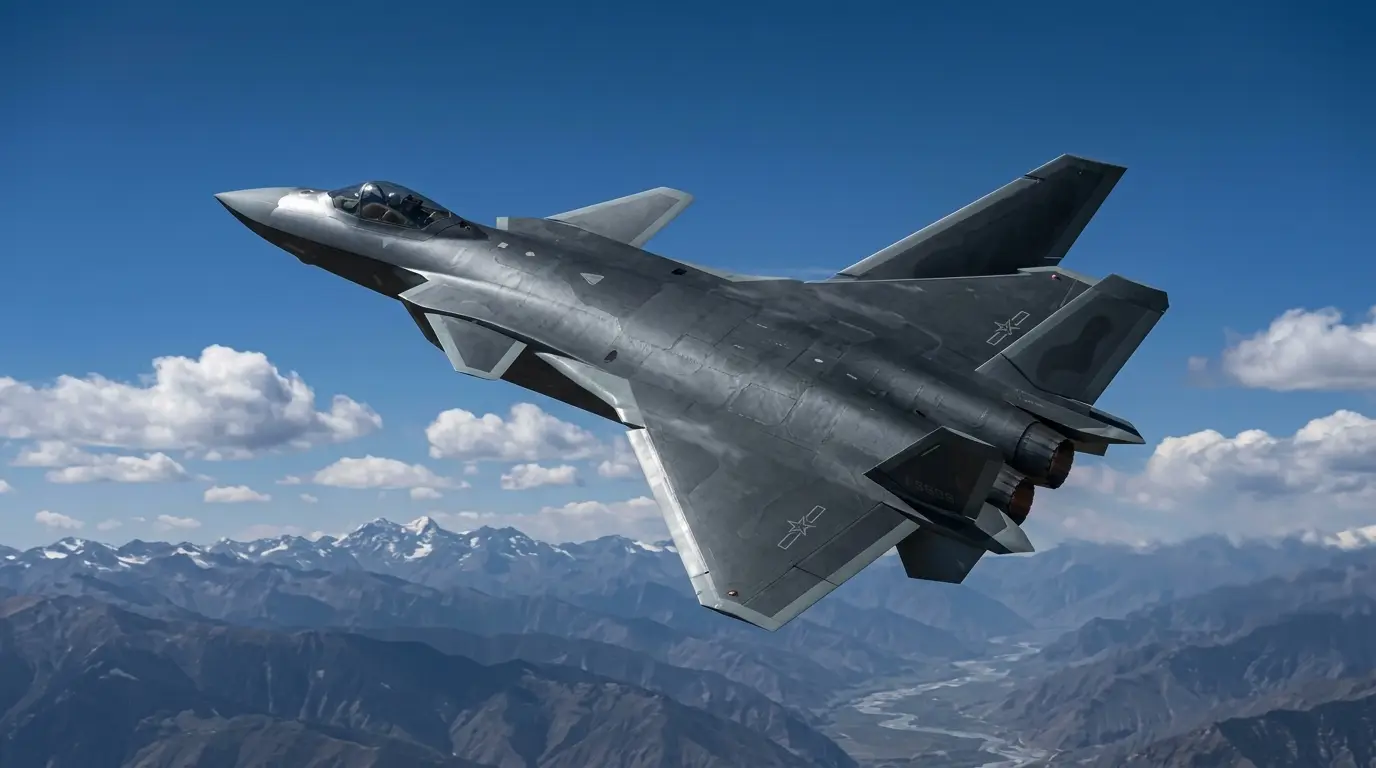
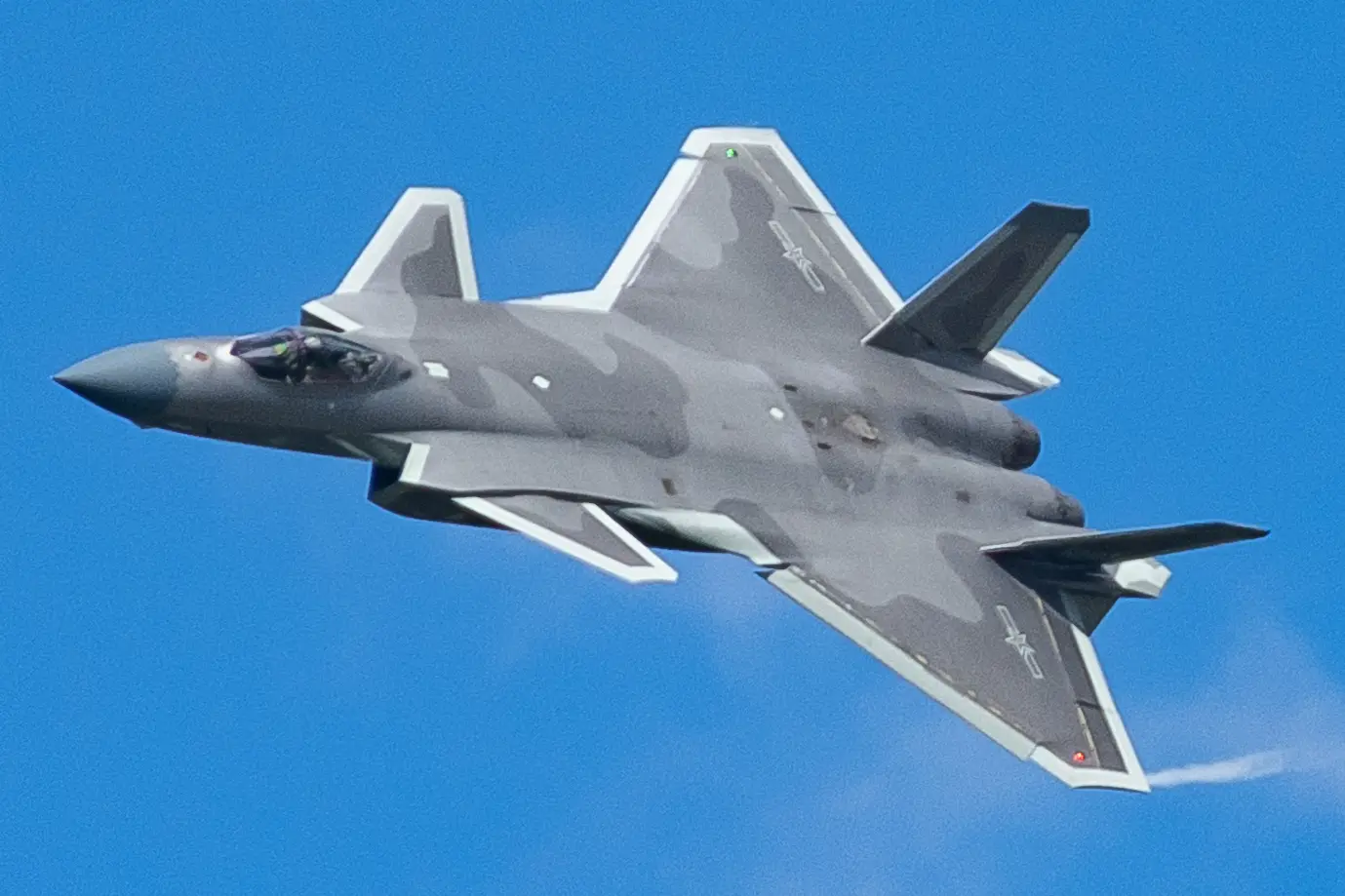
The J-20 features a highly faceted frontal geometry and advanced radar-absorbent materials designed to shrink its radar cross-section. This specific aerodynamic profile makes the USD 120 million jet incredibly difficult for the US Navy’s multibillion-dollar Aegis Combat System to track at long distances.
3. Hunting the 'Eyes' of the Fleet
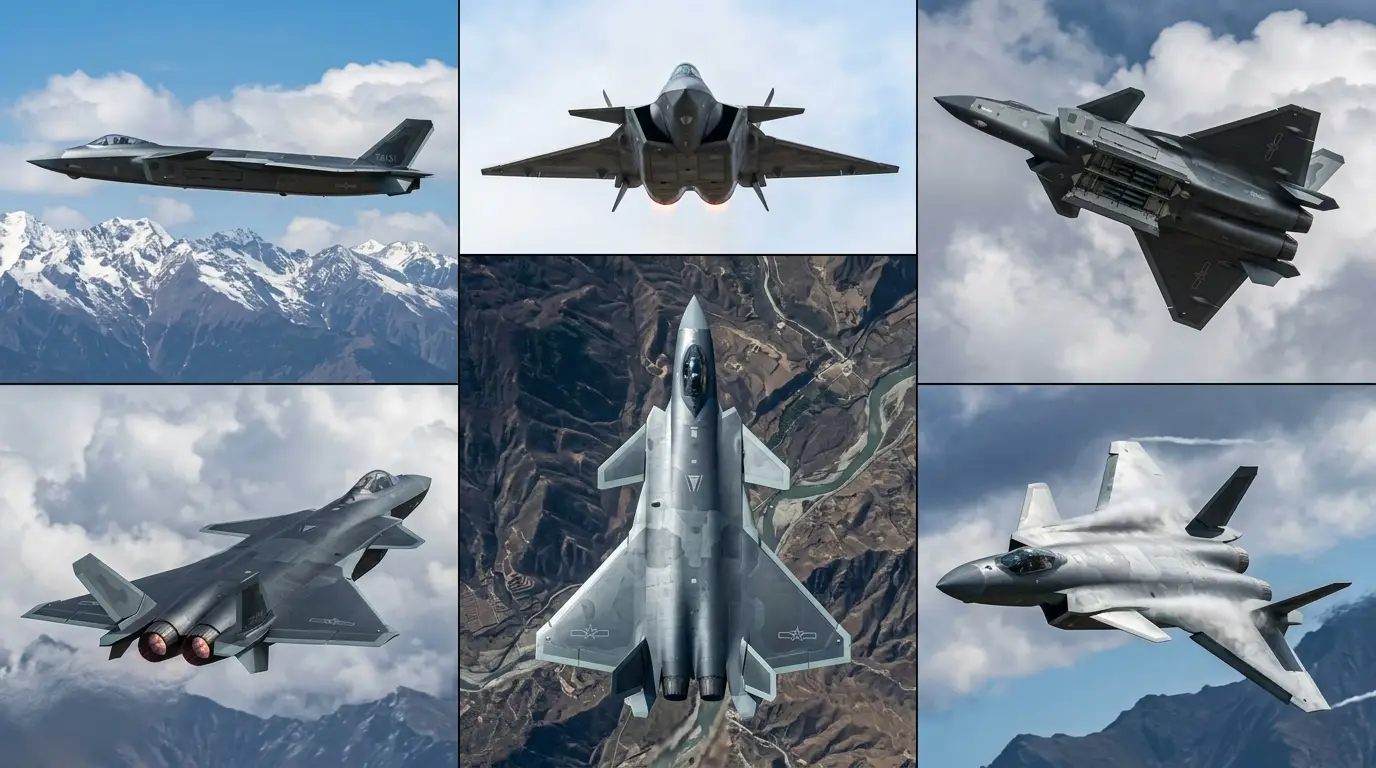
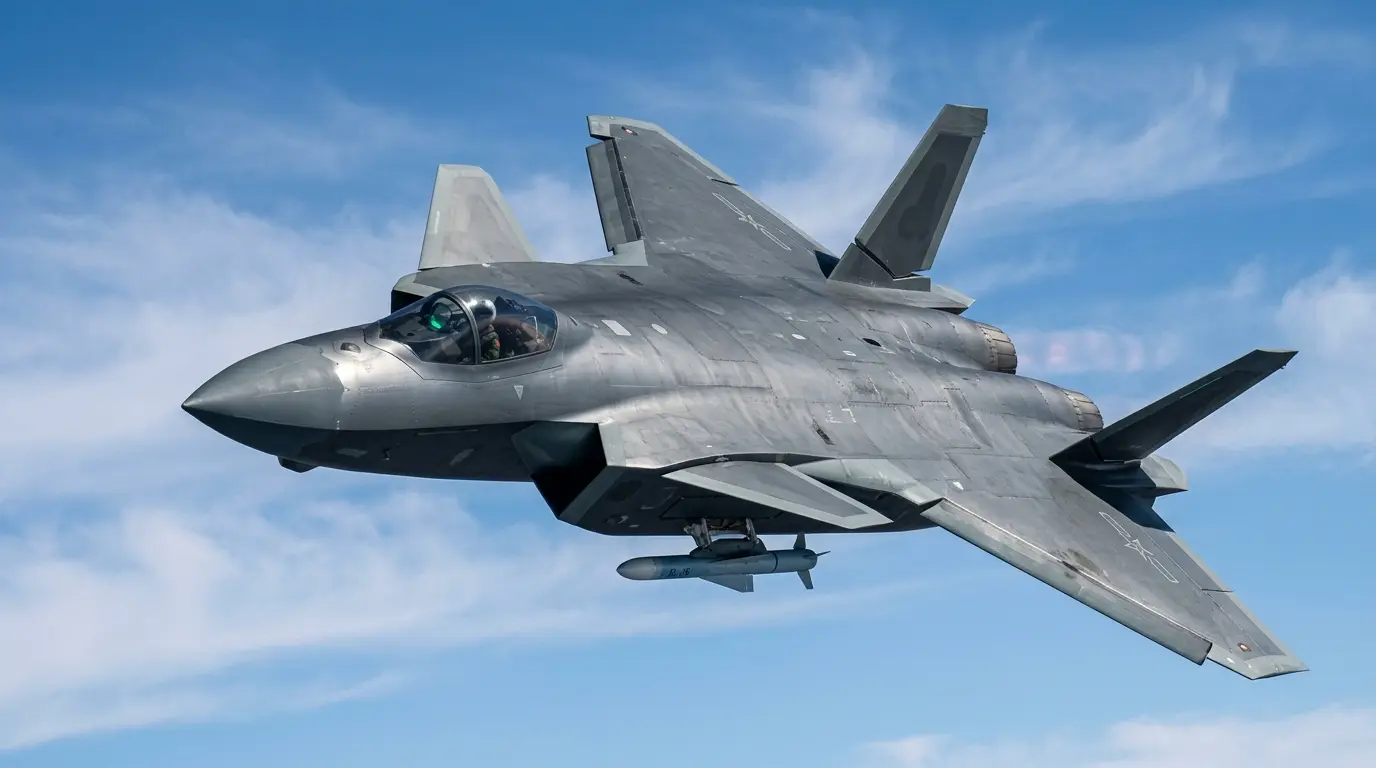
Chinese military doctrine dictates using the J-20 not for traditional dogfighting, but as a stealthy sniper to eliminate vulnerable support aircraft. Armed with long-range PL-15 air-to-air missiles, the J-20 is built to shoot down American E-2D Advanced Hawkeye radar planes, effectively blinding a US carrier strike group.
4. Commanding Lethal Drone Swarms
The twin-seat J-20S variant serves as a mobile battle manager capable of controlling autonomous FH-97A 'loyal wingman' drones. This manned-unmanned teaming allows China to saturate US Navy air defences with heavily armed robotic swarms, overwhelming American radar operators.
5. Supercruise Intercepts
Upgraded with domestic WS-15 engines producing roughly 36,000 pounds of thrust, the latest J-20s can maintain sustained supersonic flight without using fuel-heavy afterburners. This 'supercruise' capability drastically compresses the response time for US Navy F-35C pilots attempting to scramble and intercept the incoming threat.
The US Navy's F/A-XX Response
Recognising the severe threat posed by the J-20, the Pentagon is actively overhauling its Pacific naval strategy. The US Navy is currently accelerating the classified F/A-XX sixth-generation fighter programme to ensure its carriers can launch fighters capable of detecting and destroying Chinese stealth interceptors.
)
)
)
)
)