Jallianwala Bagh centenary: Events that led to the darkest chapter of British colonial rule in India

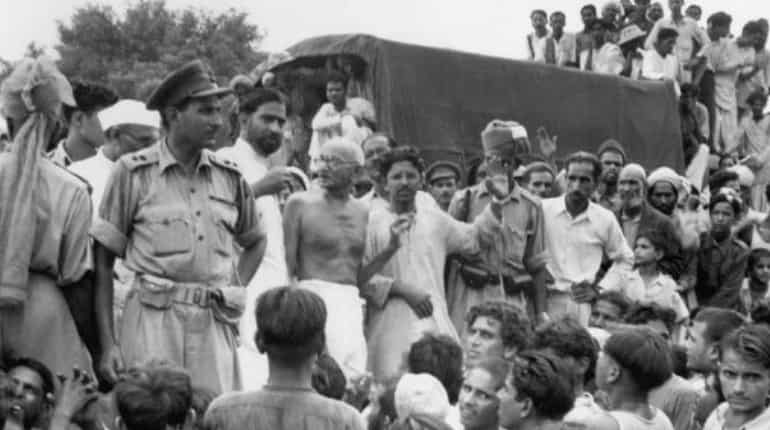
The Prelude
In March 1919, the British colonial government passed the Anarchical and Revolutionary Crimes Act, or the Rowlatt Act, extending repressive measures in force during World War I (1914-18).
These included incarceration without trial, and caused widespread anger, particularly in the northern Punjab region, with Mahatma Gandhi calling for a nationwide general strike.
In Amritsar news that prominent Indian leaders had been arrested and banished from that city sparked violent protests on April 10.
These saw soldiers fire upon civilians, buildings looted and burned, while angry mobs killed several foreign nationals and attacked a Christian missionary.
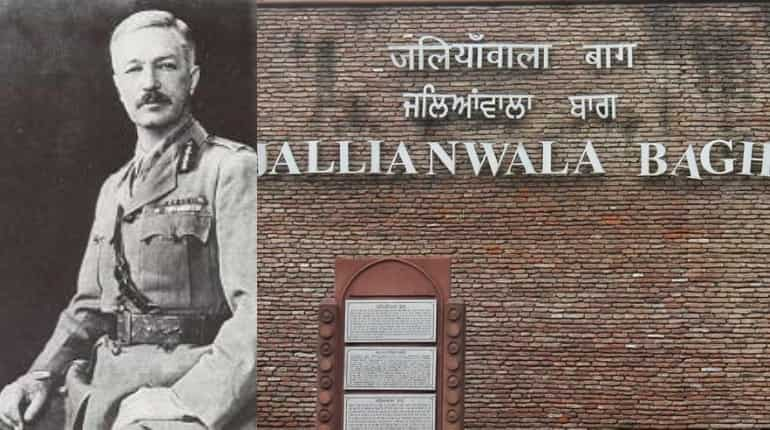
Brigadier General Reginald Edward Harry Dyer
Brigadier General Reginald Edward Harry Dyer was tasked with ensuring order and imposed measures including a ban on public gatherings.
On the afternoon on April 13, some 10,000 people gathered at the Jallianwala Bagh, an area in Amritsar surrounded by high walls with only one exit.
People were angry in particular about the arrests of two local leaders. April 13 was also Baisakhi, a harvest festival in northern India.
The crowd included men, women, children and pilgrims who were visiting the nearby Golden Temple. Some estimates put the crowd at 20,000.
(Image courtesy: Zee News Network)
Enter Dyer
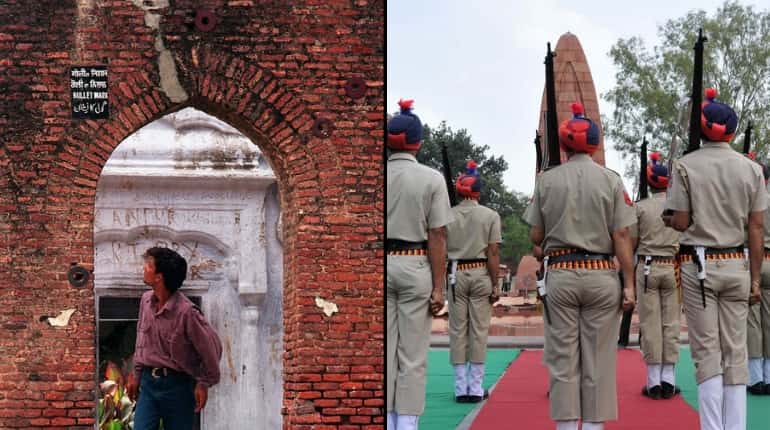
Dyer, later dubbed "The Butcher of Amritsar", reached the spot with dozens of soldiers and sealed off the exit.
Without warning, he ordered the soldiers to fire on the unarmed crowd. Many tried to escape by scaling the walls but failed. Some jumped into an open well at the site.
Reportedly the troops fired until they ran out of ammunition, letting off hundreds of rounds into the crowd before withdrawing.
Dyer said later that the firing was "not to disperse the meeting but to punish the Indians for disobedience."
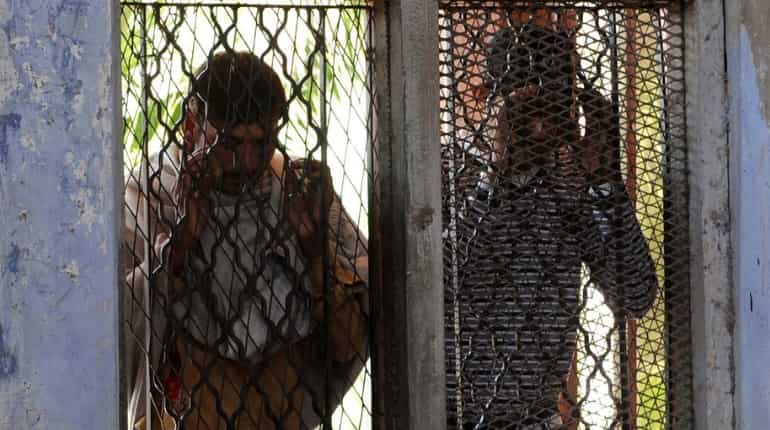
The aftermath
Reaction in Britain varied, with Dyer receiving support in the House of Lords and not least from Rudyard Kipling, who is said to have called him "the man who saved India".
Dyer was removed from a command into enforced retirement. He died in 1927.
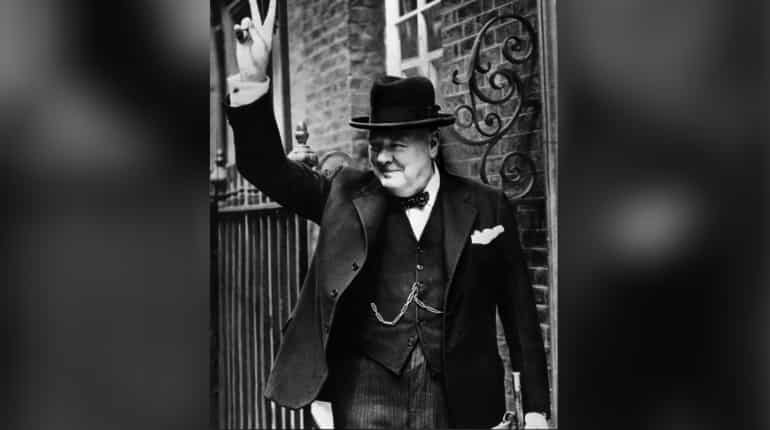
'This is not the British way of doing business'
"It stopped only when it was on the point of exhaustion, enough ammunition being retained to provide for the safety of the force on its return journey. If more troops had been available the casualties would have been greater in proportion," Churchill said.
"Finally, when the ammunition had reached the point that only enough remained to allow for the safe return of the troops, and after 379 persons, which is about the number gathered together in this Chamber today, had been killed, and when most certainly 1,200 or more had been wounded, the troops, at whom not even a stone had been thrown, swung round and marched away," Churchill said.
"I feel myself in the strongest sympathy, but I do not think it is in the interests of the British Empire or of the British Army for us to take a load of that sort for all time on our backs. We have to make it absolutely clear, some way or another, that this is not the British way of doing business," he added.
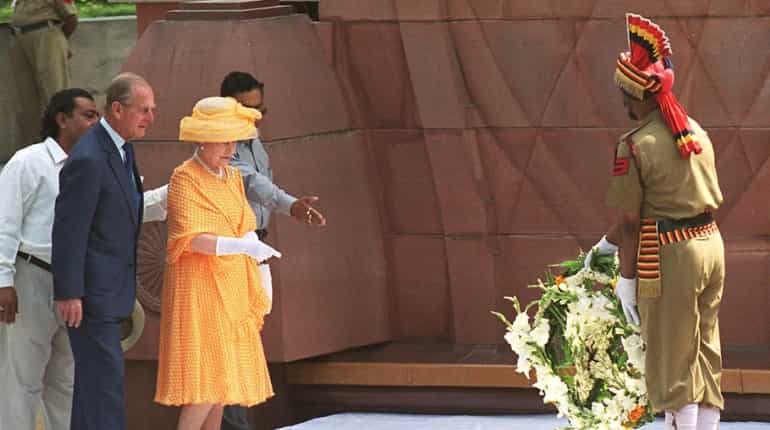
No apology
Demands by several past Indian leaders and politicians for Britain to apologise for the massacre have fallen on deaf ears.
In 1997 the Queen laid a wreath at a site during a tour of India. But her gaffe-prone husband Prince Philip stole the headlines by reportedly saying that the Indian estimates for the death count were "vastly exaggerated".
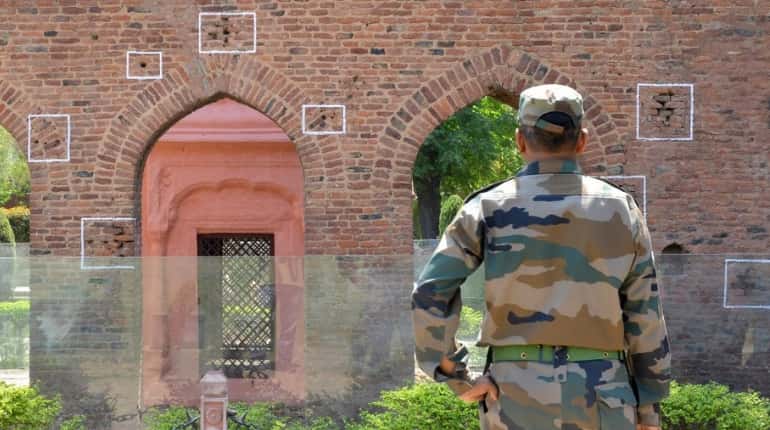
'Deeply shameful' but not enough to apologise
In 2013 David Cameron became the first serving British prime minister to visit Jallianwala Bagh. He described the episode as "deeply shameful" but stopped short of a public apology.
"We must never forget what happened here. And in remembering we must ensure that the United Kingdom stands up for the right of peaceful protest around the world," Cameron wrote in the visitors' book.

We regret what happened: Theresa May
On Wednesday, Prime Minister Theresa May told parliament that Britain "deeply regretted what happened and the suffering caused."
But she too didn't say sorry.
)
)
)
)
)