100kW vs 10kW: Why Israel built two laser weapon systems with near-zero interception cost

These include the full-scale 100 kW Iron Beam, the lighter 10 kW Iron Beam Lite (also known as Lite Beam), and the developing Naval Iron Beam for maritime platforms.
Introduction
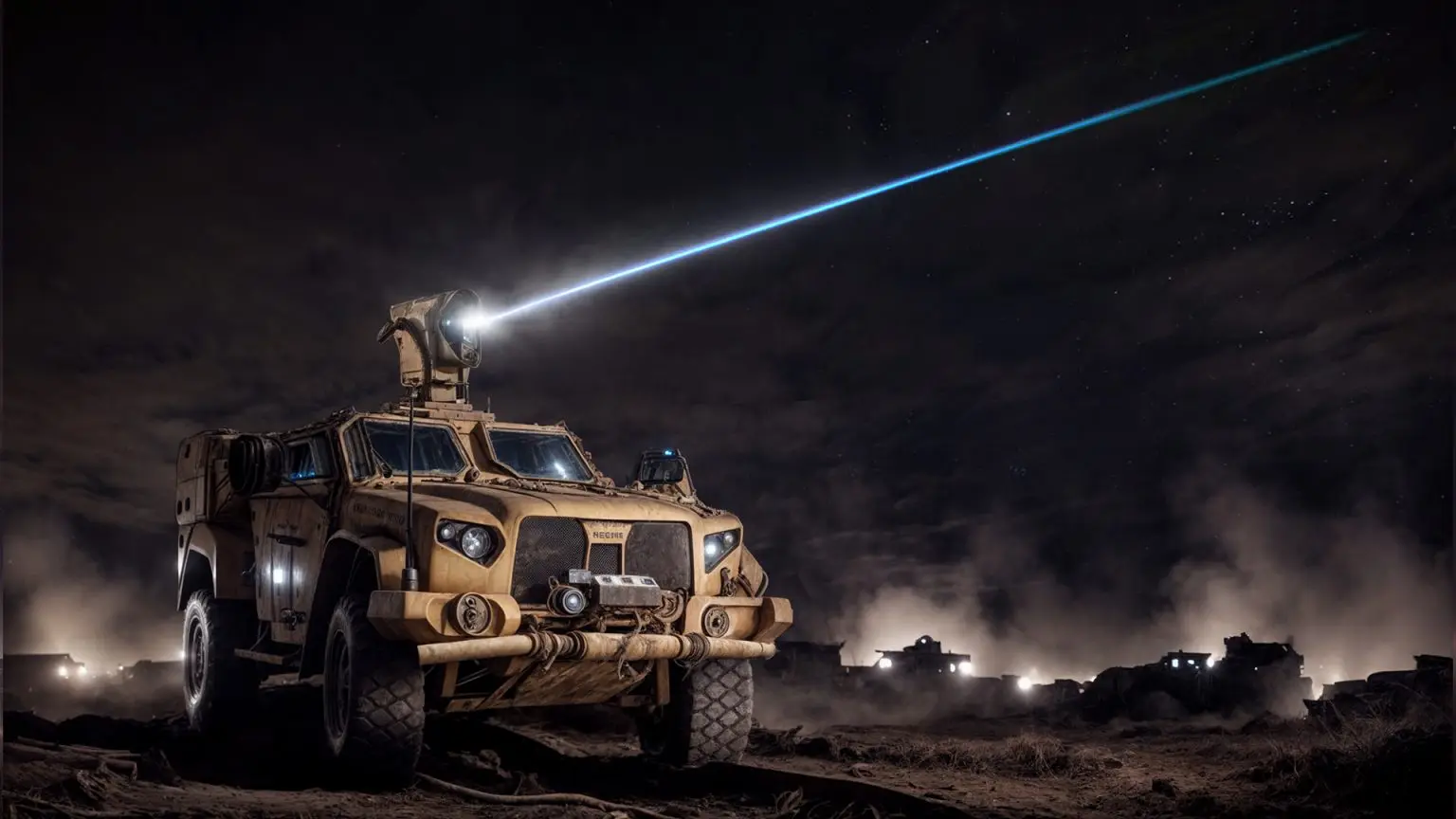
Israel’s Iron Beam, more popularly known as the world’s first operational high-energy laser air-defence system is all set to be delivered by the end of this month. It has been designed to neutralise fast-evolving aerial threats at a fraction of the cost of the traditional interceptors. Developed by Rafael Advanced Defense Systems along with Elbit Systems in partnership with the ministry, the system marks a significant shift in Israel’s air-defence structure by introducing an interceptor with an almost zero cost per shot an advantage highlighted by both official releases.
The Iron Beam Family Takes Shape
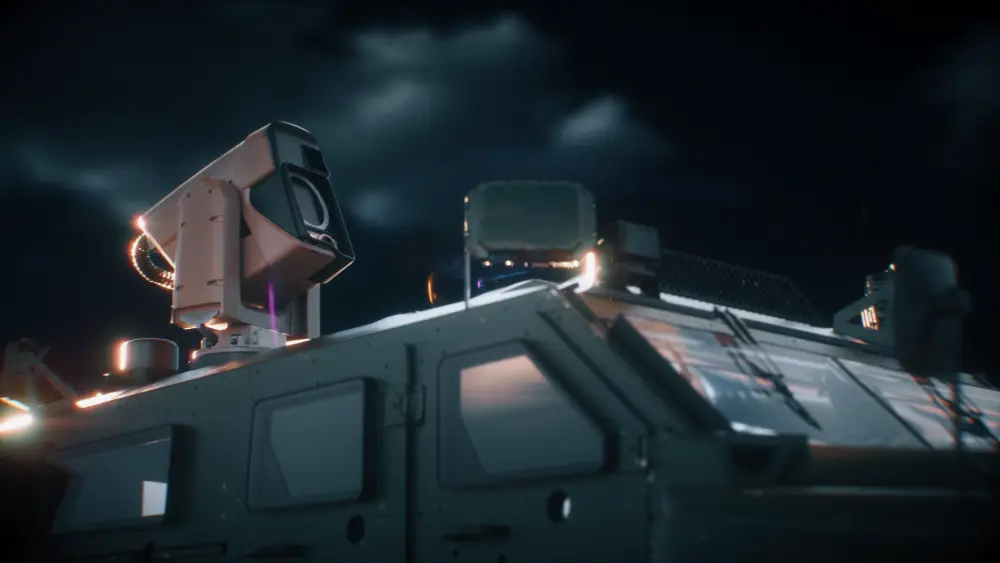
Rafael has built not one but a family of laser systems intended to address different layers of the threat spectrum. These include the full-scale 100 kW Iron Beam, the lighter 10 kW Iron Beam Lite (also known as Lite Beam), and the developing Naval Iron Beam for maritime platforms. Together, they create a tiered laser architecture parallel to Israel’s traditional interceptor layers. But how does the Lite version differ from Iron Beam.

Purpose and Role
Iron Beam and Iron Beam Lite are built for different layers of defence. According to Rafael, Iron Beam is a 100 kW-class system designed for strategic air defence, protecting cities, bases and critical sites from high-volume and high-speed threats. In contrast, the Iron Beam Lite, is a 10 kW-class system created to protect manoeuvring ground forces and small installations from low-altitude aerial threats such as drones and small UAVs.
Power and Threat Range
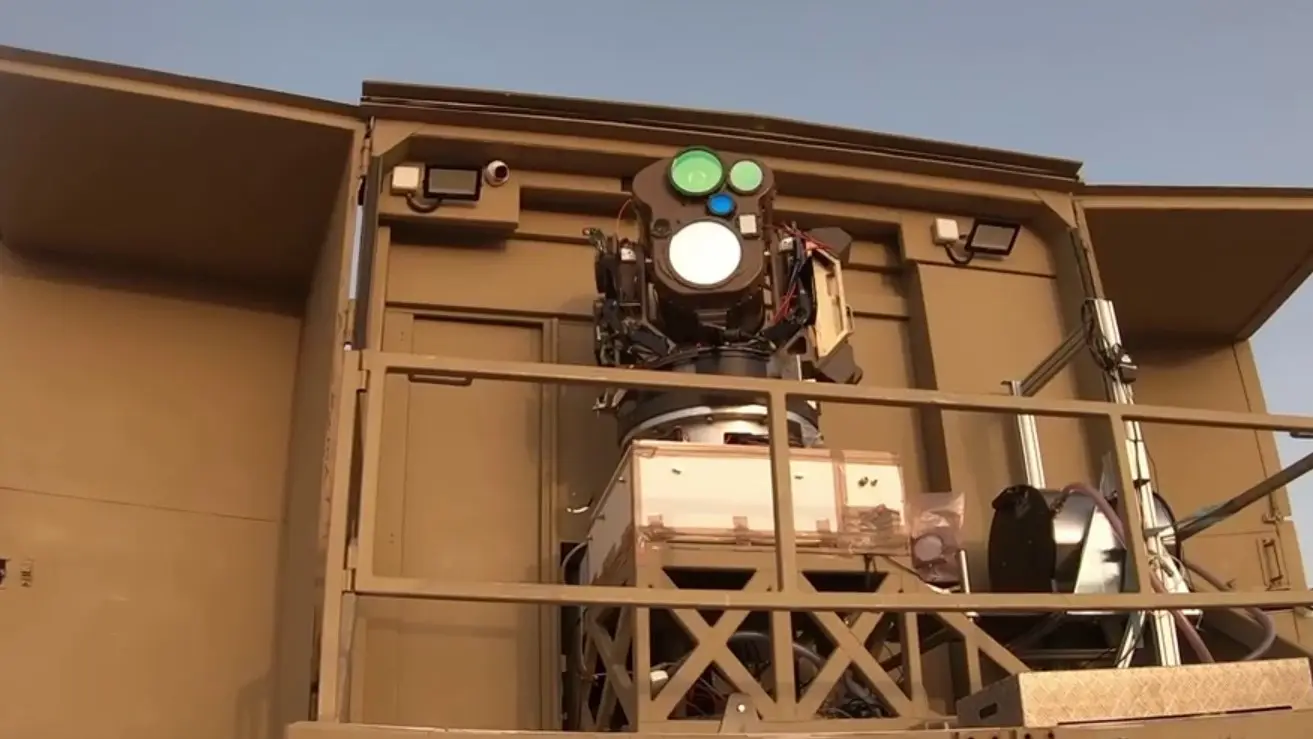
The two systems differ sharply in power and threat profiles. Iron Beam’s higher energy output enables it to neutralise rockets, artillery shells, mortars, short-range ballistic threats, cruise missiles and UAVs at ranges of up to 10 km. Iron Beam Lite focuses on close-range threats, intercepting drones, small UAVs, swarms and short-range ground threats at up to around 3 km. While Iron Beam can deal with heavier and faster projectiles, Iron Beam Lite is optimised for lighter, low-flying targets.
Mobility and Deployment
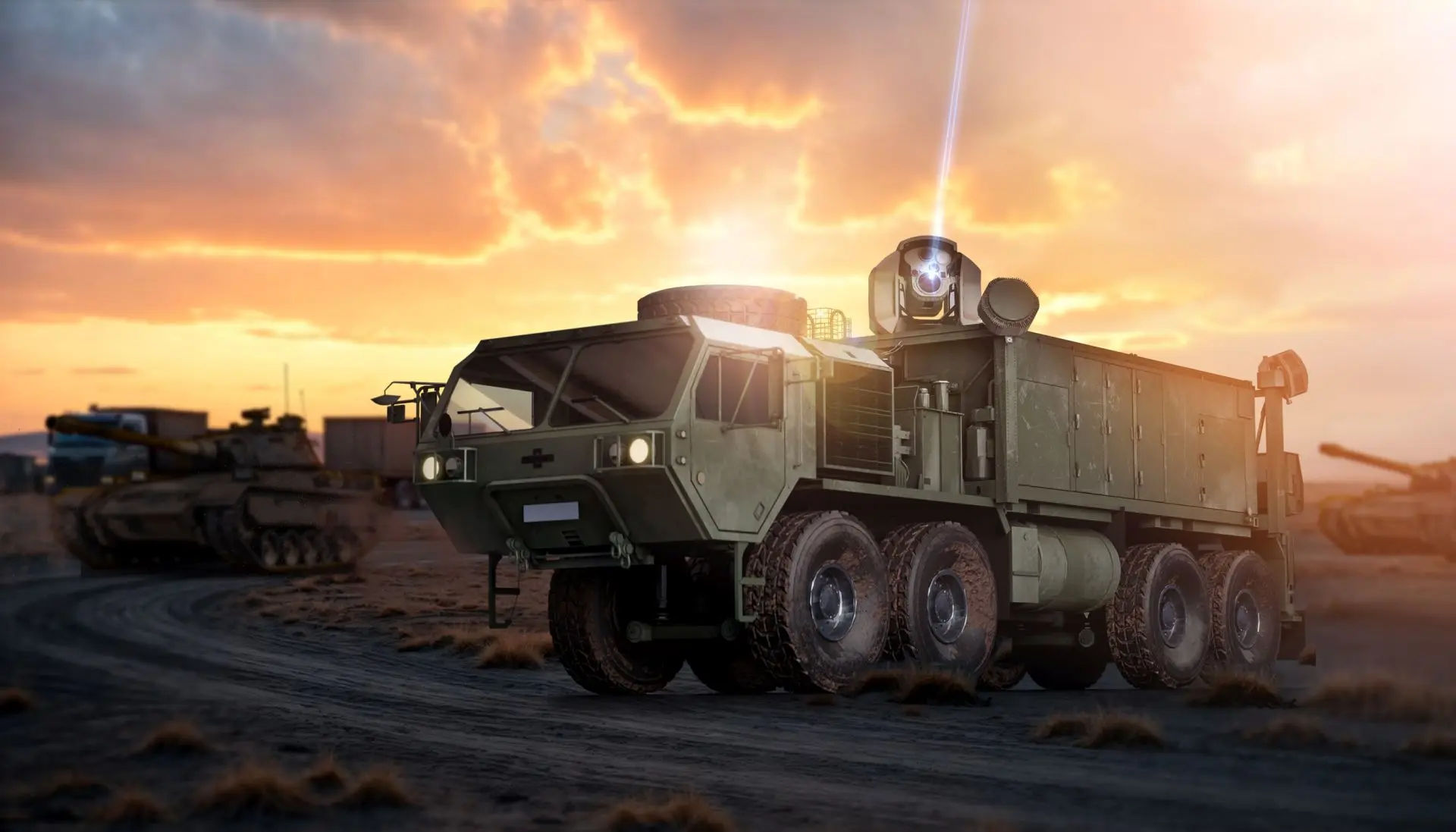
Rafael positions Iron Beam as a largely stationary installation, able to be moved with planning but not fired while moving, according to the Jerusalem Post. It is intended for fixed-area protection similar to Iron Dome batteries. Iron Beam Lite is fully mobile and designed for 4×4, 6×6, 8×8 and tracked armoured vehicles, providing on-the-move defence for advancing forces. Lite Beam’s ability to operate in both open terrain and urban environments makes it suitable for tactical missions where threats appear at short notice.
Technology and Engagement Capacity
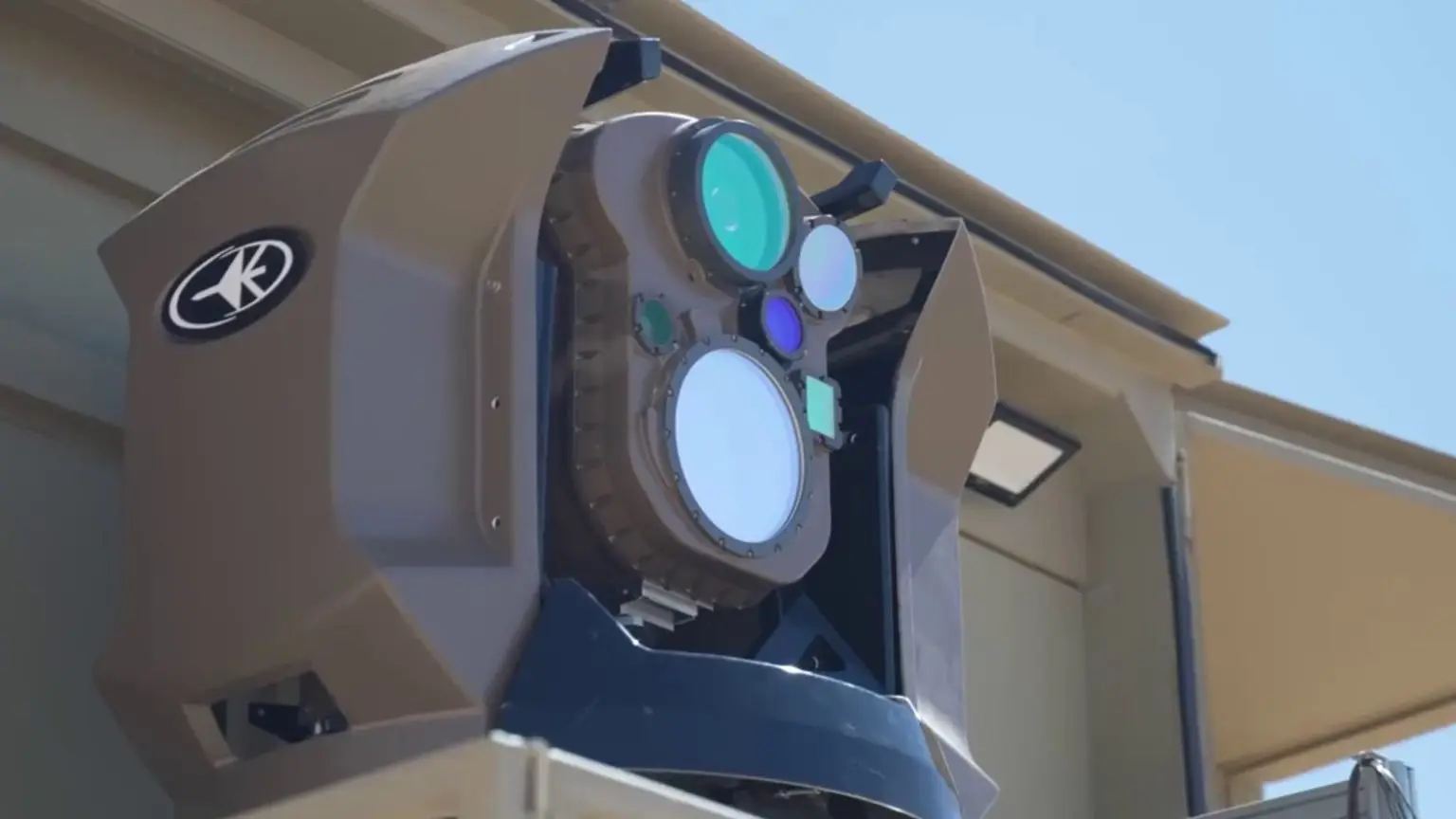
Both systems use Rafael’s directed-energy technology with an unlimited magazine and near-zero cost per intercept, but they apply it differently. Iron Beam uses multi-function Beam Directors with Coherent Beam Combination and Adaptive Optics for long-range stabilisation and precision. Iron Beam Lite applies focused heat on a coin-sized spot to neutralise up to 10 targets simultaneously, receiving targets through a C4I network and allowing remote operation. The result is a high-power system built for strategic defence and a compact variant optimised for rapid, mobile, close-range engagements.
Why Israel Needs All Three
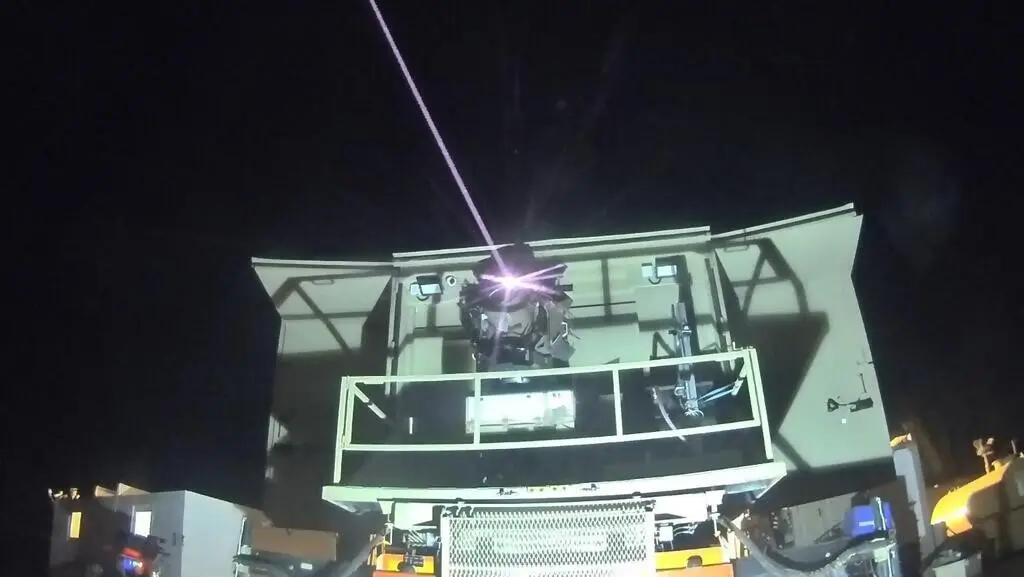
Iron Beam’s speed-of-light engagement can destroy threats shortly after launch, often before they leave enemy territory. However, no single laser system can meet all operational demands. Therefore, the beam has three variants which can be used for seperate needs. Together, the three variants form a flexible laser tier offering near-zero-cost interception, unlimited firing capacity and rapid retargeting, thus filling a crucial gap between kinetic interceptors and the rising volume of low-cost aerial threats.
)
)
)
)
)