10 trains that cross the longest bridges

India’s Chenab Bridge is the world’s highest railway bridge. Other long bridges like Vembanad, Bogibeel, and Pamban are crucial for rail connectivity in challenging landscapes.
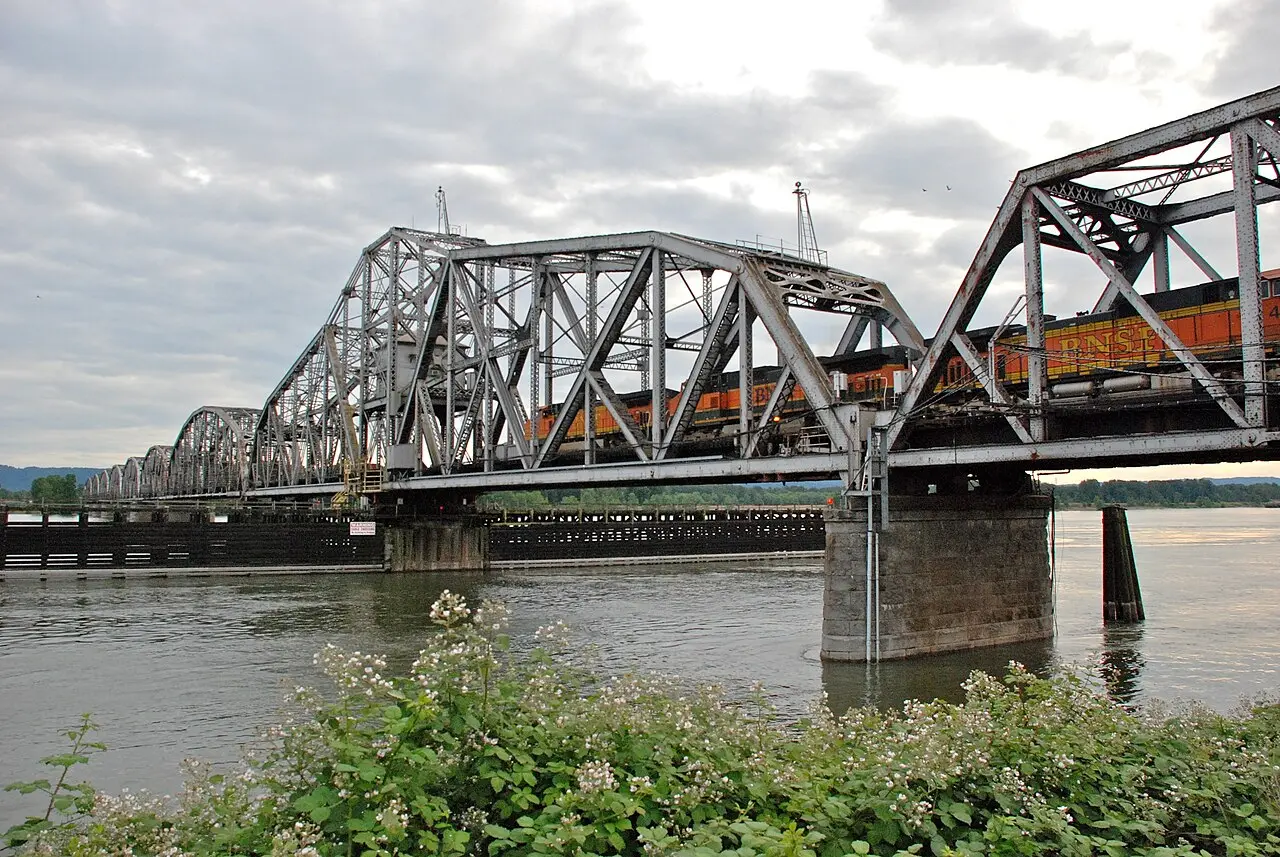
BNSF Railway Crossing, United States - Great Platte River Bridge
This bridge on the BNSF Railway spans over 3 kilometres across the Platte River in Nebraska. It's one of America’s longest rail bridges, supporting heavy freight traffic daily.
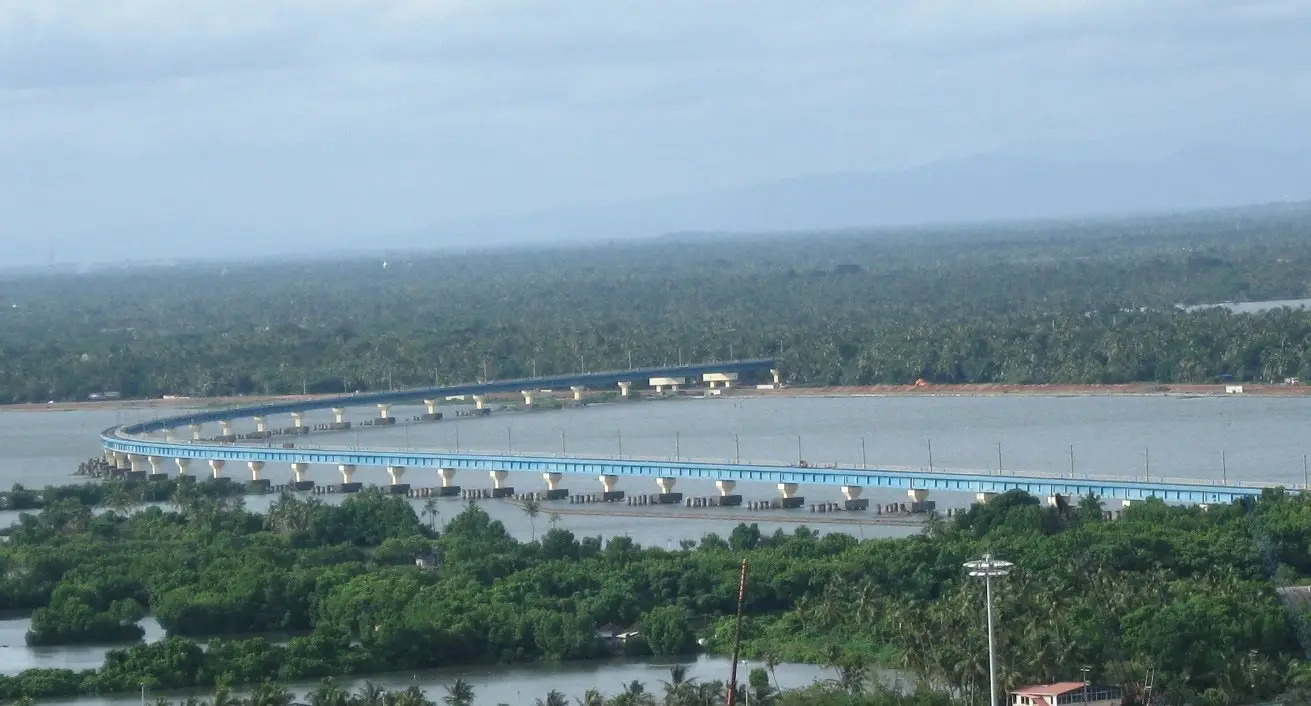
Konkan Railway - Vembanad Rail Bridge, India
The Vembanad Rail Bridge stretches 4.62 kilometres across India’s largest lake, the Vembanad Lake in Kerala. Opened in 2011, it boosts freight movement and showcases stunning water views.
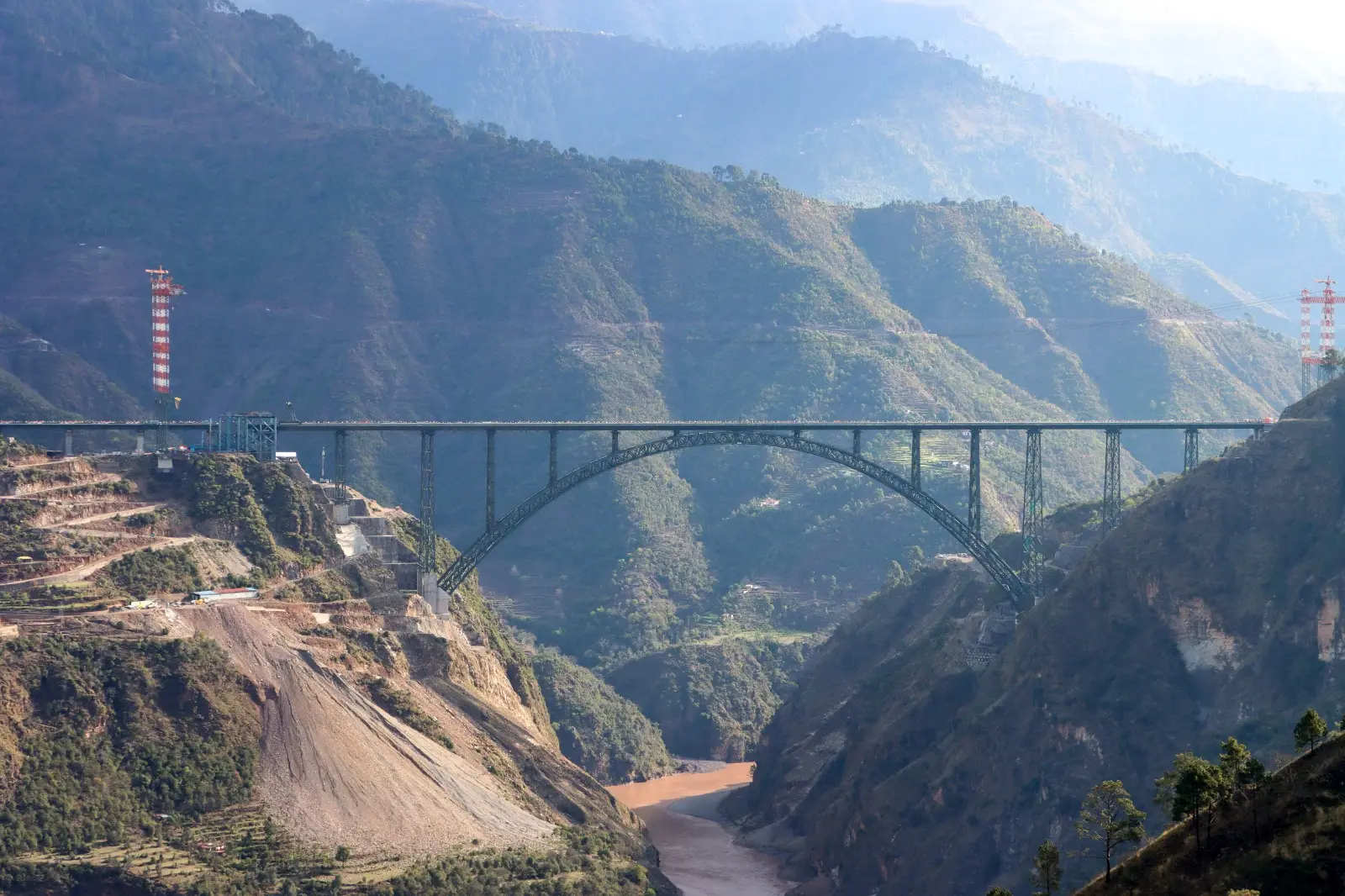
Chenab Rail Bridge, India - 1,315 m Long and 359 m High
The Chenab Bridge in Jammu and Kashmir is the world's highest railway bridge, spanning 1,315 meters and towering 359 meters above the Chenab River. It is an arch bridge designed for double railway tracks to withstand extreme terrain and weather.
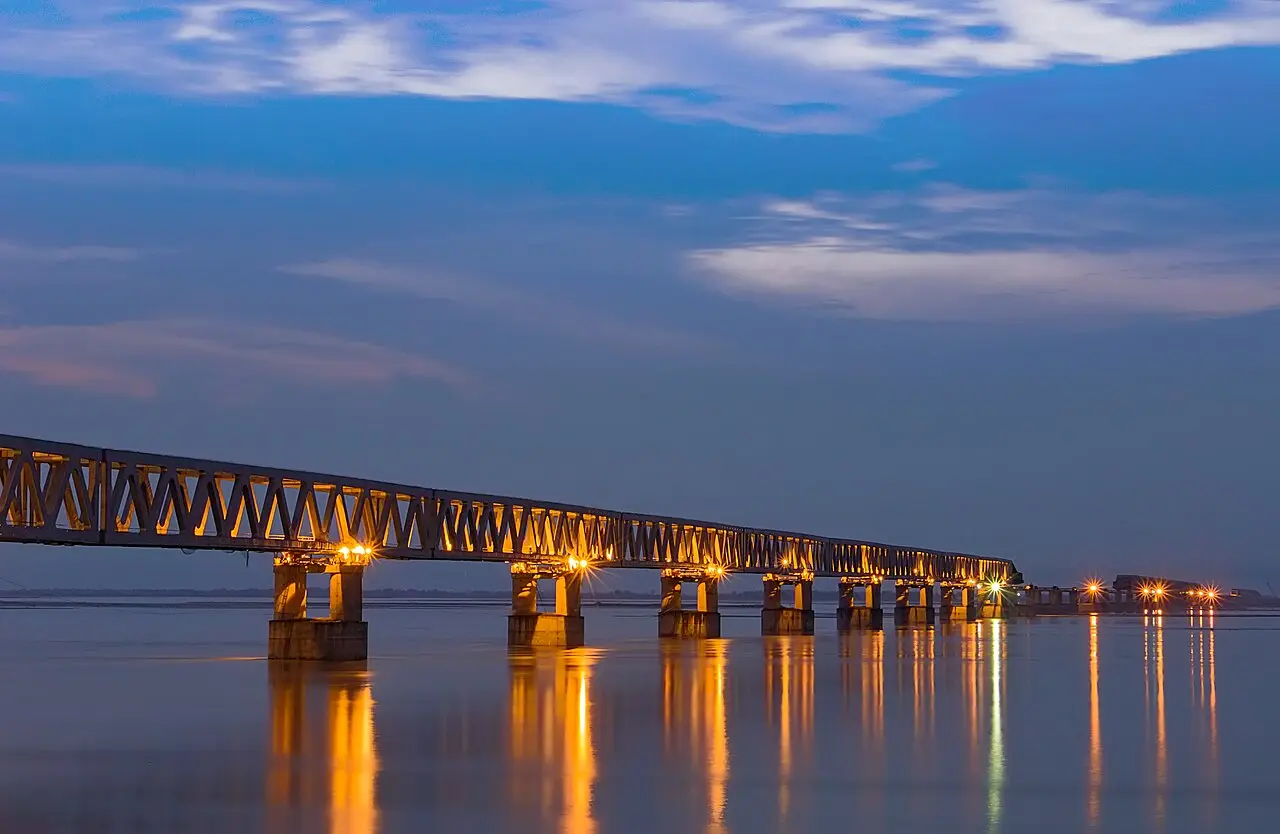
Bogibeel Bridge, India - 4.94 km Long
Bogibeel Bridge in Assam is the longest combined road and rail bridge in India, spanning nearly 5 kilometres over the Brahmaputra River. It connects Assam and Arunachal Pradesh, serving as a strategic transport link.
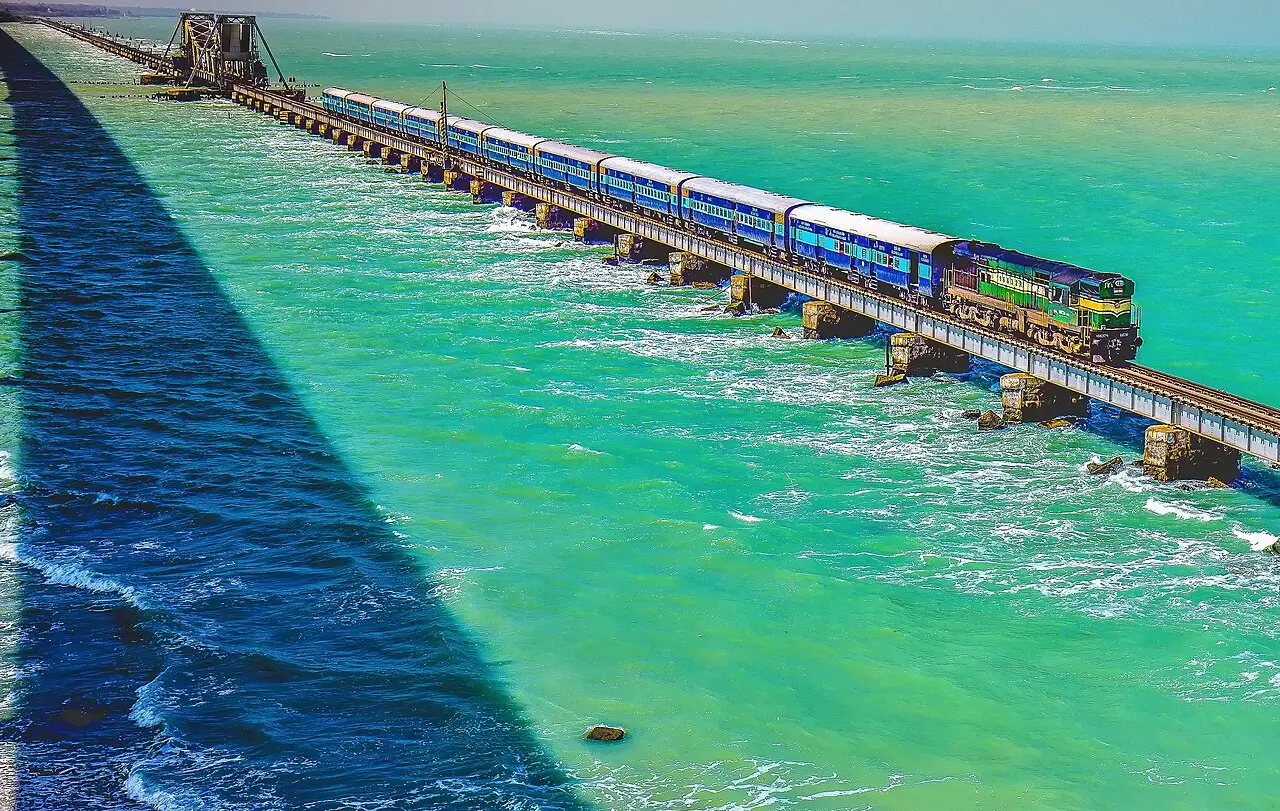
Pamban Rail Bridge, India - 2.2 km Long
This historic railway bridge connects mainland India to Rameswaram Island. Opened in 1914, it stands strong against sea winds and waves, a vital link in Southern India’s rail network.
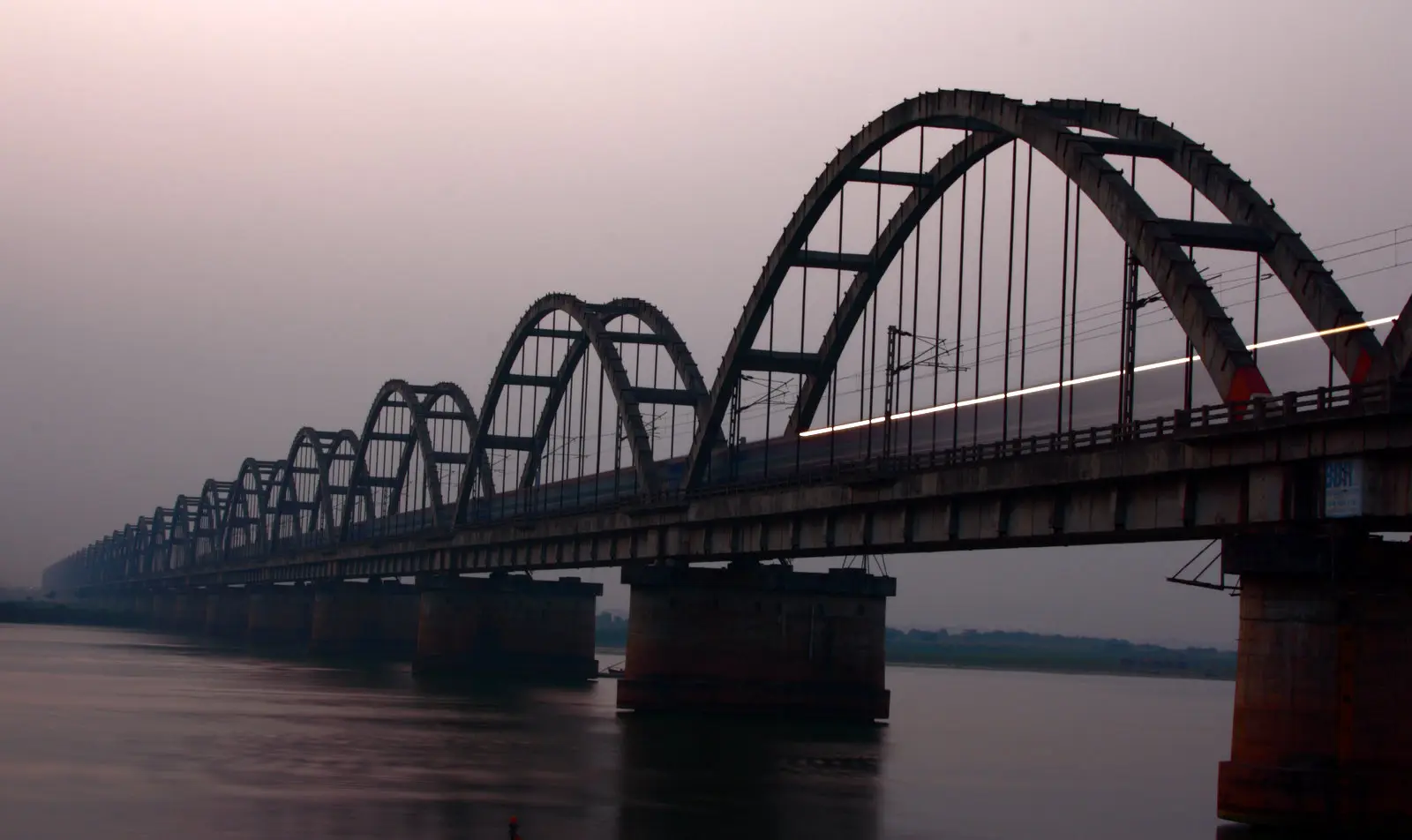
Godavari Arch Bridge, India - Nearly 3 km Long
An important railway arch bridge over the Godavari River in Andhra Pradesh, enhancing transportation in the region with a length of approximately 3 km.
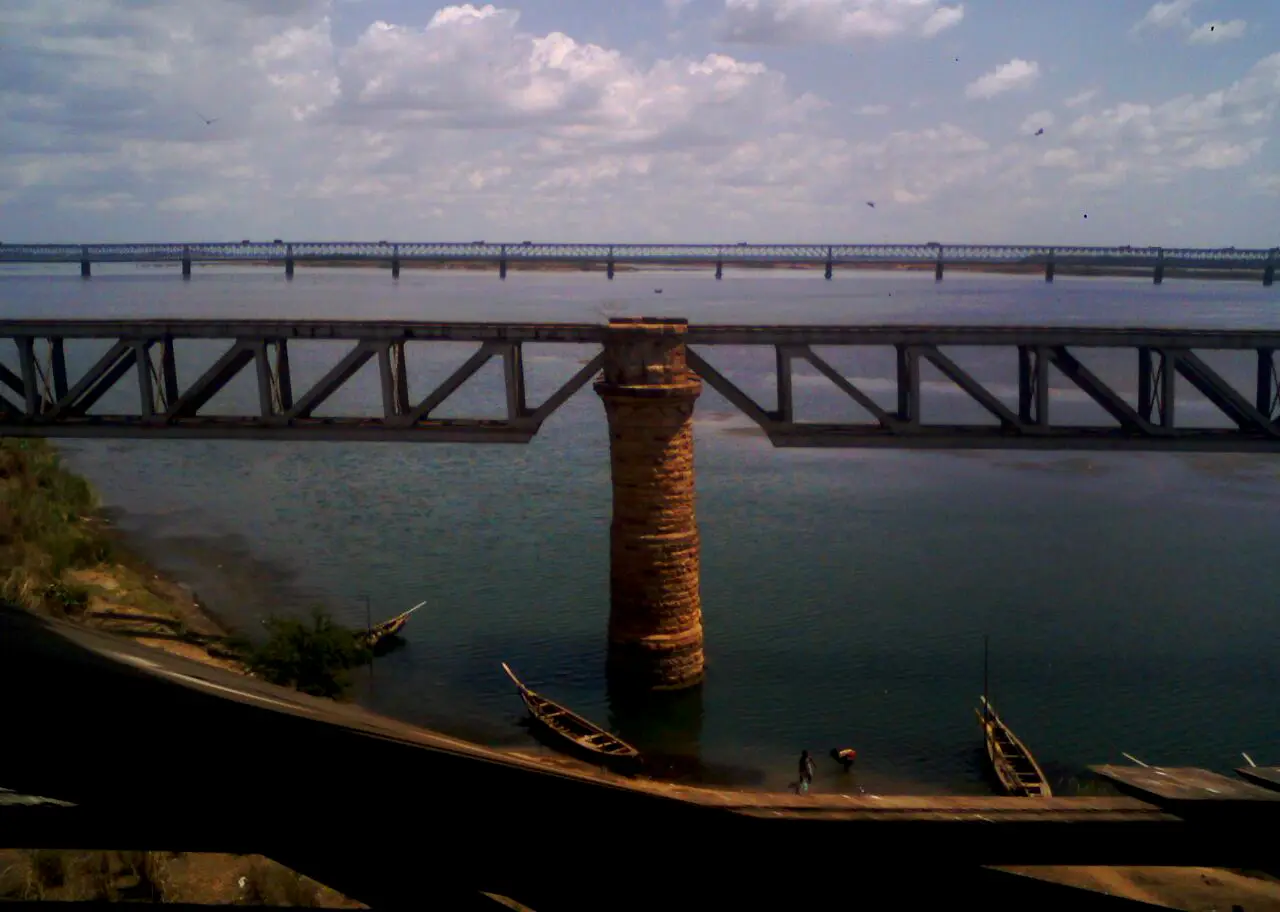
Havelock Bridge, India - 2.45 km Long
Located in Andhra Pradesh, the Havelock Bridge was the longest railway bridge in Asia when it opened in 1890. Though replaced now, it remains a marvel of British engineering.
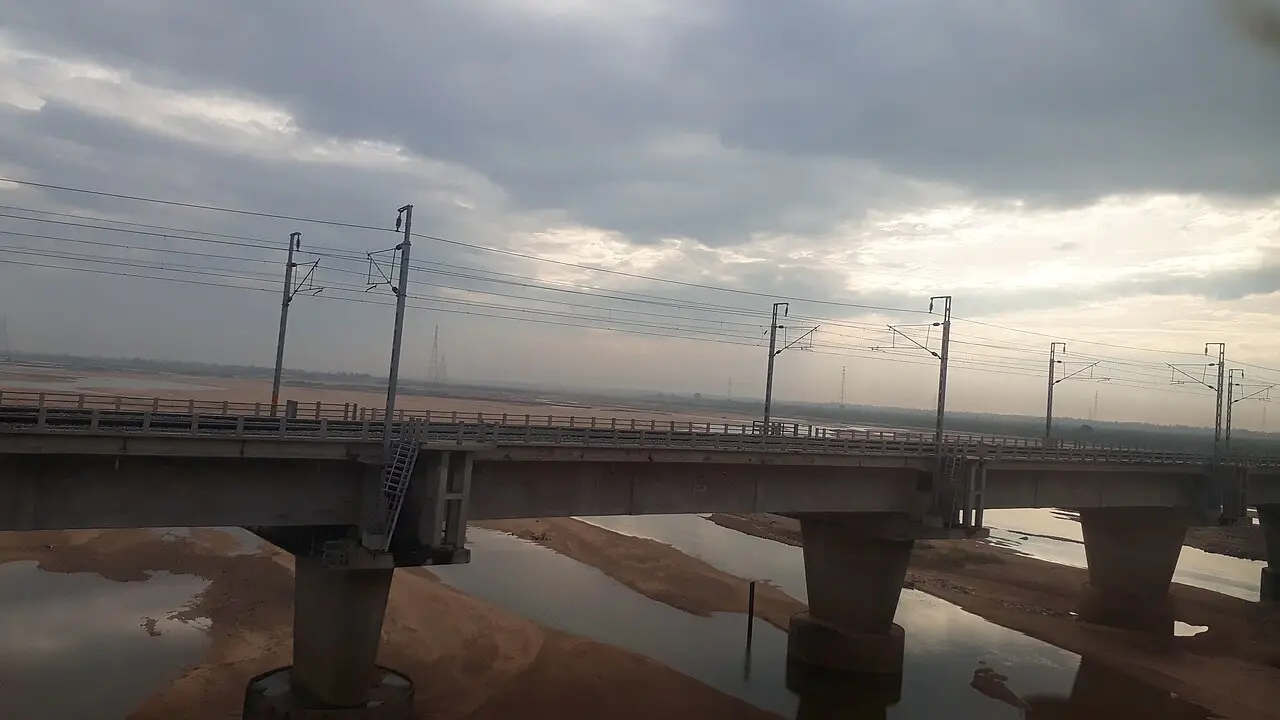
Nehru Setu, India - 3.05 km Long
Also known as Upper Son Bridge, it crosses the Son River in Bihar and was built in 1900. The bridge remains crucial to Indian Railways freight and passenger trains.
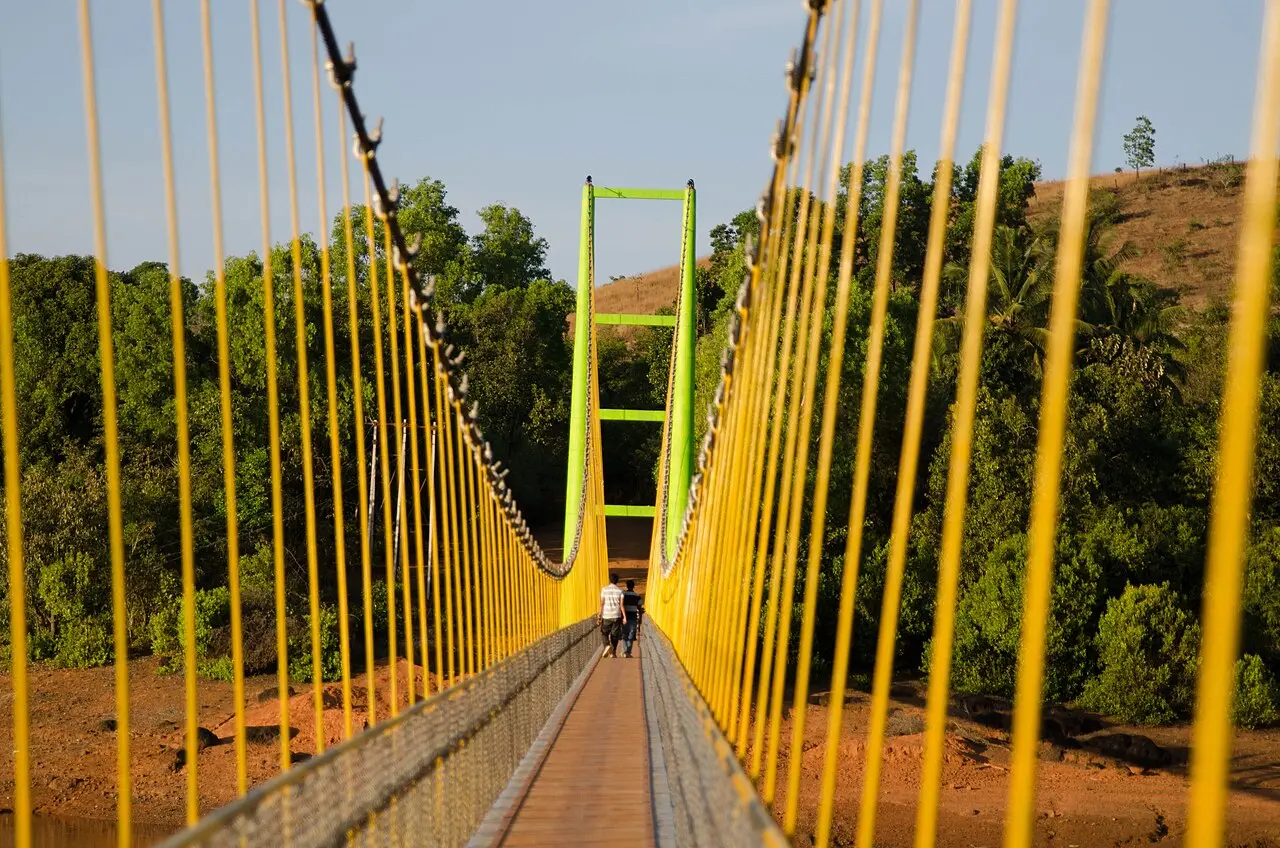
Sharavati Bridge, India - 2.06 km Long
Located on the Konkan Railway, this bridge cuts through Karnataka’s landscapes spanning the Sharavati River and is key for connectivity along India’s west coast.
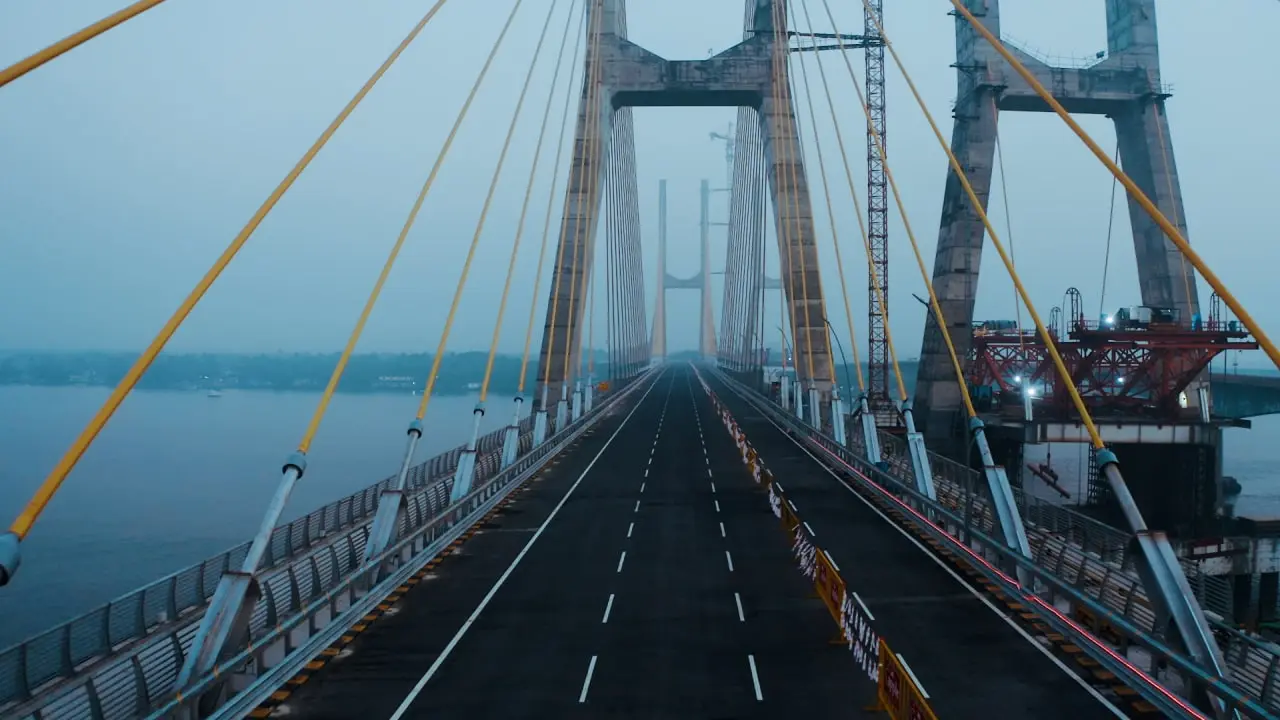
Zuari Bridge, India - 1.32 km Long
Part of the Konkan Railway, Zuari Bridge crosses the Zuari River in Goa state. It is one of the longest bridges in the Konkan network, vital for linking Maharashtra, Goa, and Karnataka.
)
)
)
)
)