10 long-range Russian missile systems

Russia's RS-28 Sarmat reaches 35,000km sub-orbital range carrying 16 warheads. R-36M2 Voyevoda covers 11,000km with 10 megatons. Topol-M SS-27 mobile reaches 11,000km. Bulava submarine missile covers 8,300km. Russia maintains 286 operational ICBMs.
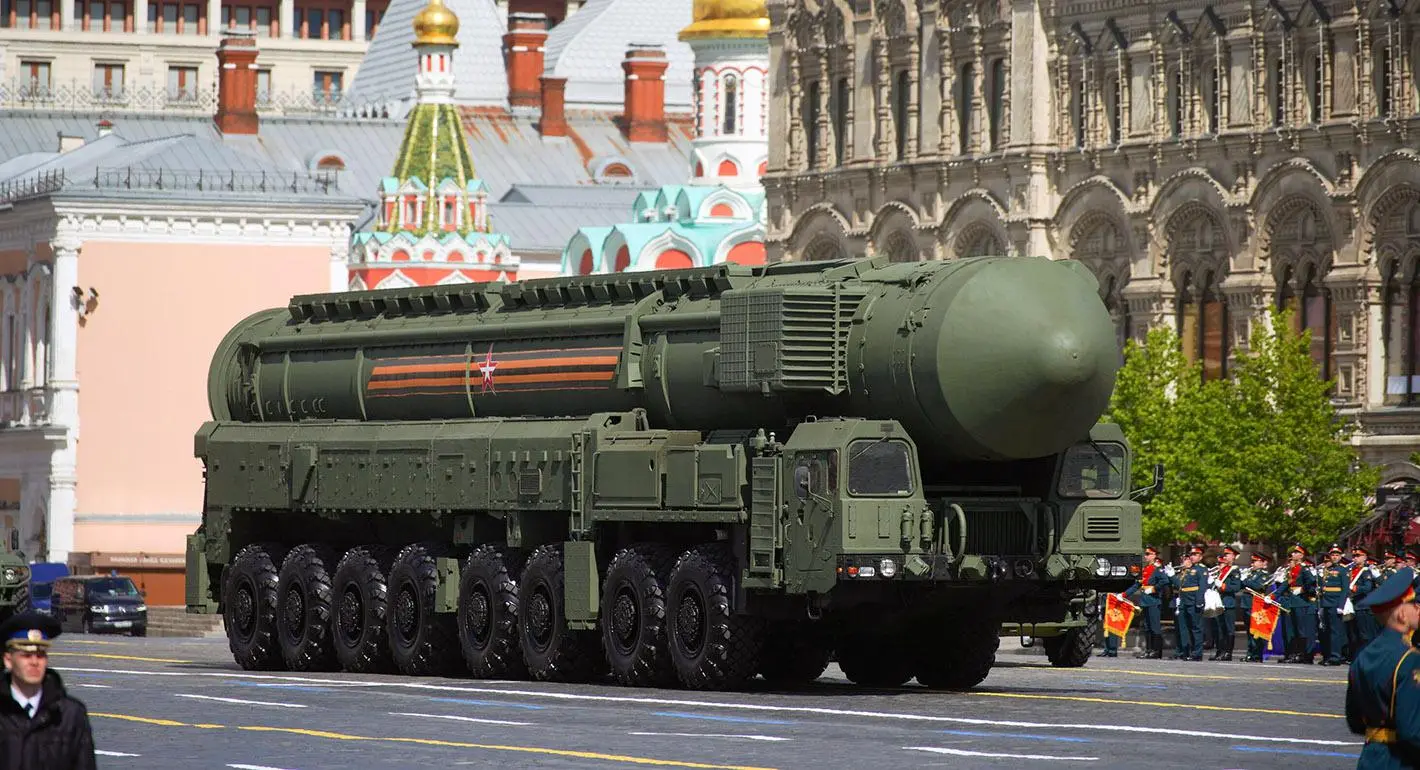
RS-28 Sarmat Reaches 35,000 km Sub-Orbital Range
Russia's RS-28 Sarmat represents the world's longest-range ICBM with capability to travel 35,000 kilometres in sub-orbital flight. Weighing over 200 tonnes, it carries up to 10 tonnes of payload including 16 nuclear warheads or 3 Avangard hypersonic glide vehicles. Sarmat entered operational service in September 2023.
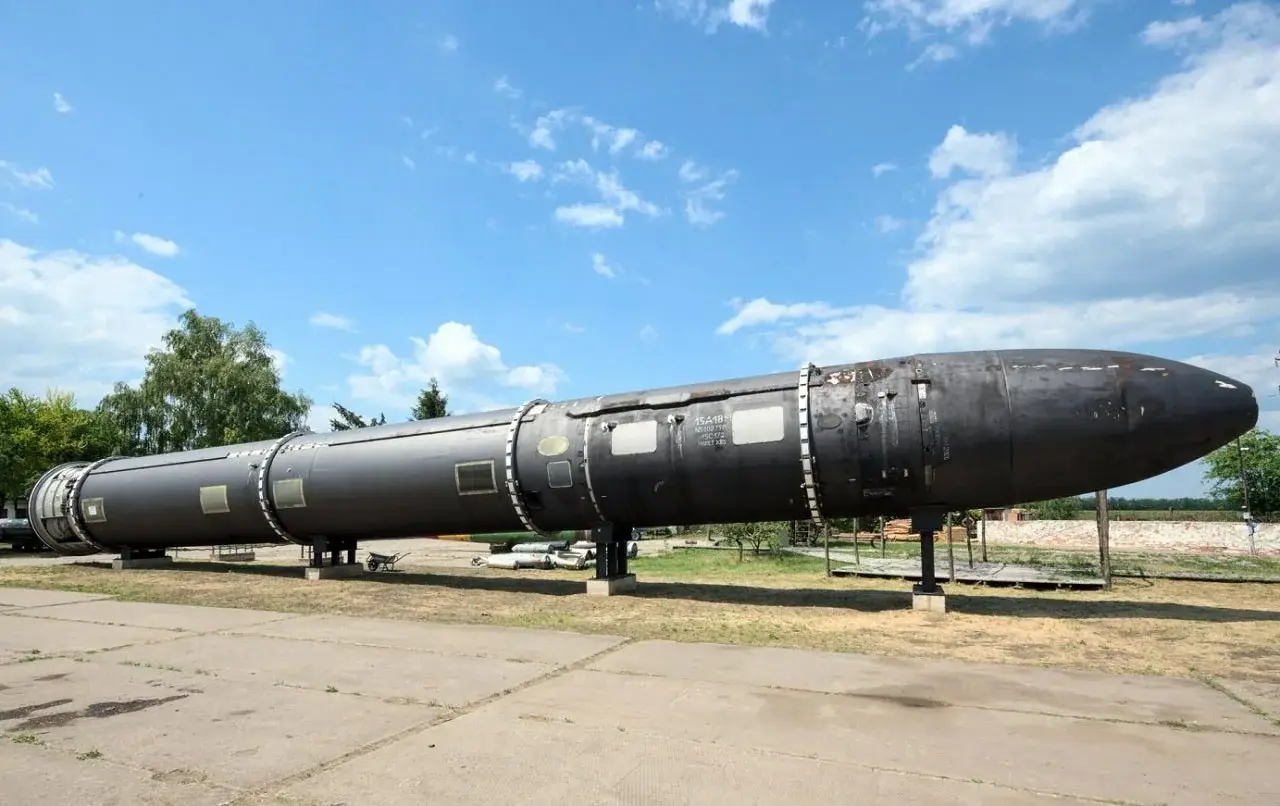
R-36M2 Voyevoda Delivers 10 Megatons Over 11,000 km
Russia's R-36M2 Voyevoda, designated Satan by NATO, reaches approximately 11,000 kilometres with massive payload capability. The missile weighs 183 tonnes, making it the heaviest ICBM ever developed. It remains operational in silo-based strategic rocket forces across Russia.
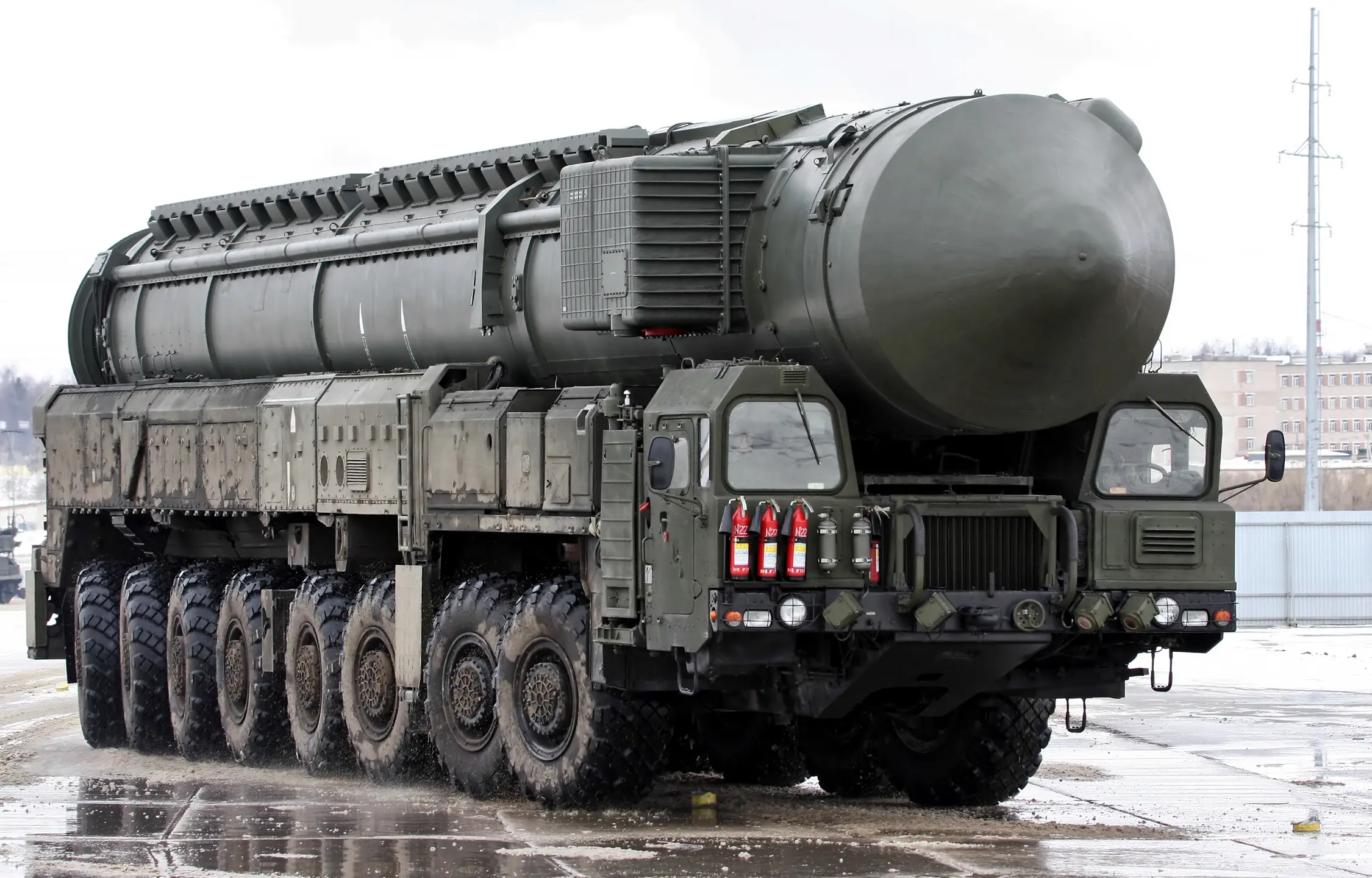
Topol-M SS-27 Covers 11,000 km From Mobile Launchers
Russia's Topol-M solid-fuelled ICBM operates from mobile launchers covering 11,000 kilometres range. Weighing 47 tonnes, it carries single 800-kiloton warhead. Cold-launched from canisters, it reaches Mach 21 (25,500 kmph) terminal velocity, making interception extremely difficult.
Topol SS-25 Sickle Reaches 11,000+ km Operational Range
The older RT-2PM Topol SS-25 missile deploys from road-mobile platforms with range exceeding 11,000 kilometres. Entering service in 1988, it remains operational despite ageing. The three-stage solid design carries 1,000-kilogramme payload with 550-800 kiloton warhead.
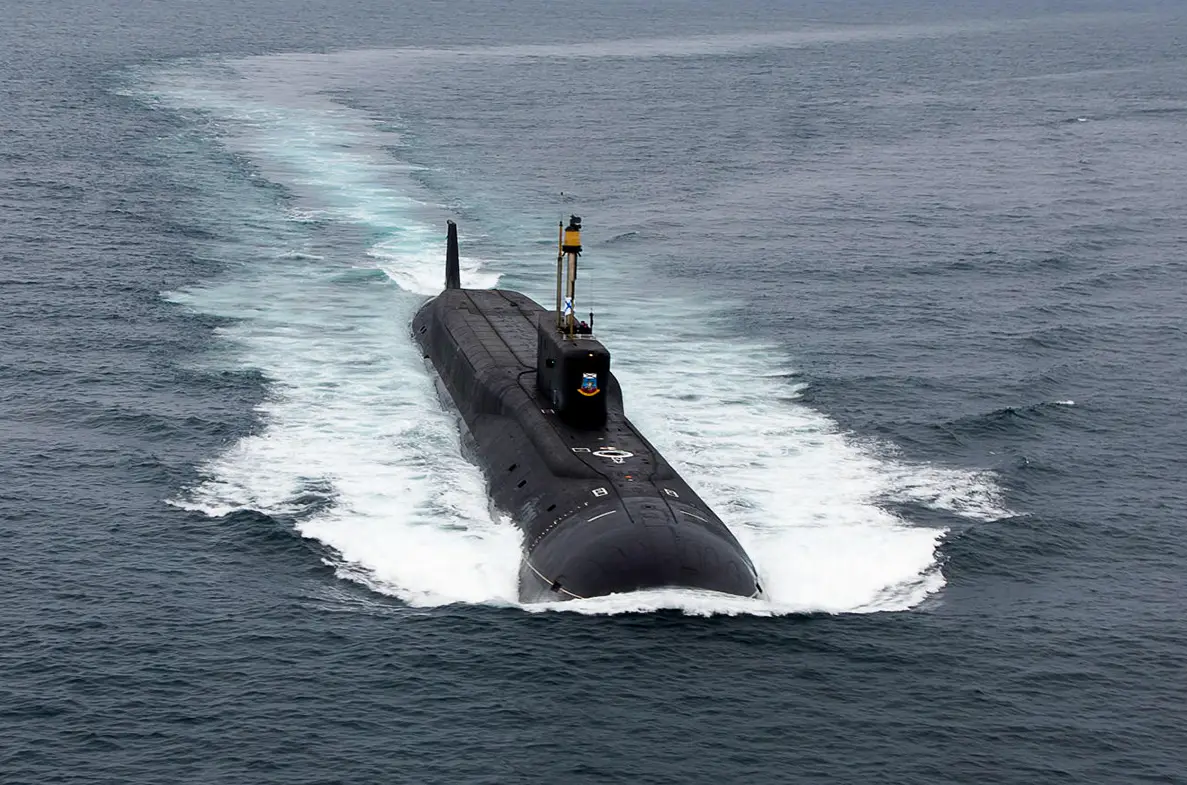
Bulava Submarine Missile Covers 8,300 km From Depths
Russia's RSM-56 Bulava submarine-launched ballistic missile reaches 8,300 kilometres range from underwater platforms. Deployed on Borei-class submarines, it carries up to 6 nuclear warheads. This provides Russia's sea-based strategic deterrent across global ocean regions.
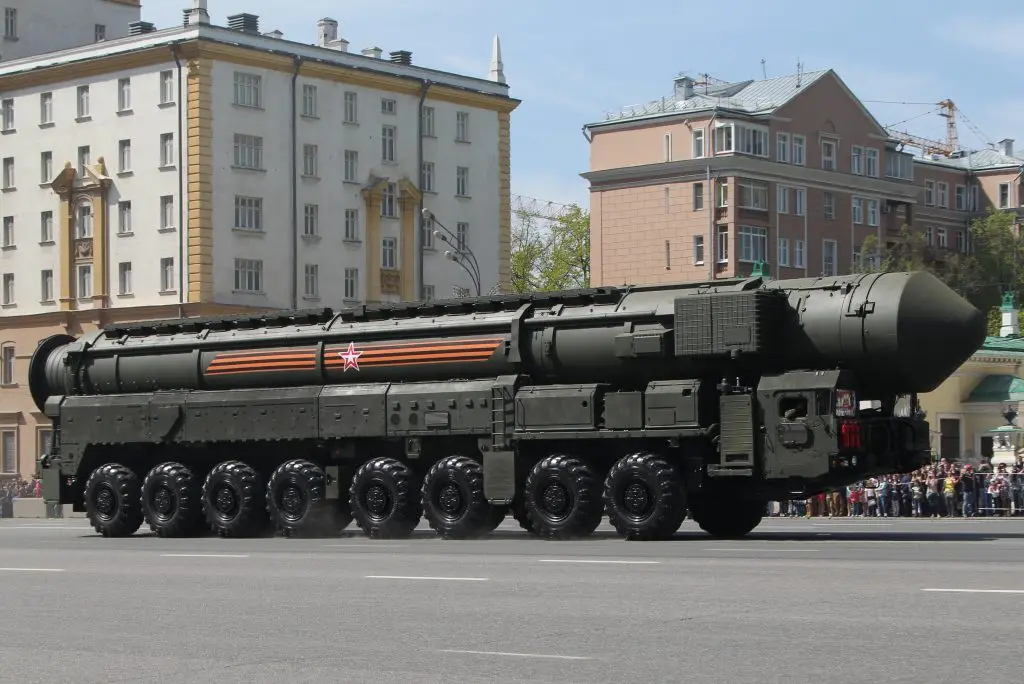
UR-100N SS-19 Stiletto Reaches 9,000+ Kilometres
Russia's UR-100N Stiletto represents an earlier generation silo-based ICBM still operational today. Reaching approximately 9,000 kilometres, it carries liquid fuel and delivers nuclear warheads. Russian strategic forces maintain 30 operational SS-19 systems.
Kh-101 Cruise Missile Ranges 4,500 km Maximum
Russia's Kh-101 strategic cruise missile operates at 2,500-2,800 kilometres confirmed range, with unconfirmed claims reaching 4,500 kilometres. Powered by TRDD-50A turbofan engines, it cruises at subsonic speeds and carries either conventional or nuclear warheads.
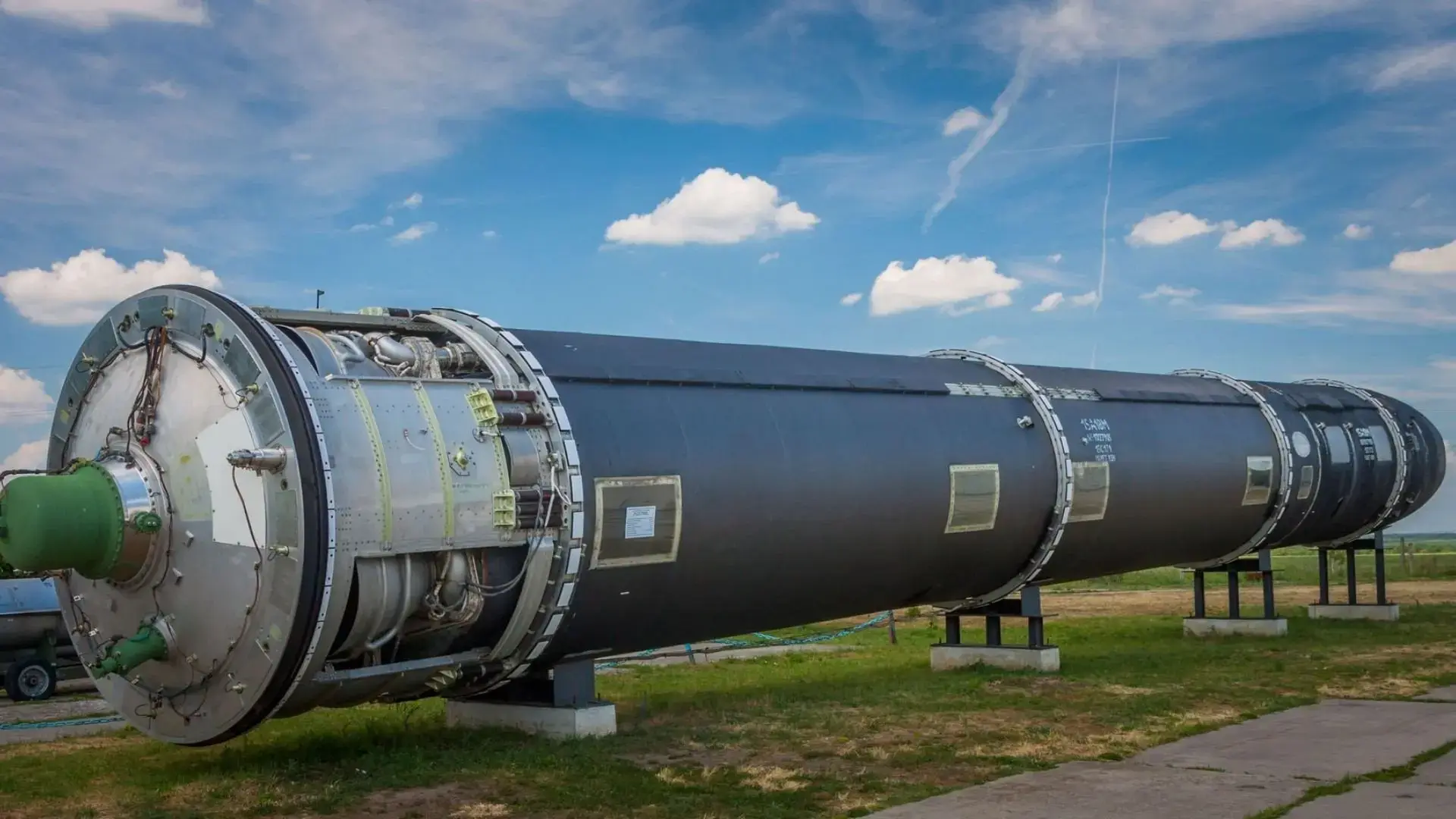
SS-X-28 Scarp Extends Over 7,000 Kilometres
Russia's SS-X-28 Scarp mobile ICBM reaches approximately 7,000-8,000 kilometres range from wheeled transporters. This modernisation effort demonstrates Russia's commitment to mobile strategic deterrence. Development began in 1990s with operational deployment ongoing.
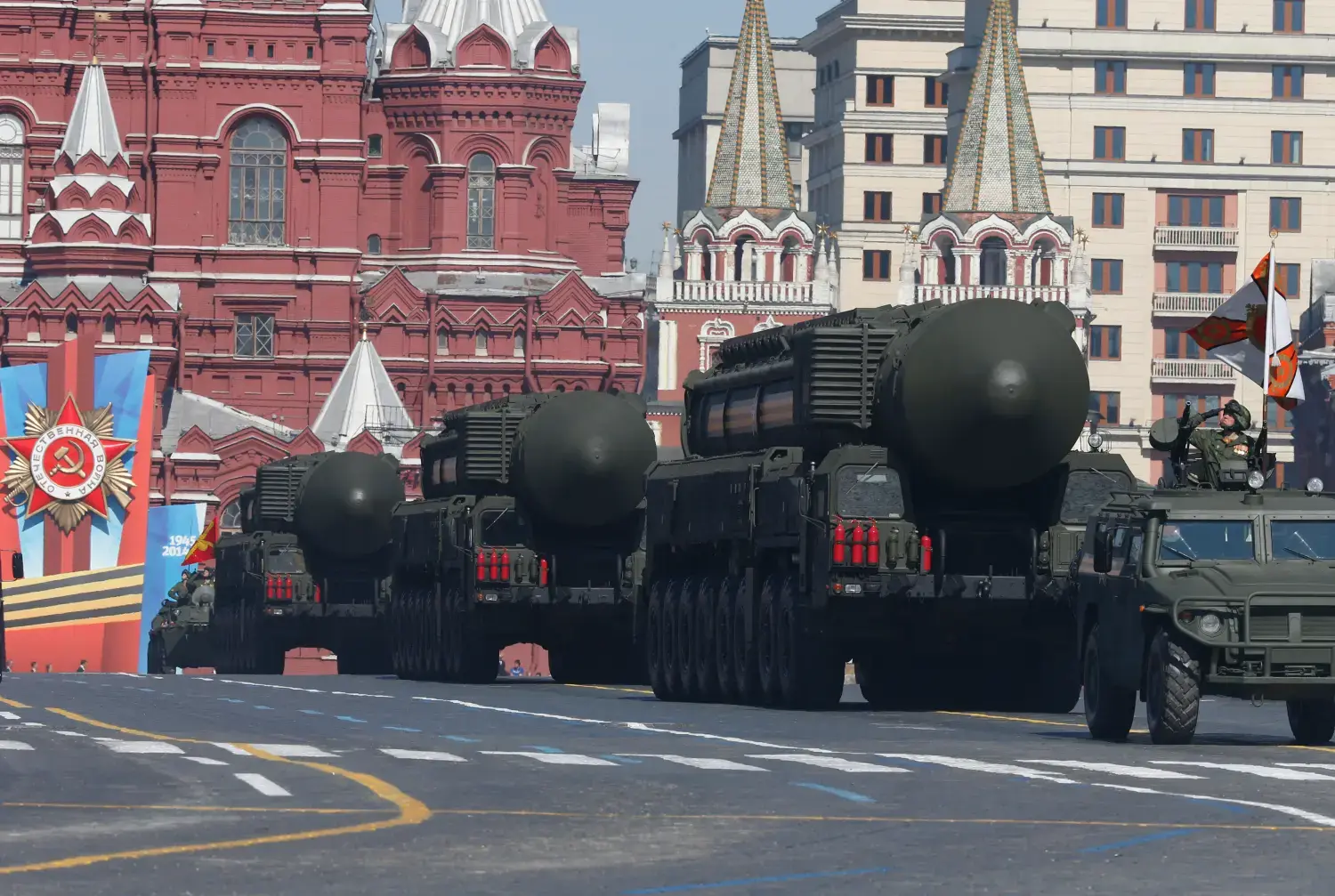
Future Sarmat Variants May Exceed 40,000 km
Russian military planners envisage future Sarmat variants potentially extending beyond 40,000 kilometres through advanced fuel formulations and reduced payload configurations. Hypersonic glide vehicle integration could enable targeting of any global location within extended timeframes.
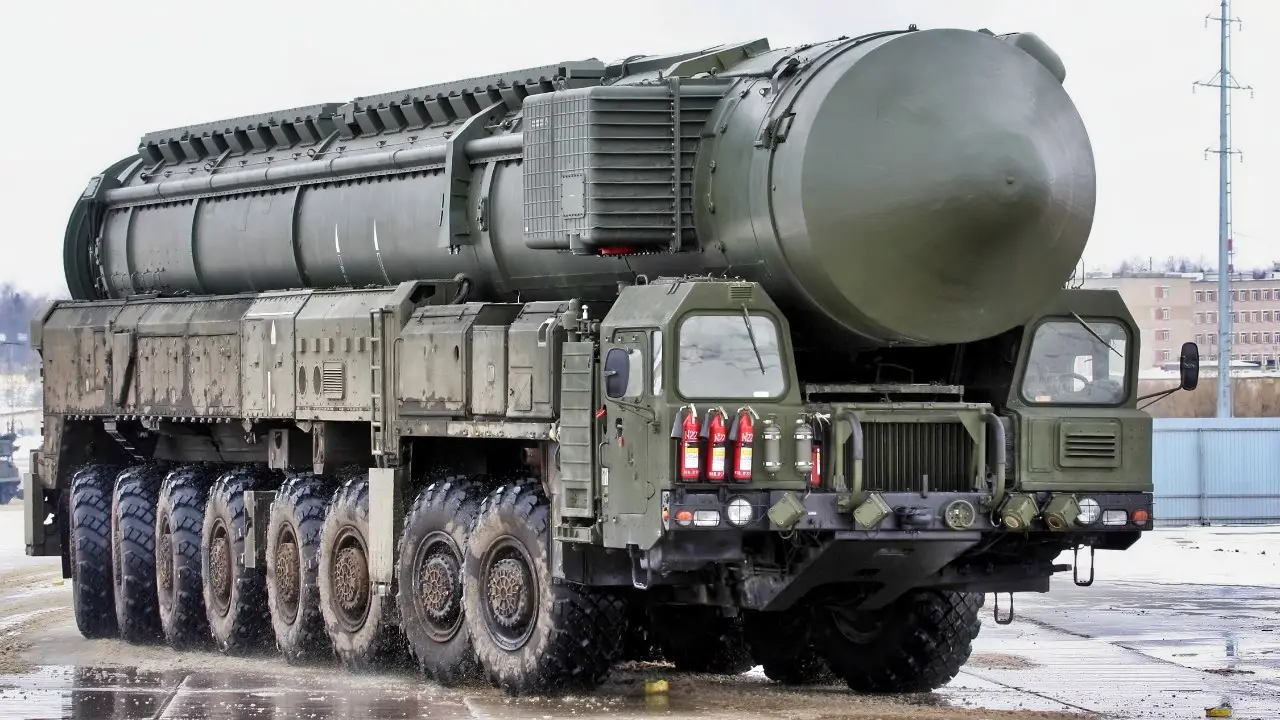
Strategic Arsenal Comprises 286 Operational ICBMs
Russia maintains 286 operational intercontinental ballistic missiles capable of delivering 958 nuclear warheads across silo-based and mobile platforms. This arsenal spans multiple generations from 1970s-origin systems to newly deployed Sarmat variants, providing strategic redundancy and resilience.
)
)
)
)
)