10 deepest active gold mines in the world

From South Africa’s Mponeng to Canada’s Laronde, these gold mines reach over 3 km underground. Extreme heat, pressure, and advanced safety tech make mining here a huge challenge, producing billions in gold while testing human endurance.
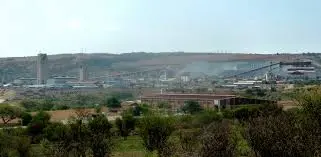
Mponeng Gold Mine, South Africa - Depth: 4.0 km
Mponeng holds the title of the world's deepest gold mine, reaching 4 kilometres underground. It operates with advanced safety and cooling technologies to manage extreme heat and pressure. Mining here is complex and requires hours to reach the lowest levels.
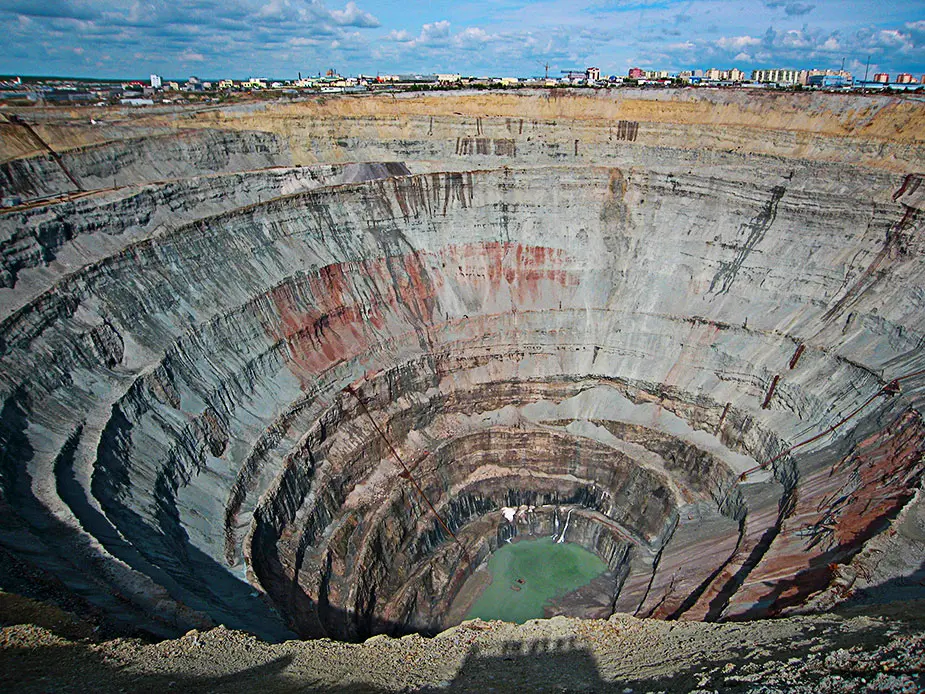
TauTona Mine, South Africa - Depth: 3.9 km
Before Mponeng, TauTona was the deepest mine at nearly 3.9 km depth. Though officially closed in 2018, it operated vast underground tunnels for decades with thousands of workers, producing hundreds of thousands of ounces of gold annually.
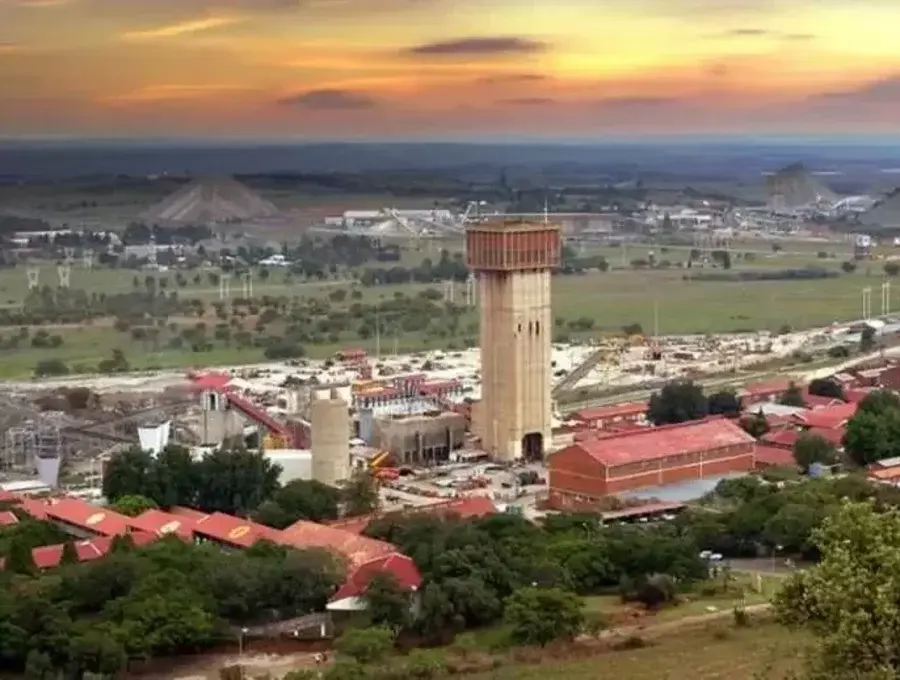
Savuka Gold Mine, South Africa - Depth: 3.7 km
Savuka is known for its deep underground workings. It historically held several billion tonnes of gold ore and produced tens of thousands of ounces yearly but is approaching closure as reserves dwindle.
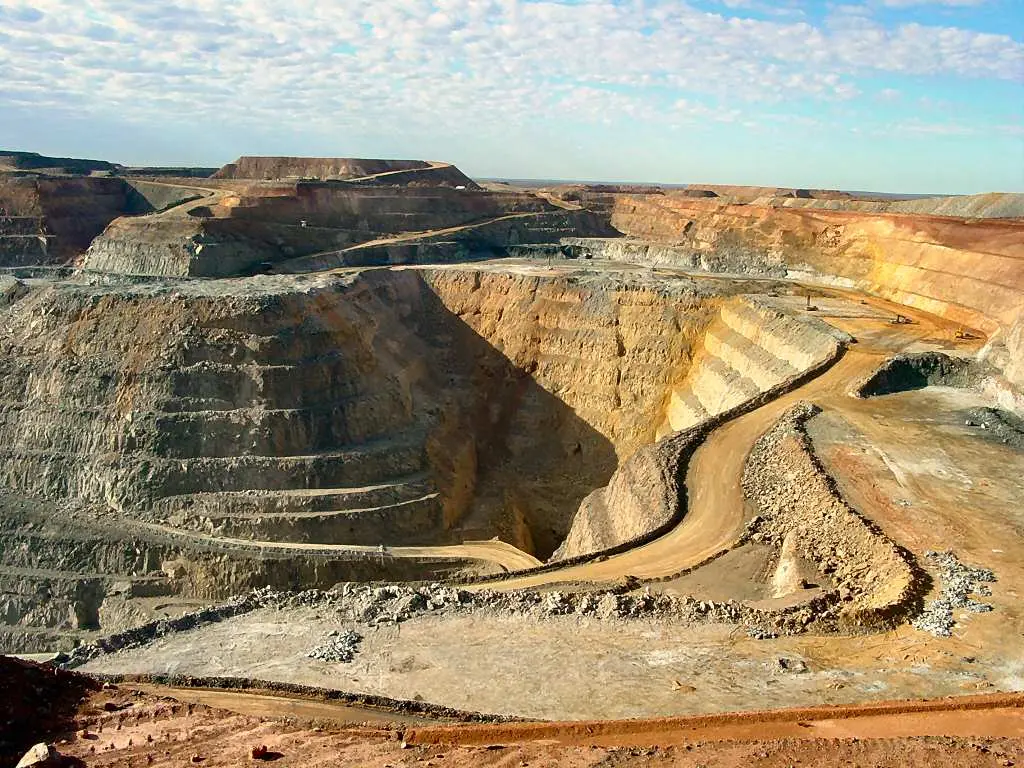
East Rand Mine, South Africa - Depth: 3.585 km
East Rand was active for more than a century until 2008. Its depth of over 3.58 km made it one of the deepest gold mines but operational challenges forced its closure.
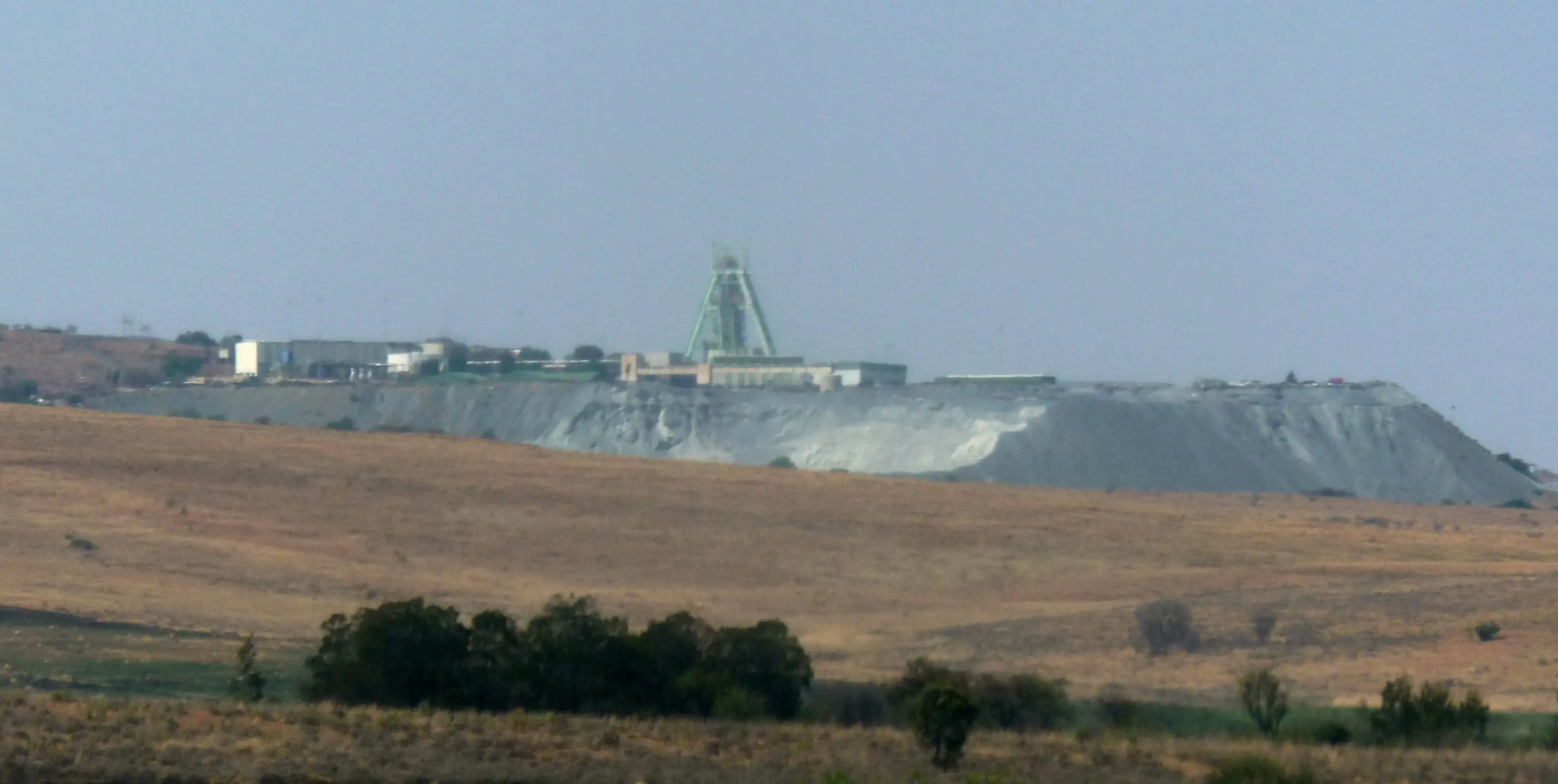
Driefontein Mine, South Africa - Depth: 3.42 km
Driefontein is still active and among the largest gold producers globally. It stretches deep underground with advanced extraction methods and a large workforce. It also contains significant uranium reserves.
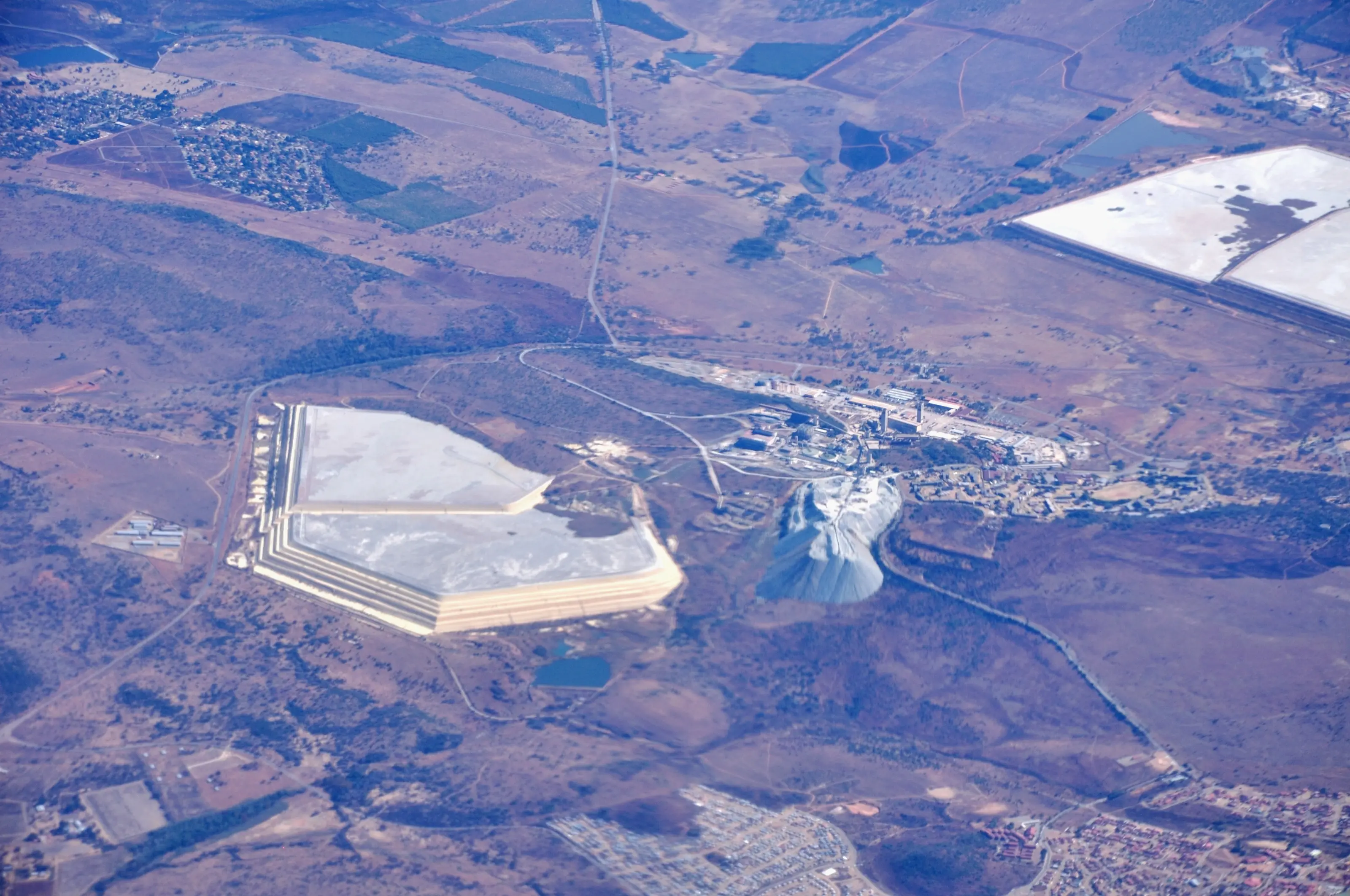
Kusasalethu Mine, South Africa - Depth: 3.388 km
Kusasalethu combines gold and uranium mining. Its sophisticated operations reach deep underground, demanding state-of-the-art ventilation and safety protocols.
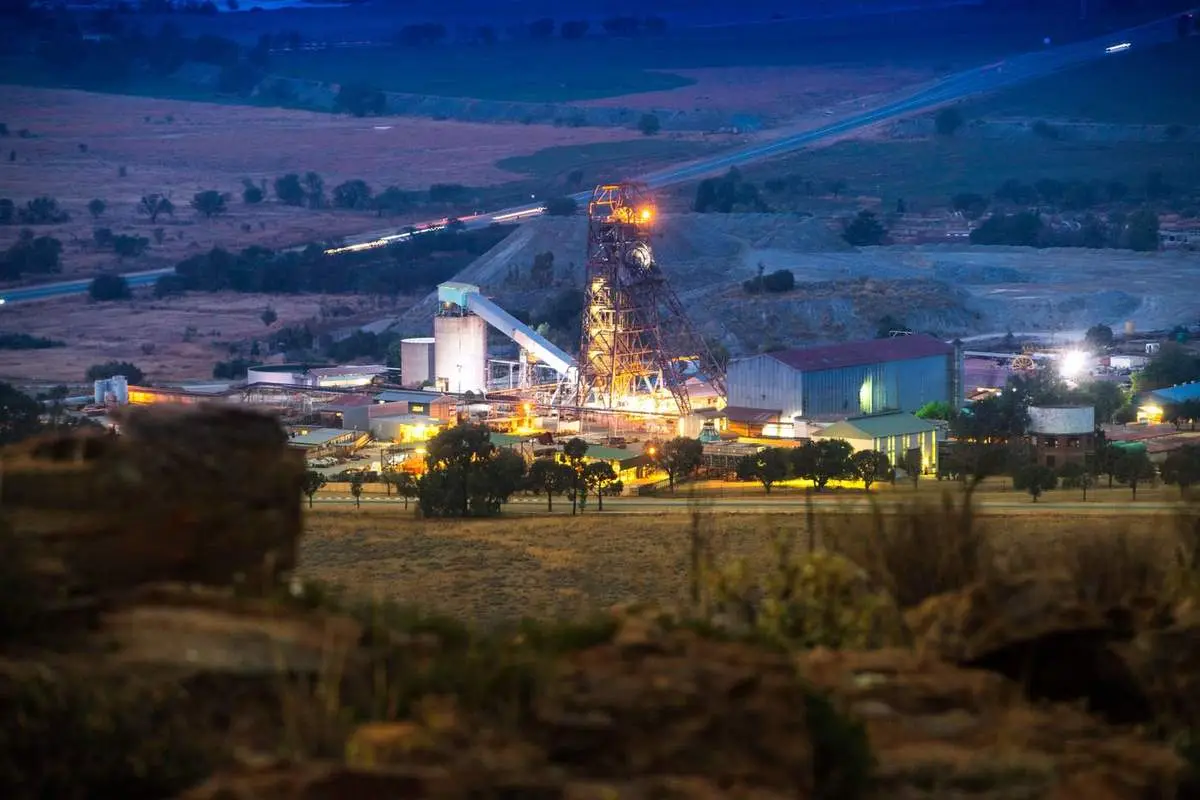
Kloof Mine, South Africa - Depth: 3.347 km
Kloof has deep underground shafts drilling nearly 3.35 km below the surface. It produces gold and uranium and uses sequential grid mining to optimise extraction.
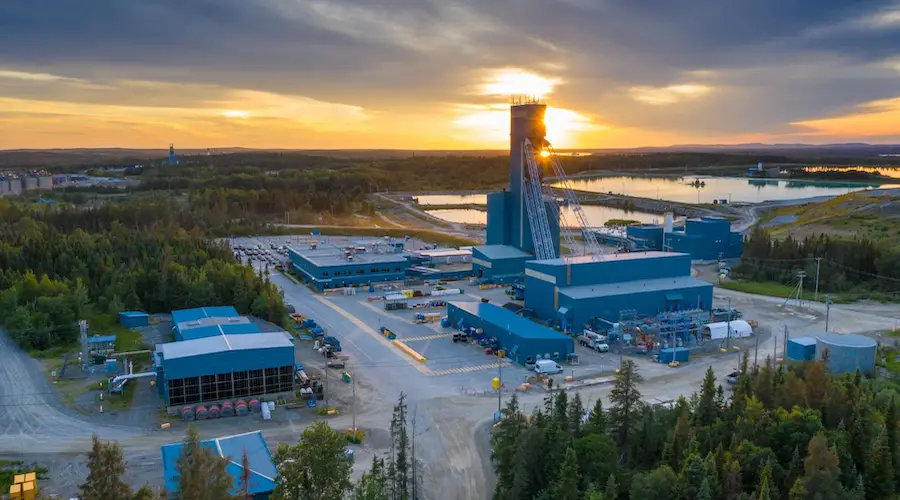
Laronde Mine, Canada - Depth: 3.260 km
Laronde is Canada’s deepest mine, extracting gold mixed with copper, silver, and zinc. It uses modern mining technology to operate safely at such depths.
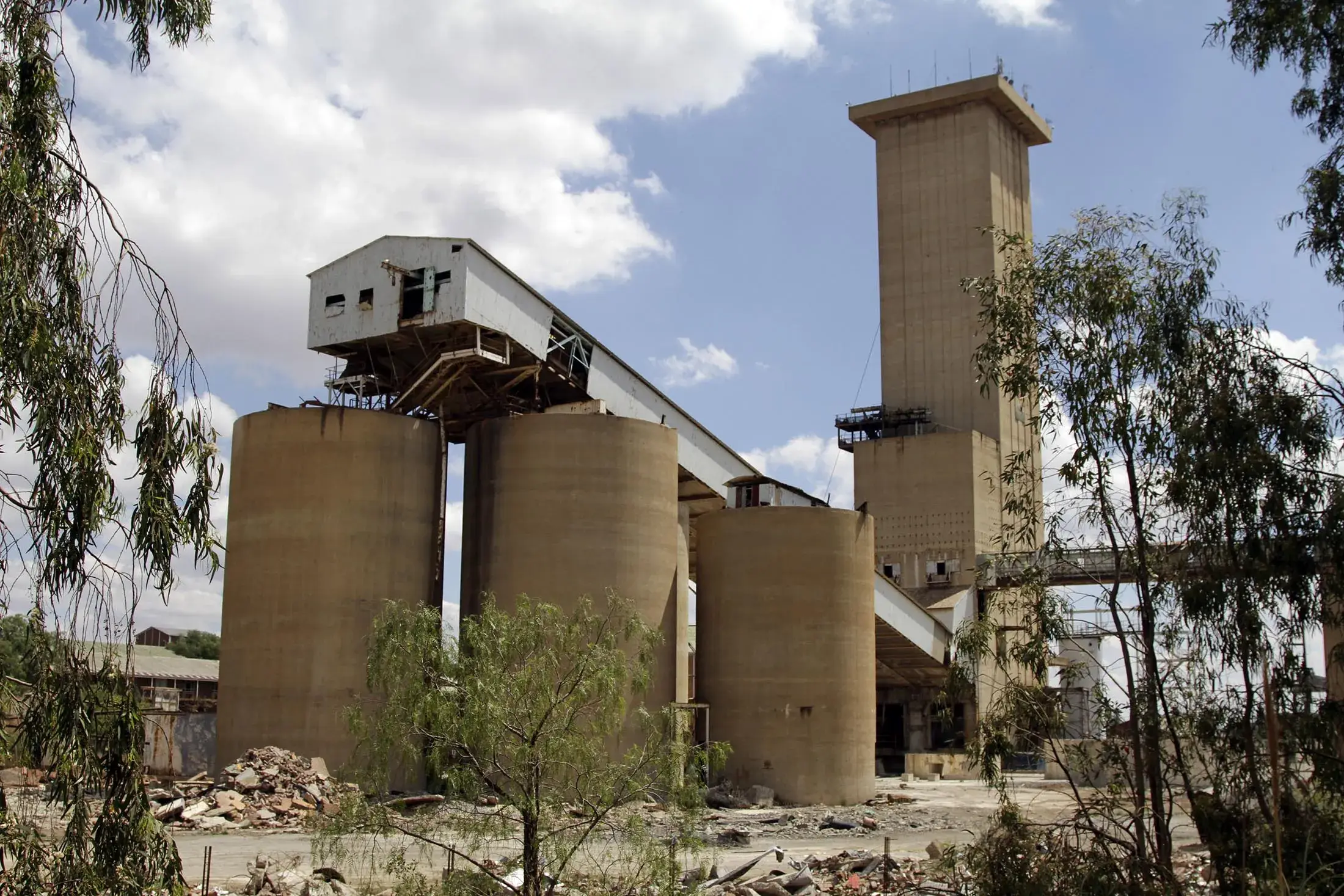
Blyvooruitzicht Mine, South Africa - Depth: 3.213 km
Active and producing gold and uranium, this mine operates deep underground with a focus on efficient extraction and safety measures.
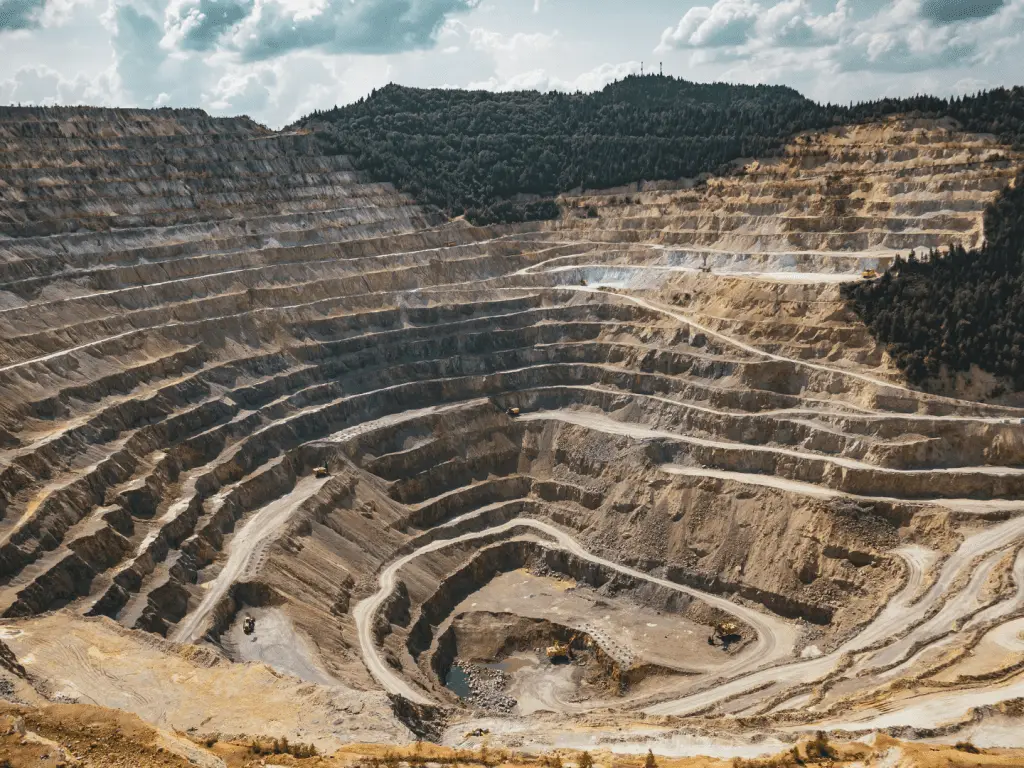
Moab Khotsong Mine, South Africa - Depth: 3.052 km
Moab Khotsong is one of South Africa’s deepest mines with significant gold and uranium production. Constant innovations help it meet operational challenges at great depth.
)
)
)
)
)