'Wire Rot': How the USS Abraham Lincoln protects its vital landing cables

The USS Abraham Lincoln uses 35-mm steel arresting cables with an oiled hemp centre core to safely stop jets. Replacing these cables after exactly 125 landings prevents wire rot and fatal deck accidents.
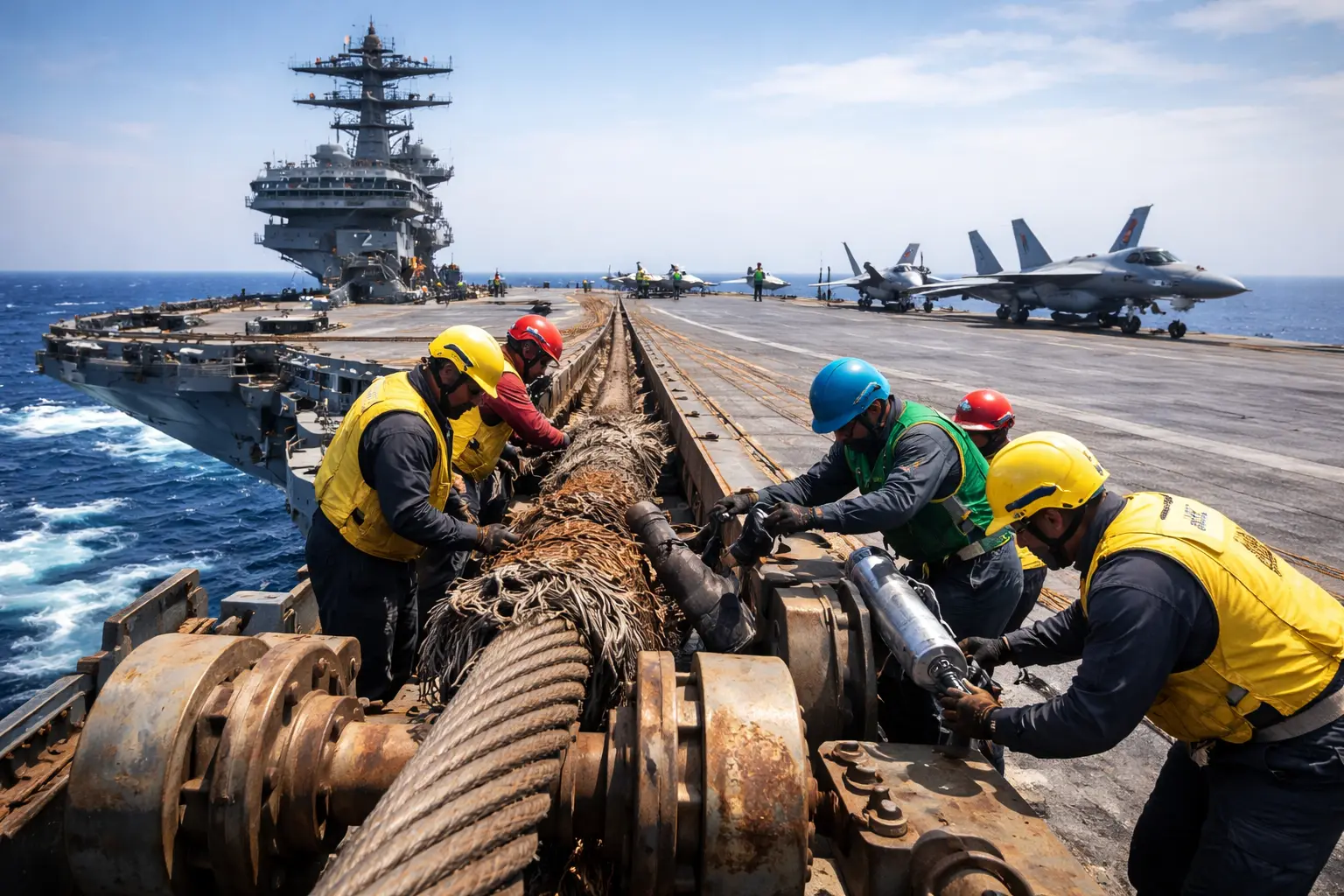
Halts 22-Tonne Fighter Jets
The USS Abraham Lincoln relies on robust cross-deck pendants to safely recover incoming aircraft. These high-strength wire ropes can bring a 22-tonne fighter jet travelling at 150 mph to a smooth, controlled stop within a very short distance.
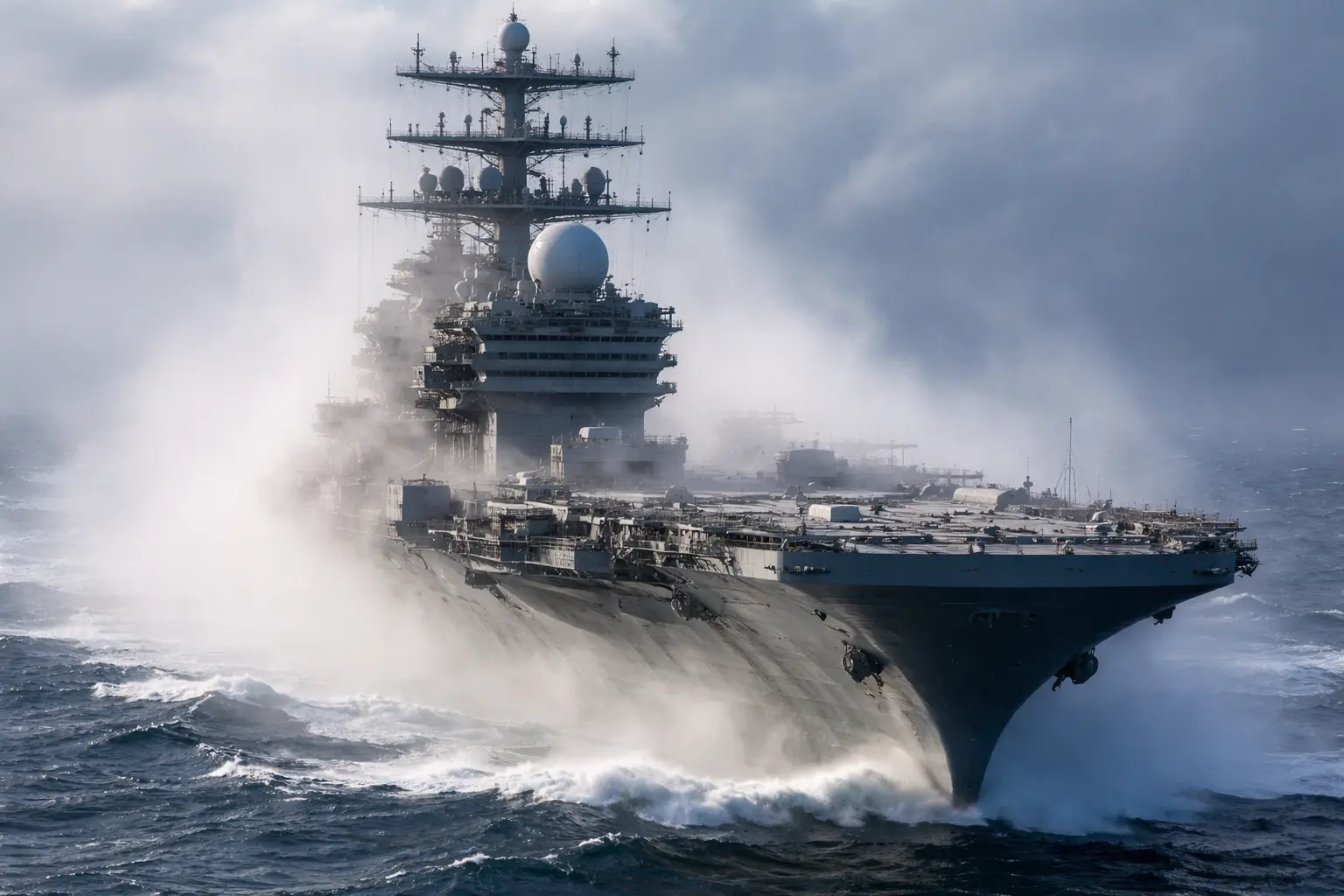
Absorbs 47.5M Foot-Pounds
Arresting cables absorb massive kinetic energy, handling a theoretical maximum of 47.5 million foot-pounds during a single landing. Without internal lubrication, intense tension causes the steel strands to dry out, leading to structural degradation known as wire rot.
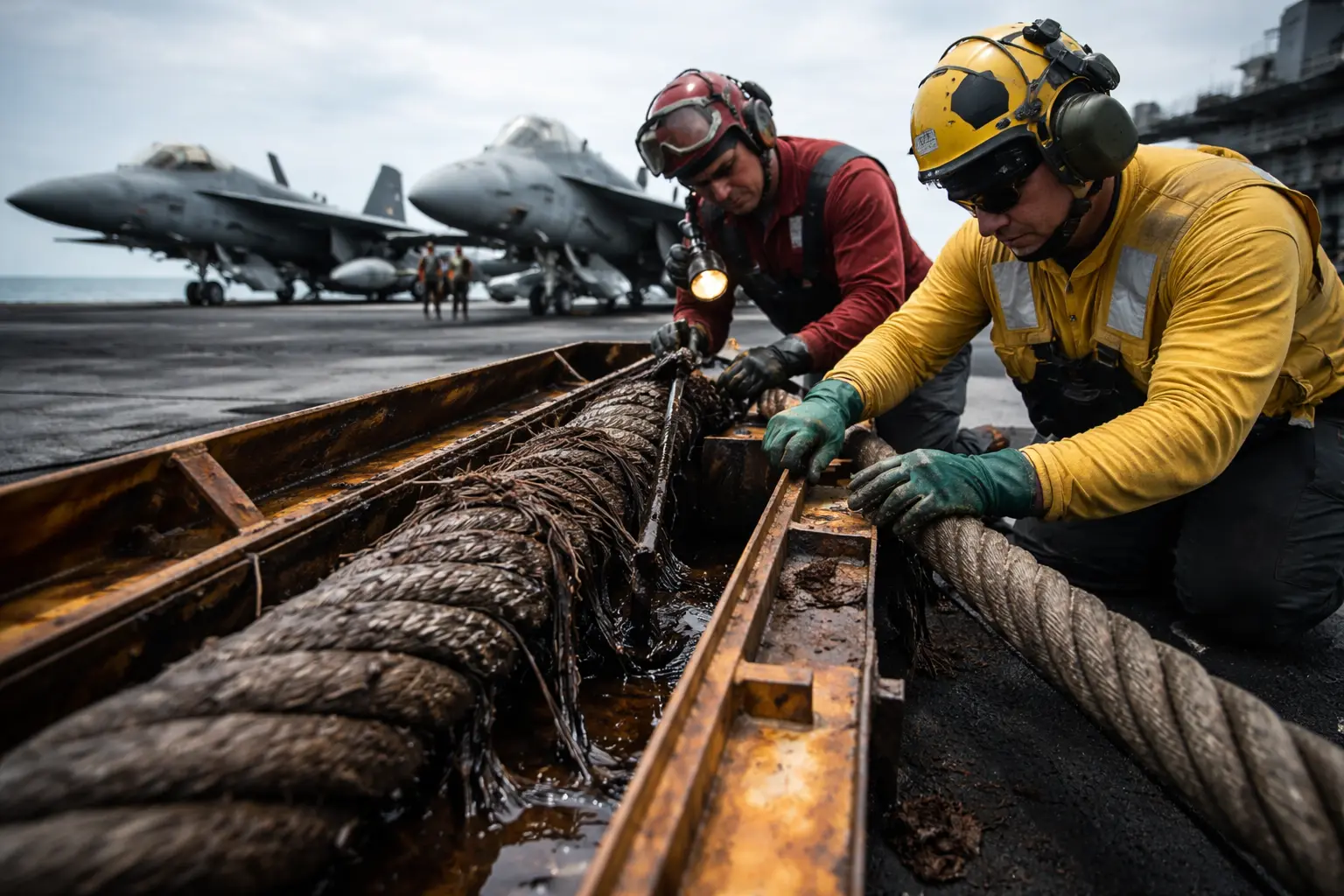
Features Oiled Hemp Core
To combat wire rot, the 35-mm steel deck pendants are manufactured around an oiled hemp centre core. This organic centre acts as an internal sponge, continuously supplying vital lubrication to the surrounding metal strands as the cable flexes.
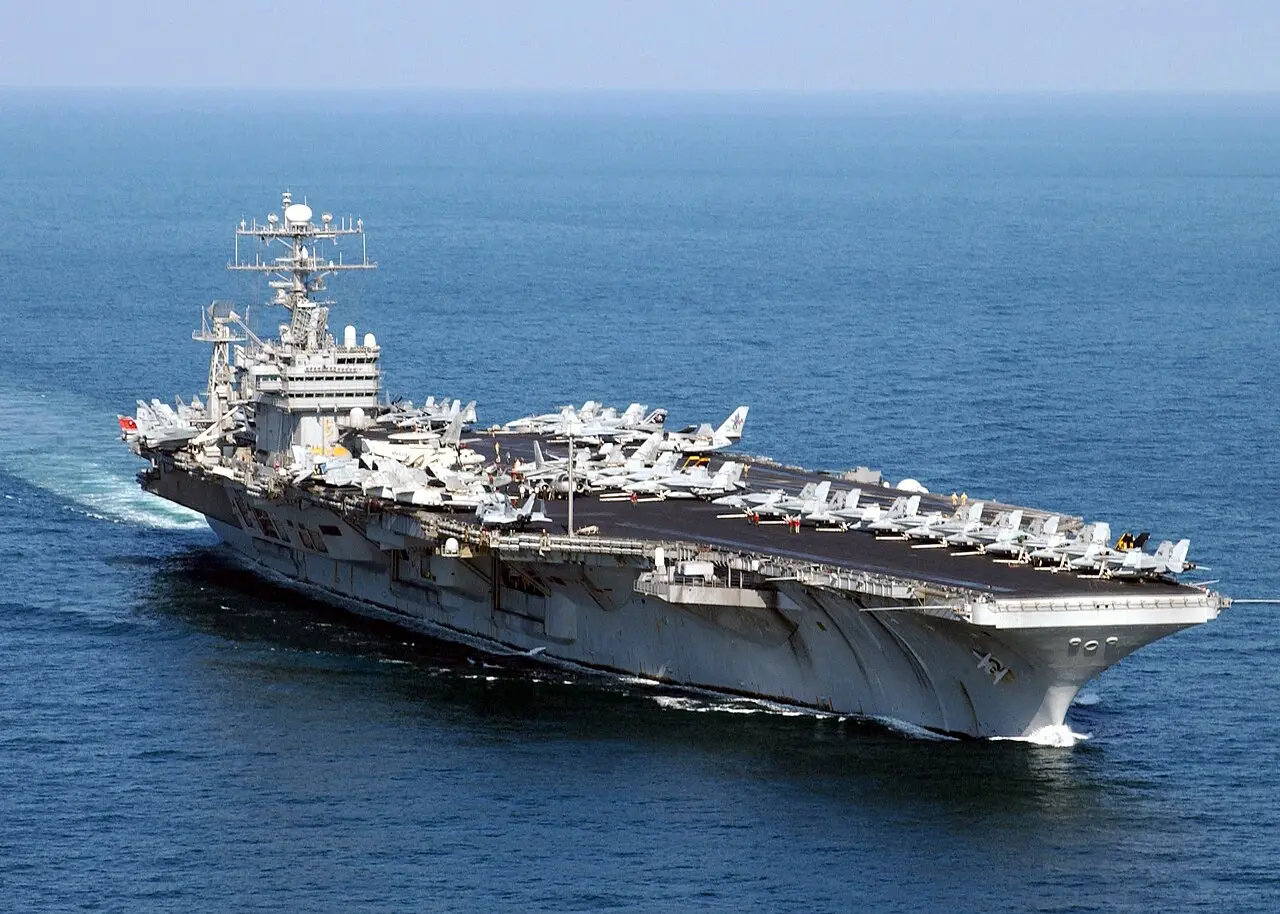
Shields 35-mm Steel Cables
When a fighter jet snags the deck pendant, the sudden extreme tension generates severe internal friction. The hemp core's steady oil release provides a crucial cushion that shields the individual steel wires from snapping under immense pressure.
Replaced After 125 Landings
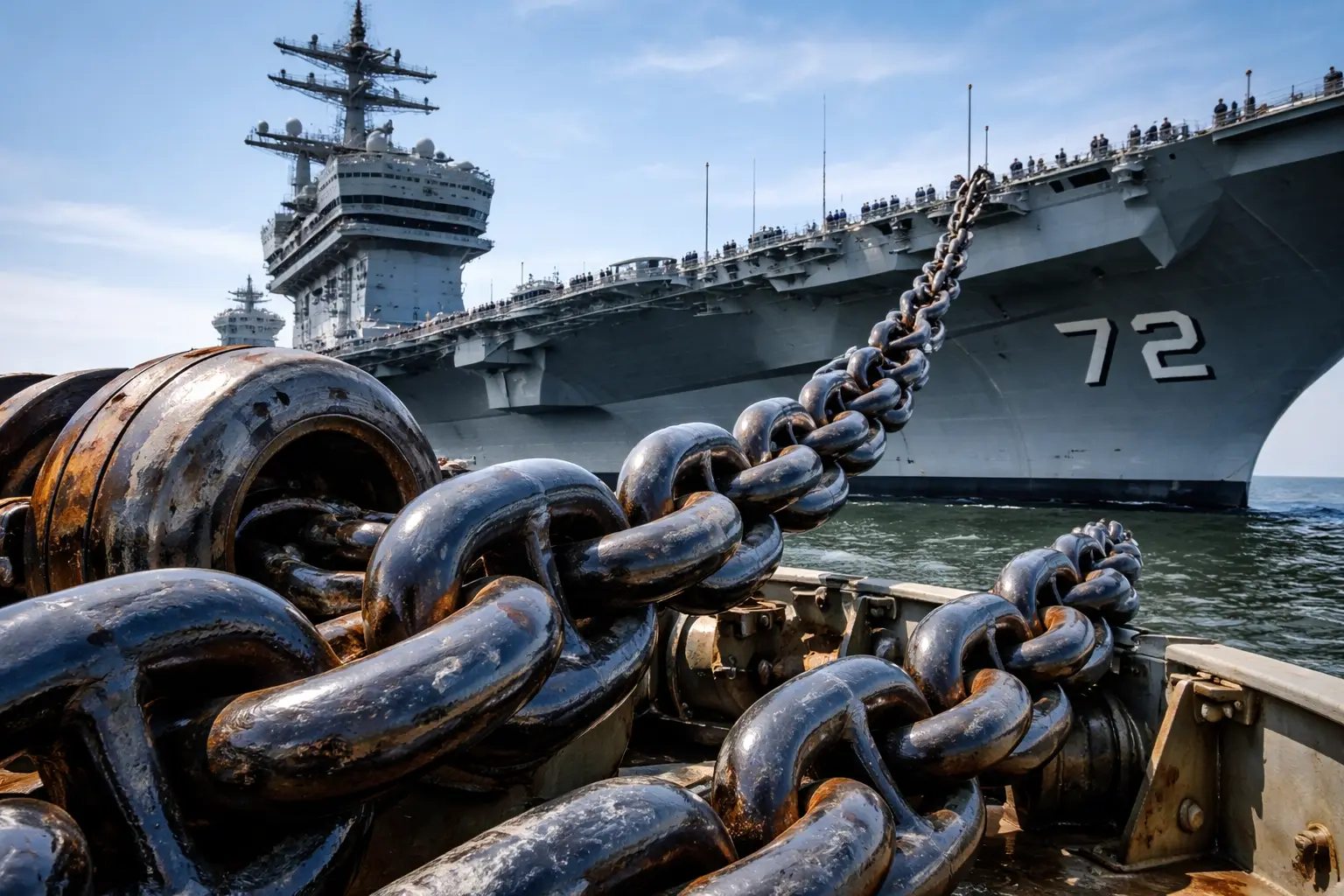
To completely eliminate the risk of wire rot, the carrier's aviation crew enforces a strict safety protocol. The vital landing cables are completely removed from the flight deck and rapidly replaced after exactly 125 arrested landings.
Prevents Fatal Cable Snaps
A degraded arresting wire that snaps under tension creates a deadly whip effect across the busy flight deck. Maintaining the core's lubrication and strictly enforcing the 125-landing limit prevents fatal accidents and protects the entire naval crew.
Green Shirt Crew Vigilance
Maintenance crews from the V-2 division, wearing distinctive green shirts, perform continuous and rigorous visual inspections of the cables. Their relentless vigilance ensures the cross-deck pendants remain structurally sound for continuous and safe naval operations.
)
)
)
)
)