'Why firewall isn’t fire at 50,000°C': Voyager’s most misunderstood discovery

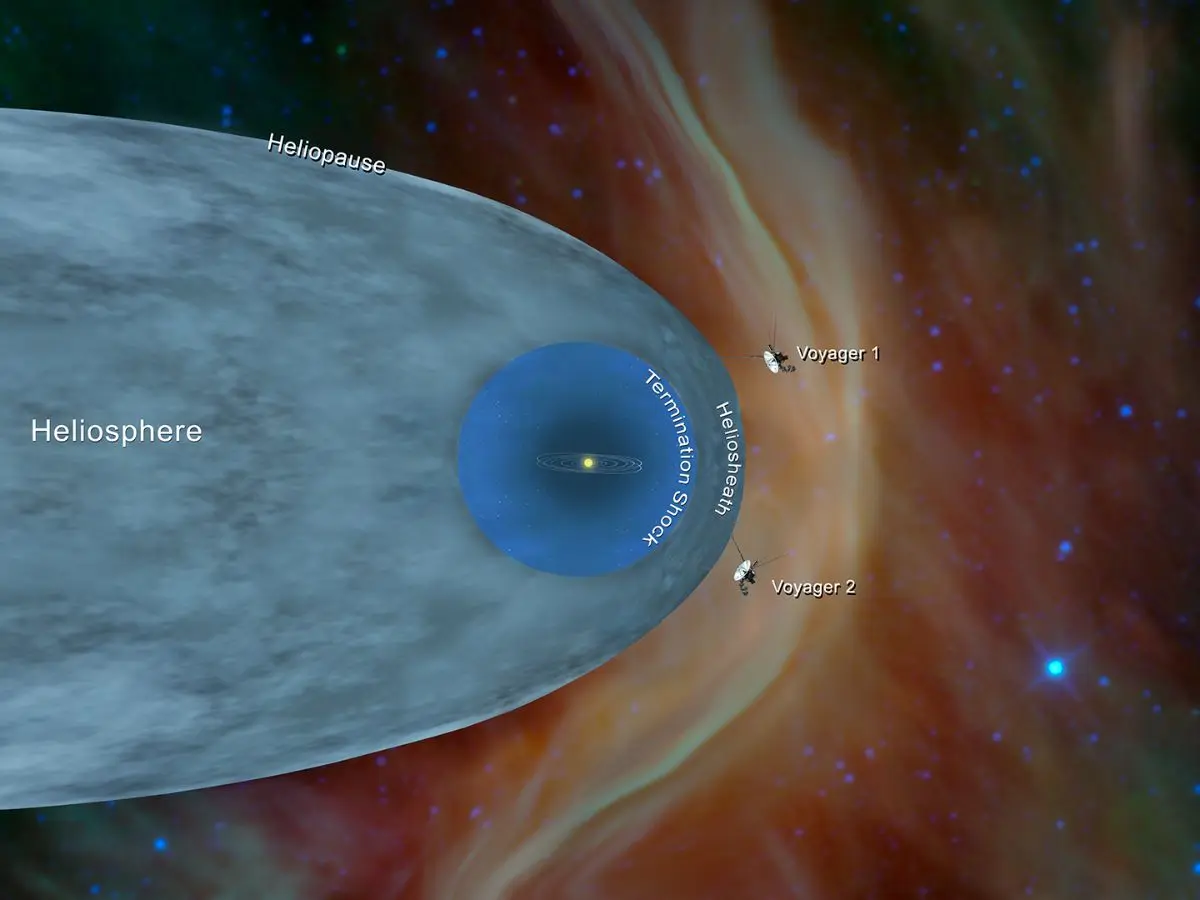
The firewall confirmed the existence of a boundary layer that separates the Solar System from interstellar space. This region marks the first point where our Sun’s influence fades.
The Origin of the “Firewall” Term
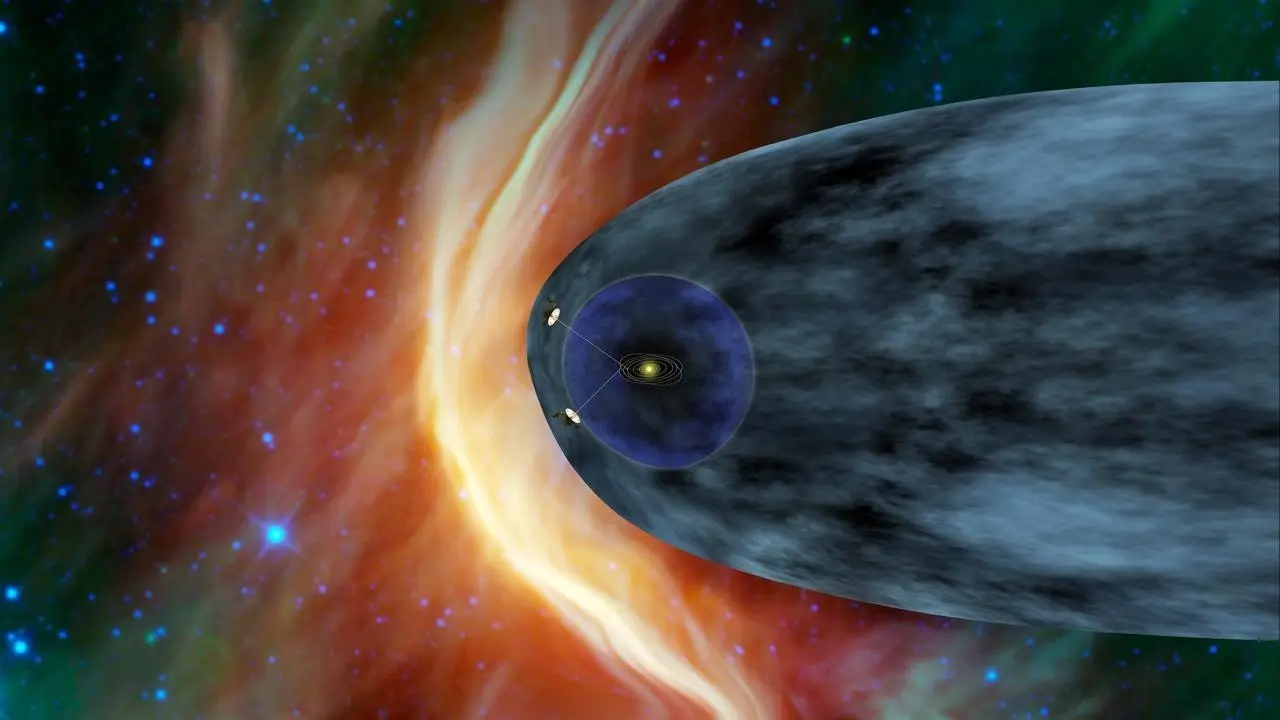
When Voyager 1 crossed into the outer boundary of the Solar System, scientists detected extreme particle activity and rising plasma temperatures. Some described this turbulent barrier as a “firewall.”
The Misleading Name
Despite the word, the firewall has nothing to do with flames. In deep space, where there is no oxygen, fire cannot exist. The term instead refers to intense charged particle interactions.
Plasma and Energy Fields
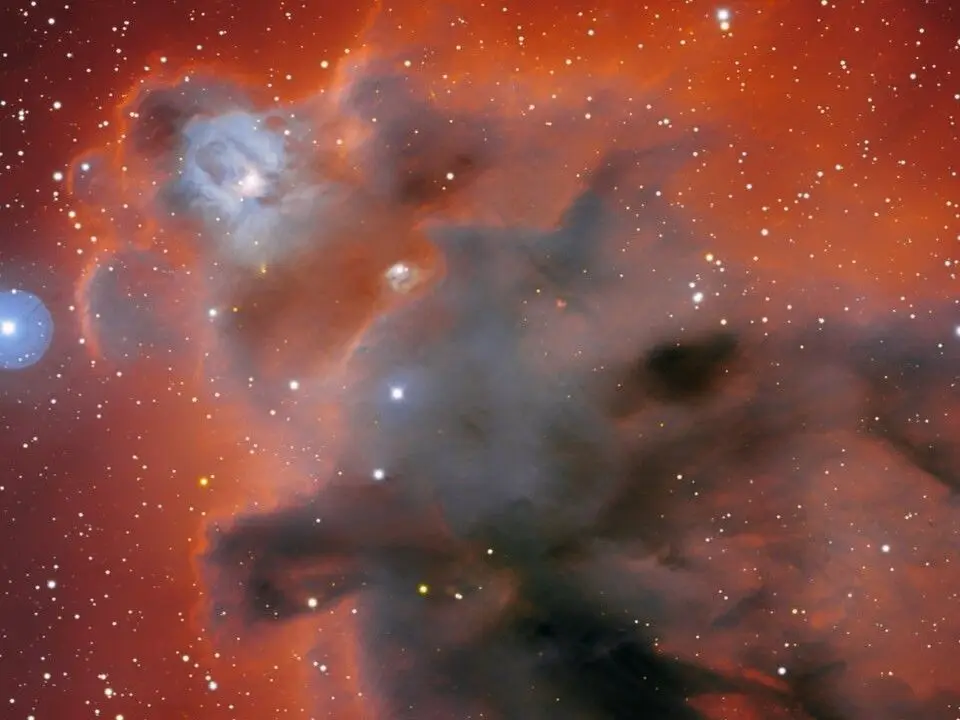
Voyager’s instruments recorded a sudden spike in plasma density and magnetic fields at the heliopause, the edge where the solar wind collides with interstellar matter. This turbulent zone earned the nickname.
50,000°C Without Burning
Temperature readings in the firewall region suggested plasma at tens of thousands of degrees Celsius. However, in the vacuum of space, temperature means particle energy, not heat transfer like on Earth.
Voyager’s Safe Passage
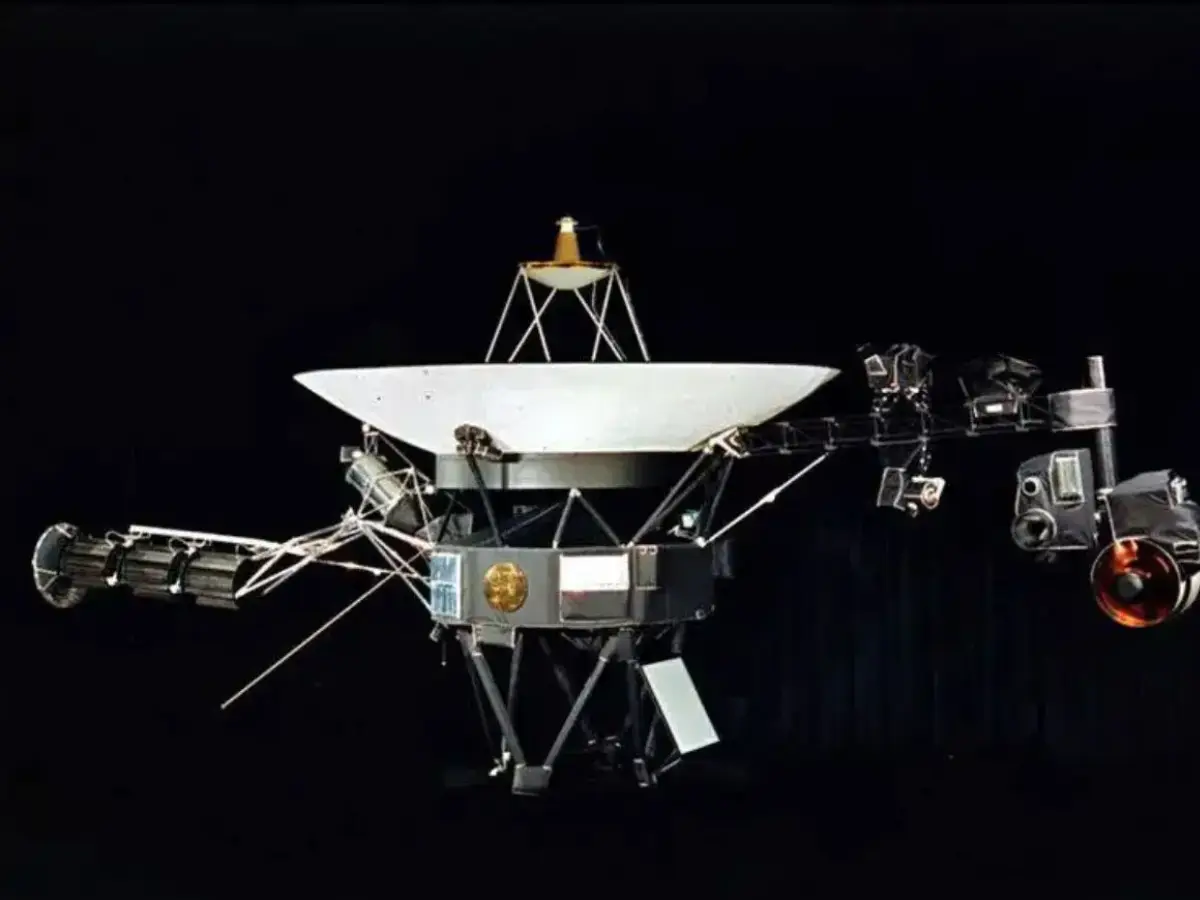
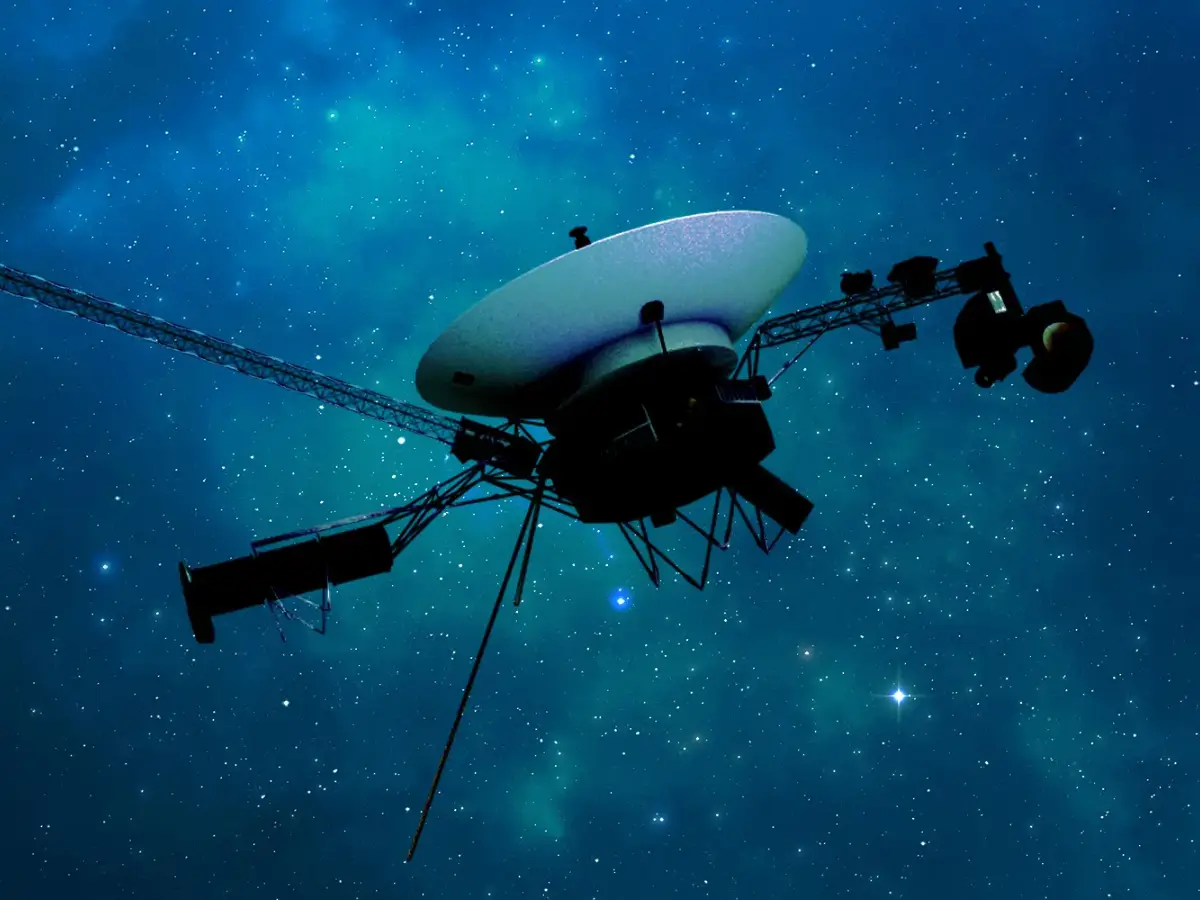
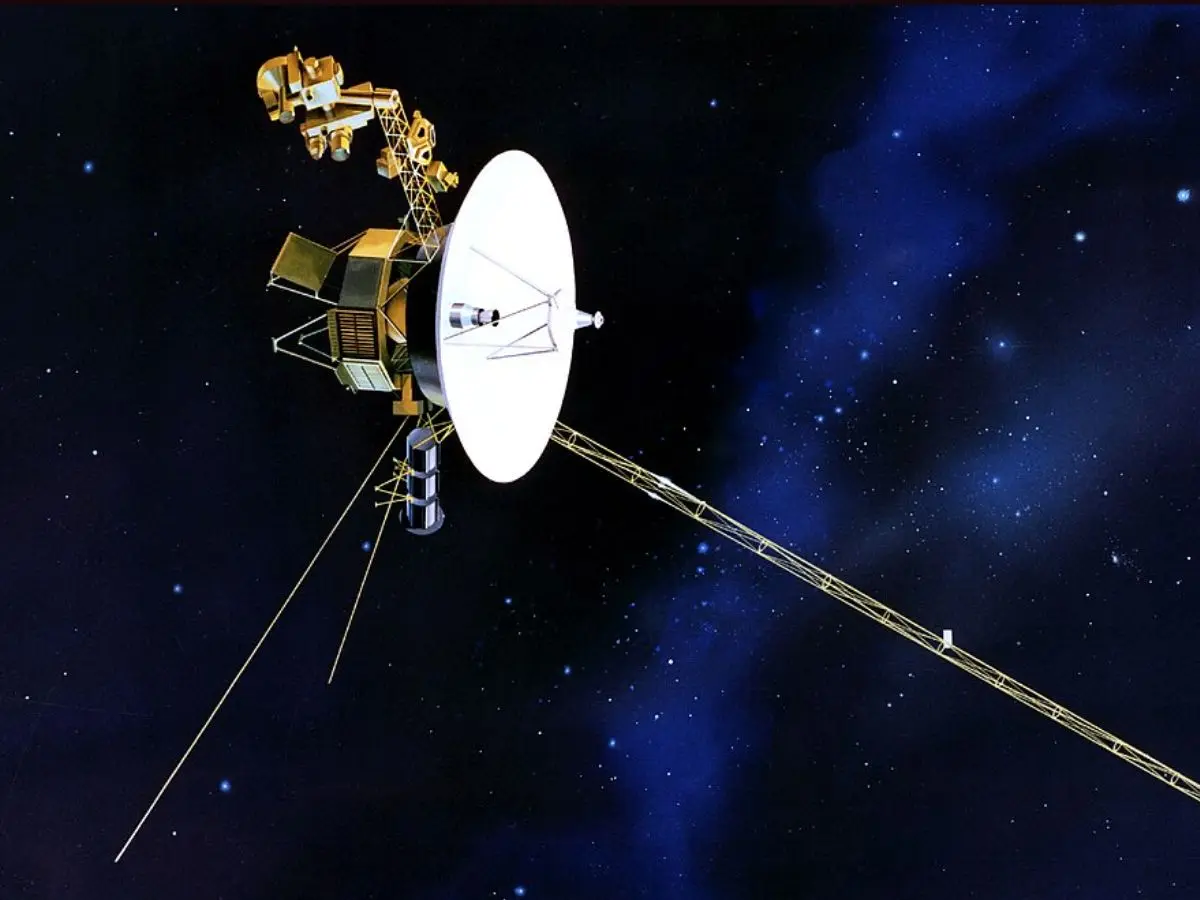
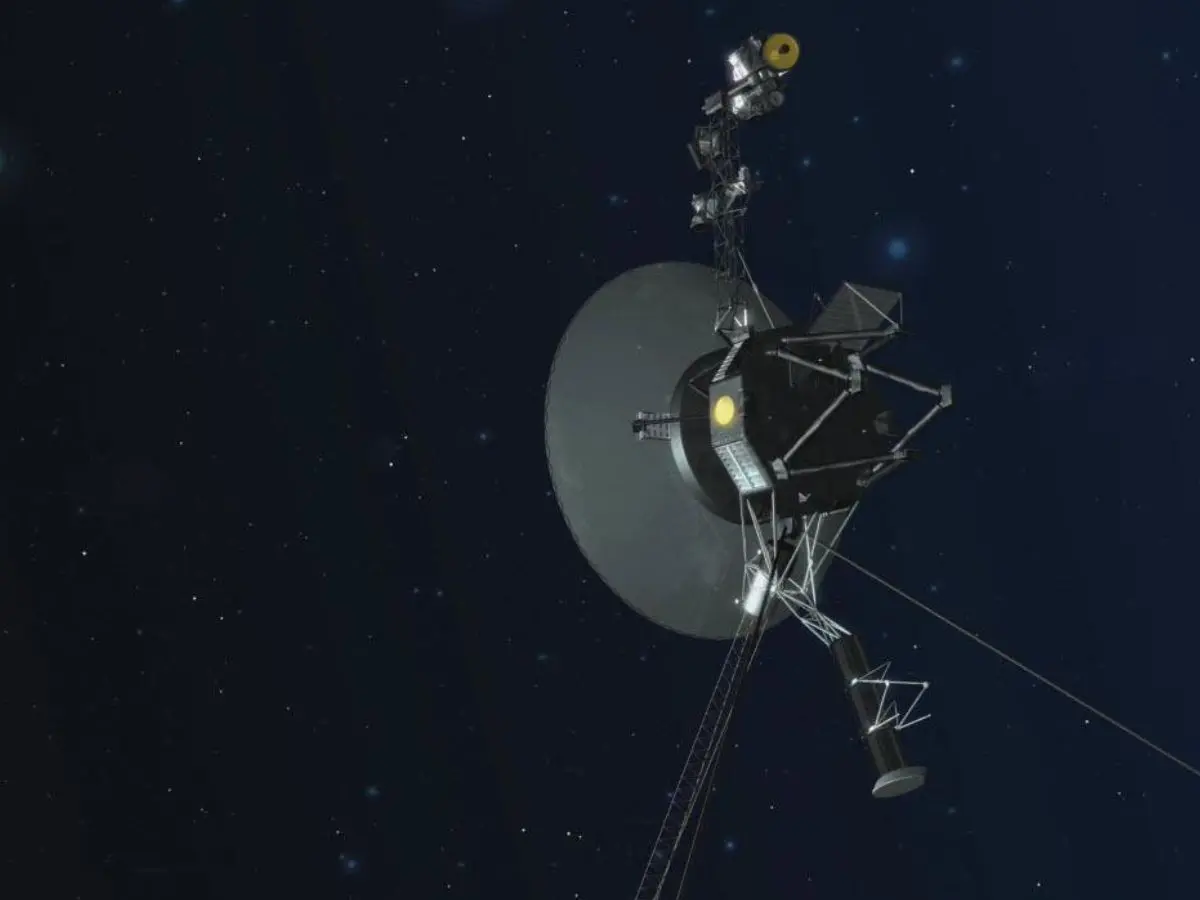
Voyager survived the crossing because its instruments and structure are unaffected by plasma particle heat in the same way a solid object on Earth would be affected by actual fire.
Why It Matters
The firewall confirmed the existence of a boundary layer that separates the Solar System from interstellar space. This region marks the first point where our Sun’s influence fades.
The Ongoing Puzzle
Scientists continue to study Voyager’s firewall data to better understand how stellar winds interact with interstellar plasma, knowledge that could help us predict how other star systems are shaped.
)
)
)
)
)