'US vs Iran': Which is Iran's most advanced fighter jet?

Iran is upgrading its air force with Russian Su-35 fighter jets. These 4++ generation aircraft bring advanced radar, speed, and missiles, replacing the ageing US-made F-14 Tomcats and posing a new challenge to Western air dominance.
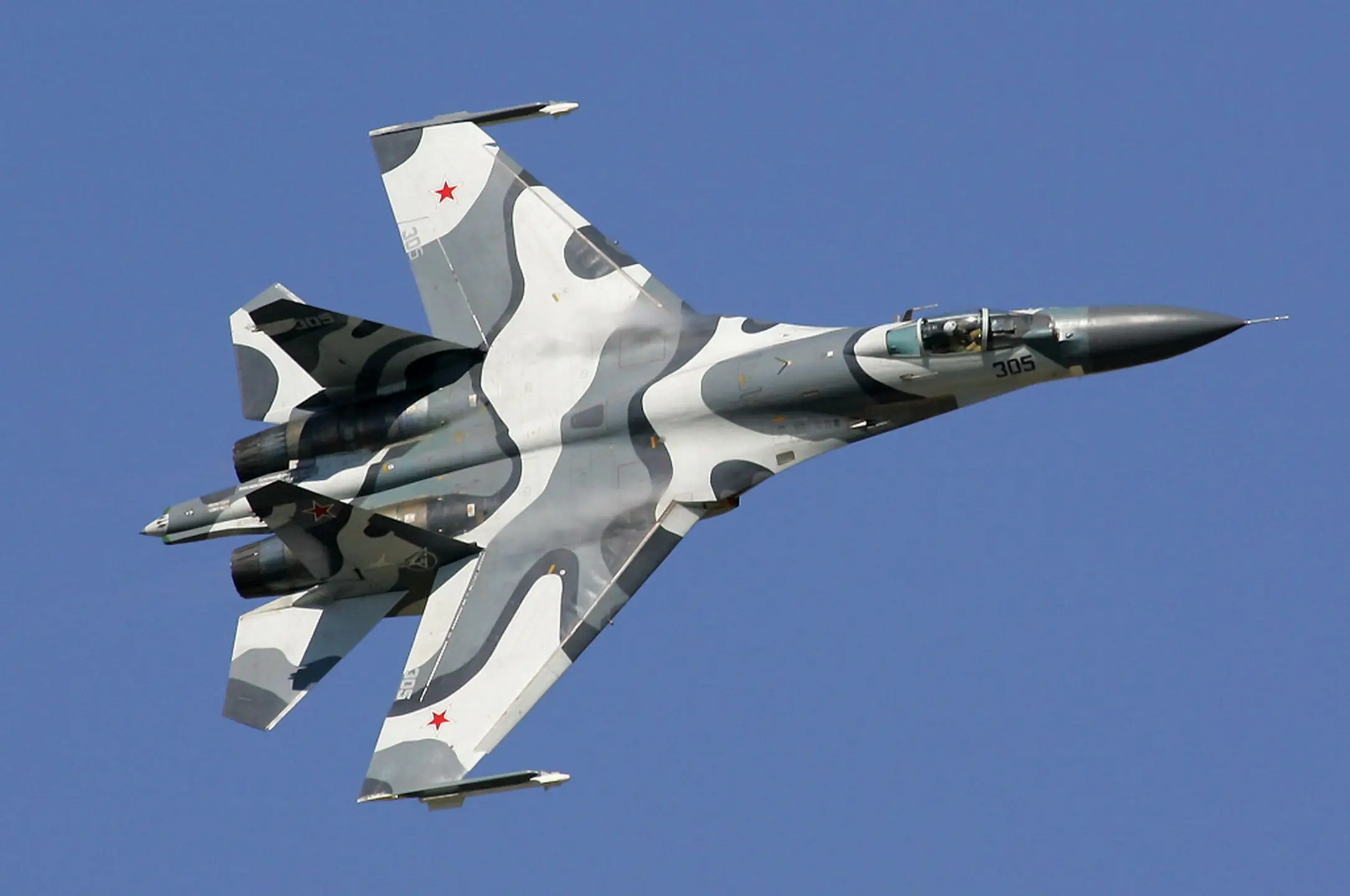
The New Top Gun
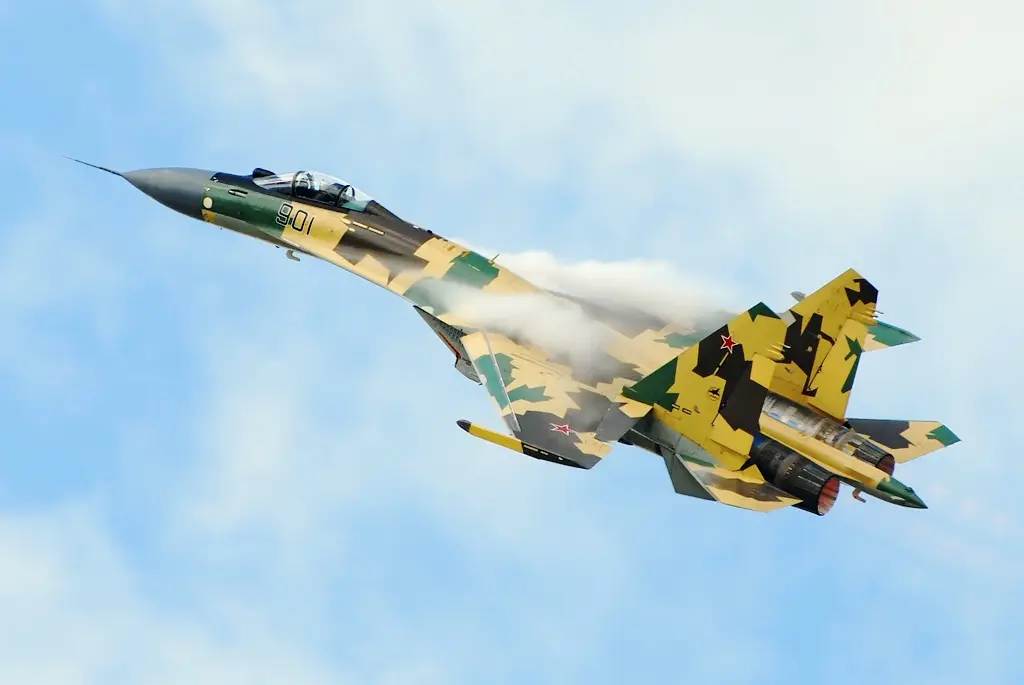
Iran is securing the Russian-made Sukhoi Su-35S to overhaul its ageing air force. Known as the 'Flanker-E', this jet is the most advanced aircraft Tehran has sought in over 40 years. It marks a shift away from relying on old US-made planes towards modern Russian military tech. Reports confirm deals for dozens of these jets are progressing.
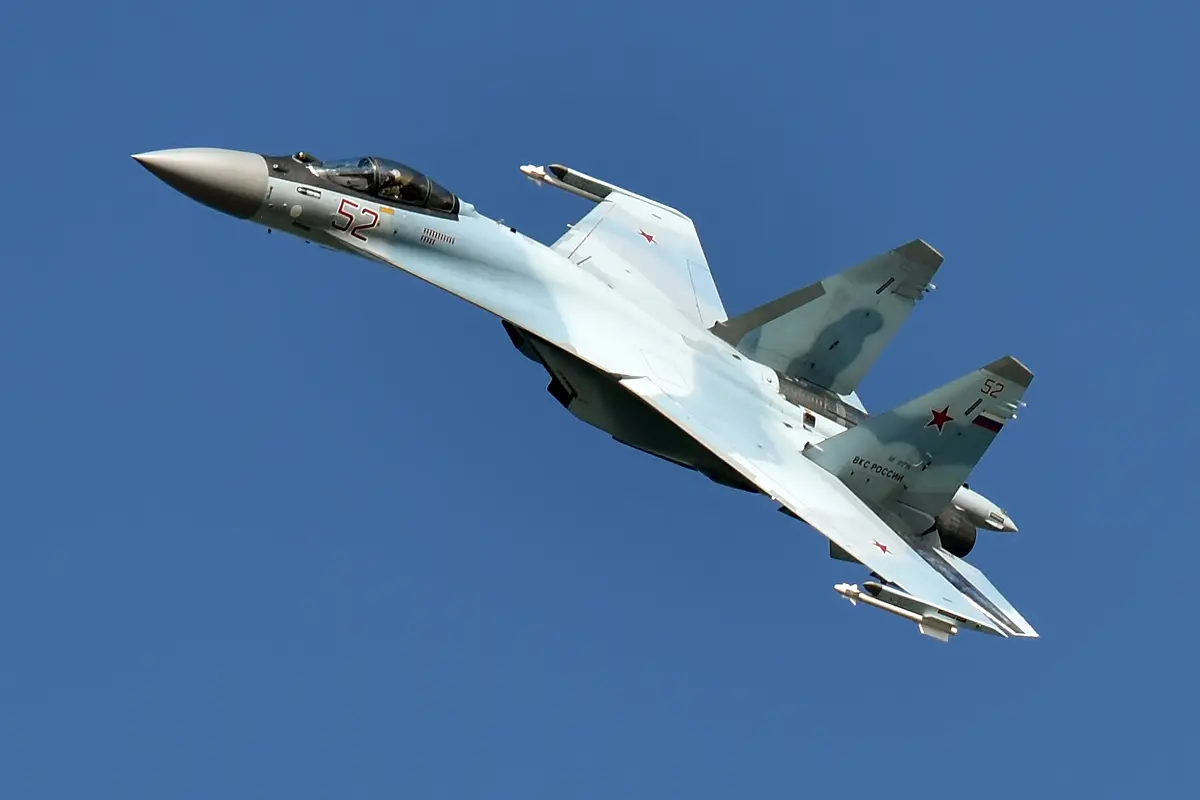
A 4++ Generation Powerhouse
The Su-35 is classified as a 4++ generation fighter, bridging the gap between older jets and modern stealth fighters. It features thrust-vectoring engines that allow for extreme agility in dogfights. While it lacks the full stealth of a US F-35, its manoeuvrability is world-class. This makes it a dangerous opponent in close-range aerial combat.
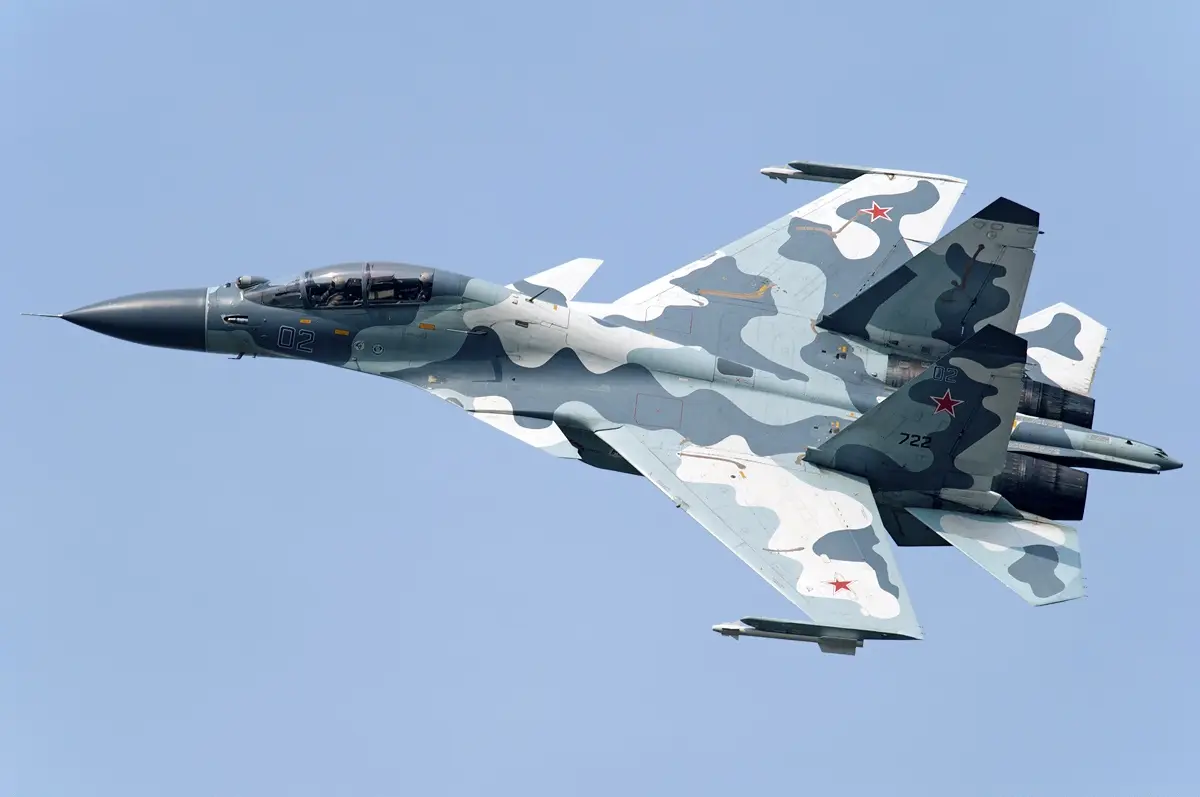
Hypersonic Speed and Range
This twin-engine heavy fighter can reach speeds of up to Mach 2.25, which is roughly 2,400 kilometres per hour. It boasts an impressive operational range of 3,600 kilometres on internal fuel alone. This extended reach allows Iranian pilots to patrol vast areas without needing immediate refuelling. It significantly expands Tehran's defensive perimeter.
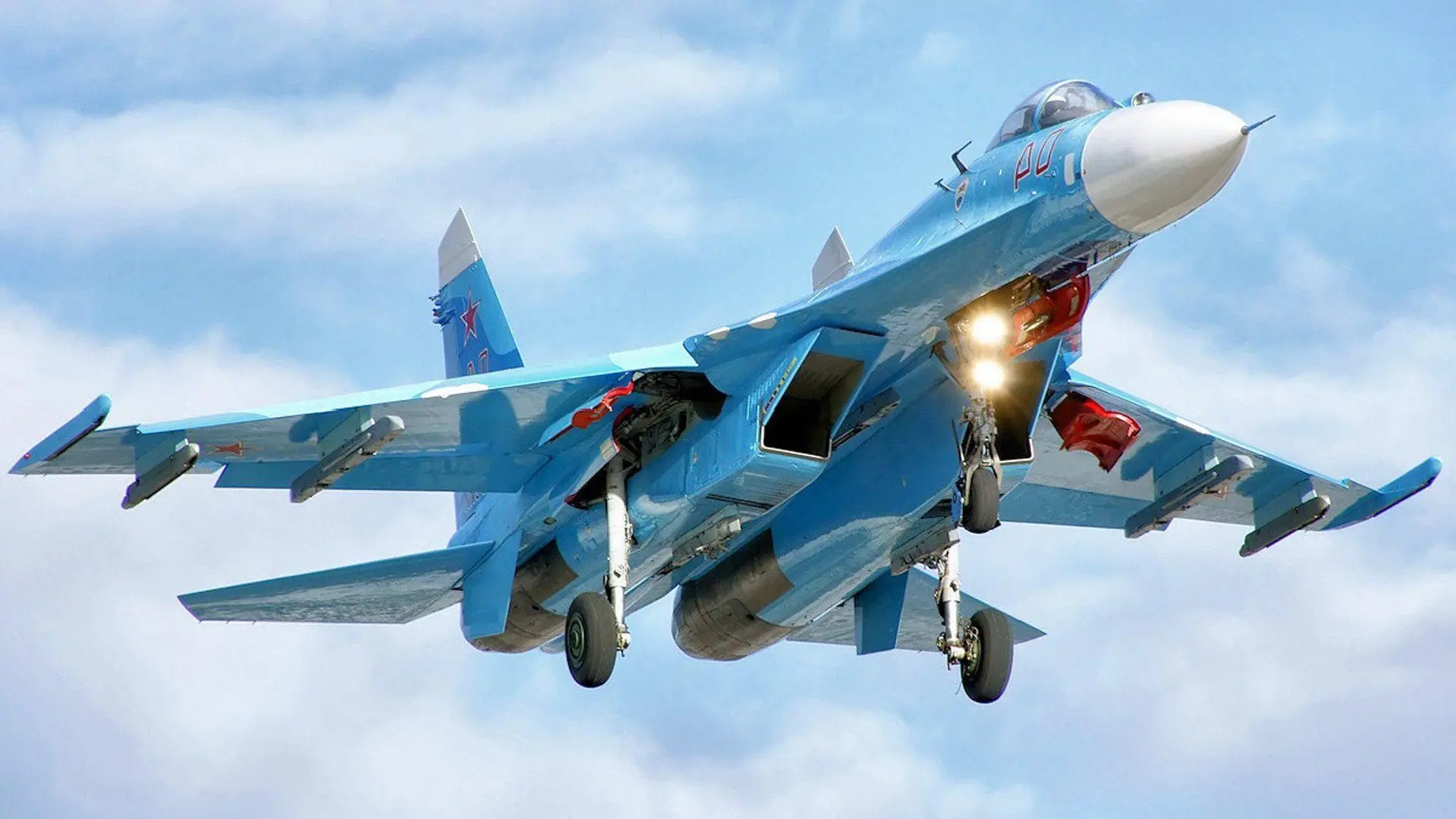
The 'Irbis-E' Radar Eyes
At the heart of the Su-35 is the powerful Irbis-E passive electronically scanned array radar. It can detect aerial targets up to 400 kilometres away and track 30 targets simultaneously. This long-range detection capability is crucial for identifying threats before they get too close. It gives Iranian pilots a "first-look" advantage in many scenarios.
Deadly Missile Payload
The aircraft has 12 hardpoints to carry a massive 8,000 kilogramme weapons payload. It is compatible with advanced air-to-air missiles like the R-77-1 and the very long-range R-37M. These missiles allow the Su-35 to engage enemy aircraft from safe standoff distances. It effectively upgrades Iran’s ability to threaten high-value aerial assets.
Replacing the F-14 Legacy
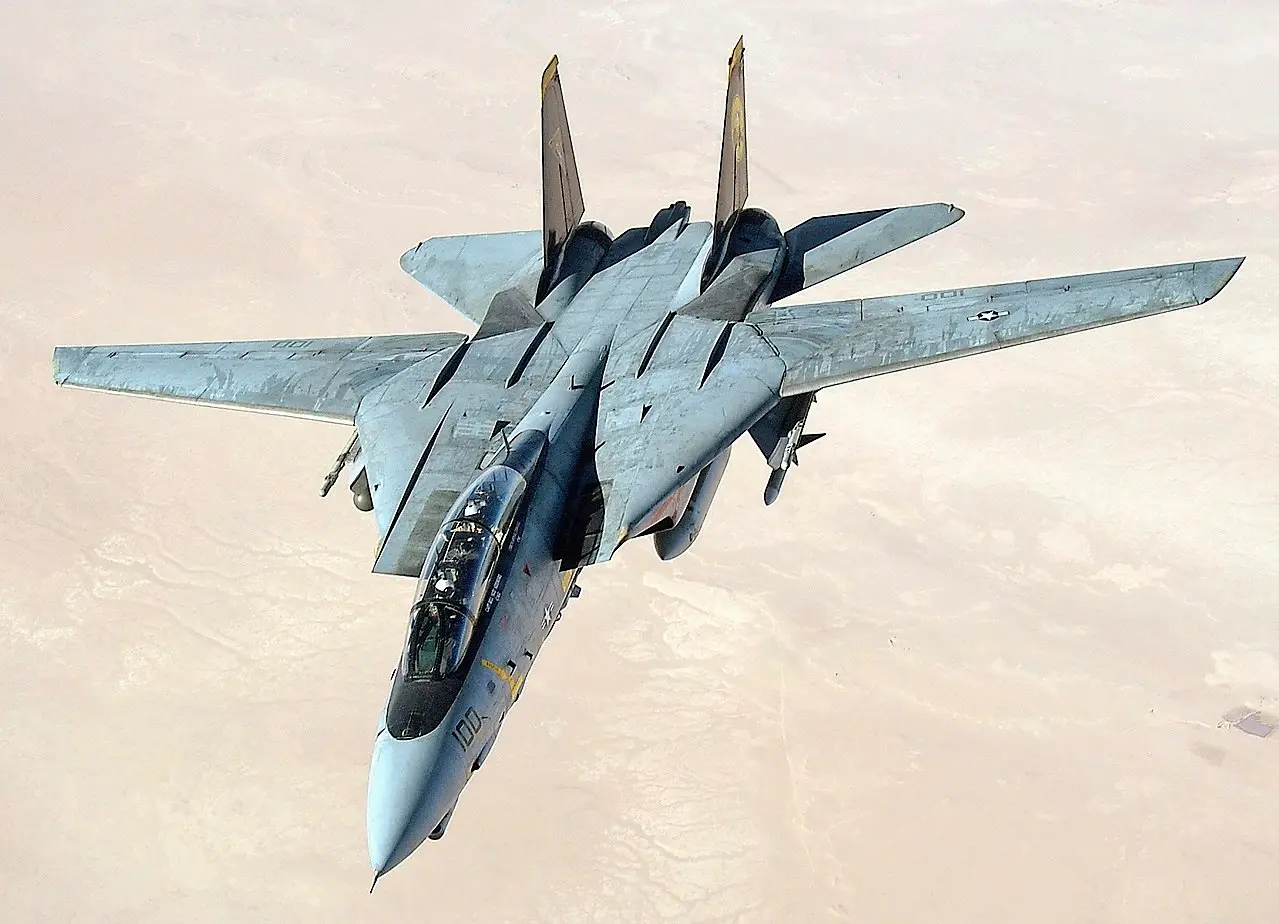
For years, the US-made F-14 Tomcat was the crown jewel of Iran’s air force, kept flying through reverse engineering. The Su-35 finally provides a modern successor to these 1970s-era legends. While the F-14 was unmatched in its day, the Su-35 brings 21st-century avionics and reliability. It reduces the maintenance burden of keeping antique jets airworthy.
The Strategic Threat
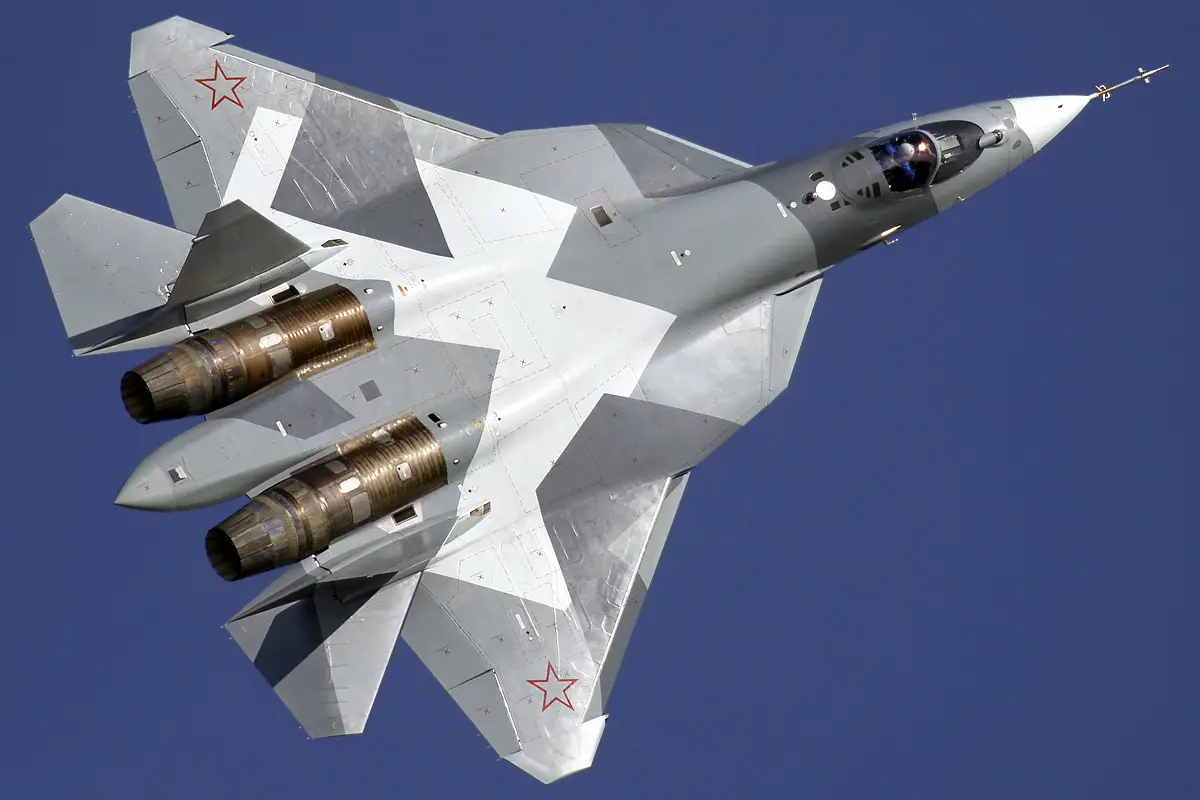
The arrival of Su-35s complicates the strategic calculus for the US and its allies in the Middle East. While American F-22s and F-35s still hold a stealth advantage, the Su-35 is a capable adversary. Its presence means any potential air campaign against Iran would face much stiffer resistance. This acquisition signals Tehran's intent to contest regional airspace aggressively.
)
)
)
)
)