'US vs Iran': Is the USS Abraham Lincoln really unsinkable?

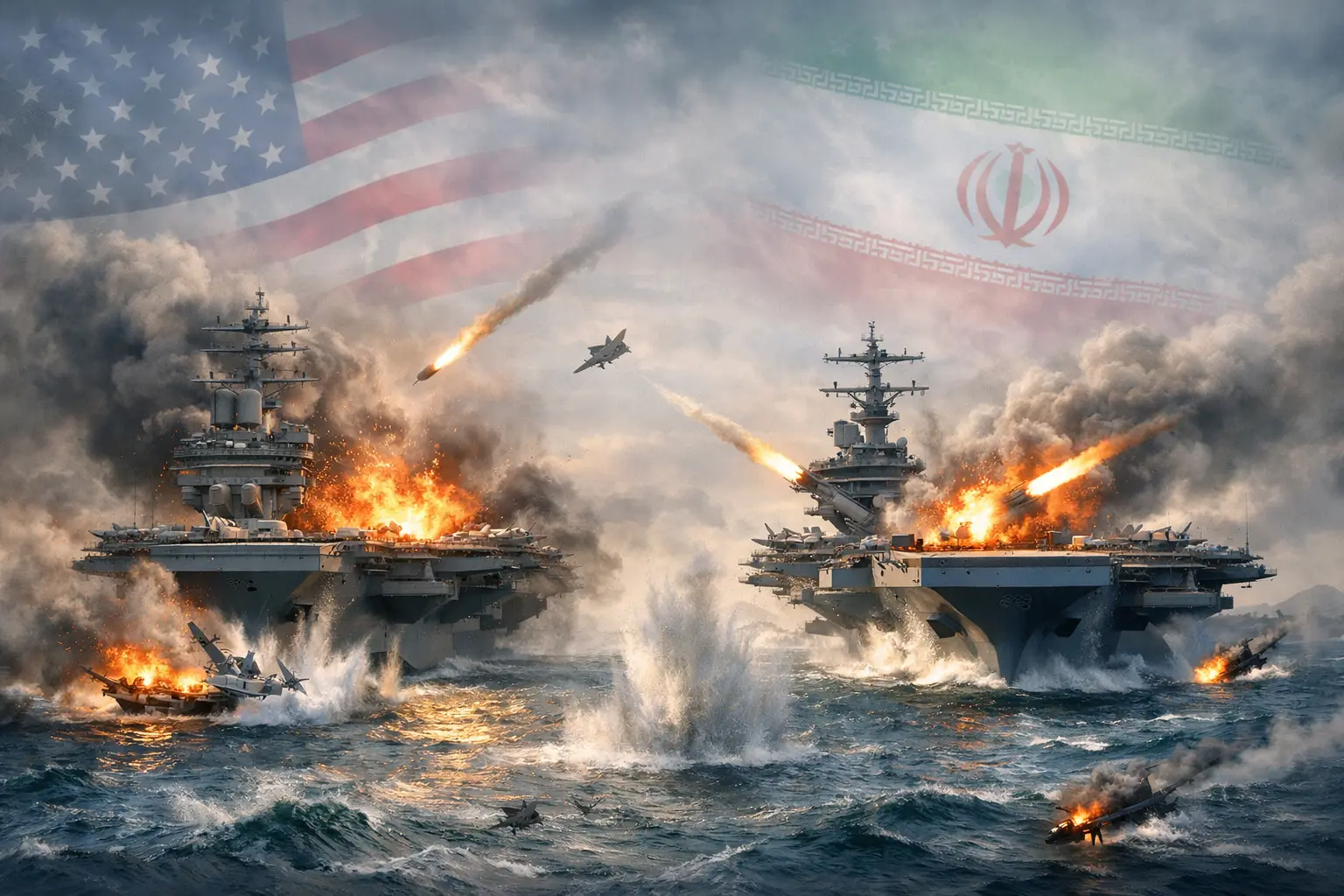
The USS Abraham Lincoln is a Nimitz-class carrier equipped with layered missile defences. While Iran possesses a vast arsenal of hypersonic and anti-ship missiles, sinking the fast-moving American warship remains highly improbable in open waters.

100,000-Tonne Naval Fortress
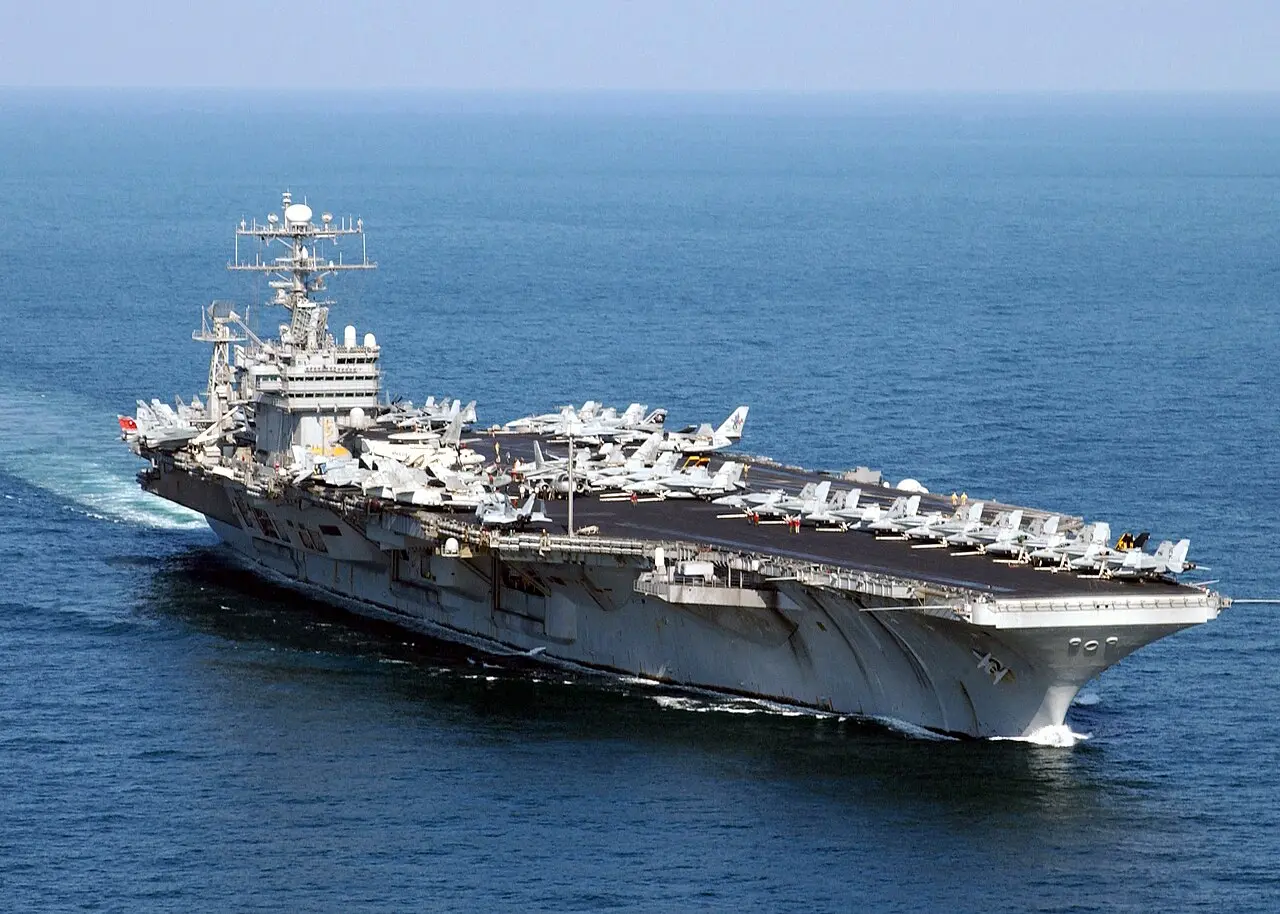
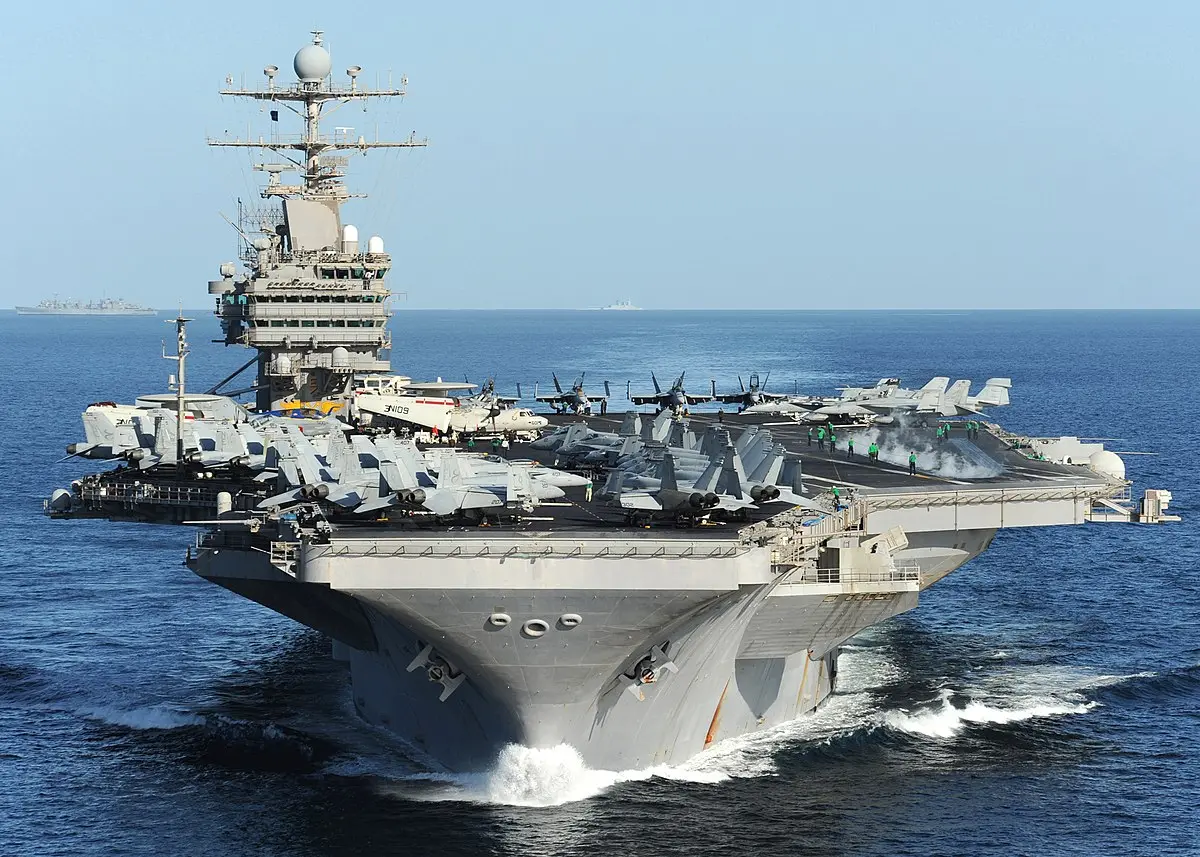
The USS Abraham Lincoln is a Nimitz-class nuclear-powered aircraft carrier weighing over 100,000 tonnes. It serves as a floating military base, projecting immense United States naval power across the Middle East to deter regional threats.
60+ Combat Aircraft
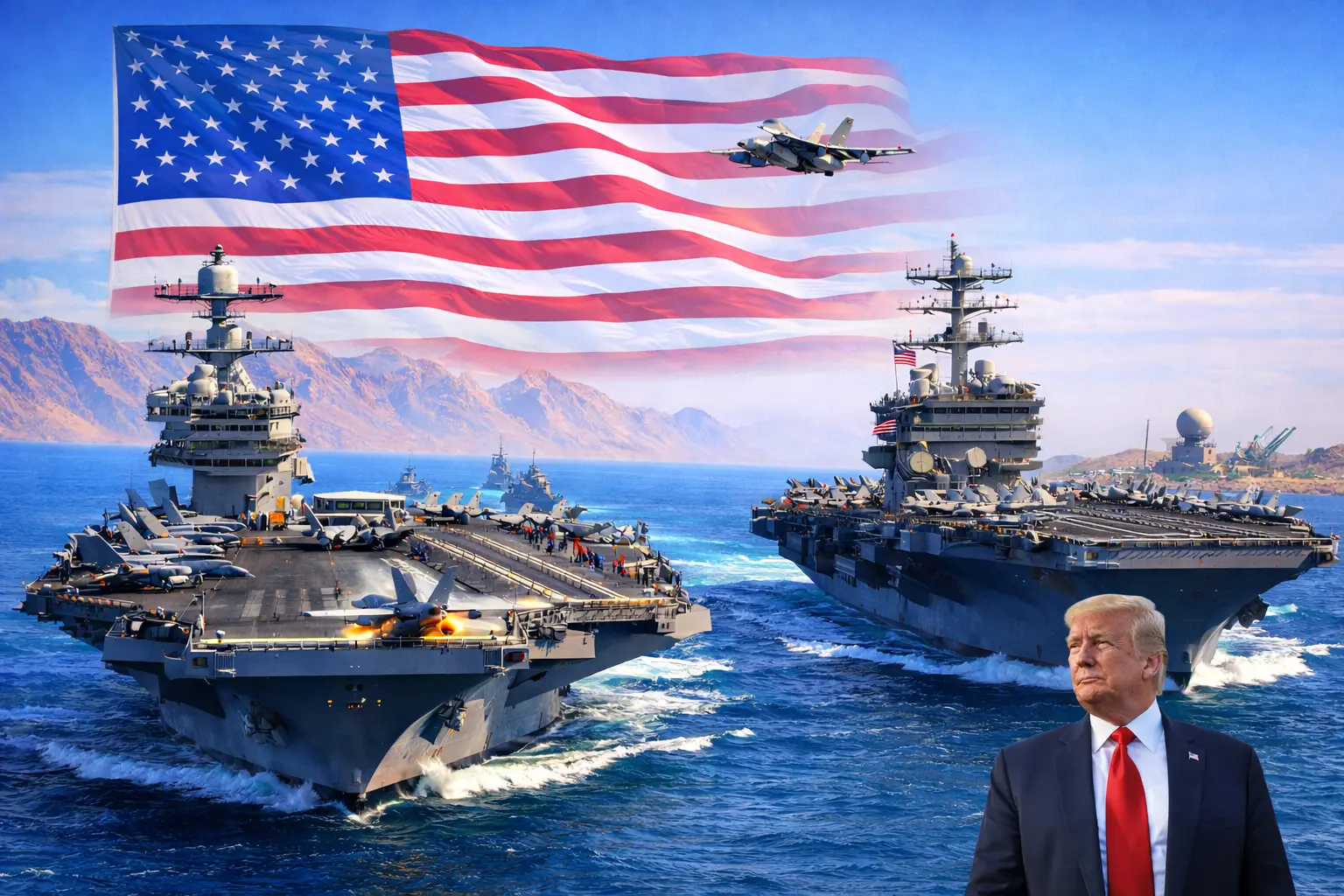
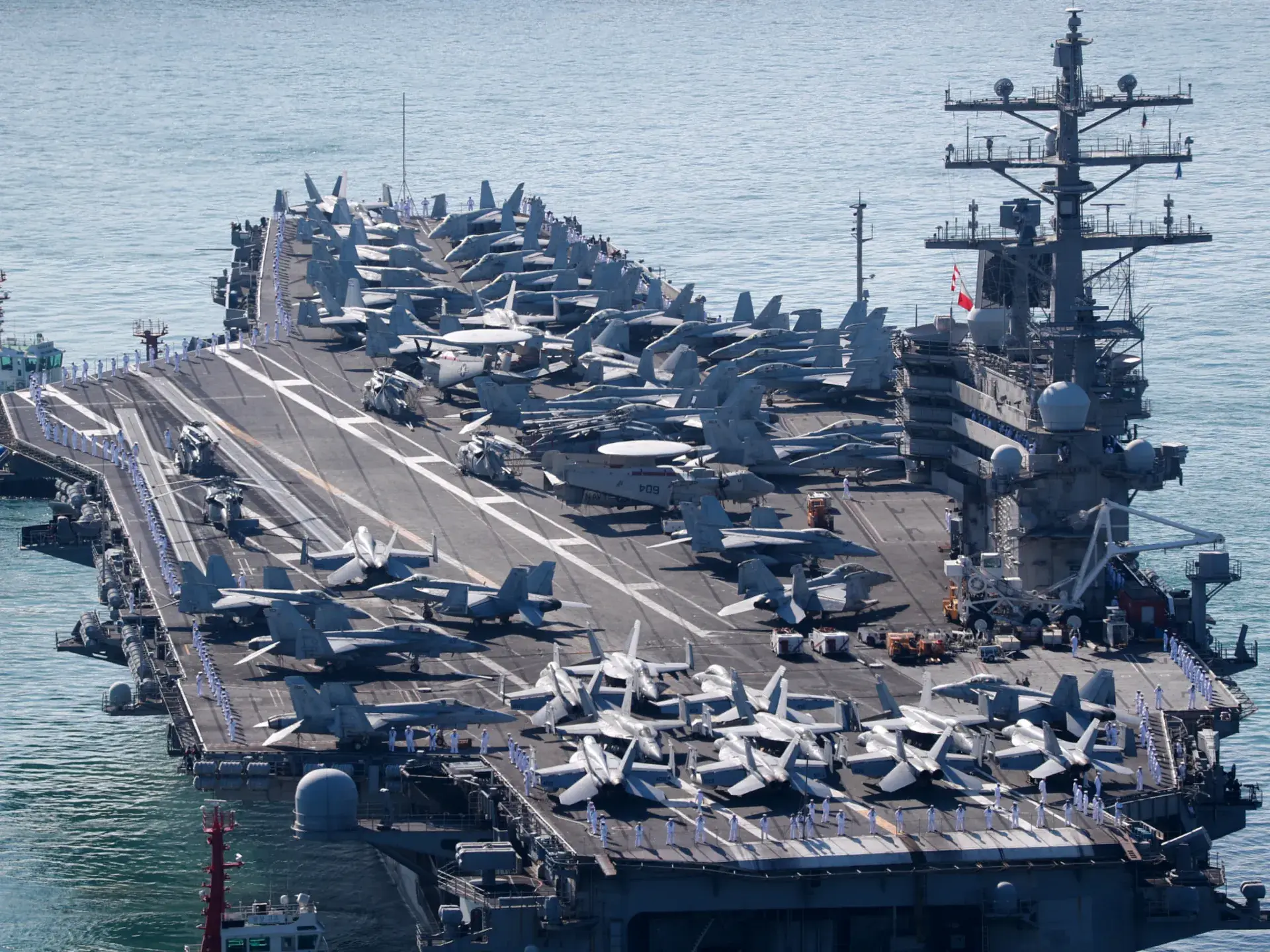
The carrier does not sail alone and acts as the flagship of a massive strike group. It carries over 60 advanced aircraft, including F/A-18 Super Hornets and F-35C stealth fighters, keeping Iranian territory within immediate striking distance.
400-km Defence Shield
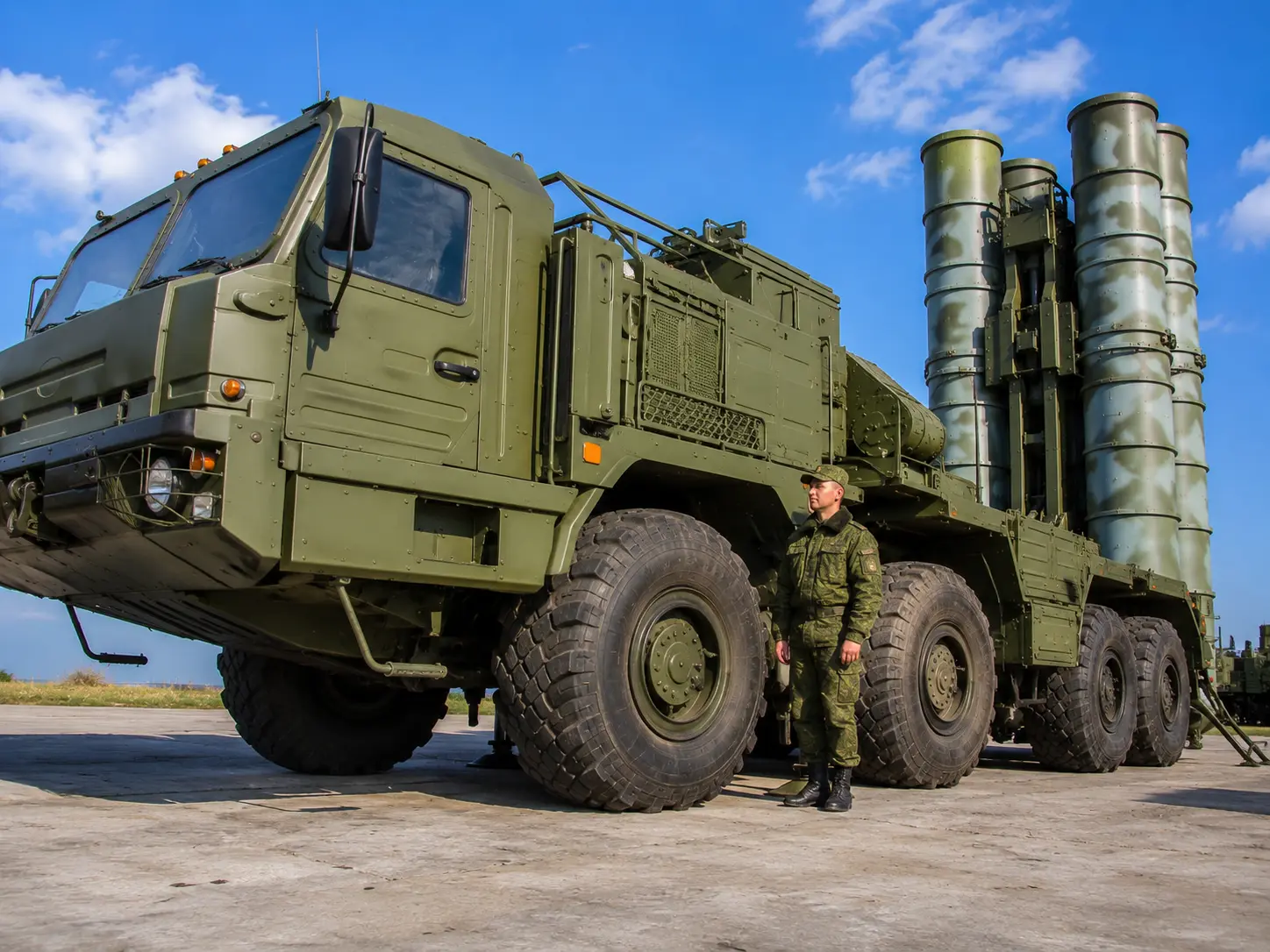
The American strike group relies on the advanced Aegis combat system for protection. Escorting destroyers carry SM-6 interceptor missiles with a range exceeding 400 kilometres to destroy incoming aerial threats long before they reach the carrier.
1,000s Of Iranian Missiles
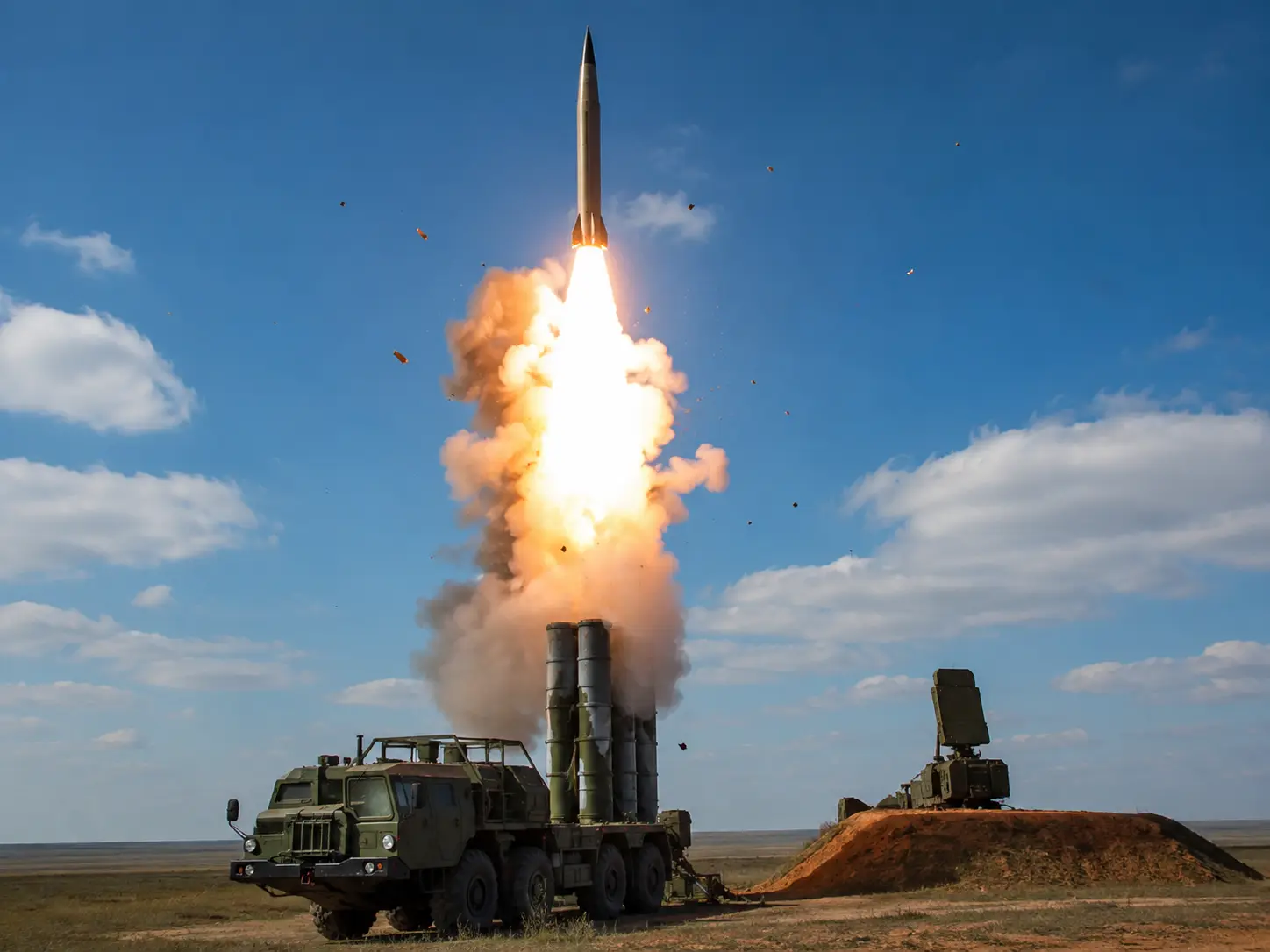
Due to an outdated conventional air force, Iran has invested heavily in alternative weapons. Tehran has built a vast arsenal comprising thousands of short, medium, and intermediate-range ballistic and cruise missiles to threaten American naval assets.
Mach 5 Hypersonic Weapons
Iran claims to operate advanced hypersonic weapons like the Fattah-2 boost-glide vehicle. These missiles travel at speeds exceeding Mach 5, drastically reducing the reaction time for American air defence systems and complicating interception efforts.
1,000-km Anti-Ship Missiles
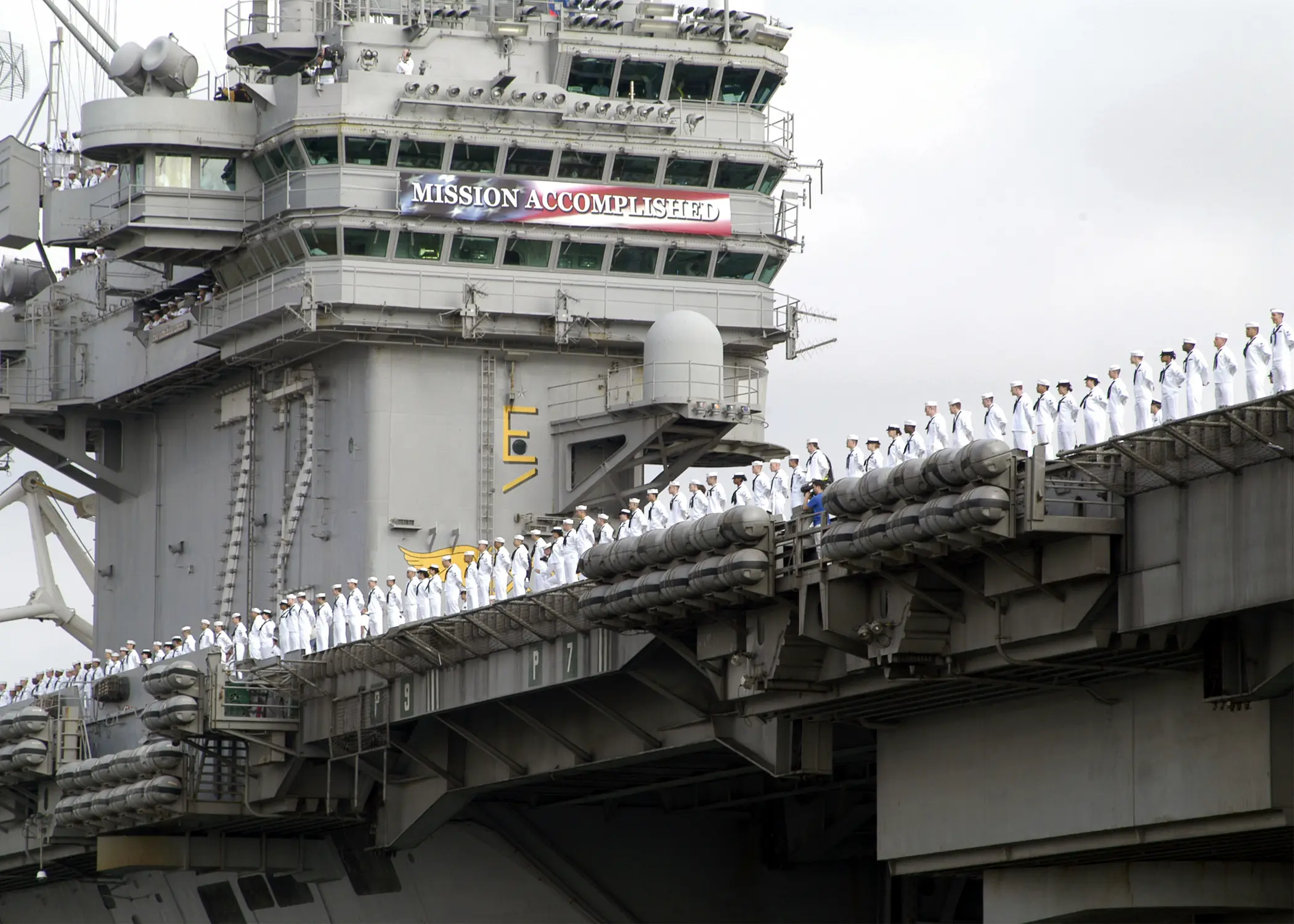
Tehran recently accelerated the deployment of its Abu Mahdi cruise missile. This subsonic weapon boasts a range of over 1,000 kilometres and is specifically designed to target large naval vessels, directly threatening American aircraft carriers.
100s Of Swarming Drones
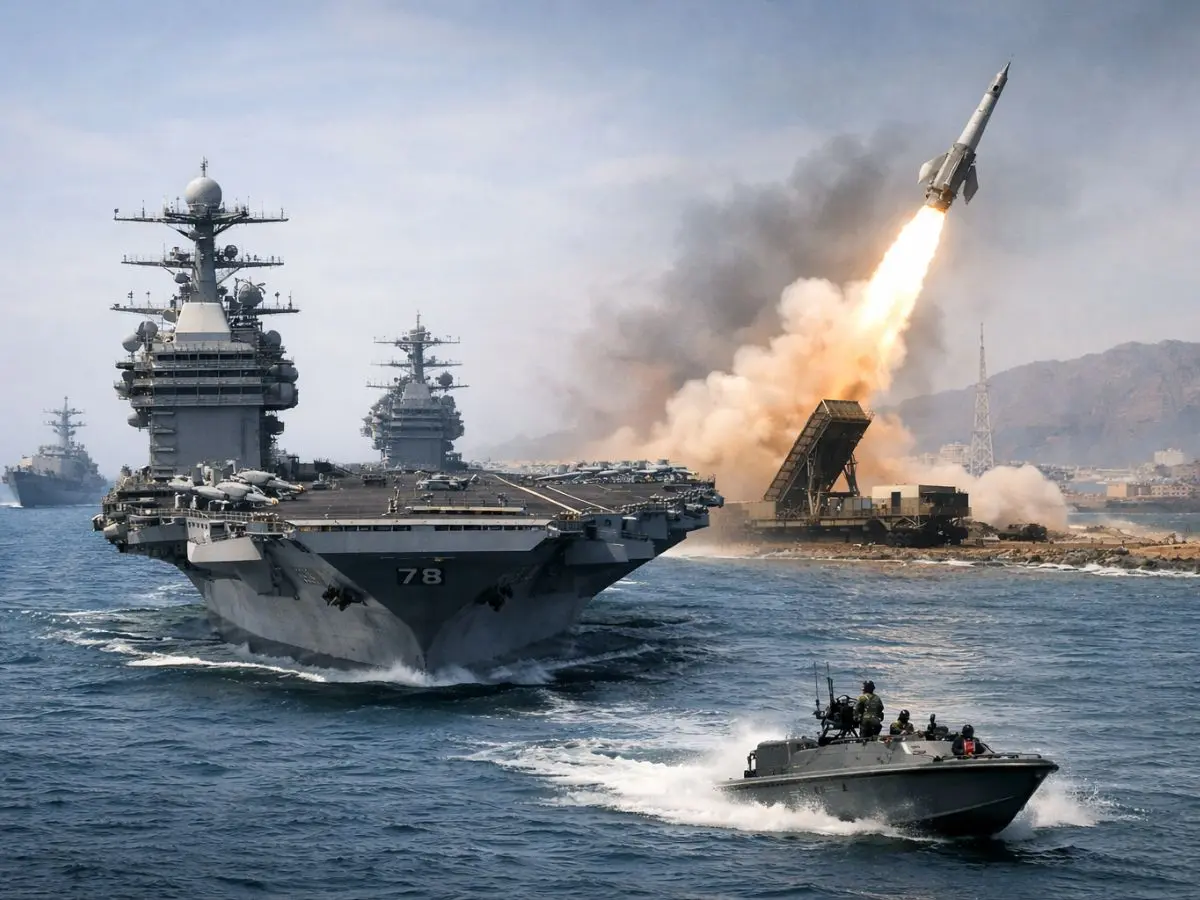
In a potential conflict, Iran would likely avoid precision strikes and rely on saturation tactics. Tehran could launch hundreds of Shahed-136 drones alongside ballistic missiles to exhaust and overwhelm the carrier strike group's interceptor inventory.

30-Knot Moving Target
Hitting a United States aircraft carrier remains exceptionally difficult because it is constantly moving at speeds over 30 knots. Without a near-real-time satellite network, accurately targeting a moving vessel in the open ocean is nearly impossible.

150 Miles Off Coast
Geography plays a crucial role in naval survival. The USS Abraham Lincoln operates roughly 150 miles off the coast in the open Arabian Sea, deliberately avoiding confined waters where Iranian coastal batteries have a clear advantage.
100 Per Cent Unsinkable?
While no warship is entirely invincible, sinking the USS Abraham Lincoln requires unprecedented precision and overwhelming force. Its mobility, layered missile defences, and escort ships make a successful Iranian strike highly improbable.
)
)
)
)
)