'US vs Iran': Could Iran’s long-range Khorramshahr missile reach the USS Abraham Lincoln?

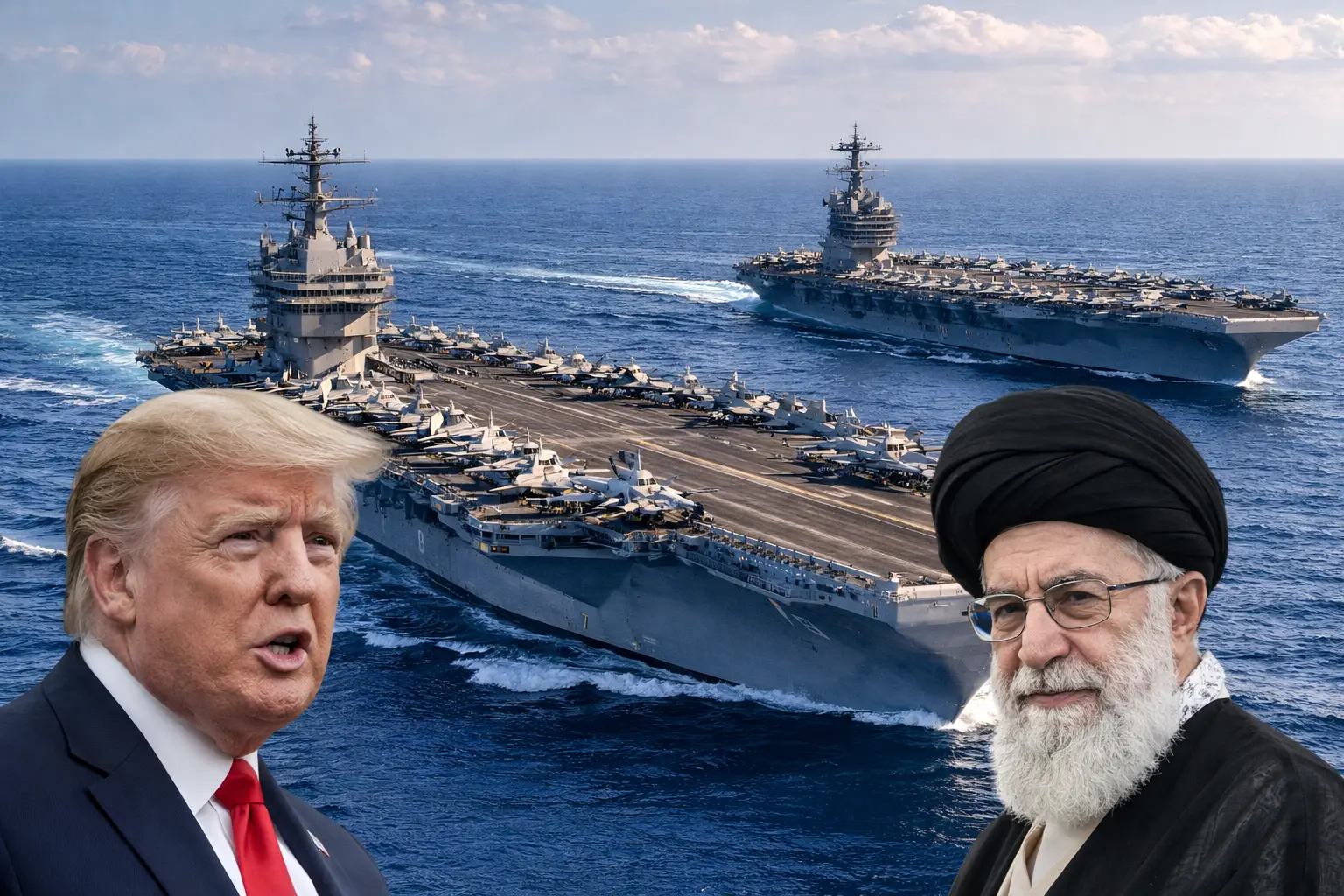
The USS Abraham Lincoln is deployed in the Arabian Sea, roughly 700 kilometres from Iran. With a 2,000-kilometre range and a 1,500 kg warhead, Iran’s Khorramshahr-4 missile theoretically places the US supercarrier within direct striking distance.

US Carrier At Sea
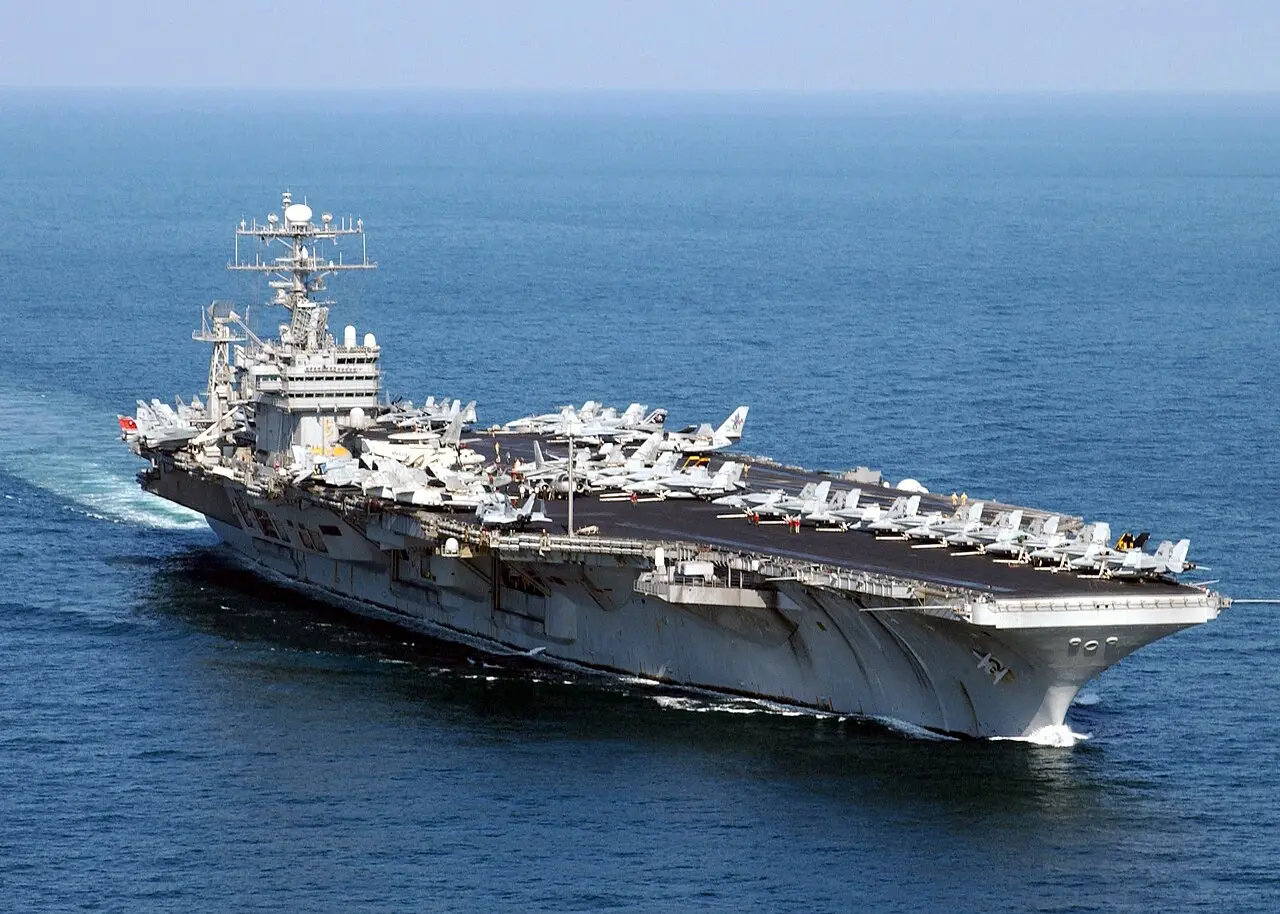
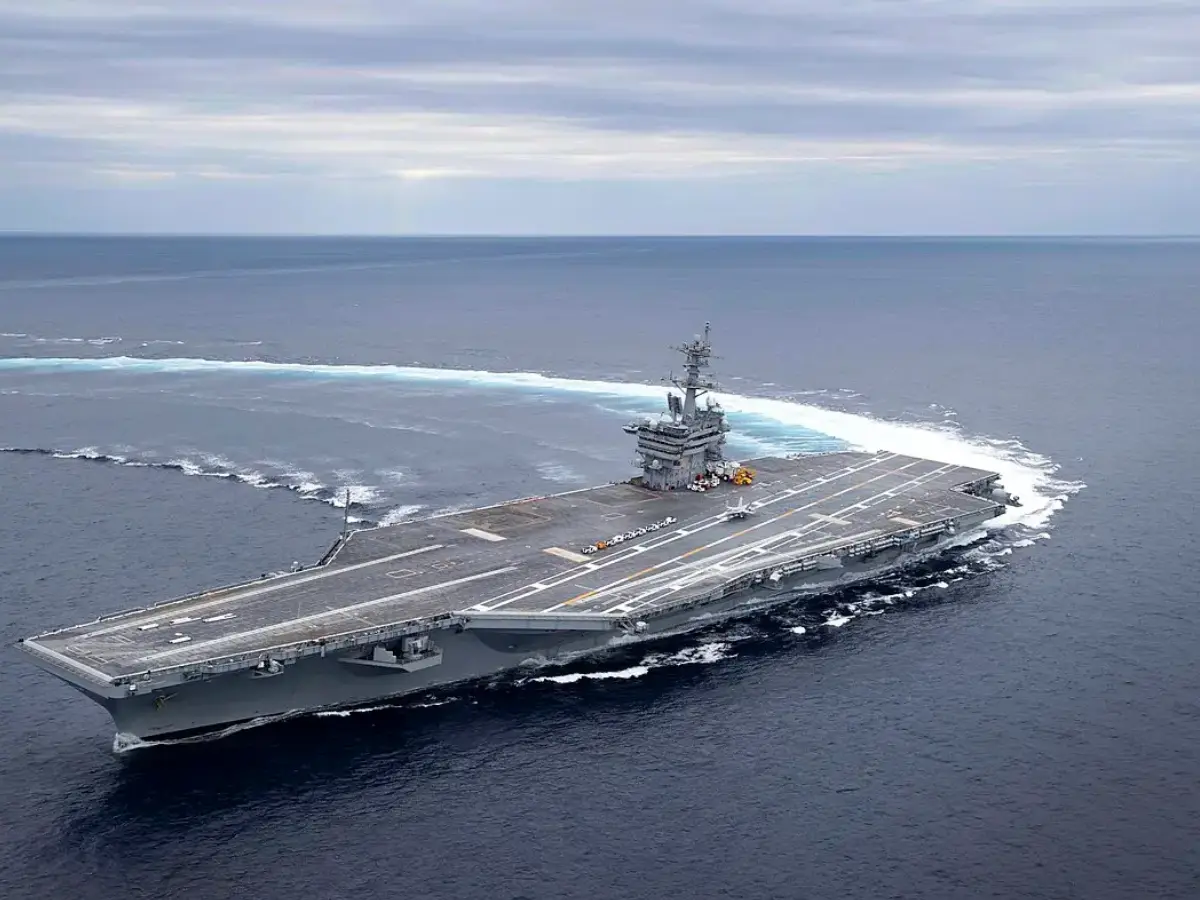
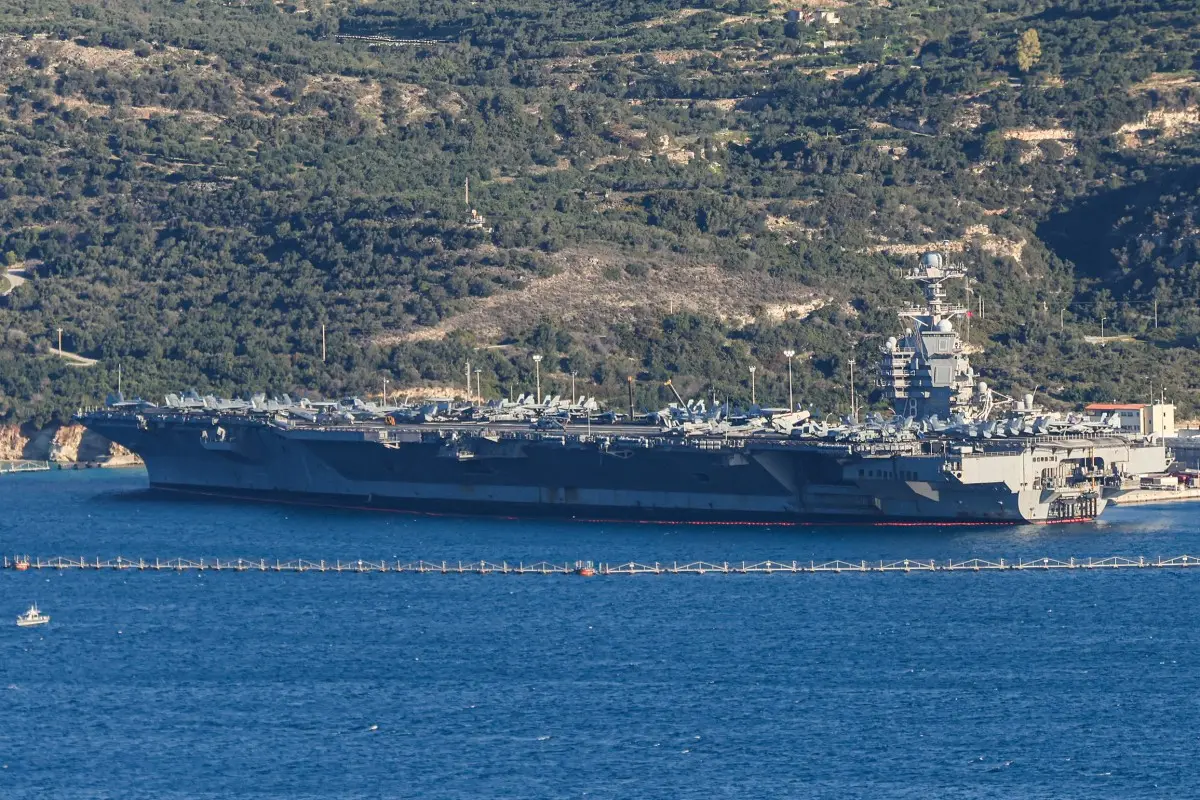
The United States has deployed the USS Abraham Lincoln carrier strike group to the Middle East amid rising regional tensions. This nuclear-powered warship brings significant air and naval firepower to the Central Command area. It operates alongside several guided-missile destroyers equipped with advanced air defence systems.
700 Kilometres From Iran
Recent satellite imagery places the USS Abraham Lincoln in the Arabian Sea, approximately 240 kilometres off the coast of Oman. This strategic positioning puts the supercarrier roughly 700 kilometres away from Iranian territory. The deployment aims to deter further military escalation in the volatile region.
Iran's 2,000-Km Range
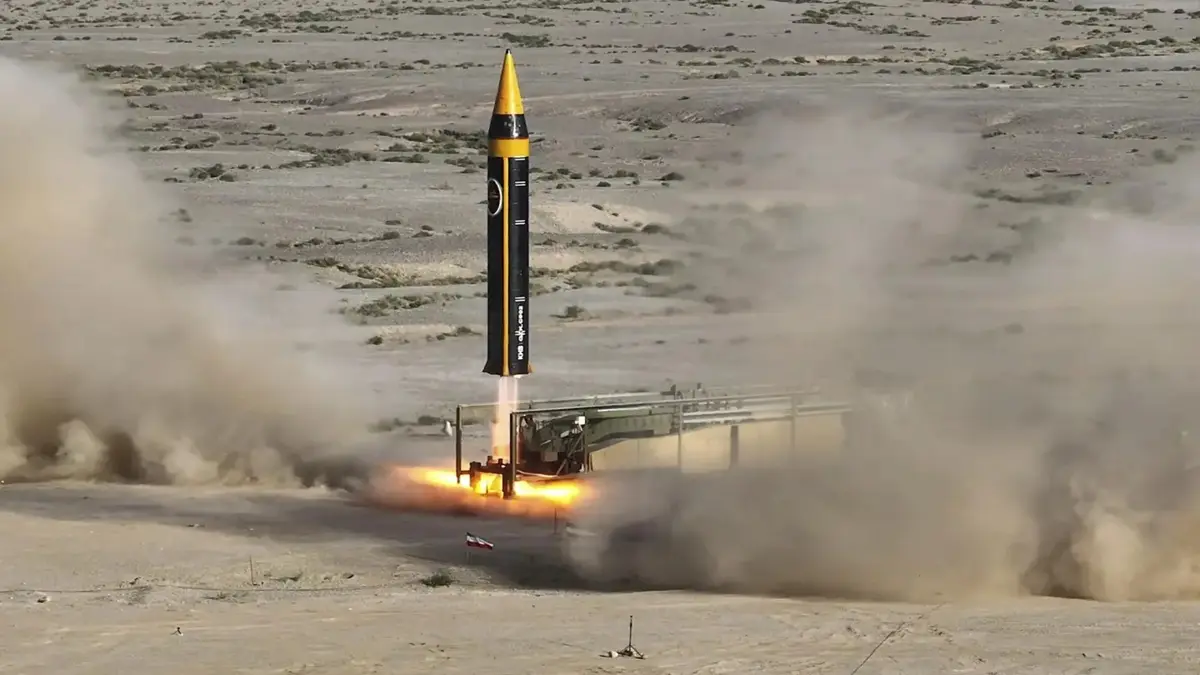
In response to the US naval buildup, Iran has highlighted its advanced Khorramshahr-4 ballistic missile, also known as Kheibar. This medium-range weapon boasts an operational flight range of 2,000 kilometres. State media recently reported its deployment in hardened underground facilities.
1,500 Kg Heavy Warhead
The Khorramshahr-4 is capable of carrying a massive 1,500-kilogramme warhead. This heavy payload allows it to deliver a devastating strike upon reaching its intended target area. The warhead detaches during the final flight stage to strike with pinpoint accuracy.

Mach 16 Top Speed
The Kheibar missile achieves hypersonic velocities, reaching speeds of up to Mach 16 outside the Earth's atmosphere. Once it re-enters the atmosphere, it maintains a speed of Mach 8. This immense speed severely reduces the reaction time available for enemy air defence systems.
Under 15-Minute Launch
The Khorramshahr-4 utilises an advanced engine powered by hypergolic liquid fuel. This modern propellant can remain stored in the missile's tanks for years. Consequently, the launch preparation time is significantly reduced to less than 15 minutes, allowing for rapid deployment.
13-Metre Compact Weapon
Measuring approximately 13 metres in length and 1.5 metres in diameter, the Khorramshahr-4 is a highly compact system. Its relatively smaller size is a result of advanced fuel tank designs. The missile's structure eliminates the need for grid fins, reducing its overall radar signature.
Striking Within 700 Km
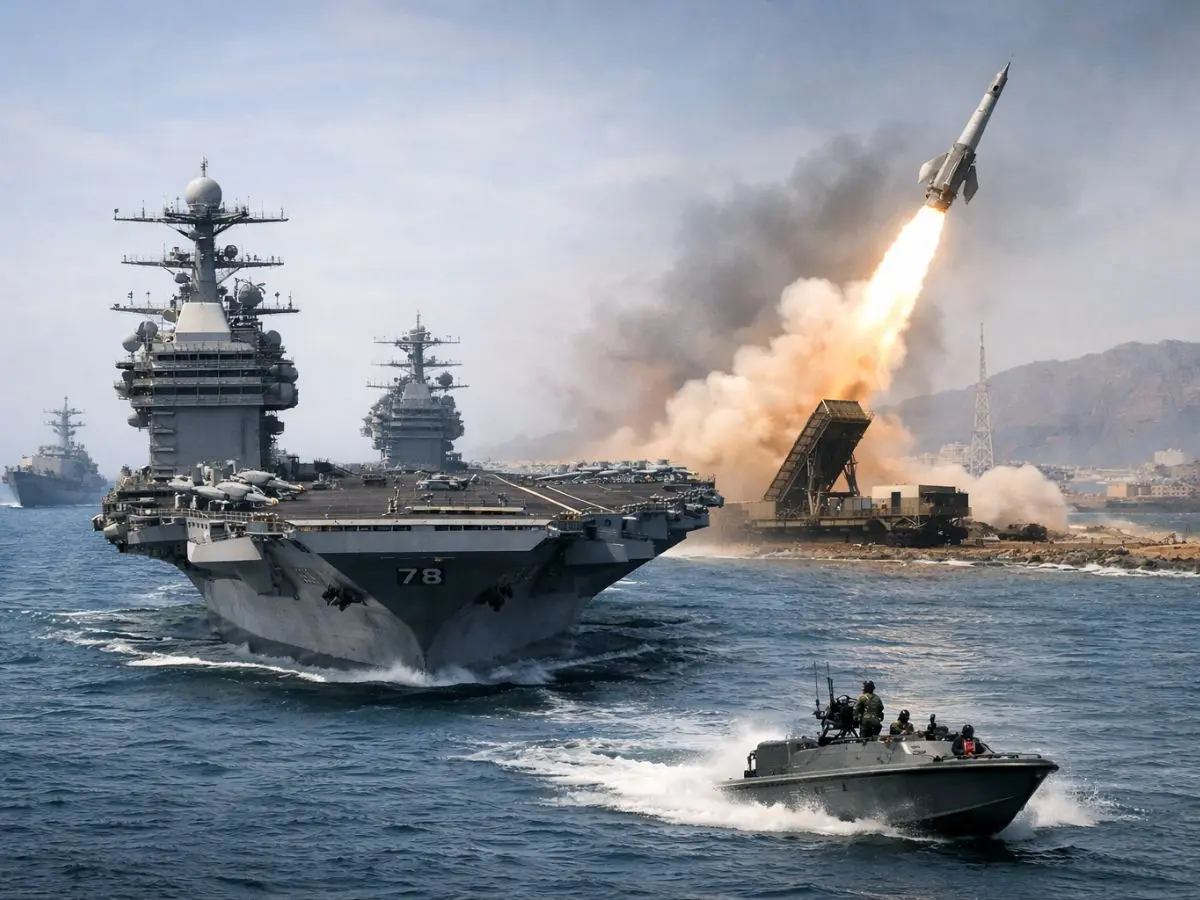
With the USS Abraham Lincoln positioned approximately 700 kilometres away, the carrier sits well within the Khorramshahr-4’s 2,000-kilometre strike radius. The missile's accuracy is reported to be within a 30-metre margin of error. This theoretical capability makes it a primary tool for Iranian deterrence.
Evading Naval Defences
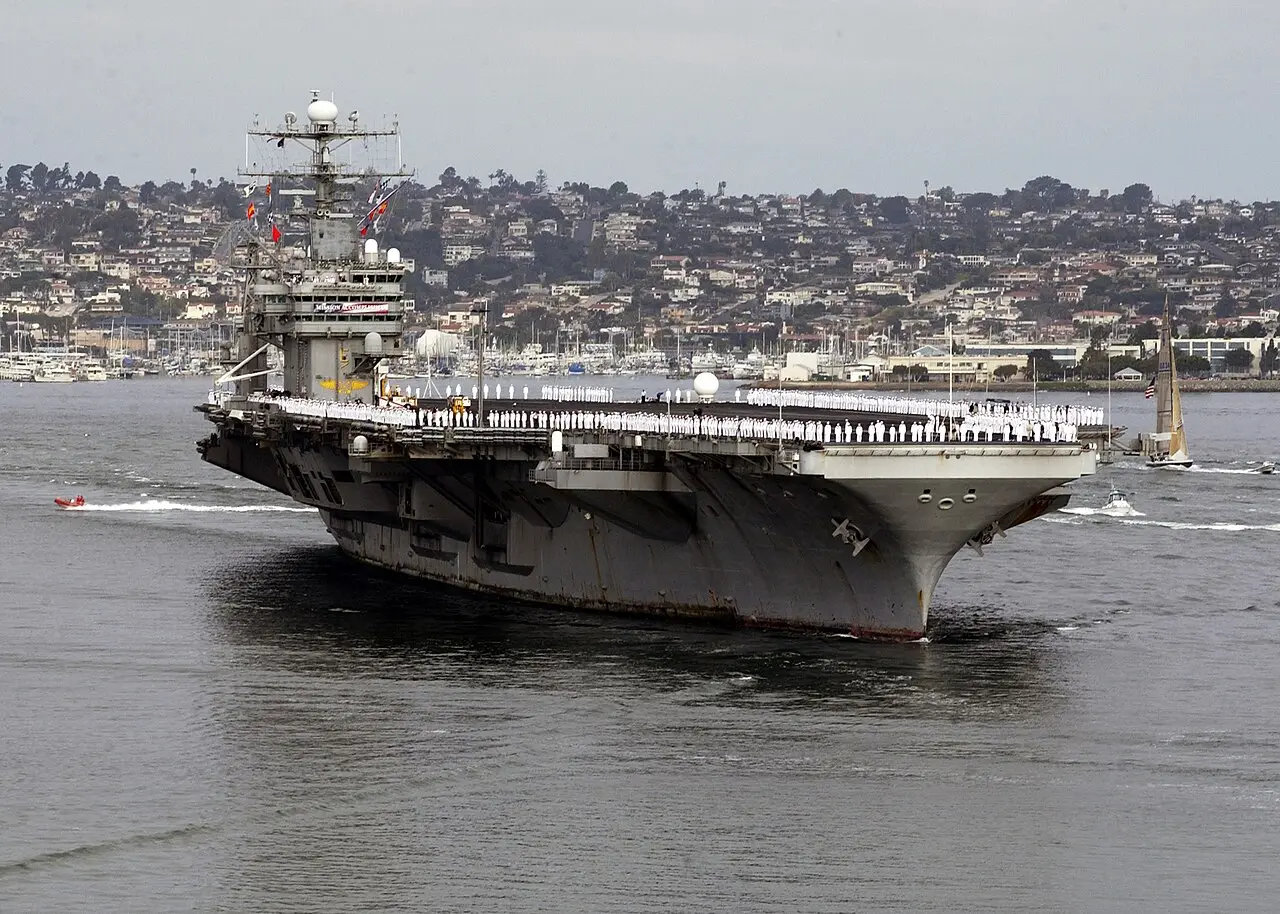
To counter advanced carrier strike group defences, the Khorramshahr-4 features mid-flight manoeuvrability. The system shuts down its guidance mechanisms during re-entry to reduce vulnerability to electronic warfare. This makes intercepting the incoming 1,500-kilogramme warhead highly difficult for naval escorts.
17 US Warships Deployed
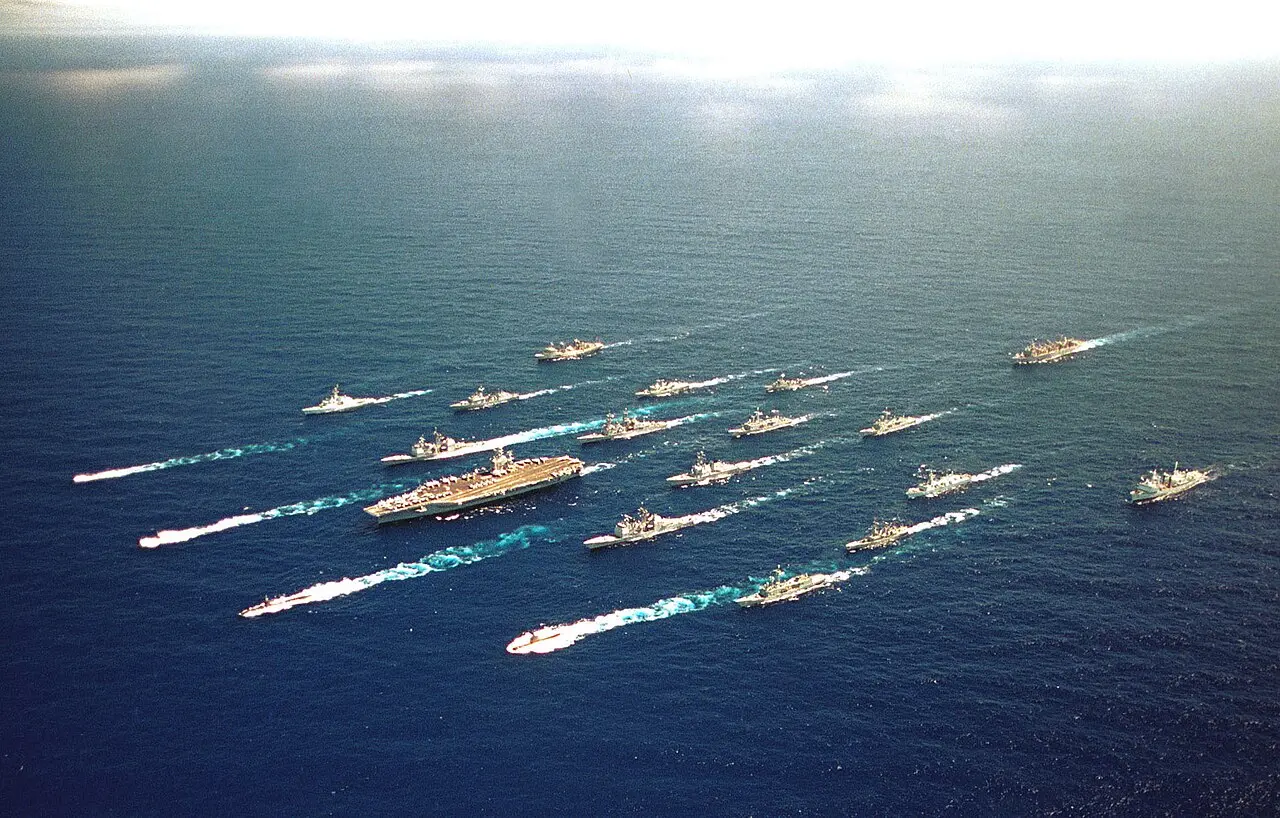
Washington currently maintains a massive armada in the region, including up to 17 warships once fully assembled. The USS Abraham Lincoln is protected by Arleigh Burke-class destroyers armed with long-range interceptors. Any direct confrontation would test these layered naval defences against Iran's ballistic capabilities.
)
)
)
)
)