'Upto 40%': UK scientists testing fighter jet paint that reduces radar and thermal signature

A 40 per cent reduction in radar and IR signatures could significantly delay enemy detection, giving UK aircraft vital seconds of tactical advantage in contested airspace.
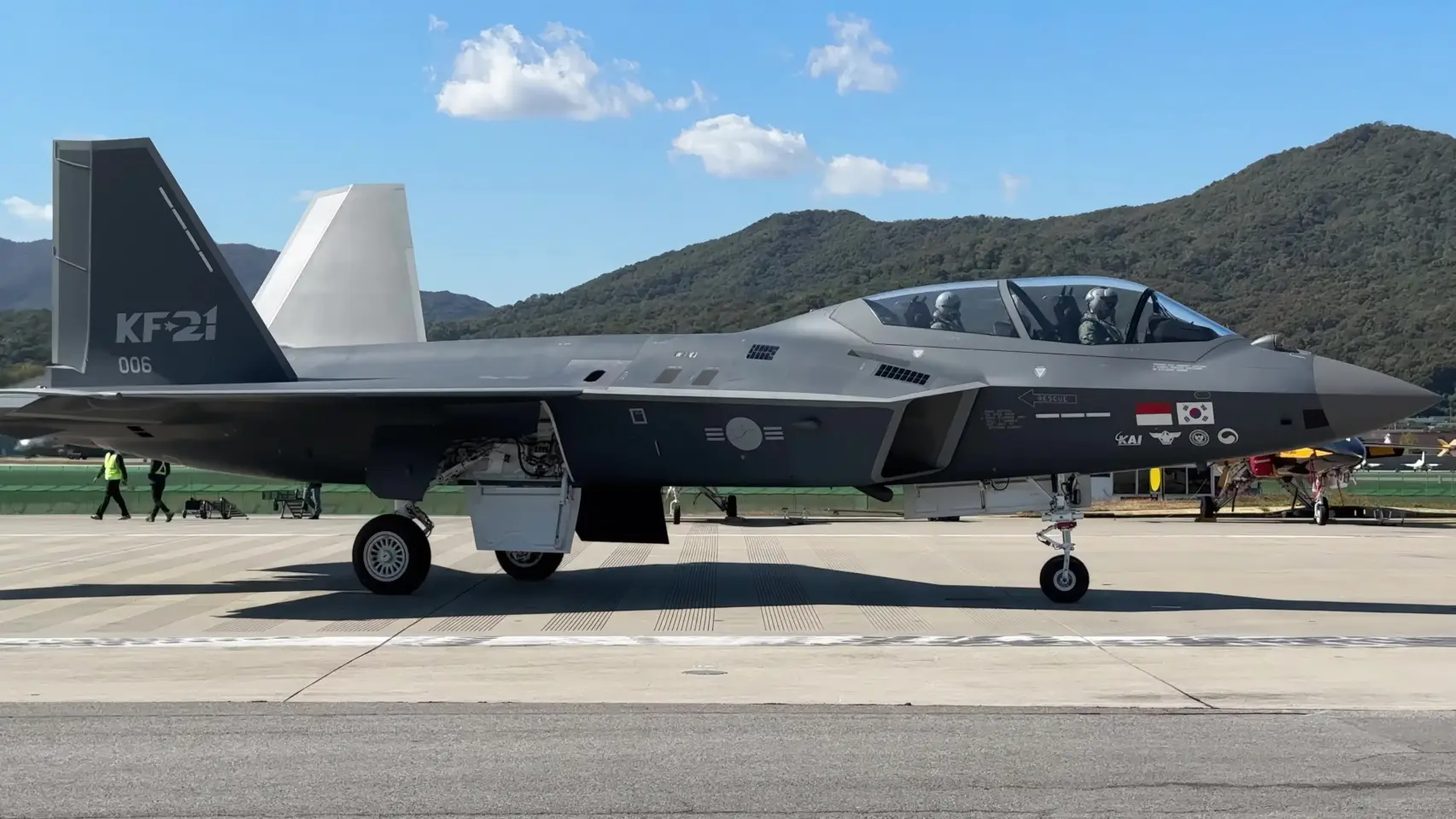
1. A new frontier in stealth technology
Researchers in the United Kingdom are developing an advanced radar-absorbent coating that could reduce a fighter jet’s radar and infrared visibility by nearly 40 per cent. The innovation aims to strengthen Britain’s edge in stealth technology as part of the Team Tempest next-generation fighter programme.
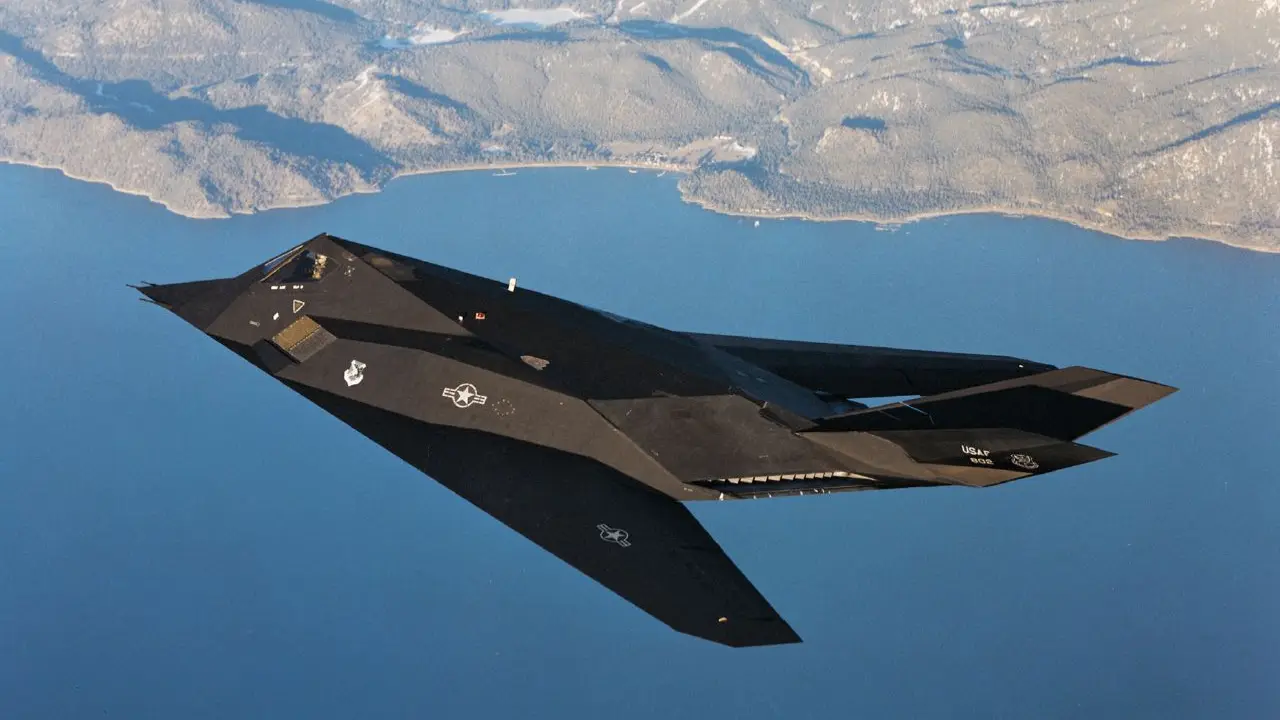
2. The science behind “stealth paint”
This experimental coating is not an ordinary paint layer. It uses nano-structured materials designed to absorb and scatter electromagnetic waves, preventing them from bouncing back to radar systems. Embedded carbon-based particles and magnetic oxides allow the surface to convert radar energy into heat, which is then safely dissipated.
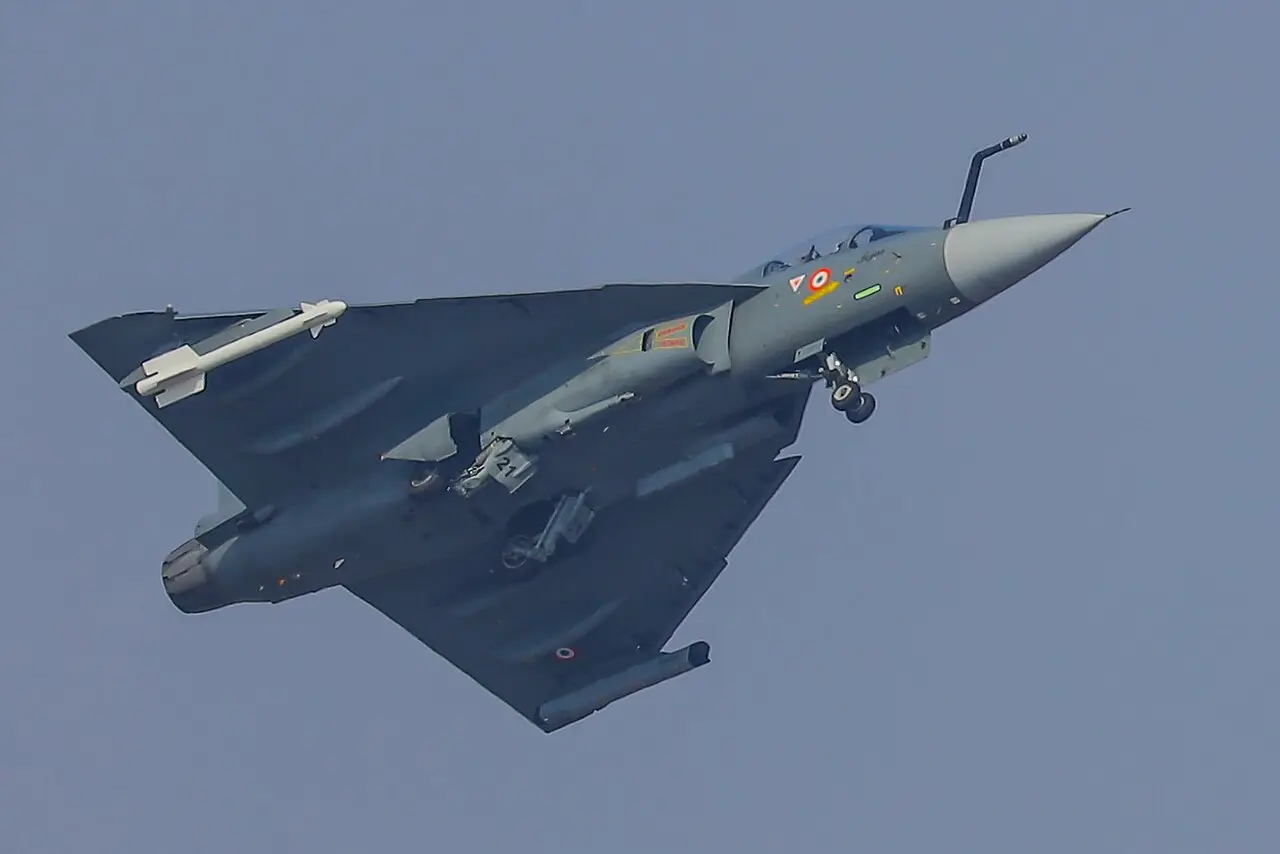
3. Tackling the heat signature problem
Traditional stealth aircraft minimise radar reflections but still emit strong infrared (IR) signatures from engines and frictional heating. The new coating incorporates thermochromic compounds that adapt to temperature changes mid-flight, helping the aircraft blend with ambient heat levels and reduce detection by IR-guided missiles.
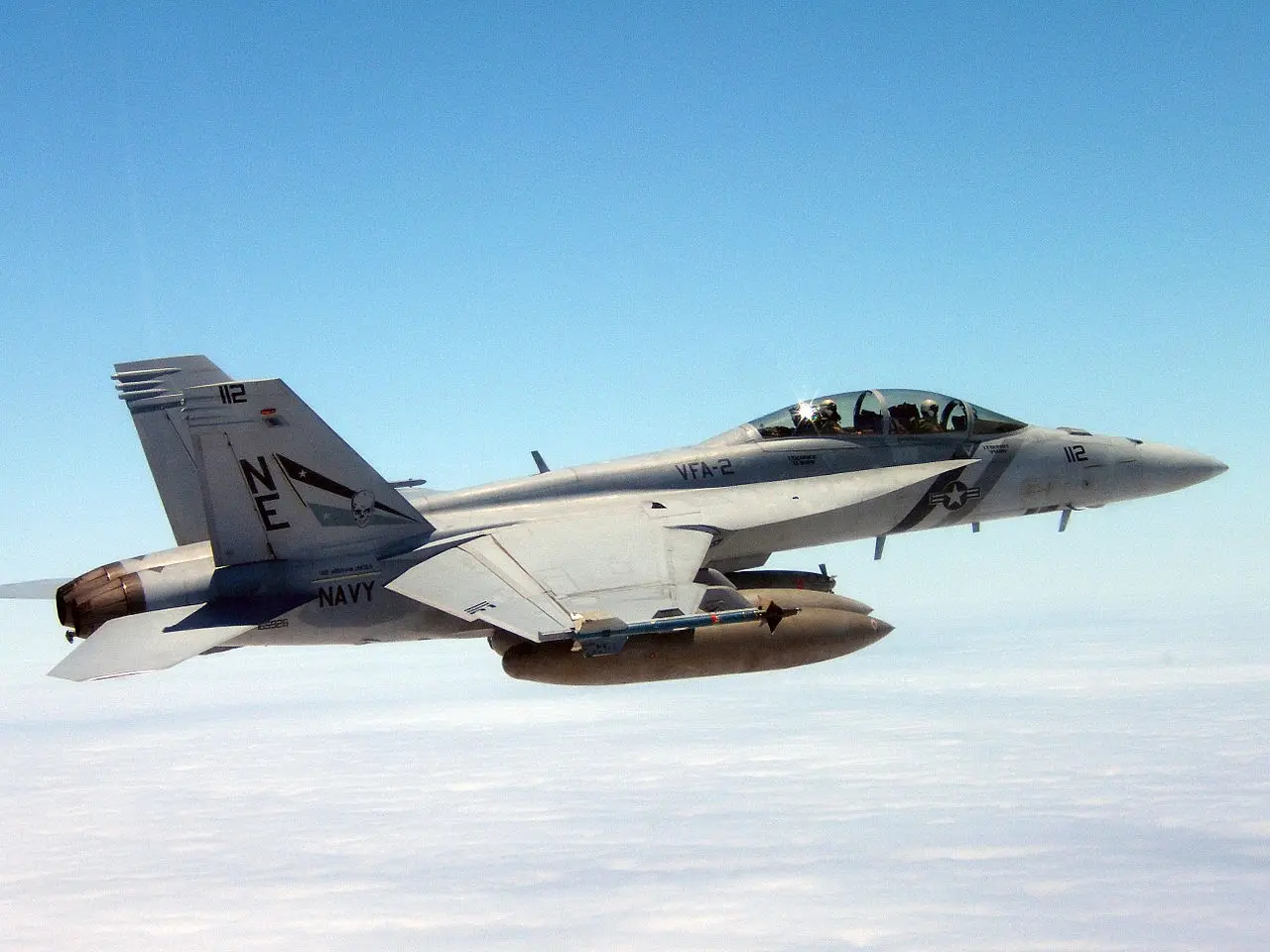
4. Developed under Britain’s Tempest programme
The research is linked to BAE Systems and the UK’s Future Combat Air System (FCAS) initiative. Scientists from the University of Manchester and the Defence Science and Technology Laboratory (Dstl) are reportedly working on prototypes designed for application on the Tempest stealth fighter, expected to enter service in the late 2030s.
5. Lightweight and durable — key military requirements
Conventional radar-absorbent materials (RAM) used on aircraft like the F-35 are effective but heavy and require constant maintenance. The British-developed coating aims to be lightweight, weather-resistant, and easier to apply, potentially lowering the long-term cost and upkeep of stealth platforms.
6. Beyond fighters: wider defence applications
If successful, the technology could be adapted for naval vessels, drones, and even missiles, where radar evasion and thermal masking are equally critical. The Royal Air Force’s ongoing focus on networked and low-observable systems makes this material a strategic asset for future multi-domain operations.
7. The future of invisibility in air combat
While a 100 per cent radar-invisible aircraft remains scientifically impossible, incremental innovations like adaptive coatings are closing the gap. A 40 per cent reduction in radar and IR signatures could significantly delay enemy detection, giving UK aircraft vital seconds of tactical advantage in contested airspace.
)
)
)
)
)