'US vs Iran': What Iran’s air defenses can and cannot stop

Iran’s air defence relies on the Russian S-300 and local Bavar-373 to counter U.S. threats. While formidable against older jets, the network faces challenges from stealth technology, electronic jamming and saturation attacks.

A Layered Defence Strategy
Tehran employs a mixed strategy of imported Russian technology and domestic engineering to guard its airspace. This layered network uses different systems for high, medium and low altitudes to create a dense defensive web.
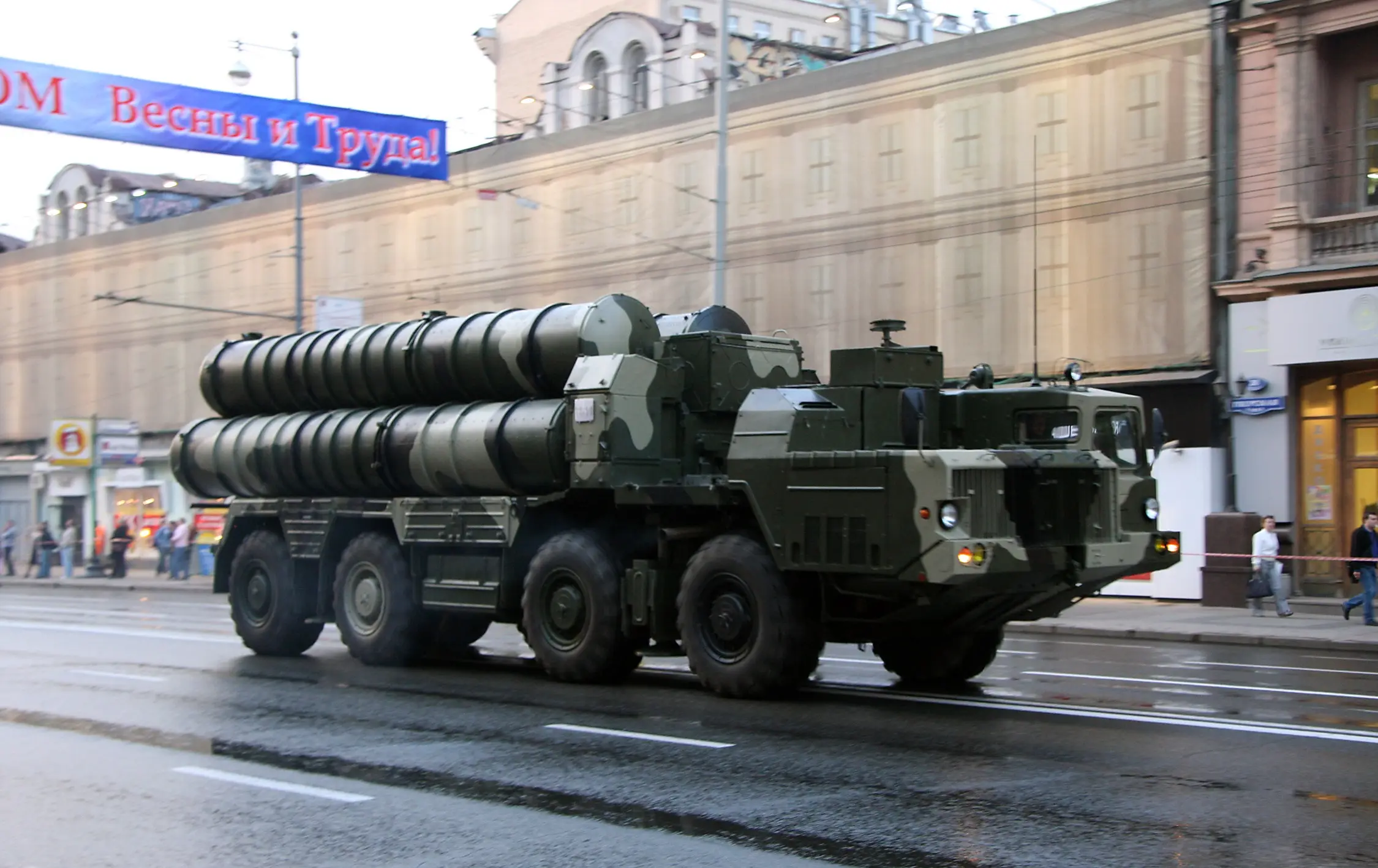
The Russian S-300 PMU2
The backbone of Iran’s long-range defence is the Russian S-300 PMU2 system, acquired in 2016. It can track multiple targets up to 200 kilometres away, threatening non-stealth aircraft and some ballistic missiles.
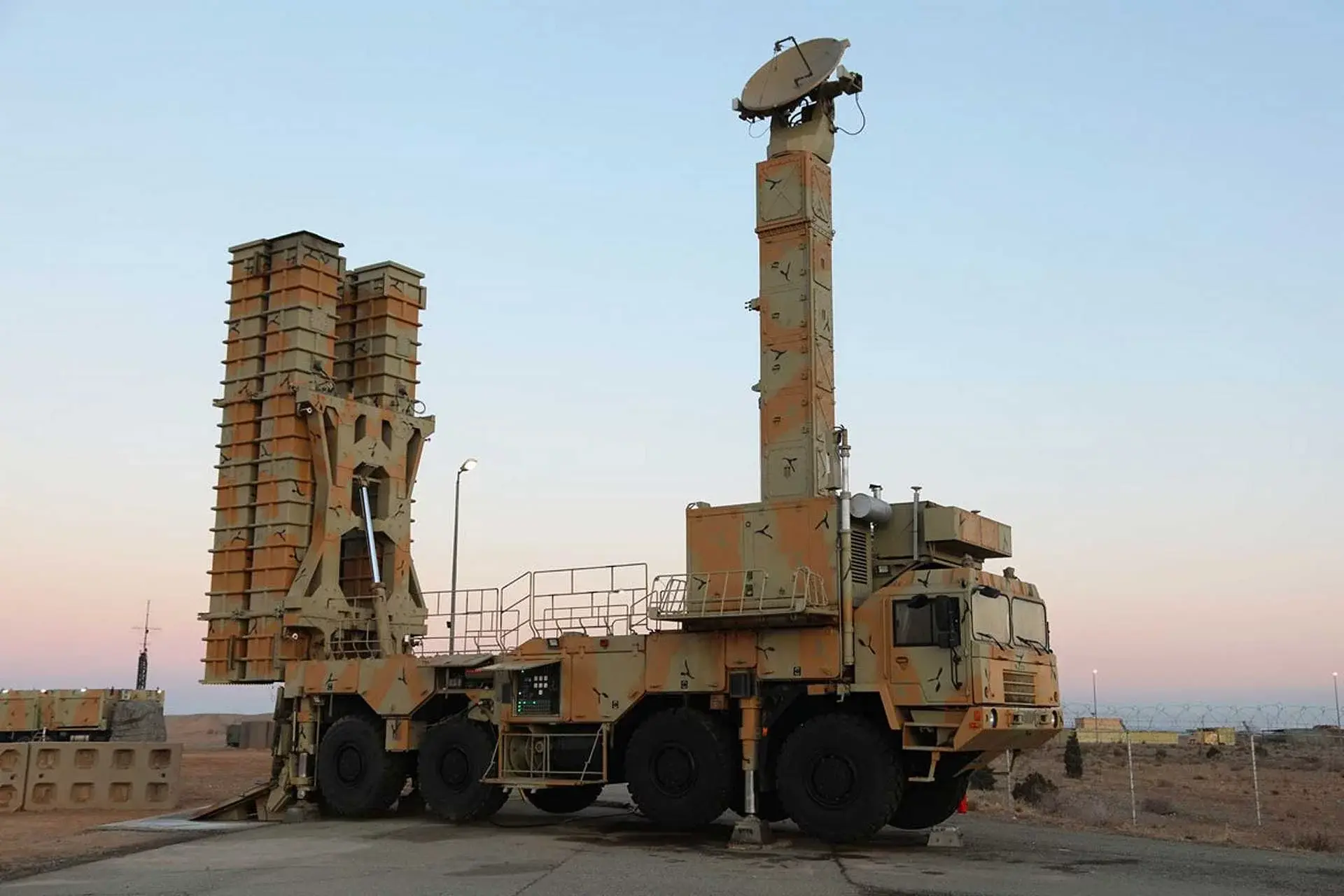
Bavar-373: The Domestic Rival
Iran’s locally made Bavar-373 is touted as a competitor to the Russian S-300 and even the S-400. Tehran claims it uses Sayyad-4B missiles to intercept targets at a range of 300 kilometres and an altitude of 27 kilometres.
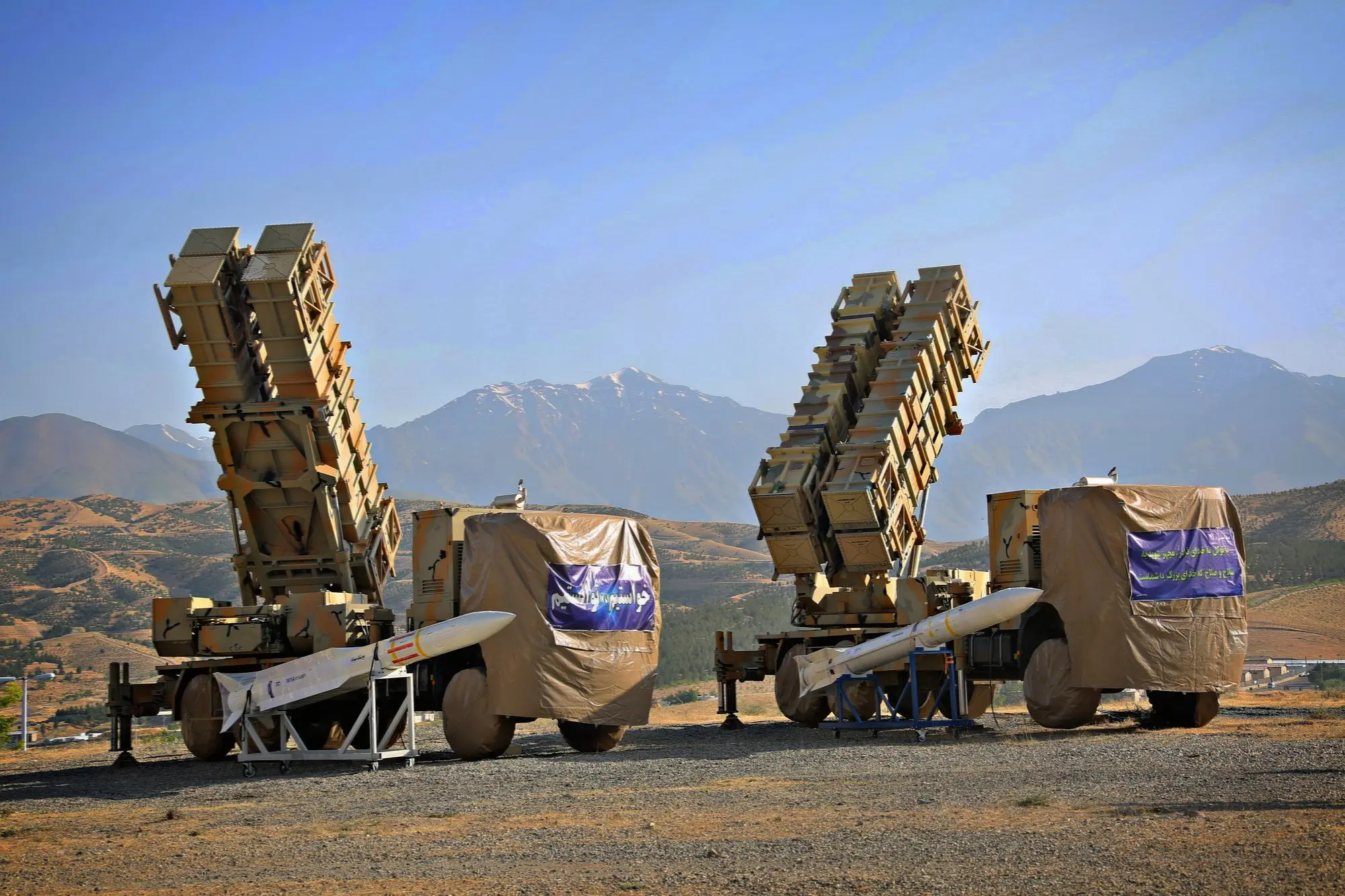
Khordad 15 and Stealth Claims
The Khordad 15 system is designed to engage medium-range threats and claims to detect stealth targets 45 kilometres away. It uses Sayyad-3 missiles to simultaneously target six incoming threats from a distance of 120 kilometres.
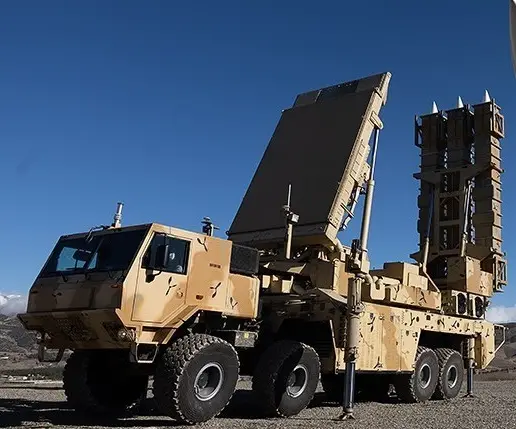
The Arman Anti-Ballistic System
Unveiled recently, the Arman system is a tactical road-mobile launcher that can be ready for operation in three minutes. It is designed to counter ballistic missiles and cruise weapons within a range of 120 kilometres to 180 kilometres.
Low-Altitude Protection
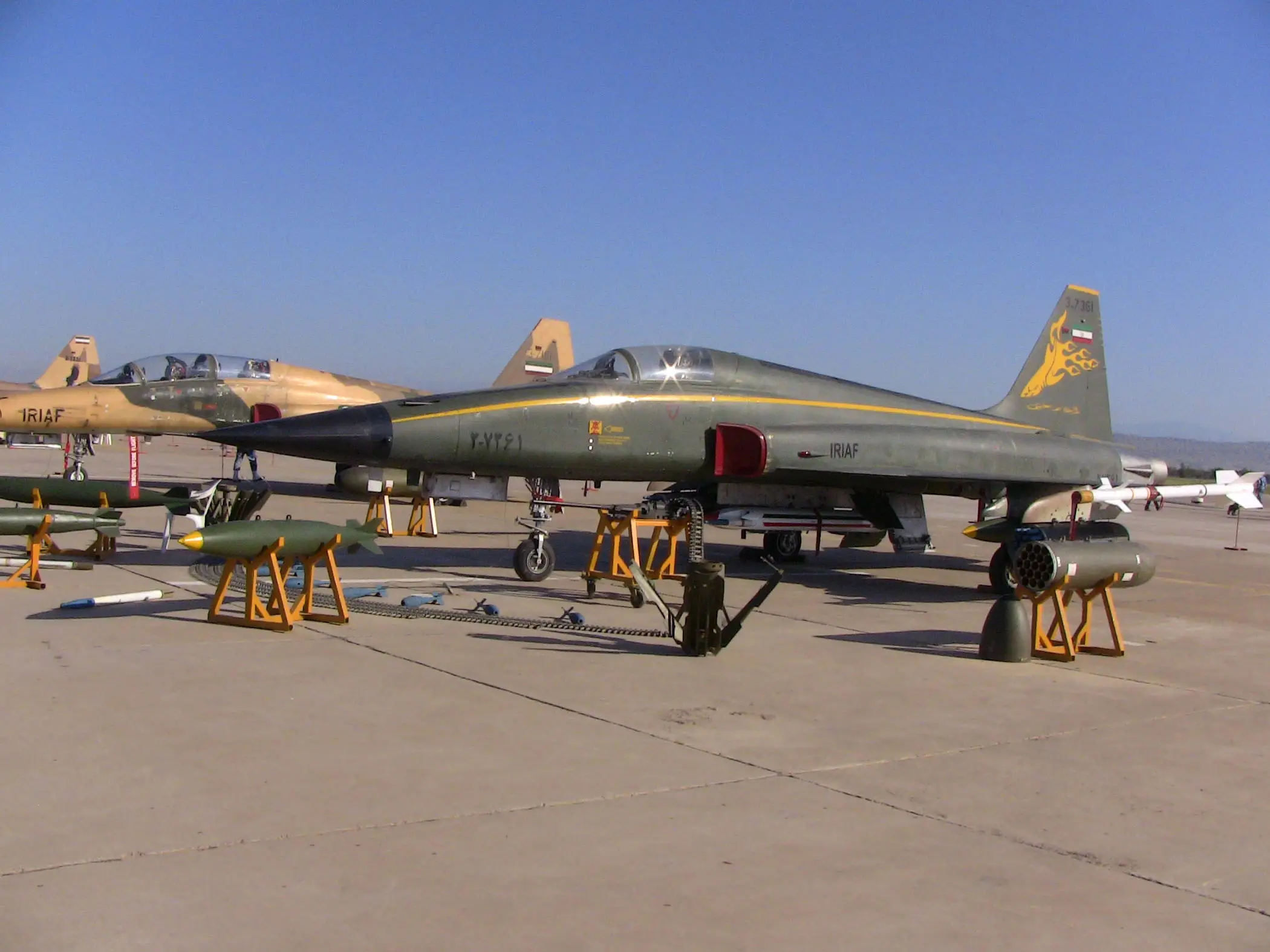
For low-flying threats like drones and helicopters, Iran deploys the Azarakhsh and Russian Tor-M1 systems. The Azarakhsh is a portable, short-range system equipped with radar and electro-optical trackers for immediate local defence.
The Gap in Integration
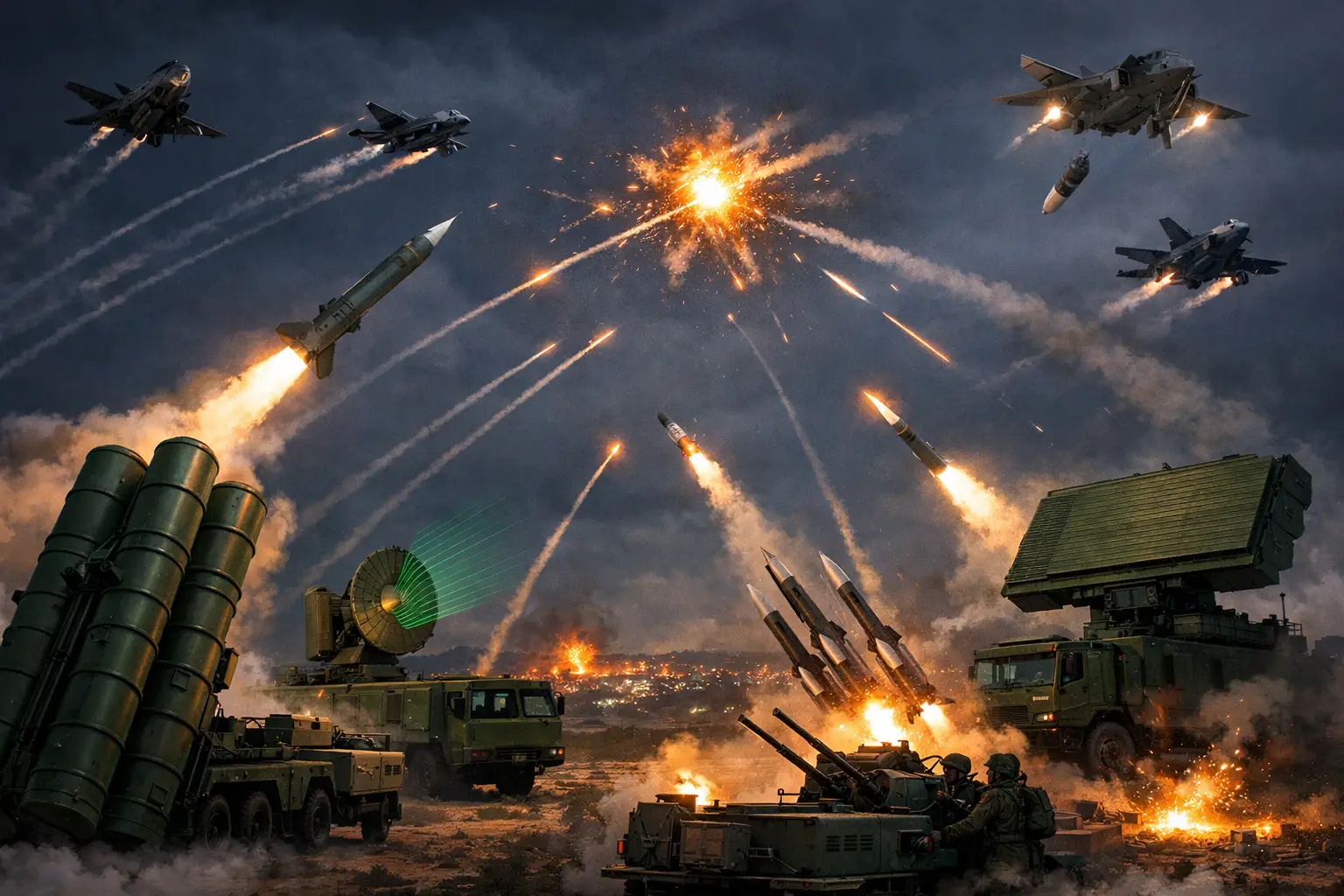
A major weakness in Iran’s grid is the integration between its older Cold War-era hardware and newer digital systems. This 'sensor-to-shooter' gap can delay reaction times, leaving skies vulnerable during a fast-paced modern conflict.
The Stealth Problem
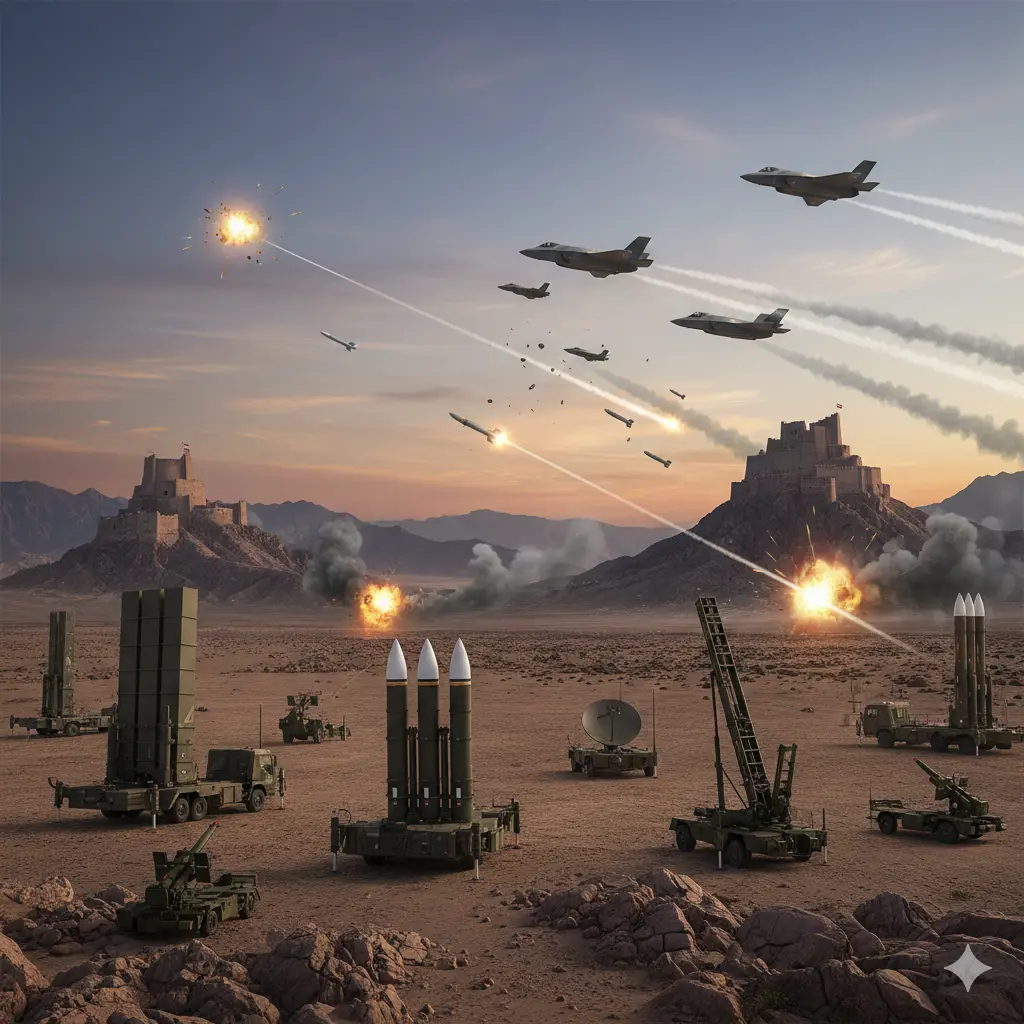
Despite claims of detecting stealth, Iran’s radars likely struggle to maintain a weapons-grade lock on U.S. F-35 or F-22 jets. Advanced American stealth technology is specifically designed to evade the frequency bands used by most Iranian tracking radars.
Vulnerability to Electronic Attack
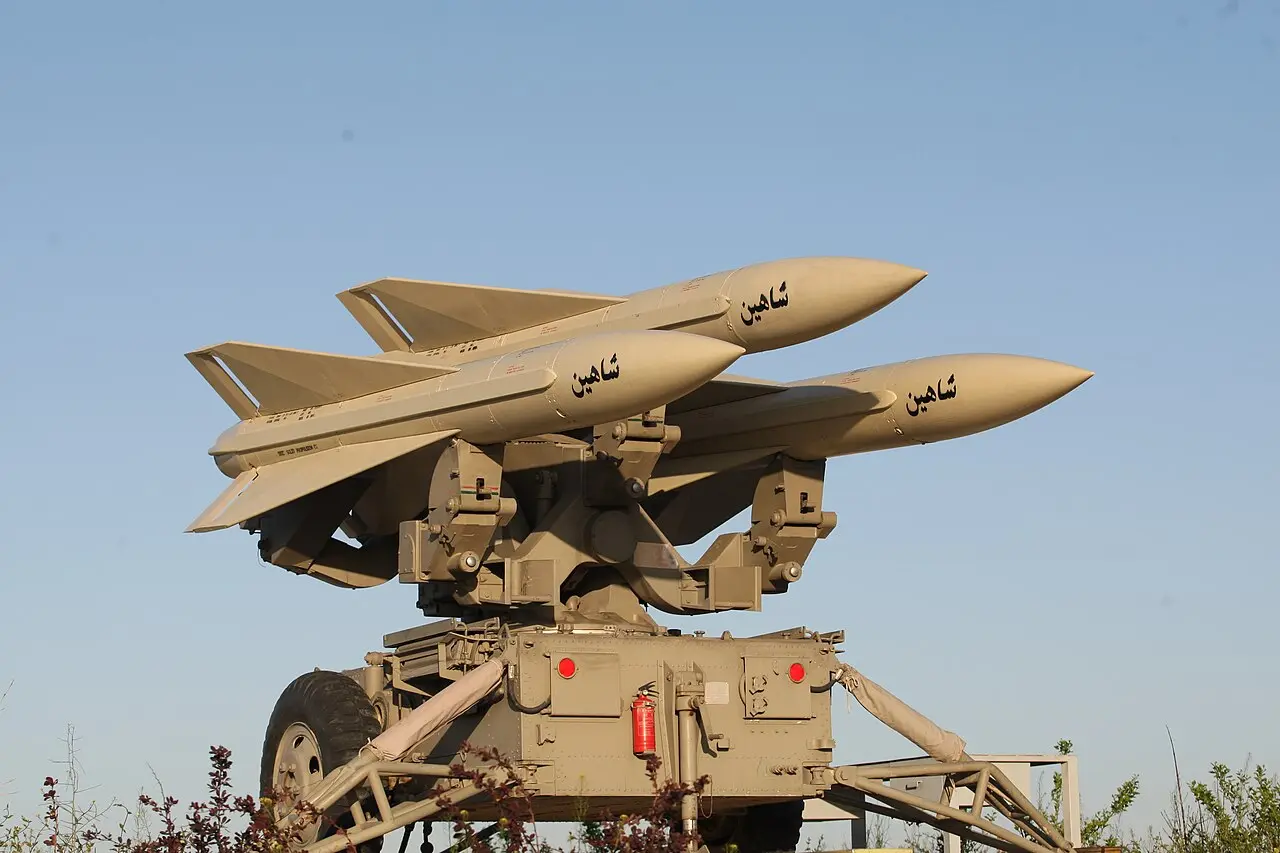
U.S. forces possess superior electronic warfare (EW) capabilities that can jam or spoof radar networks. Older Iranian systems like the Hawk (Mersad) are particularly susceptible to widespread jamming, potentially blinding the defence grid.

Saturation Strikes
While Iran can shoot down individual targets, its systems may be overwhelmed by a 'saturation attack'. A massive volley of decoys, cruise missiles and drone swarms could deplete Iranian interceptor stocks quickly, allowing follow-on strikes to succeed.
)
)
)
)
)