‘U.S. bombed Iran in 1987’: Why the U.S. Navy destroyed Iranian oil facilities

On 19 October 1987, the US Navy launched Operation Nimble Archer, a military attack on two Iranian oil platforms in the Persian Gulf. This was a direct retaliation for an Iranian missile strike on a US-flagged oil tanker days earlier, marking a significant escalation during the Iran-Iraq War.
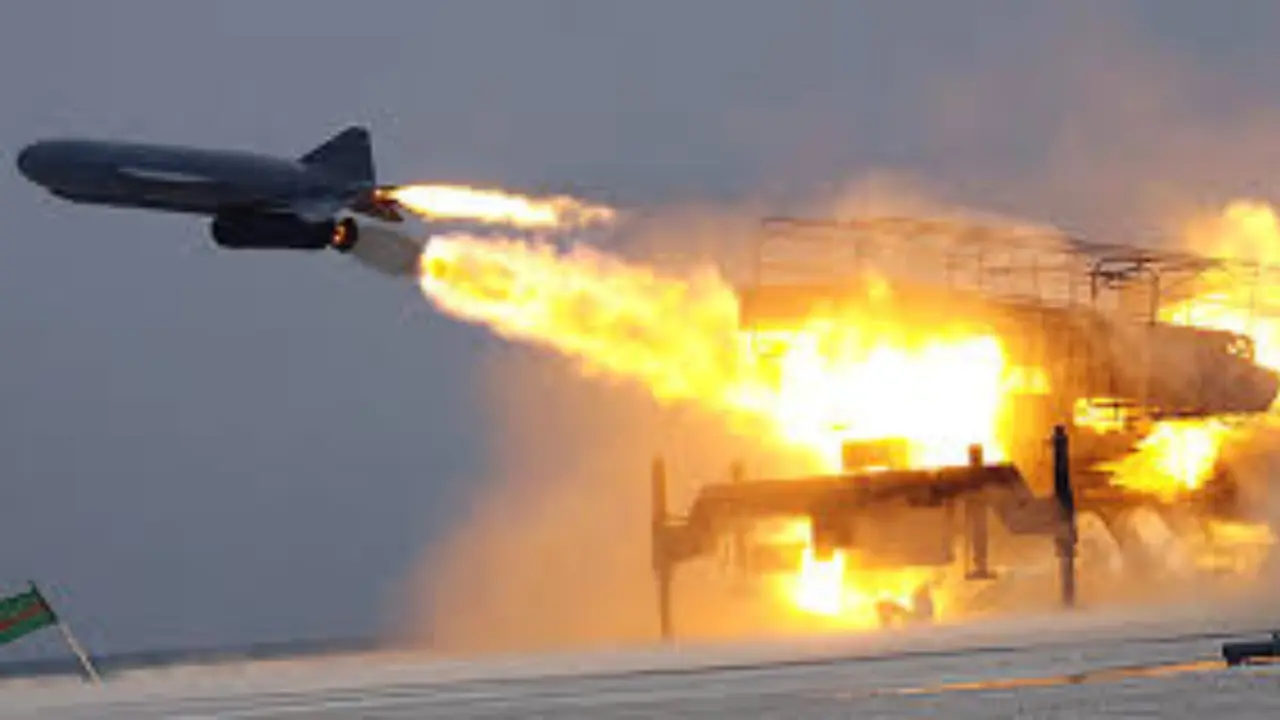
The trigger event: Missile hits MV Sea Isle City
On 16 October 1987, an Iranian Silkworm missile struck the MV Sea Isle City, a Kuwaiti oil tanker reflagged as a US vessel. The attack occurred in Kuwaiti waters, blinding the ship's American captain and wounding 18 other crew members.
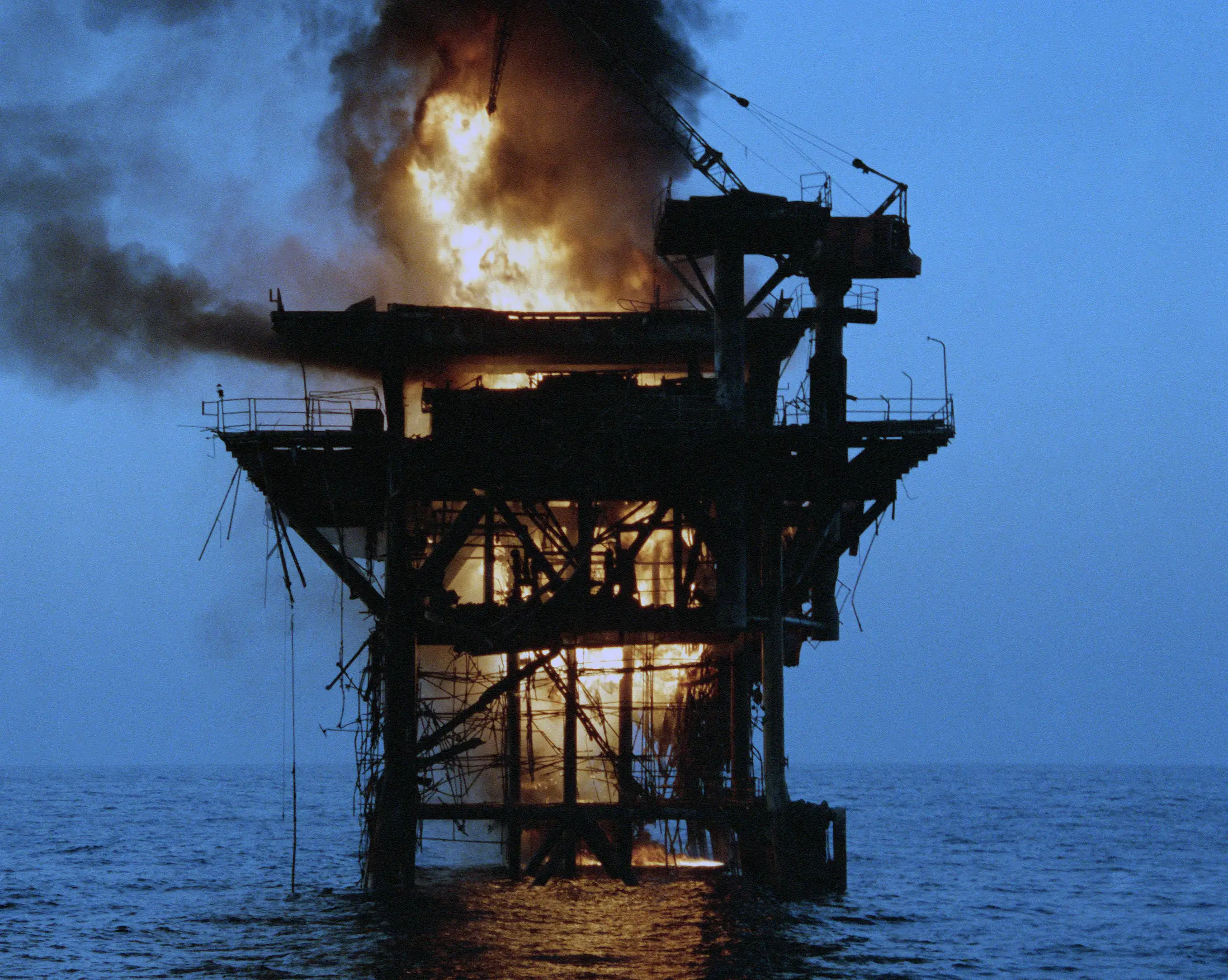
The US retaliation, launching Operation Nimble Archer
In response to the missile strike, President Ronald Reagan ordered a retaliatory mission. Three days later, on 19 October, US naval forces initiated Operation Nimble Archer to destroy specific Iranian military assets in the Persian Gulf.
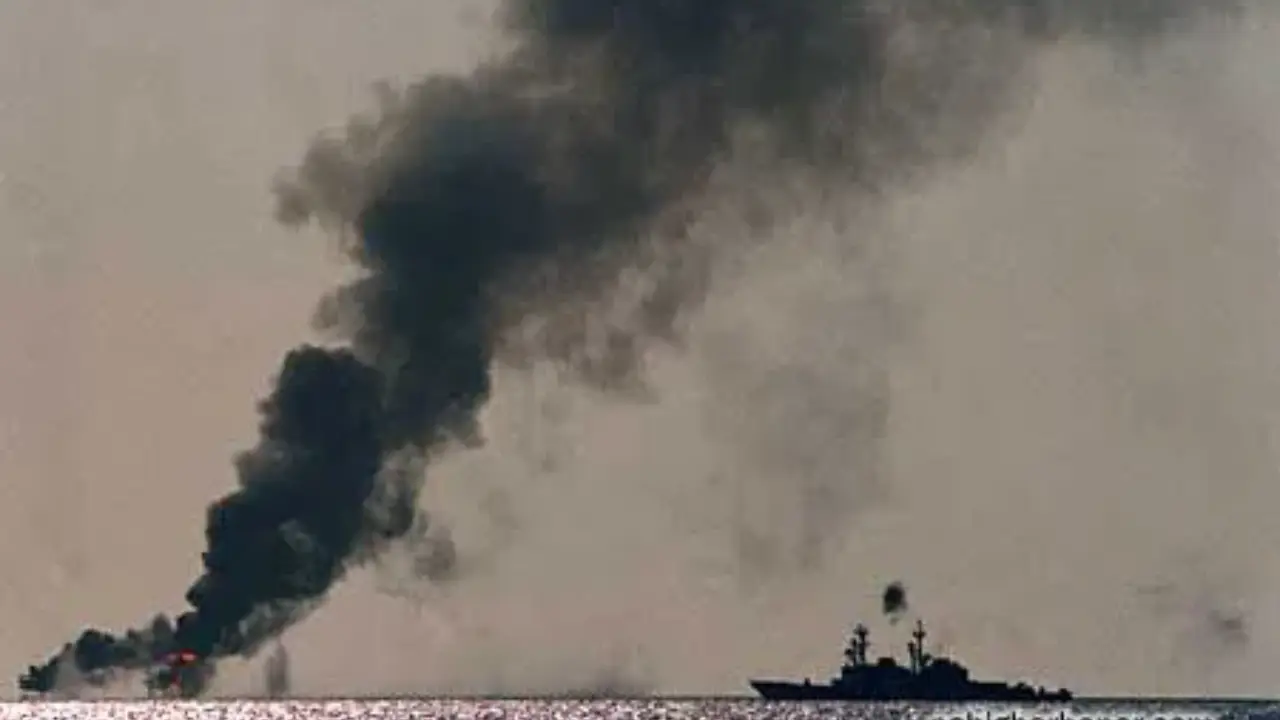
The targets Rashadat oil field
The operation targeted two platforms in the Rashadat oil field, which the US claimed were being used by Iran as command-and-control posts for attacks on shipping. US forces warned the Iranians on board to evacuate before the attack commenced.
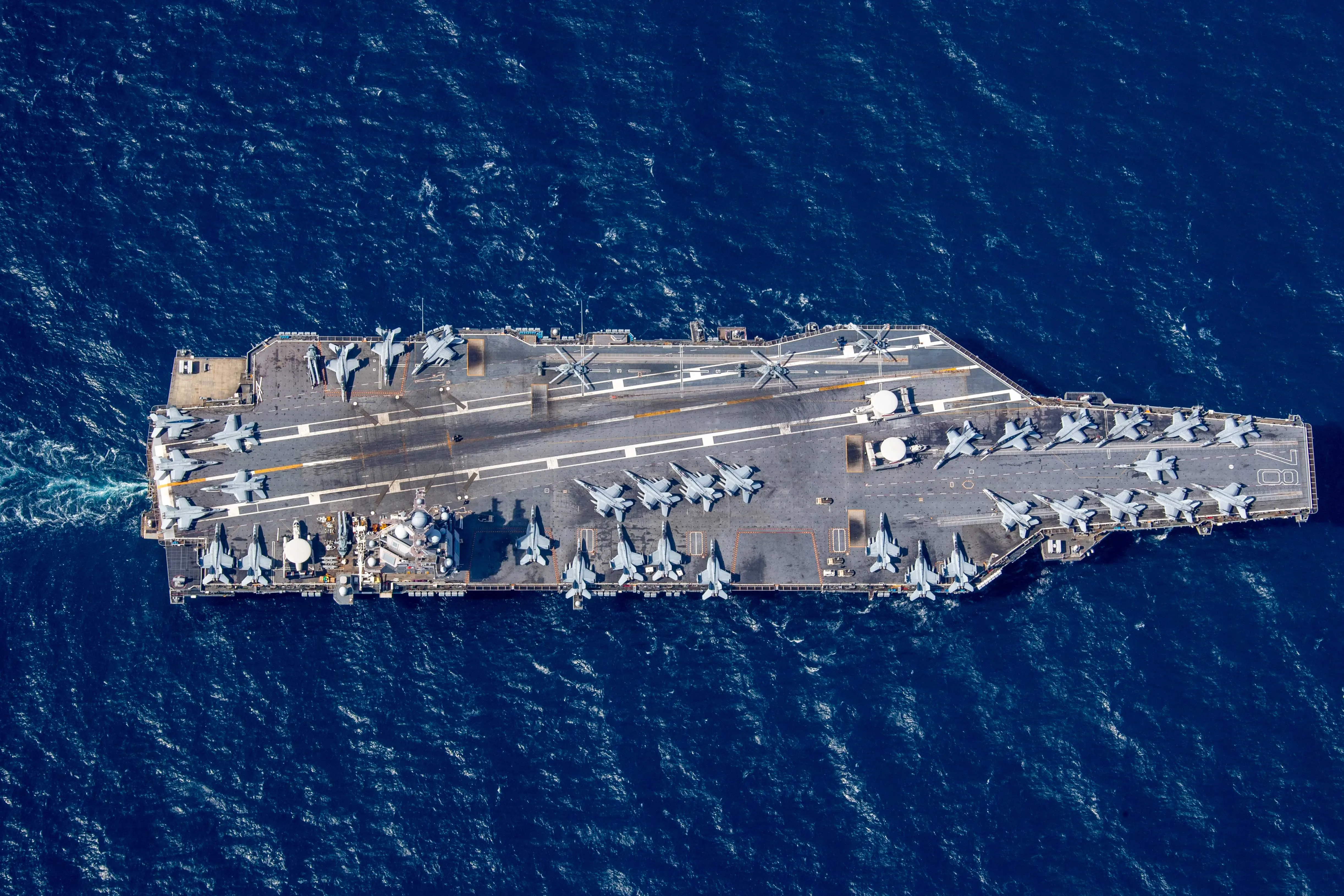
The naval force Four destroyers, open fire
At 2:00 PM, four US Navy destroyers USS Hoel, USS Leftwich, USS Kidd, and USS John Young opened fire on the platforms. They shelled the steel structures for over an hour, eventually setting them ablaze.
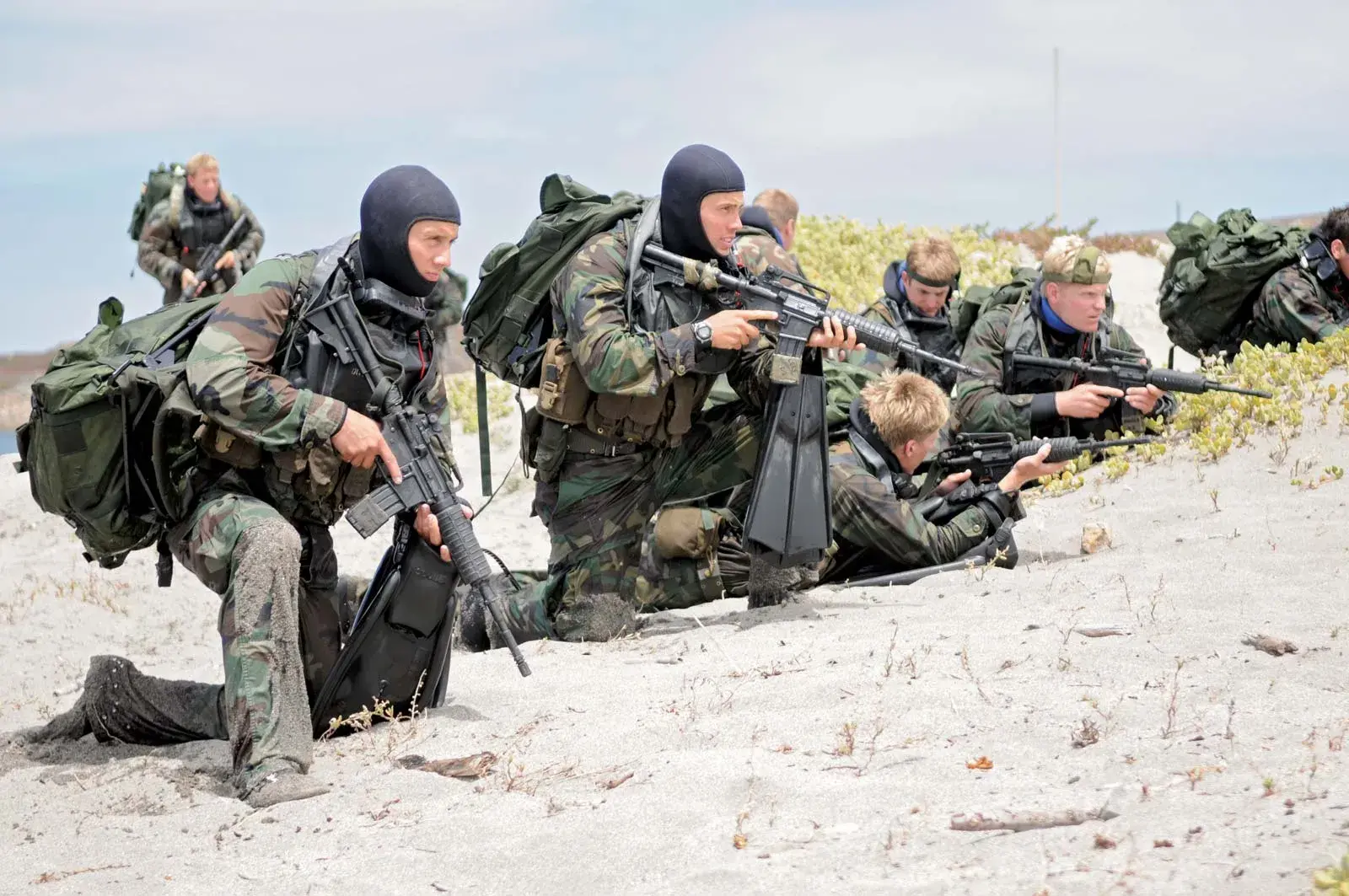
SEALs board the rigs, planting explosives
After the shelling, US Navy SEALs and demolition units boarded one of the platforms. They seized teletype messages and radio equipment as intelligence before planting explosives to ensure the complete destruction of the facility.
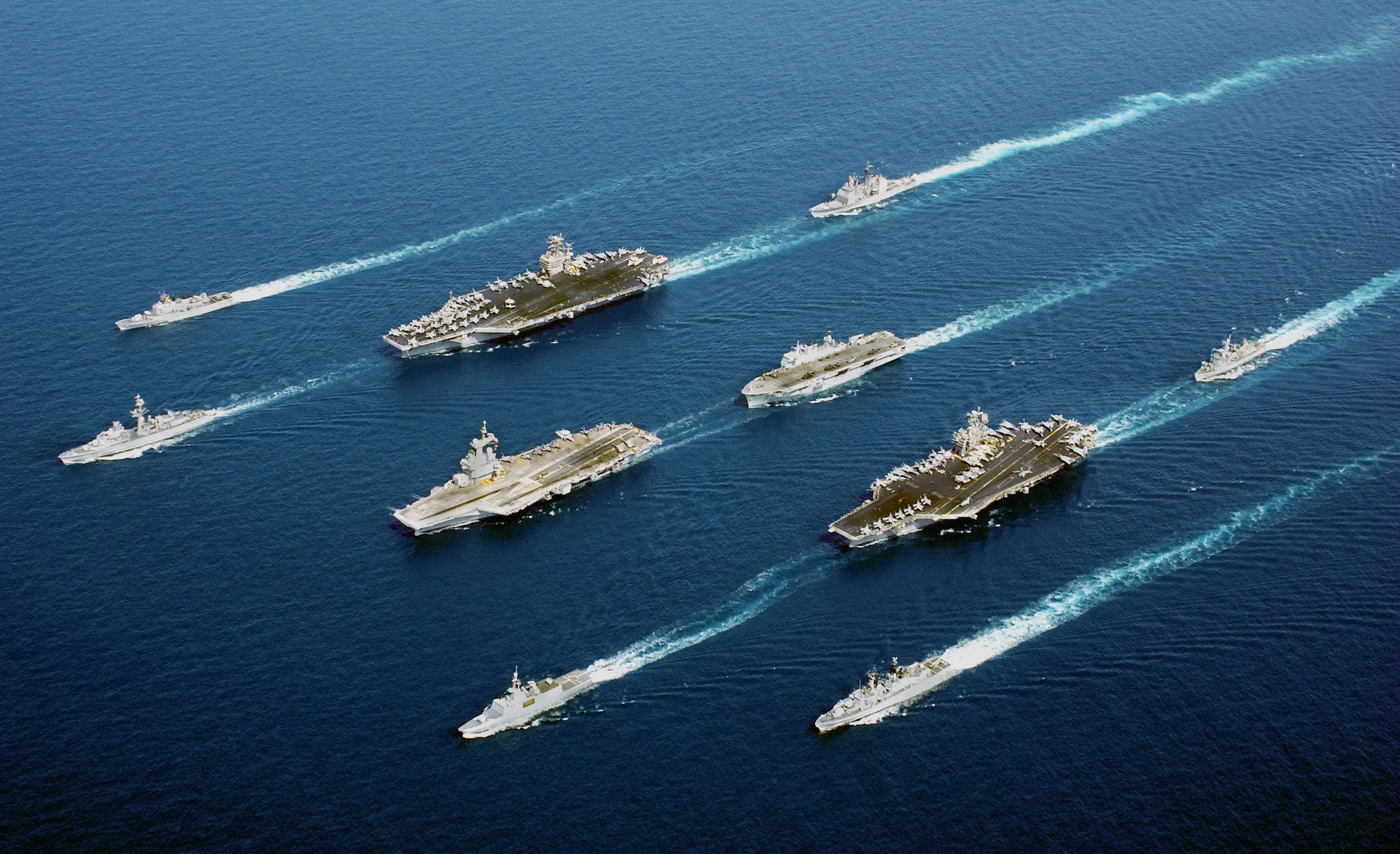
No casualties reported. A warning was given
Unlike later conflicts, this operation resulted in no direct casualties. The US Navy broadcast a warning 20 minutes prior to the attack, allowing Iranian personnel to flee the platforms on tugboats before the shelling began.
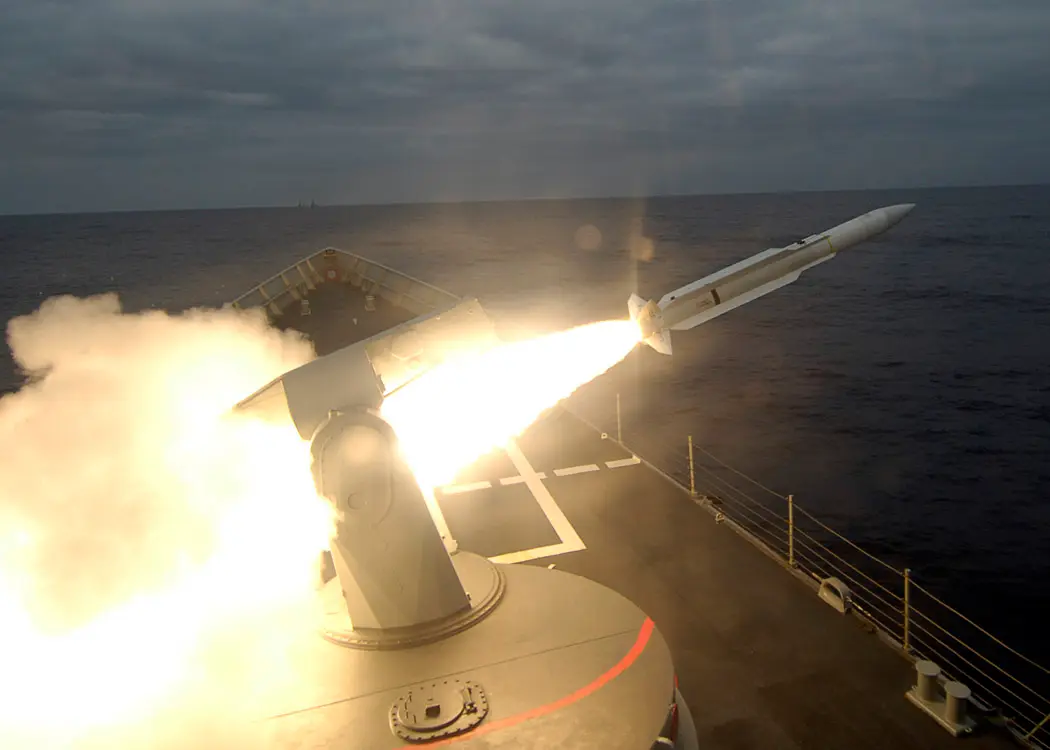
International Court of Justice (ICJ) on the incident
Years later, the International Court of Justice (ICJ) reviewed the incident after Iran filed a lawsuit. In 2003, the court ruled that the US attacks on the oil platforms could not be justified as necessary self-defence under international law.
)
)
)
)
)