‘Twin Power’: Why some fighter jets use two engines

Twin-engine fighter jets offer greater power, safety, weapon load, and mission range than single-engine jets. Though costlier and less agile, the redundancy and operational flexibility they provide are crucial for many modern combat roles.
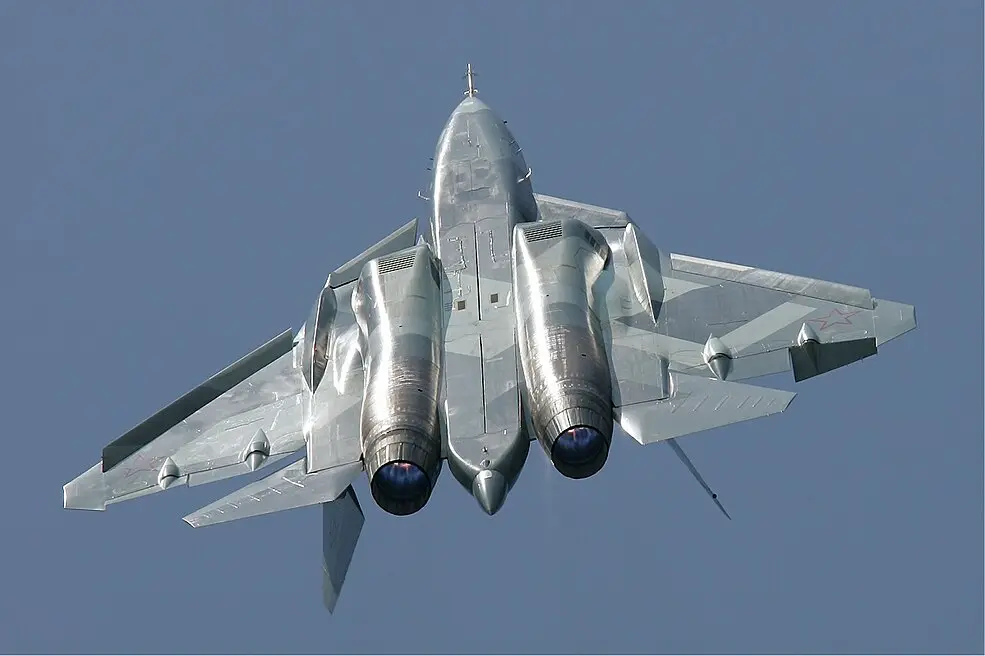
Enhanced Power and Speed
Twin engines produce nearly twice the thrust of single engines, enabling fighter jets to take off quicker and reach higher speeds. This is vital for intercept missions and fast combat responses.
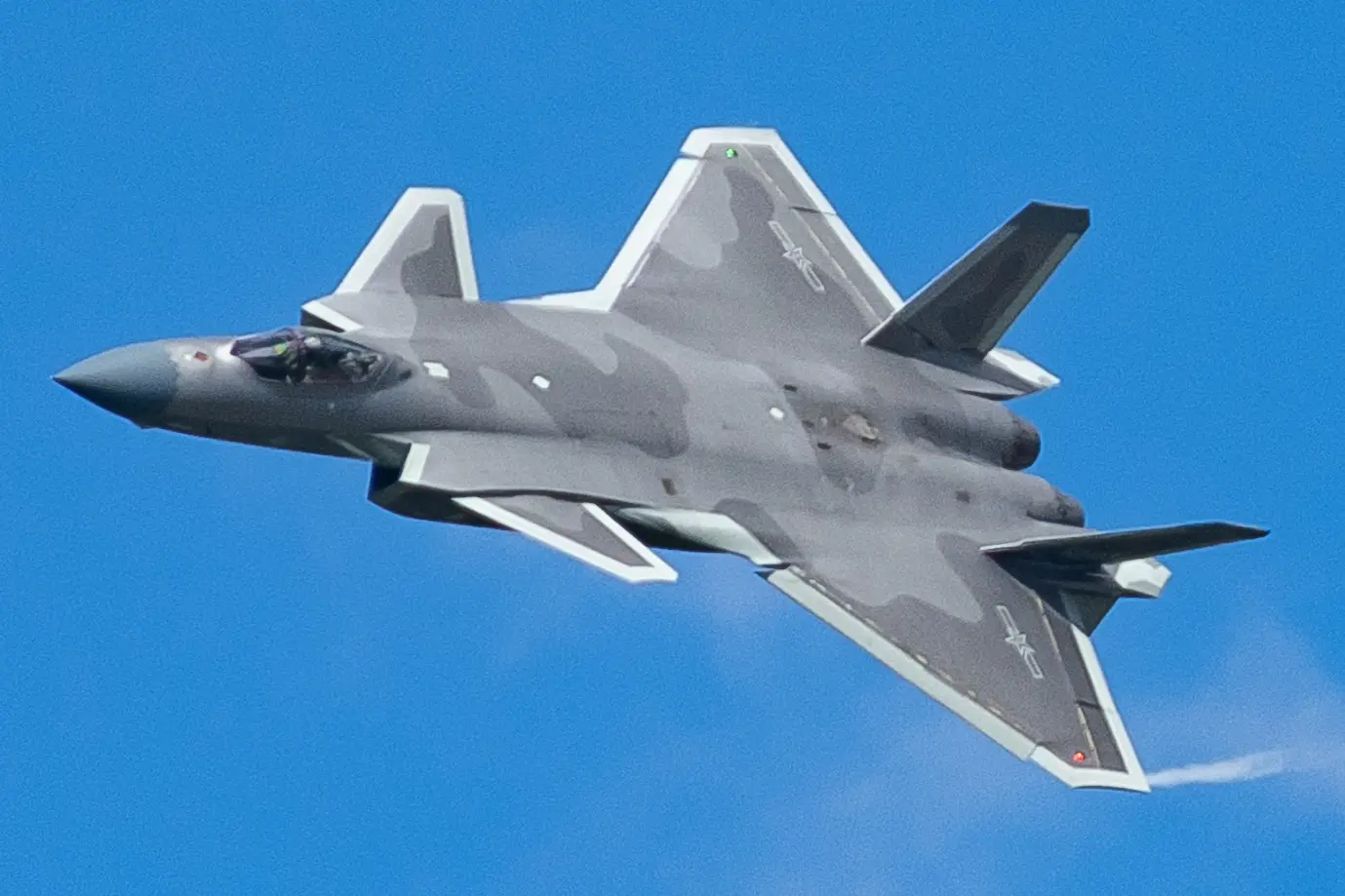
Greater Air Safety and Engine Redundancy
With two engines, jets can fly and safely land even if one engine fails. This significantly improves pilot survivability and aircraft recovery chances. Single-engine fighters lack this redundancy.
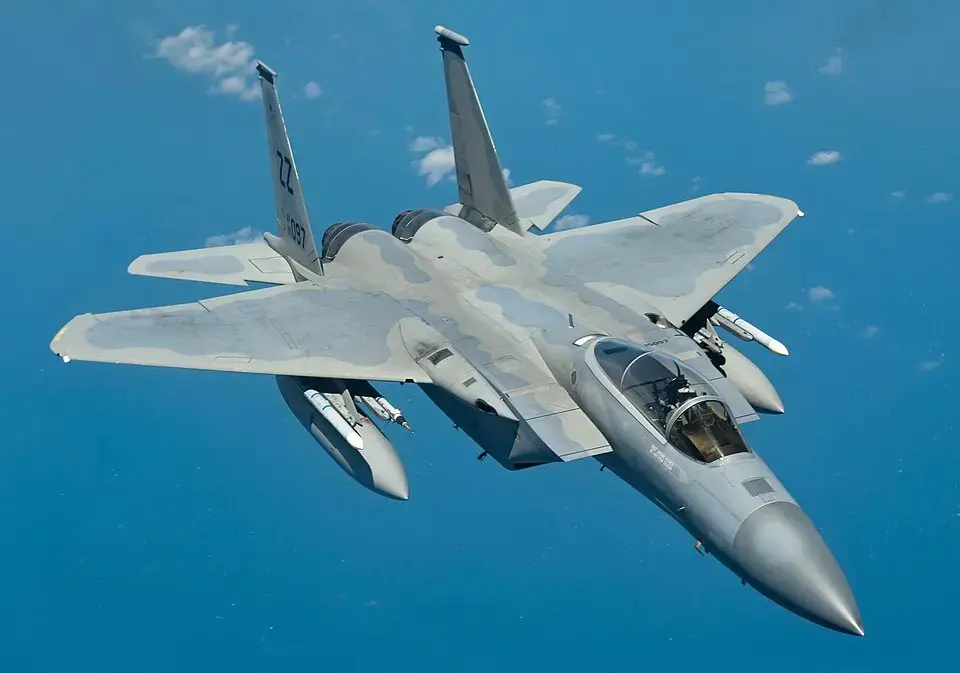
Increased Weapons Carrying Capacity
Twin-engine jets can carry more weapons and fuel due to stronger power plants and larger payload capacity. This allows them to carry a diverse weapon mix for extended missions.
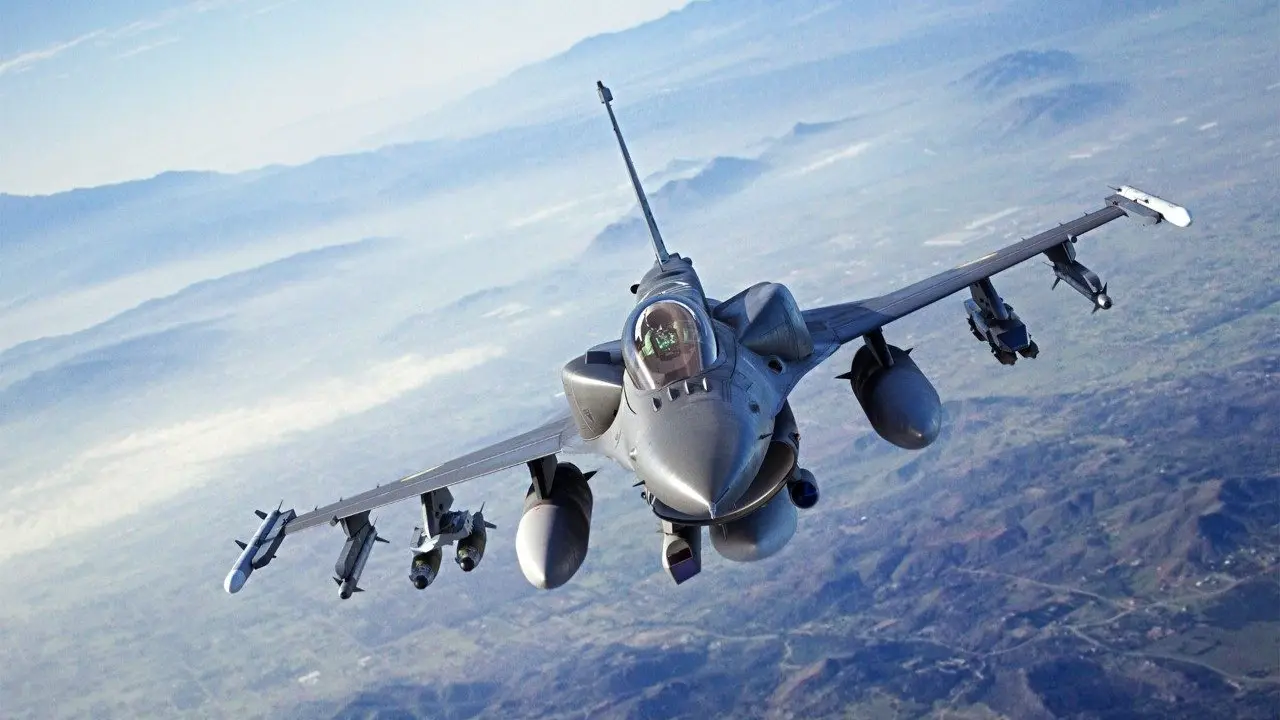
Larger Combat Radius and Mission Flexibility
Thanks to higher fuel capacity and power, twin-engine fighters operate over longer distances, expanding their combat radius. This is critical for extensive air defence and strike roles.
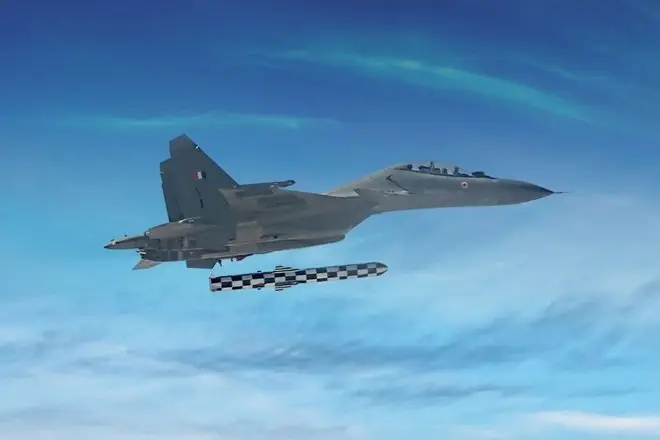
Trade-off: Higher Maintenance and Cost
While twin engines offer many benefits, they double maintenance needs and fuel consumption, increasing operational costs. These costs are weighed against the safety and performance gains.
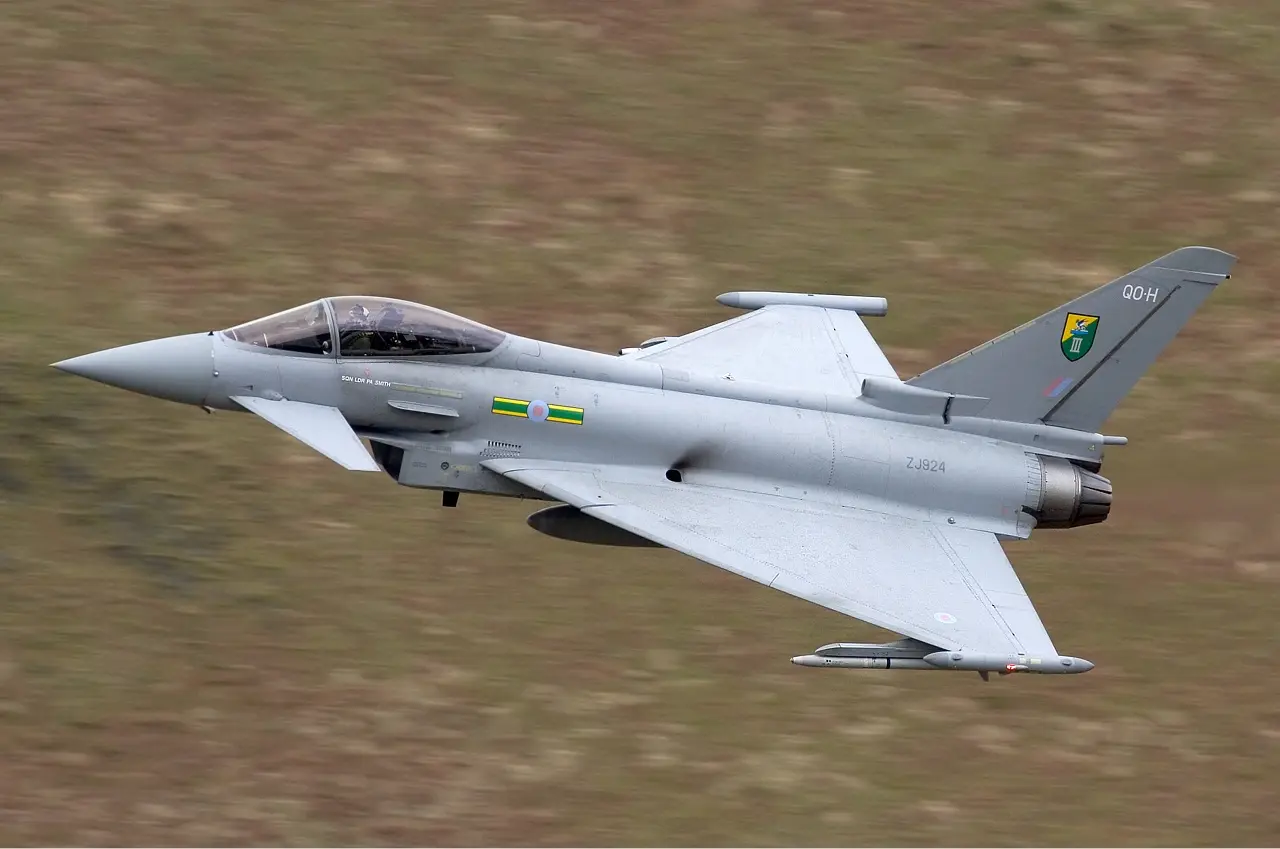
Reduced Manoeuvrability Compared to Single Engines
Twin-engine jets tend to be heavier, affecting agility and turn rates. Single-engine fighters can have better thrust-to-weight ratios, providing superior manoeuvre capabilities in dogfights.
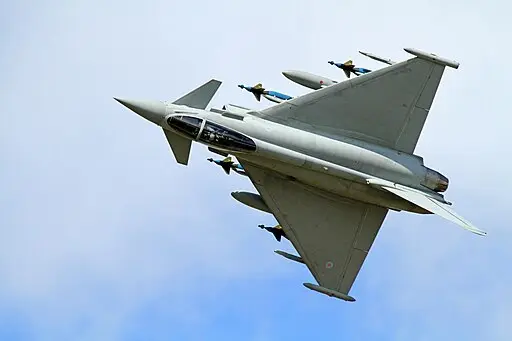
Examples of Twin-Engine Fighters
Notable twin-engine fighters include the F-15 Eagle, Su-27 Flanker, and Boeing’s upcoming F-47. These jets leverage twin engines for power, speed, and survivability on modern battlefields.
)
)
)
)
)