‘Truck, ship and aircraft Lasers’: What next-generation battlefield could look like

Next-generation battlefield lasers are moving from 100-kilowatt systems to megawatt-class weapons by 2030. Countries such as the US, India and China are testing truck, ship and aircraft-mounted lasers with advanced cooling, high efficiency and AI targeting for continuous, low-cost defence.

Power Scaling - From 100-kW to Megawatt-Class Systems
Lockheed Martin will scale laser technology to 500-kilowatt class systems representing the second phase of the High Energy Laser Scaling Initiative eliminating the gap between current 100-kilowatt Iron Beam and theoretical megawatt-class weapons. U.S. missile-defence researchers envision one-megawatt laser weapon capability operational by 2030 capable of shooting down incoming ballistic missiles at long range.

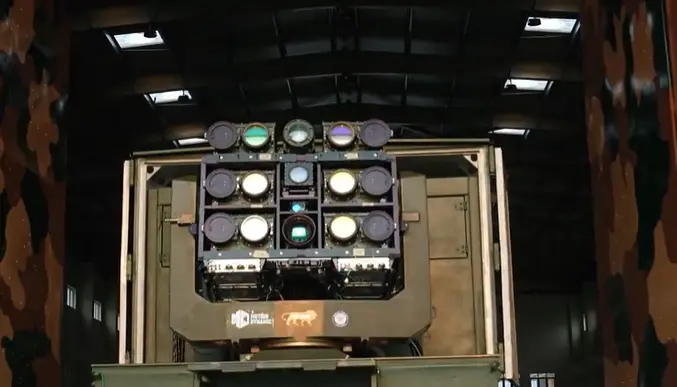
DRDO India's 300-kilowatt Surya - Expected Operational by 2028
India's Defence Research and Development Organisation has issued expressions of interest for technology transfer of its 30-kilowatt laser system with plans progressing toward 300-kilowatt deployment by 2028. The Surya laser represents India's commitment to directed-energy weapons matching global powers.
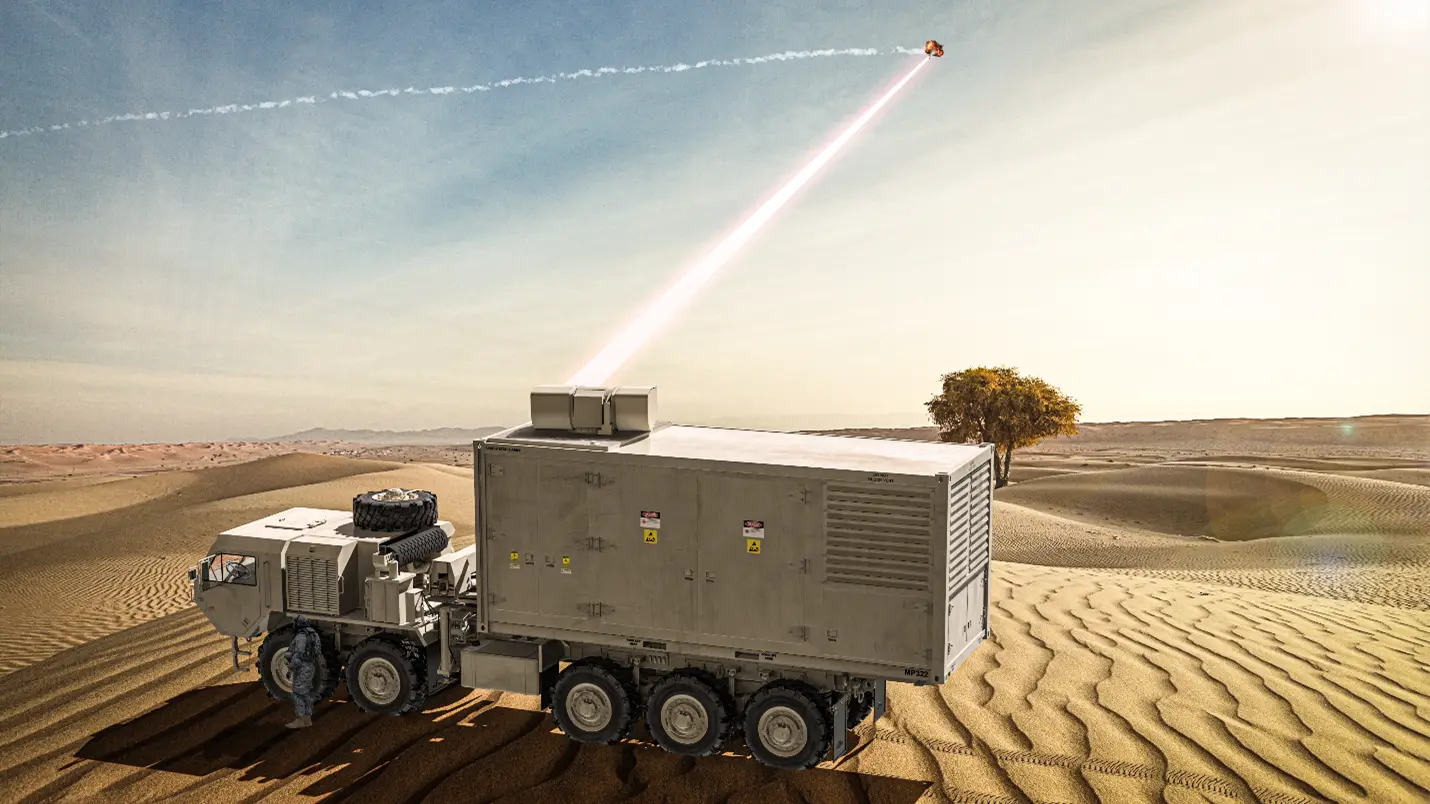
Mobile Platform Deployment - Truck-Mounted Systems
Lockheed Martin delivered vehicle-mounted 300-kilowatt-class laser weapon system prototypes to the U.S. military by October 2025 enabling rapid deployment across battlefield locations without fixed installation requirements. Tactical configuration utilises Modular Open System Approach standards ensuring interoperability with existing military platforms.
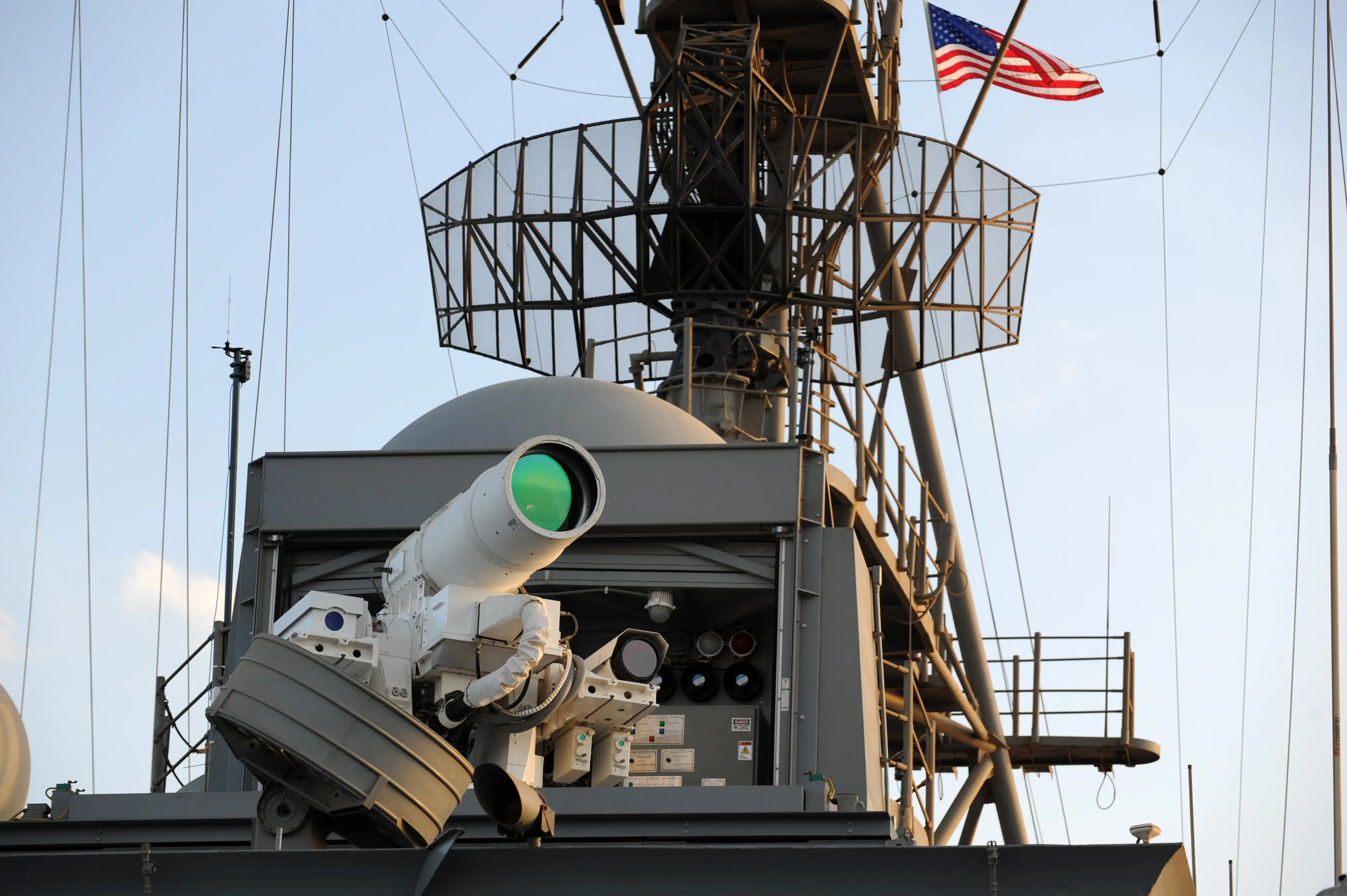
Naval Integration - Ship-Mounted Laser Defence
The U.S. Navy demonstrated ship-mounted laser systems aboard USS Preble providing layered defence against unmanned aerial vehicles and fast inshore attack craft without requiring physical ammunition supplies. China converted civilian cargo ships mounting LY-1 laser weapon systems on decks creating mobile maritime directed-energy platforms engaging counter-unmanned systems and counter-munitions roles.
Aircraft Integration - Air-Breathing Laser Platforms
Future generation aircraft mounting external laser pods could engage enemy aircraft and missiles whilst maintaining supersonic flight capability enabling unprecedented air-superiority tactics. Lightweight laser systems with mass efficiency of two to four kilogrammes per kilowatt reduce aircraft weight penalties compared to older generations. Airborne laser platforms provide three-dimensional engagement capability impossible with ground-based systems.

Advanced Cooling Systems - Continuous Indefinite Fire
Chinese scientists developed revolutionary cooling systems blowing clean gas through laser chambers removing waste heat enabling high-energy lasers to operate indefinitely overcoming previous limitations. The breakthrough eliminates heat waste allowing continuous-wave laser operation maintaining suitable operating temperatures throughout sustained engagements. Advanced thermal management represents the missing technology enabling practical laser weapons deployment.
Electrical Efficiency Improvements
Next-generation laser systems target 48-per cent electrical-to-optical efficiency converting electrical input into laser light with minimal waste heat requiring less cooling infrastructure. Pentagon allocated 250 million dollars specifically for counter-drone laser systems enhancing military development pace. Improved efficiency can enable compact systems deployable on platforms previously unsuitable for laser mounting.
AI Automatic Threat Classification
Sensor fusion AI combines data from radar, electro-optical, infrared, radiofrequency, and acoustic sensors generating accurate operational pictures with enhanced threat detection and classification. Multi-level sensor fusion models integrate camera and LiDAR data identifying small targets improving detection accuracy. AI-driven anomaly detection reduces false positives enabling focused engagement on genuine threats.
Continuous Fire Capability
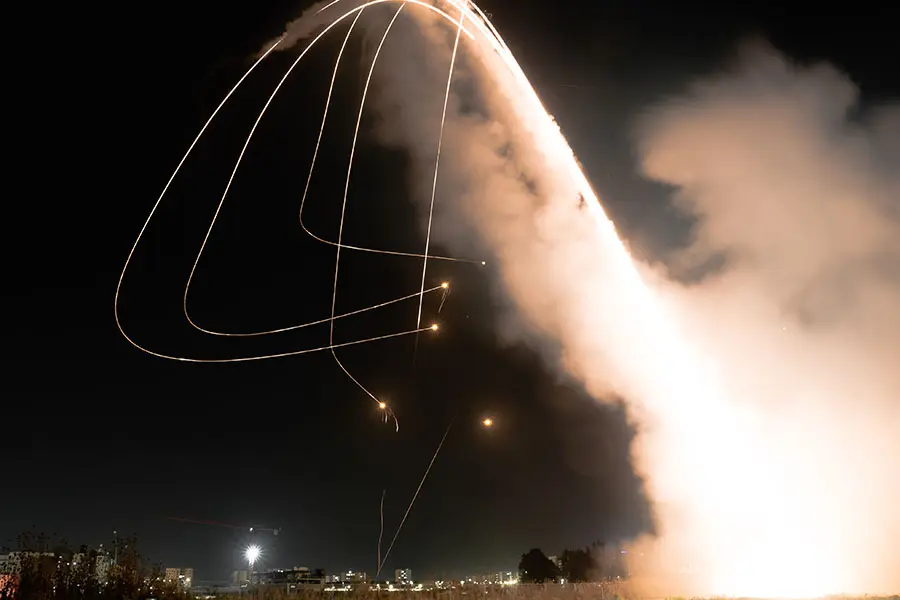
Future laser weapons will achieve continuous shot durations from two to sixty seconds with energy storage systems supplying two minutes of continuous full-power operation without recharging enabling sustained engagement against multiple targets. This capability eliminates reload delays inherent in traditional missile systems.
2030 Operational Timeline
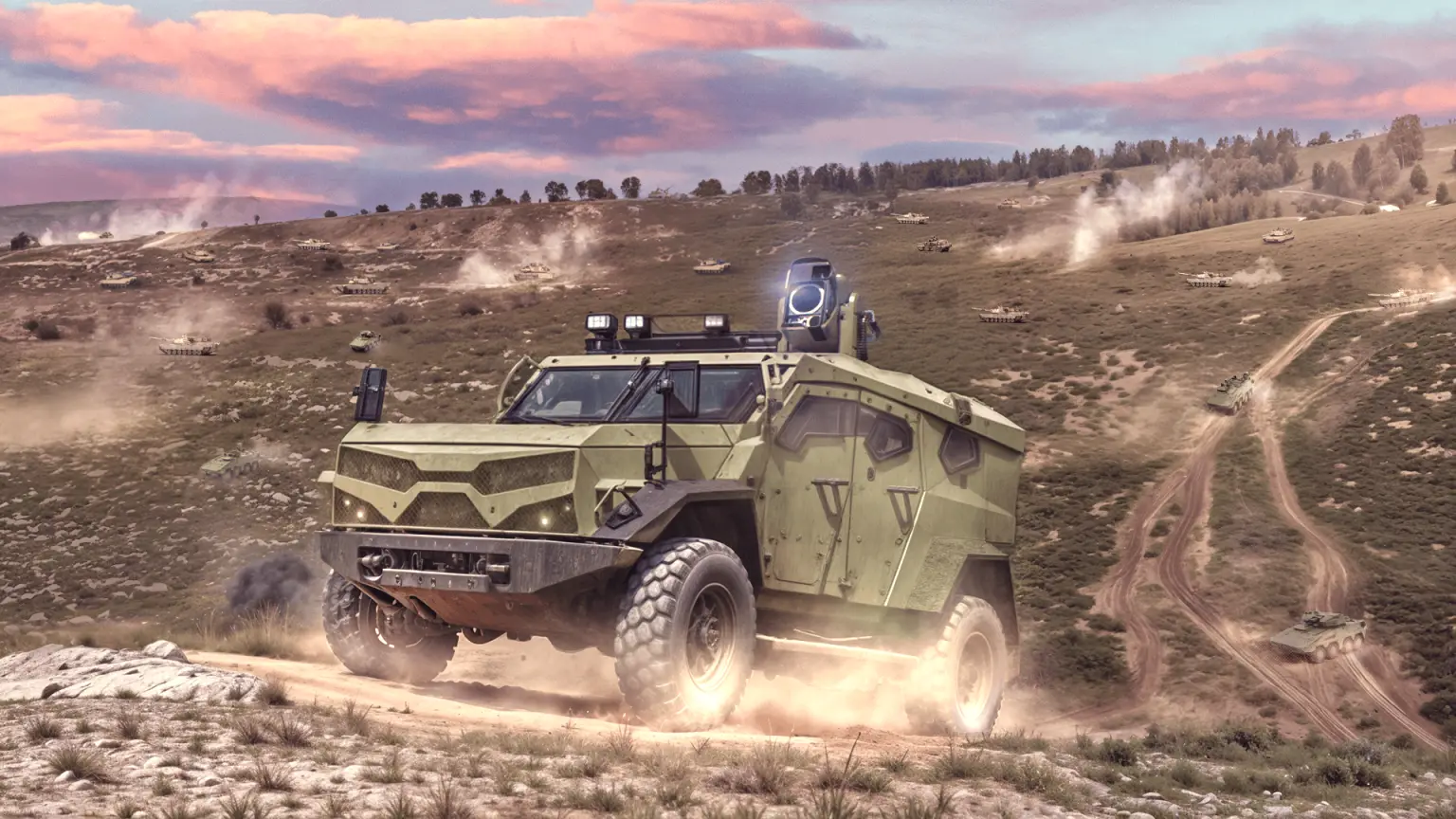
Military experts predict one-megawatt laser weapons capable of targeting ballistic missile warheads becoming operational by 2030 as development timelines accelerate across multiple nations simultaneously. Global military laser weapons market continues expansion with Pentagon investment, Chinese LY-1 deployment, Indian Surya development, and European laser initiatives competing for technological superiority. By 2030, directed-energy weapons will rival traditional missiles as primary air-defence weapons.
)
)
)
)
)