'The Pale Blue Dot 2.0': Can AI recreate the iconic image from Voyager’s final data?

Voyager’s cameras stopped working decades ago, but it still sends back deep-space data. now, AI may help turn that data into visualisations, revealing unseen views of interstellar space. Discover how science and AI keep voyager’s story alive.

Voyager’s Cameras Were Turned Off
Voyager 1 and 2 switched off their cameras in 1989 and 1990 to save power. Since then, they no longer send pictures but still send scientific data from space.
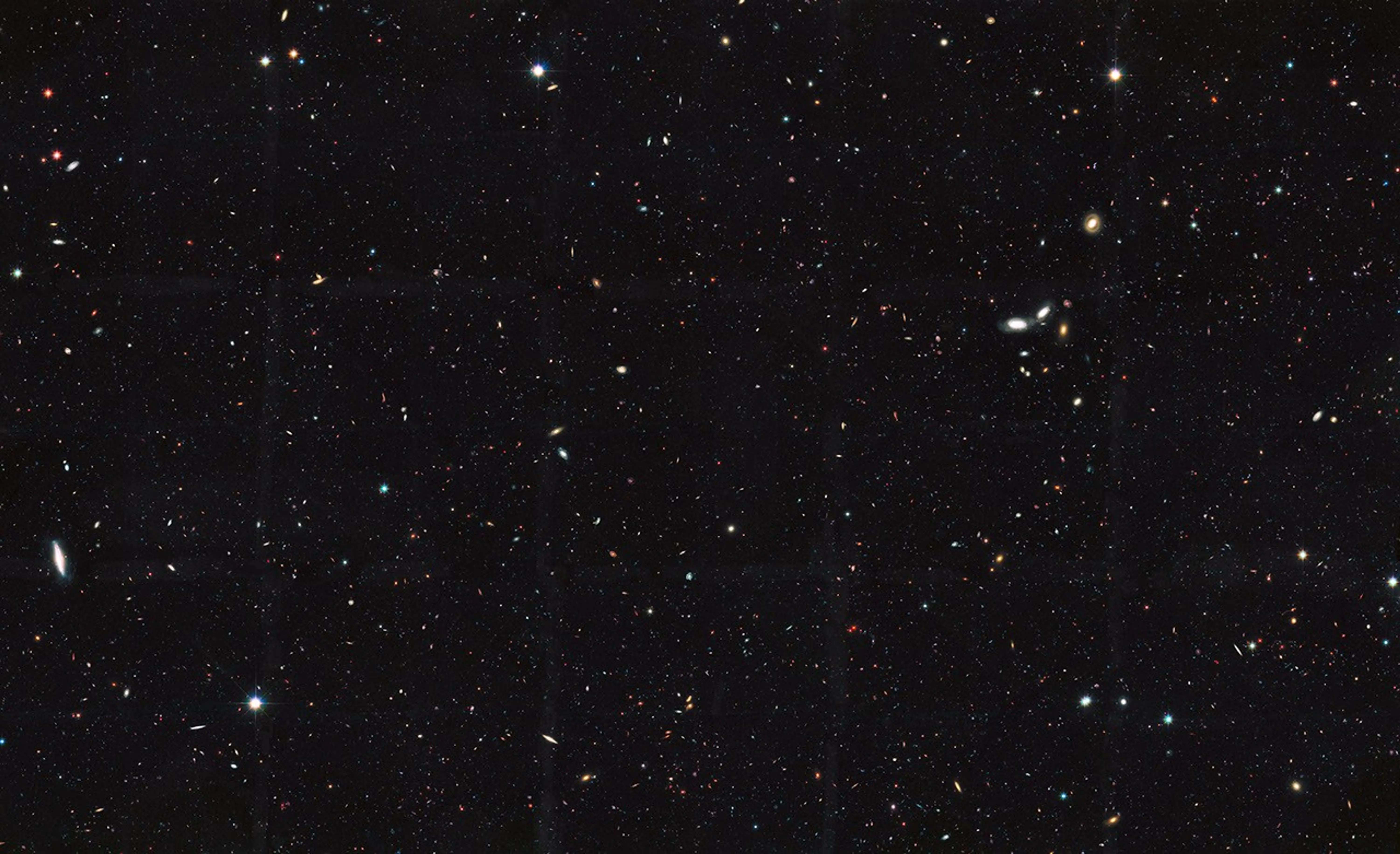
Instruments Still Working Today
Voyager probes operate instruments like magnetometers, plasma wave detectors, and cosmic ray sensors. These provide readings of magnetic fields, plasma waves, and particle counts.
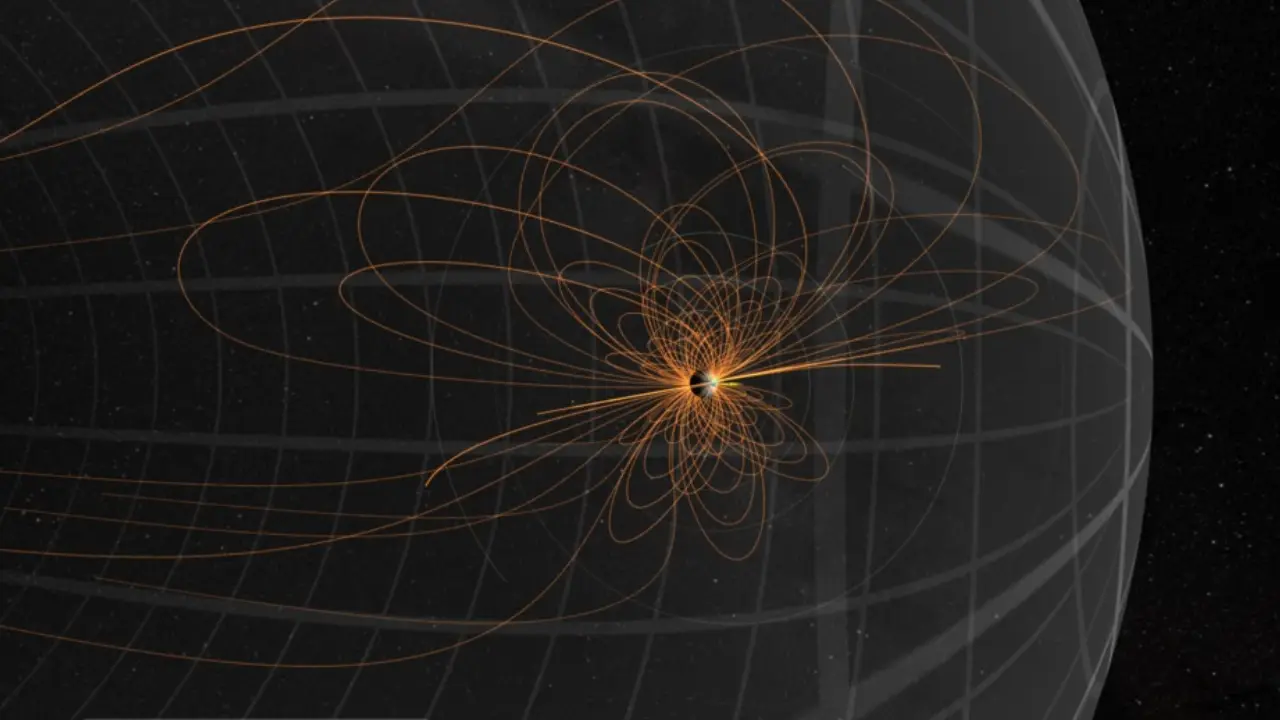
What Data Does Voyager Send Now?
Instead of photos, Voyagers send waves and magnetic field measurements. This data helps scientists understand the environment outside our solar system, called interstellar space.
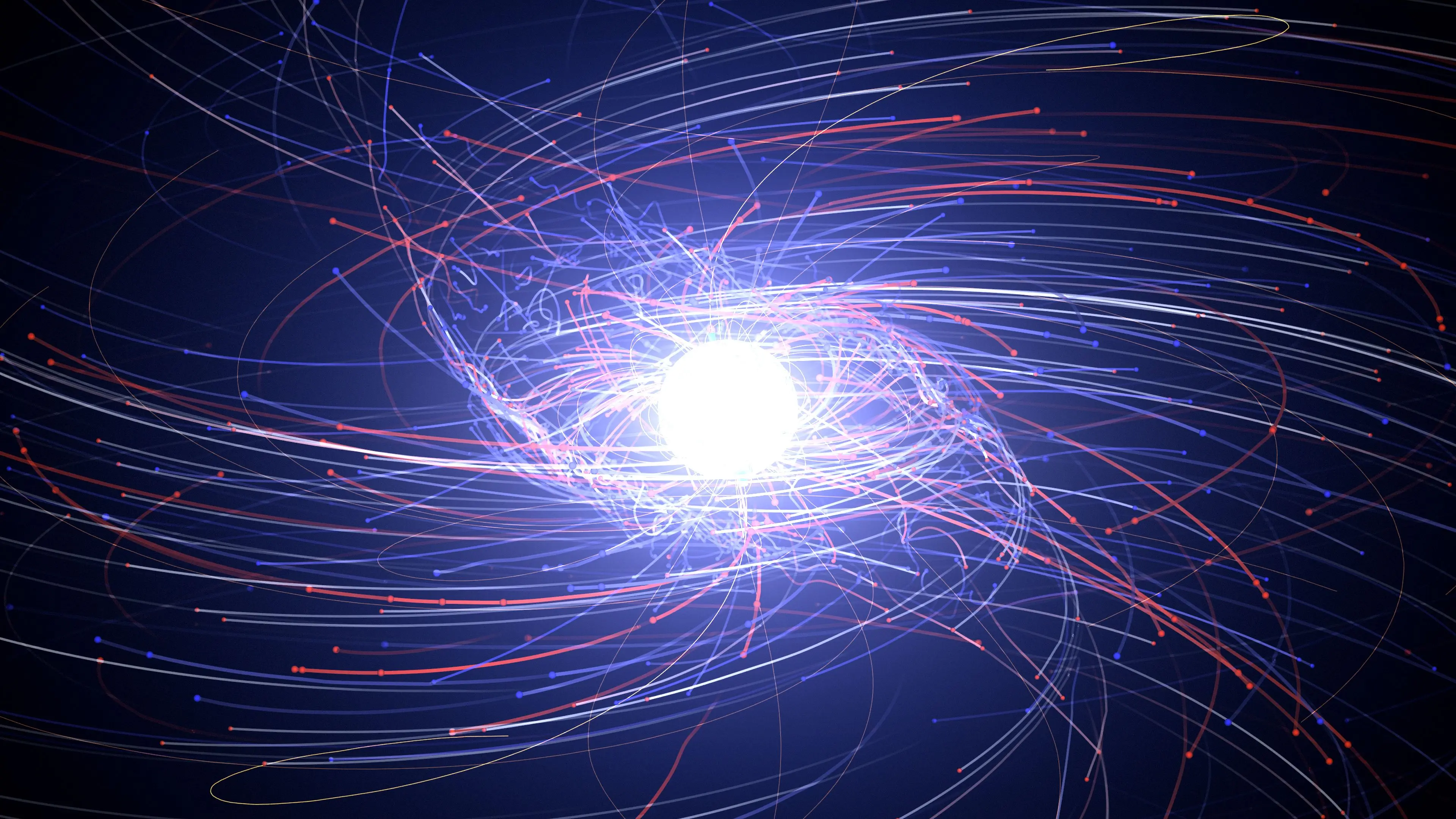
The Role of AI in Space Science
Now scientists consider if AI can translate this non-visual data into pictures or abstract images, showing Voyager’s current location in a new way. This would be like a modern version of the famous ‘Pale Blue Dot’ photo.
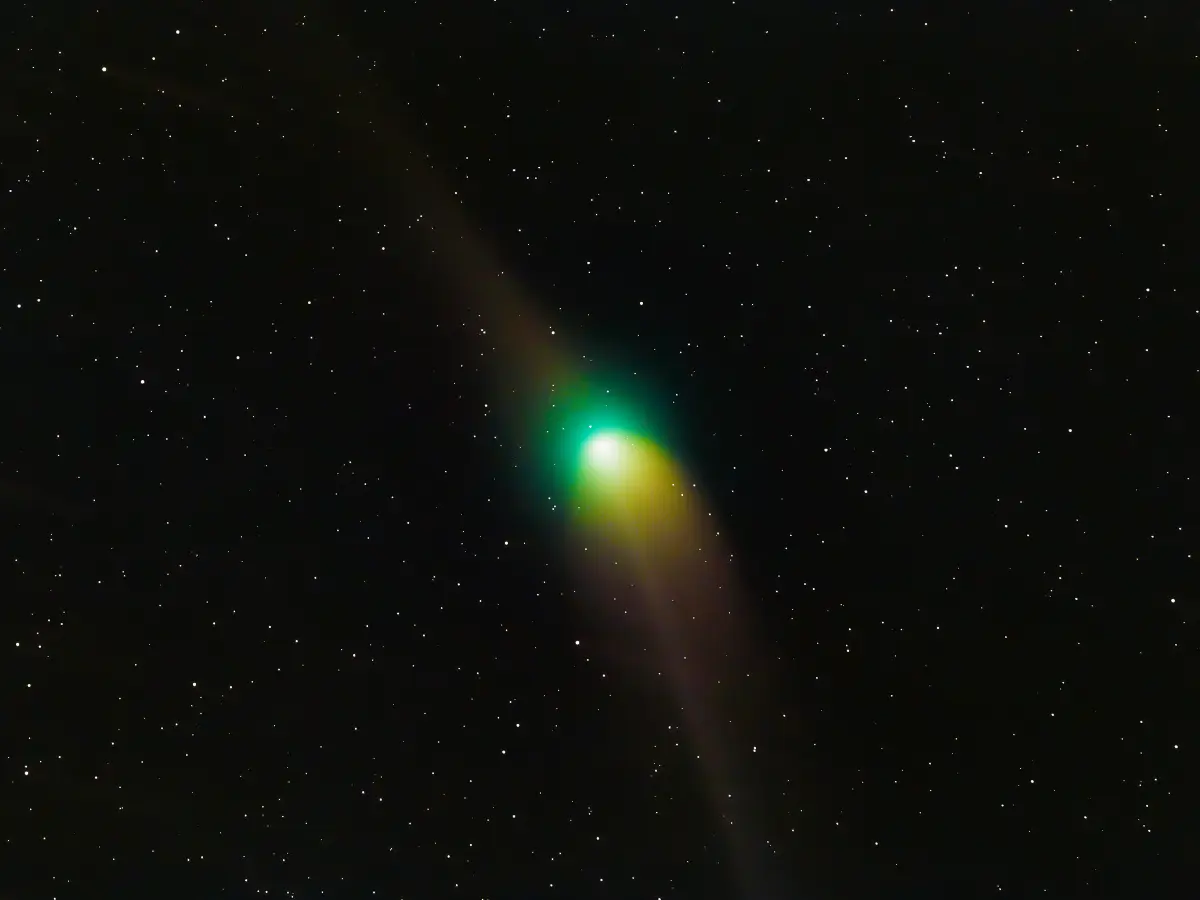
How AI Could Create Images
By analysing patterns in magnetic fields and plasma waves, AI can produce visualisations. These might not be photos but offer colourful, detailed impressions of space conditions around Voyager.
Why This Matters
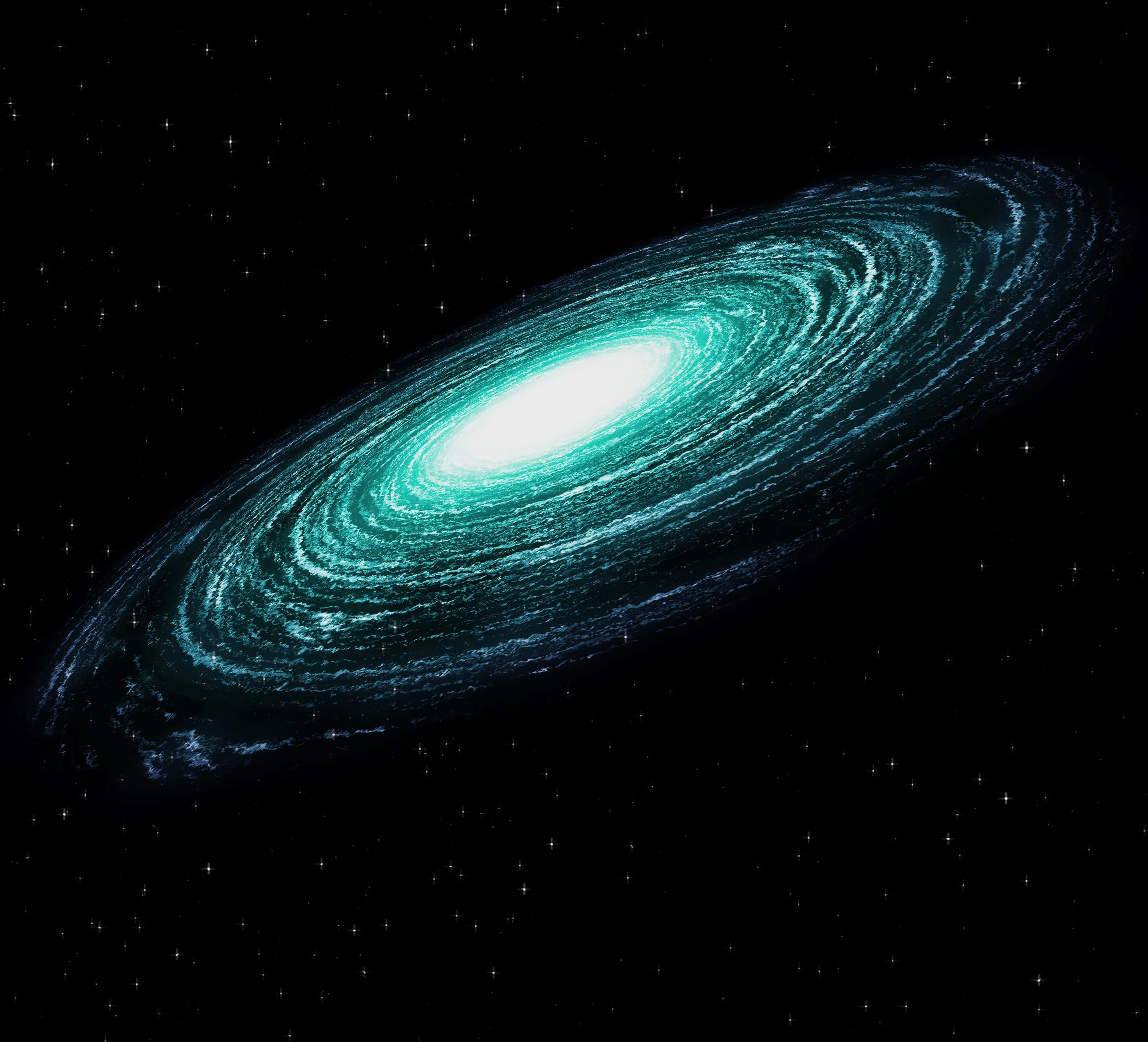
Creating new visual representations from data helps public and researchers alike to grasp Voyager’s place in the galaxy. It also keeps the mission alive in the imagination after over 45 years.
The Future of Voyager’s Legacy
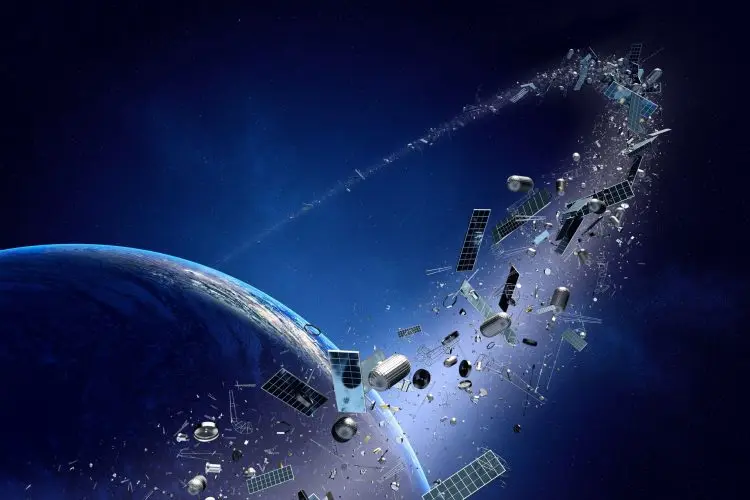
As AI advances, it might unlock unseen views from Voyager’s data. Voyager’s story continues, not just in data but possibly in art made by science and AI combined.
)
)
)
)
)