'The Hydrogen Wall': Has Voyager already found the secret boundary of our solar system?

Voyager probes detected a mysterious hydrogen wall at the solar system’s edge a build-up where the solar wind meets interstellar space. Which was confirmed in 2018. What does this barrier mean for us? Know more below.
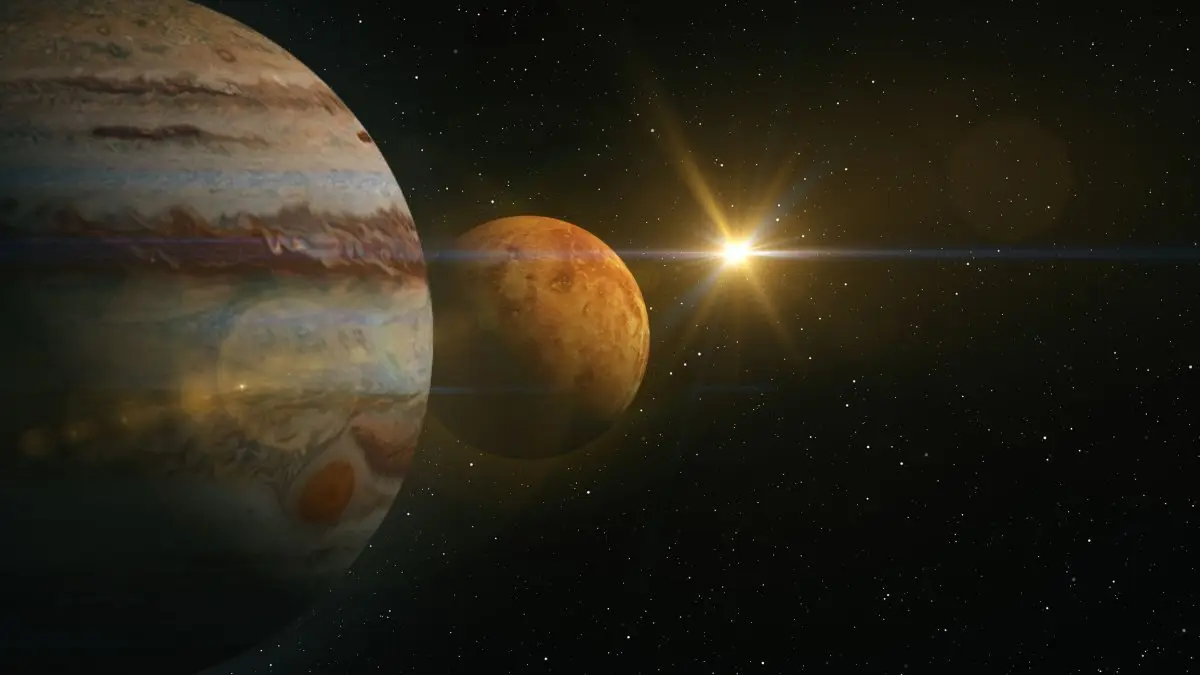
What is the Hydrogen Wall?
Scientists say the hydrogen wall is a build-up of hydrogen atoms at the furthest edge of our solar system. It forms where the Sun’s solar wind meets the interstellar medium, acting almost like a shield around us.
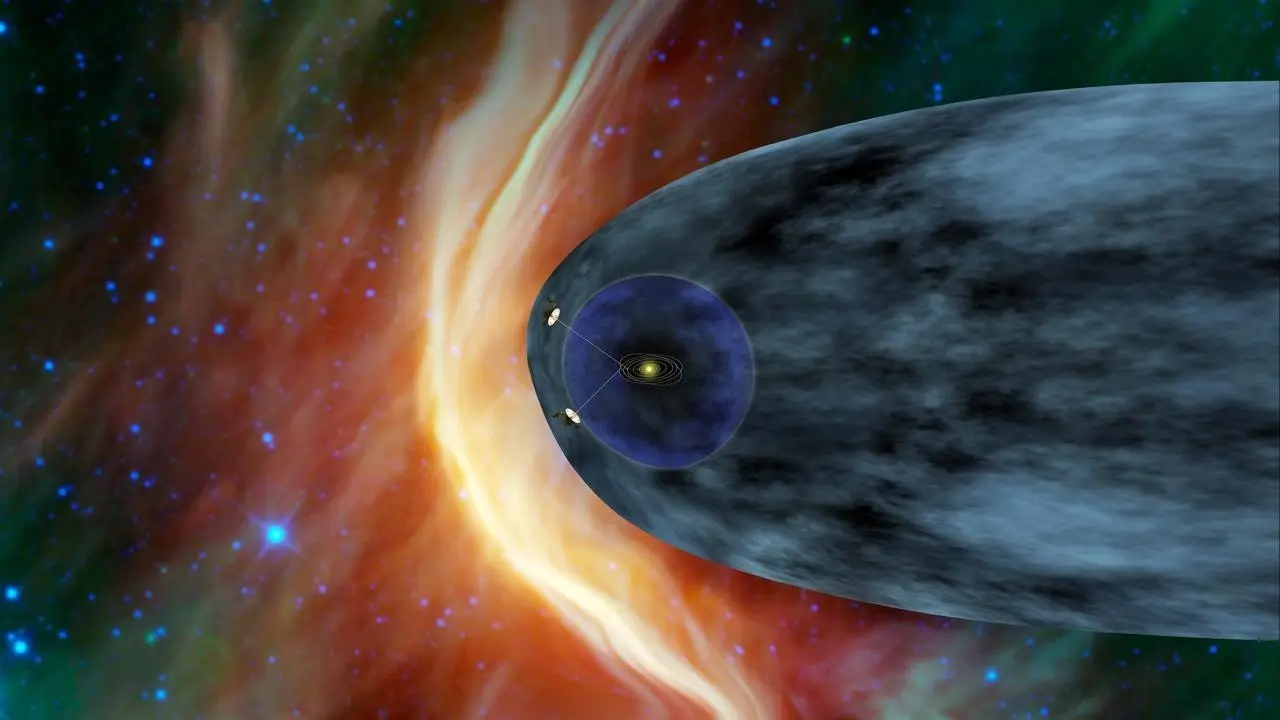
Voyager Probes Make History
Back in 1992, NASA’s Voyager spacecraft found hints of this hydrogen wall by detecting extra ultraviolet light. This signal matched what scientists expect to find if a wall of hydrogen really does exist.
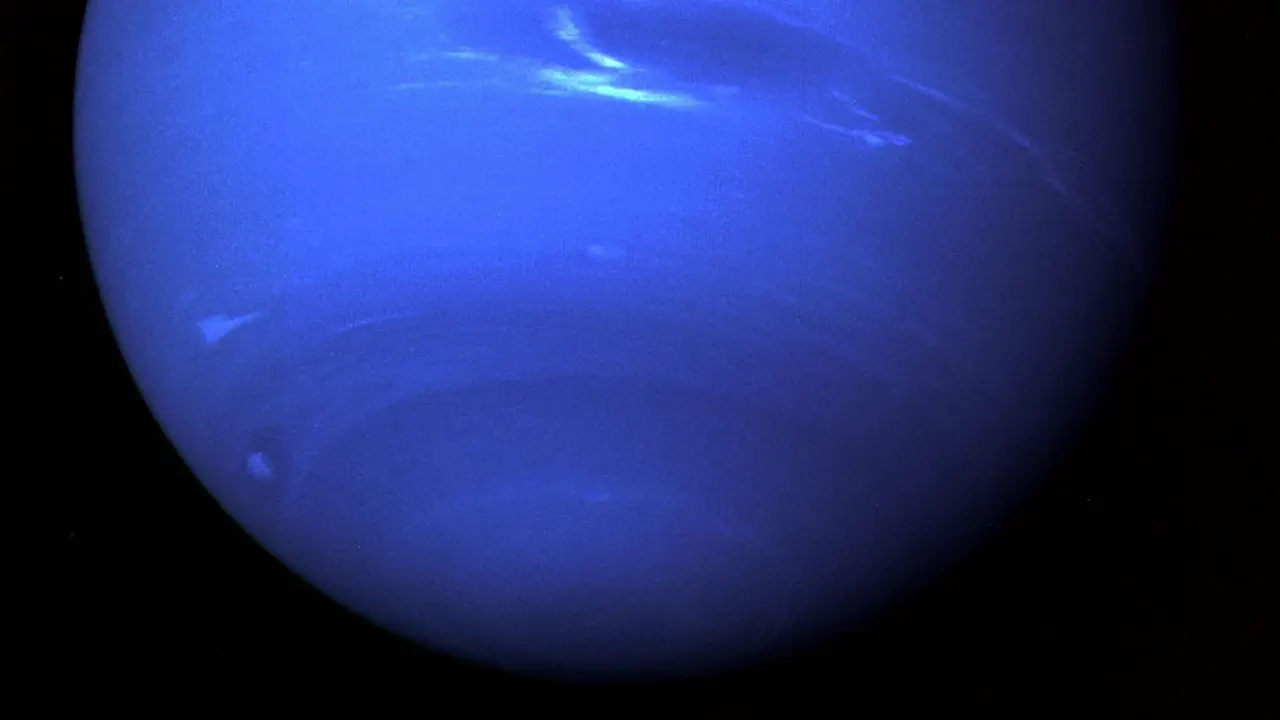
Where is This Invisible Barrier?
The hydrogen wall sits near the heliopause, about 120 times the Earth-Sun distance away well past Pluto’s orbit and even farther than the outer planets.
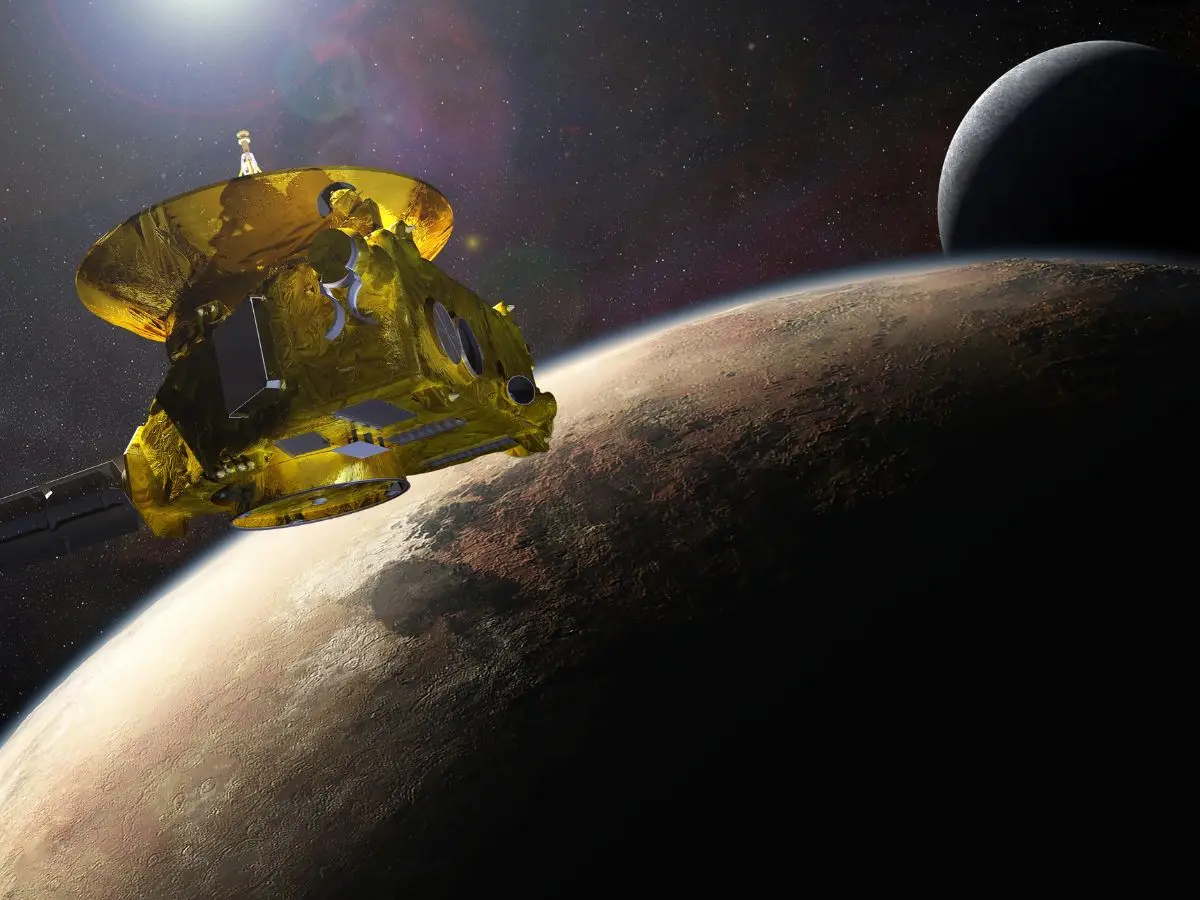
New Horizons Mission
NASA’s New Horizons spacecraft also spotted the hydrogen wall in 2018 using specialised ultraviolet instruments, confirming what Voyager detected decades ago.
Why is the Hydrogen Wall Important?
This wall marks where our Sun’s influence fades and interstellar space begins. It protects our solar system from cosmic winds and most outside radiation, stopping around 70 per cent of harmful cosmic rays.
What is the Wall Made Of?
The wall is a thick layer of hydrogen atoms, possibly heated to tens of thousands of degrees, though it is still thinner than anything on Earth. The temperature can reach 30,000 to 50,000 Kelvin by some estimates.
The Search Goes On
Voyager 1 and 2 continue their journey outward, sending more data as they move deeper into interstellar space. Each new reading helps scientists unlock more secrets beyond the “wall” at the edge of our solar system.
)
)

)
)