‘The CVN Code’: Why is USS Gerald R. Ford called CVN-78 & what the carrier classification reveals about US naval power

CVN-78 means it is a nuclear-powered aircraft carrier and the 78th such hull assigned by the US Navy, a system used to categorise vessels in service.
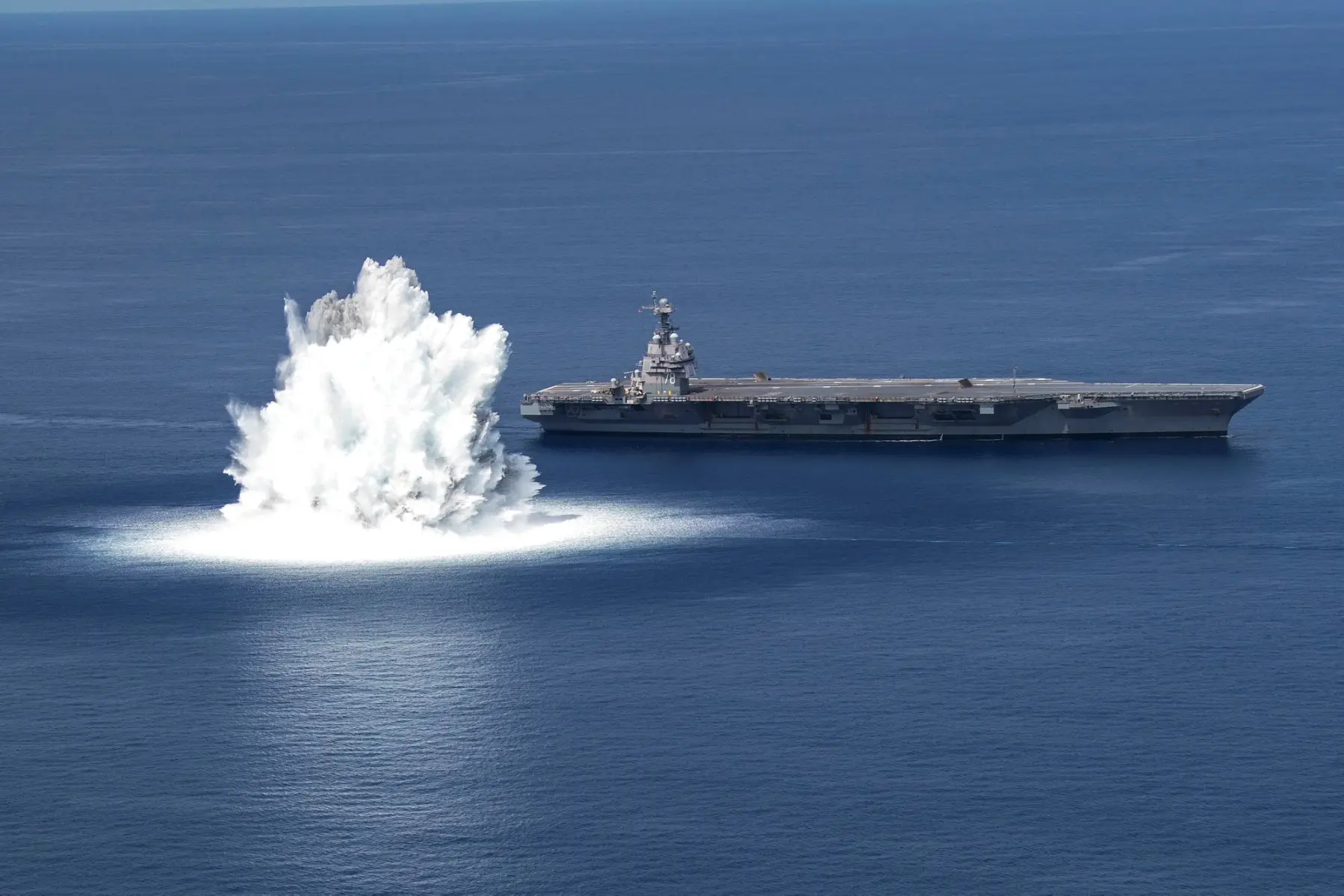
Deployment history
The United States has ordered one of its most advanced naval assets, the USS Gerald R. Ford, to the Middle East in a move widely viewed as a significant escalation of military signalling towards Iran amid rising tensions over Tehran’s nuclear programme. The carrier was redirected from the Caribbean Sea and is set to operate alongside the USS Abraham Lincoln, underlining how CVN-78 forms a key part of the Navy’s global strategic deployment and power projection capability.
What CVN-78 actually stands for
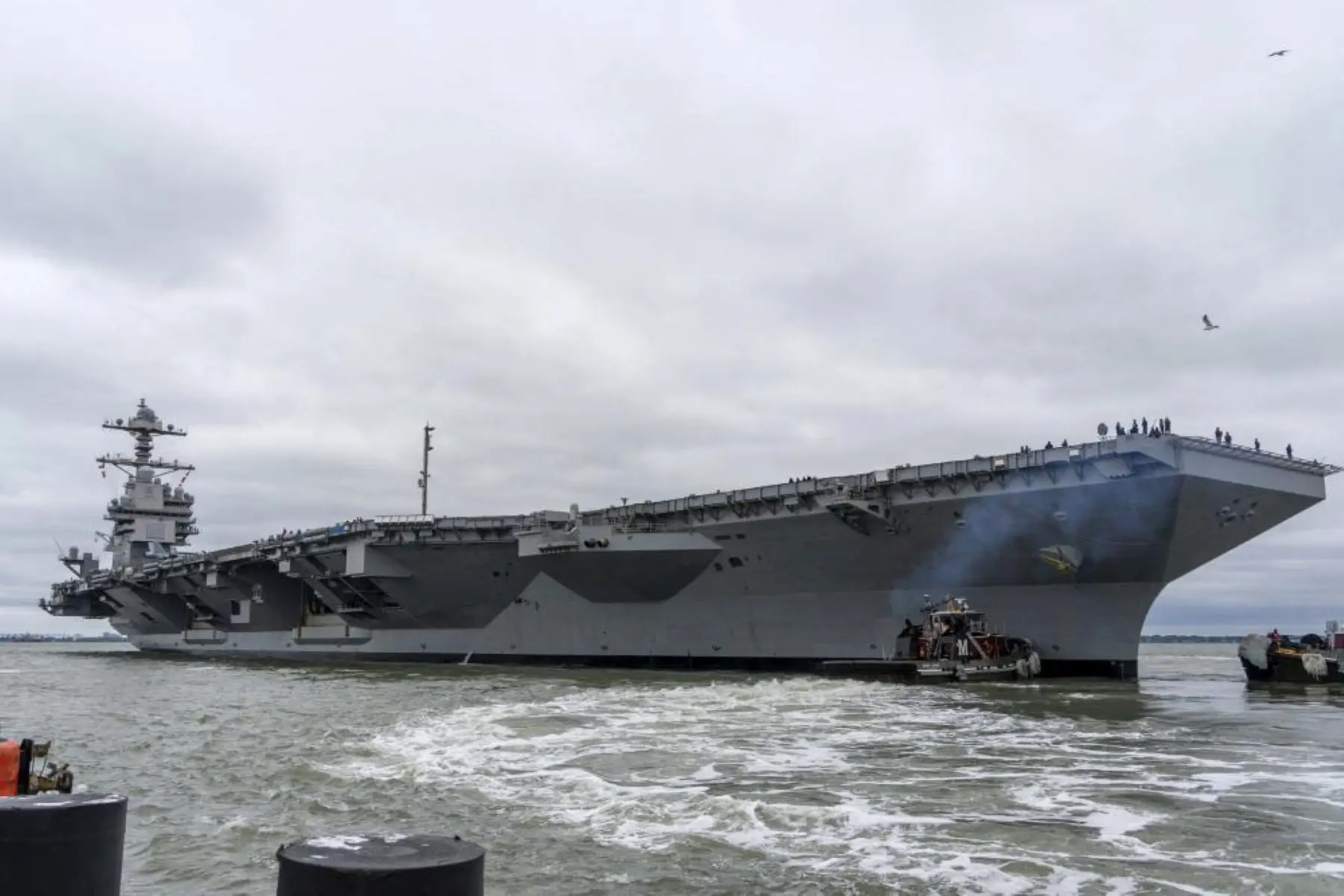
The designation CVN-78 identifies the USS Gerald R. Ford as a particular type of warship in the United States Navy. In naval hull classification, 'CV' denotes an aircraft carrier, 'N' signifies nuclear propulsion, and 78 is the sequential number assigned to this specific carrier. In short, CVN-78 means it is a nuclear-powered aircraft carrier and the 78th such hull assigned by the US Navy, a system used to categorise vessels in service.
What does the US Navy say?
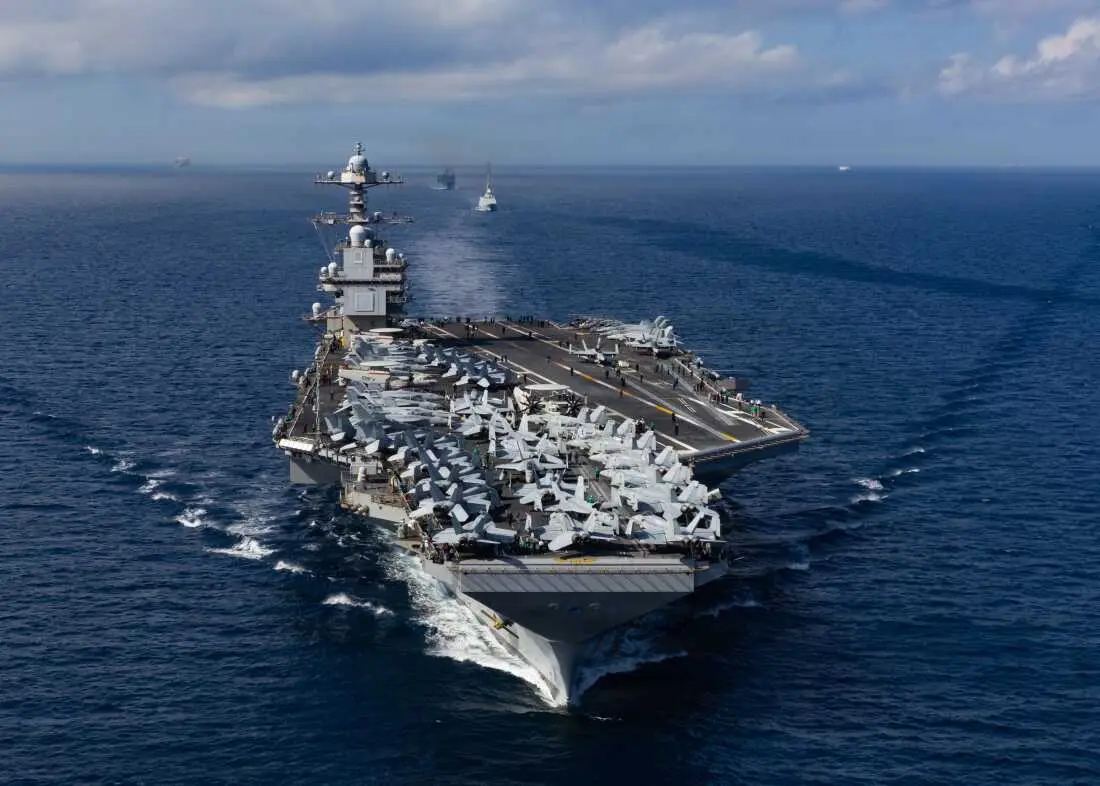
According to the US Navy, the aircraft carriers intended to operate with the main fleet were numbered in the 'CV' series, which was originated as part of the cruiser ('C') group of designations. During and after World War II, ships in the CV series were frequently given modified designations, including CVA (attack aircraft carrier), CVAN (nuclear-powered attack aircraft carrier), CVB (large aircraft carrier), CVL (small aircraft carrier), CVN (nuclear-powered aircraft carrier), CVS (anti-submarine warfare support aircraft carrier) and CVT (training aircraft carrier). All of these expanded designations were numbered in the original CV series.
The ship behind the code
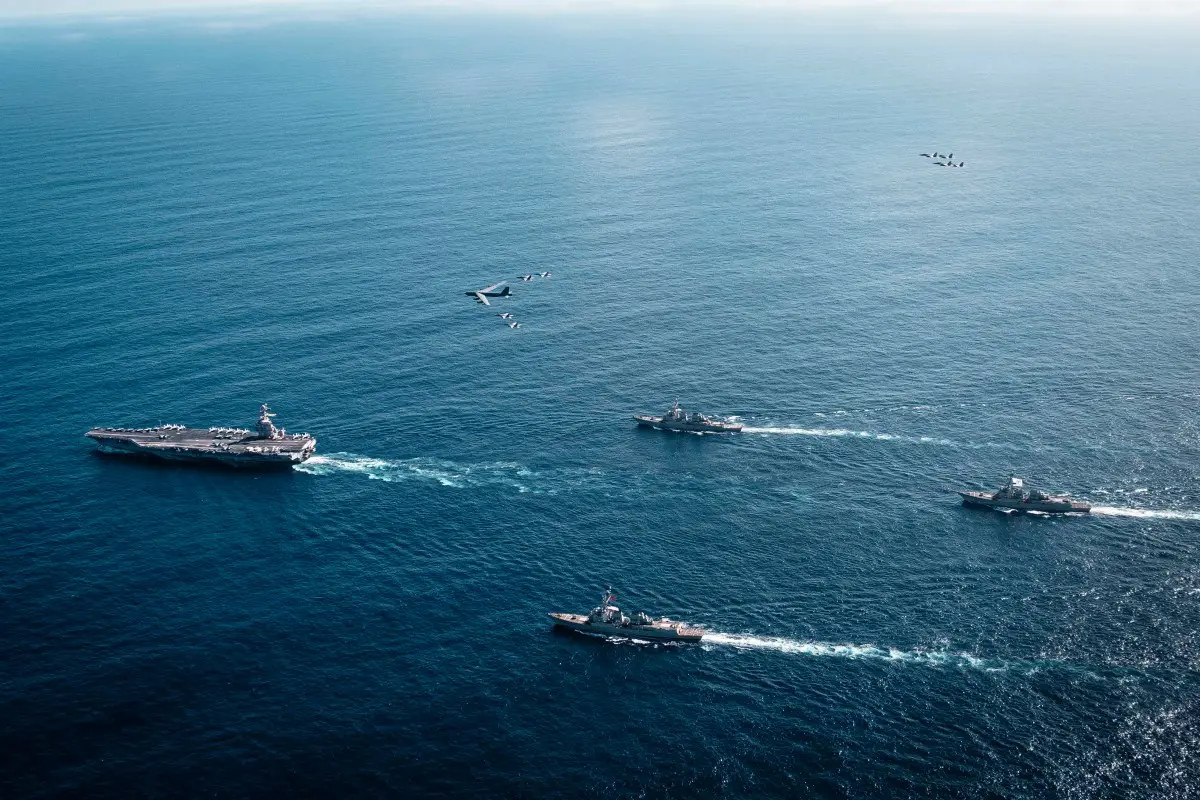
Named for the 38th president of the United States, Gerald R. Ford, CVN-78 is the lead ship of the Ford-class carriers, designed to succeed the older Nimitz-class. Commissioned in July 2017, the vessel features modern technologies intended to enhance aircraft launch and recovery, electrical generation, and crew efficiency compared with its predecessors.
Nuclear propulsion and endurance
The 'N' in CVN points to the carrier’s nuclear reactors, which provide power for propulsion and ship systems. Two A1B reactors allow the ship to operate for many years without refuelling, offering extended range and endurance that are hallmarks of US nuclear carriers. These reactors enable the Ford to sustain high-tempo operations far from home ports.
A floating airbase
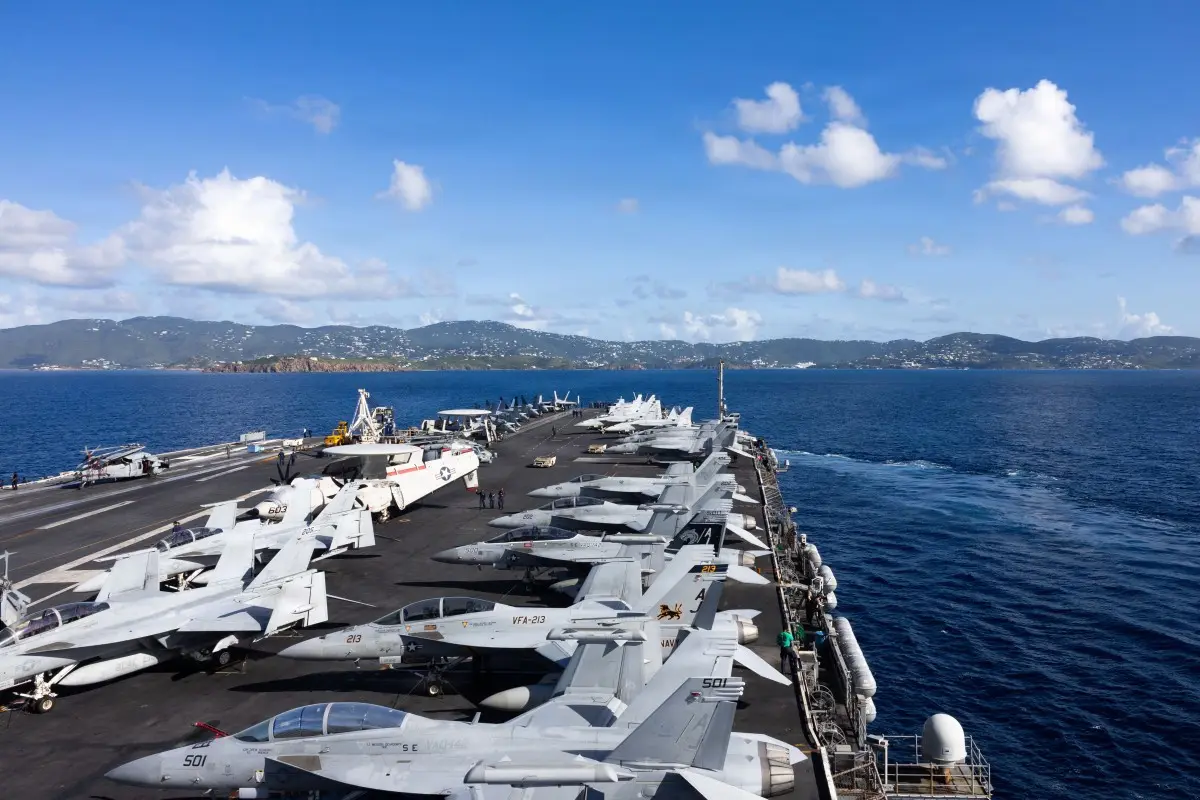
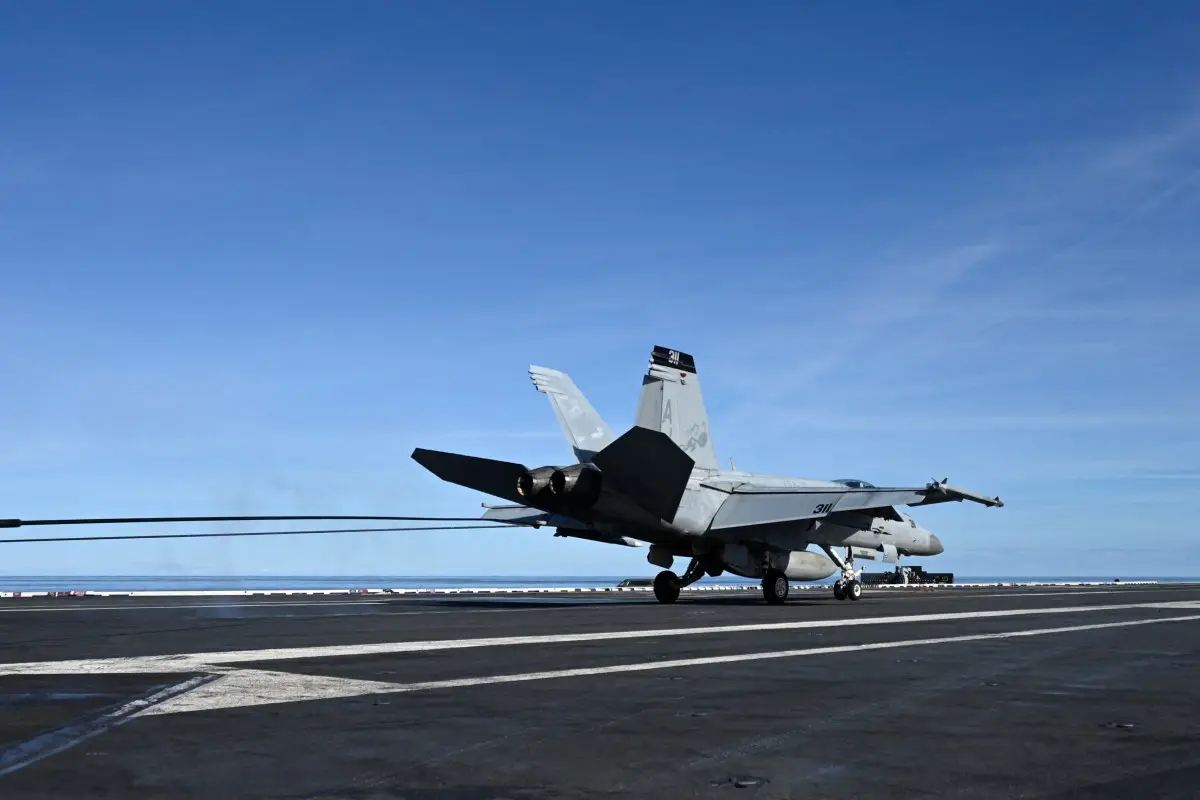
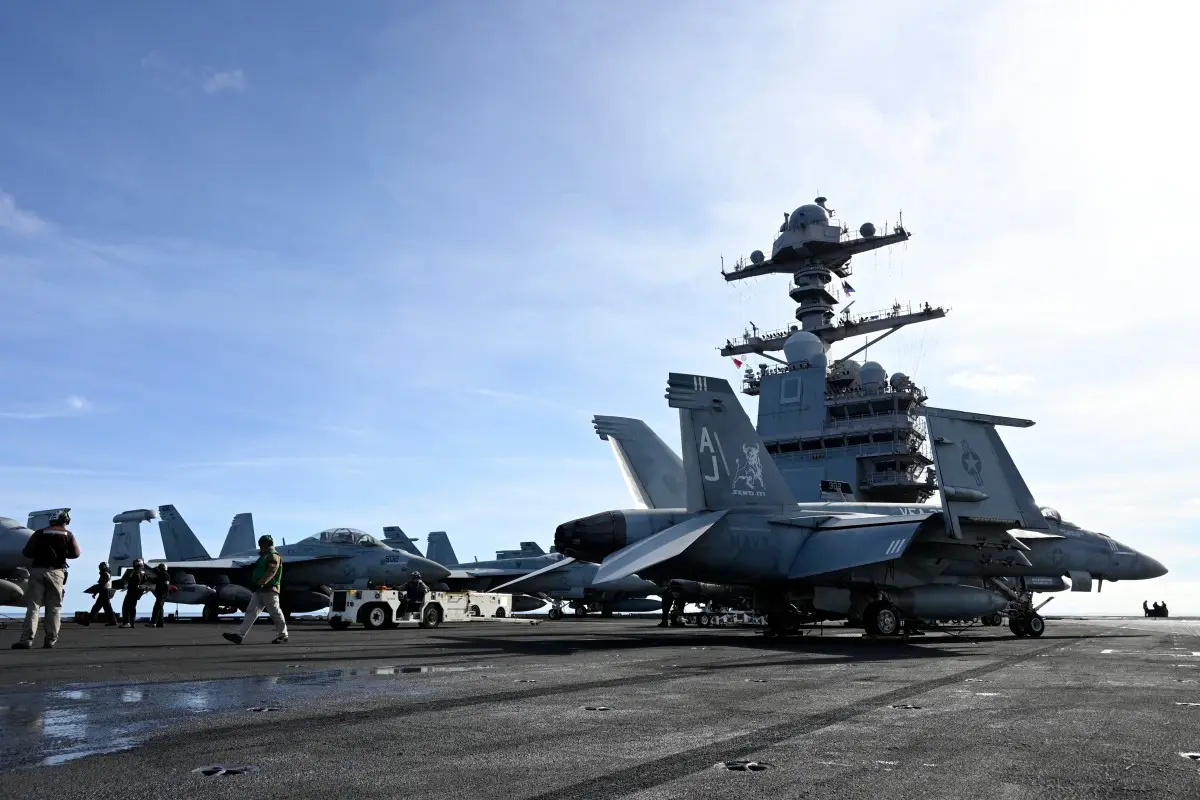
As an aircraft carrier, CVN-78 functions as a mobile airfield at sea. It can carry more than 60-75 aircraft, including fighters such as the F-35C, F/A-18 Super Hornet and surveillance platforms. These aircraft provide the United States with air power projection from international waters, enabling rapid responses to crises.
Deployment history
The USS Gerald R. Ford was positioned in the Caribbean Sea in late 2025 as part of a larger US naval buildup under Operation Southern Spear aimed at countering narcotics trafficking and regional instability near Venezuela. Its presence coincided with US forces capturing President Nicolás Maduro in Caracas, supported by aircraft from the carrier’s air wing before it was redirected to the Middle East amid rising tensions with Iran.
)
)
)
)
)