'175-year wait': Will we ever get a Voyager 3 mission before the next planetary alignment?

A planetary alignment that enabled the original Voyager mission happens once every 175 years. Scientists discuss a Voyager 3 launch to use advanced technology before the next rare opening. Read more about this below.
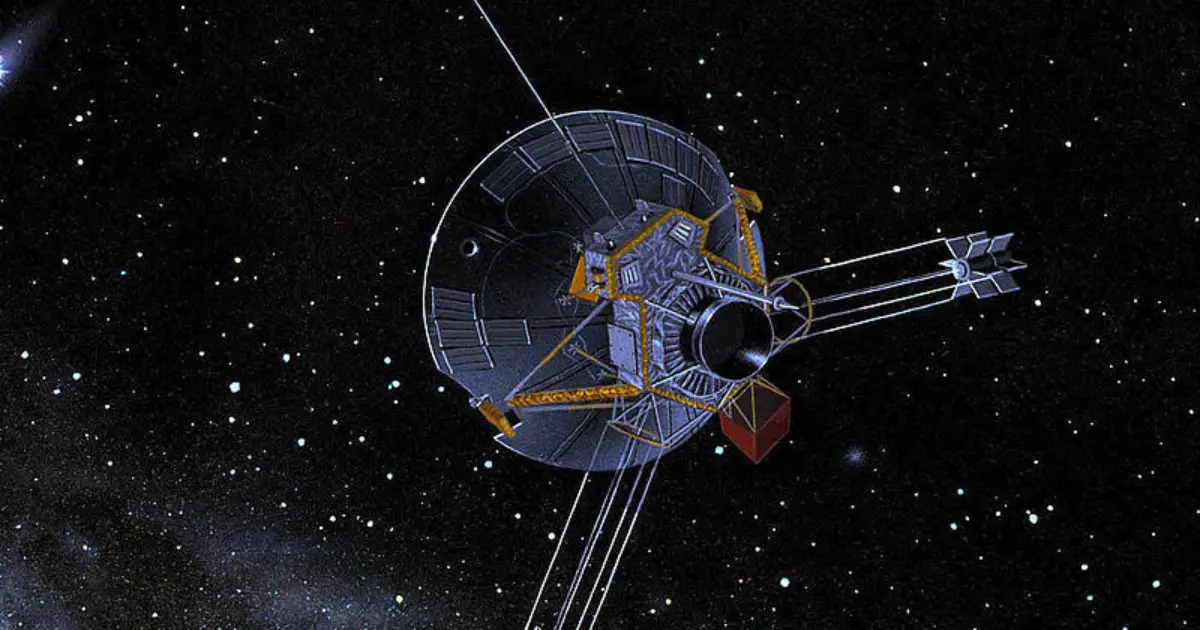
The Rare Planetary Alignment
Every 175 years, the outer planets Jupiter, Saturn, Uranus, and Neptune align in a way that allows a spacecraft to visit all of them using gravity assists. This rare event made the original Voyager missions possible.
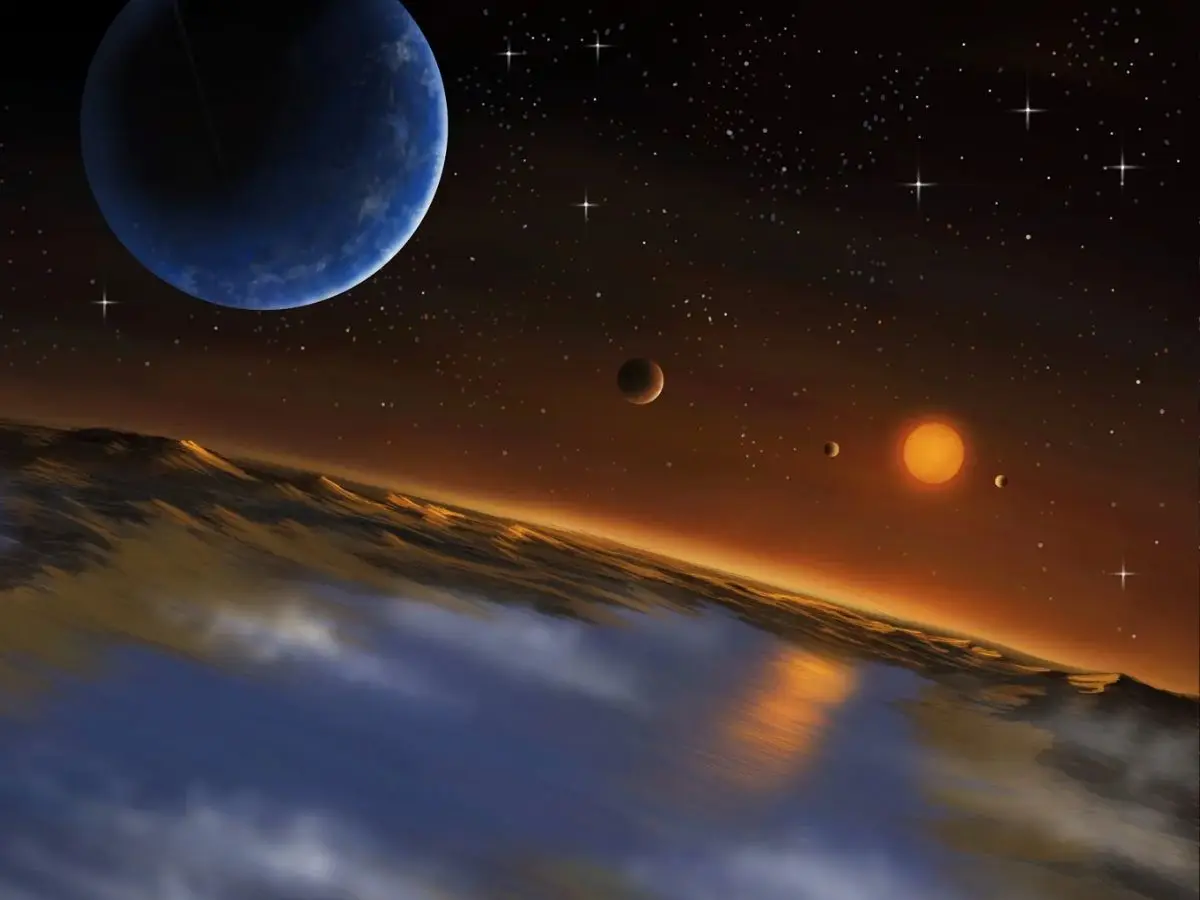
How the Original Voyager Gained Speed
By carefully timing the spacecraft launch, NASA used the planets’ gravity like a slingshot to propel Voyager from one planet to the next without using much fuel. This method saved time and cost in the 1970s mission.

The Costly Opportunity
This planetary alignment doesn’t come again soon. Because the next similar window is over a century away, the space agency missed sending Voyager 3 back then due to budget constraints and timing.
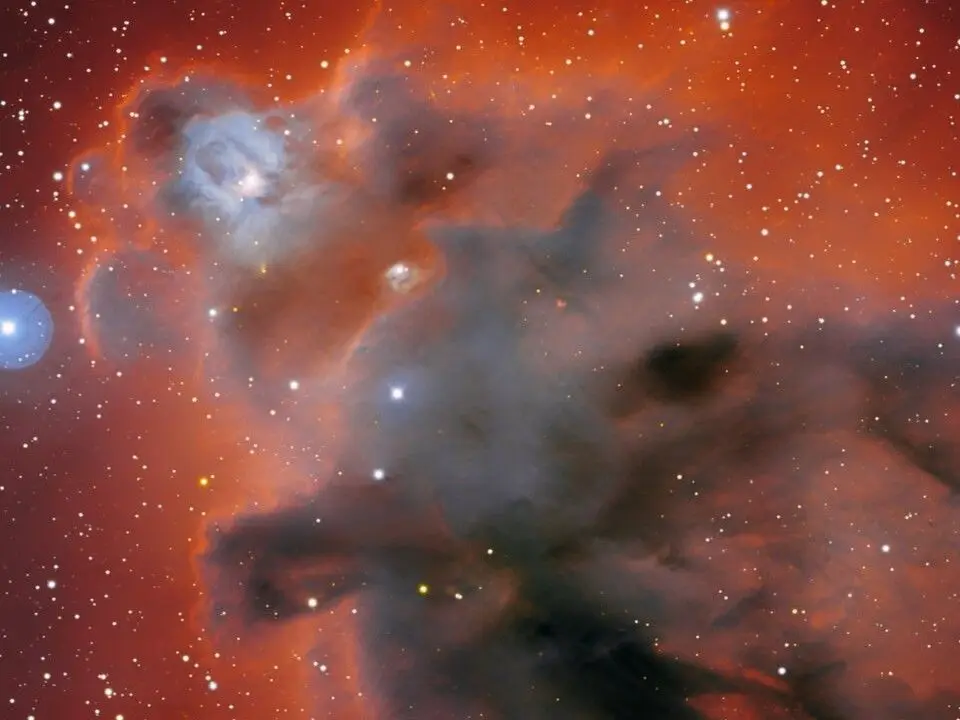
Why Choose Voyager 3 Now?
Modern technology offers far better instruments, computers, and power sources than Voyager 1 and 2 had. A new mission could explore the outer planets and interstellar space with much greater detail and speed.
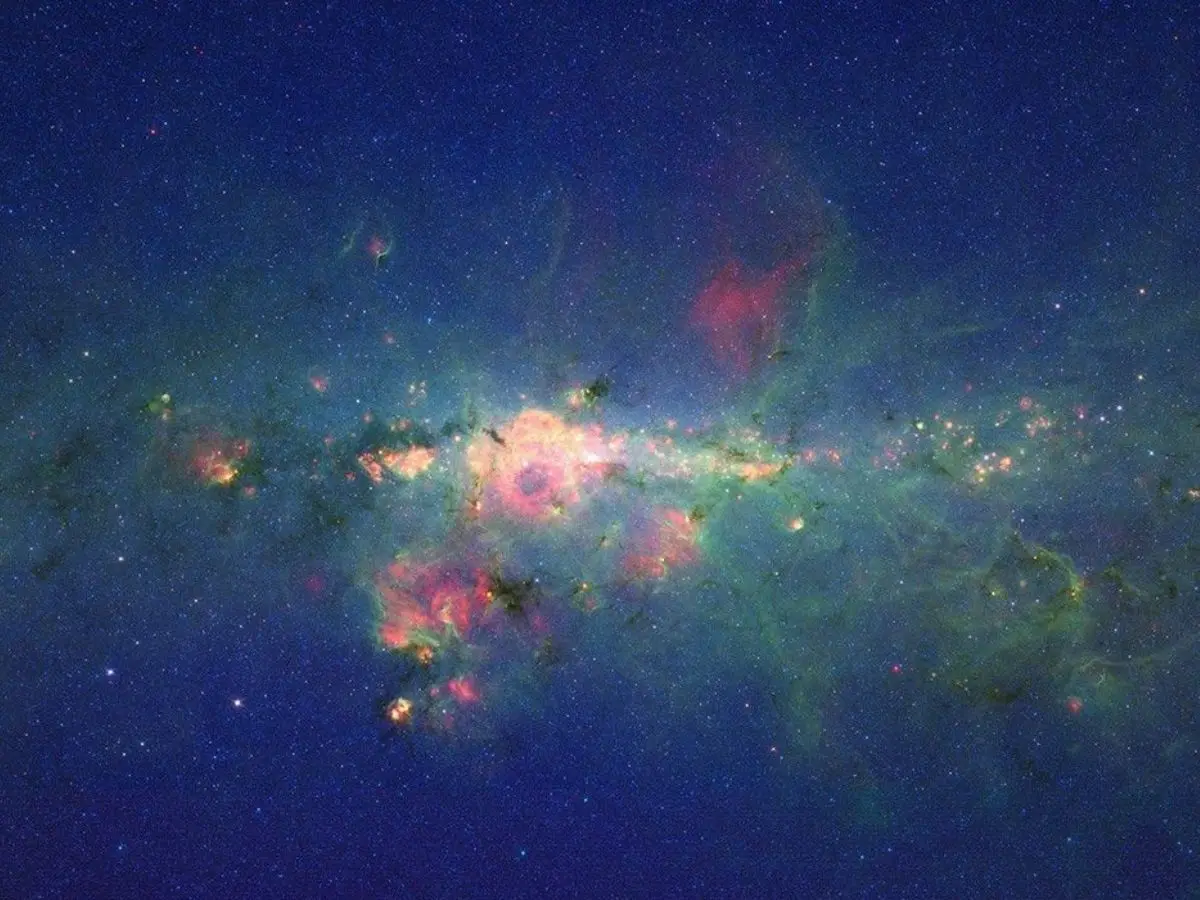
The Challenges of Timing
Launching such a mission requires precise planetary positions. If missed, the spacecraft would take decades longer or would not reach all planets. The pressure builds to plan and launch before the next opening, which won’t be for 175 years.
Current Plans and Concepts for Voyager 3
Scientists are exploring designs for Voyager 3 to carry advanced sensors and AI for navigation. Using new propulsion methods could also shorten travel time, enabling deeper exploration of our solar system and beyond.

The Countdown to Cosmic Discovery
This rare planetary lineup offers a once-in-a-lifetime chance. Will NASA act before it's too late? The promise of Voyager 3 inspires hope to continue humanity’s grand tour of the cosmos.
)
)
)
)
)