‘Takeoff to landing’: How USS Abraham Lincoln launches and recovers fighter jets

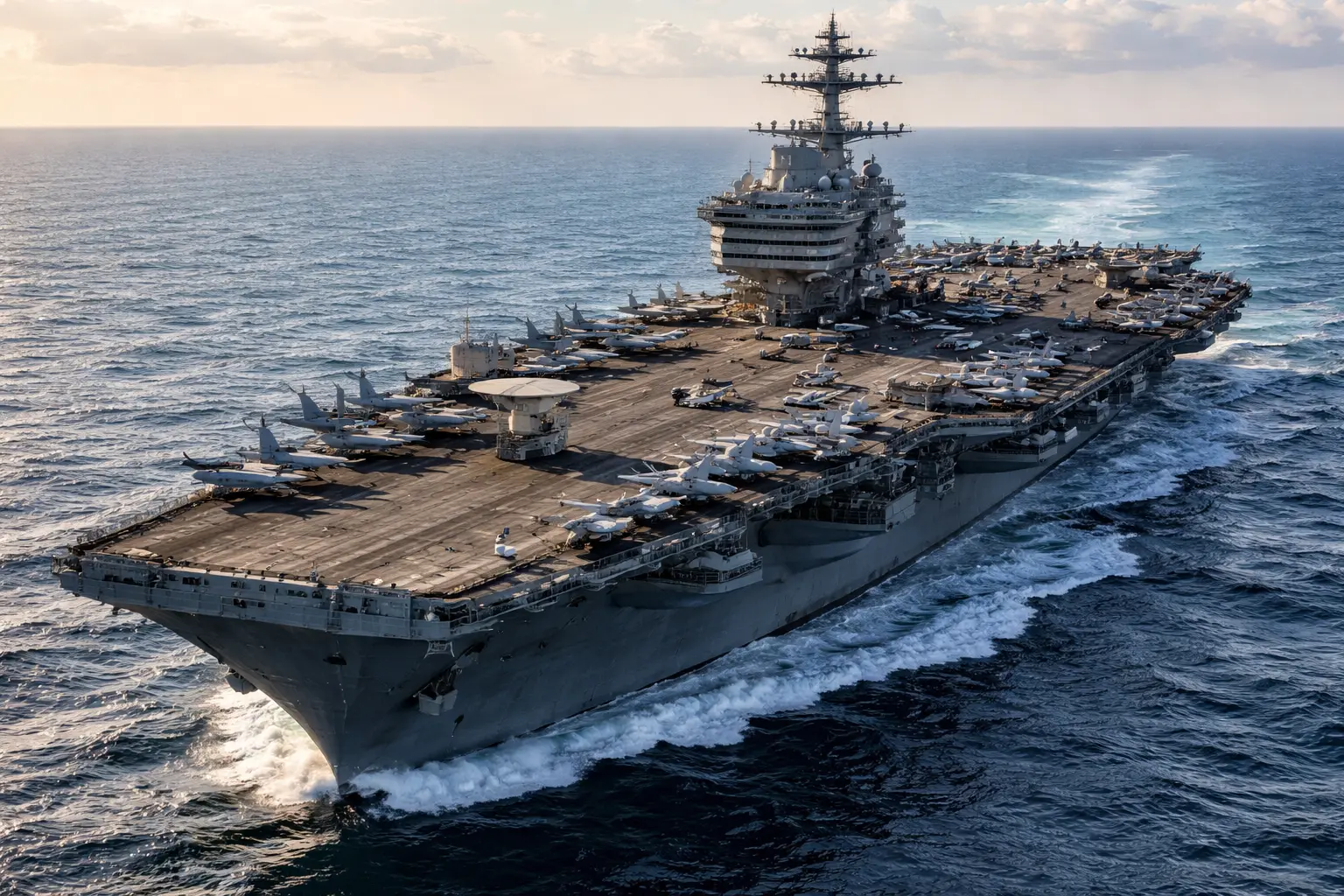
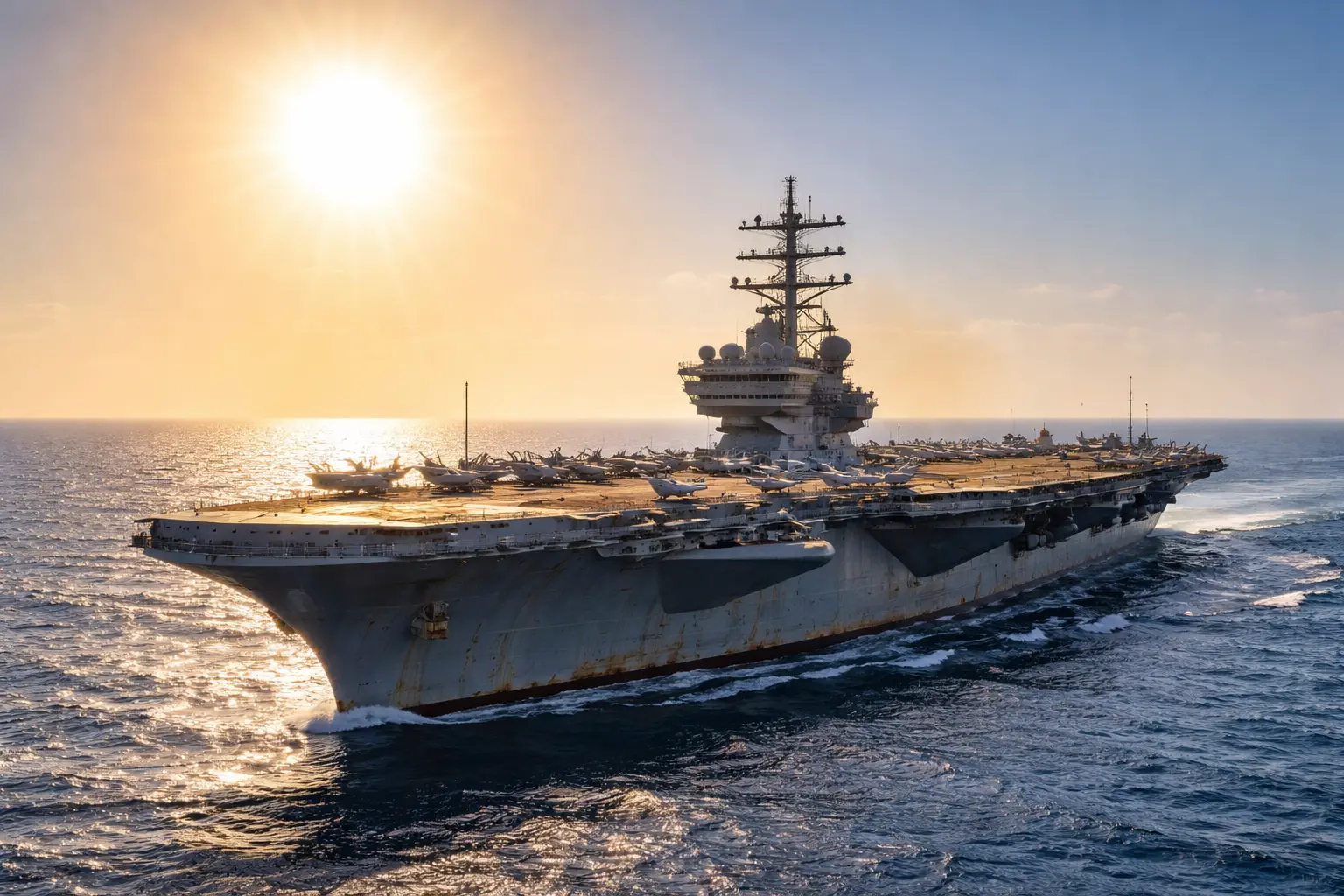
The USS Abraham Lincoln uses high-pressure steam catapults to launch 30-ton fighter jets from zero to 160 mph in two seconds. For recovery, advanced hydraulic arresting gear and steel cables safely decelerate incoming aircraft in just 315 feet.
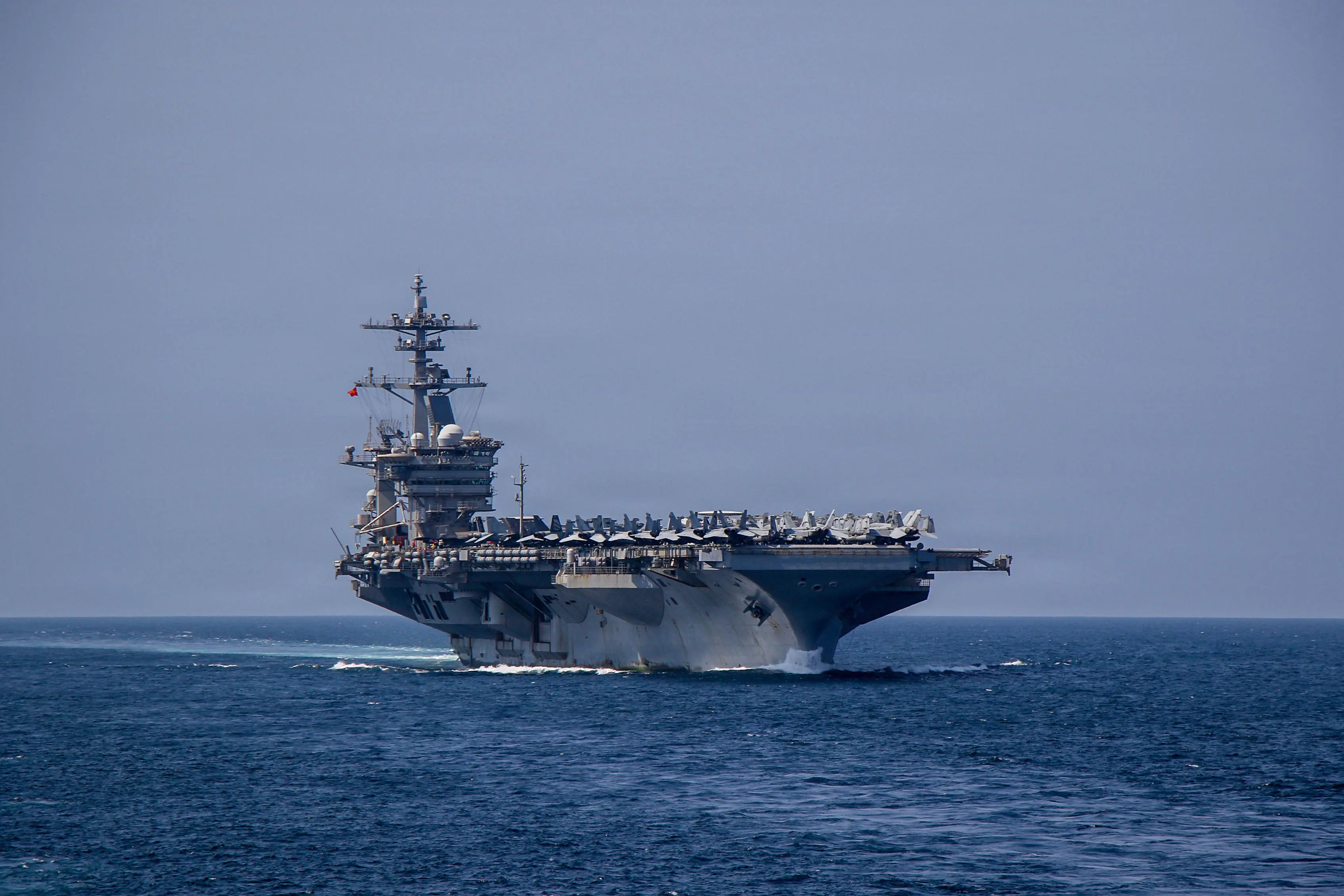
The Steam Catapult System
To launch heavy tactical aircraft from a short 300-foot runway, the $4.7 billion USS Abraham Lincoln relies on four C-13 steam catapults. These massive pneumatic cannons harness high-pressure steam generated by the ship's twin nuclear reactors to generate immense forward thrust.
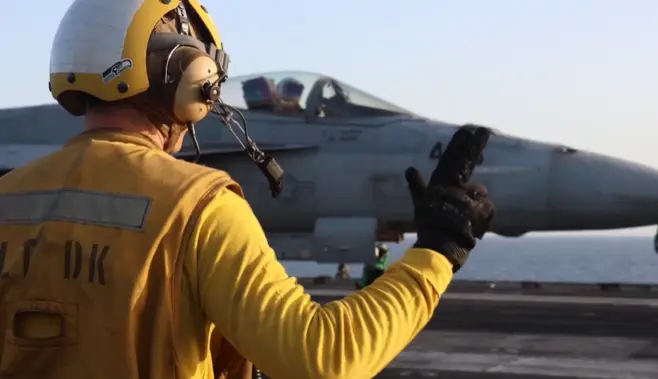
Hooking the Nose Gear
Before launch, the fighter jet taxis onto the catapult track where its nose gear is attached to a steel shuttle. A specially trained flight deck 'shooter' ensures the launch bar is securely locked into the catapult system before giving the final takeoff signal.
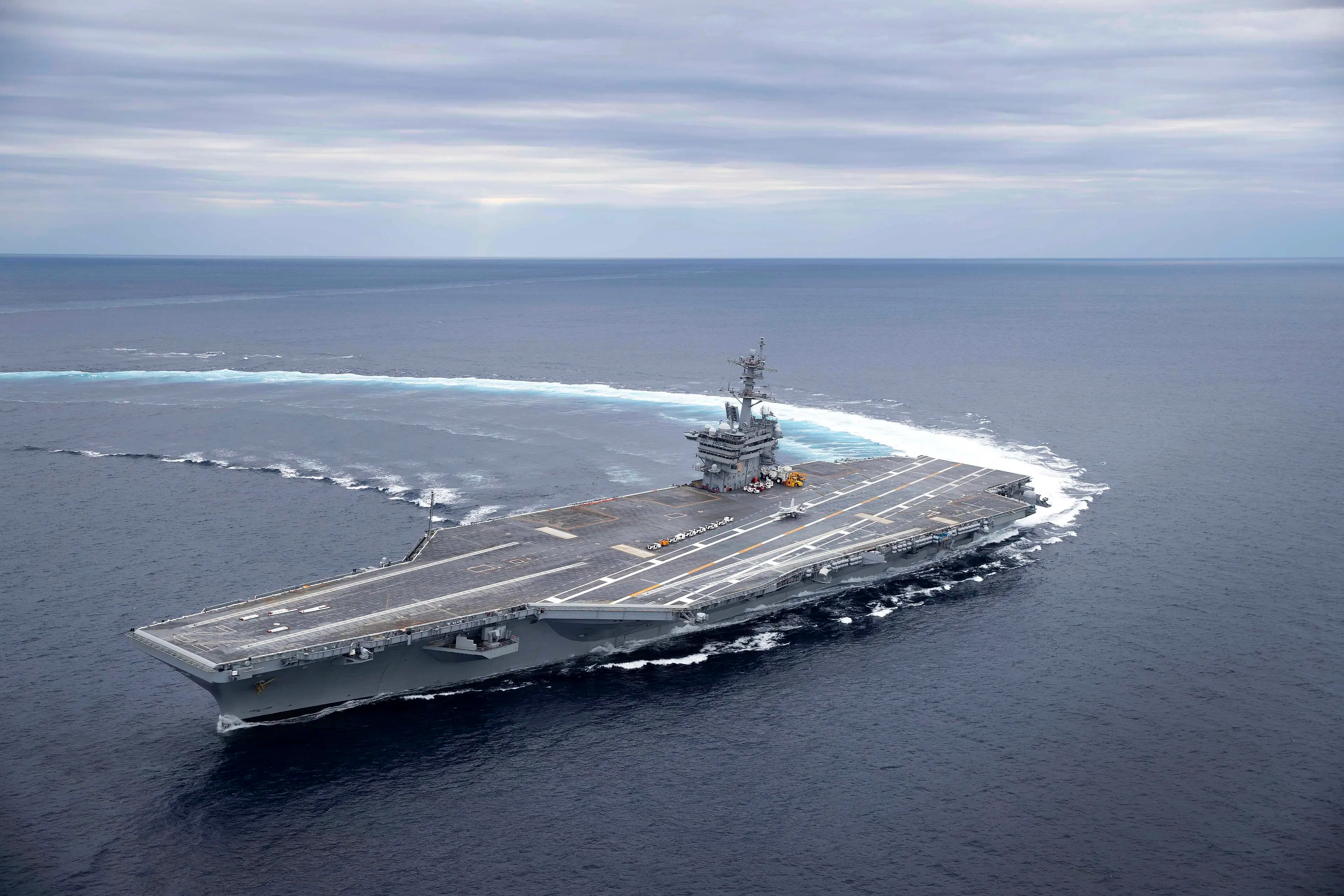
A 160-MPH Launch
Upon the launch command, pressurised steam is instantly released into the catapult cylinders beneath the flight deck. This explosive release of thermodynamic energy hurls a 30-ton F-35C or F/A-18 Super Hornet from zero to 160 miles per hour in just two seconds.
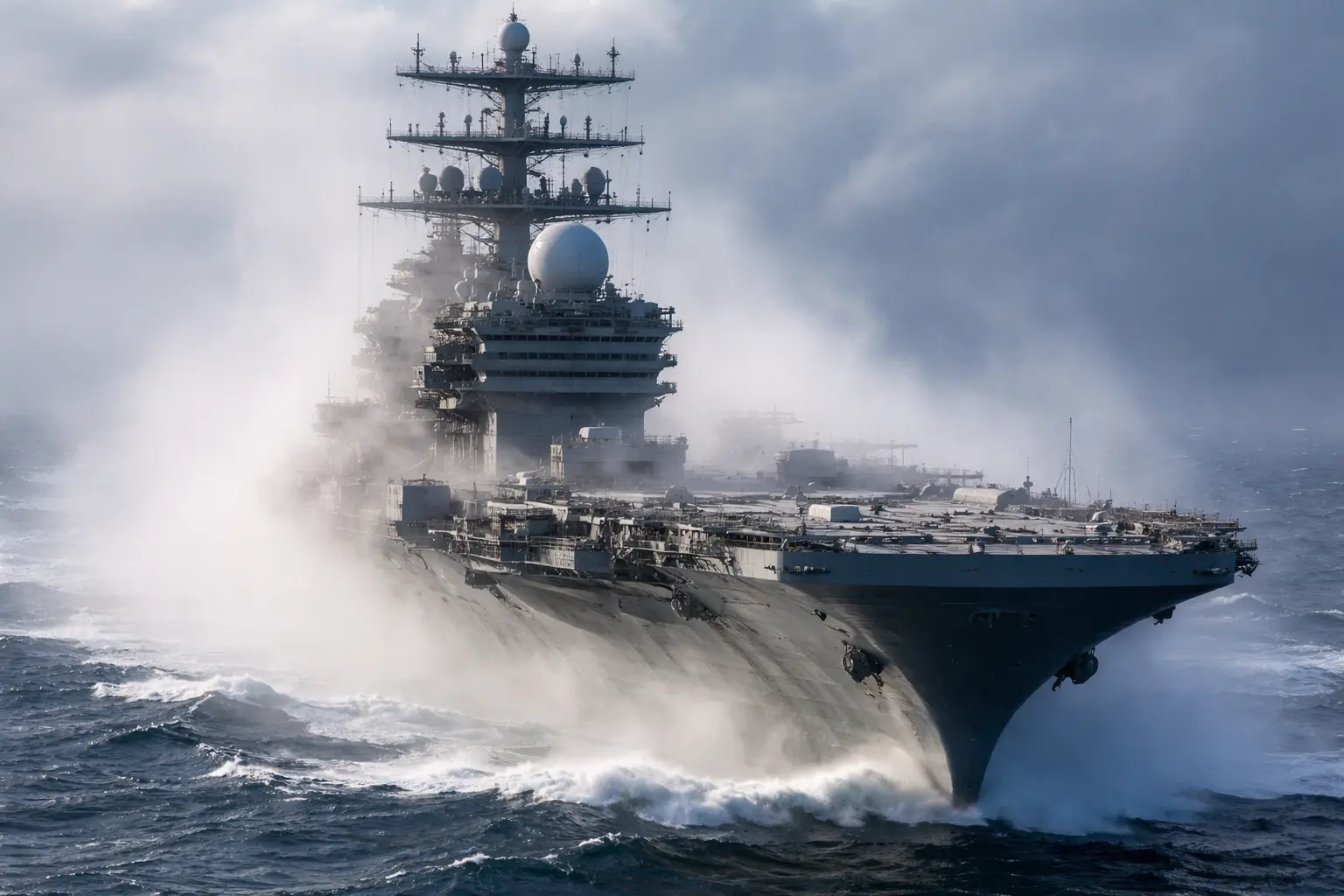
The Optical Landing System
Recovering an aircraft requires pilots to hit a precise target area on a pitching deck moving at speeds exceeding 30 knots. To guide the descent, pilots rely on the Improved Fresnel Lens Optical Landing System, colloquially known as 'the meatball', to maintain the perfect glide slope.
The Arresting Wires
The carrier's landing area features thick, high-tensile steel cables stretched across the flight deck. As the fighter jet touches down, the pilot attempts to snag one of these cross-deck pendants, which demand 100 per cent reliability to prevent a catastrophic crash at sea.
Hydraulic Deceleration
Once the tailhook catches a wire, the Mk 7 arresting gear engines hidden below deck take over the massive physical load. These complex hydraulic shock absorbers smoothly dissipate the aircraft's kinetic energy, decelerating it from 150 miles per hour to a dead stop in just 315 feet.
)
)
)
)
)