‘Stripped and modified’: Why the US military removed the weapons from its Hiroshima nuclear bomber

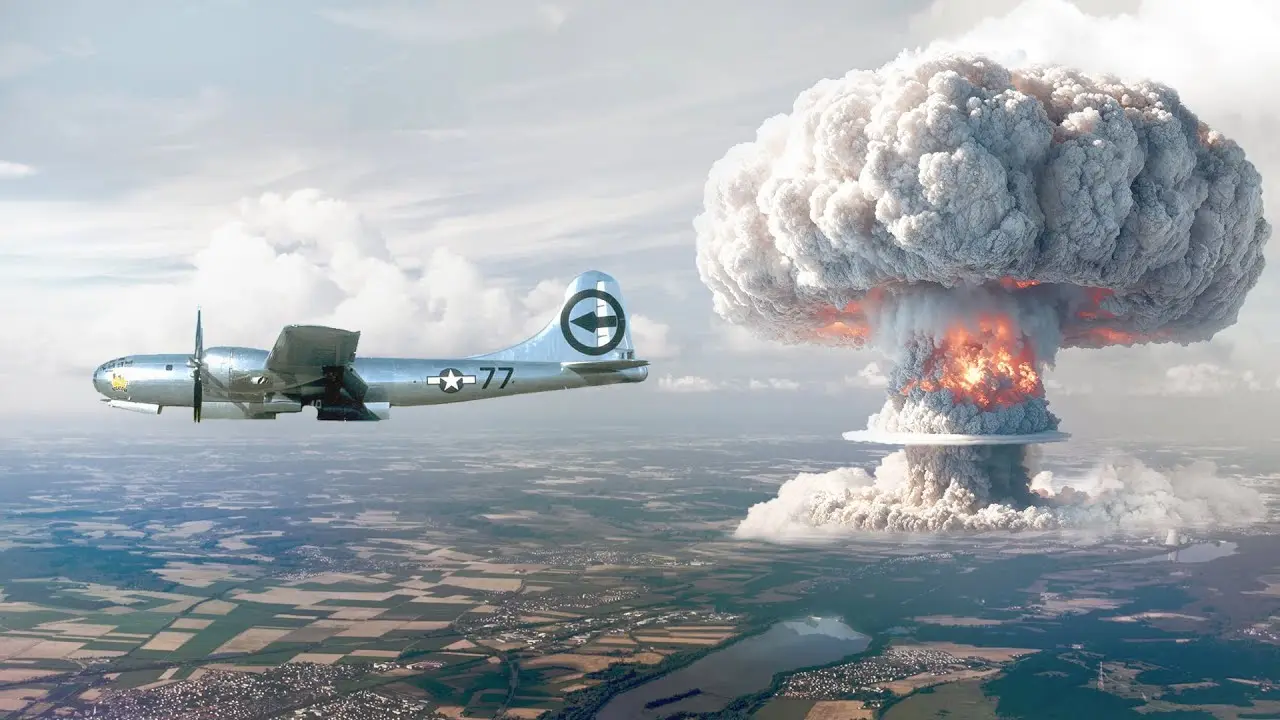
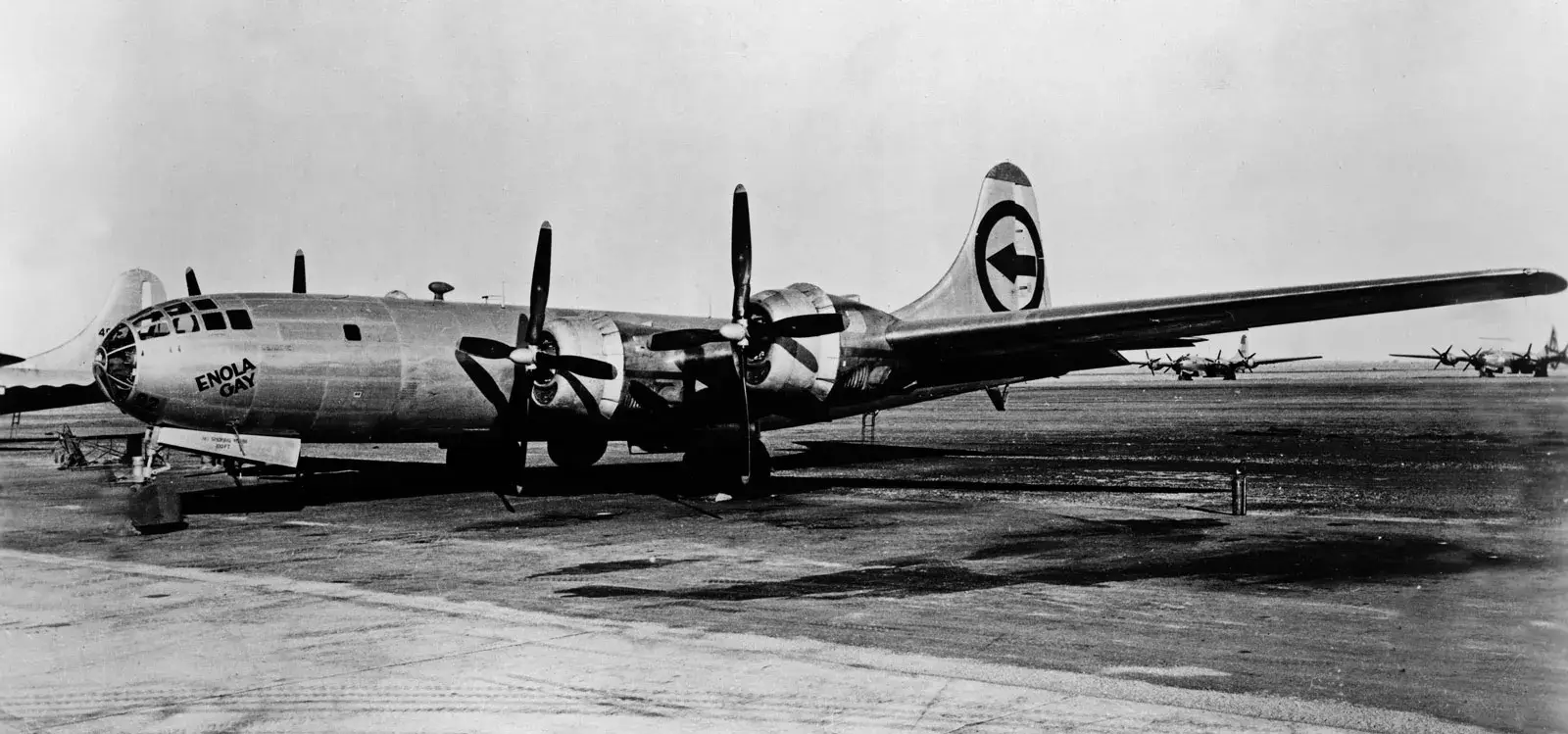
To drop the atomic bomb on Hiroshima, the US military heavily modified the B-29 'Enola Gay' under Project Silverplate. Engineers stripped its armour, upgraded the bomb bay, and created a dedicated station to manually arm the weapon mid-flight.
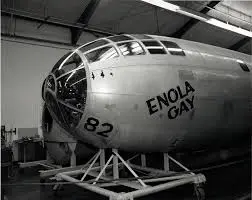
The 'Silverplate' Transformation
Standard B-29 bombers could not physically carry or deploy the new atomic weapons. Under the top-secret 'Project Silverplate', the US military sent select aircraft to the Martin plant in Nebraska for extreme structural modifications to accommodate the massive bomb.
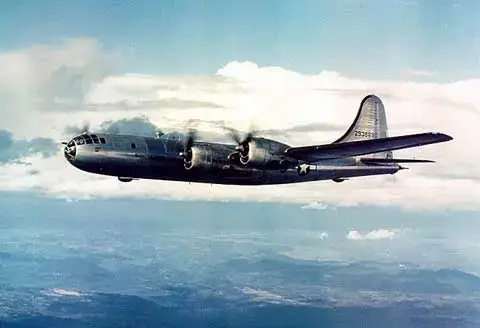
Stripping the Armour
To maximise altitude and speed, engineers aggressively lightened the aircraft. They stripped away heavy defensive armour plating and completely removed all remote-controlled gun turrets, leaving only a single defensive position in the tail of the bomber.
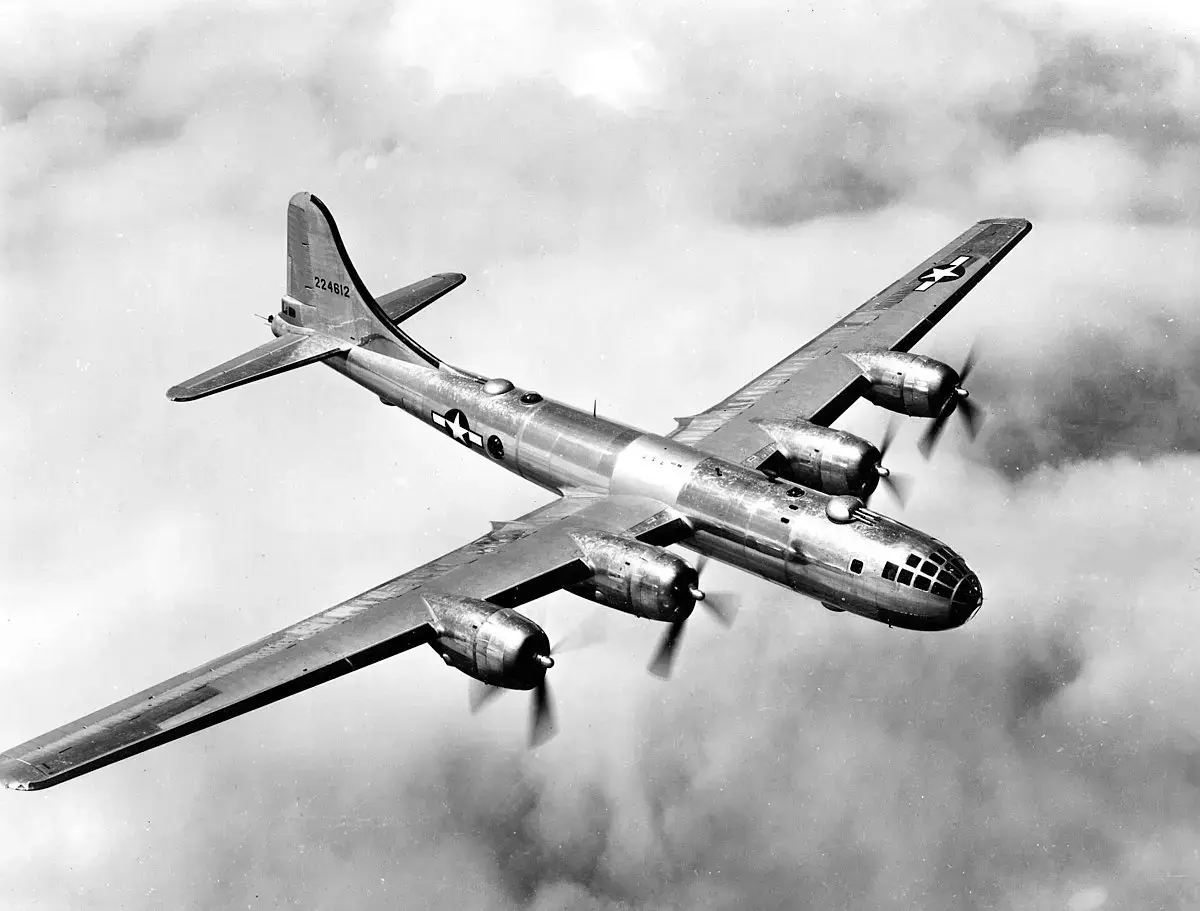
The Custom Bomb Bay
The 9,700-pound uranium bomb, nicknamed 'Little Boy', was too large for conventional racks. Engineers heavily modified the front bomb bay, installing a custom weapons adapter frame and pneumatic doors that could rapidly open and close within seconds.
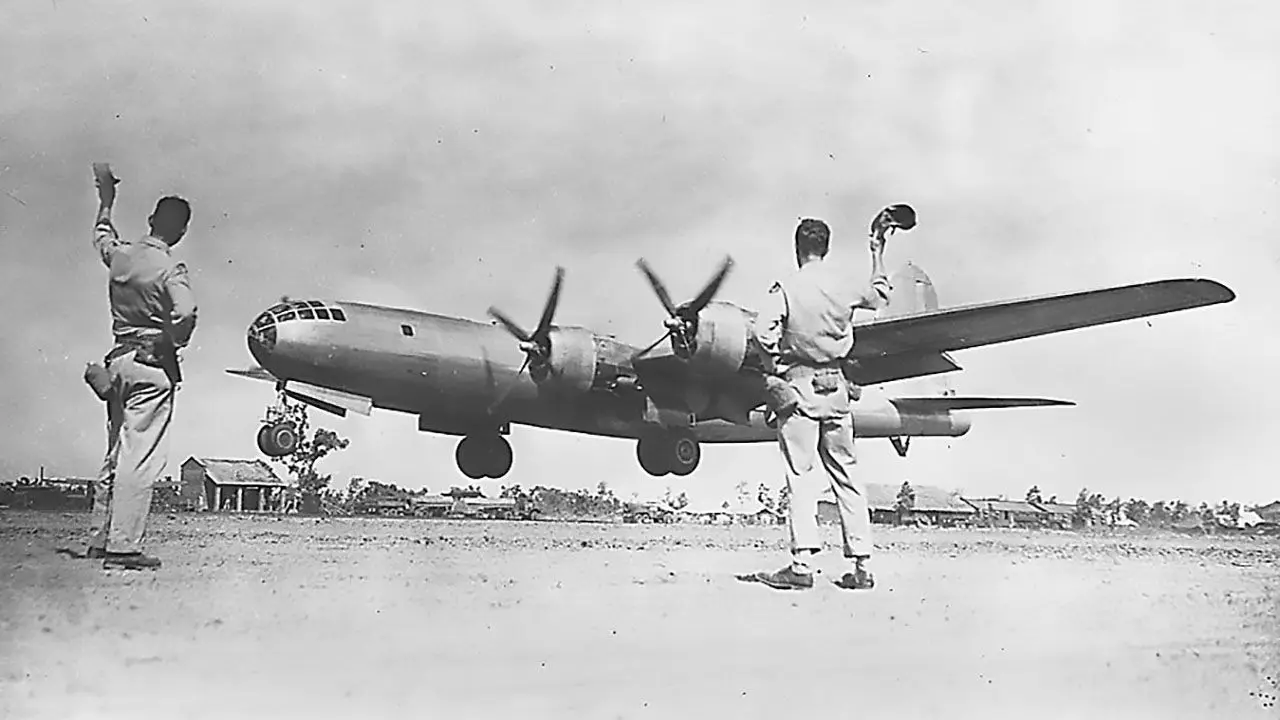
Upgraded Propulsion
Carrying such a concentrated, massive payload required superior aerodynamics and engine reliability. The military upgraded the Enola Gay with advanced fuel-injected engines and special Curtiss electric reversible-pitch propellers to ensure safer takeoffs and landings.
The Weaponeer Station
A brand-new crew position was created in the forward compartment specifically for the 'Weaponeer'. This station featured complex instruments, controls, and quick-release cabling that connected directly to the nuclear weapon resting in the bomb bay.
Preventing a Takeoff Disaster
Taking off from Tinian Island with a fully armed nuclear weapon was deemed incredibly dangerous, as heavily loaded B-29s frequently crashed upon departure. To prevent accidentally wiping out the airbase, the bomb was loaded onto the aircraft completely unarmed.
Armed in Mid-Air
During the flight to Japan, Navy Captain William 'Deak' Parsons crawled into the unpressurised bomb bay to manually insert the explosive powder charges. The weapon was finally armed just hours before the Enola Gay reached the skies over Hiroshima.
)
)
)
)
)