‘Strait of Hormuz disruption’: How the US‑Iran conflict will shake global markets

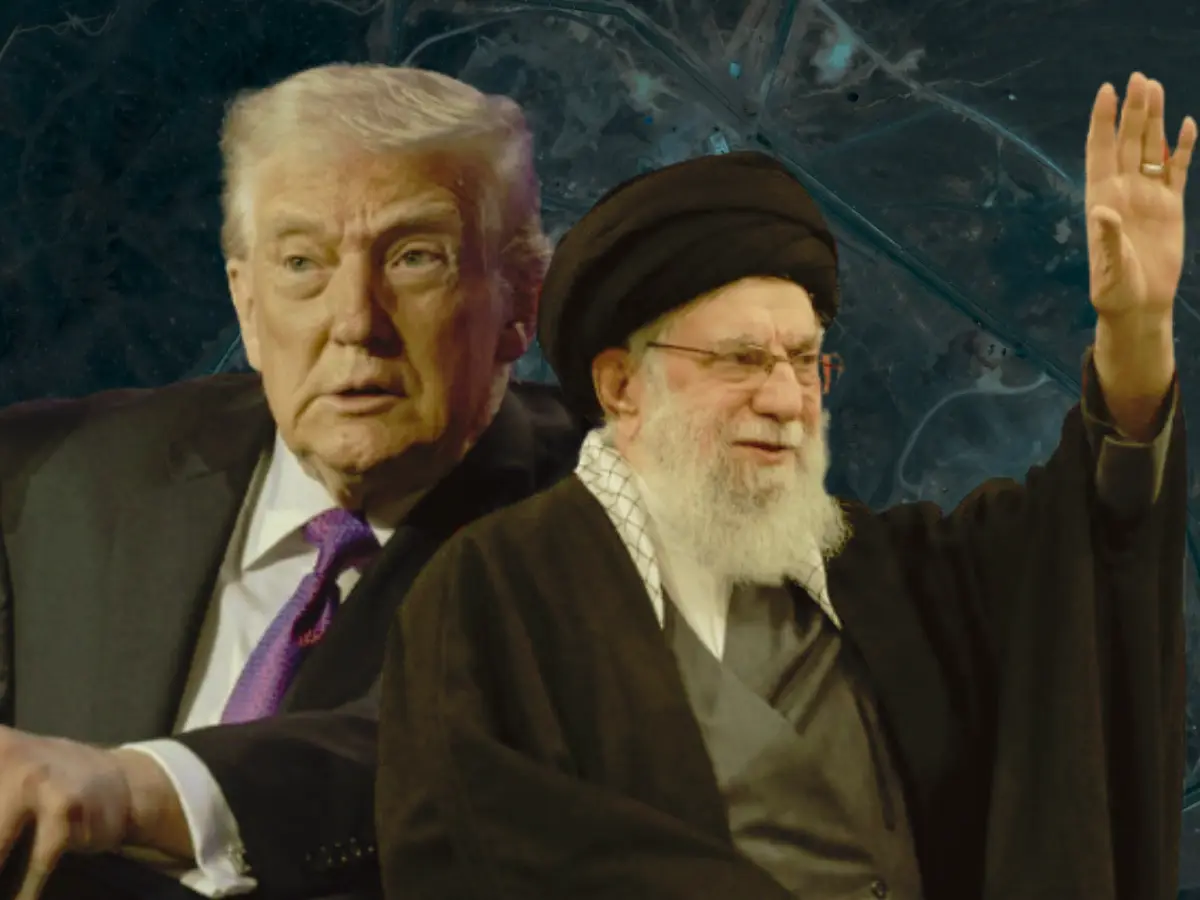
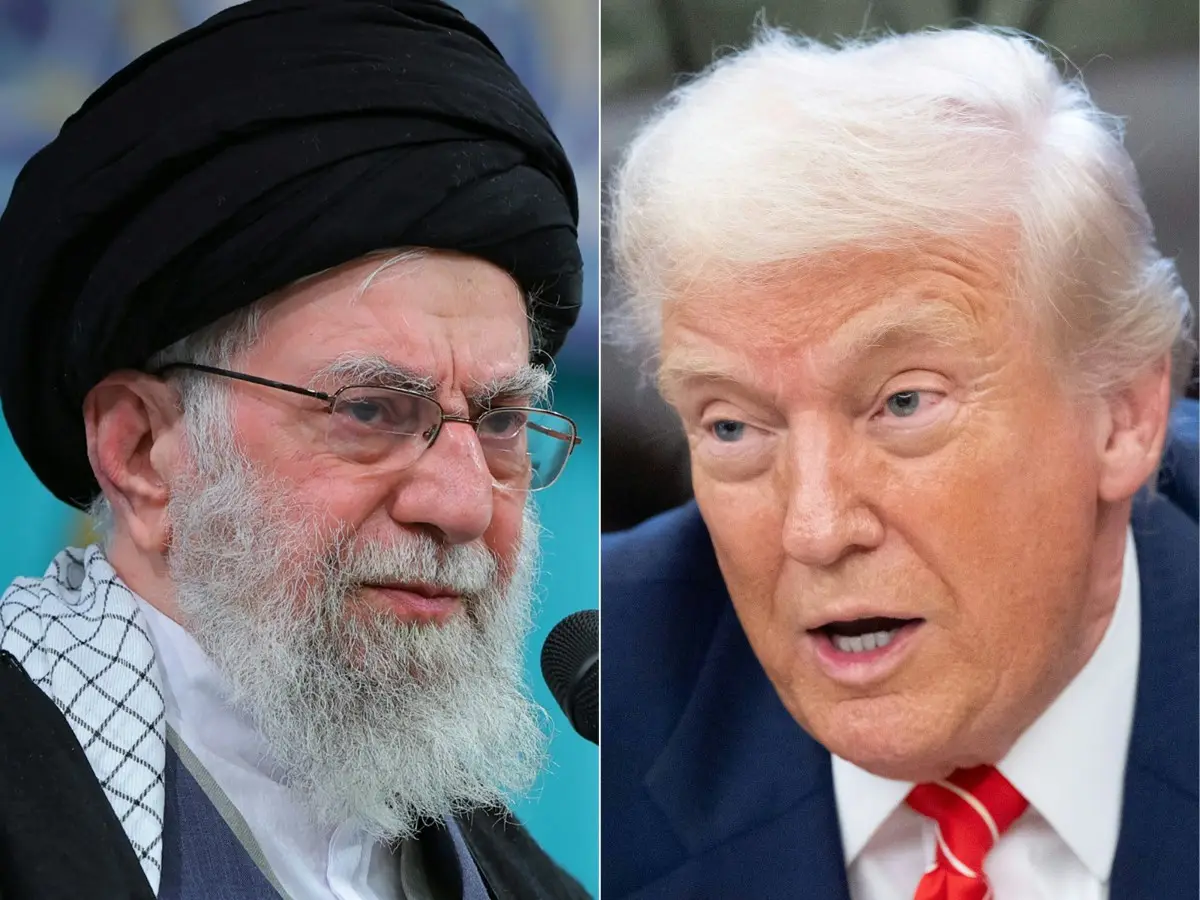
Following US President Donald Trump’s announcement of major combat operations against Iran, global financial markets are bracing for severe turbulence. Unlike recent geopolitical events in Venezuela, this conflict threatens the Strait of Hormuz, a critical global oil chokepoint.
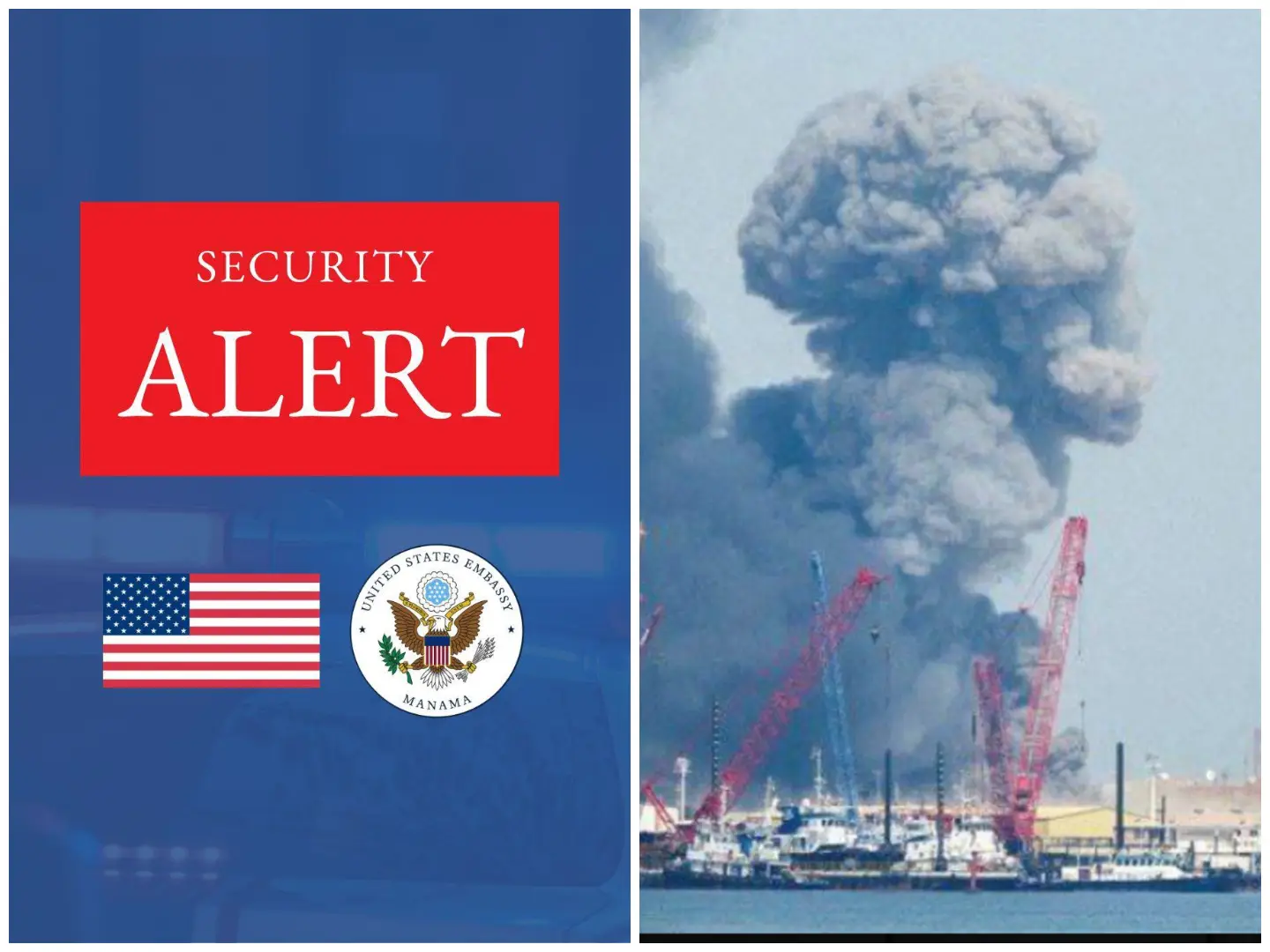
Major combat operations begin
Following President Donald Trump's announcement of major combat operations against Iran, several ministries in Tehran were targeted. Reuters quoted an unidentified Iranian official confirming the strikes, instantly raising fears of a wider regional conflict affecting global trade.
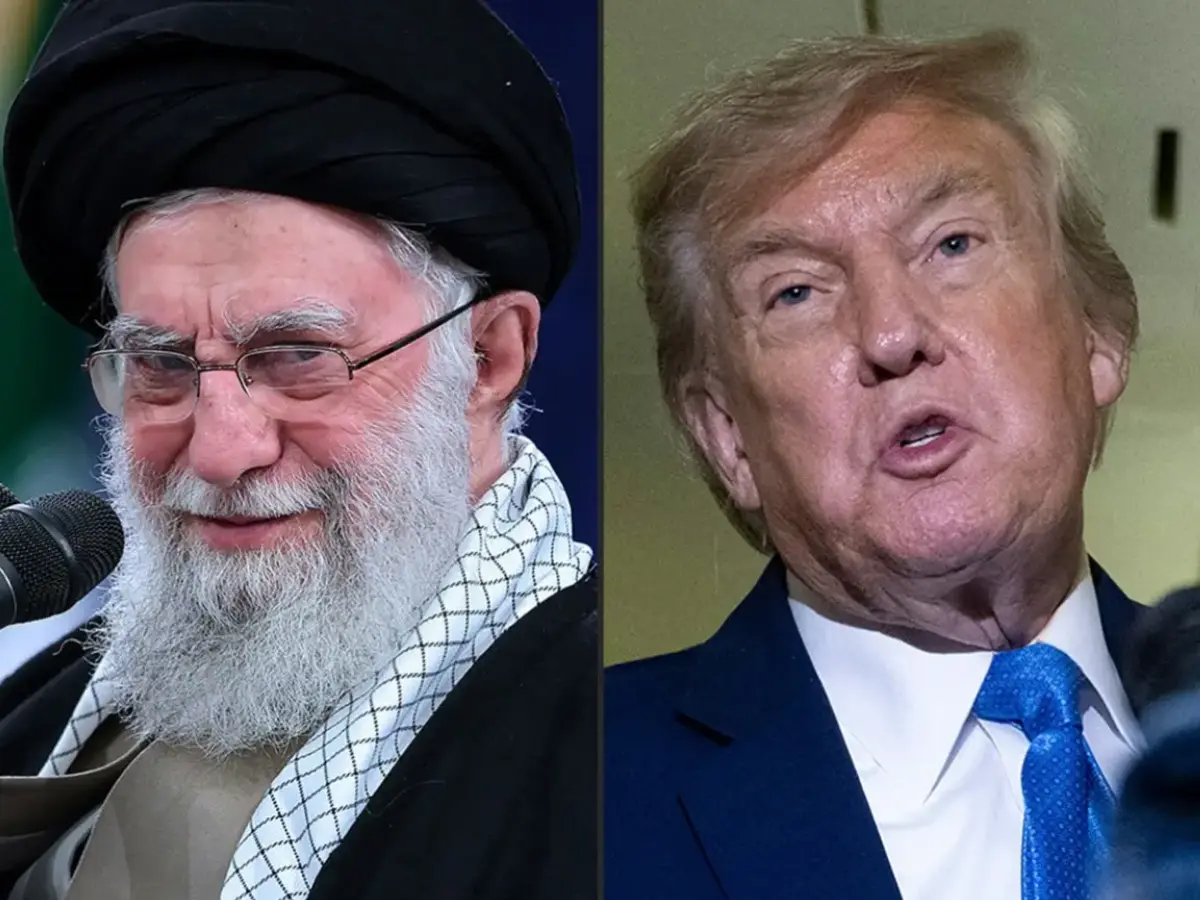
A critical global chokepoint
Market watchers view this conflict as significantly more disruptive than the recent capture of Venezuela's Nicolás Maduro. Kenneth Goh from UOB Kay Hian noted that while Venezuela was a production issue, Iran represents a major chokepoint story for global energy supplies.
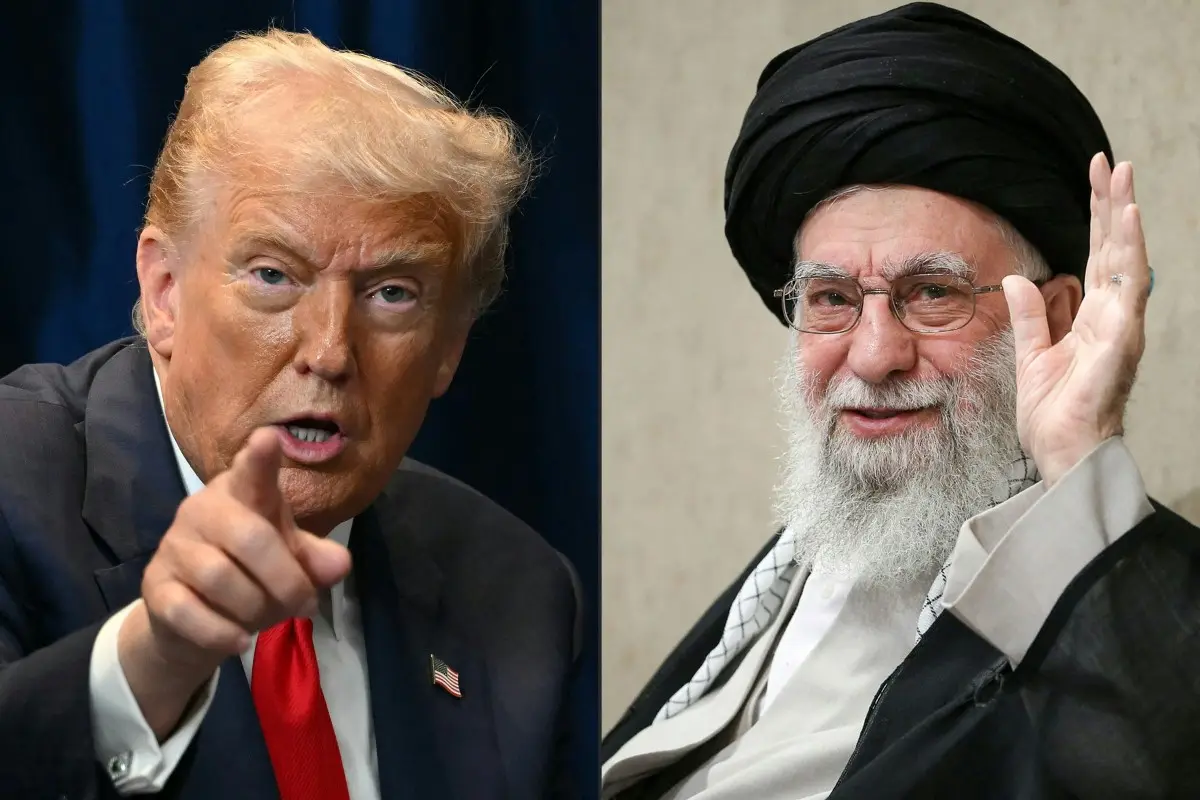
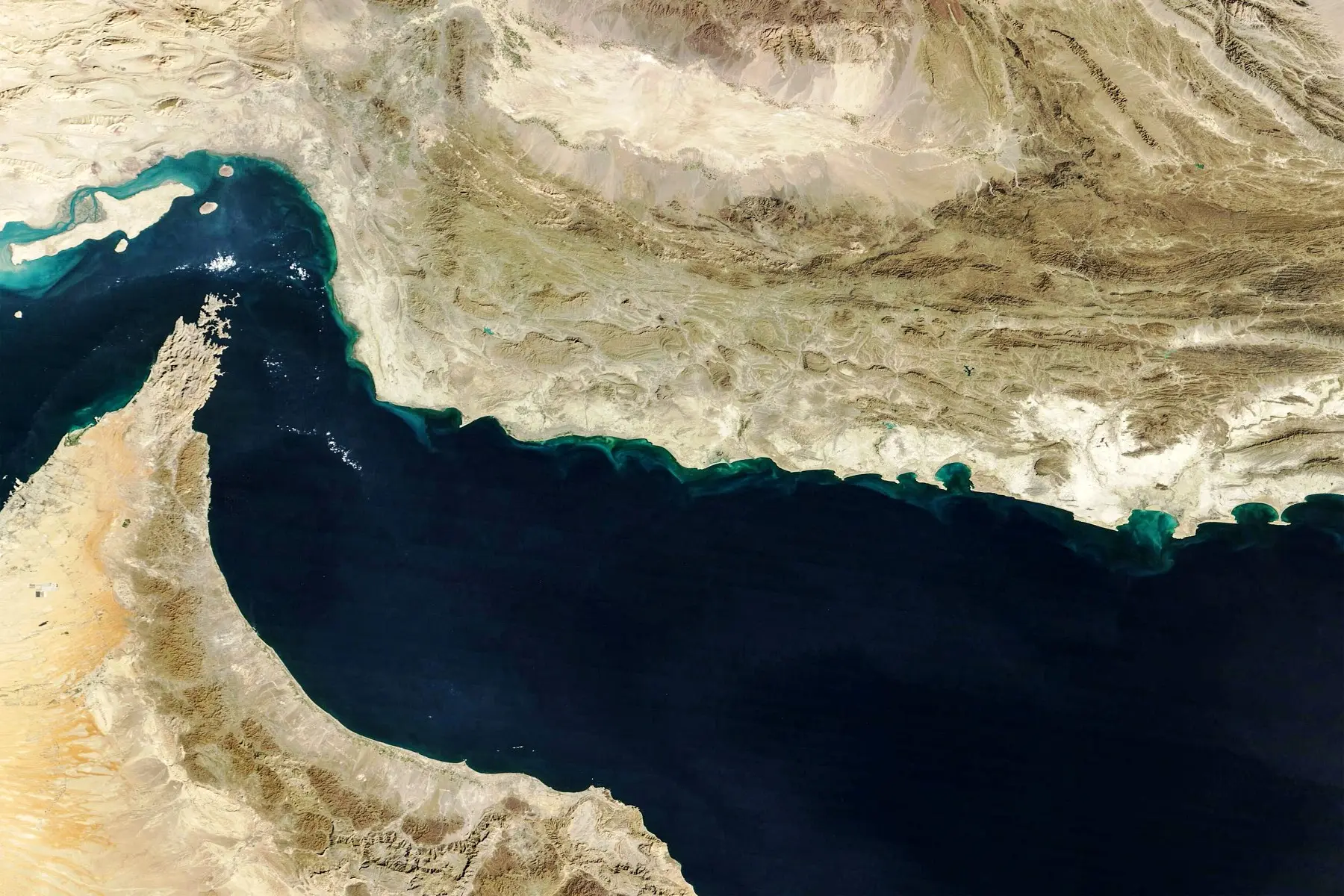
Threat to the Strait of Hormuz
The Strait of Hormuz is one of the world's most vital energy transit routes. According to market intelligence firm Kpler, about 13 million barrels of crude oil transited the strait daily in 2025, accounting for roughly 31 per cent of global seaborne crude flows.
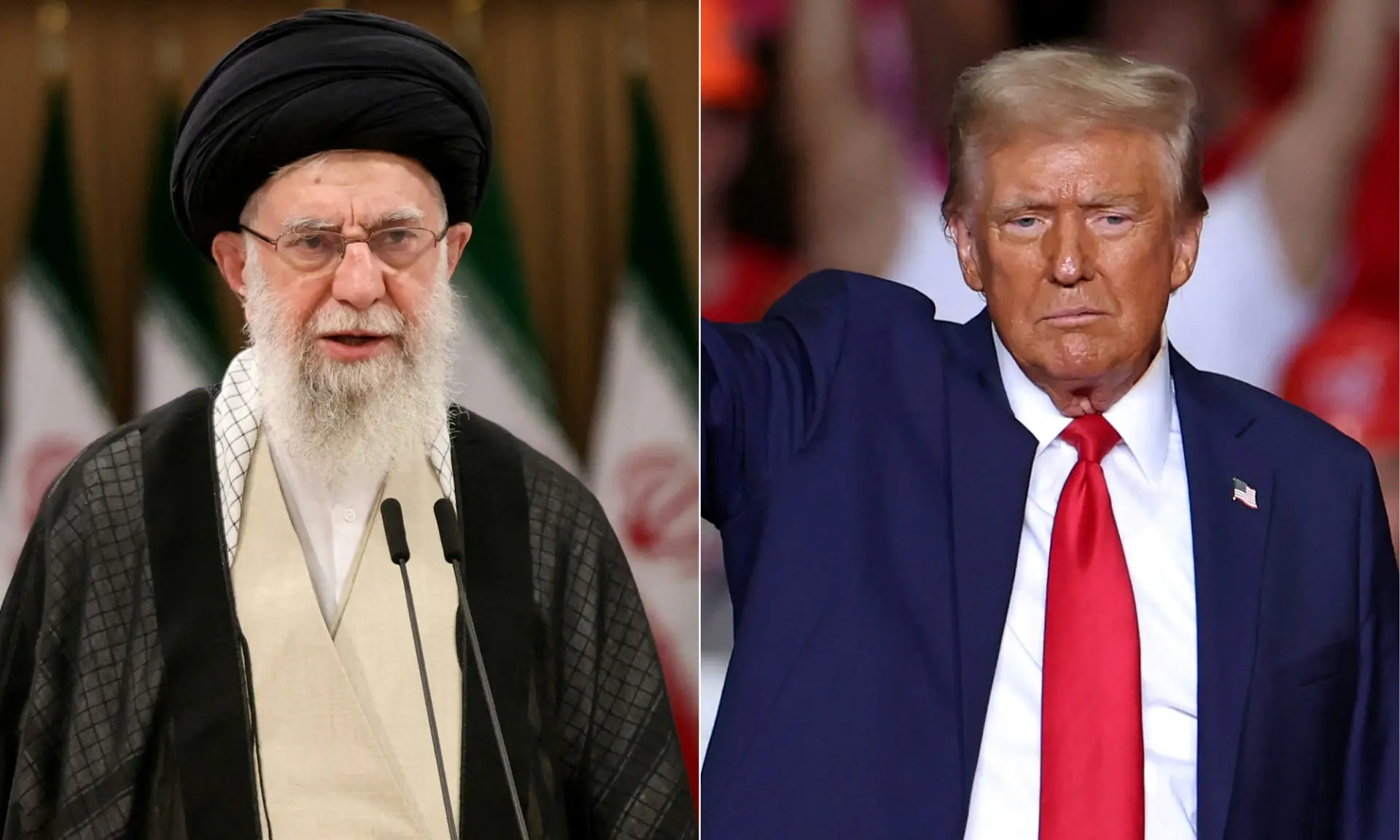
Oil prices expected to surge
Experts anticipate a sharp market reaction when trading opens, with oil prices potentially jumping by 5 to 10 per cent. Alicia García-Herrero of Natixis projected that global equities could fall between 1 and 2 per cent as investors absorb the shock.
The flight to safe-haven assets
Analysts predict a rapid shift toward risk-off trading as market uncertainty mounts. Investors are expected to rush into safe-haven assets, strengthening the US dollar, the Japanese yen, and gold while moving away from cyclical equities.
Duration dictates market impact
The long-term financial reaction depends heavily on the military campaign's duration. David Roche of Quantum Strategy stated that while a short conflict might cause brief volatility, a prolonged regime change effort would prompt markets to react rather badly.
Asian markets face high risks
A prolonged retaliation by Iran would heavily impact Asian markets due to their deep reliance on stable energy supplies and secure trade routes. Billy Leung from Global X ETFs expects heightened volatility across these economies as global equities open lower.
)
)
)
)
)