'Spotting a Golf Ball': How the USS Spruance tracks tiny drones for the USS Abraham Lincoln

The USS Spruance uses the Aegis radar system to track and destroy small drone swarms. The guided-missile destroyer provides a multi-layered defensive shield for the USS Abraham Lincoln carrier strike group in the Arabian Sea.
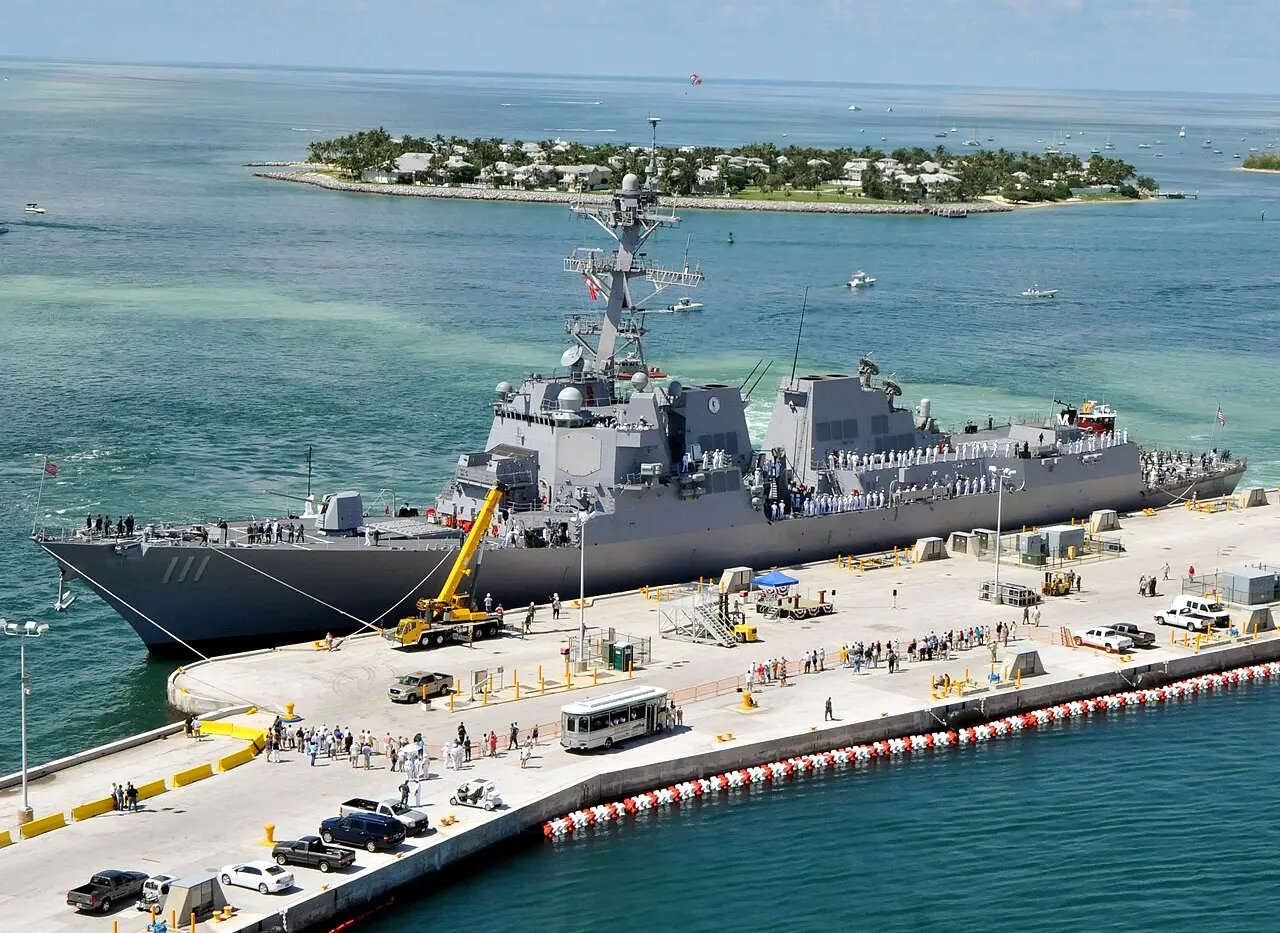
Spotting 1.6-Inch Aerial Targets
The USS Spruance uses the AN/SPY-1D(V) phased array radar to scan the skies with true 360-degree coverage. Naval operators liken its extreme precision to detecting an incoming threat with the radar cross-section (RCS) of a golf ball, which measures just 1.68 inches. This high-fidelity sensitivity allows the system to achieve radar lock on over 100 targets simultaneously, making it vital for spotting and neutralizing small, low-flying drone swarms over ocean clutter.
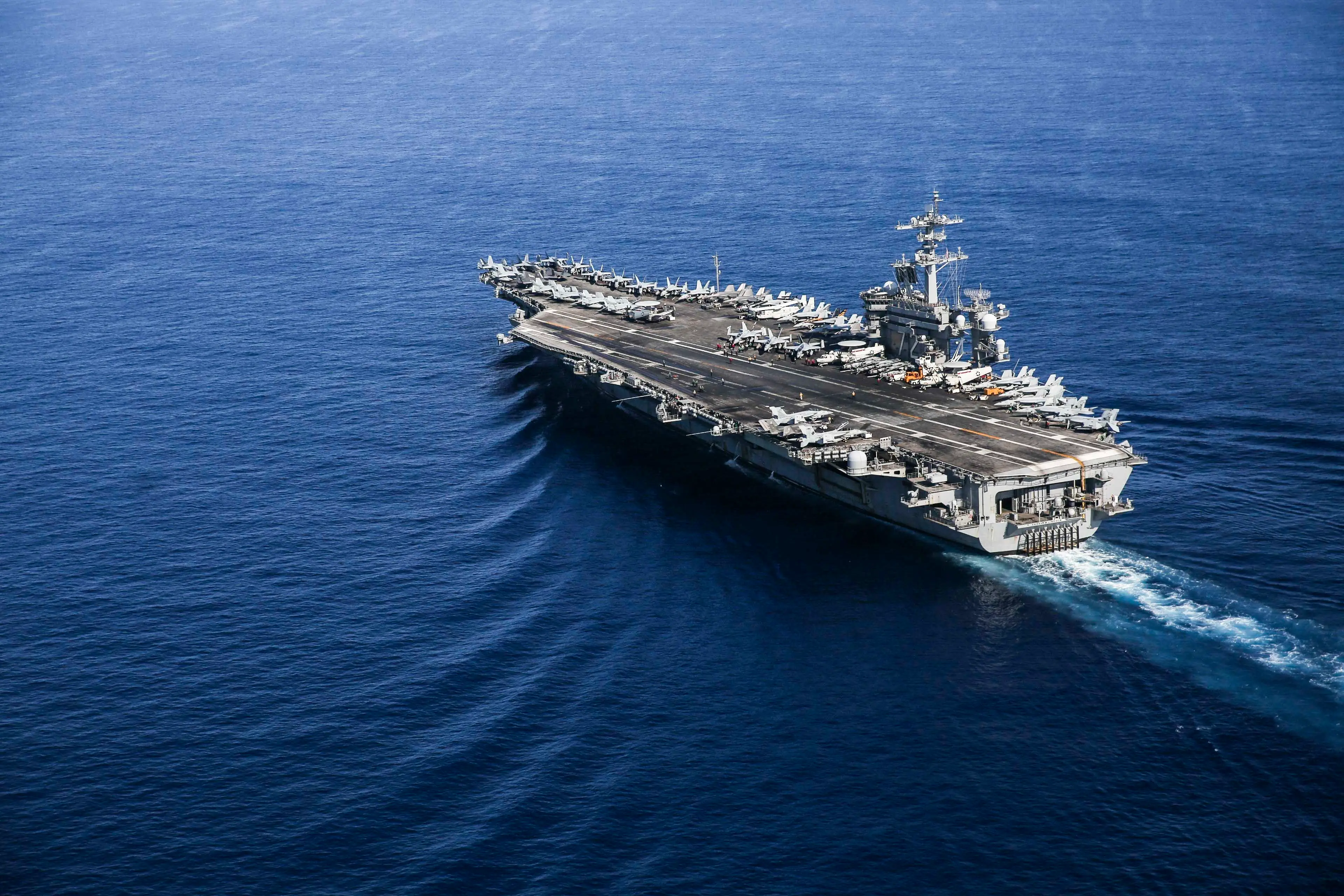
Guarding 104,300-Tonne Carrier
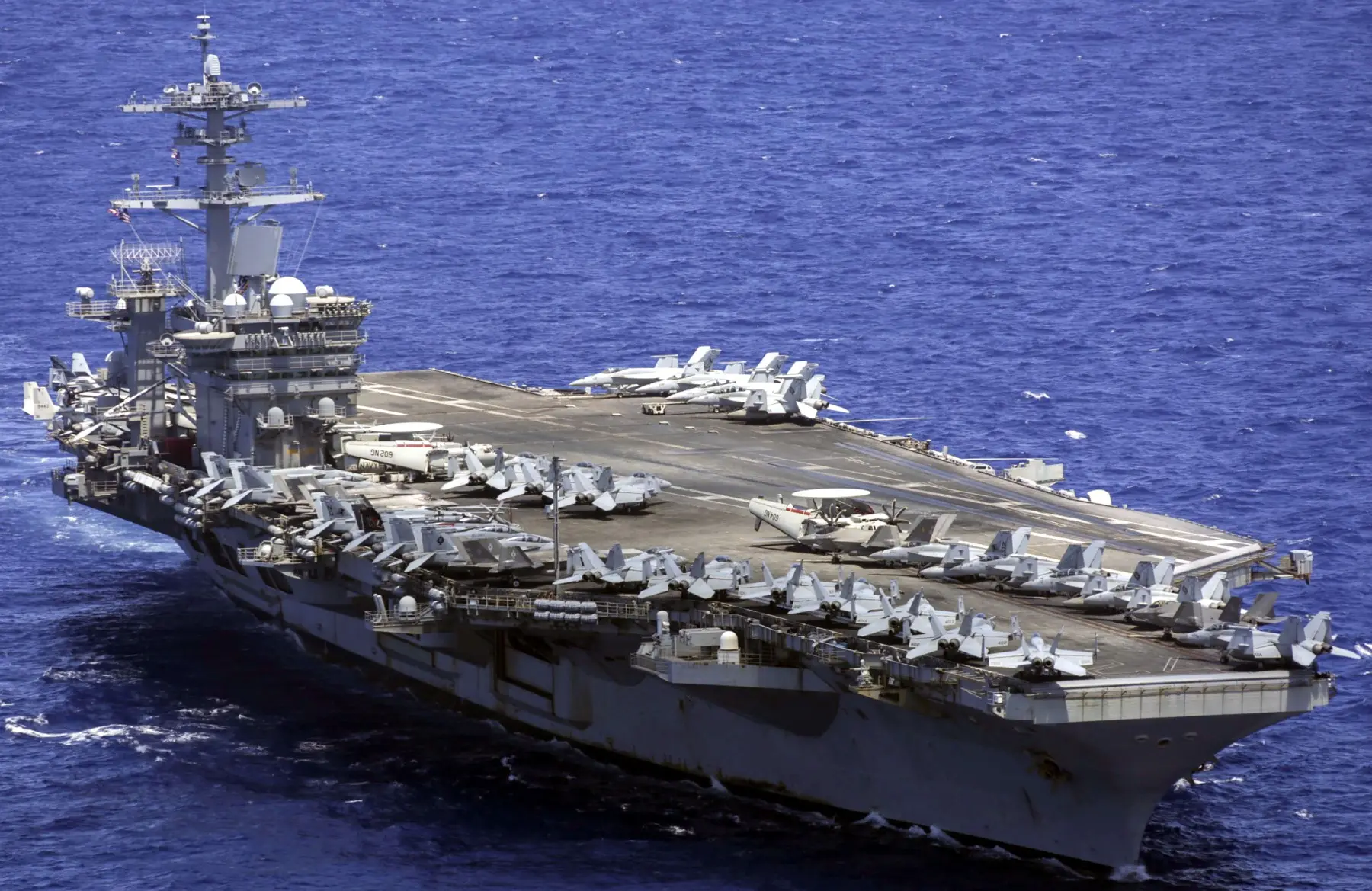
As part of Carrier Strike Group 3, the Spruance serves as a primary escort for the USS Abraham Lincoln. To protect the 104,300-tonne Nimitz-class carrier, the destroyer maintains a strict 50-mile safety ring ahead of the flagship to intercept incoming threats before they can close in. This forward defensive posture ensures the carrier can safely launch its F-35C and F/A-18E/F fighter jets during combat deployments in the Arabian Sea.
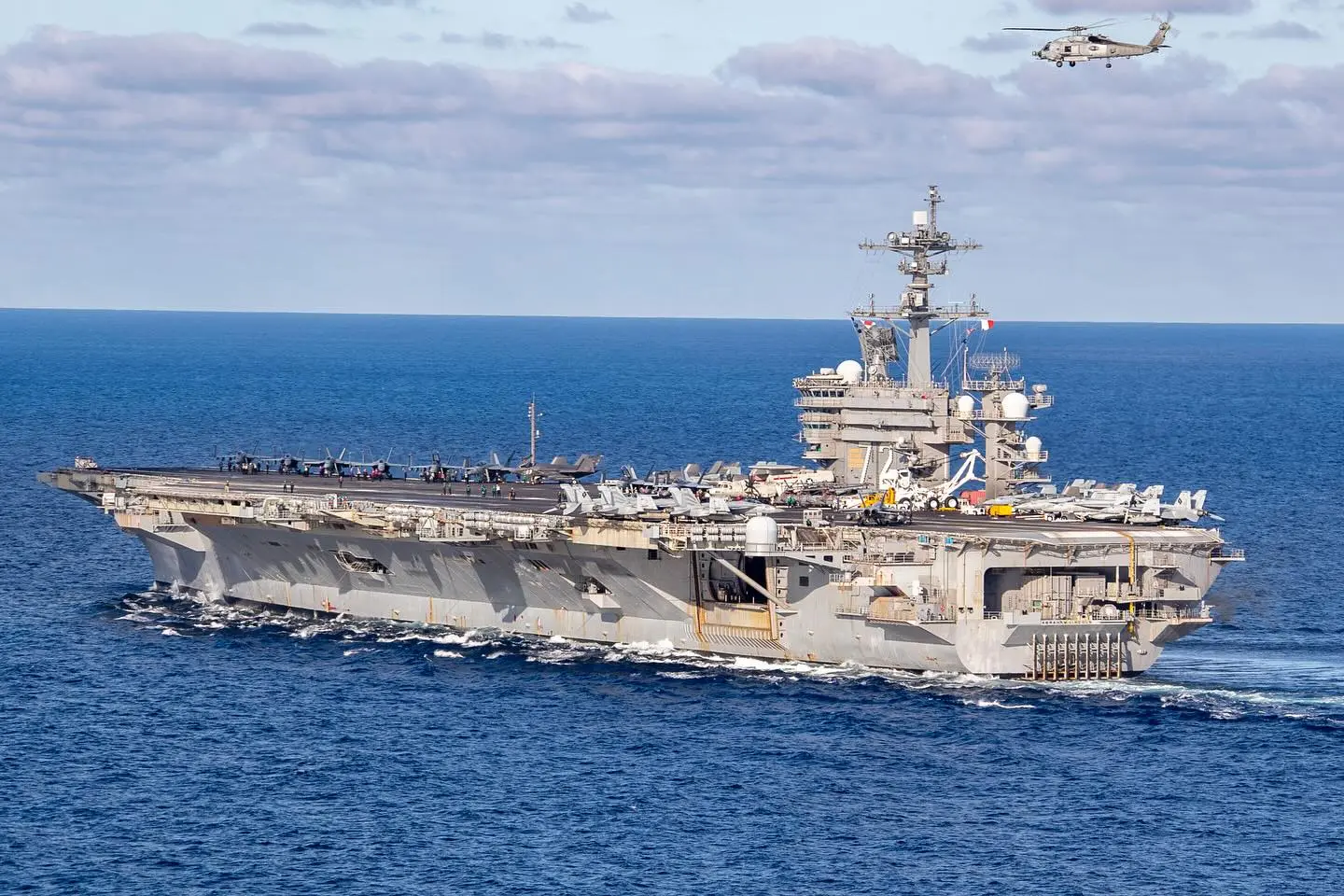
96-Cell VLS Missile Arsenal
To neutralise aerial threats, the destroyer relies on a 96-cell Mark 41 Vertical Launching System. This arsenal fires an array of interceptors, including the RIM-162 Evolved SeaSparrow Missile. The system is specifically designed to track and destroy fast-moving, highly manoeuvrable unmanned aerial vehicles at long ranges.
Deploying 1 ODIN Laser Weapon
The US Navy previously installed the ODIN solid-state laser system on the Spruance in 2020. This non-kinetic directed energy weapon targets the optical sensors of incoming hostile drones. It effectively blinds the aircraft, rendering them useless without the need to fire an expensive interceptor missile.
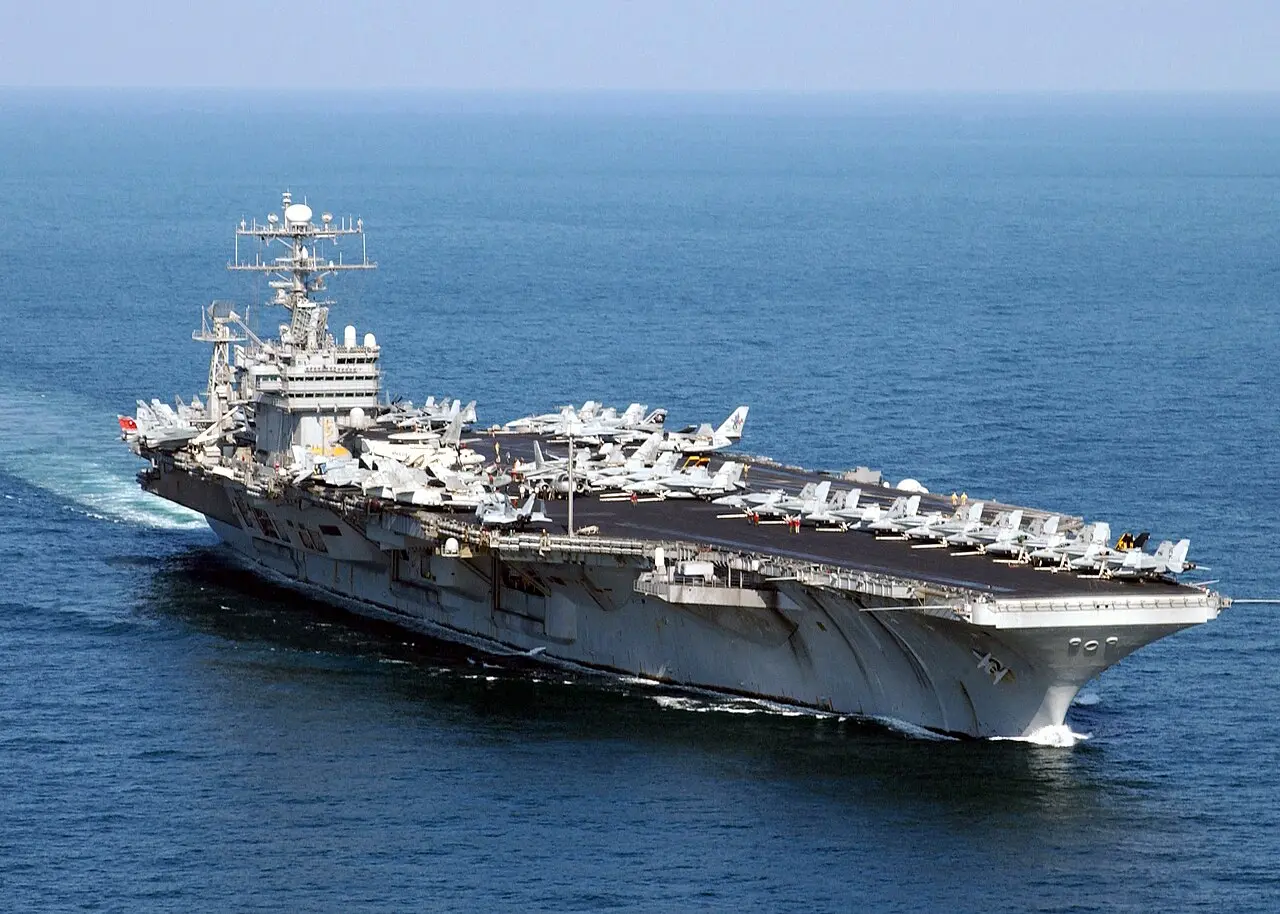
Engaging With 5-Inch Naval Guns
When threats breach the outer missile defenses, the warship engages its 5-inch, 54-caliber Mark-45 naval gun. This fully automated cannon is mounted on the forward deck and serves as a critical weapon for close combat. Firing explosive rounds at an operational rate of 20 rounds per minute, it is designed to rapidly take out approaching surface vessels and low-altitude drone swarms.
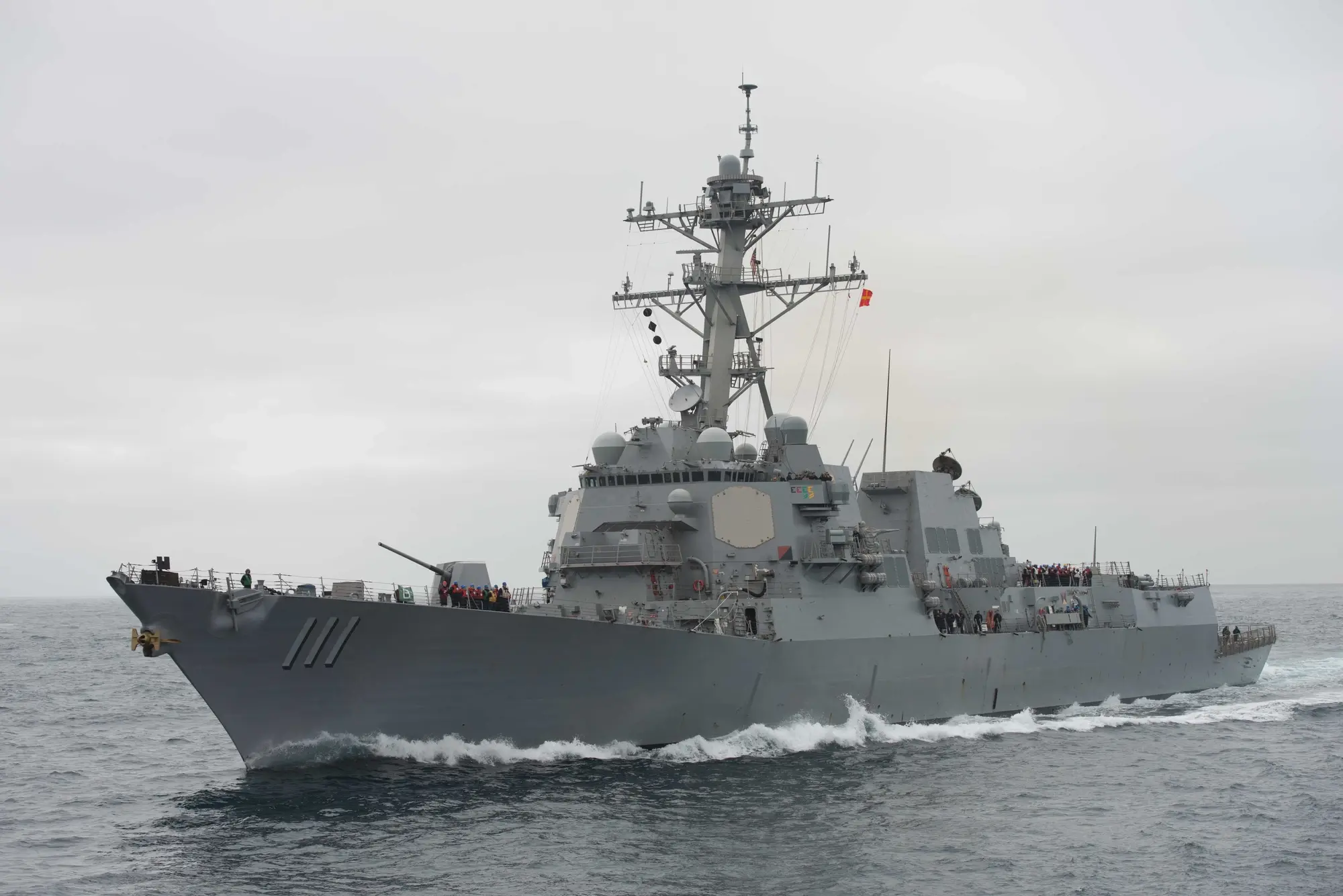
Firing 20mm Phalanx CIWS
If a drone manages to evade all other layers, the ship activates its Phalanx Close-In Weapon System. This automated, radar-guided gun acts as the last line of defence. It fires 20mm armour-piercing rounds at a high rate to shred rapidly approaching targets just moments before impact.
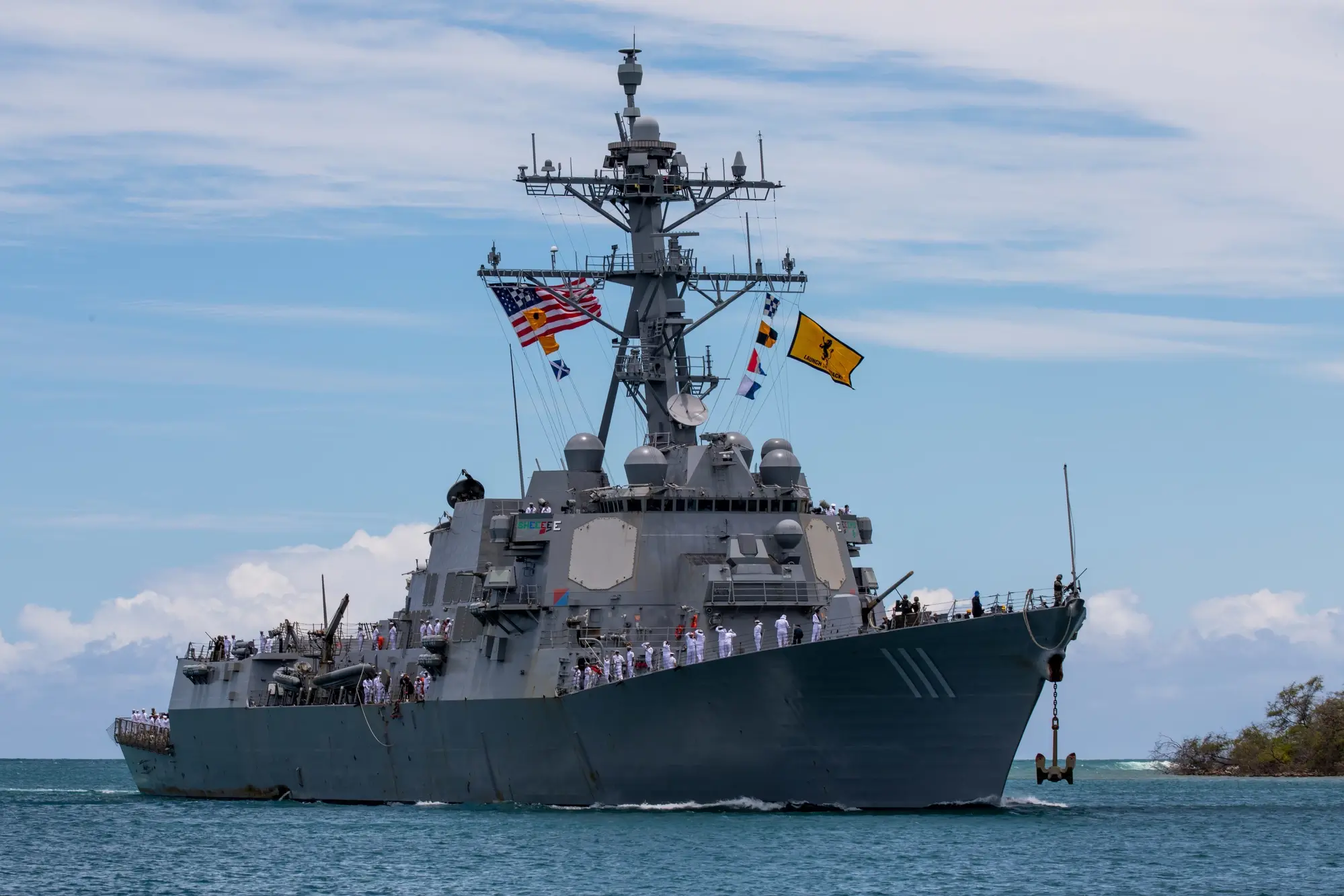
Stopping 2,000-Kilometre Range Drones
The Spruance actively tracks advanced loitering munitions, such as the Iranian Shahed-139. These unmanned aerial vehicles boast an operational range of up to 2,000 kilometres. By fusing data from multiple advanced sensors, the warship eliminates these long-range threats before they can strike the carrier strike group.
)
)
)
)
)