'Speeding over 24,000 km/h': 7 key facts about the US’ Minuteman III intercontinental ballistic missile

It was designed for rapid response and long-range reach and has served in this role continuously since June 1970, helping to deter nuclear attack against the United States and its allies.
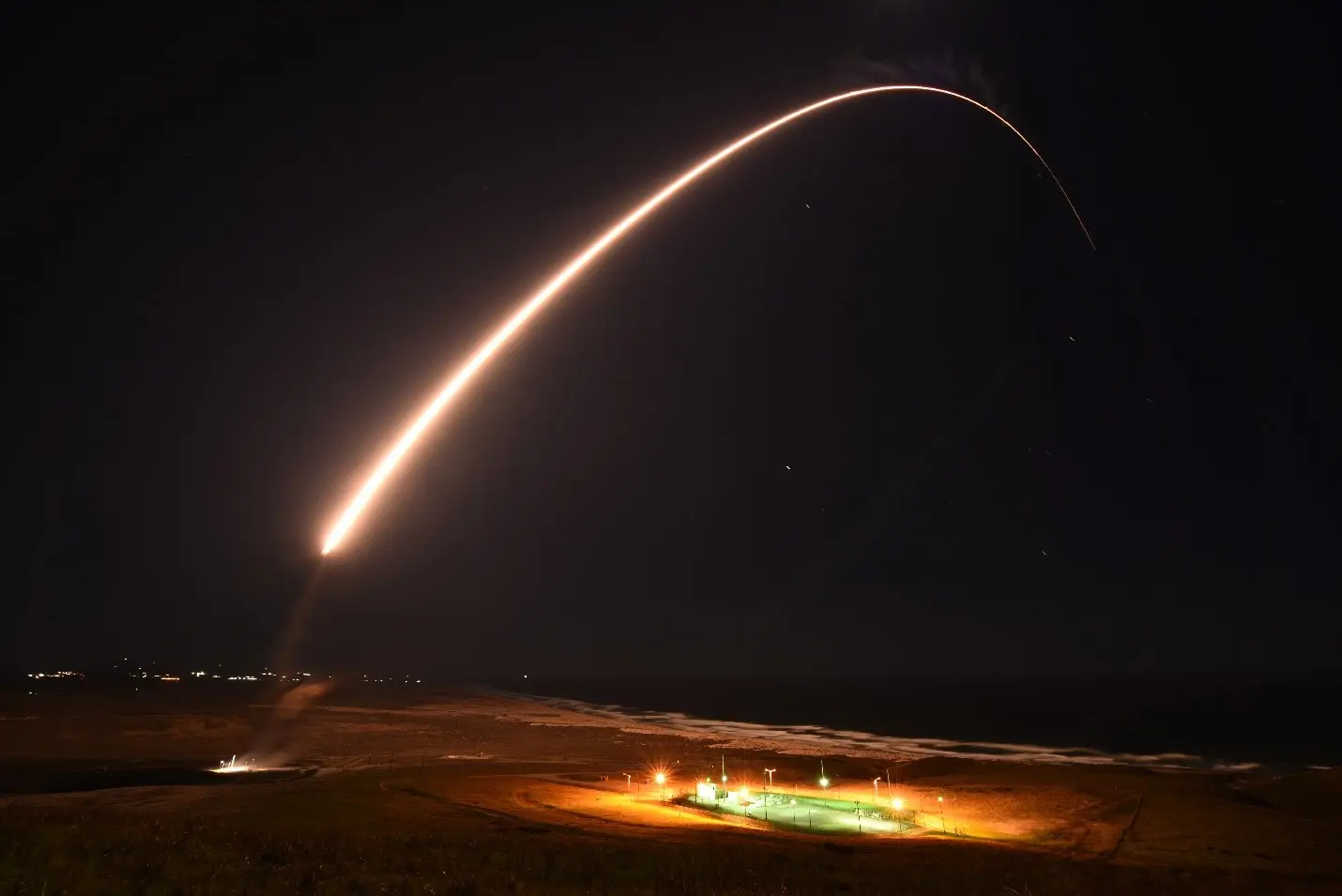
The heart of America’s land-based nuclear force
The LGM-30G Minuteman III intercontinental ballistic missile (ICBM) forms the sole land-based leg of the United States’ strategic nuclear deterrent, known as the nuclear triad, alongside other strategic bombers and submarine-launched ballistic missiles. It was designed for rapid response and long-range reach and has served in this role continuously since June 1970, helping to deter nuclear attack against the United States and its allies. Here are seven key facts about the missile:-
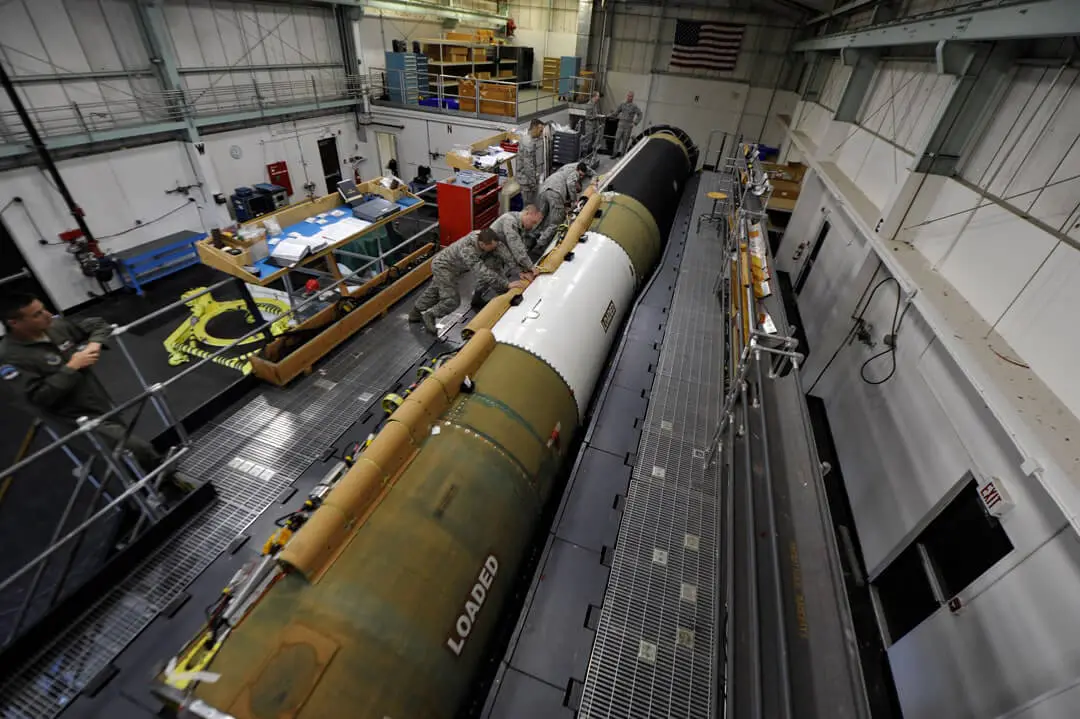
1. A solid-fuel revolution
Minuteman III was the first ICBM in the United States to use solid fuel, a major advance over earlier liquid-propellant designs. The use of Solid fuel permits these missiles to be stored in hardened underground silos for extended period of time, requiring minimal maintenance and enables launch readiness on very short notice.
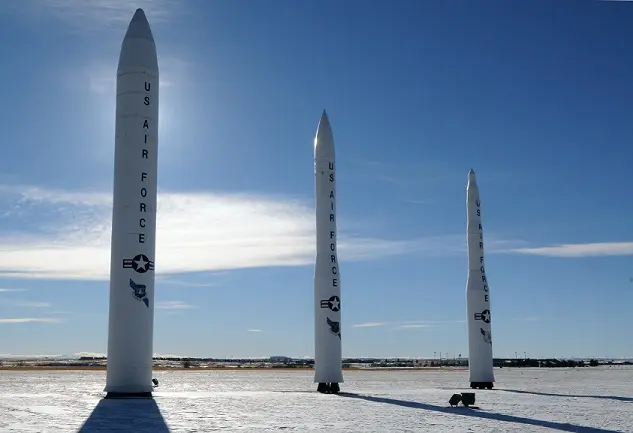
2. A strategic weapon system
The designation LGM-30G reflects three aspects of the system: ‘L’ stands for silo-launched, ‘G’ for surface attack, and ‘M’ denotes guided missile. The numeric designation ‘30’ identifies it as part of the Minuteman series, while the ‘G’ denotes the current Minuteman III variant.
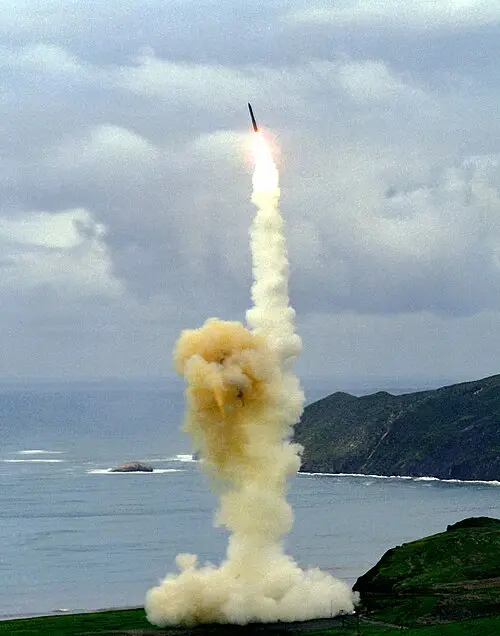
3. Intercontinental performance
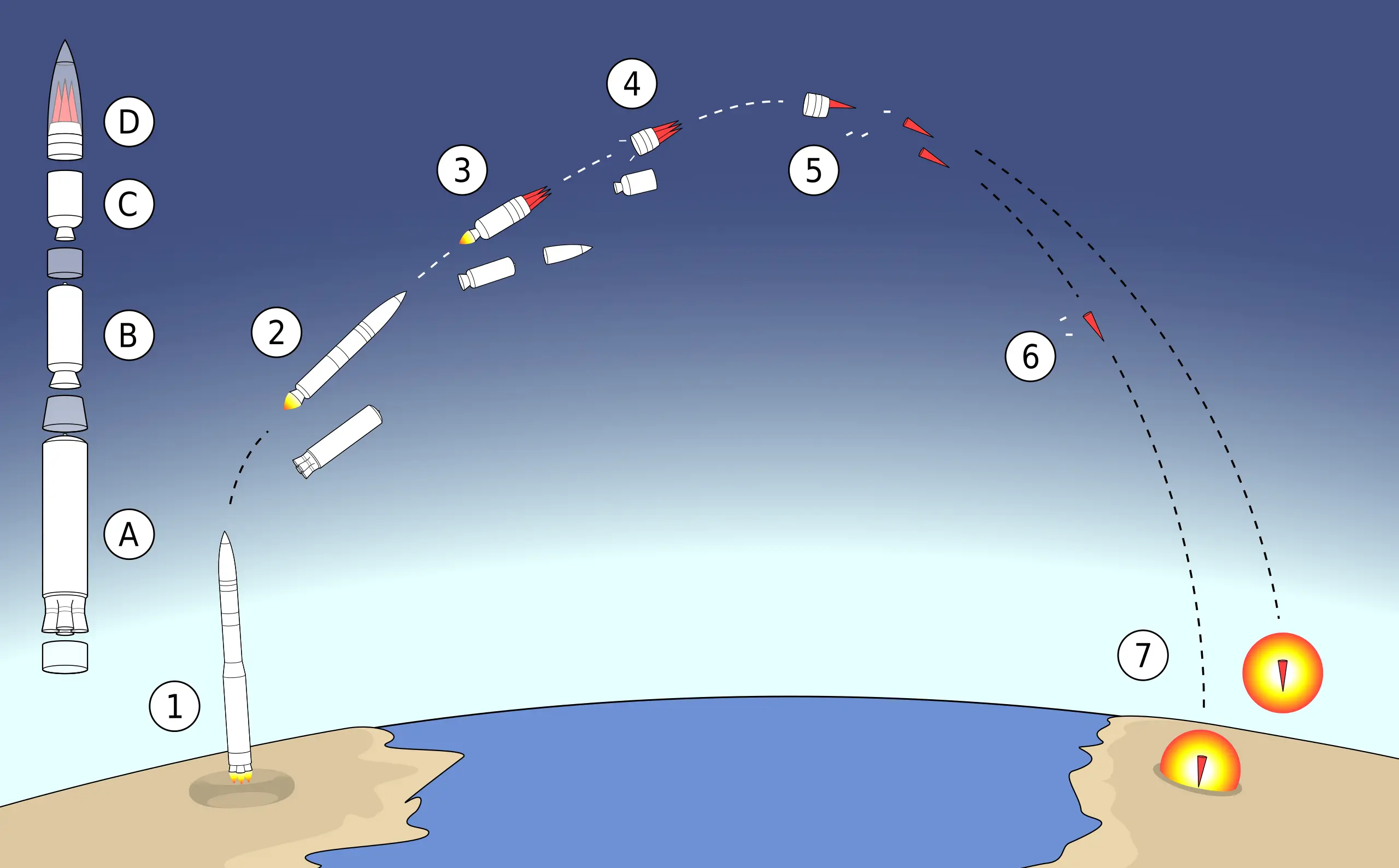
Minuteman III is powered by three solid-rocket stages has the ability to travel more than 6,000 miles (over 9,600 km), with peak speeds near 24,000 km per hour (about Mach 23). The exceptional range and speed of Minuteman III enable it to strike targets at intercontinental distances within roughly half an hour of launch.
4. Hardened and dispersed deployment
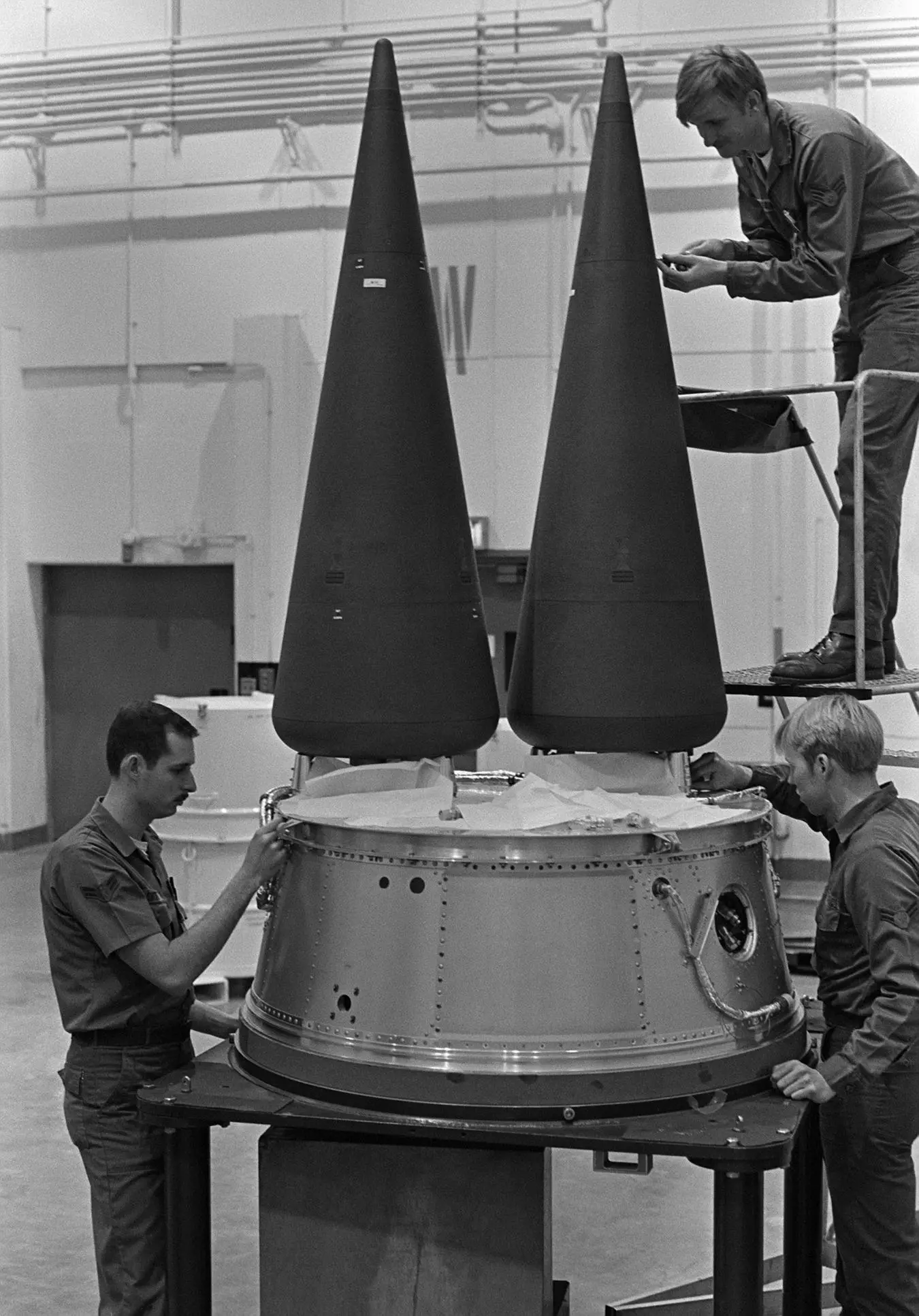
Today, approximately 400 Minuteman III missiles remain deployed in widely dispersed, hardened silos across F.E. Warren Air Force Base in Wyoming, Malmstrom AFB in Montana, and Minot AFB in North Dakota. This dispersion increases their survivability against first-strike attacks.
5. Crew and command structure
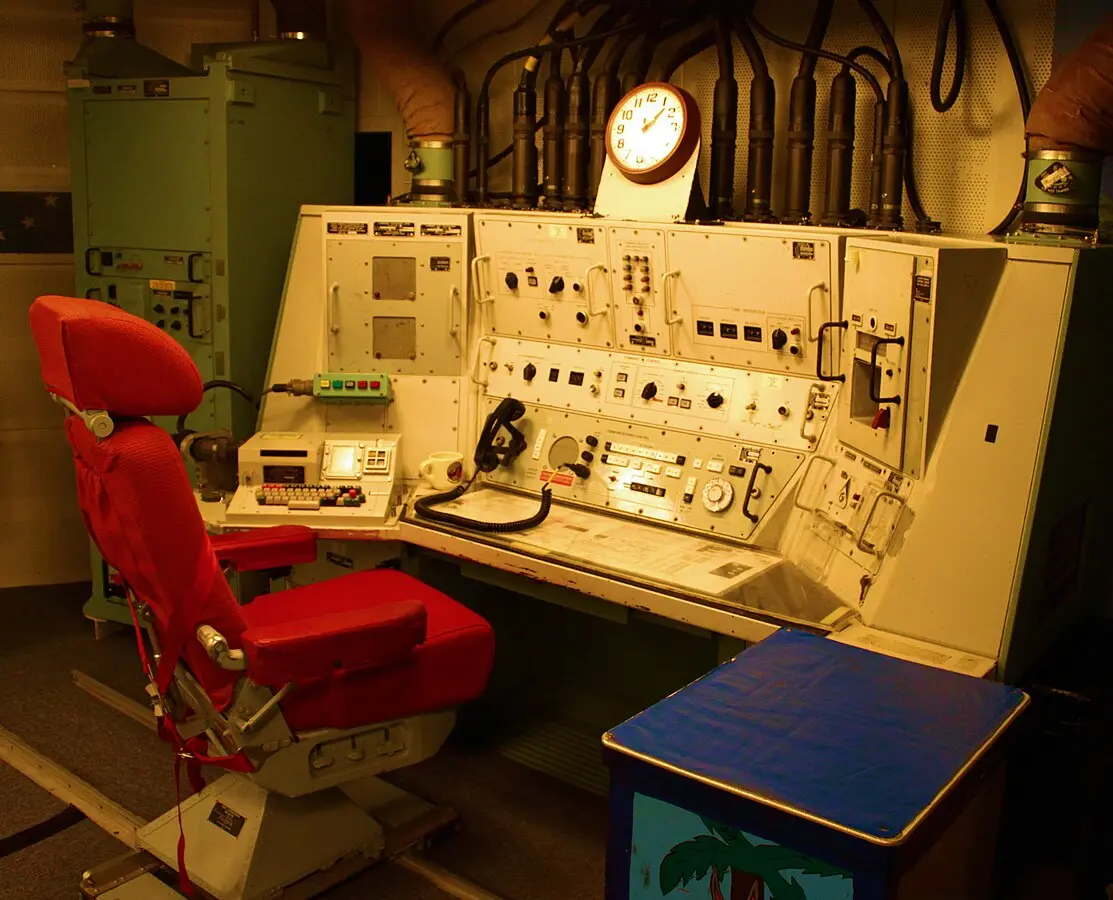
Each missile wing is supported by launch crews of two officers who would stand alert in underground launch control centres around the clock. These crews can only prepare Minuteman III for launch following authenticated orders from the President of the United States, delivered via secure communications networks. According to the National Museum of US Air Force, launching a Minuteman III takes about 60 seconds.
6. Accuracy and guidance
Minuteman III employs advanced guidance systems that adjust rocket nozzles to keep the missile on a precise course. After its three rocket stages burn out, a post-boost vehicle positions the re-entry vehicle for its run toward the target.
7. The transition to Sentinel
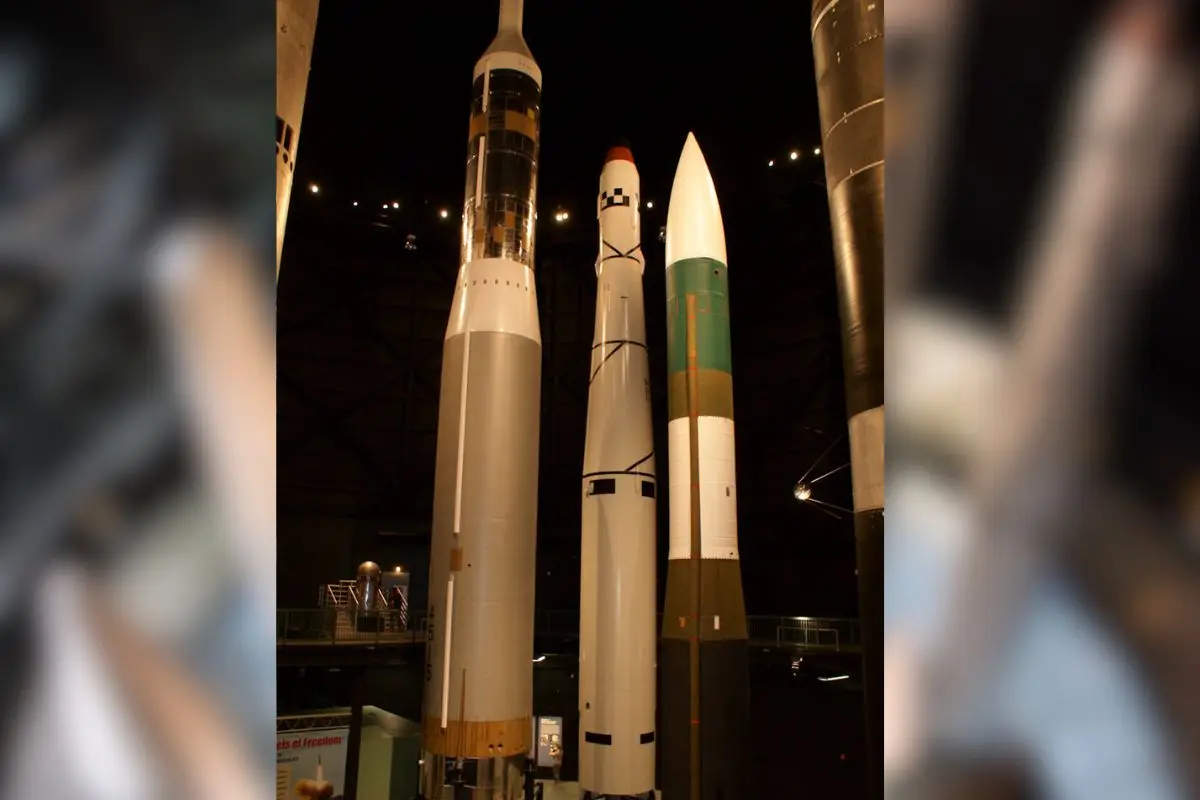
The weight of this missile is 79,432 pounds (36,030 kilograms). Recognising the age of the Minuteman III system, the United States is developing the LGM-35A Sentinel system by Northrop Grumman, as its next-generation land-based ICBM. Sentinel is designed to replace Minuteman III with enhanced range, accuracy and modernised infrastructure to keep the land-based leg of the nuclear triad credible into the mid-21st century.
)
)
)
)
)