‘Speed-of-light defence’: How Iron Beam shoots down rockets in seconds

Iron Beam is 100-kilowatt high-energy laser air-defence system operating at speed of light. Travels. Reacts within milliseconds using radar and thermal cameras. Dual lasers concentrate beams on coin-sized target areas. Intercepts threats at $3 per engagement cost.
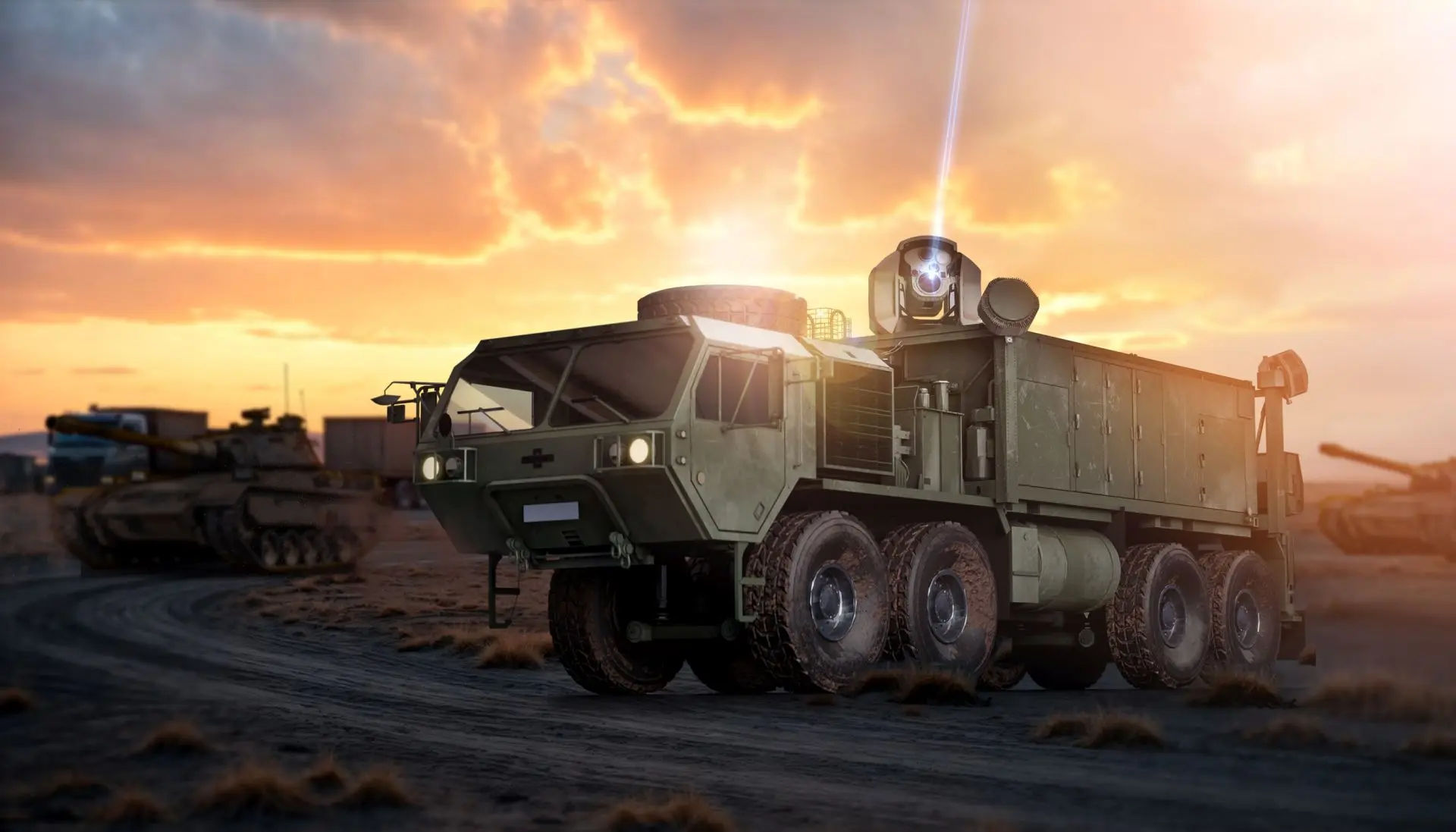
Iron Beam - 100-Kilowatt High-Energy Laser Weapon
Israel's Iron Beam showcase the world's first operational high-energy laser air-defence system with 100-kilowatt power output travelling at the speed of light. It is developed by Rafael Advanced Defense Systems with Elbit Systems, the system received deployment completion in December 2025. As of now it engages threats including mortars, rockets, artillery, and drones at ranges up to 10 kilometres with pinpoint accuracy.
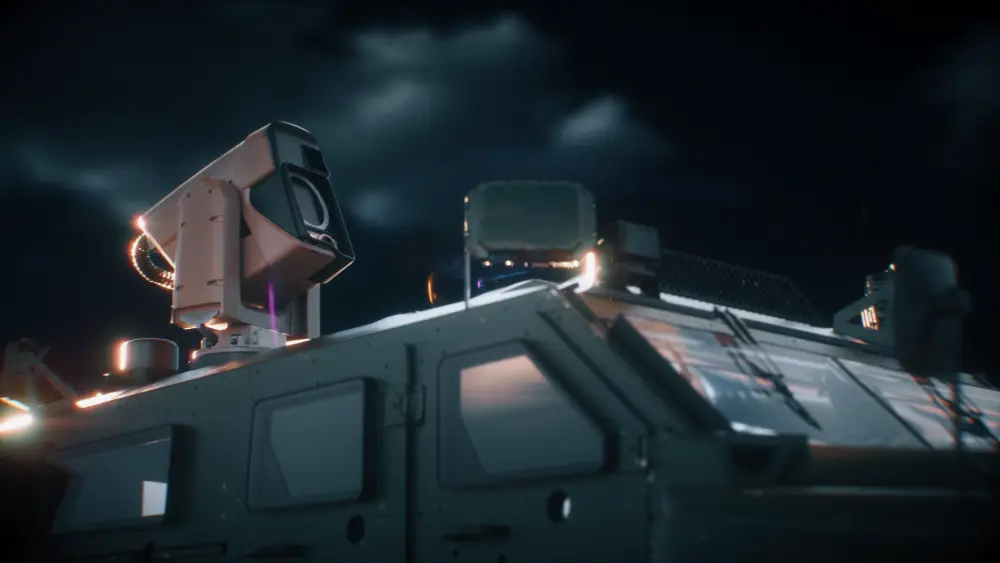
Speed-of-Light Engagement - 300,000 Kilometres Per Second
Iron Beam's laser speed is equal to the speed of light, approximately 300,000 kilometres per second, enabling engagement with virtually zero flight time to targets. It’s extraordinary velocity eliminates the need for calculating intercept courses required by traditional missile systems. Locked targets cannot escape, providing unparalleled reaction capability against fast-moving threats.

Millisecond Reaction Time - Faster Than Blinking
The system reacts within milliseconds using integrated air-defence radar and thermal imaging cameras to detect incoming projectiles. Radar identifies threats whilst thermal cameras provide tracking until laser engagement commences.

Dual Laser Configuration - Redundancy and Power
Iron Beam employs two high-energy laser units working simultaneously to deliver the necessary energy overcoming atmospheric disturbances and ensuring target destruction. Each laser concentrates its beam on a target area roughly the size of a coin, which creates intense thermal energy. Dual-laser operation provides redundancy ensuring system reliability during combat operations.
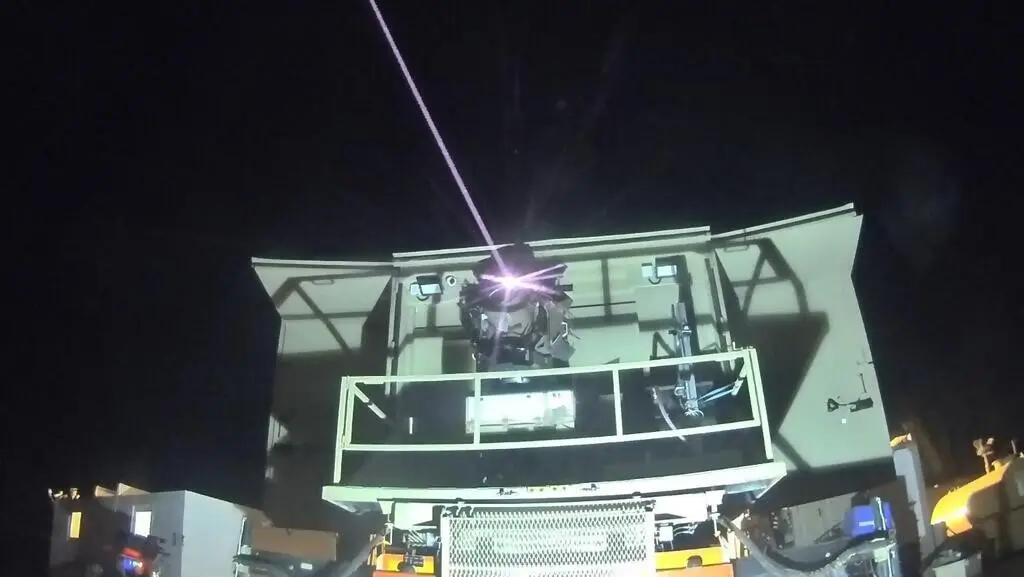
Adaptive Optics Technology
Rafael's adaptive optics technology corrects atmospheric turbulence in sub-milliseconds enabling laser beams to maintain focus across several kilometres. Atmospheric density fluctuations normally cause laser beam divergence reducing power delivery to targets. It’s advanced algorithms "freeze" turbulent atmosphere and correct resulting optical aberrations maximizing laser irradiance on target.
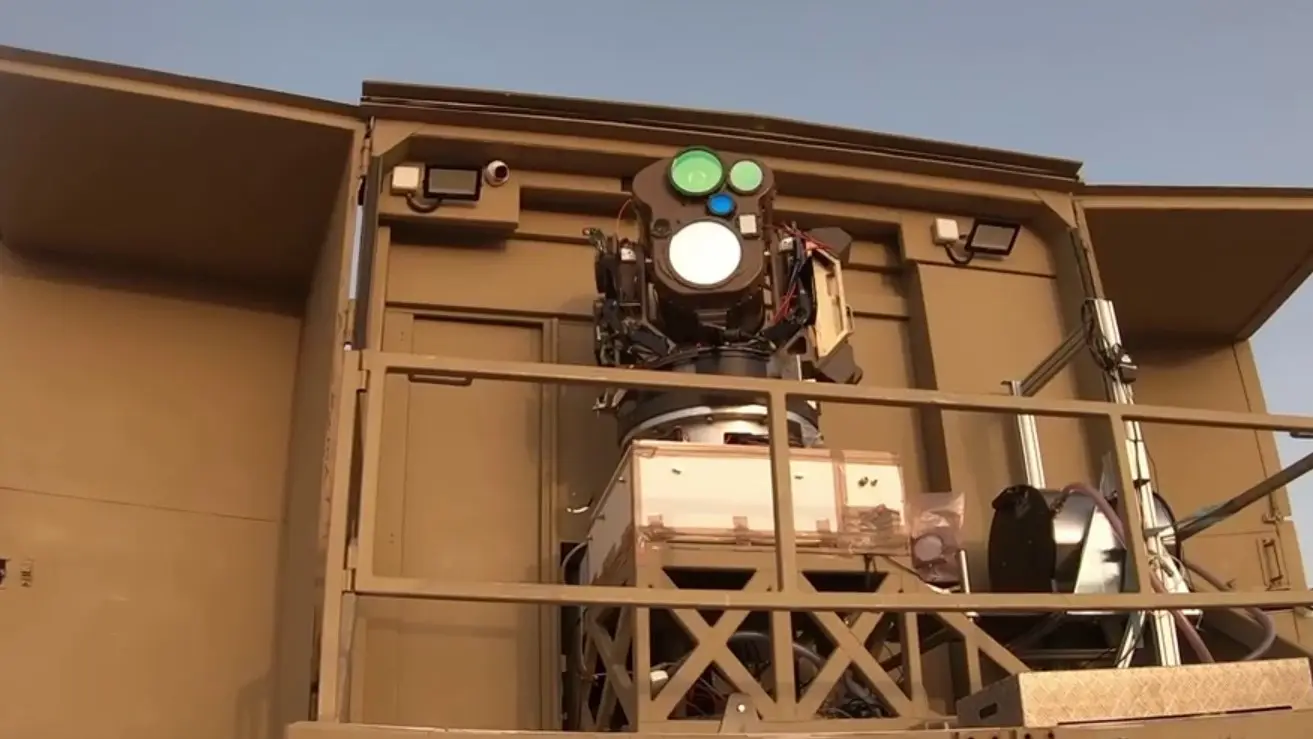
Cost-Effective Interception - $3 Per Drone Kill
Iron Beam intercepts each target at an operational cost of approximately $3 per engagement compared to missile-based systems costing thousands of pounds per interception. The system uses an unlimited ammunition supply as long as electrical power remains available. This economic advantage transforms air-defence economics and enables engagement of multiple simultaneous threats affordably.
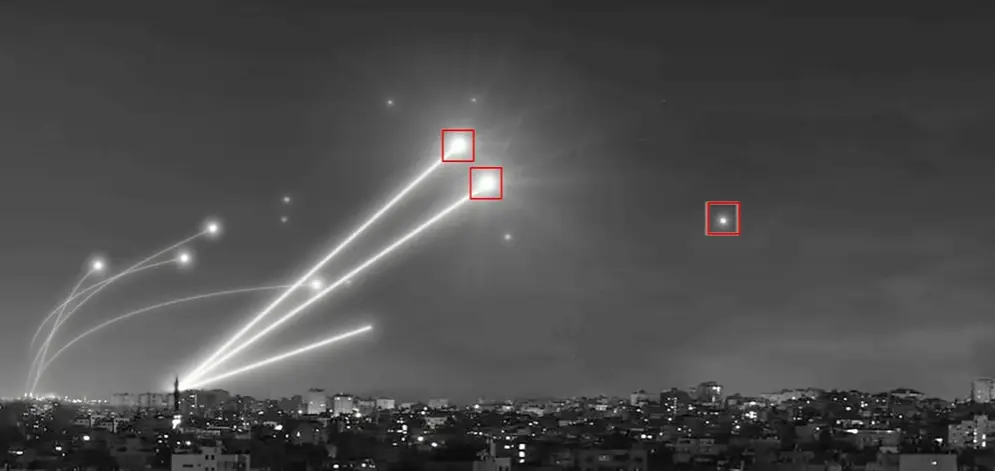
Thermal Destruction Method - No Explosive Warhead
The laser heats targets to destructive temperatures causing structural failure, warhead detonation, or complete disintegration without explosive warheads. Thermal energy delivery creates localised destruction patterns with minimal collateral damage. This precision proves especially valuable in densely populated urban areas where conventional explosions risk civilian casualties.
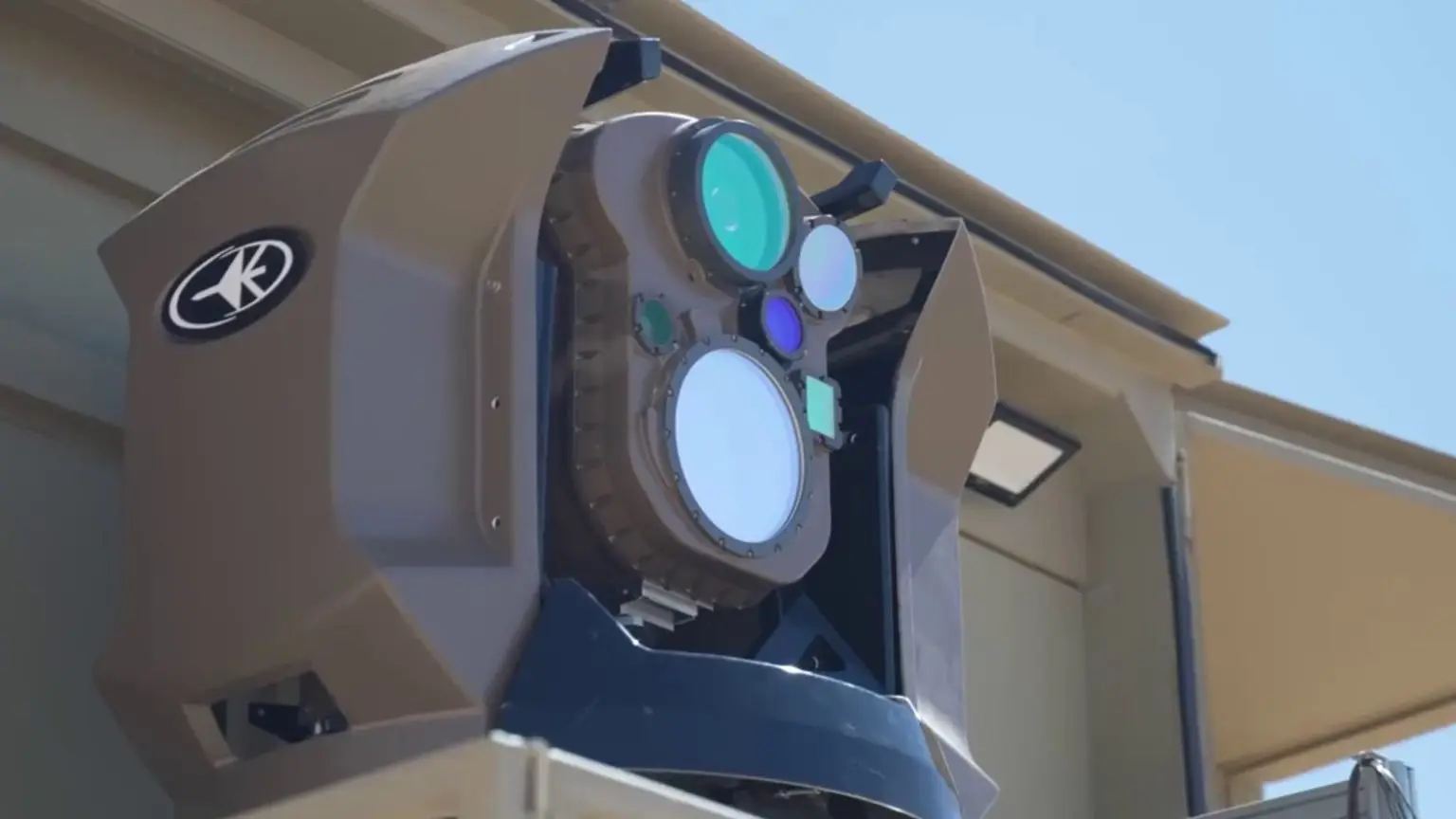
100 Per cent Kill Probability
Iron Beam demonstrated 100 per cent kill probability during trials against fixed-wing unmanned aerial vehicles, quadcopter swarms, and passive optical surveillance arrays at engagement ranges up to 5 kilometres. The system successfully engaged numerous threats in real-scenario testing validating operational readiness. Perfect intercept rates confirm laser technology reliability.

Integration with Existing Defence - Layered Coverage
Iron Beam complements Israel's layered missile-defence architecture including Iron Dome, David's Sling, Arrow 2, and Arrow 3 systems. The laser engages small short-range threats whilst larger missiles handle distant targets. Both systems operate simultaneously, which provide comprehensive protection against diverse threat types and engagement ranges.

Future Expansion
Israel's Ministry of Defence indicated follow-on upgrades and mobile variants under development to expand coverage and flexibility across operational areas. International defence organisations observe Iron Beam deployment with significant interest in directed-energy weapon applications. Future developments include enhanced power output, extended ranges, and multi-platform integration.
)
)
)
)
)