'Small ships shielding a supercarrier': Why Coast Guard cutters are sailing with USS Abraham Lincoln amid US-Iran tensions?

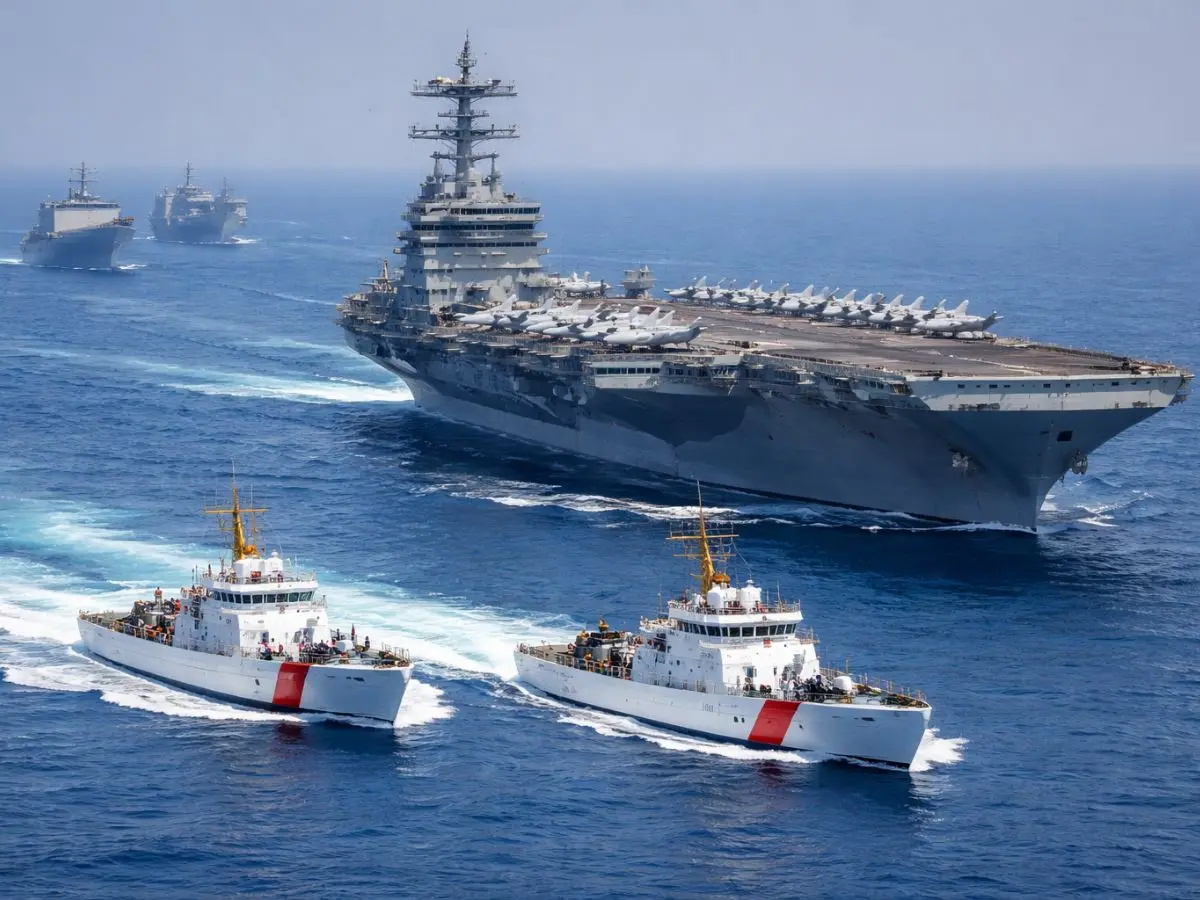
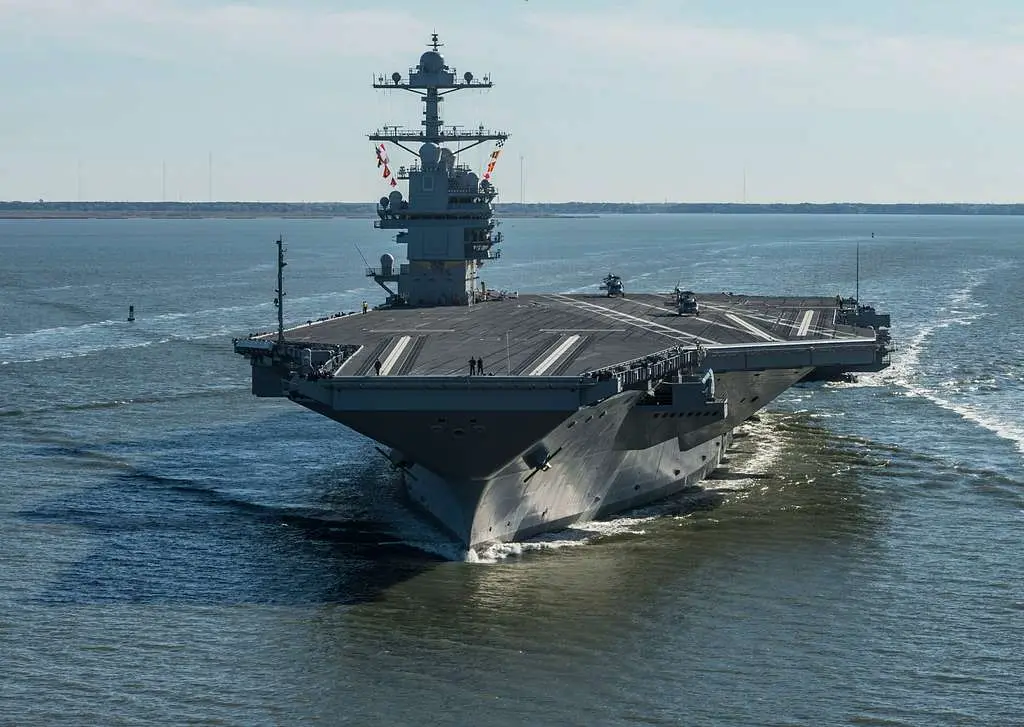
The nuclear-powered USS Abraham Lincoln, a Nimitz-class carrier, forms the centrepiece of that formation.
A Carrier Group in Focus
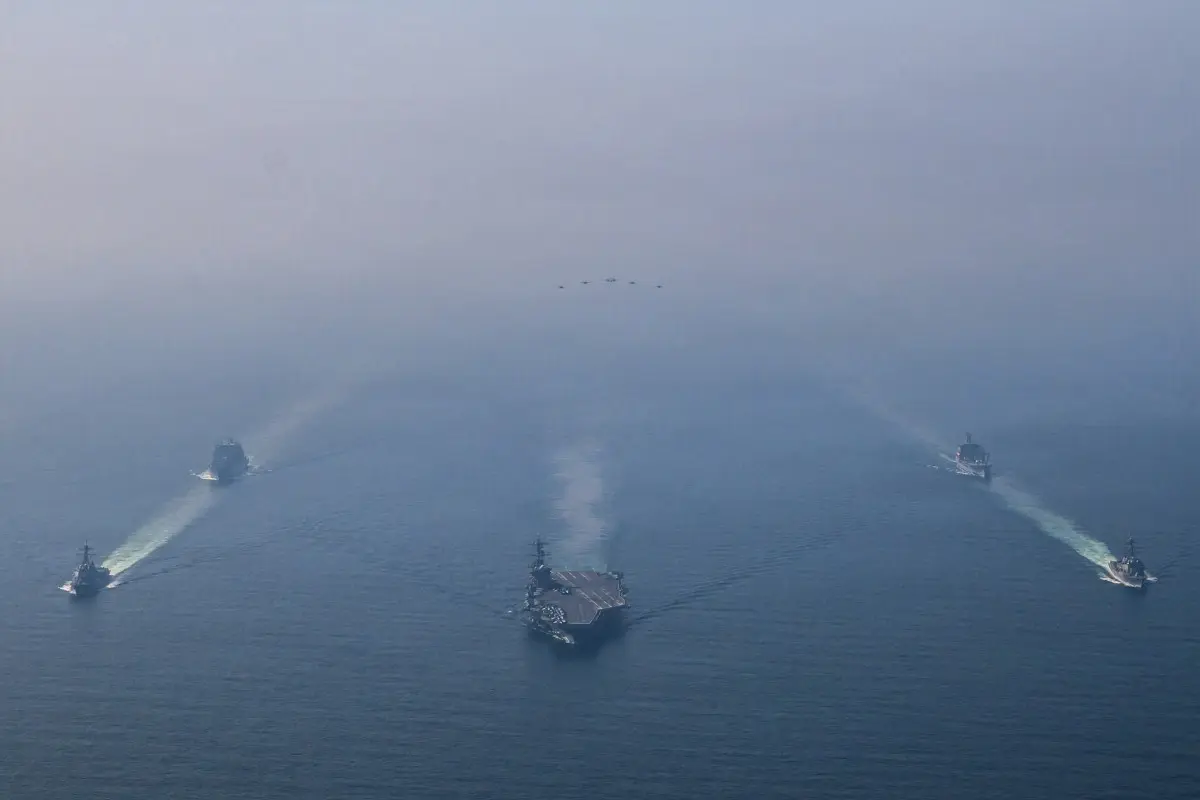
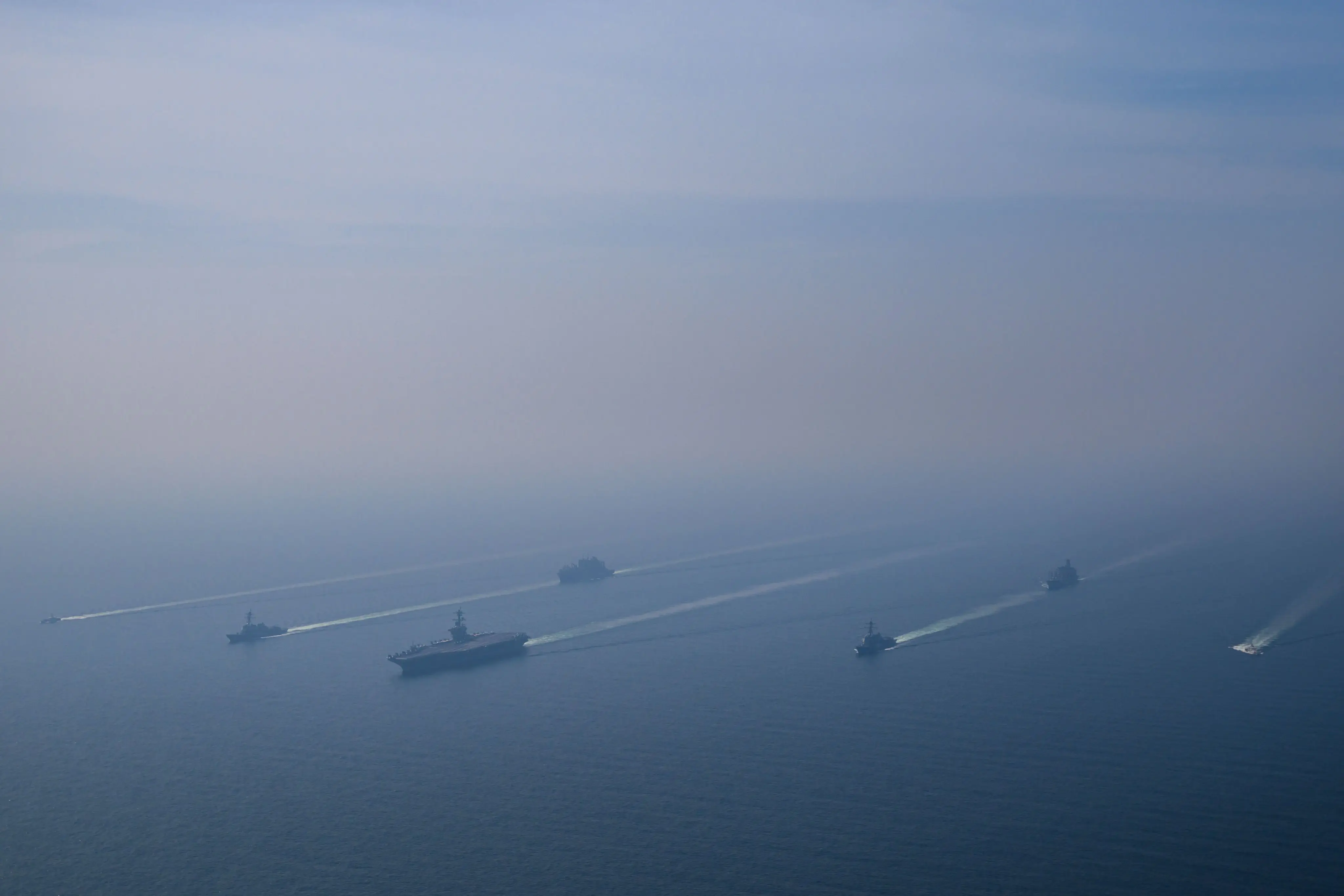
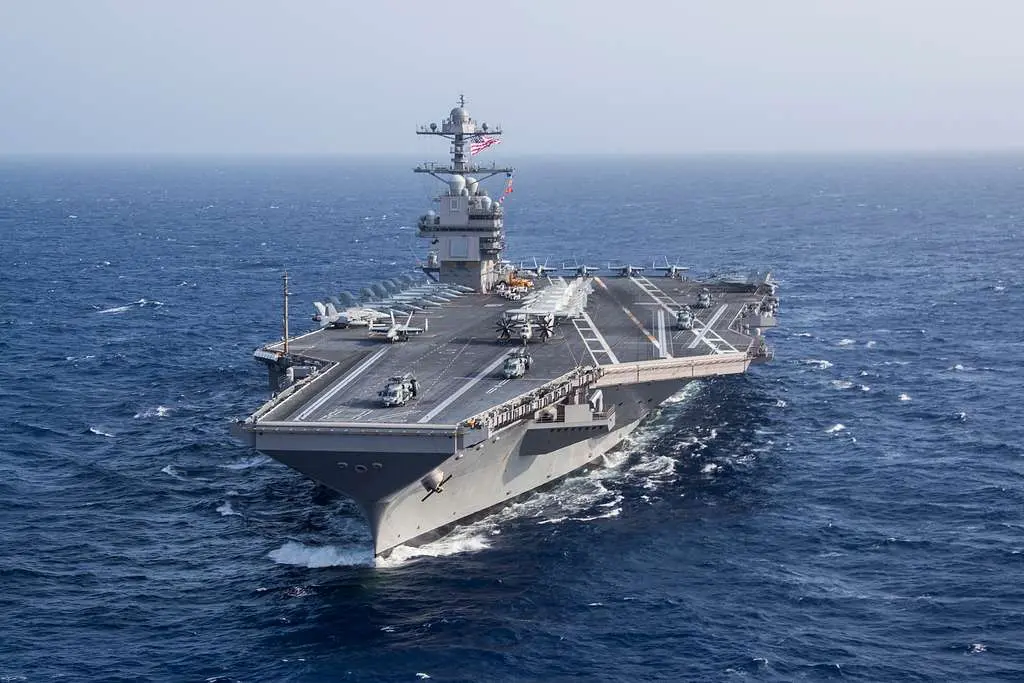
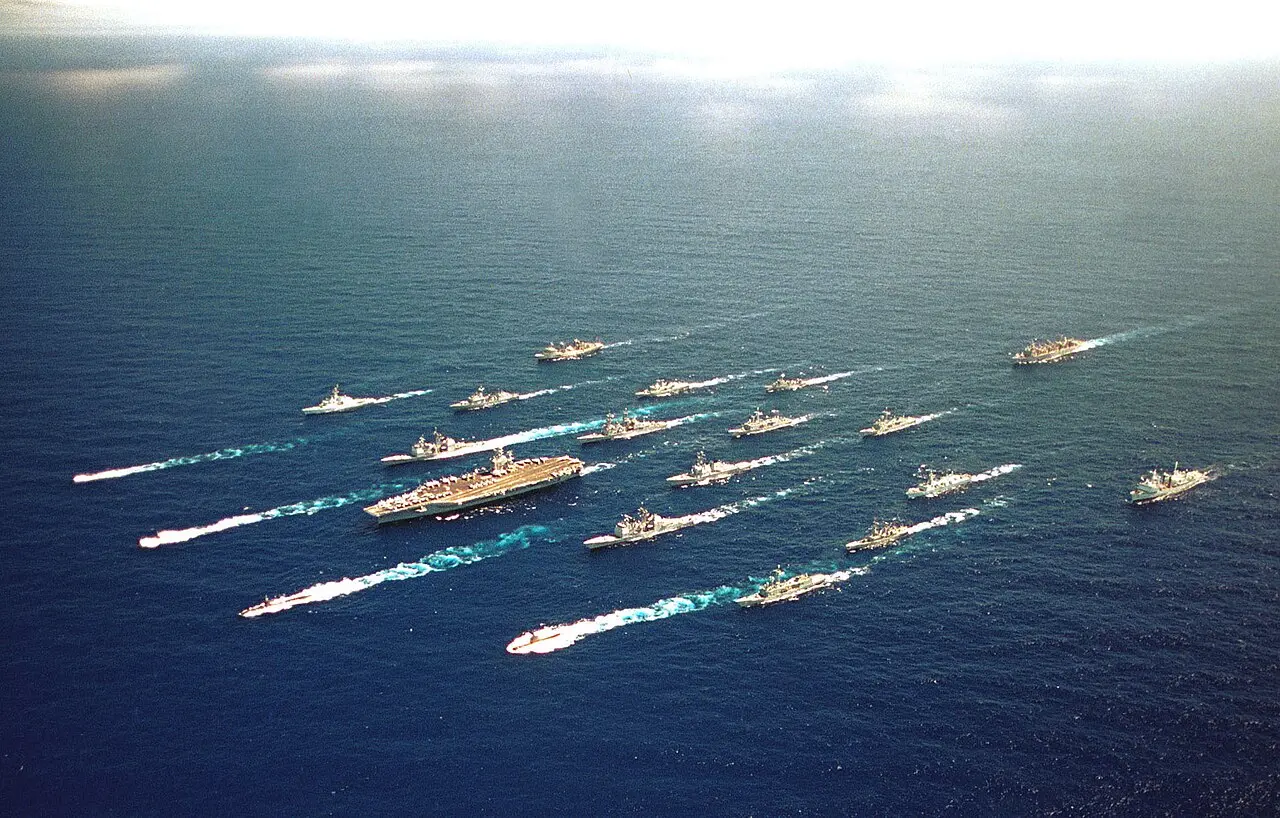
The Abraham Lincoln Carrier Strike Group sailed in the Arabian Sea alongside two military supply ships and two US Coast Guard cutters as aircraft from Carrier Air Wing 9 operated overhead. The deployment comes amid sustained regional tensions between US and Iran, showcasing Washington’s reliance on layered maritime power. The nuclear-powered USS Abraham Lincoln, a Nimitz-class carrier, forms the centrepiece of that formation.
The Supercarrier’s Capabilities
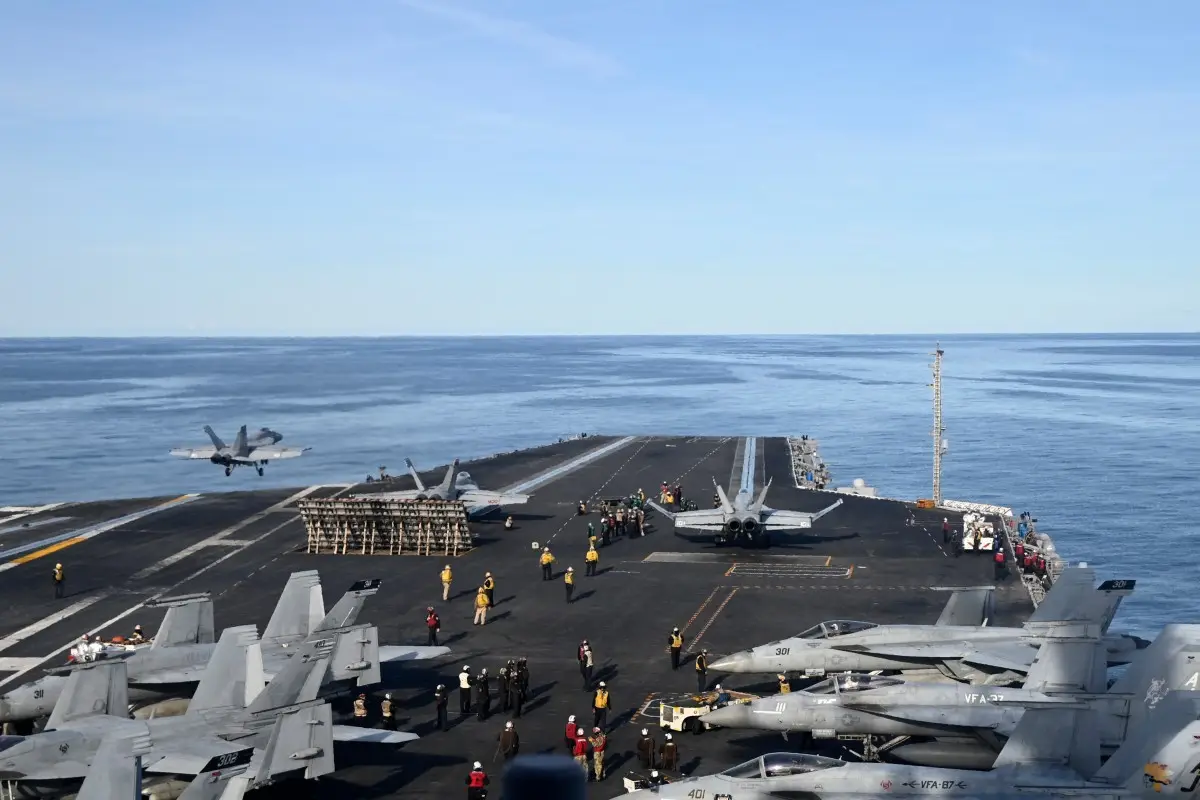
Commissioned in 1989, USS Abraham Lincoln measures about 1,092 feet (approximately 333 metres) in length with a flight deck roughly 252 feet wide. It displaces around 1,04,300 long tons when fully loaded and is powered by two A4W nuclear reactors, enabling speeds exceeding 30 knots. Carrier Air Wing 9 typically includes F/A-18E/F Super Hornets, EA-18G Growlers and E-2D Advanced Hawkeyes, providing strike, electronic warfare and airborne early warning capabilities.
Enter the Coast Guard Cutters
Although no formal announcement has been issued, open-source tracking data indicates that sailing in close coordination are USCGC Maui and USCGC Adak, both Island-class patrol boats forward-deployed with Patrol Forces Southwest Asia. While significantly smaller than the carrier, these cutters play a critical role in maritime security operations across the Gulf, conducting escort duties, interdictions and coastal patrols in strategically sensitive waters.
Forward-Deployed and Mission Ready
Based in the Middle East for years, the cutters conduct maritime interception, escort high-value naval assets, enforce sanctions and counter smuggling. Their shallow draft and agility allow them to operate in confined waterways such as the Strait of Hormuz, where larger warships have less flexibility.
Layered Maritime Security
A carrier strike group is built on complementary roles. While the supercarrier projects air power, destroyers provide missile defence and surveillance. Coast Guard cutters add a law-enforcement and boarding capability, conducting vessel inspections and rapid interdiction tasks that capital ships are not designed to perform.
Logistics and Sustainment
The presence of two military supply ships ensures sustained operations at sea, replenishing fuel, ammunition and provisions. This logistical backbone enables continuous flight operations from the carrier while security patrols continue uninterrupted.
Strategic Significance
The integration of Navy and Coast Guard assets reflects an operational model designed for both deterrence and maritime governance. In volatile waters, the combination of a 1,04,300-ton supercarrier, support ships and nimble patrol cutters demonstrates how American sea power operates across the full spectrum, from high-end combat aviation to close-quarters interdiction.
)
)
)
)
)