‘Save fuel and money’: 7 driving habits you should follow

By adopting smooth driving techniques and maintaining correct tyre pressure, motorists can cut fuel consumption by up to 25 per cent, saving thousands annually.
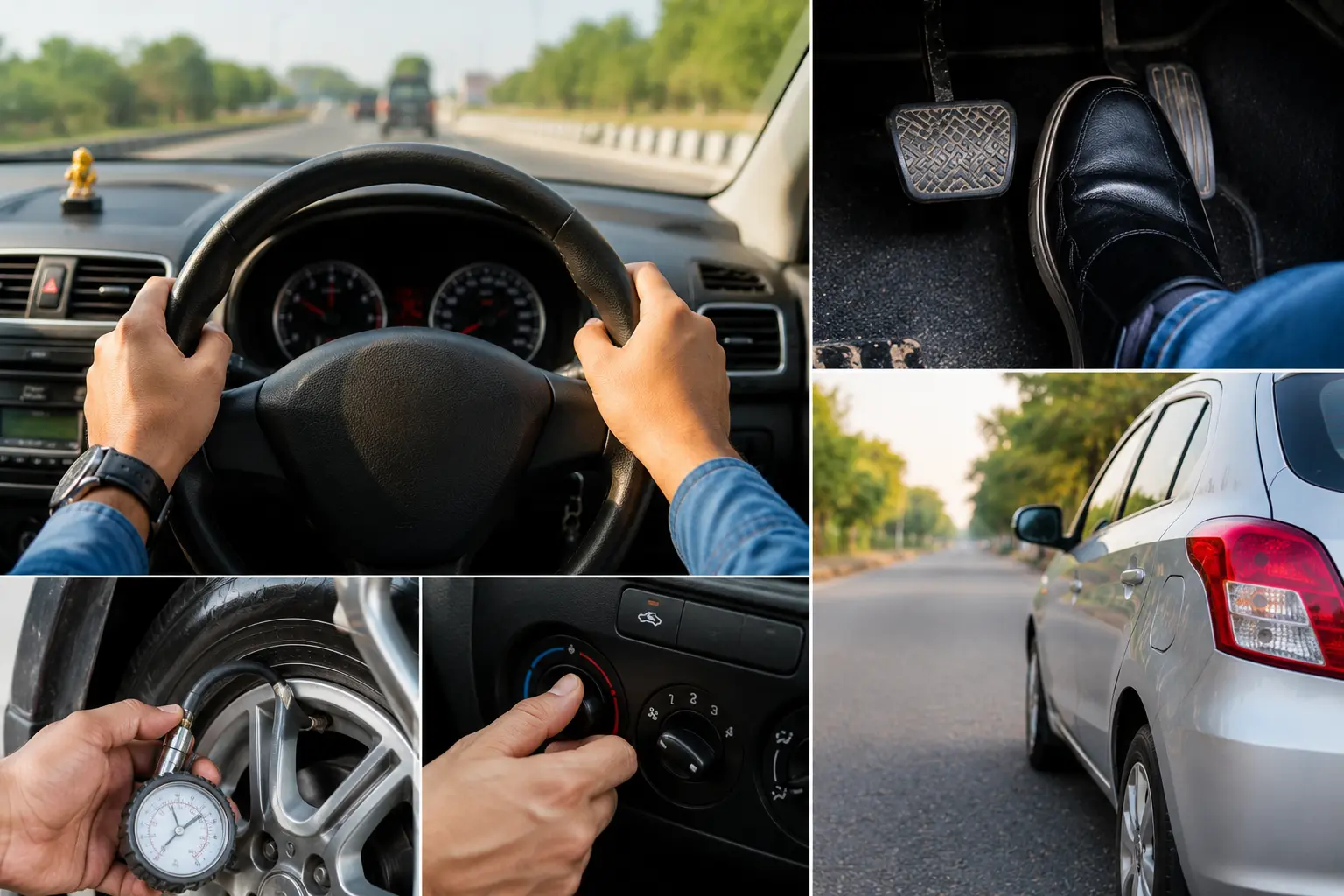
Smooth and gentle acceleration
Aggressive driving burns petrol rapidly. The Energy Saving Trust states that accelerating gently and anticipating traffic can reduce your fuel consumption by up to 20 per cent.
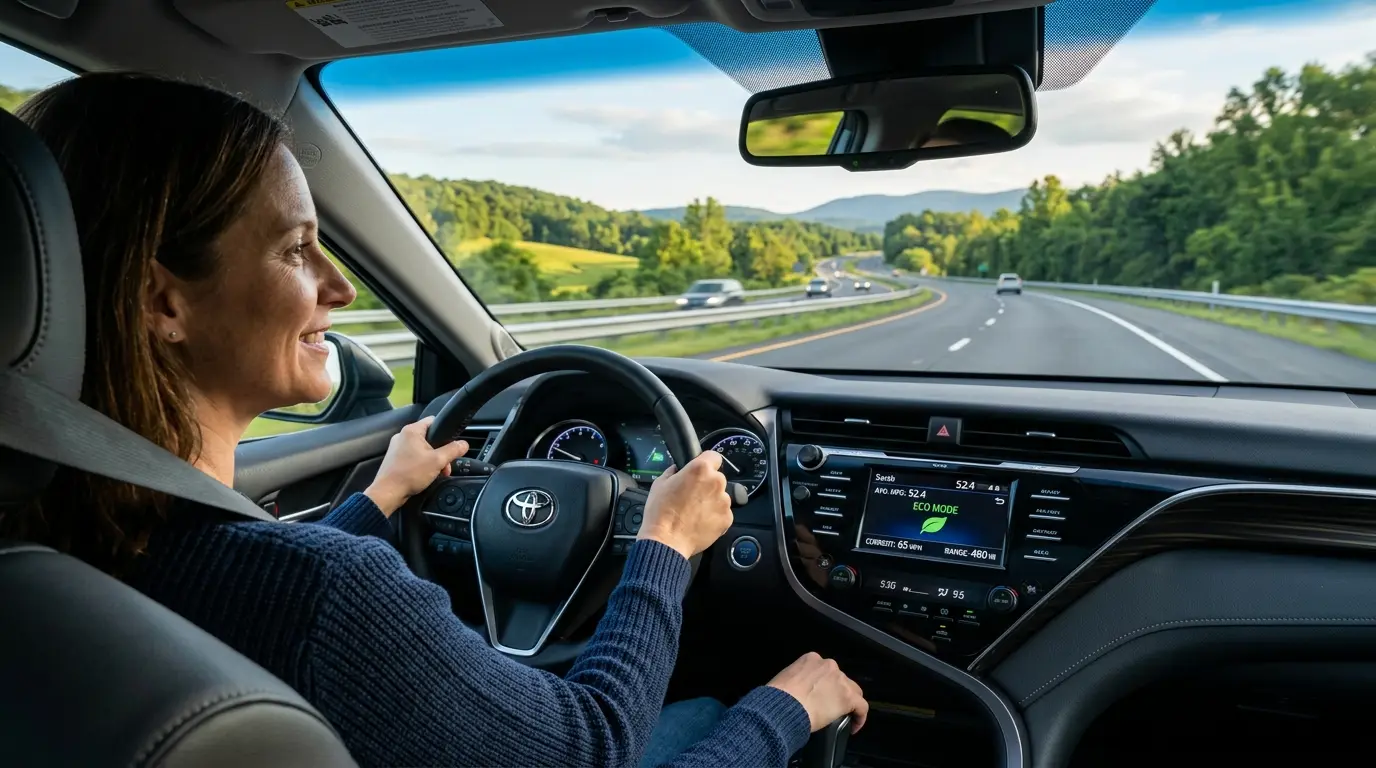
Maintaining the speed limit
Speeding drastically lowers efficiency due to wind resistance. According to the UK Department for Transport, driving at 70 mph uses up to 9 per cent more fuel than driving at 60 mph.
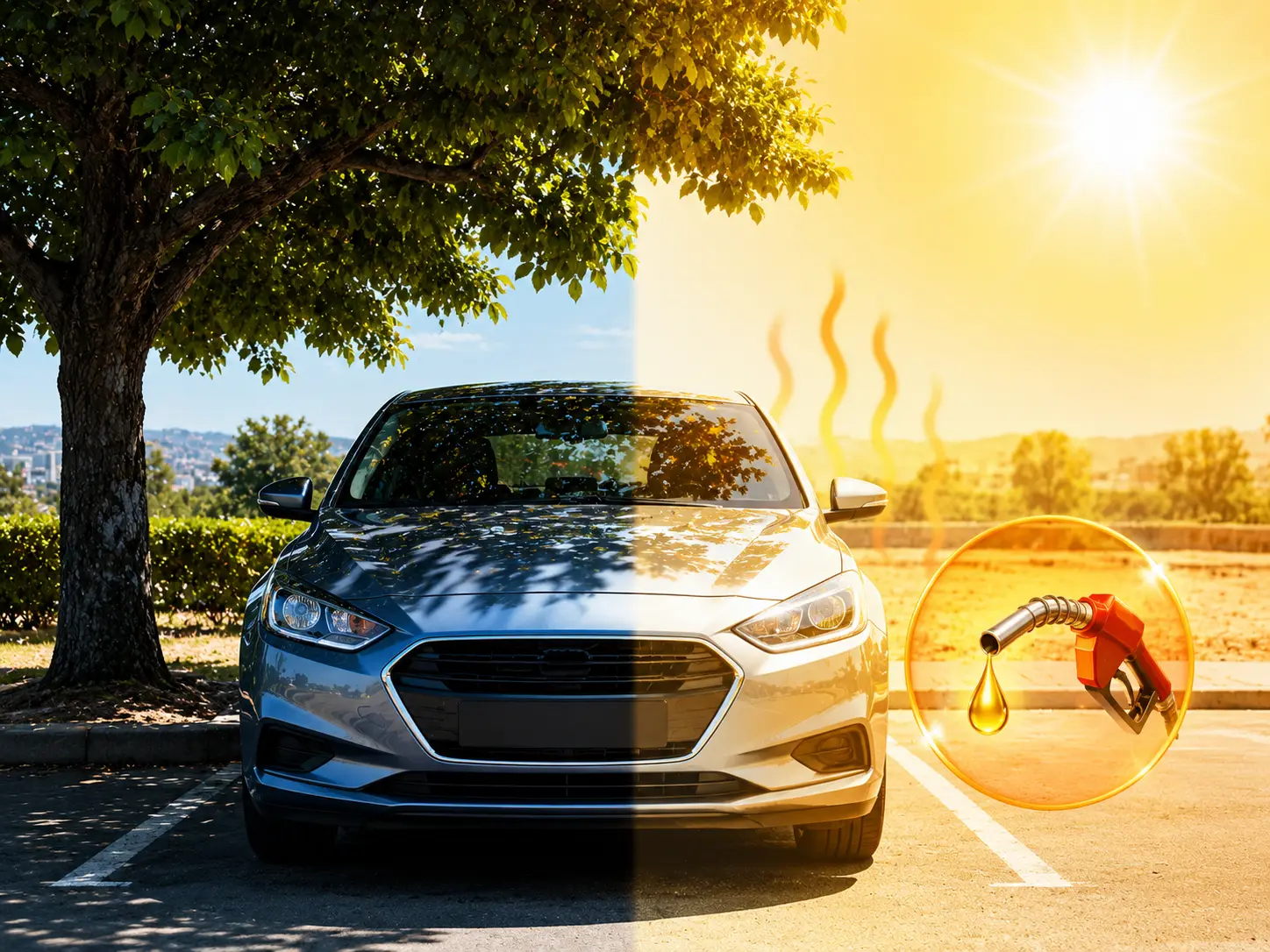
Shifting into high gears
Driving in a low gear forces the engine to overwork. The AA recommends shifting into higher gears early, keeping engine revolutions below 2,500 rpm to maximise fuel efficiency.
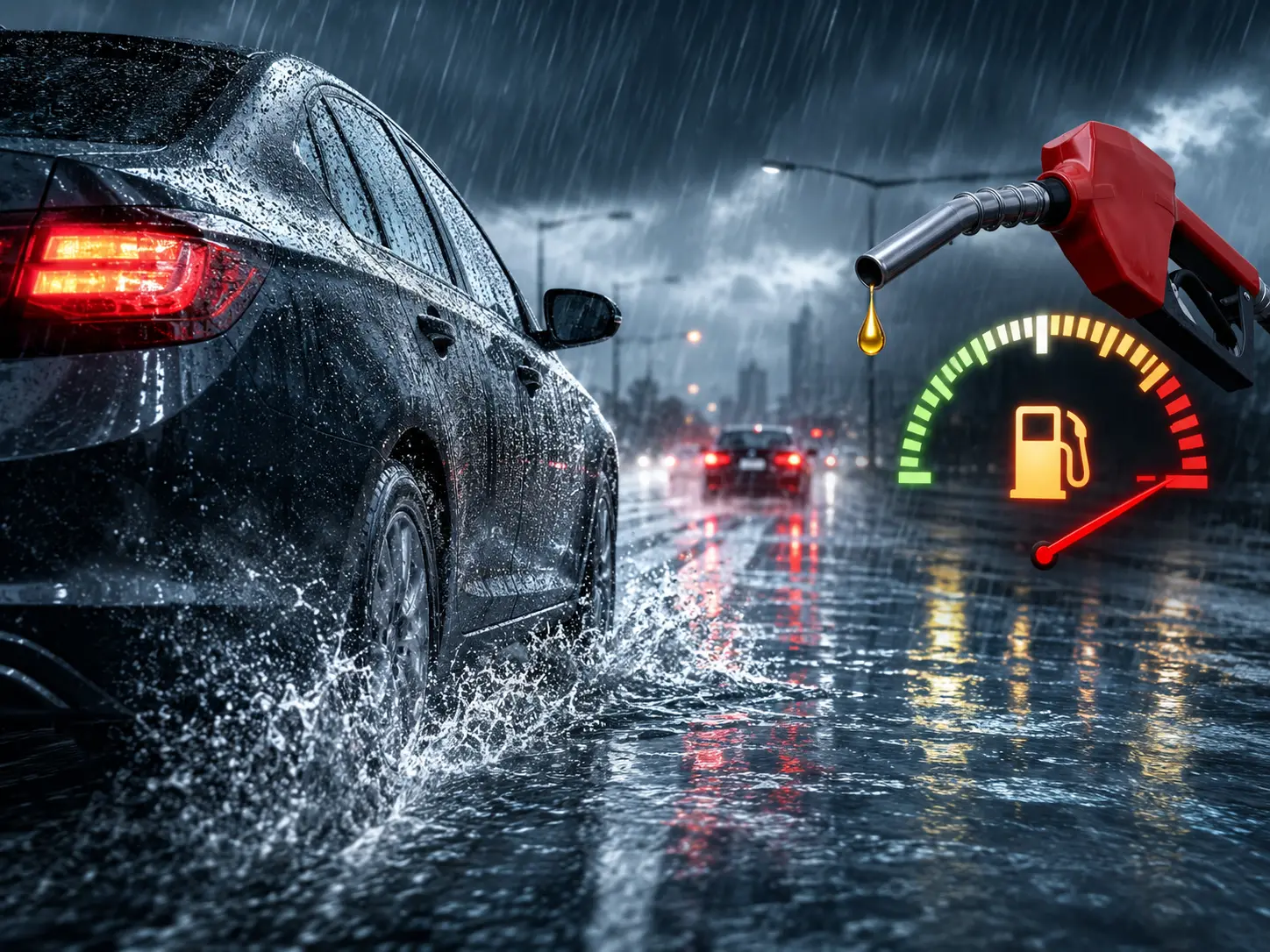
Checking your tyre pressure
Under-inflated tyres create excessive rolling resistance on the tarmac. Motoring experts at the RAC confirm that keeping tyres properly inflated can improve your mileage by up to 3 per cent.

Cutting the engine when stationary
Idling in heavy traffic drains your tank for zero mileage. The RAC notes that turning off your engine if you wait longer than 10 seconds saves significantly more fuel than leaving it running.
Removing excess weight and drag
Carrying unnecessary weight makes the engine burn extra fuel. Transport studies show that removing unused roof boxes reduces aerodynamic drag, saving up to 20 per cent on highway fuel costs.
Smart air conditioning use
Air conditioning draws heavy power from the engine. Automotive engineers suggest using the AC sparingly at low speeds, but keeping windows closed on highways to prevent fuel-draining wind drag.
)
)
)
)
)