'Salt Fog': How the USS Abraham Lincoln shields its radars from ocean air

The USS Abraham Lincoln uses advanced dry air pumps, specialised anti-corrosion coatings, and rigorous freshwater washdowns to protect its critical radar systems from destructive ocean salt fog, ensuring long-term operational readiness at sea.
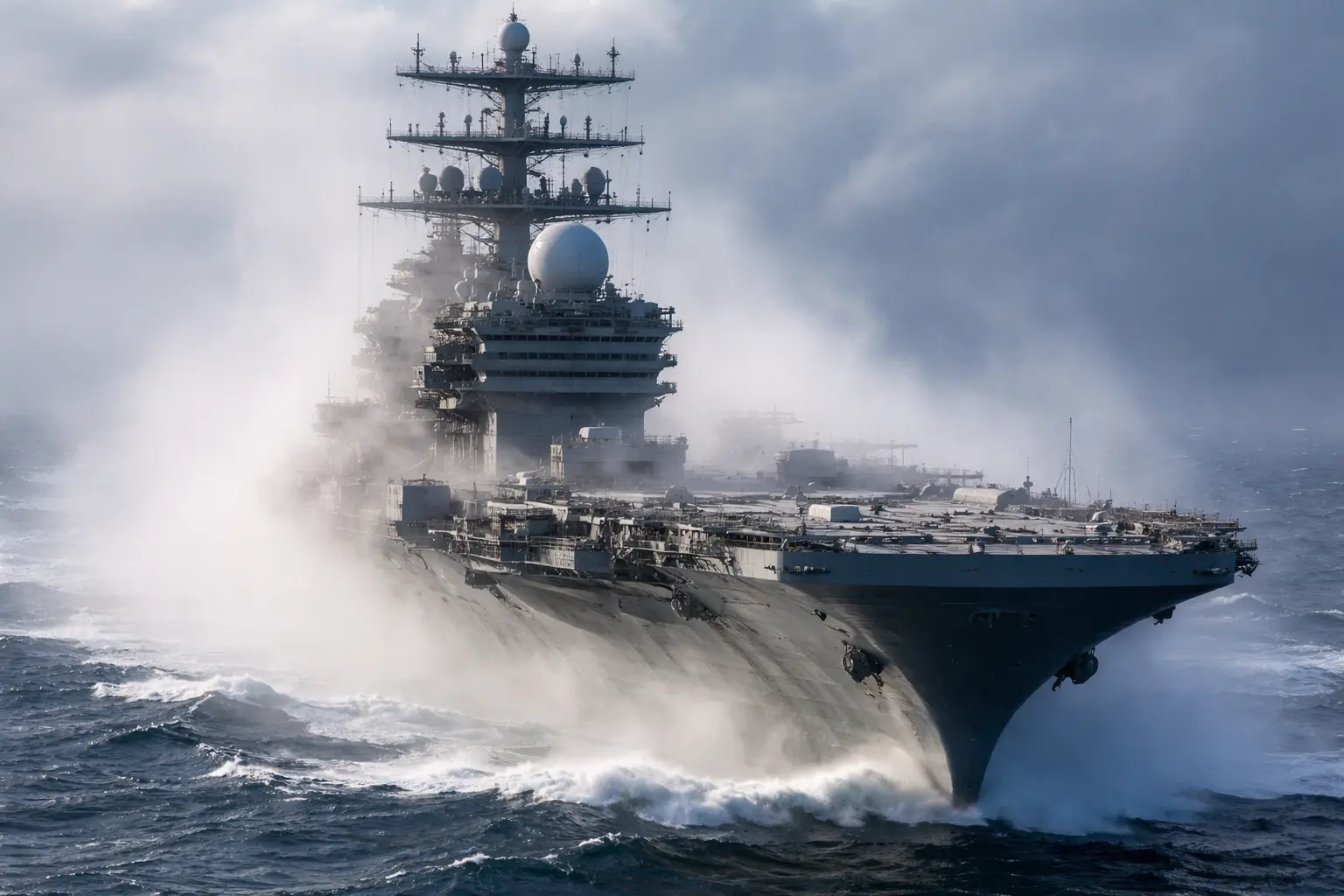
332-metre carrier at sea
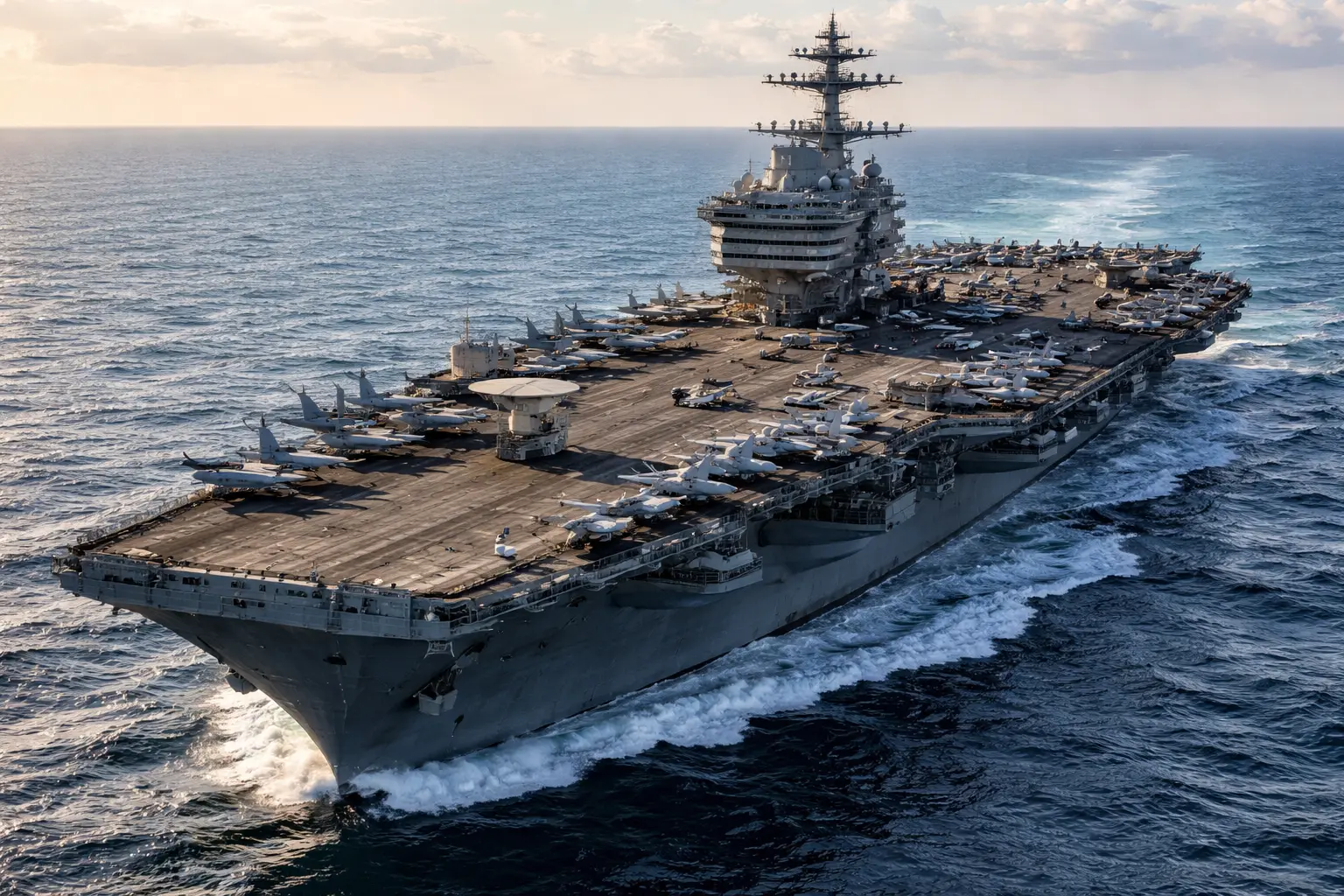
The USS Abraham Lincoln navigates harsh maritime environments where corrosive salt fog poses a constant threat. The ocean air degrades critical military equipment rapidly, requiring advanced defence mechanisms. Maintaining its technological edge demands rigorous protection against this highly destructive natural element.
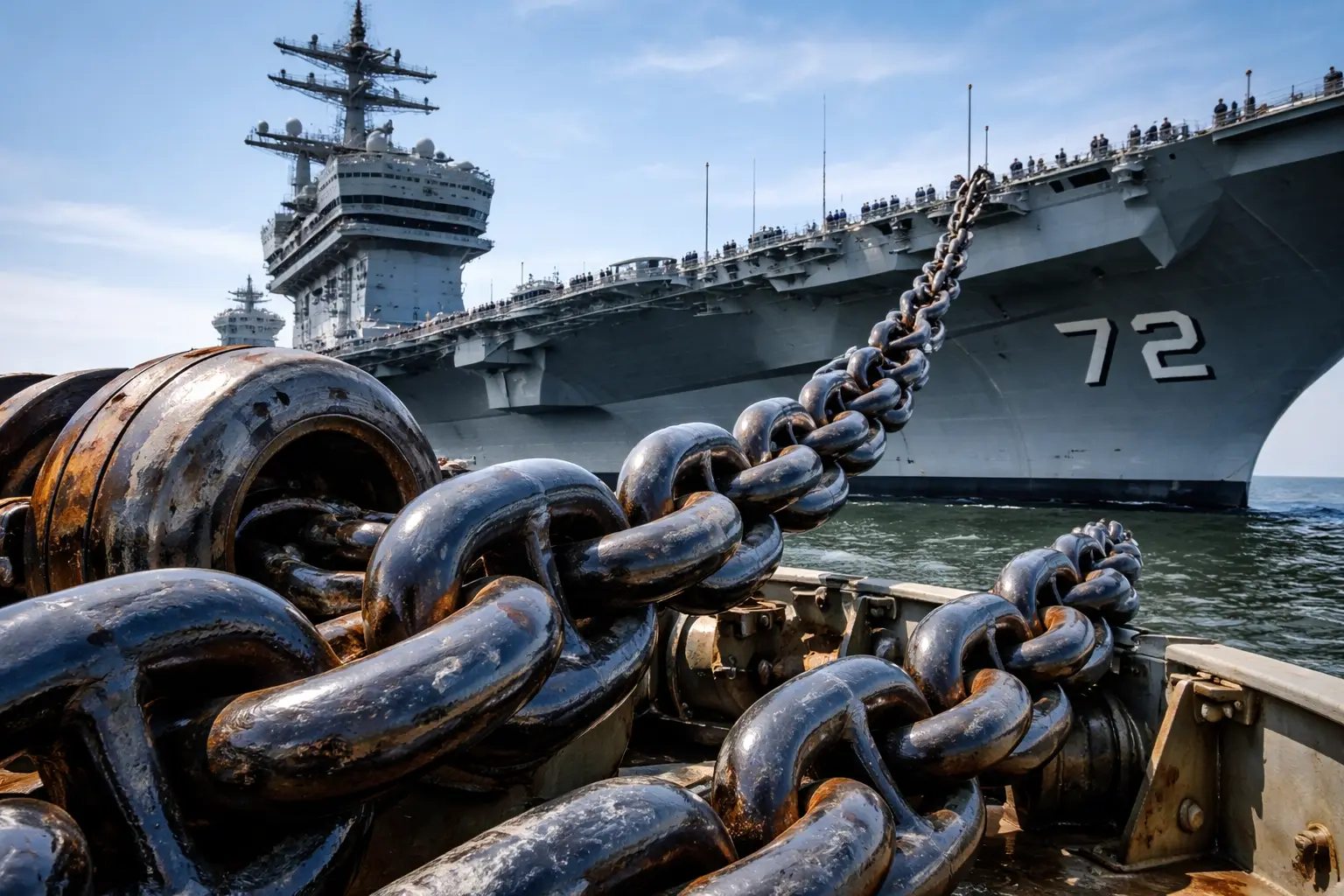
Shields 3-D air radars
Advanced sensors like the primary 3-D air search radars require continuous shielding from moisture and salt spray. Maintenance crews deploy specialised anti-corrosion coatings to protect the exposed metallic surfaces. These chemical layers form a vital barrier that stops rust before it compromises signal accuracy.
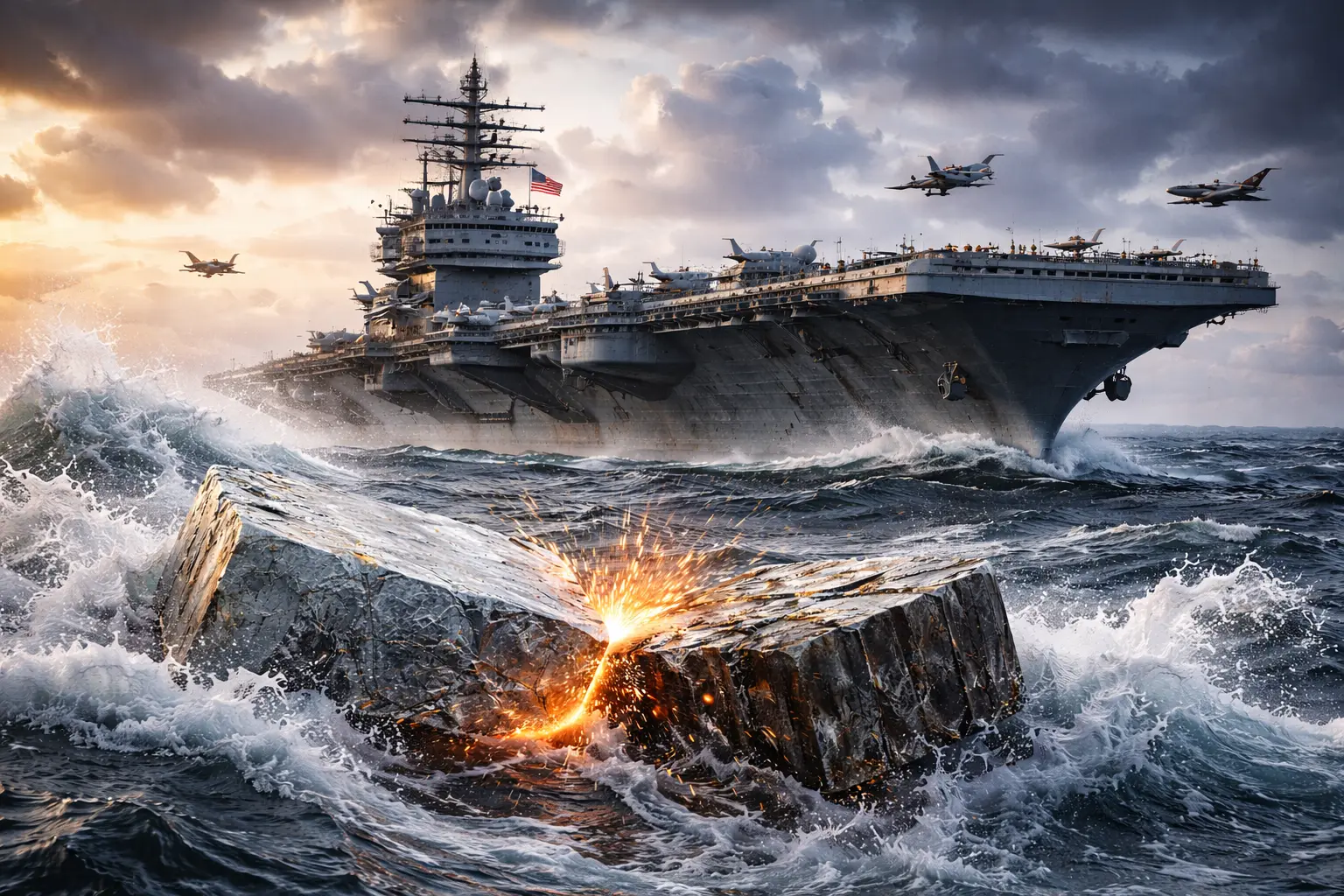
24-hour dry air pumping
Deep inside the sealed compartments, dry air pump systems work relentlessly to control internal humidity levels. By continuously dehumidifying the spaces housing the radar electronics, the ship effectively prevents condensation. This internal technique protects the steel structures and delicate circuitry from decaying over time.
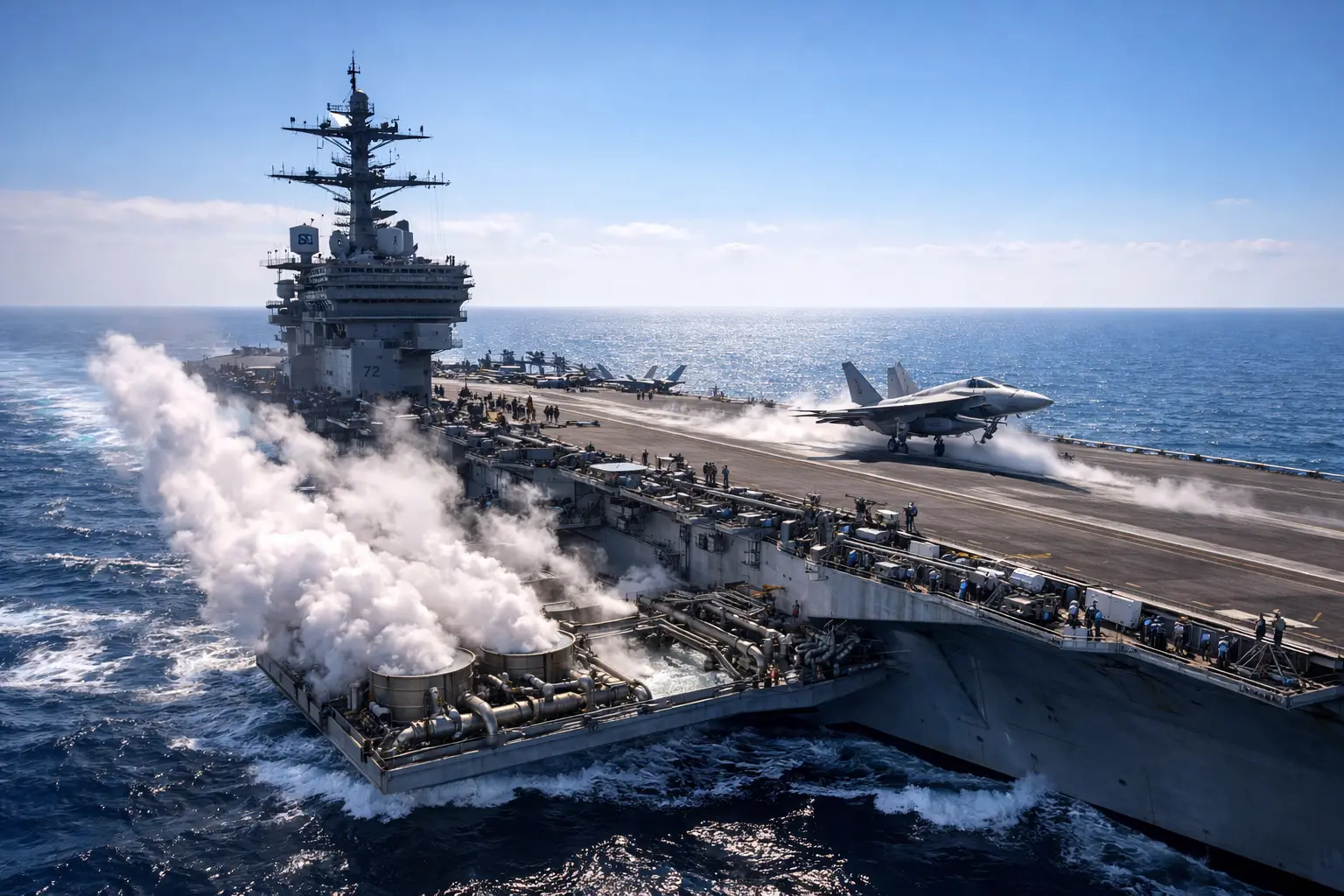
100 per cent conformal coating
The sensitive avionics and internal circuit boards receive a thin layer of epoxy or silicone conformal coating. This crucial application completely seals the electronic pathways against intruding salt and extreme humidity. It ensures that critical communication and tracking systems never short-circuit during a deployment.
Seals 2-D search sensors
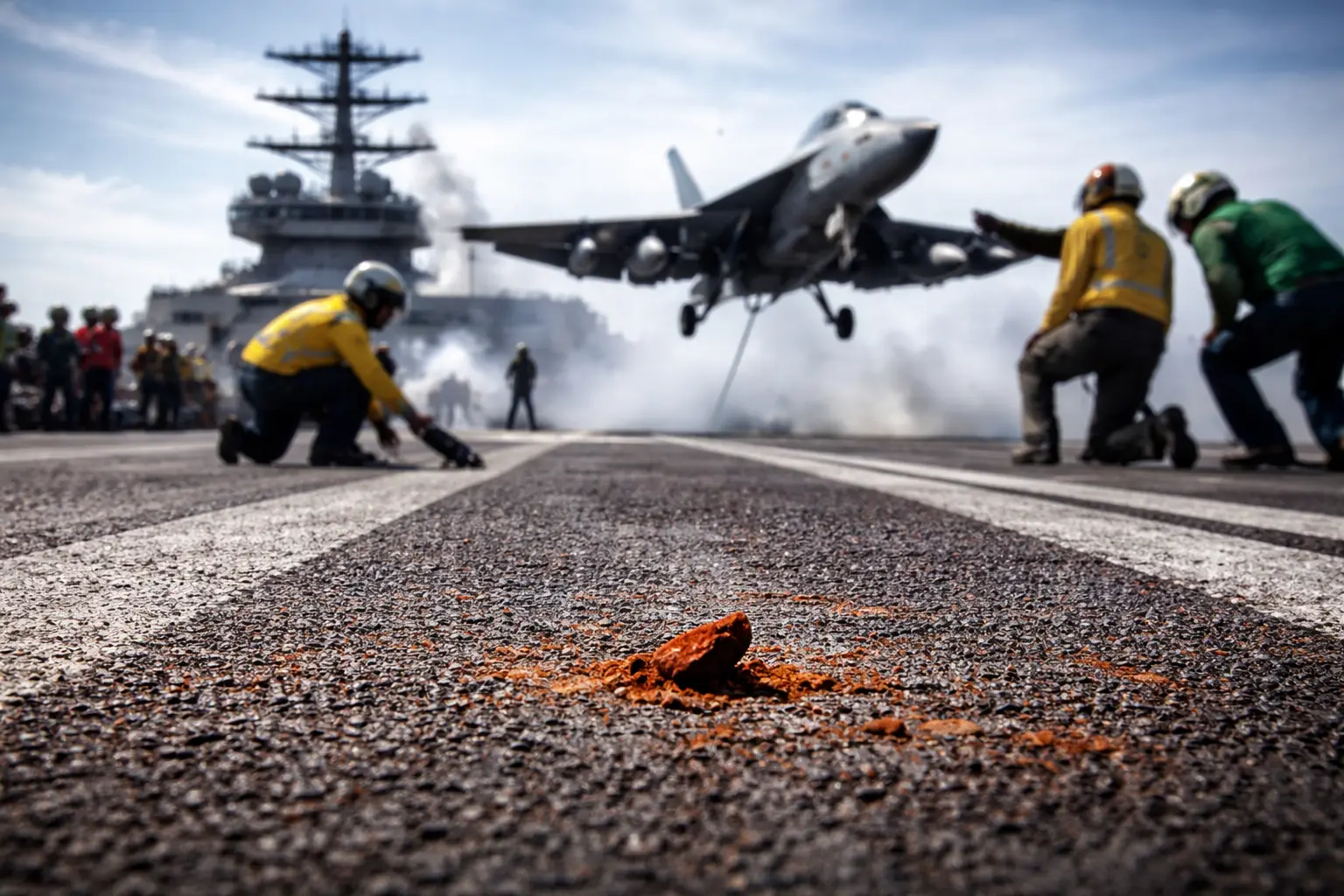
Engineers fit elastomeric boots and robust composite covers over the external mechanical joints and radar hinges. The ship employs weather-sealed electrical connectors with redundant grounding paths to prevent corrosion-induced faults. These physical barriers effectively block out the corrosive sea spray stirred up by the carrier.
3,532 crew washdown routines
Technology alone cannot defeat salt fog, prompting the ship's company to rely on strict maintenance routines. The crew members perform extensive freshwater washdowns to remove accumulated salt crystals from radar housings. This daily inspection and cleaning process drastically extends the lifespan of the critical equipment.
Saves billions in repairs
Without these rigorous preventative measures, material corrosion would cost the naval fleet heavily in operational downtime. Removing corrosion immediately with chemical neutralisation prevents small issues from escalating into major failures. This comprehensive anti-rust strategy ensures the warship remains fully battle-ready for decades.
)
)
)
)
)