‘Radar ghosts’: Why the US military fighter jets cannot track advanced UFOs

Declassified WAR.GOV files reveal that advanced UAPs are actively defeating multibillion-dollar US military radar systems. These crafts effortlessly jam F-35 tracking sensors and exhibit zero thermal exhaust, defying all known aerospace physics.
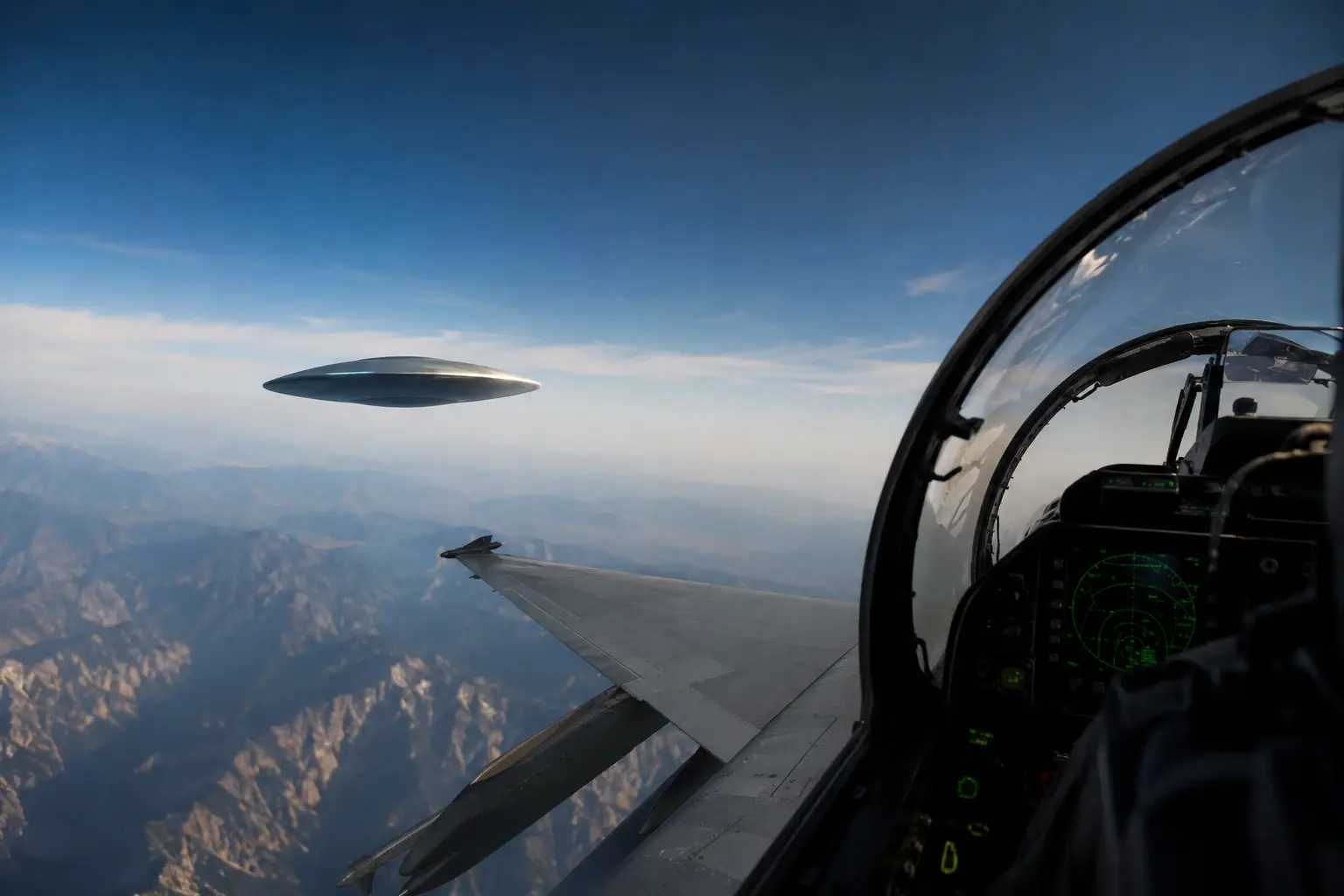
The Sensor Blindspot
The Department of War's recent PURSUE initiative declassified thousands of military encounters on the WAR.GOV portal. These files expose a severe tactical gap, revealing that UAPs consistently bypass the multibillion-dollar early warning radar networks protecting American airspace.
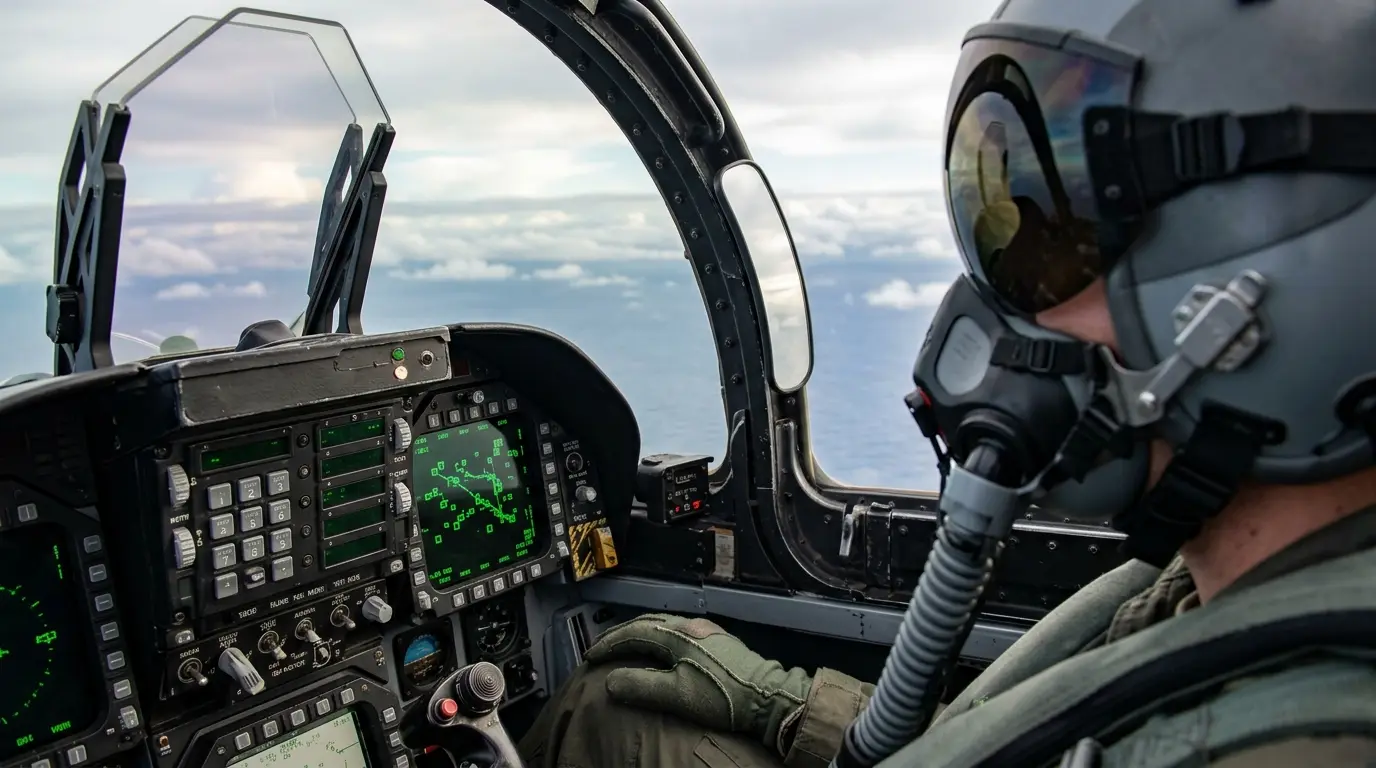
Defeating the F-35
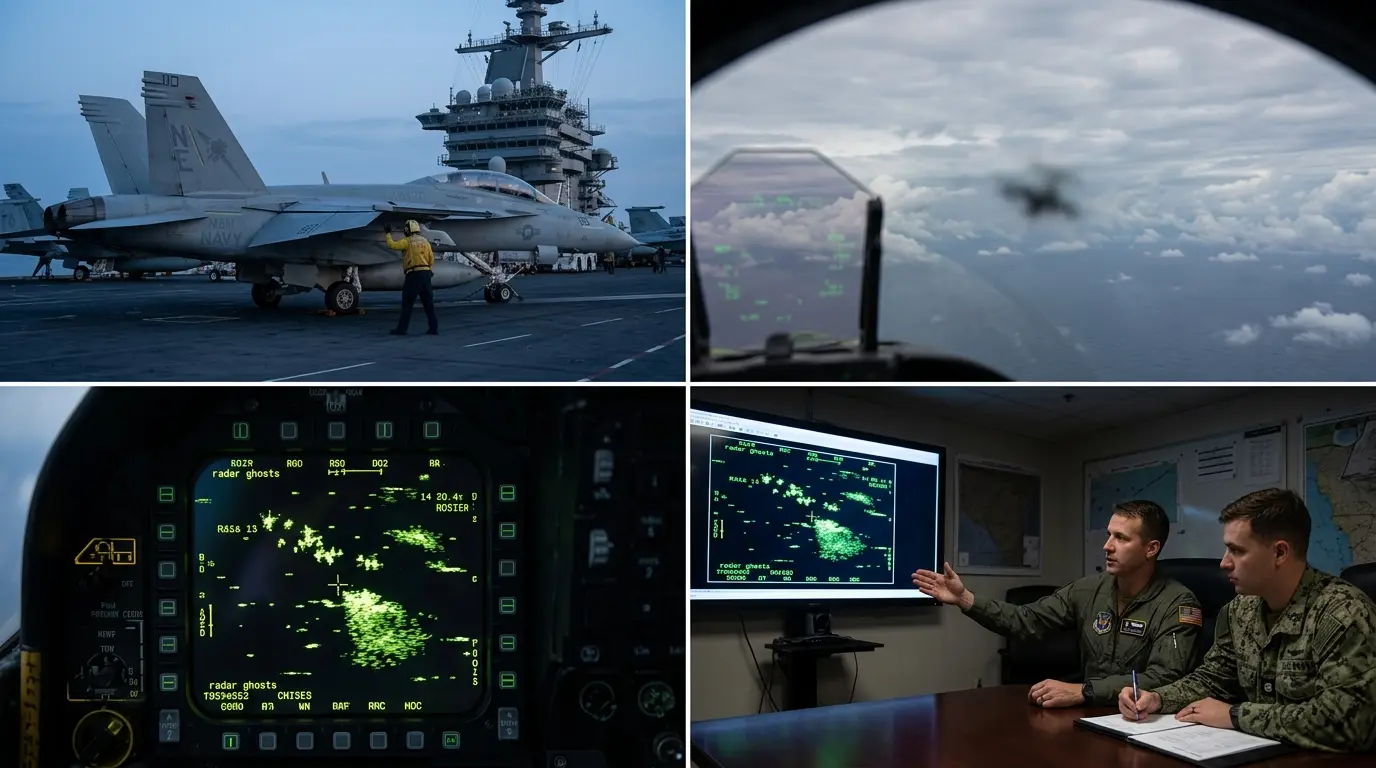
Several unclassified reports detail encounters involving fifth-generation F-35 Lightning II stealth fighters. Despite carrying the world's most advanced Active Electronically Scanned Array (AESA) radars, pilots reported that these anomalous objects registered as completely empty airspace on their combat displays.
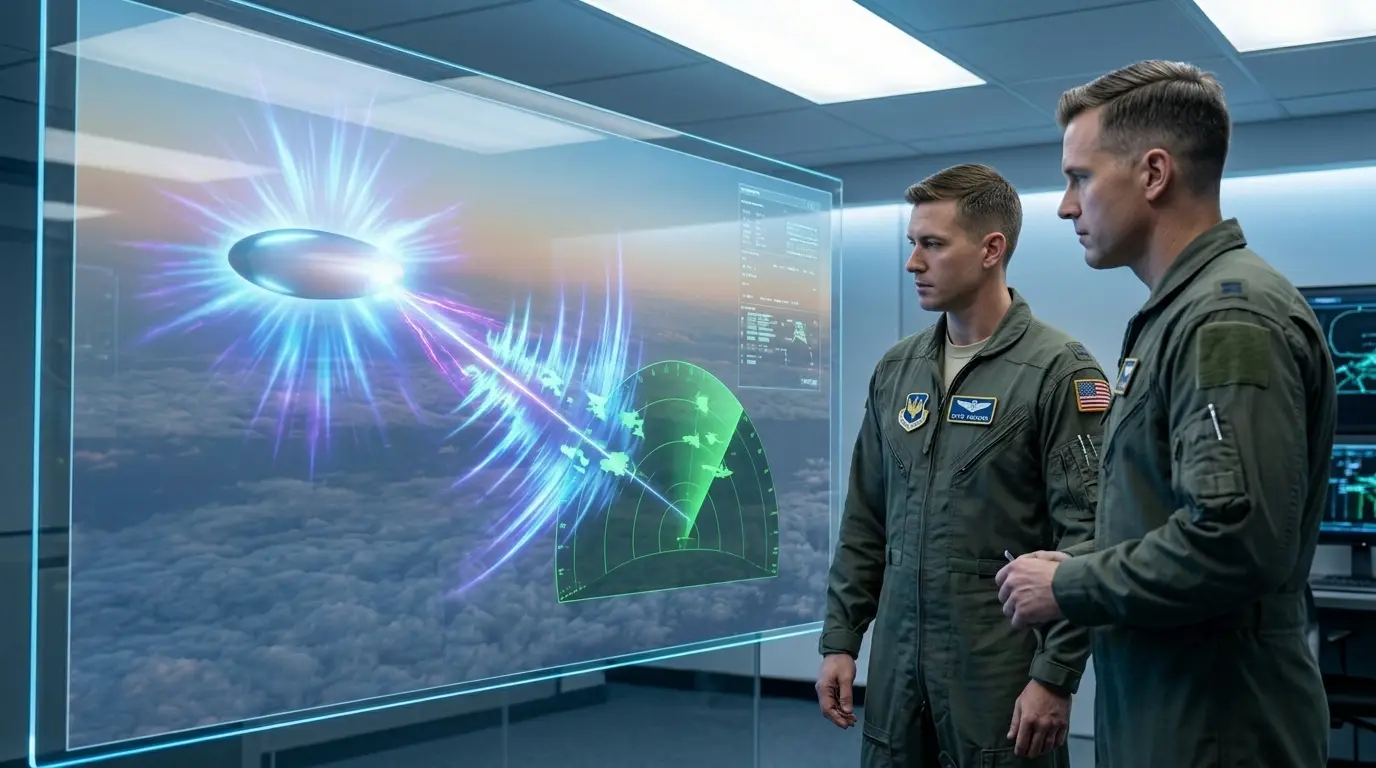
Electronic Warfare Overload
When fighter jets attempt to lock weapons onto these UAPs, the crafts do not deploy conventional radar-evading chaff or flares. Instead, they emit an overwhelming spectrum of electronic noise, actively jamming the targeting pods and instantly breaking the missile lock.
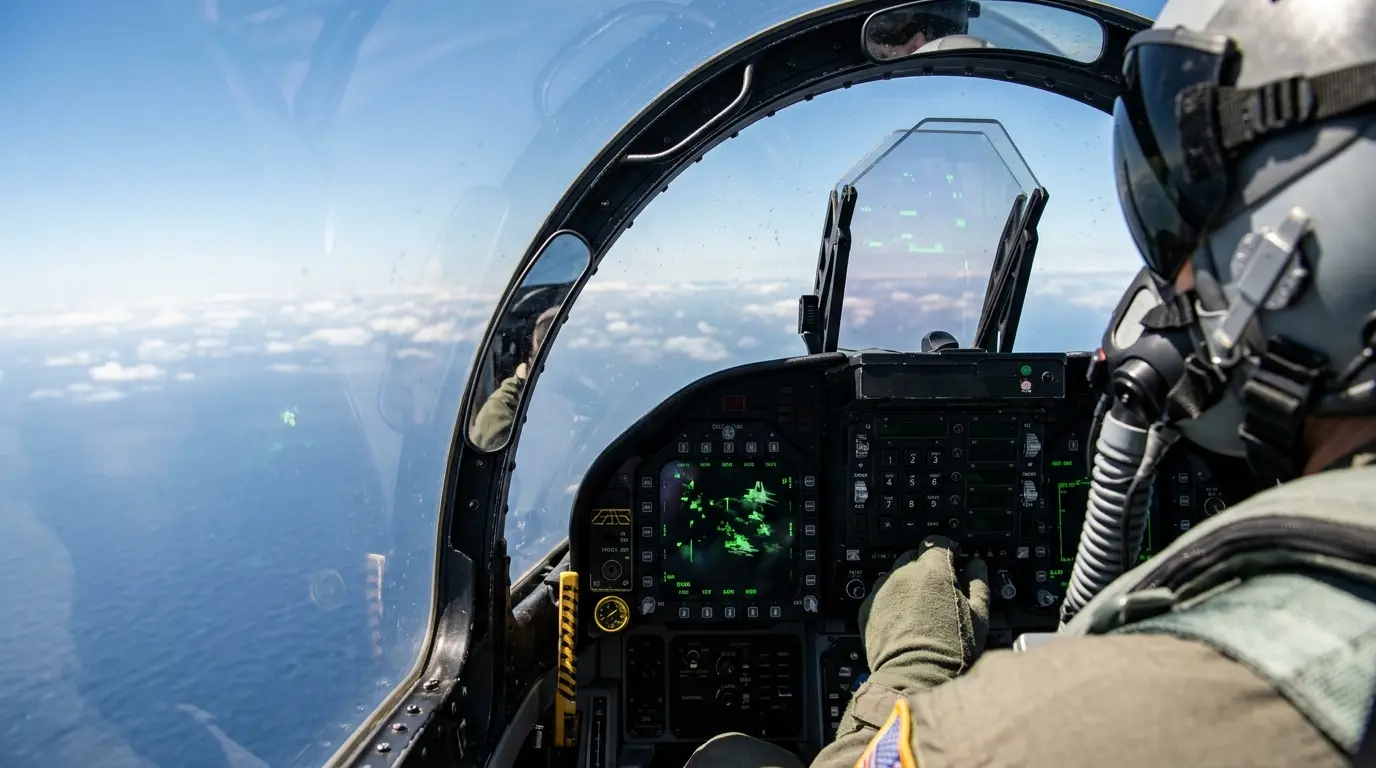
The 'Ghost' Telemetry
Navy electronic warfare officers have documented objects appearing simultaneously on multiple radar frequencies before vanishing instantly. This 'ghosting' capability forces combat crews to rely entirely on visual contact and thermal imaging, rendering sophisticated tracking software useless.
Zero Thermal Signatures
Even when pilots switch to Forward Looking Infrared (FLIR) cameras, the UAPs defy standard aerodynamic physics. The declassified sensor videos show objects travelling at hypersonic speeds without emitting any thermal exhaust plumes or heat friction typical of modern jet propulsion.
The AARO Assessment
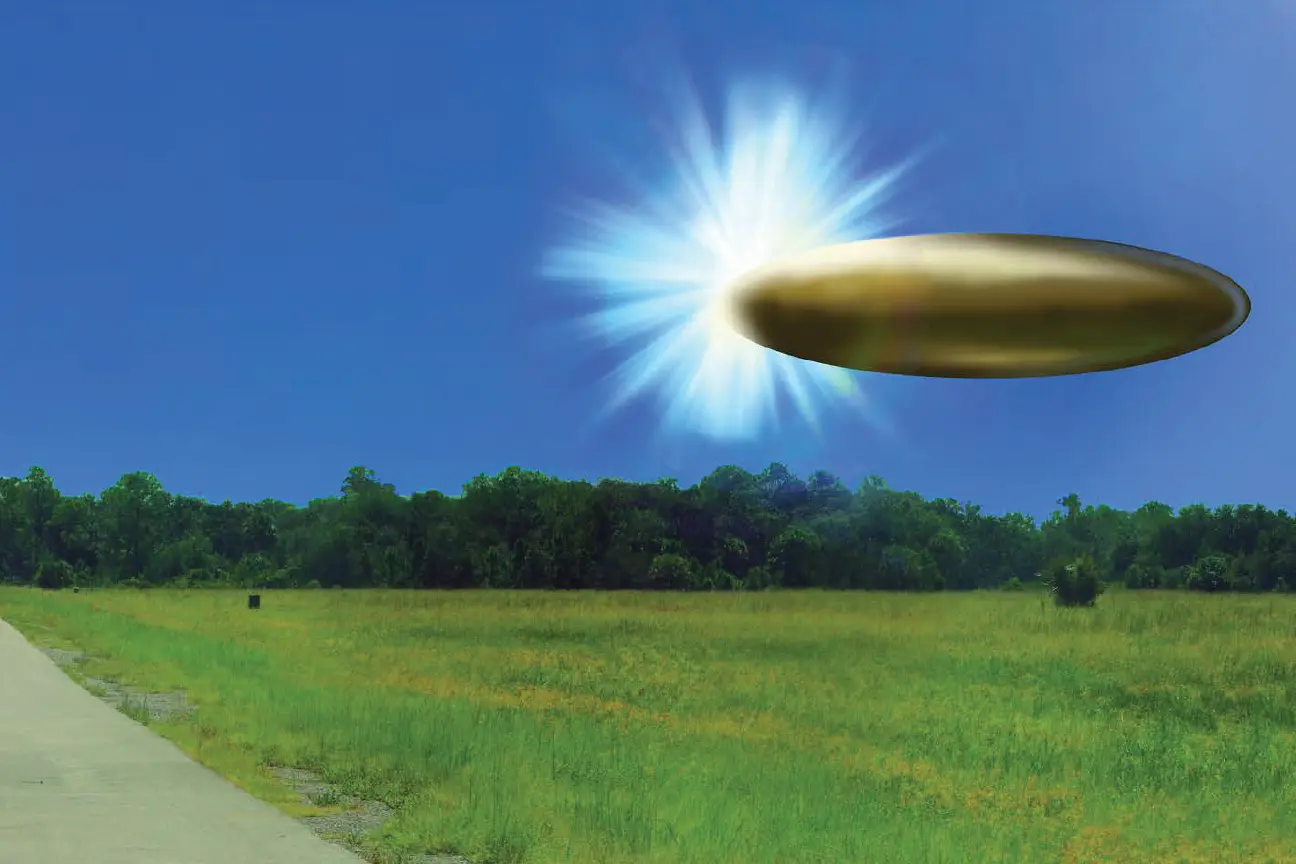
The All-domain Anomaly Resolution Office (AARO) rigorously analysed these specific sensor-jamming incidents before their public release. Intelligence analysts concluded these objects are not advanced Chinese or Russian drones, as they utilise physics beyond the current technological capacity of any nation.
An Urgent Upgrade
Secretary of War Pete Hegseth acknowledged that these encounters highlight a severe vulnerability in American national security. The Pentagon is now heavily investing in next-generation quantum radar and soliciting private-sector engineering to track these impossible aerial threats.
)
)
)
)
)