'Precision and power': How the A-10 Warthog & USS Abraham Lincoln strike targets together

Amid the ongoing Middle East conflict, US forces combine the USS Abraham Lincoln's maritime might and A-10 Warthogs' close-air firepower to execute precision strikes.
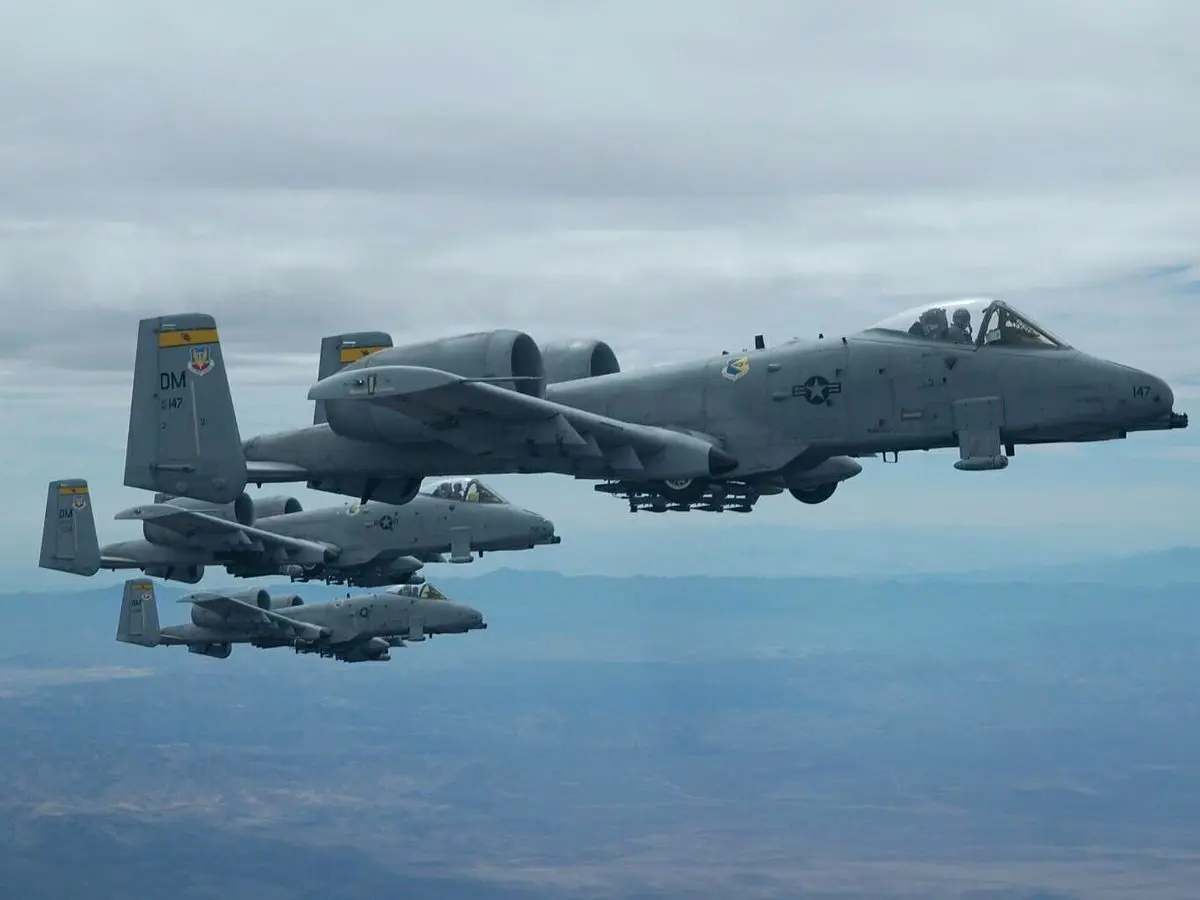
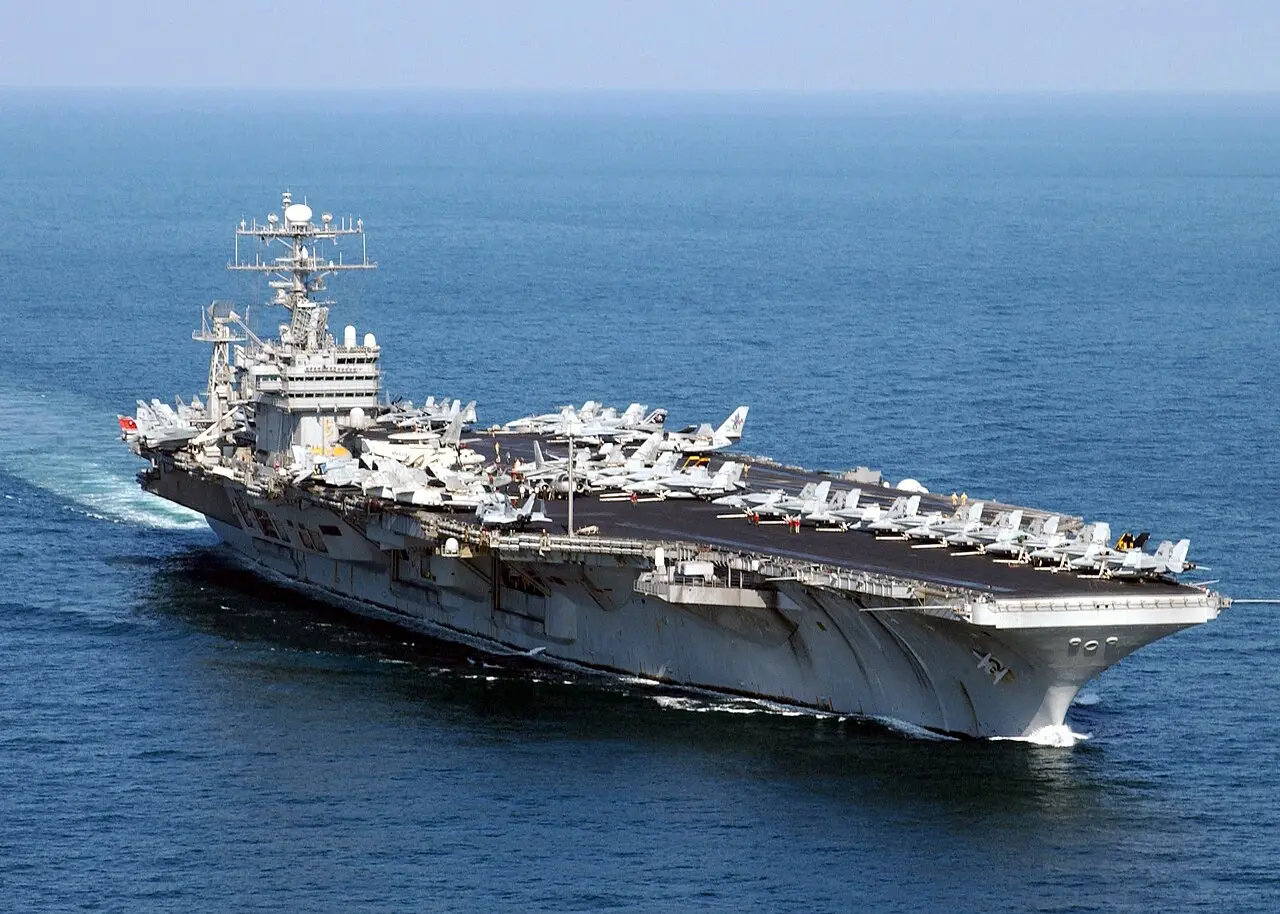
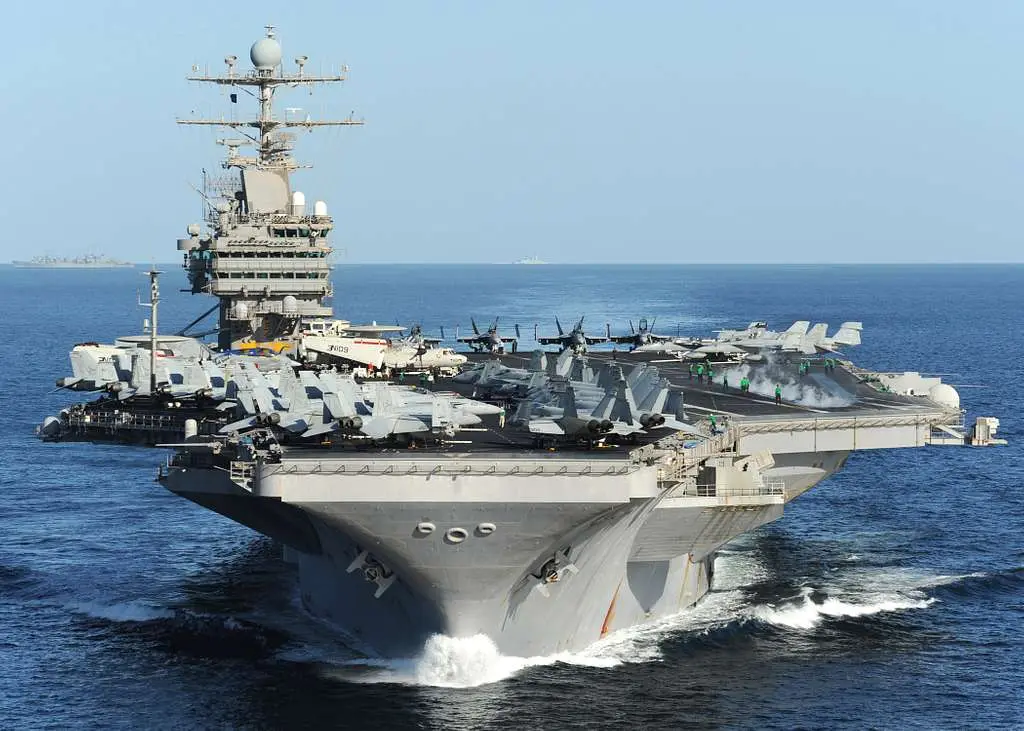
100,000-tonne carrier active
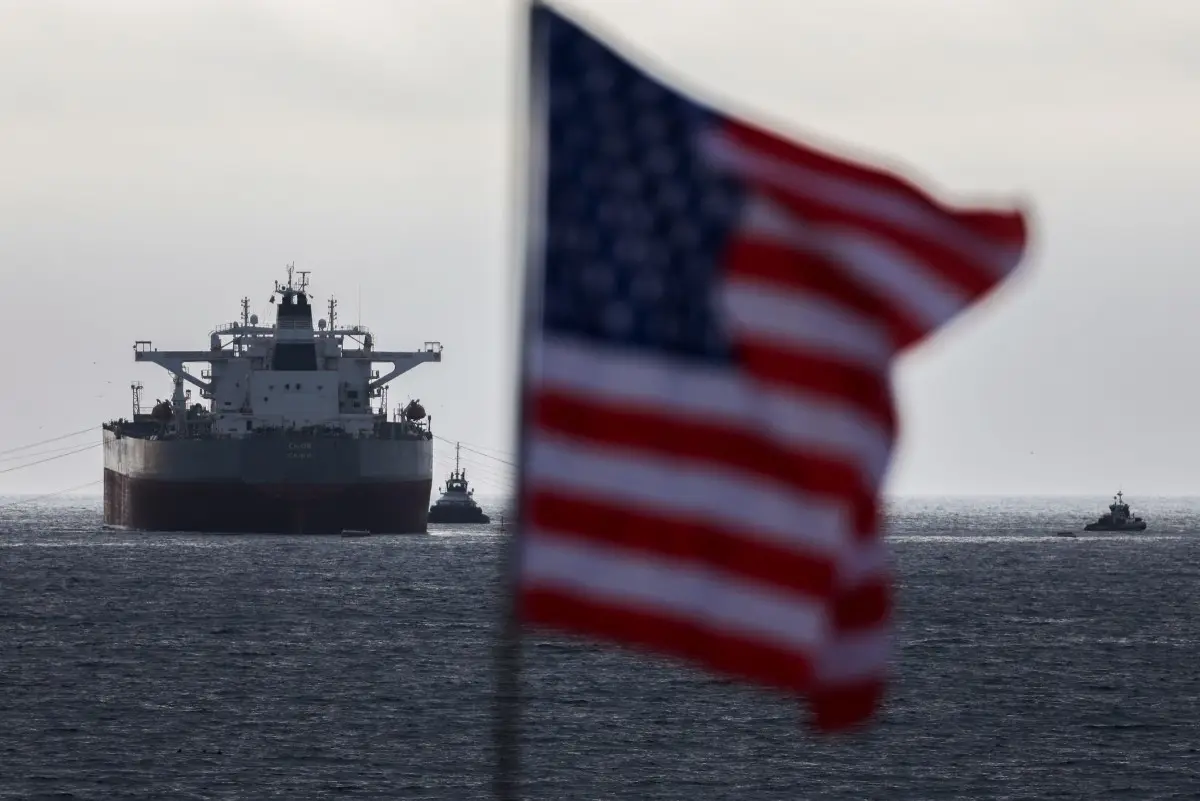
The USS Abraham Lincoln remains operational in the Arabian Sea to ensure regional security. This nuclear-powered aircraft carrier supports maritime stability and regional deterrence missions under the United States Central Command. The vessel acts as the central command hub for multi-domain strikes.
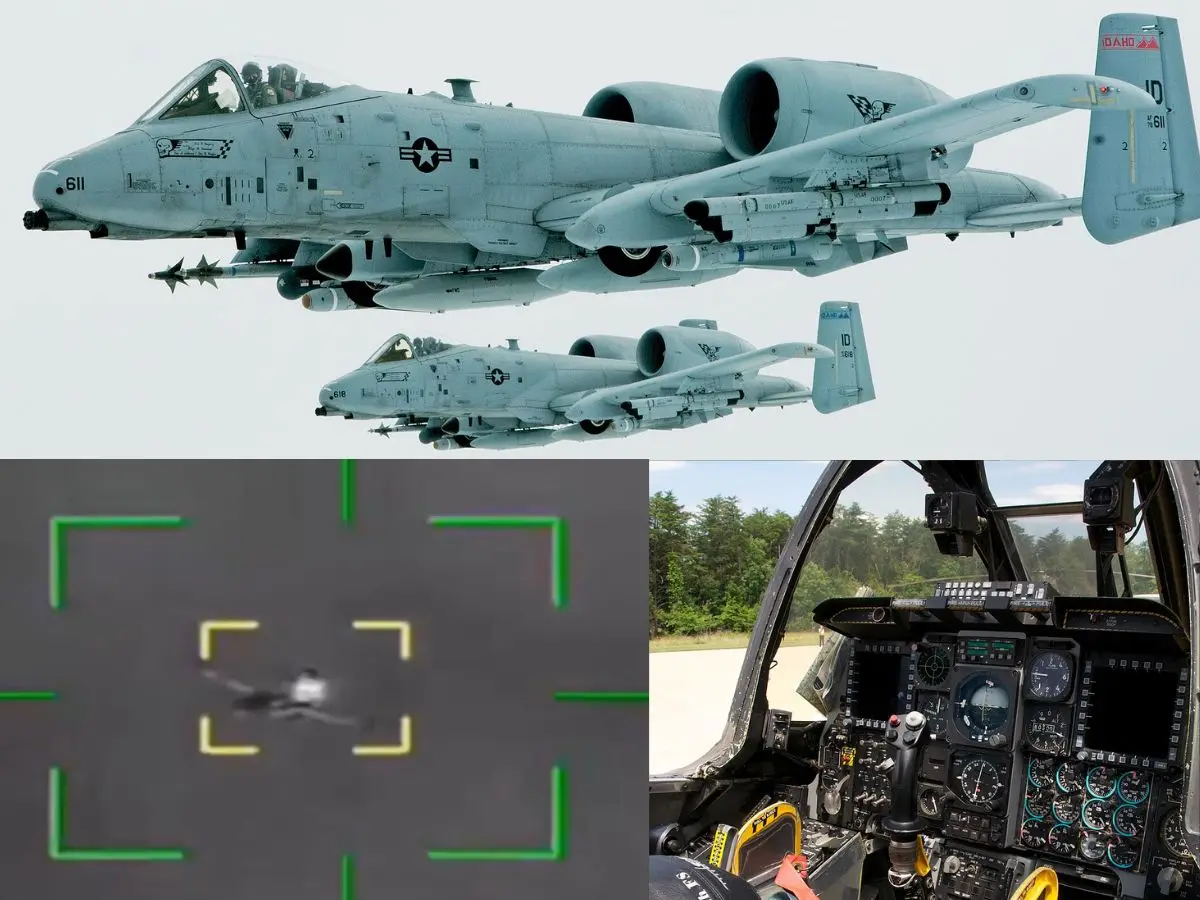
30 A-10s combat ready
The US Air Force recently deployed 18 additional A-10 Thunderbolt II aircraft to the Middle East. These close-air support planes joined 12 existing A-10s already conducting operations in the region. Their primary mission involves hunting fast-attack watercraft in the Strait of Hormuz.
3,900 rounds per minute
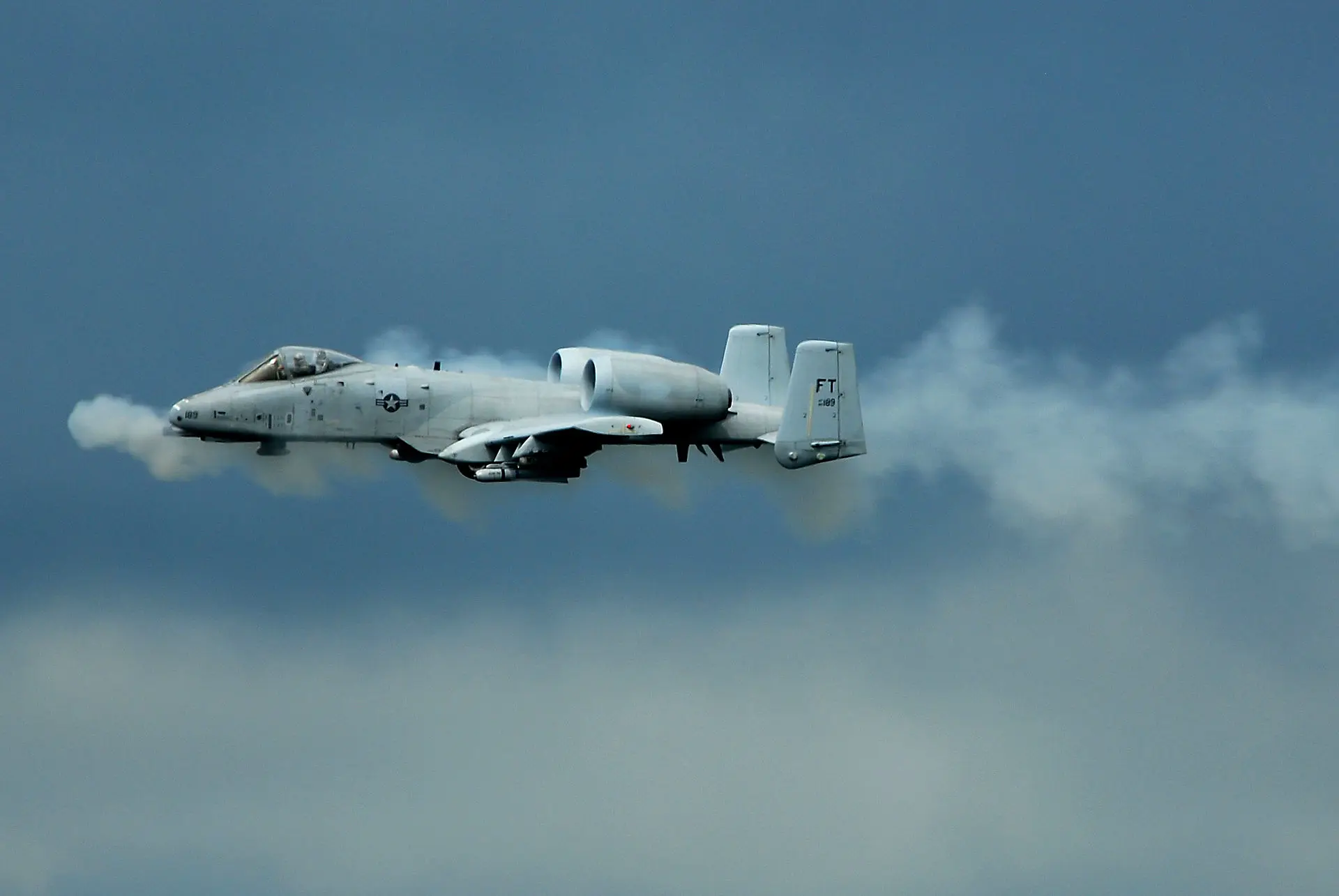
The A-10 Warthog features the massive GAU-8/A 30mm rotary cannon designed for close-air support. This weapon fires up to 3,900 depleted uranium armour-piercing rounds per minute. It provides heavy firepower against both armoured ground units and hostile maritime targets.
4,000-foot effective firing range
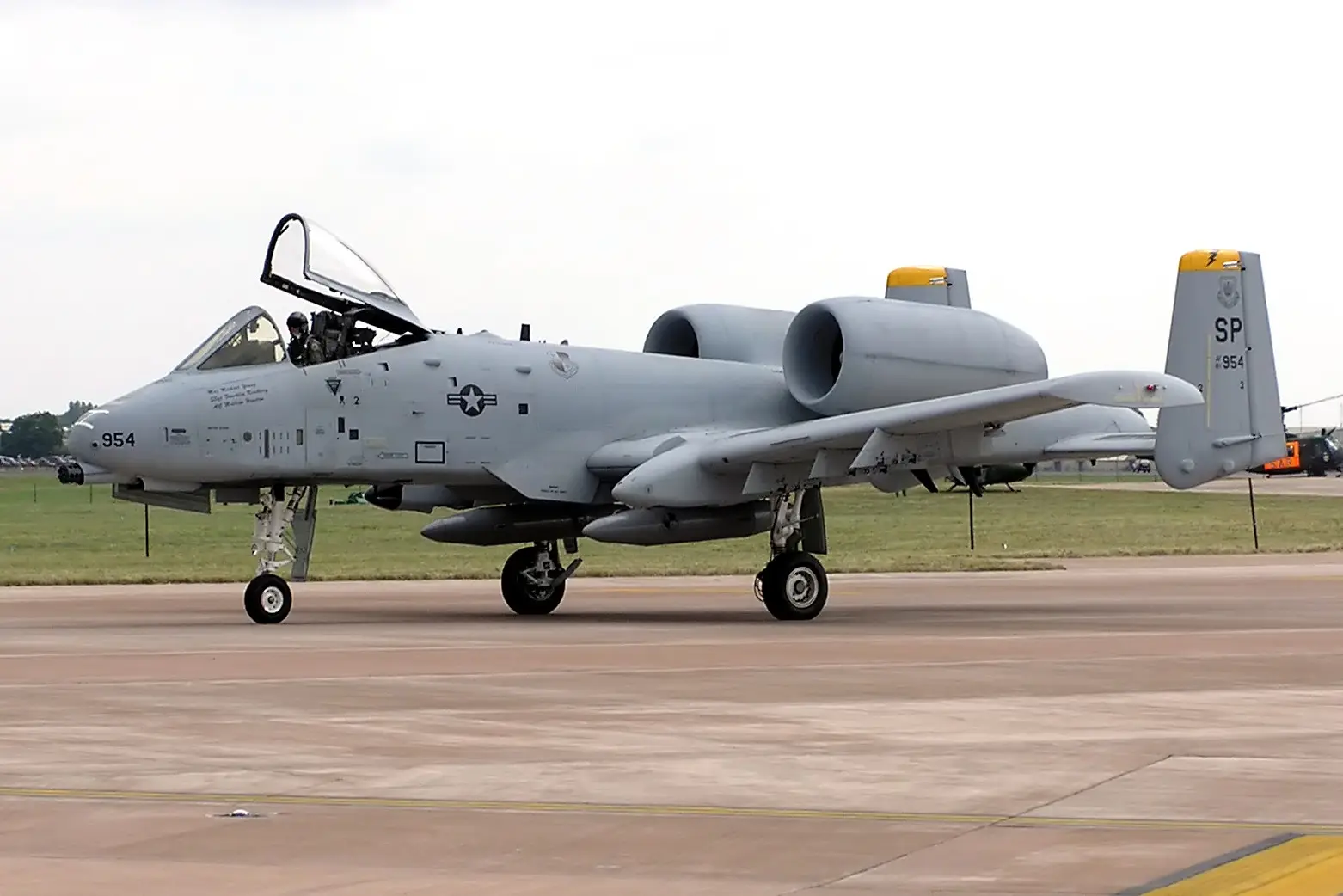
Pilots utilise the 4,000-foot effective range of the main cannon to neutralise threats from a safe distance. The aircraft features a titanium-armoured cockpit and a backup hydraulic system to withstand direct enemy hits. This durability allows pilots to maintain continuous aerial coordination.
420 miles per hour
While carrier-based jets fly at supersonic speeds, the A-10 reaches top speeds of 420 miles per hour. This slower speed allows pilots to carefully track and intercept small, fast-moving attack boats. It perfectly complements the high-altitude coverage provided by the Navy's fighter jets.
2 vital combat domains
Integrating naval and air assets allows the US military to secure both maritime and coastal environments. Carrier strike groups handle deep-sea deterrence and long-range interceptions. Meanwhile, land-based A-10 aircraft provide low-altitude support to protect commercial shipping lanes.
100 per cent maritime deterrence
The combined presence of the aircraft carrier and attack planes aims to fully deter unlawful maritime attacks. Navy destroyers share real-time threat data to direct Air Force planes toward incoming drones or hostile vessels. This joint operation secures crucial trade routes.
)
)
)
)
)