'Pitched downward on its own’: Nightmare Airbus A320 scenario that unfolded in JetBlue flight before getting grounded

Airbus has acknowledged the issue and apologised for disruption, calling safety its “number-one priority.” Regulators like EASA and the US Federal Aviation Administration (FAA) have launched investigations into the incident.

1. What Happened — A Sudden, Uncommanded Drop in Altitude
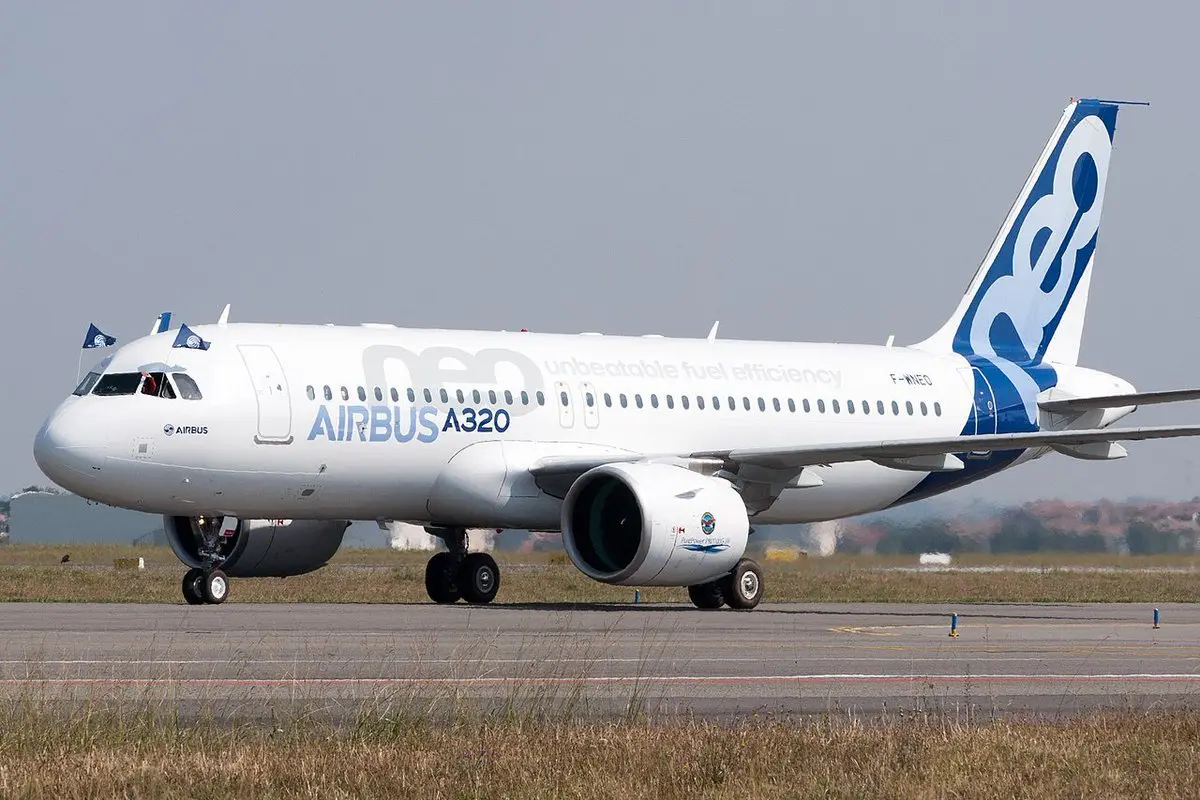
On 30 October 2025, a JetBlue A320 (Flight 1230, Cancun → Newark) experienced a severe flight-control issue mid-air. The plane pitched downward on its own, losing altitude rapidly before the crew managed to divert. The aircraft made an emergency landing at Tampa International Airport. At least 15 – 20 passengers and crew sustained injuries.
2. The Trigger — Flight Computer Malfunction (ELAC) Linked to Radiation-Induced Data Corruption
Post-flight investigations linked the incident to a malfunctioning ELAC (Elevator & Aileron Computer), the critical unit responsible for interpreting pilot inputs and controlling the plane’s pitch and roll. According to Airbus and regulatory sources, intense solar or cosmic radiation may have caused data corruption (bit-flips) within the ELAC’s memory, triggering the abrupt descent.
3. Immediate Reaction — Massive Global Recall & Grounding of A320-Family Jets
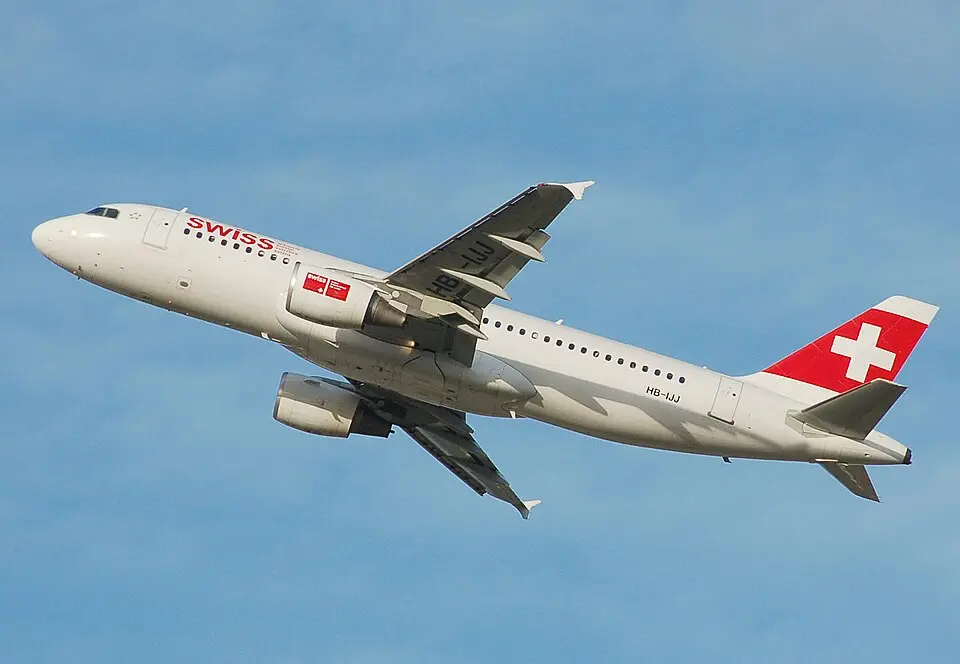
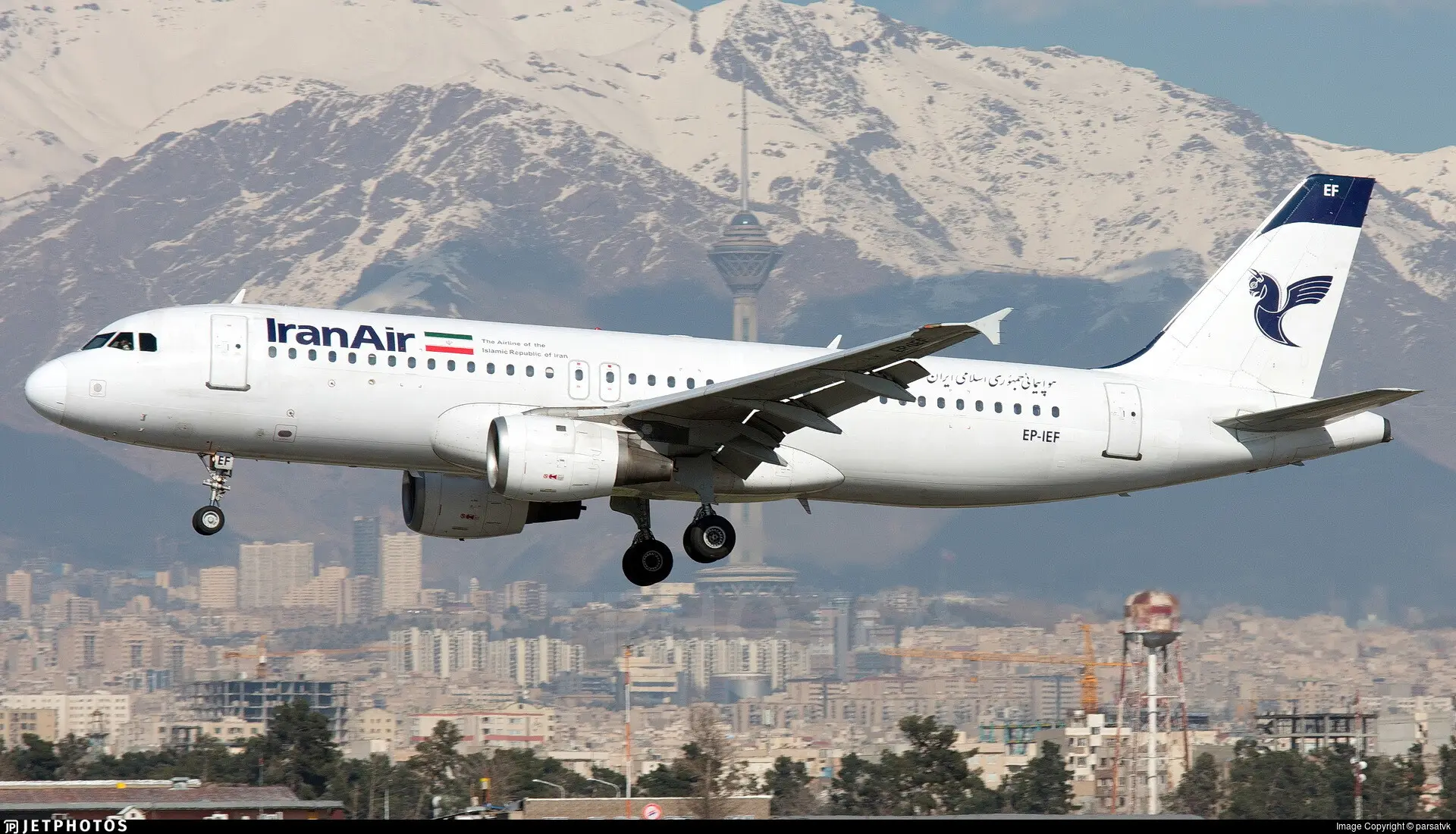
In response, European Union Aviation Safety Agency (EASA) issued an emergency airworthiness directive, requiring immediate software updates or hardware checks on A320-family jets before their next flight. Airbus confirmed the recall impacts roughly 6,000 A320-family aircraft globally, more than half of the worldwide fleet.
4. The Fix: Software Rollback — But Not Always Enough
For the majority of affected jets, Airbus prescribed a software rollback to a previous, stable version, a fix that can be completed in a few hours. However, the root cause being data-corruption vulnerability means some jets will require hardware replacement (ELAC unit swap or upgrade) to ensure long-term safety.

5. Why This Is a “Nightmare Scenario” — Even on the Ground or in Cruise
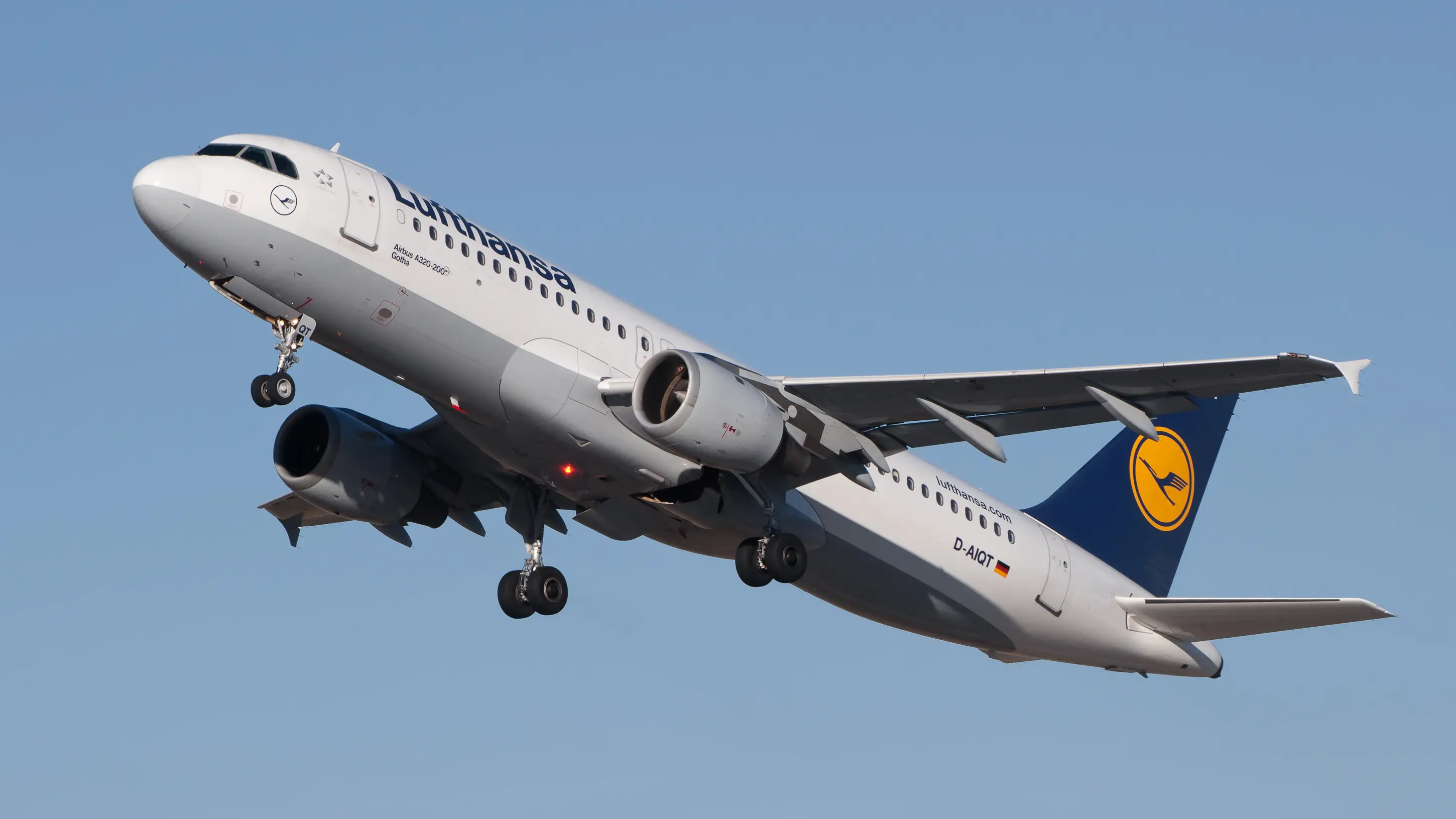
The A320 family is a “fly-by-wire” aircraft: pilot controls are converted to electronic signals, interpreted by flight computers (ELAC/SEC/FAC), and then executed by hydraulic actuators. A glitch in that chain, like corrupted memory, can produce uncommanded pitch-down, control loss or unpredictable commands, which in worst cases could lead to structural stress or loss of control. The JetBlue incident shows exactly that: at cruise altitude, autopilot engaged, and yet the plane dropped unexpectedly.
6. Broad Impact — Flights Grounded, Repairs Needed, Global Disruptions Expected
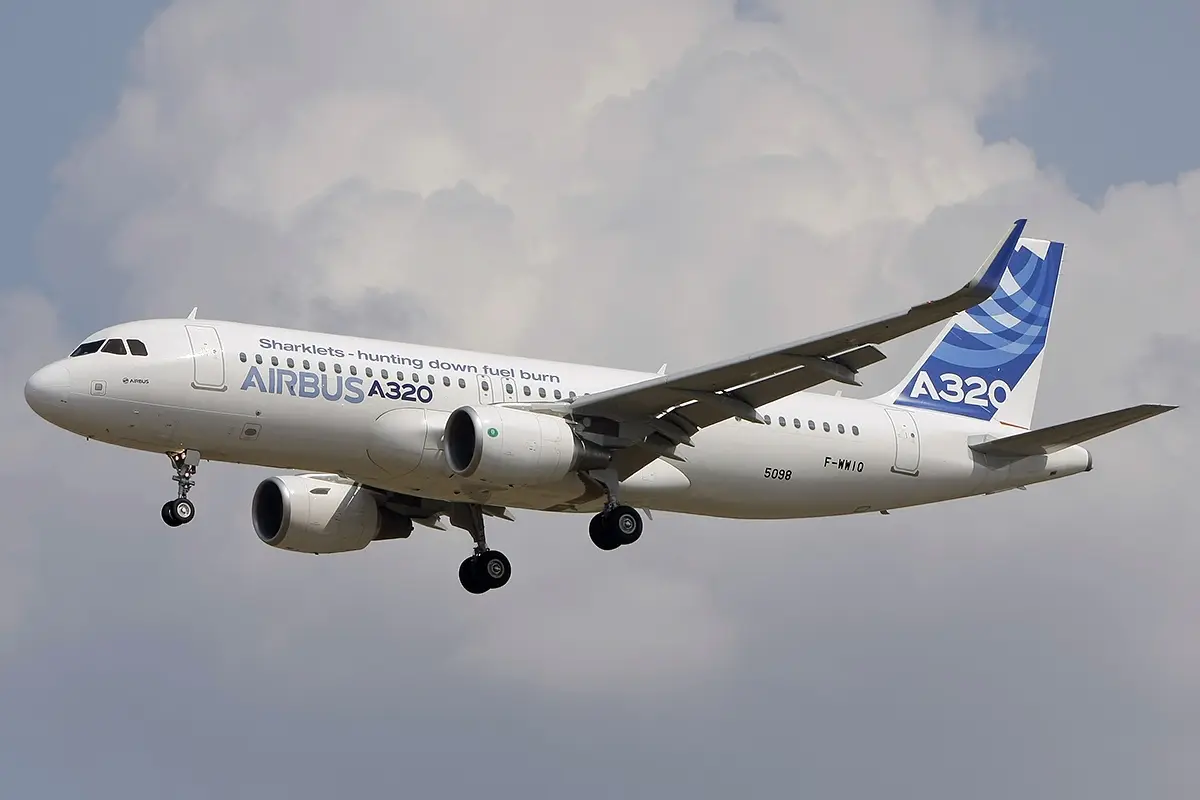
Given the scale of the recall, airlines worldwide, from the US to India to Europe and beyond, are grounding jets, rescheduling flights, and applying fixes. Some carriers report that a significant portion of their A320-family fleet is affected. For passengers, this means flight delays, cancellations, longer wait times, and widespread disruption, especially concerning as the grounding came just before a busy holiday travel period.
7. What Investigators and Regulators Say — The Incident Forced a Major Safety Rethink
Airbus has acknowledged the issue and apologised for disruption, calling safety its “number-one priority.” Regulators like EASA and the US Federal Aviation Administration (FAA) have launched investigations into the incident. The recall is precautionary, but the fact that a routine flight can be endangered by radiation-induced data corruption in an aircraft computer, well-tested and widely used, has sparked a serious re-evaluation of avionics resilience, certification standards, and software-hardware safety margins.
A Wake-Up Call for Air Travel — And Why Passengers Should Care
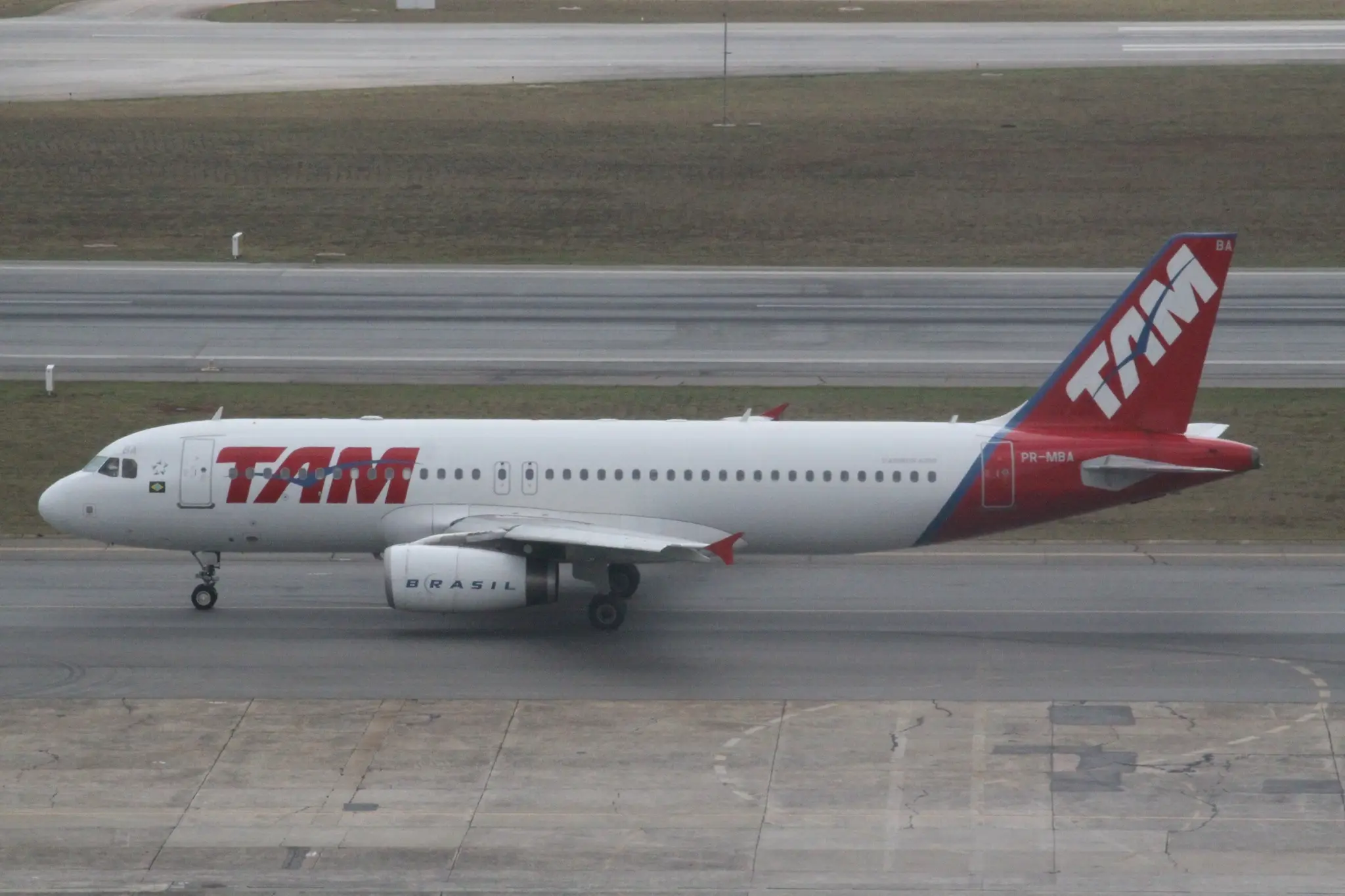
This isn’t just a technical glitch, it demonstrates that even modern, widely trusted aircraft are vulnerable to edge-case software/hardware failures triggered by natural phenomena (solar radiation). Until now, commercial aviation treated such risks as theoretical or negligible. The JetBlue A320 incident proves they’re real, dangerous and not restricted to experimental or military jets.
For passengers, that means: always check airline notifications, expect delays or cancellations, and be prepared for possible reroutes or rescheduling. For regulators and manufacturers: this is a moment to reinforce avionics resilience, update certification protocols, and treat “rare but catastrophic” scenarios with full priority.
)
)
)
)
)