'Only 4 instruments alive': Can NASA's Voyager still unlock secrets of interstellar space?

Even with just four, the instruments can reveal how the heliosphere interacts with interstellar space, how charged particles behave outside the Sun’s influence, and how magnetic fields shape the cosmic environment.
Power Running Out
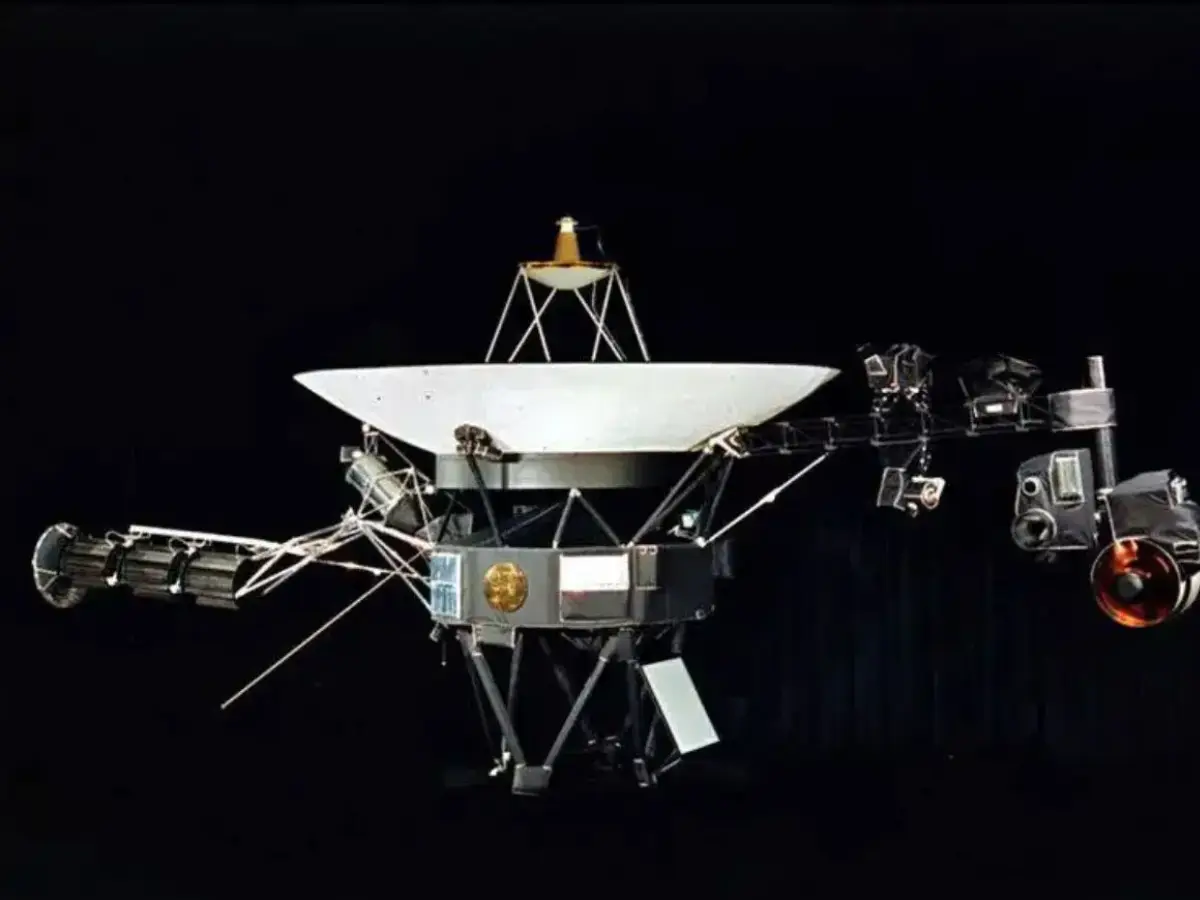
Launched in 1977, Voyager 1 and 2 have travelled far beyond the Solar System. Their nuclear power sources are fading, forcing NASA to shut down most instruments to conserve energy.
The Remaining Tools
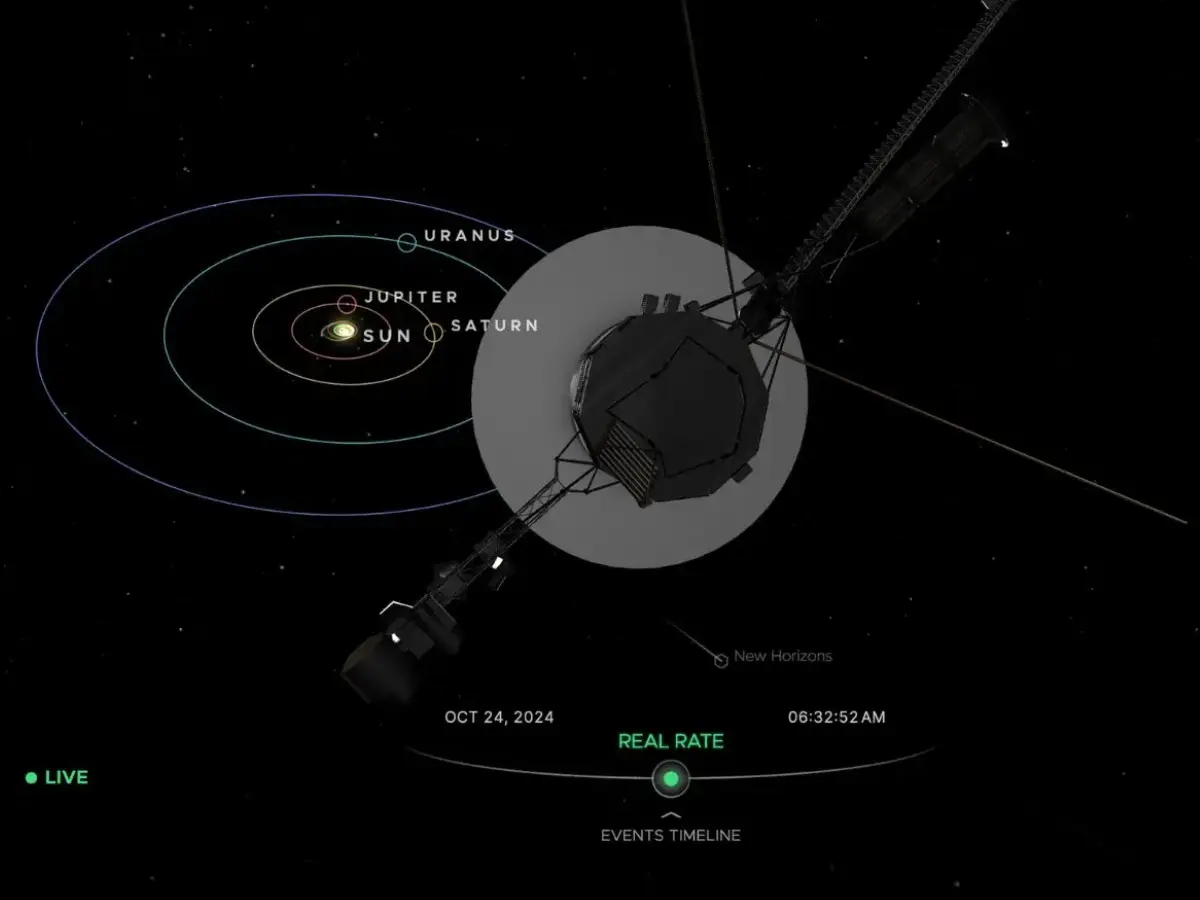
Each spacecraft now operates with only four active instruments. These include detectors that monitor plasma, magnetic fields, and cosmic rays, the essential tools for studying interstellar space.
What Has Been Switched Off
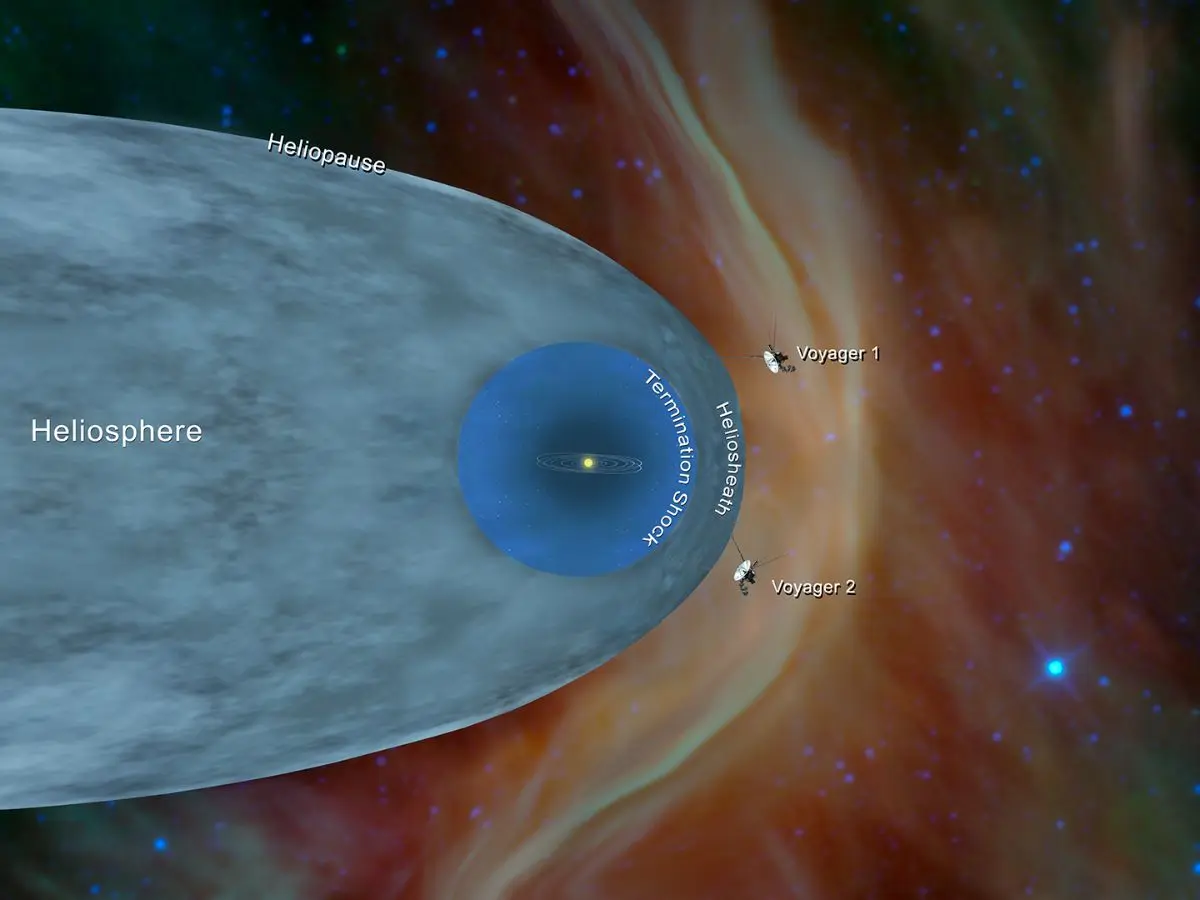
Over the past few years, instruments such as imaging systems and cosmic ray subsystems have been shut down. This gradual process ensures the probes can continue sending data for as long as possible.
Why Four Still Matter
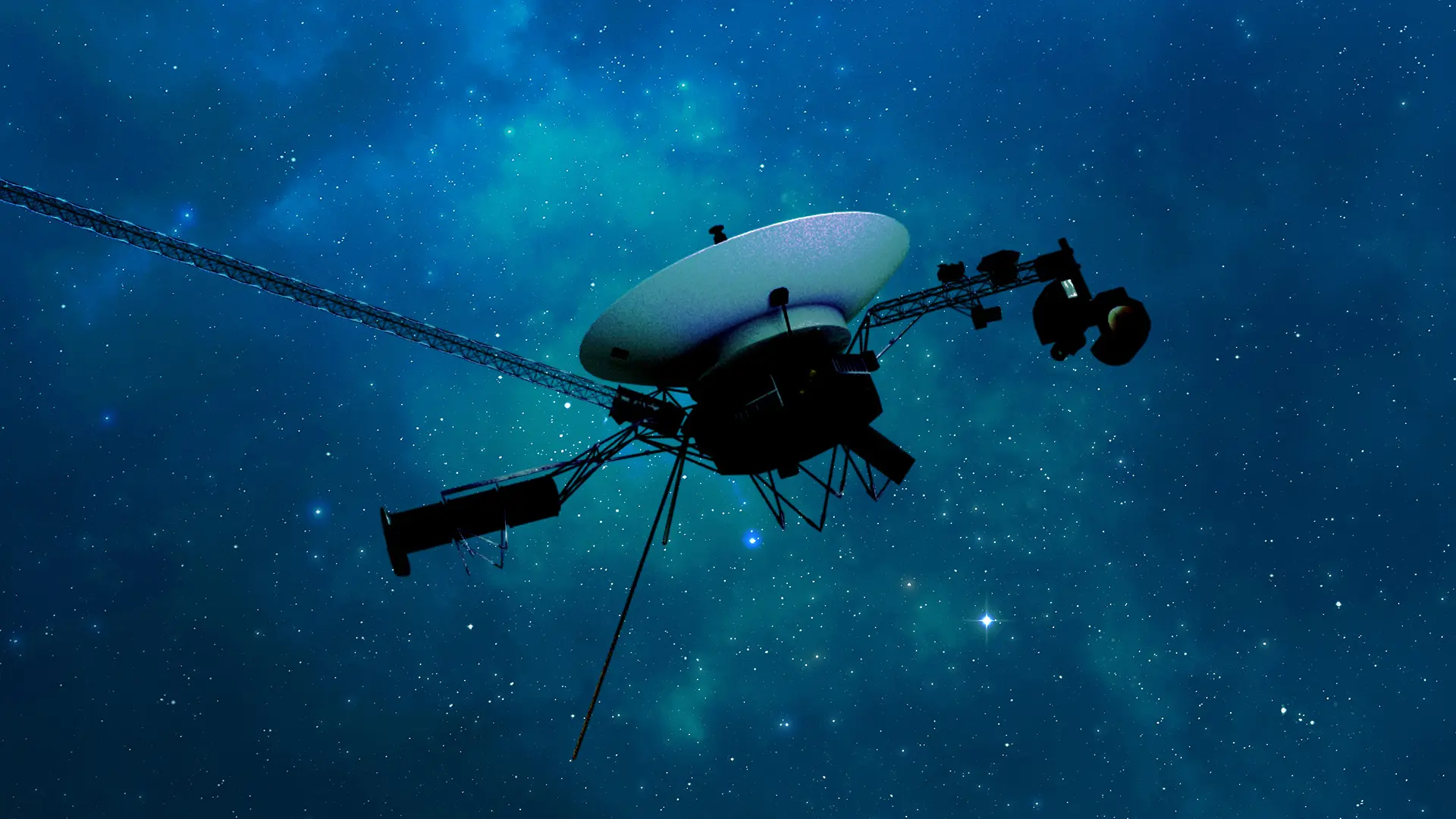
Even with just four, the instruments can reveal how the heliosphere interacts with interstellar space, how charged particles behave outside the Sun’s influence, and how magnetic fields shape the cosmic environment.
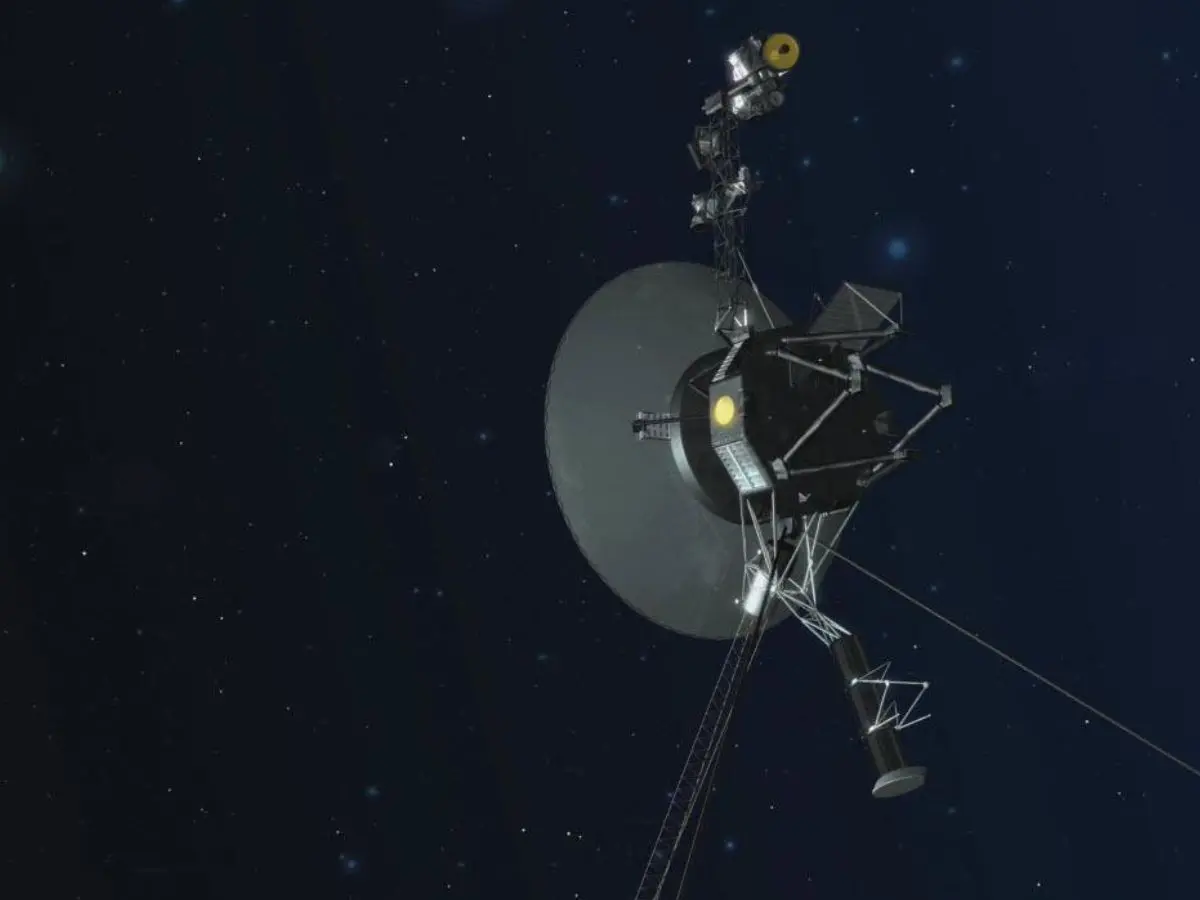
The Value of Every Byte
Because signals take more than 22 hours to reach Earth, data return is slow and minimal. Yet each transmission helps refine models of interstellar physics that cannot be tested from within the Solar System.
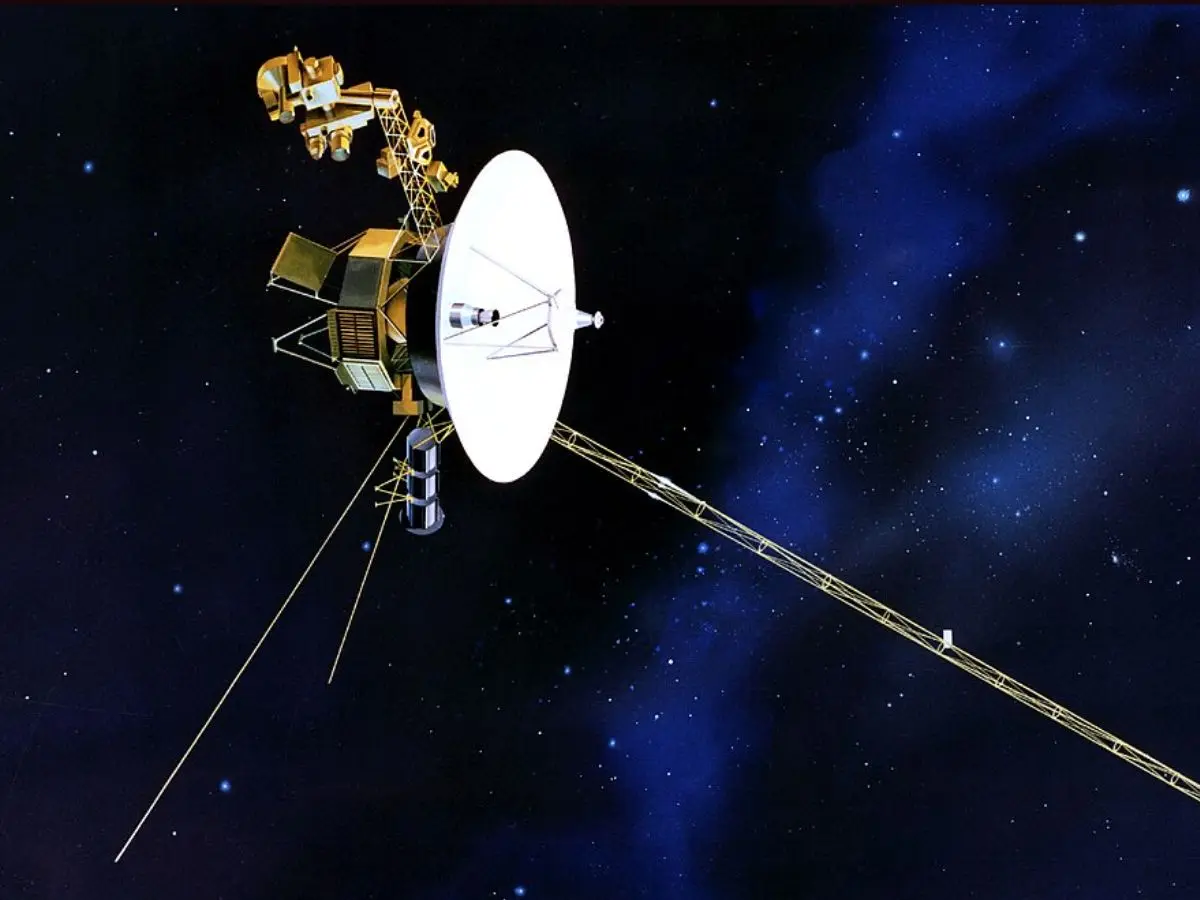
Science on Borrowed Time
Engineers predict that by the early 2030s, even these remaining instruments may need to be shut down. After that, the spacecraft will likely only transmit basic engineering signals or none at all.
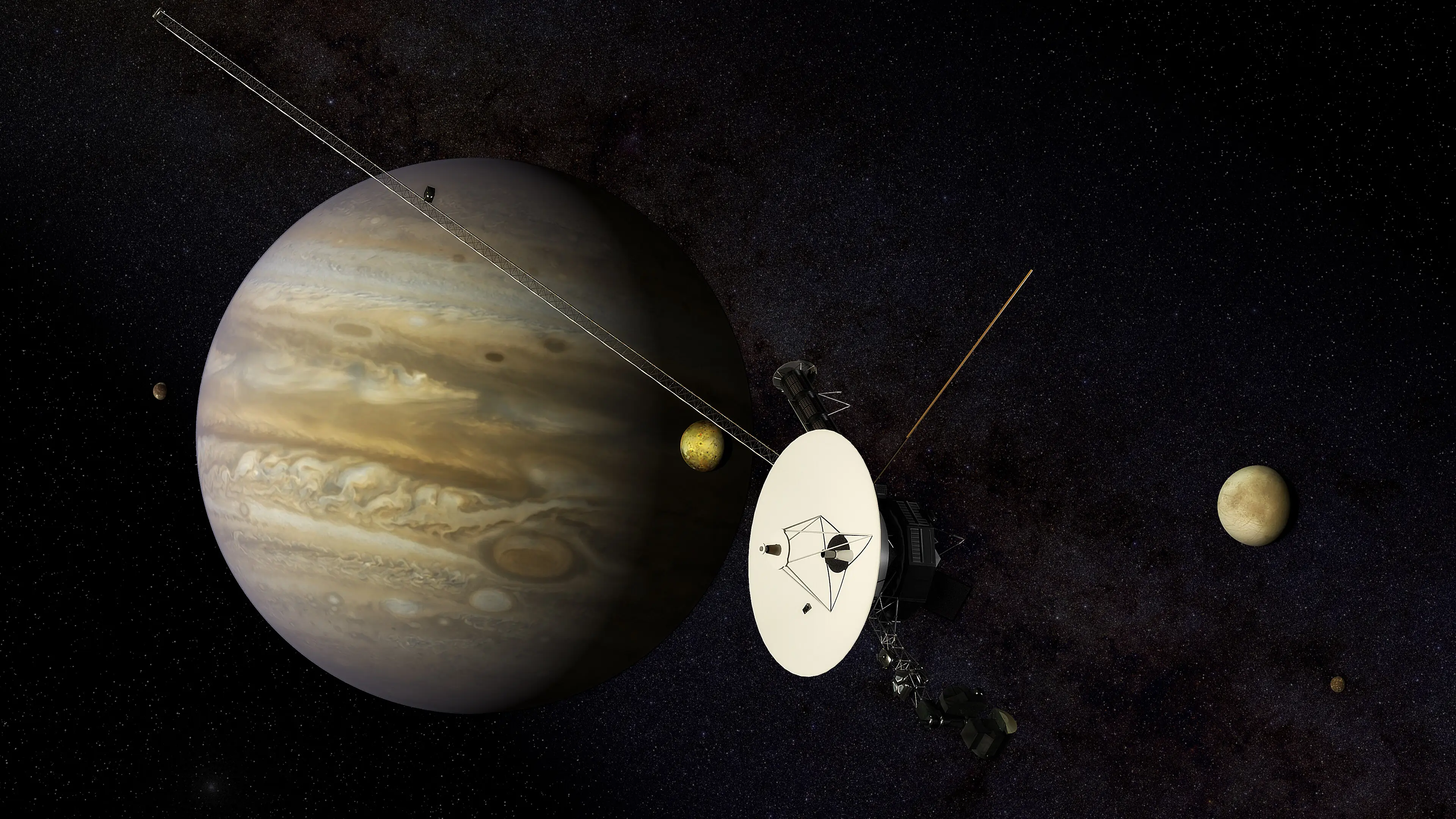
The Legacy Beyond the Data
Voyager’s journey with just four working instruments demonstrates the durability of 20th-century engineering. Even when the last readings stop, their role as humanity’s first emissaries to interstellar space will continue.
)
)
)
)
)