'North Korea’s missile tests': What they reveals about its long-term strategy

North Korea's 2026 missile tests show a move toward tactical nuclear use and mass production. Kim Jong Un aims to cement the nation as a permanent nuclear power through new five-year goals.
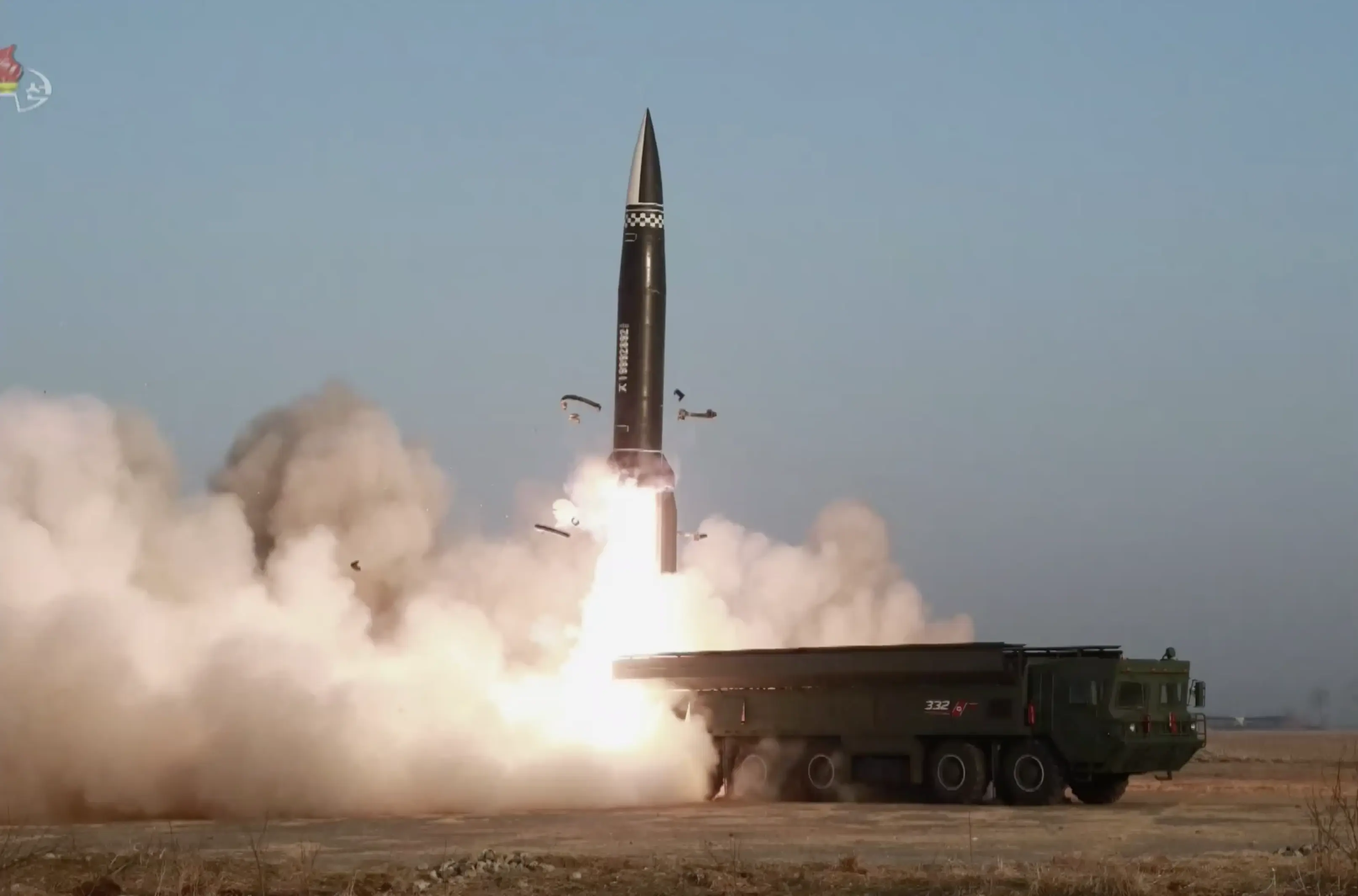
Hypersonic weapon tests
North Korea conducted test flights of hypersonic missiles in early January 2026 to assess their readiness and operational mobility. The system is designed to penetrate missile defence shields through high speed and irregular flight trajectories.
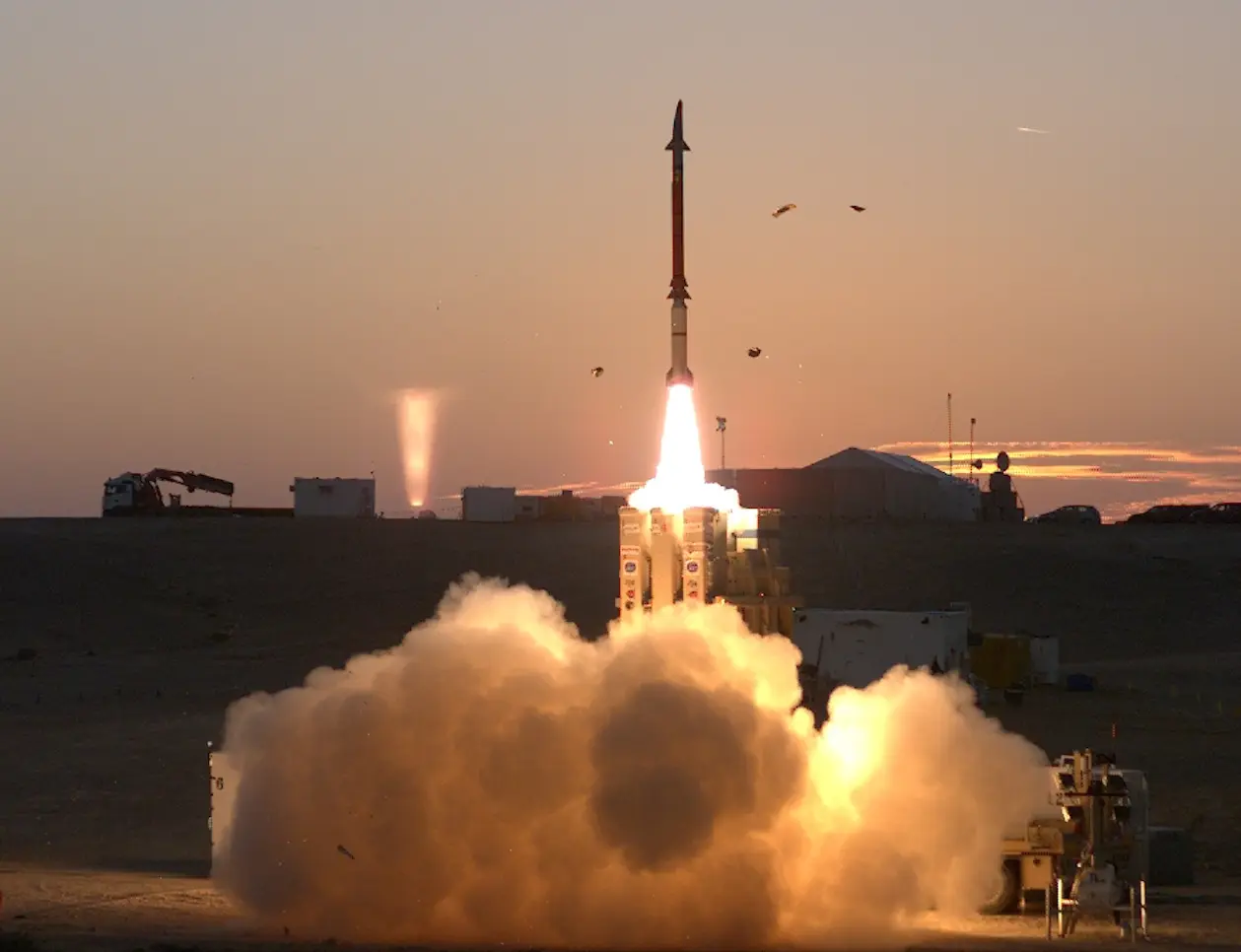
Strategic distance covered
Two ballistic missiles launched in January 2026 travelled distances of 900 km and 950 km respectively. These weapons reached a maximum altitude of 50 km before hitting targets in the Sea of Japan.
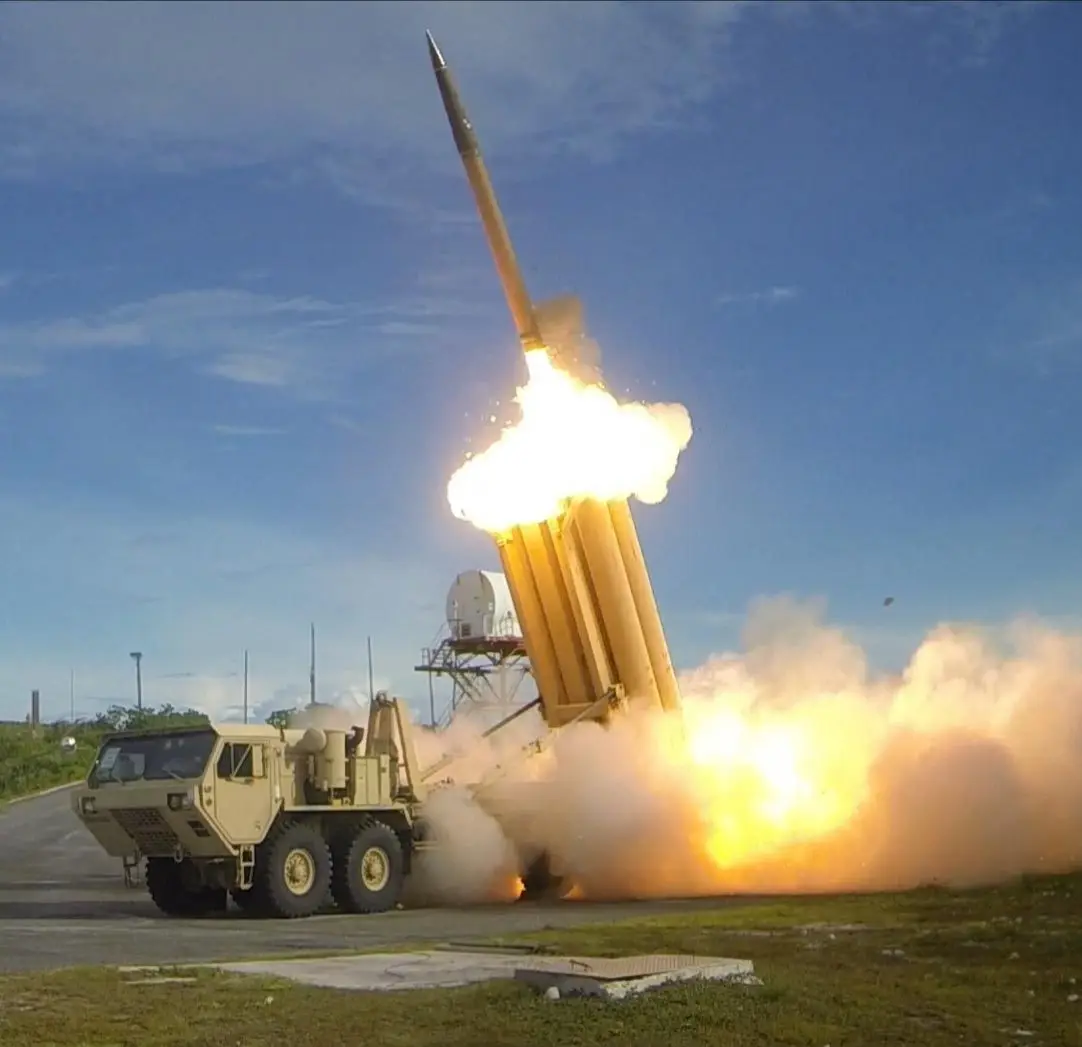
Enhancing war deterrent
Leader Kim Jong Un stated that increasing missile production is of paramount importance for the country's war deterrent. He noted that the recent geopolitical crisis necessitates a stronger and more developed nuclear force.

Focus on mass production
Kim Jong Un has ordered munitions factories to expand their current production capacity for tactical guided weapons. New modernisation plans for the next five years will be unveiled at the 2026 Workers' Party Congress.
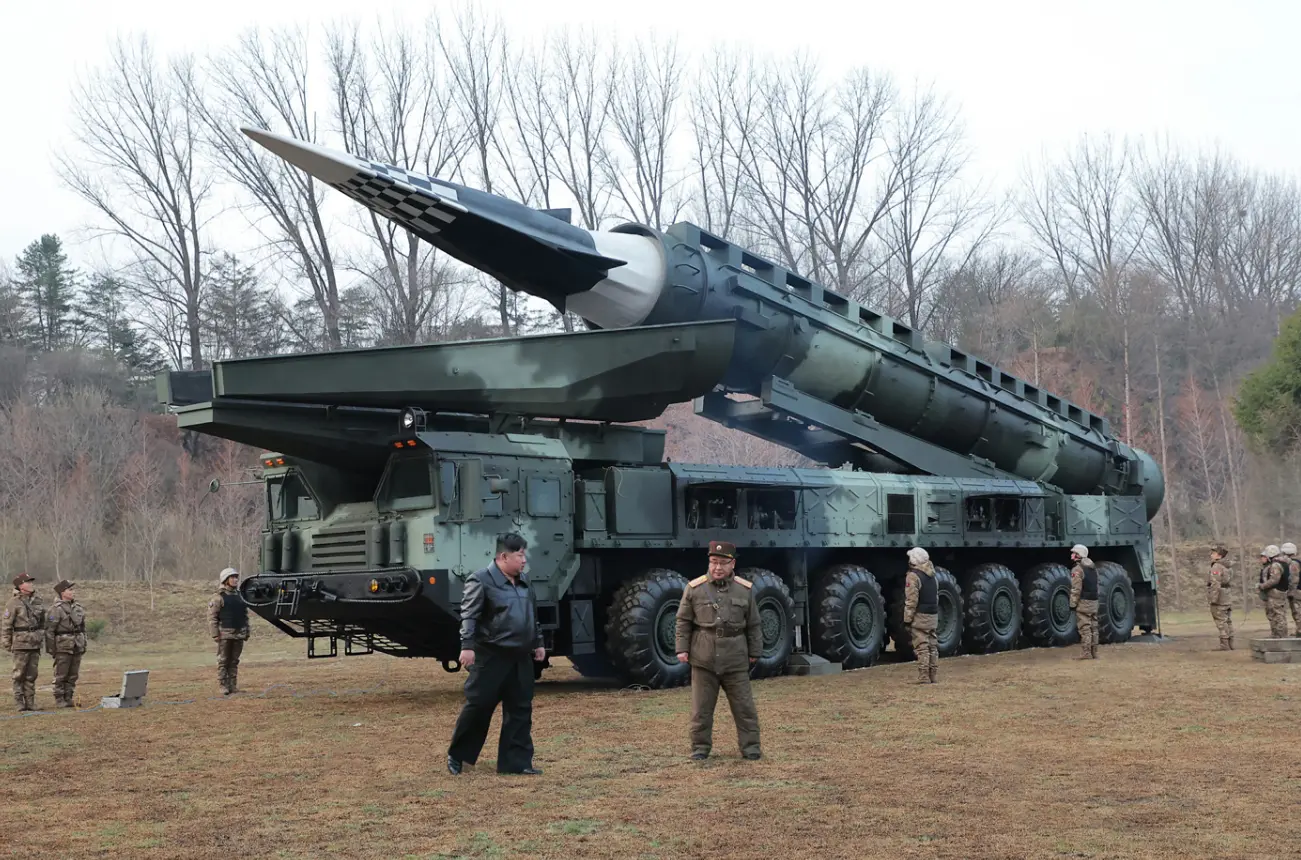
Naval modernisation efforts
North Korea is currently constructing an 8,700-ton nuclear-powered submarine capable of launching strategic missiles.

Tactical nuclear shift
Pyongyang is increasingly testing smaller tactical nuclear warheads designed for actual use on the battlefield. This shift aims to offset weaknesses against the conventional military superiority of rival forces.
Strategic partnership with Russia
North Korea’s missile development may benefit from advanced military technology transfers from Russia in exchange for munitions.
)
)
)
)
)