'No children': Who will inherit Giorgio Armani’s billion-dollar empire?

Giorgio Armani is one of the wealthiest fashion designers in history, with an estimated net worth of $9–10 billion. While speculation about his succession circulates in media, the reality is grounded in his private, tightly controlled empire.
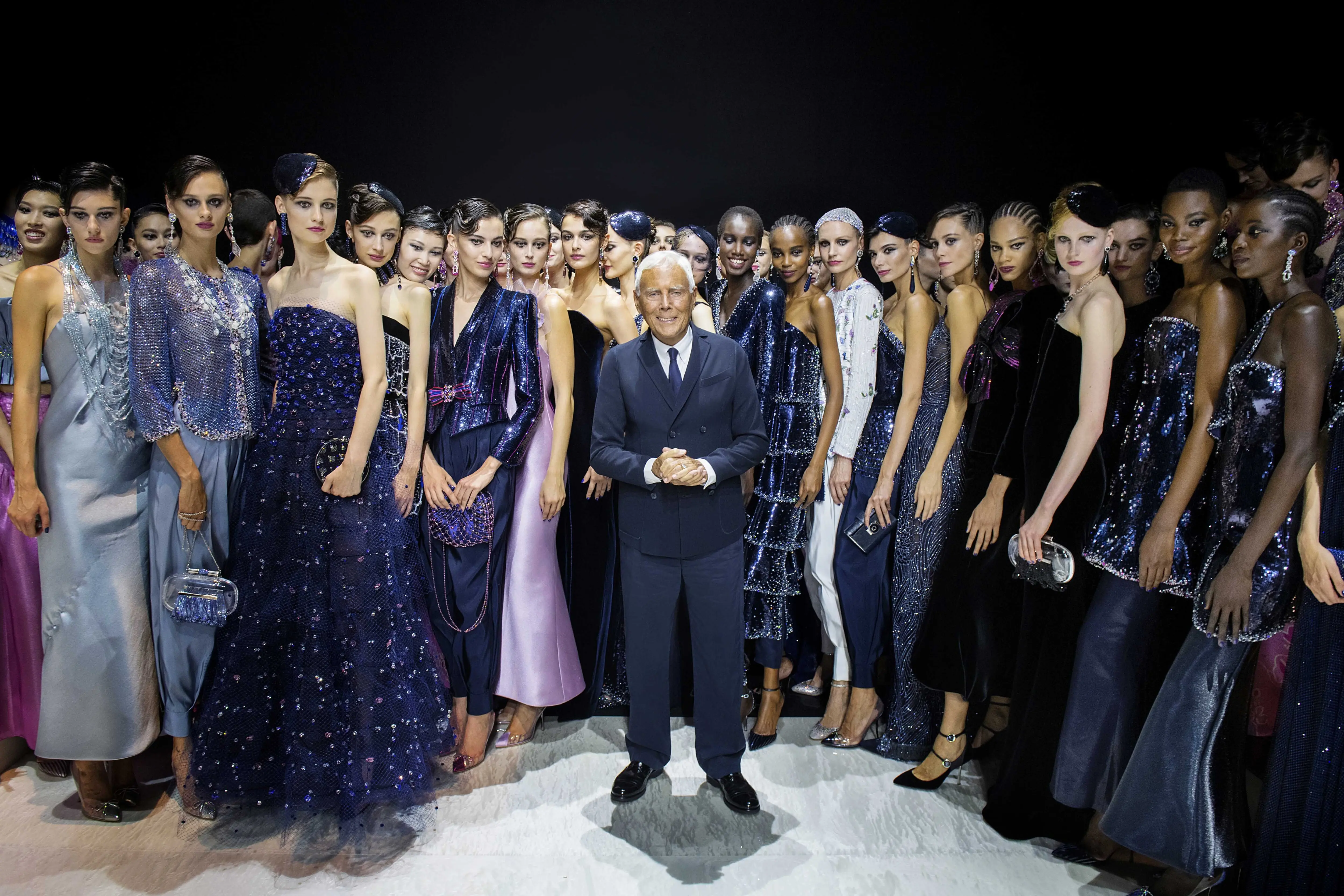
Armani’s Private Empire
Unlike many fashion houses, Armani retained full private ownership of his brand. He never sold controlling shares, meaning there isn’t a corporate board or public stockholders influencing succession.

No Direct Heirs
Armani has no children. This fact has fueled speculation about who will inherit the empire, but legally, succession will depend on his will and estate planning, which remains private.

Trusted Executives and Family
Armani has relied on a close circle of trusted executives and family members, particularly his sister Rosanna Armani and longtime business partners, to manage operations. These figures are likely to play a role in overseeing the brand after his passing.

Succession Strategy
According to industry analysts, Armani’s priority has been preserving the brand’s independence and legacy, rather than passing it to an outside buyer or public company. The empire is structured to continue operations without disruption.

Brand Over Personal Wealth
Armani has consistently emphasised the longevity of the brand over personal inheritance. His empire spans fashion, accessories, fragrances, cosmetics, and home décor, and maintaining its global influence is his top priority.
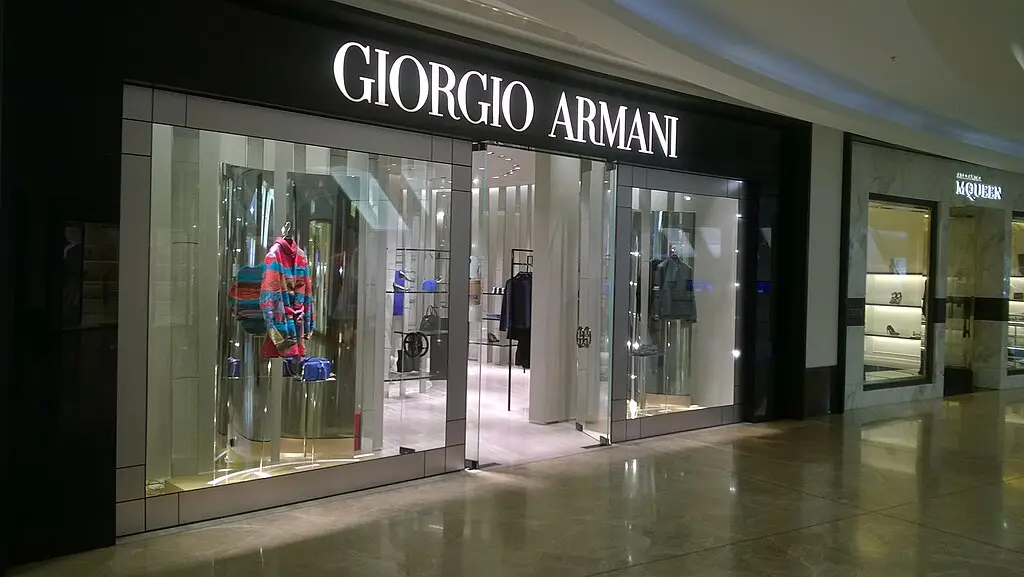
Speculation vs Fact
Media speculation sometimes suggests external heirs or investors might take control. Factually, there is no confirmed heir. Armani has meticulously kept succession plans private to ensure the brand’s stability.

Legacy Beyond Individuals
Whether or not there is a named heir, Giorgio Armani’s legacy is secured through the brand itself. Its design philosophy, global presence, and corporate structure are built to survive beyond any single individual, ensuring Armani’s influence in fashion continues indefinitely.
)
)
)
)
)