'Max Trap': Why the USS Abraham Lincoln forces pilots to dump expensive fuel

US Navy pilots on the USS Abraham Lincoln dump fuel to meet strict 'Max Trap' weight limits. This crucial safety measure prevents landing gear collapse and protects $100 million fighter jets.
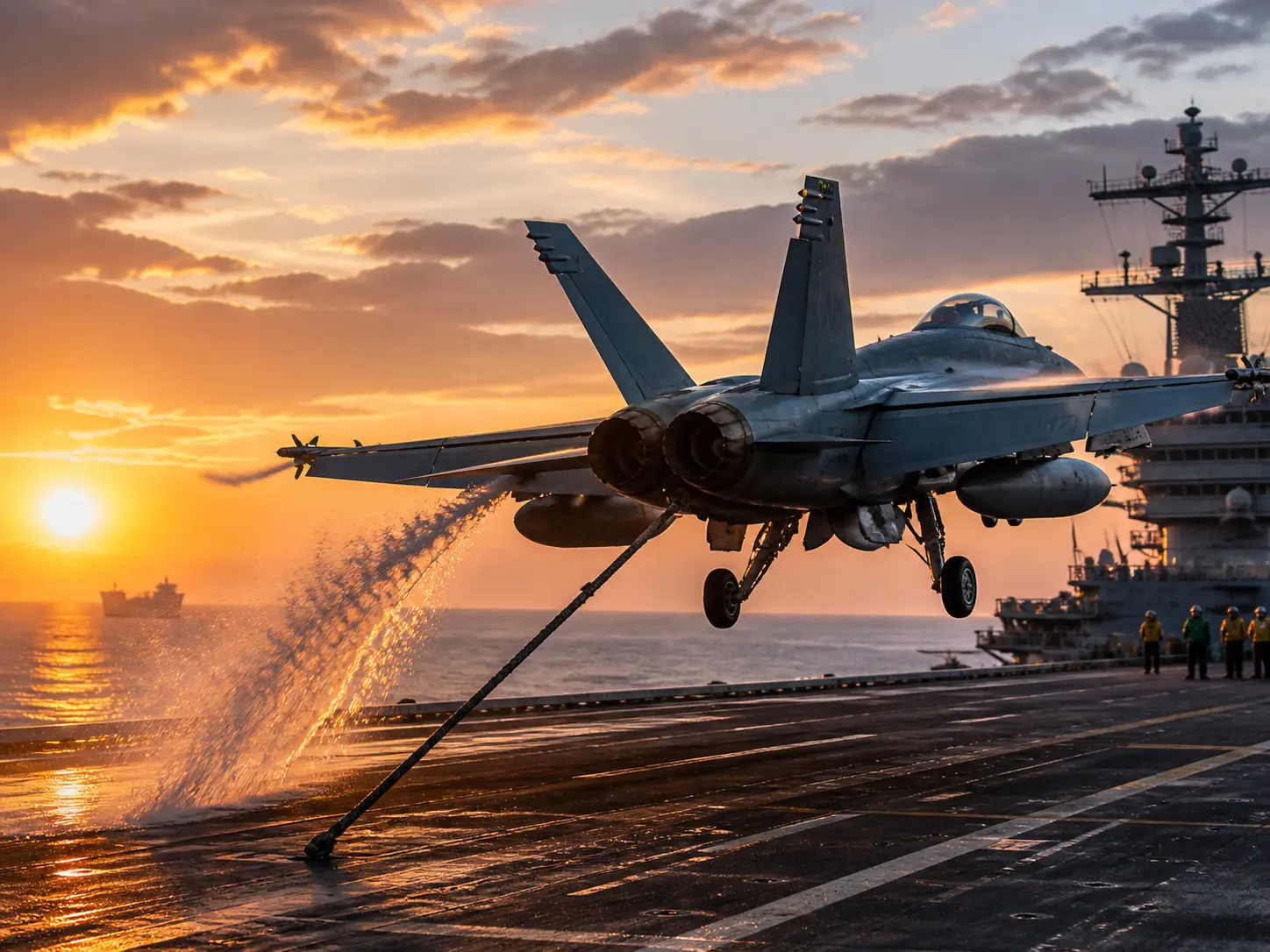
44,000 lbs limit for F/A-18s
Pilots flying the F/A-18 Super Hornet on the USS Abraham Lincoln must weigh under 44,000 pounds before landing. This strict restriction is known as the 'Max Trap' weight limit. If the aircraft exceeds this weight, it cannot safely catch the deck cables.
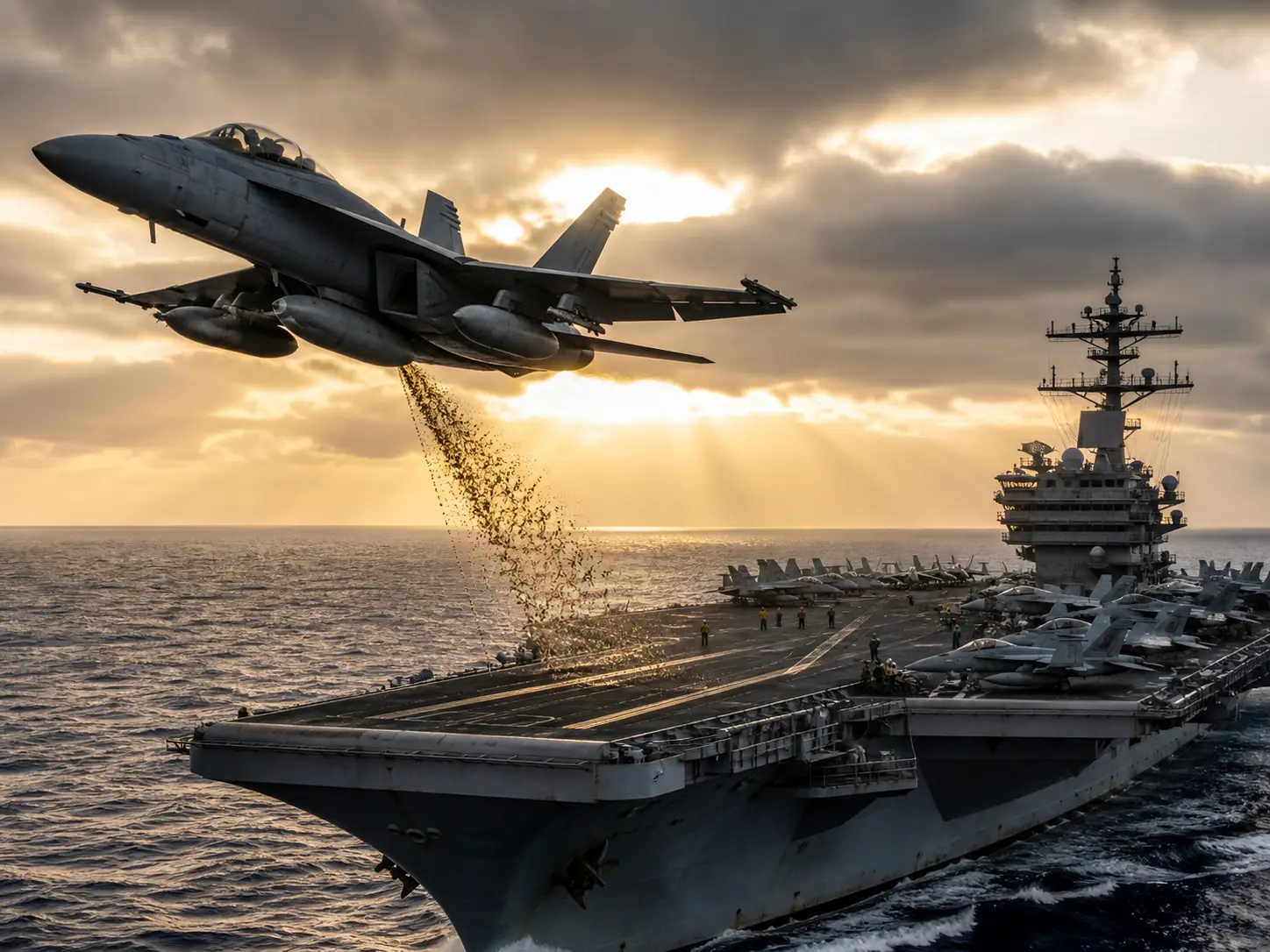
46,000 lbs cap for F-35C jets
The advanced F-35C Lightning II jets have a slightly higher landing tolerance of 46,000 pounds. Returning from missions with unspent weapons adds significant mass to the airframe. Pilots are then forced to shed weight by dumping fuel over the ocean.
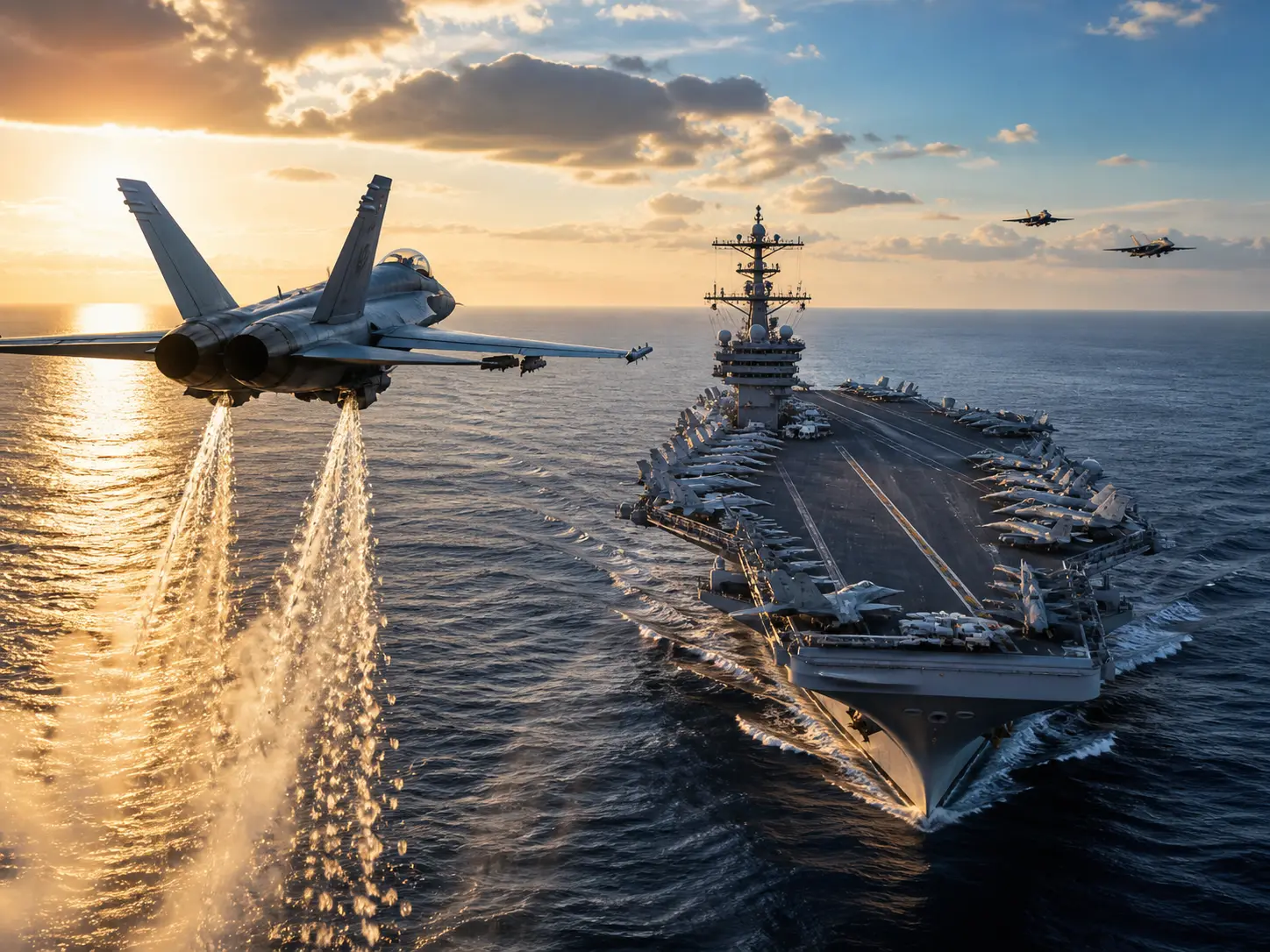
The advanced F-35C Lightning II jets have a slightly higher landing tolerance of 46,000 pounds. Returning from missions
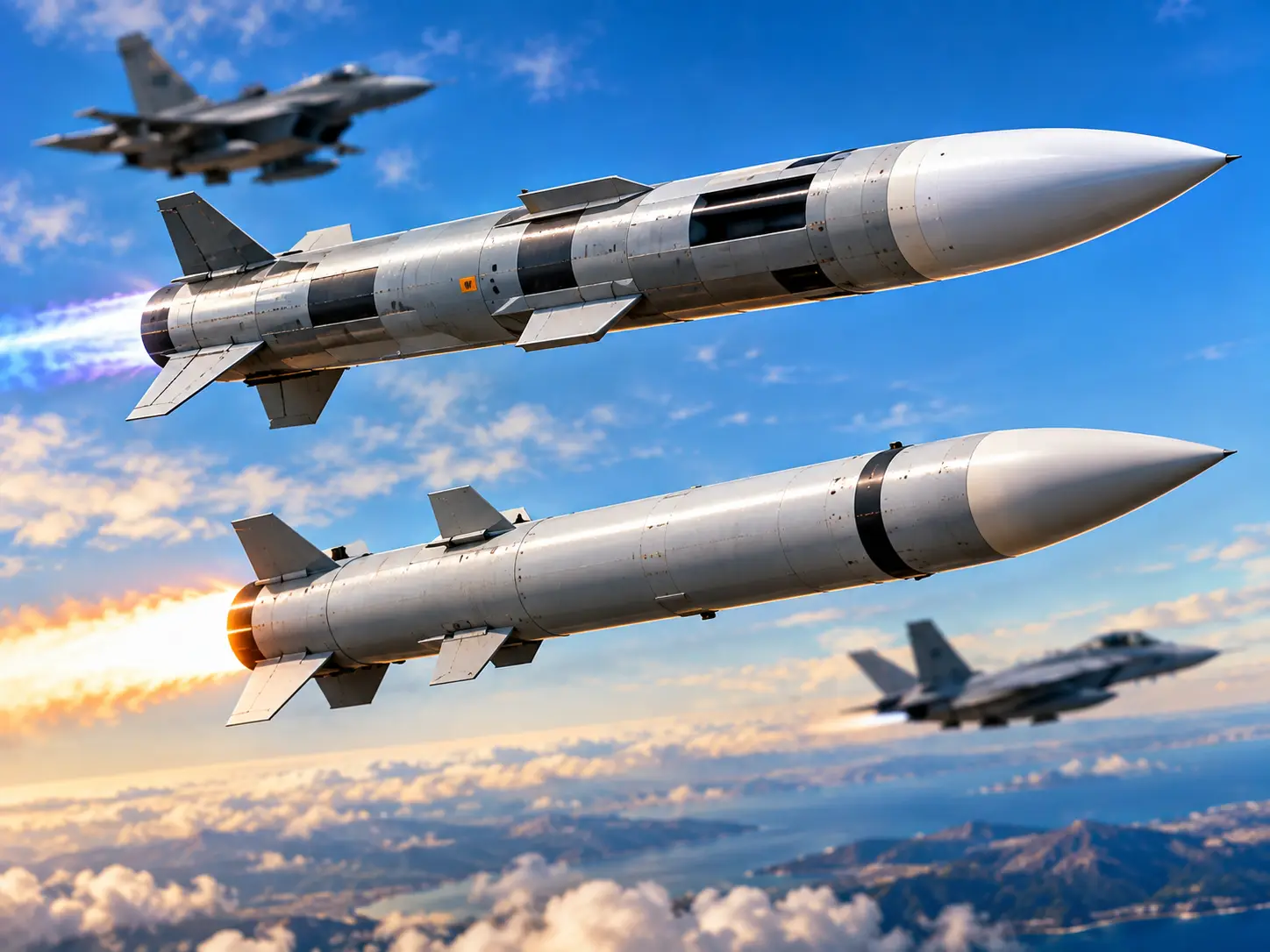
Naval fighters often carry air-to-air missiles and guided bombs that can weigh over 2,000 pounds each. When a mission ends without dropping these weapons, the jet remains too heavy to land. Dumping aviation fuel is the only practical way to hit the 'Max Trap' number.
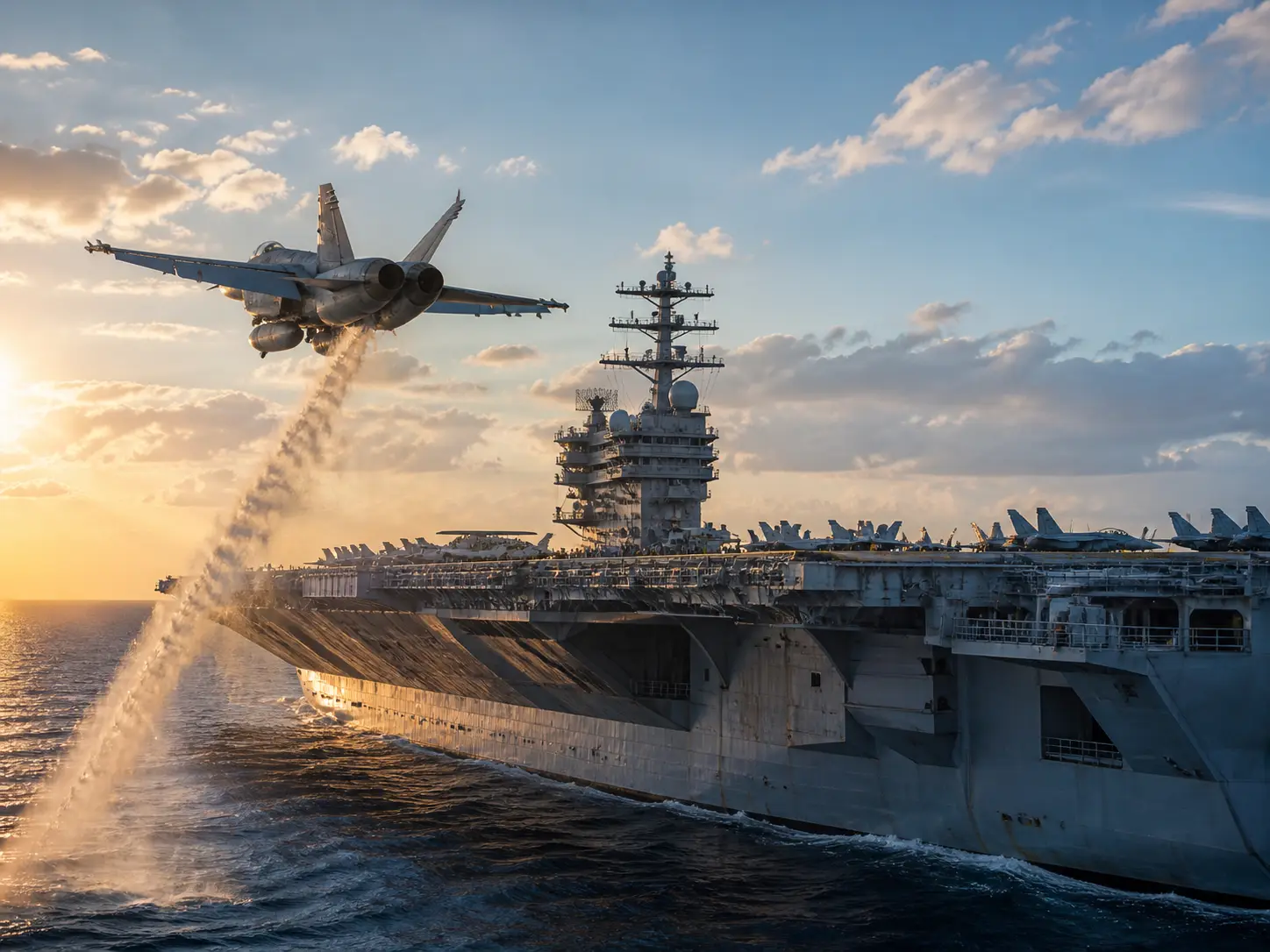
150 mph deck landing speeds
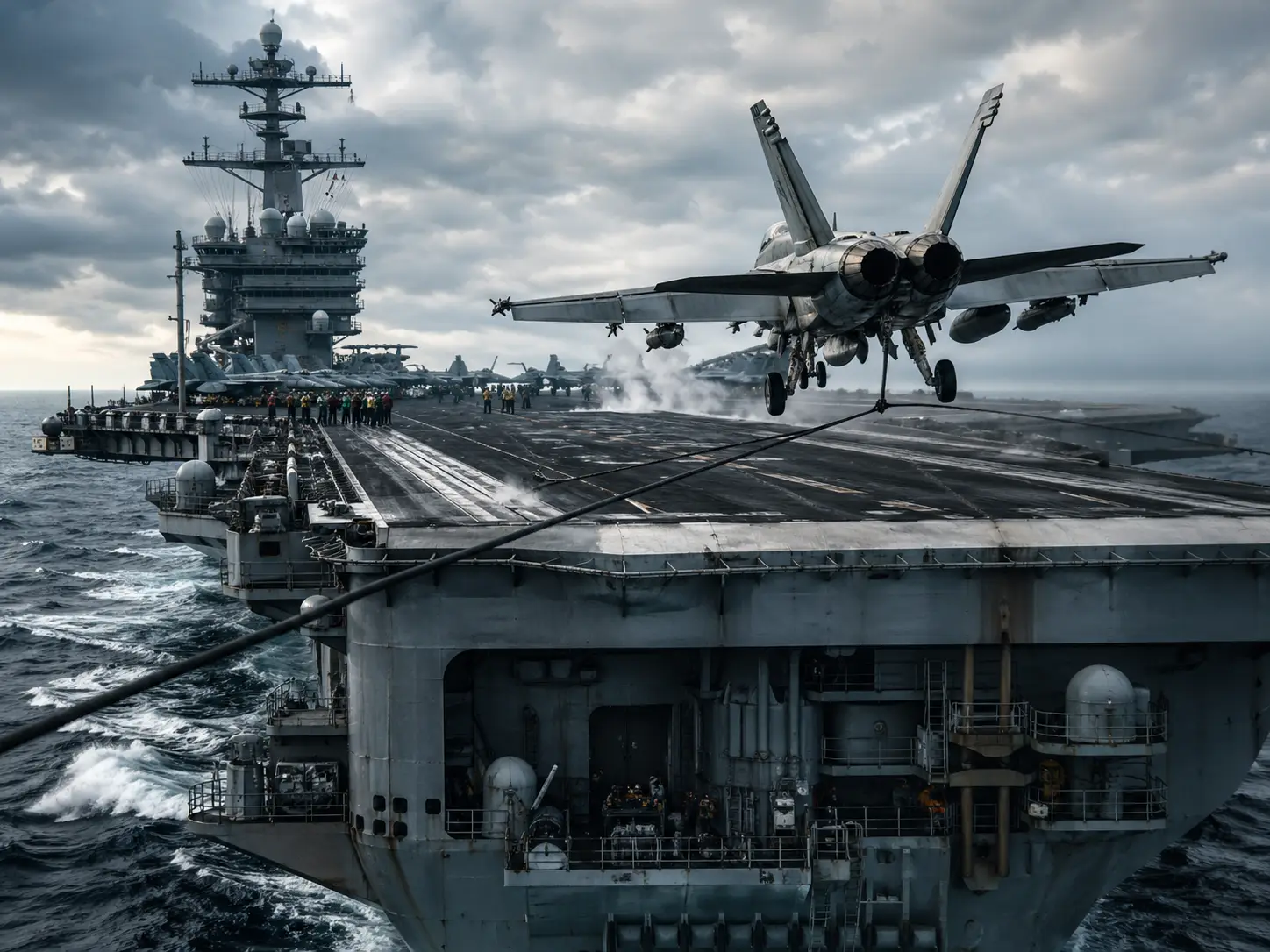
Aircraft hit the USS Abraham Lincoln flight deck at speeds exceeding 150 miles per hour. The immense kinetic energy requires the carrier's mechanical systems to absorb a massive shock. Lowering the aircraft weight prevents the landing gear from collapsing under pressure.
350-foot stopping distance
The flight deck offers just over 350 feet for a fighter jet to completely stop. High-tensile steel arresting cables absorb the energy of the moving aircraft. Exceeding the 'Max Trap' weight can snap these wires, leading to a fatal accident.
3-minute rapid fuel dump
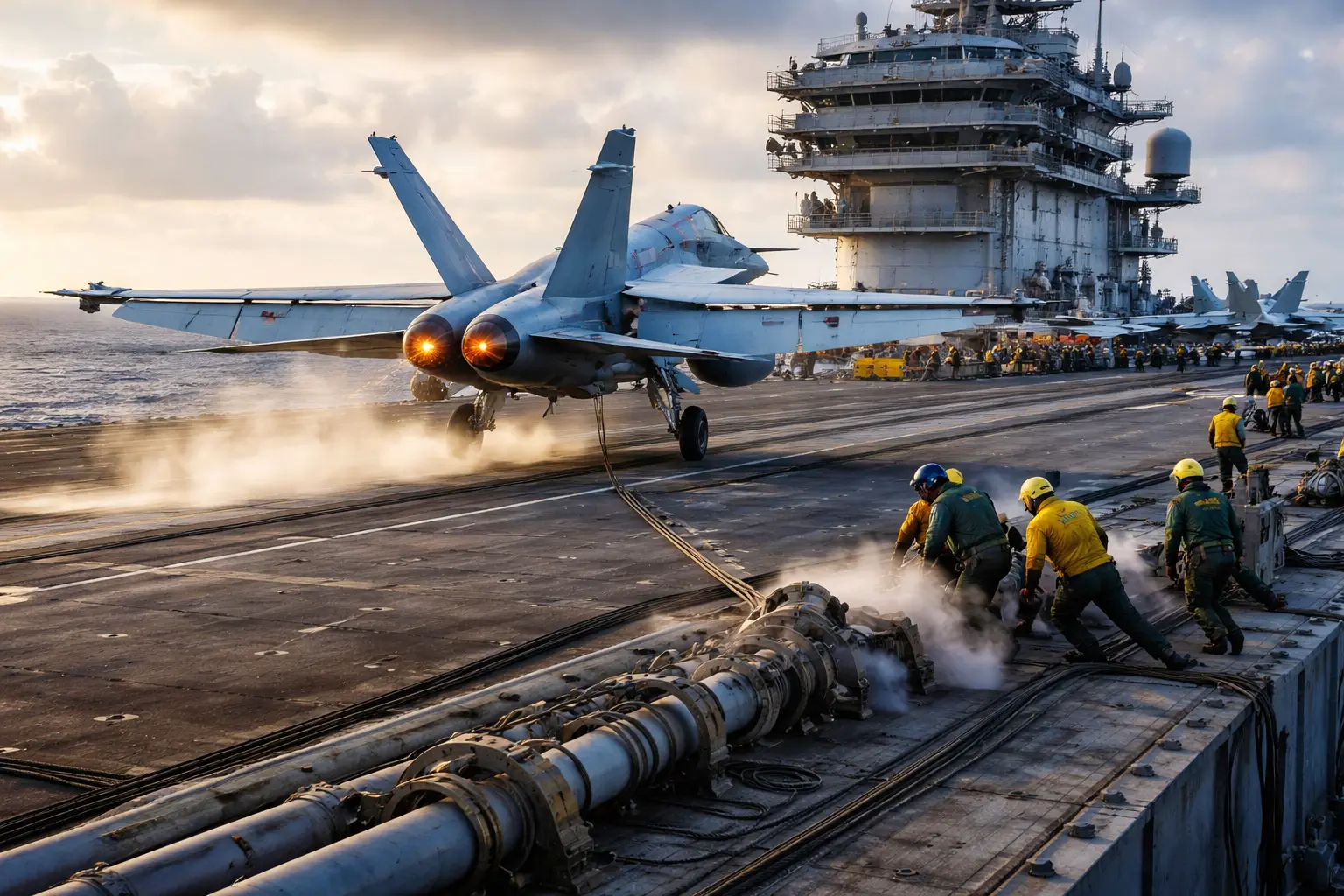
Modern tactical aircraft are equipped with systems that can jettison thousands of pounds of fuel in under three minutes. This rapid process allows pilots to quickly adjust their weight during emergencies. The fuel evaporates into the atmosphere long before reaching the water.
$100 million aircraft safety
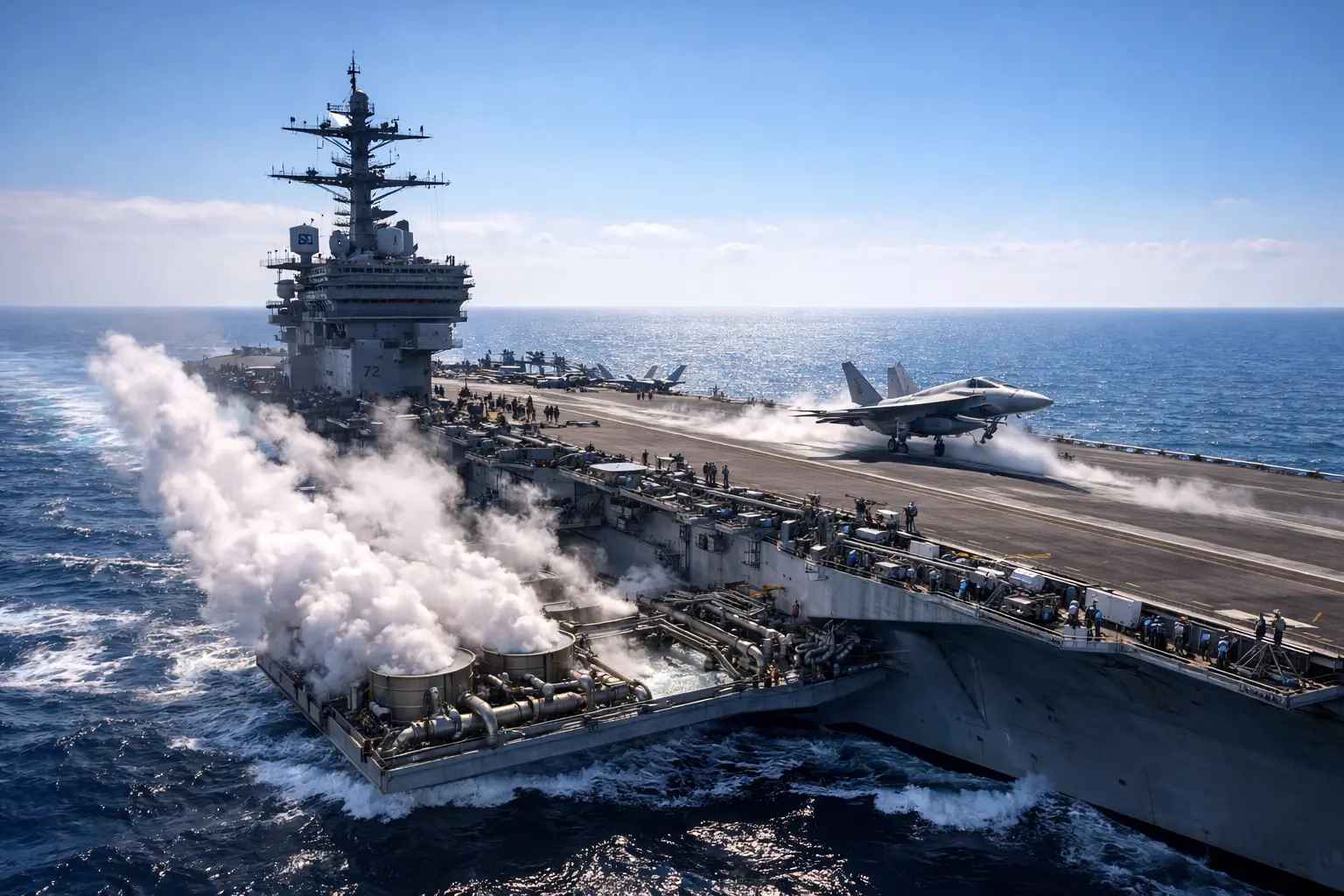
Dumping jet fuel seems expensive, but it is a calculated operational cost for the US Navy. A single F-35C jet costs over $100 million, making the price of lost fuel insignificant. The 'Max Trap' protocol guarantees the pilot and the machine survive.
)
)
)
)
)