'Massive armada': USS Delbert D. Black arrives in Red Sea to support USS Abraham Lincoln

Unlike defensive frigates, the USS Delbert D. Black is a heavy hitter. It carries a Vertical Launching System (VLS) loaded with Tomahawk Land Attack Missiles (TLAMs).
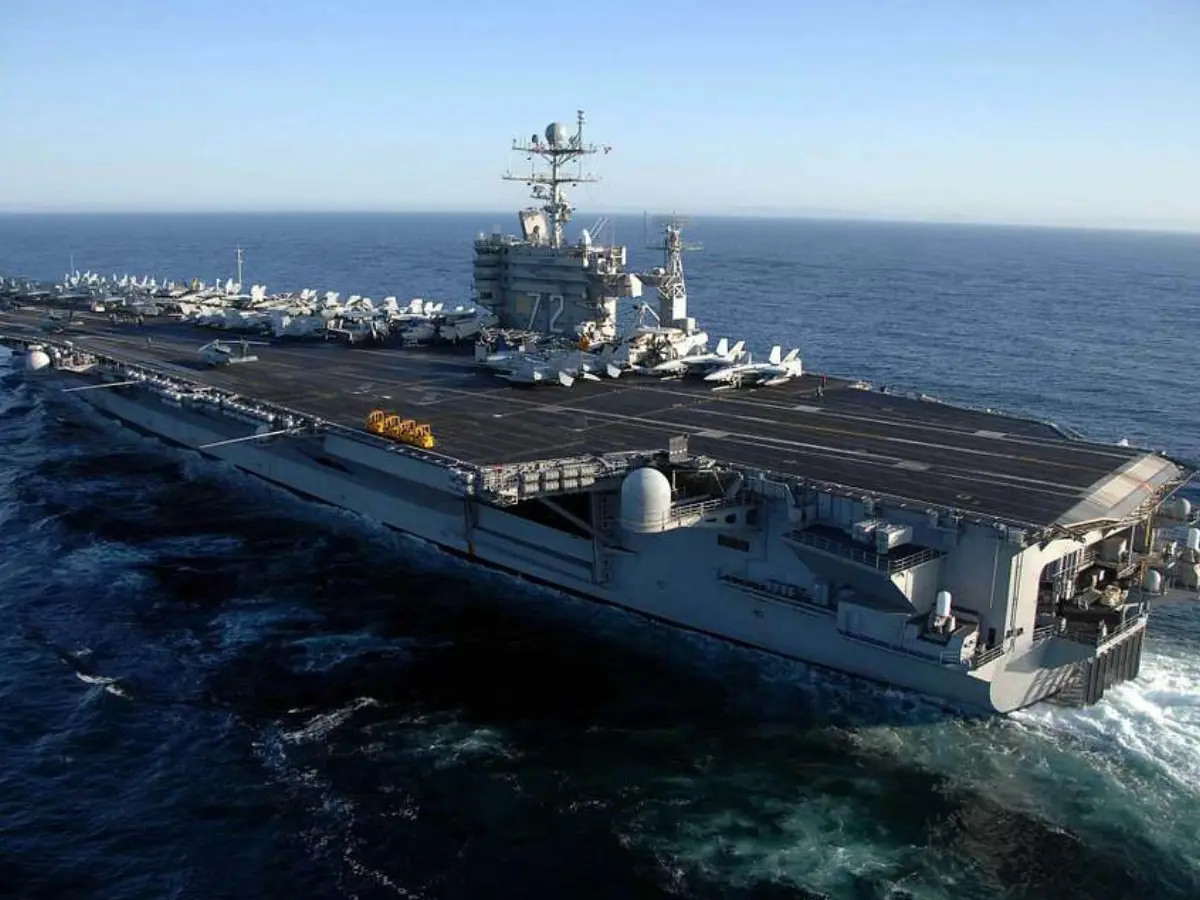
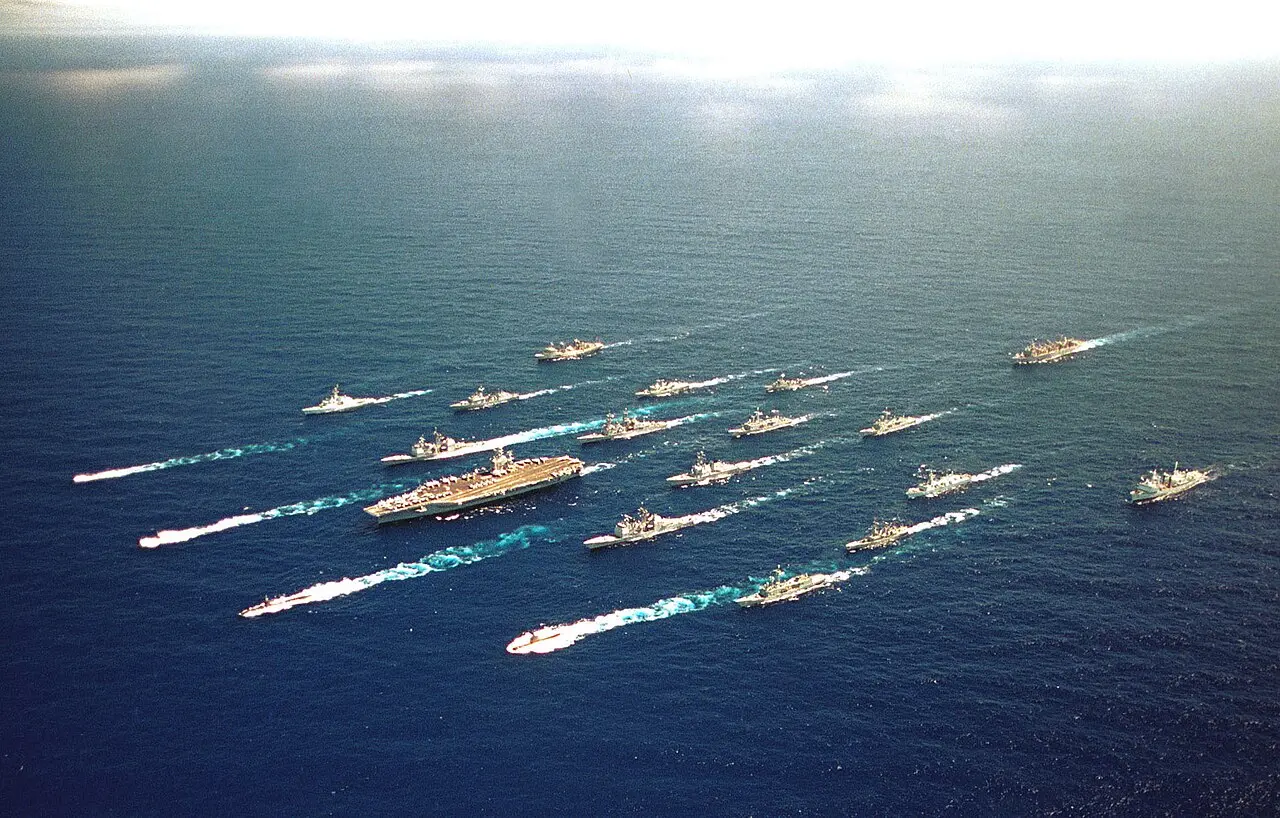
1. The "Armada" Assembles: Western Flank Secured
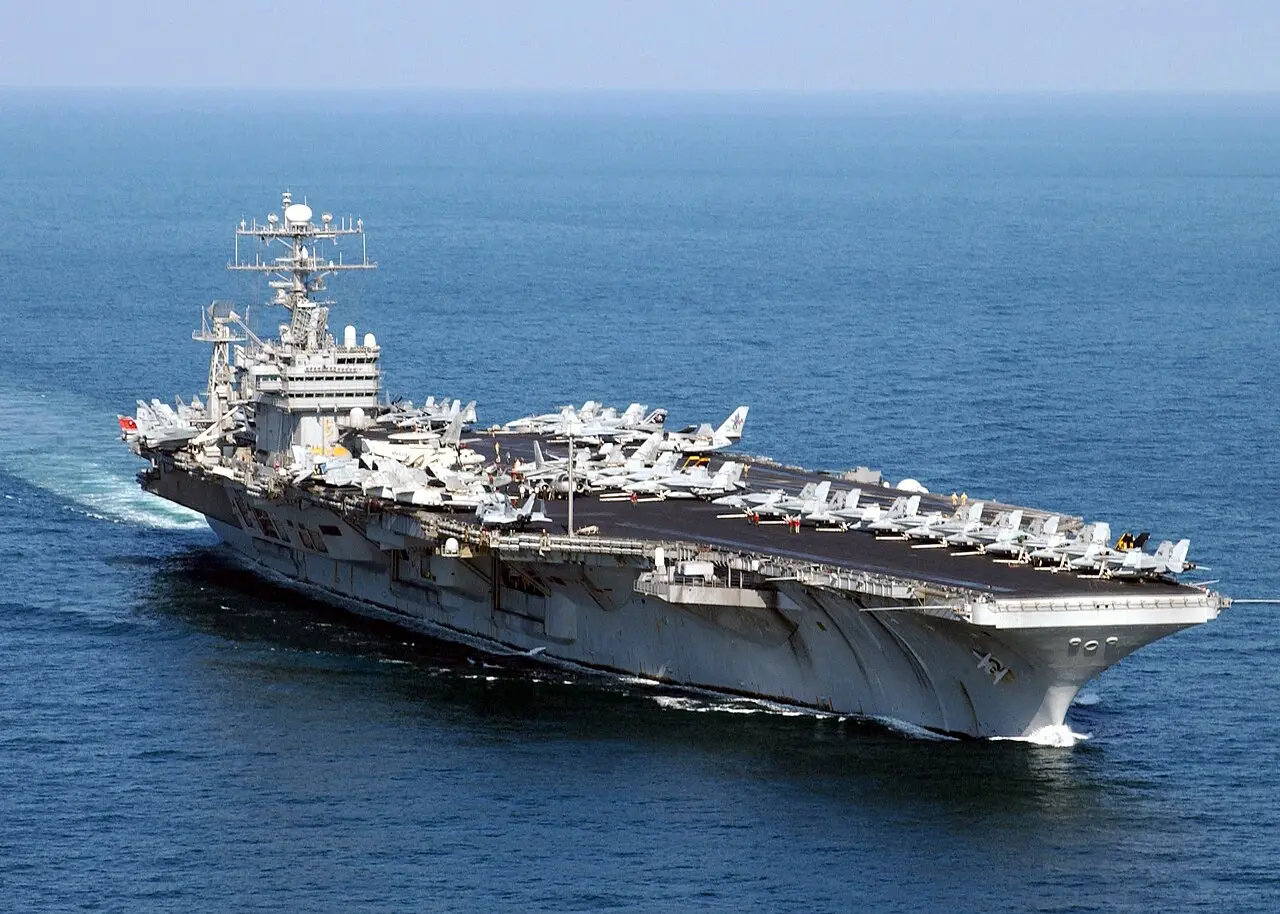
The USS Delbert D. Black (DDG-119), a state-of-the-art Arleigh Burke-class destroyer, has officially deployed into the Red Sea following a strategic port call in Eilat, Israel. Its arrival marks the completion of the "Western Flank" of what President Trump has termed a "massive armada" encircling Iran. While the USS Abraham Lincoln holds the line in the Arabian Sea, the Delbert D. Black is now positioned to intercept Houthi missiles from Yemen, ensuring they cannot strike the carrier group from behind.
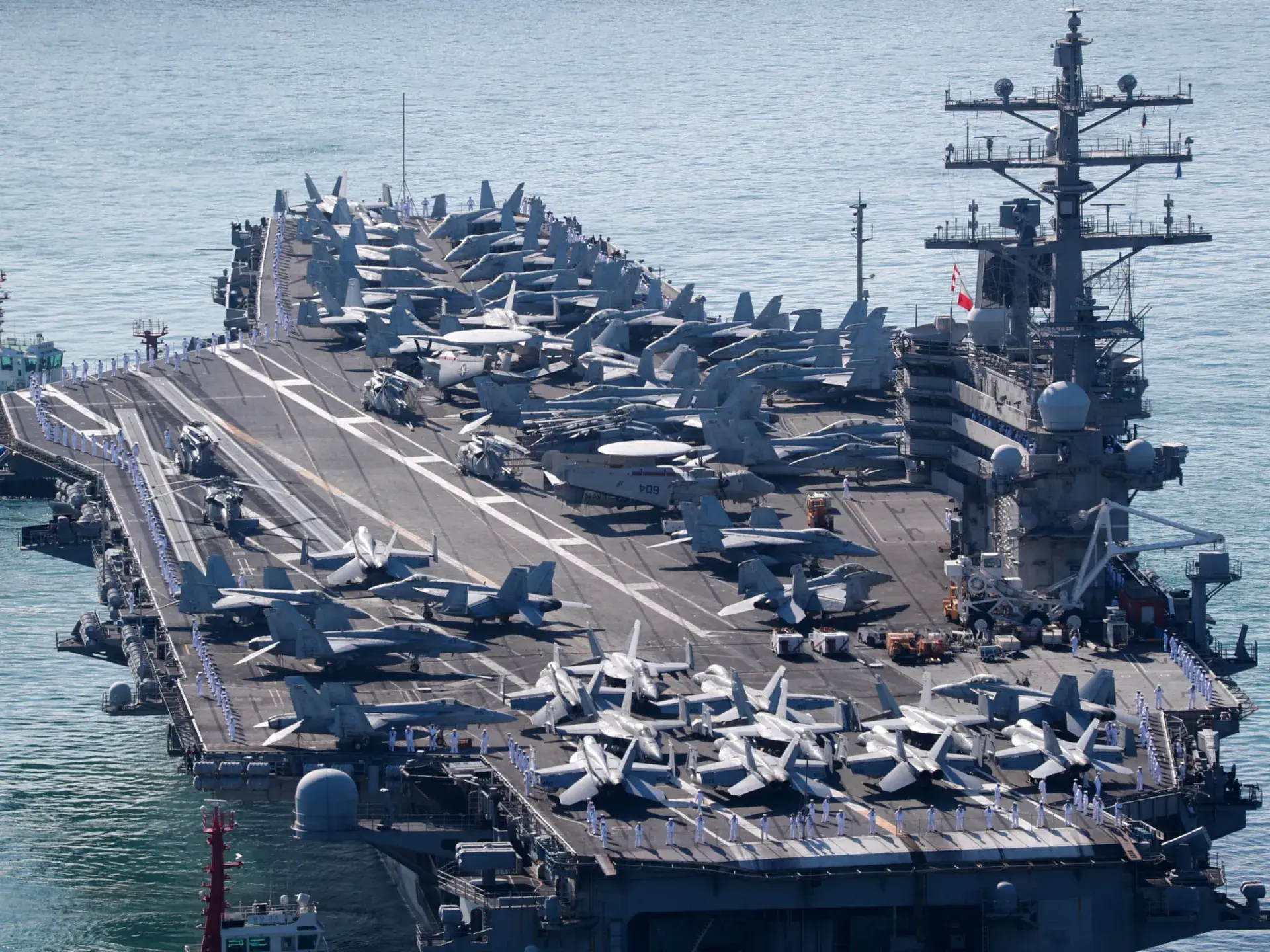
2. A Message to Israel (and Enemies)
The destroyer’s departure from Eilat was highly publicised, a rare move designed to send a dual message. To Israel, it signals ironclad US naval support against Hezbollah and Houthi aerial threats. To Tehran, it demonstrates that the US Navy has effectively turned the Red Sea into a "NATO Lake," capable of choking off Iranian supply lines to its proxies in Yemen and Gaza simultaneously.
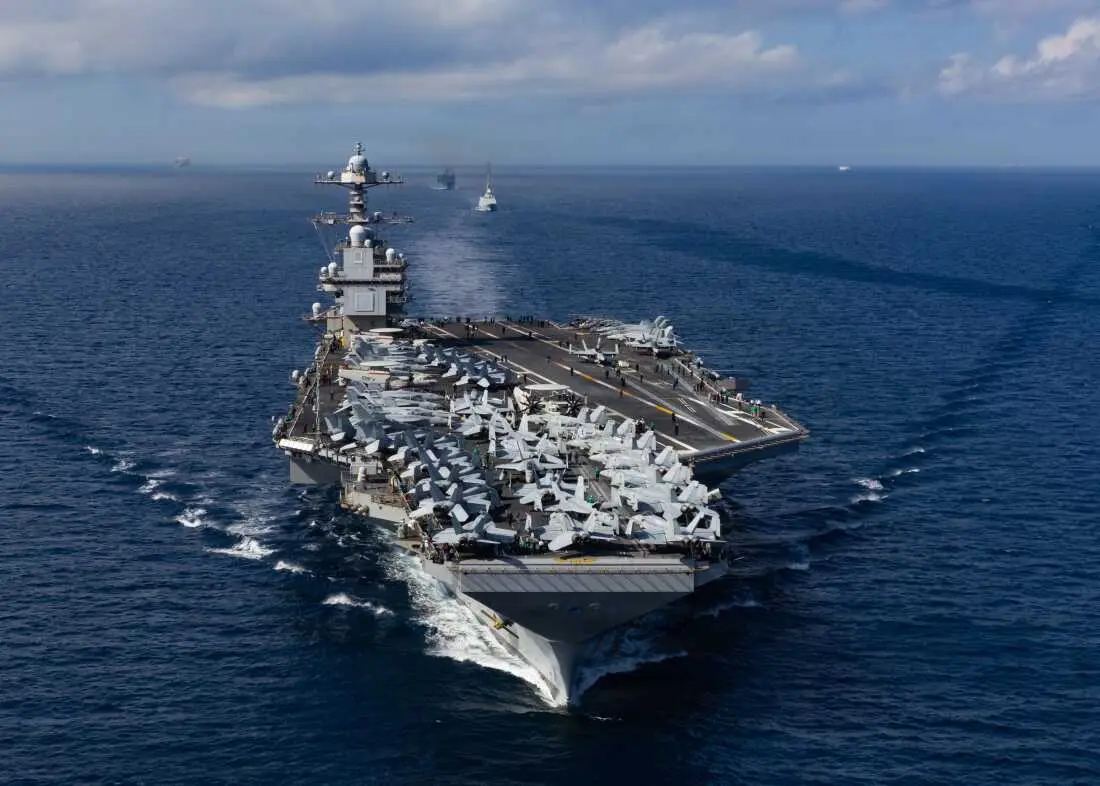
3. "Helios" Laser Weapon Ready?
Defence analysts are closely watching the USS Delbert D. Black because it is one of the few ships in the fleet equipped with the latest AN/SLQ-32(V)7 electronic warfare suite and potentially directed energy (laser) capabilities. These systems are specifically designed to "blind" or burn down the cheap suicide drones used by Iran and the Houthis without wasting expensive multi-million dollar interceptor missiles, a critical tactical advantage for the "swarm" attacks predicted by Al-Qaeda.
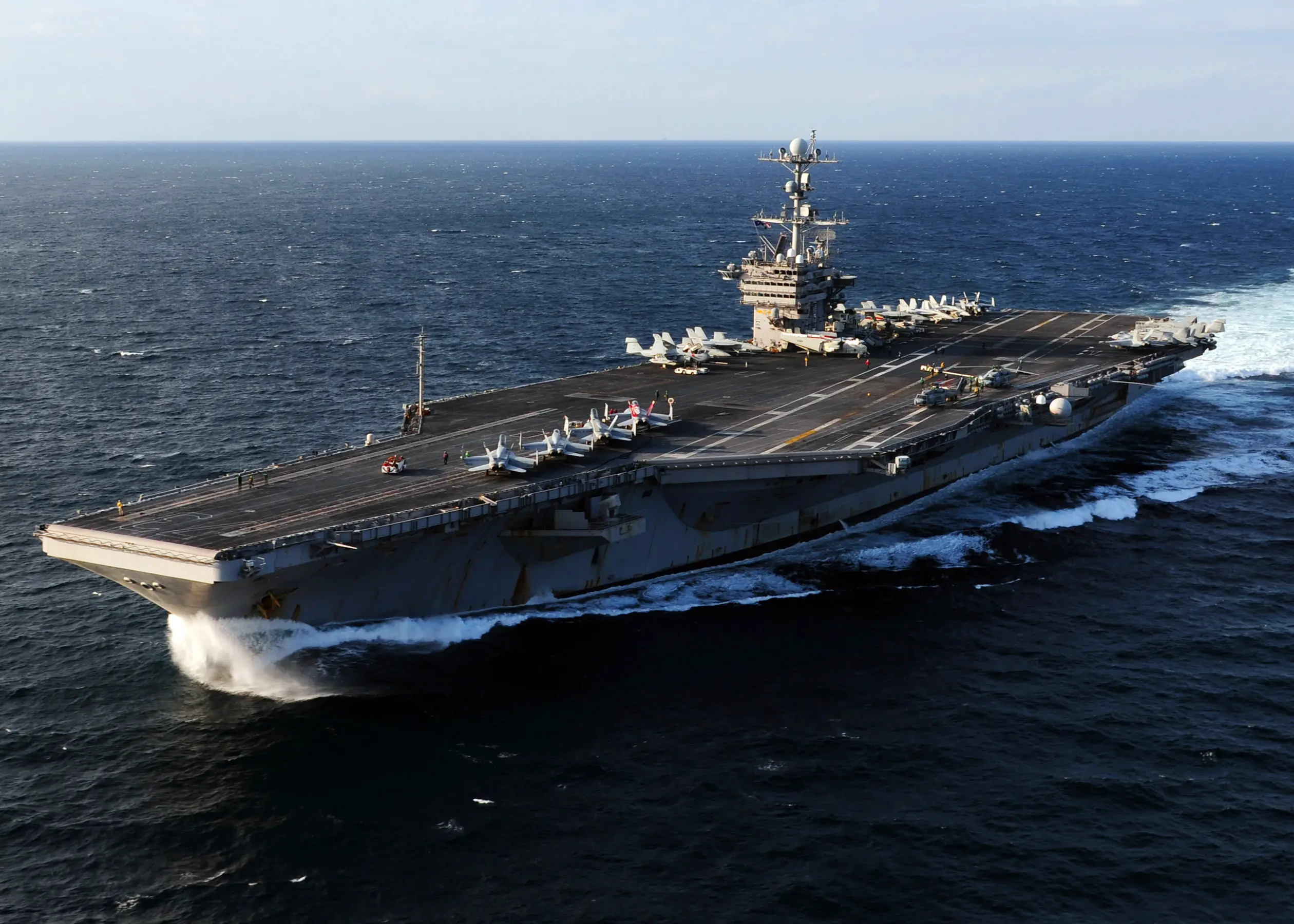
4. The "Tomahawk" Threat Vector
Unlike defensive frigates, the USS Delbert D. Black is a heavy hitter. It carries a Vertical Launching System (VLS) loaded with Tomahawk Land Attack Missiles (TLAMs). Its position in the Red Sea puts it within perfect striking range of Iranian command centres in the western provinces, allowing it to launch a "second front" of missile strikes that would overwhelm Iranian air defences already focused south on the USS Abraham Lincoln.
5. Countering the "Assasin" (Fattah-2)
The ship’s Aegis Combat System is integrated into the regional missile defence architecture. Its specific mission is to act as a "goalkeeper" against the Fattah-2 hypersonic missile threat. If Iran launches these high-speed weapons toward the USS Abraham Lincoln or Israel, the Delbert D. Black’s radar can track them in the ascent phase, feeding data to other interceptors to increase the "kill probability."
6. The "Suez Sprint" Capability
The positioning allows for rapid flexibility. If the conflict escalates to the Mediterranean (involving Hezbollah/Lebanon), the USS Delbert D. Black can sprint back through the Suez Canal in hours. If the USS Abraham Lincoln needs direct reinforcement in the Persian Gulf, the destroyer can transit the Bab el-Mandeb strait to join the main battle group. It acts as the fleet's "pivot player."
7. Iran's Reaction: "Provocation at Our Doorstep"
Tehran has reacted furiously to the deployment. Iranian state media described the ship’s presence in Eilat and subsequent Red Sea patrol as "a Zion-American dagger" aimed at the Islamic Republic. Intelligence reports suggest the IRGC has moved mobile missile batteries to its southern coast in direct response to the destroyer's arrival, raising the risk of a miscalculation in the narrow waterways.
)
)
)
)
)