‘Internal Weapons Bays’: How stealth fighters stay invisible even after launching missiles

Stealth fighters maintain invisibility during missile launches by using internal weapons bays that open for less than a second. Advanced features like serrated door edges, interior radar-absorbent coatings, and Lock-On After Launch technology ensure the jet remains a ghost on enemy radar.
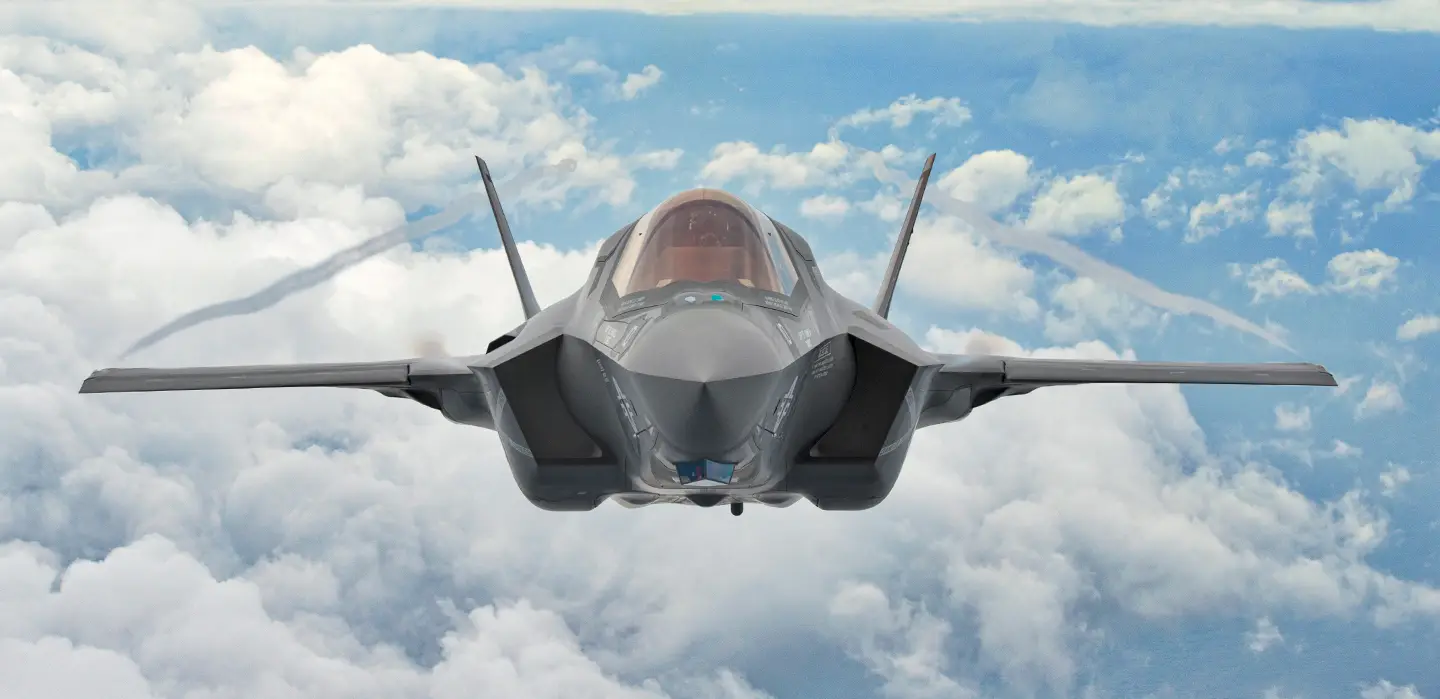
The Vulnerability Gap The Risk of Opening Doors
Stealth jets store weapons internally to reflect radar waves away, but opening these doors creates a temporary 'radar spike'. Lockheed Martin engineers explain that this action breaks the smooth shape of the aircraft, potentially revealing its location to enemy sensors for a brief moment.
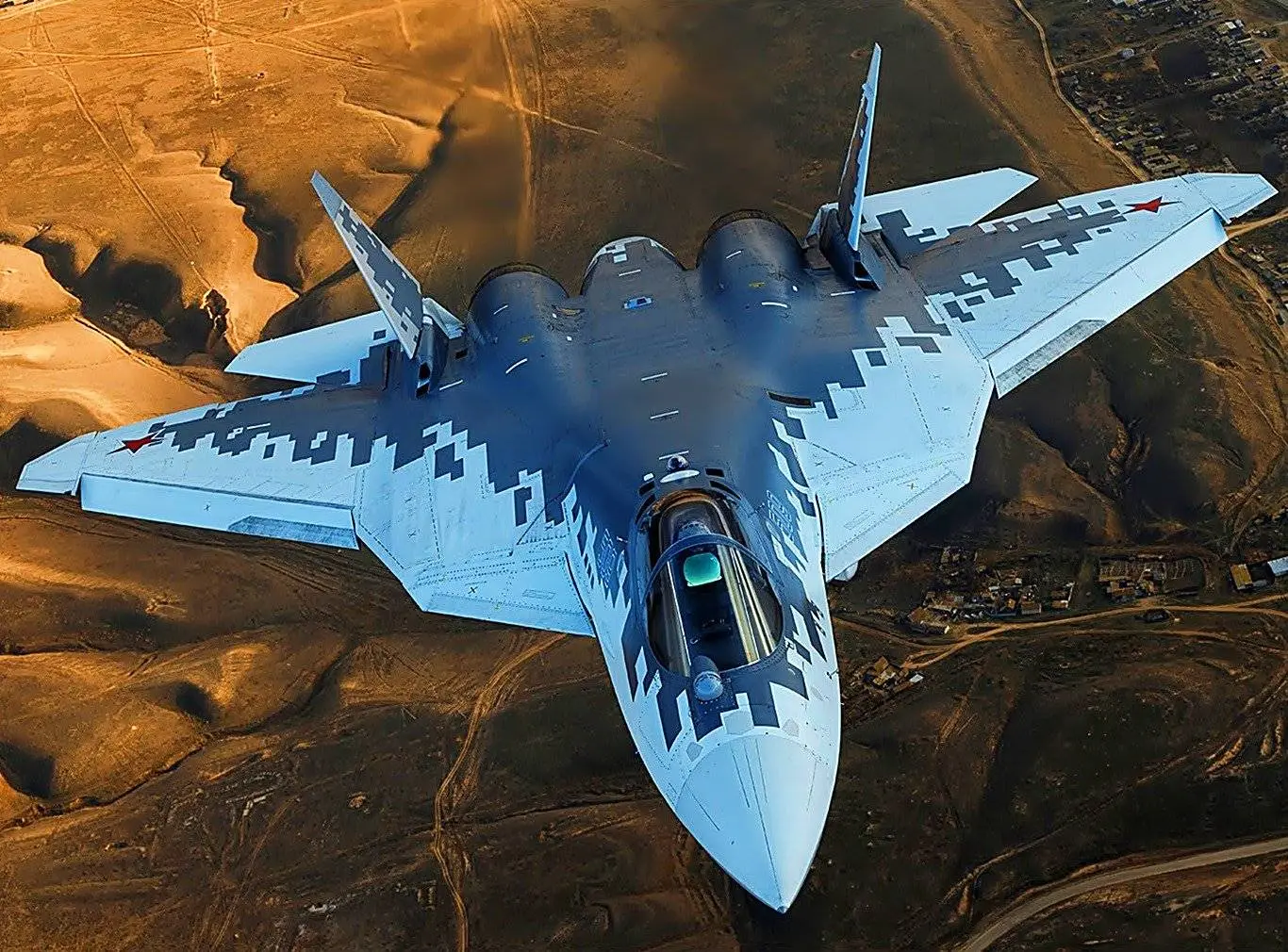
Speed is Critical Doors Open for Less Than a Second
To minimise detection, the bay doors open and close in a fraction of a second. The War Zone notes that this rapid hydraulic sequence reduces the window of vulnerability to a mere blink, effectively confusing enemy radar systems looking for a steady signal.
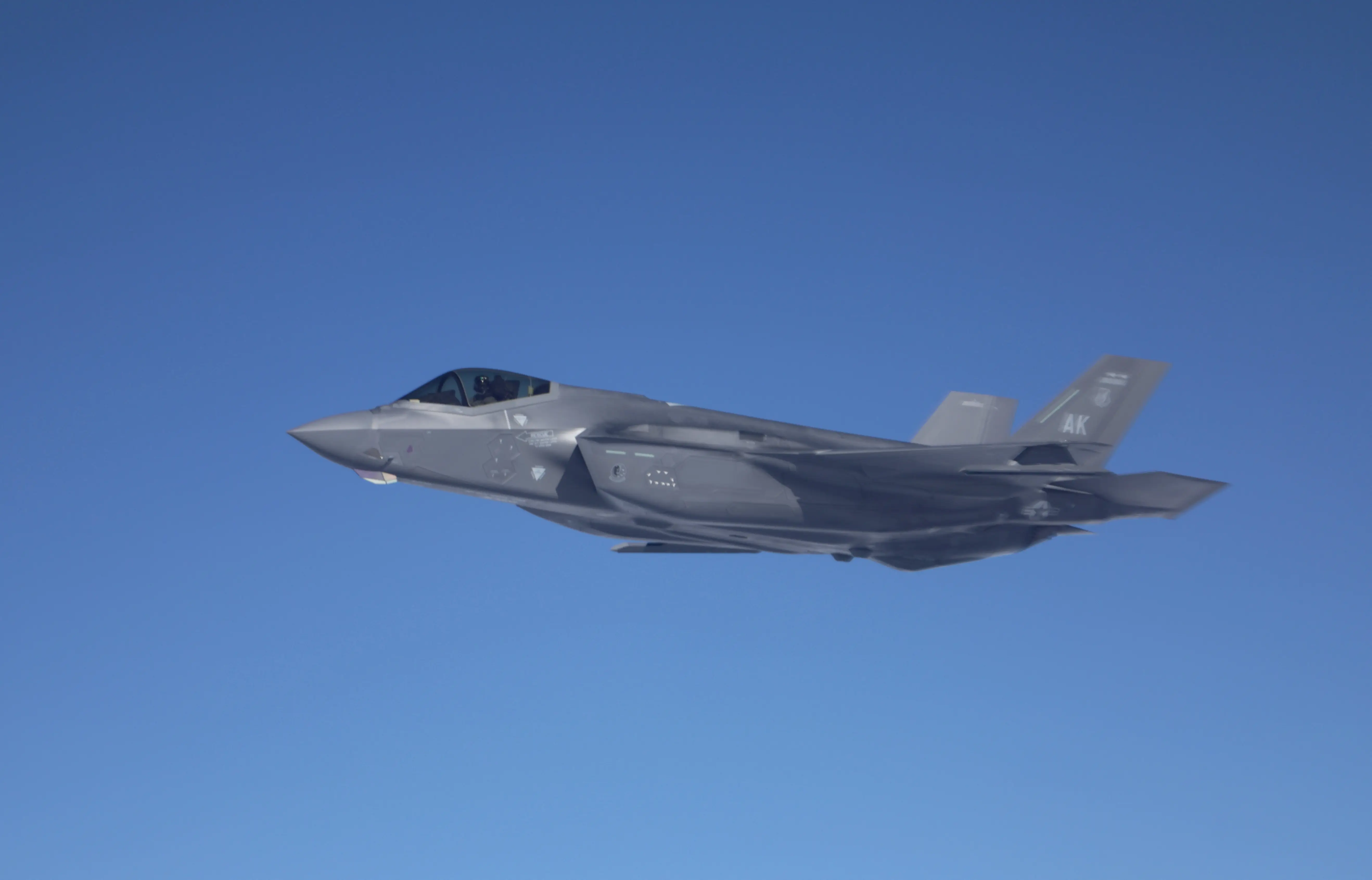
Serrated Door Design Sawtooth Edges Scatter Waves
The bay doors feature 'sawtooth' or serrated edges aligned with the jet's contours. Air & Space Forces Magazine explains that this specific shape scatters incoming radar waves even when the doors are slightly ajar during the launch sequence, maintaining the stealth profile.
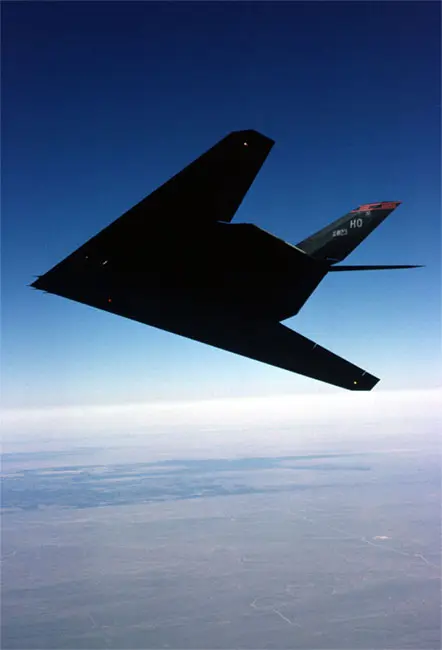
Coating the Inside Radar Absorbent Material (RAM)
It is not just the outside; the interior of the weapons bay is heavily coated with Radar Absorbent Material (RAM). The National Interest states that this absorbs trapped radar energy that enters while the doors are open, preventing it from bouncing back to the enemy.
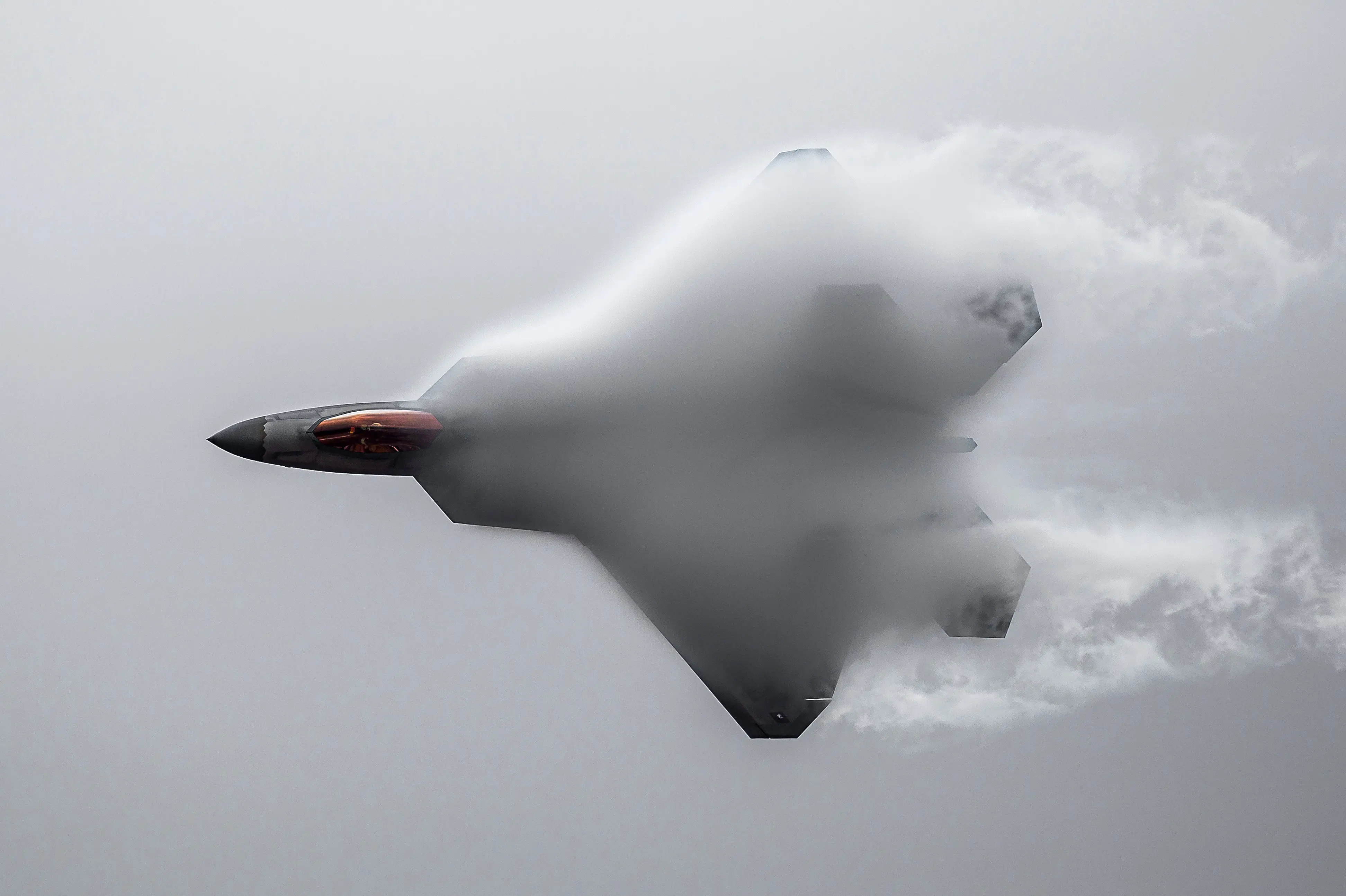
Violent Ejection Systems Pneumatic Launchers
Launchers use high-pressure pneumatic or hydraulic rams to eject missiles forcibly. Military.com reports that instead of letting a missile 'drop' by gravity, the F-22 and F-35 push the weapon out instantly, allowing the doors to snap shut immediately after the weapon clears the bay.
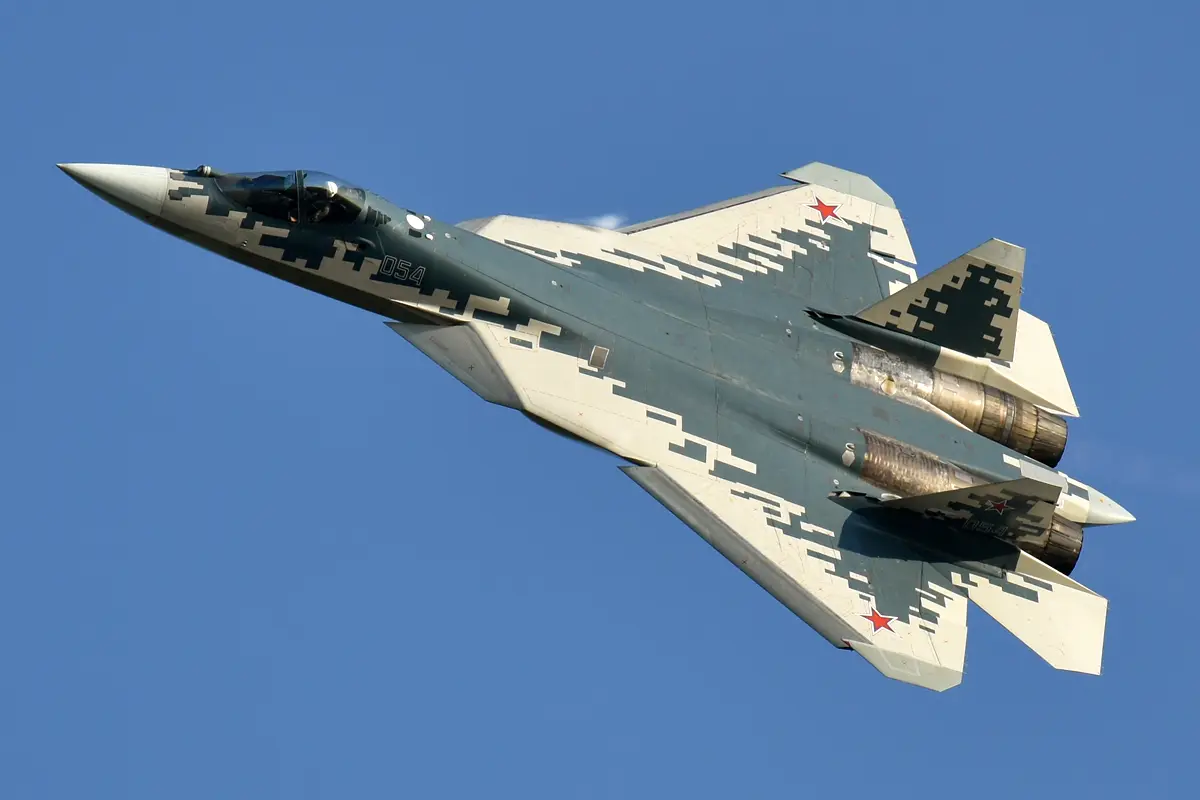
Silent Targeting Passive Sensor Usage
Pilots often do not turn on their own radar to fire. Northrop Grumman highlights that they use passive sensors or data links from other aircraft to guide missiles, keeping their own electronic 'voice' silent so enemies cannot track the launch source.
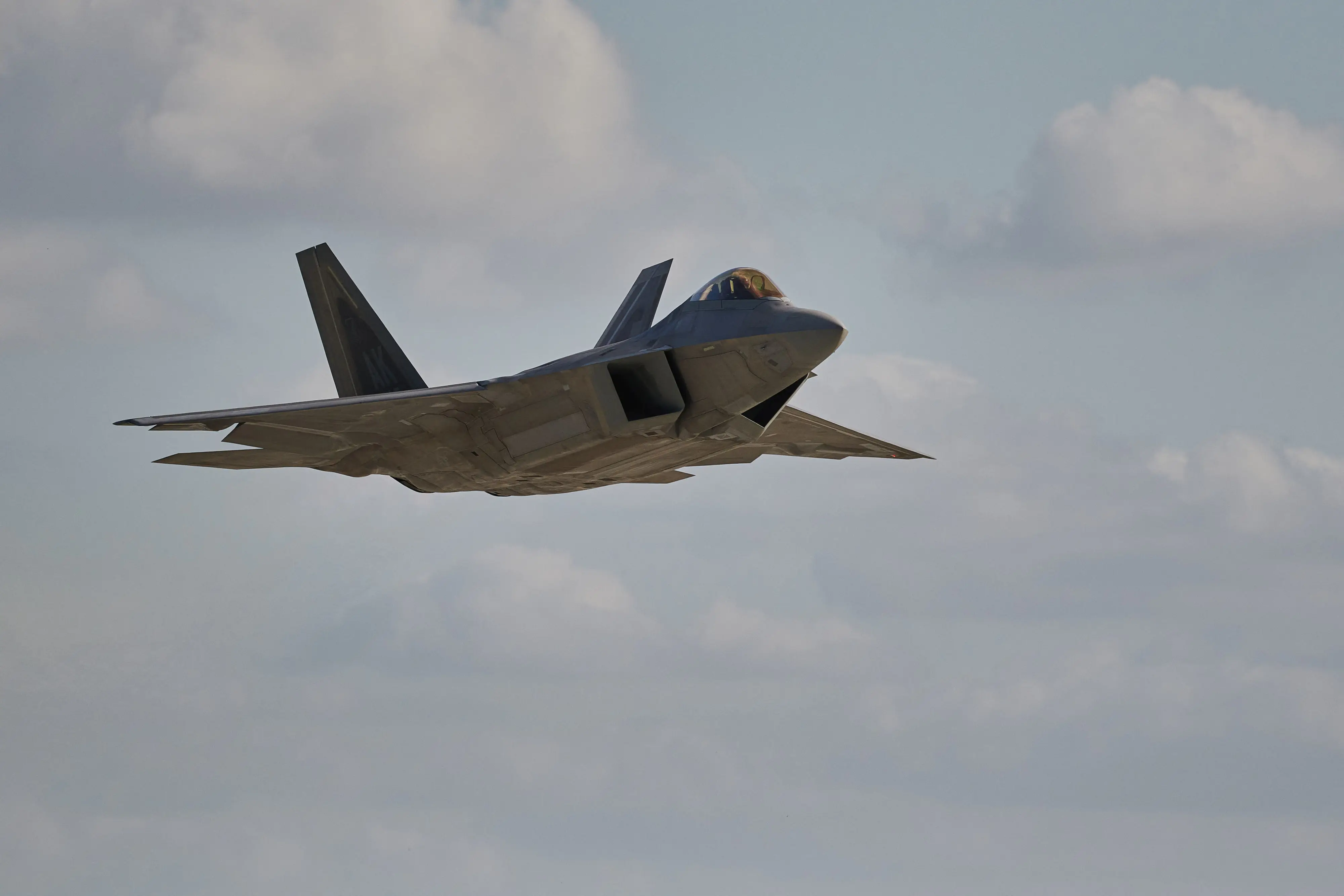
Lock-On After Launch (LOAL)
Advanced missiles use 'Lock-On After Launch' technology. Raytheon explains that the jet can eject the missile blindly and send targeting data via a datalink moments later, keeping the bay doors open for the absolute minimum time required.
)
)
)
)
)