'I could have died': How Rob Reiner’s ‘Being Charlie’ exposed the dark dynamics with son Nick Reiner

From "screaming matches" to addiction battles, see how the movie exposed the family's dark reality. A past film co-written by Rob Reiner and his son Nick is being revisited after a shocking tragedy. Old interviews, on-screen themes and real-life tensions now appear unsettling.
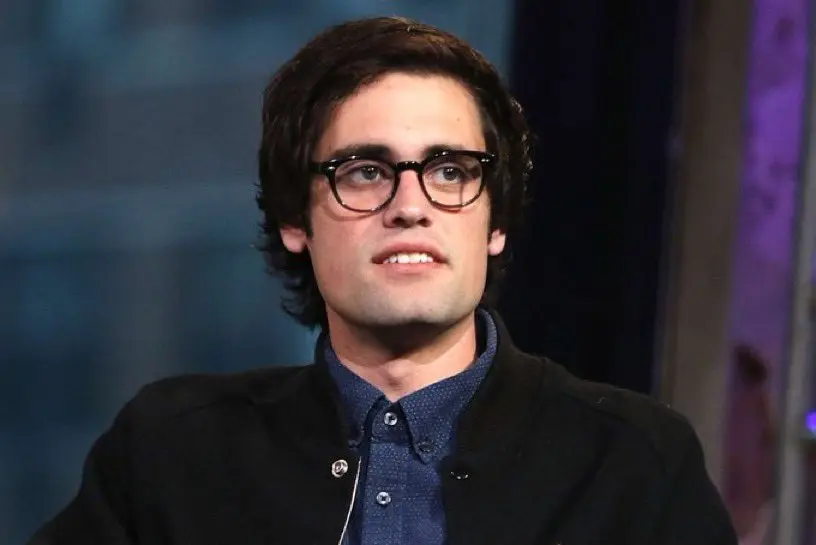
The "Prophetic" Script
According to a 2016 interview with People magazine, the 2015 film Being Charlie wasn't just a movie; it was a desperate attempt to heal a broken family. Directed by Rob Reiner and co-written by his son Nick, the film tells the story of a drug-addicted teen clashing with his famous, image-obsessed father. At the time, Rob claimed the project was "therapeutic," but revisited today, the script reads like a chilling roadmap of the resentment that may have led to this week’s tragedy.
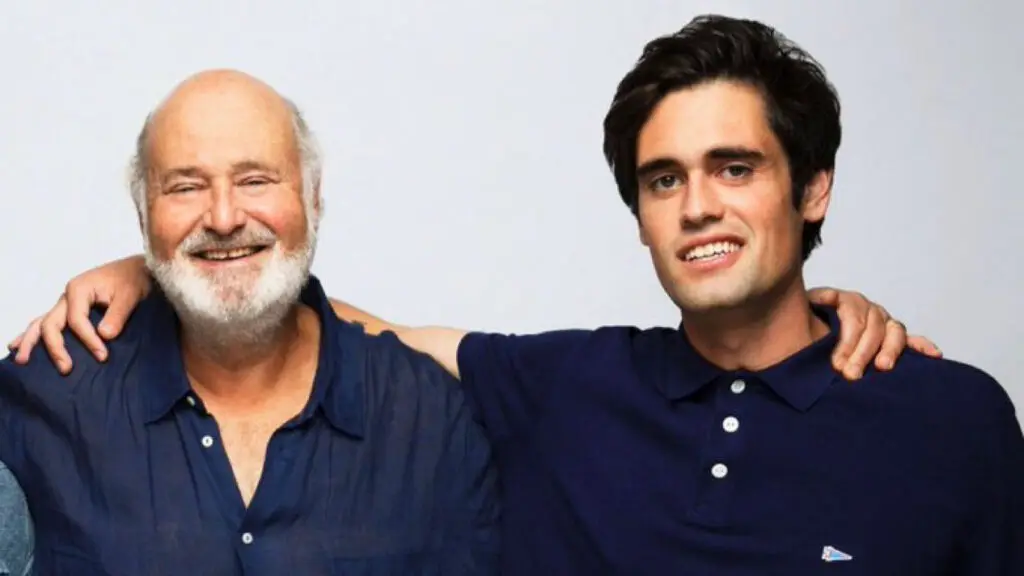
We Didn't Bond a Lot
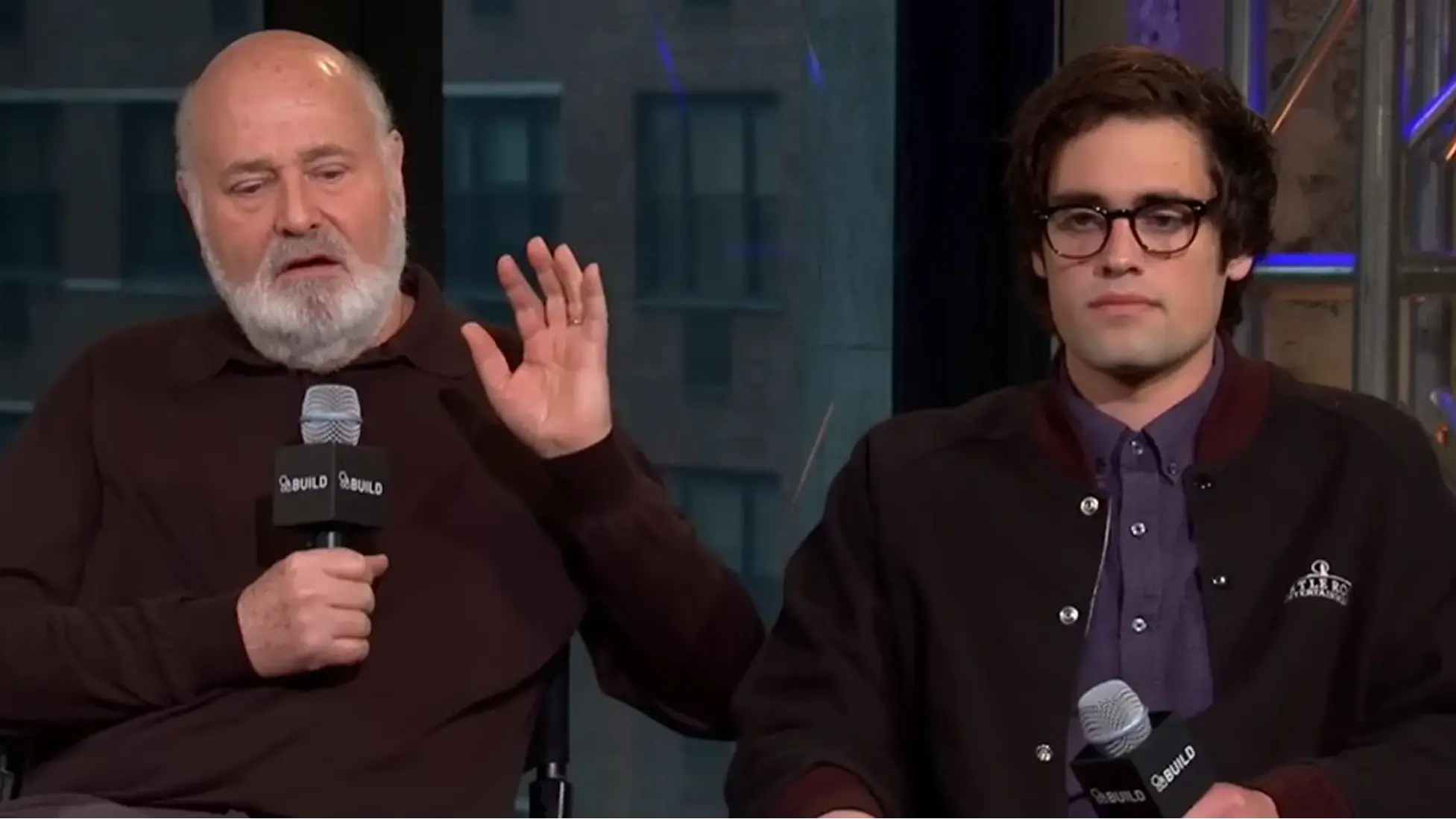
The friction wasn't just on screen. In a resurfaced 2016 interview with the BUILD Series, Nick Reiner candidly admitted that he and his father were virtually strangers emotionally. "We didn't bond a lot as a kid," Nick said, revealing that while Rob connected with his other children over baseball, he and Nick had nothing in common.

The "Politics Over Family" Accusation
In Being Charlie, the father figure (played by Cary Elwes) is a former actor running for Governor who cares more about his poll numbers than his son’s survival. Critics at the time noted how specific this felt. While Rob Reiner never ran for office, he was a massive political activist. The movie suggests Nick may have felt like a prop in his father’s public life a "problem" to be managed rather than a son to be loved.
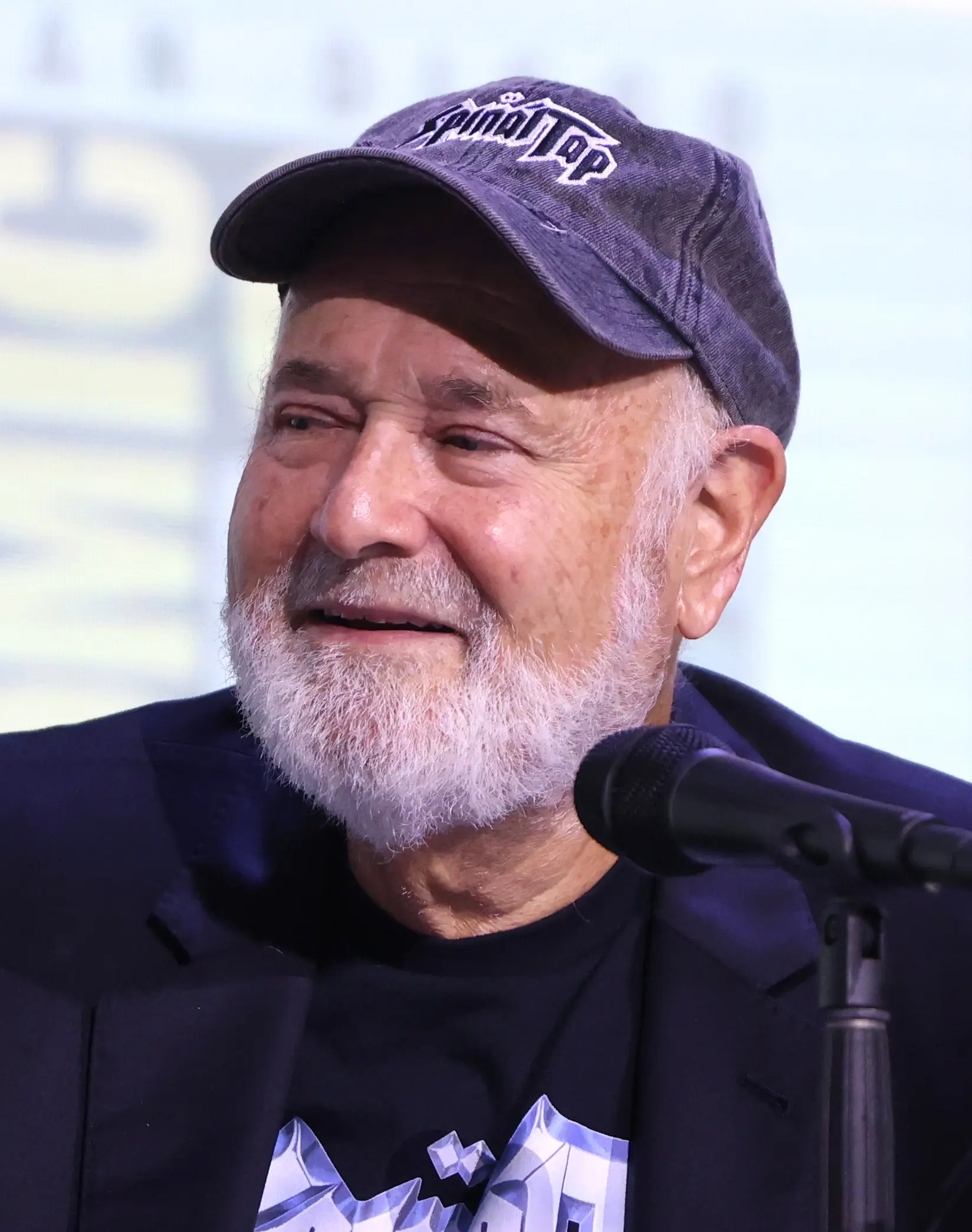
Writing Through the Rage
The creation of the movie was volatile. Rob Reiner admitted to ABC News in 2015 that he and Nick fought constantly while writing the script. "We were screaming at each other," Rob recalled. They weren't just debating plot points; they were re-living the trauma of Nick’s 17 stints in rehab. Investigators are now likely looking at whether those old, unresolved arguments resurfaced when Nick moved back into the home days ago.
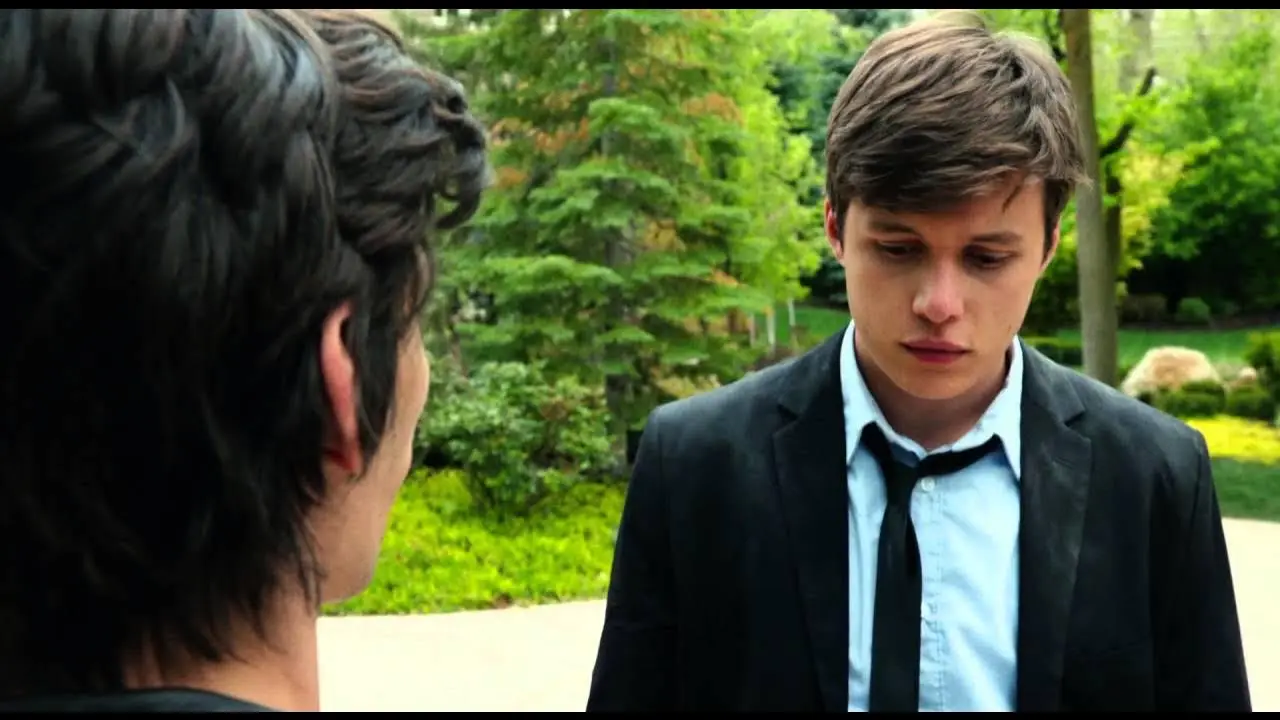
The ending of Being Charlie
The ending of Being Charlie carries a haunting weight. In the film, the father a former actor running for Governor actually wins the election. But the victory is portrayed as lonely, showing that public power can’t fix a broken home. Rob Reiner himself achieved massive success in Hollywood and politics, much like the character in his movie. But just like in the script, all the fame and awards couldn't protect his family from the devastation of addiction. The movie’s "win" was scripted; the real-life loss is permanent.
The "Happy Ending" That Wasn't
The most tragic part of Being Charlie is its ending. In the movie, the father loses the election but wins back his son’s love, and they walk into the sunset together. It was the ending Rob Reiner desperately wanted for his own life. The reality, however, was far darker. Instead of a reconciliation, the "final scene" in the Reiner household ended with the police finding Rob and his wife dead, and the "Charlie" character Nick as the prime suspect.
I Could Have Died
In a haunting 2016 quote to People, Nick said of his addiction years: "I could’ve died. It’s all luck." He spoke about how fragile life was. Today, that quote has taken on a gruesome new meaning. He didn't die from the drugs; instead, his demons reportedly turned outward, claiming the lives of the two people who spent millions of dollars and decades of their lives trying to save him.
)
)
)
)
)