'Heavier than 15,000 elephants': What does USS Gerald R. Ford’s 100,000-tonne full-load displacement really mean?

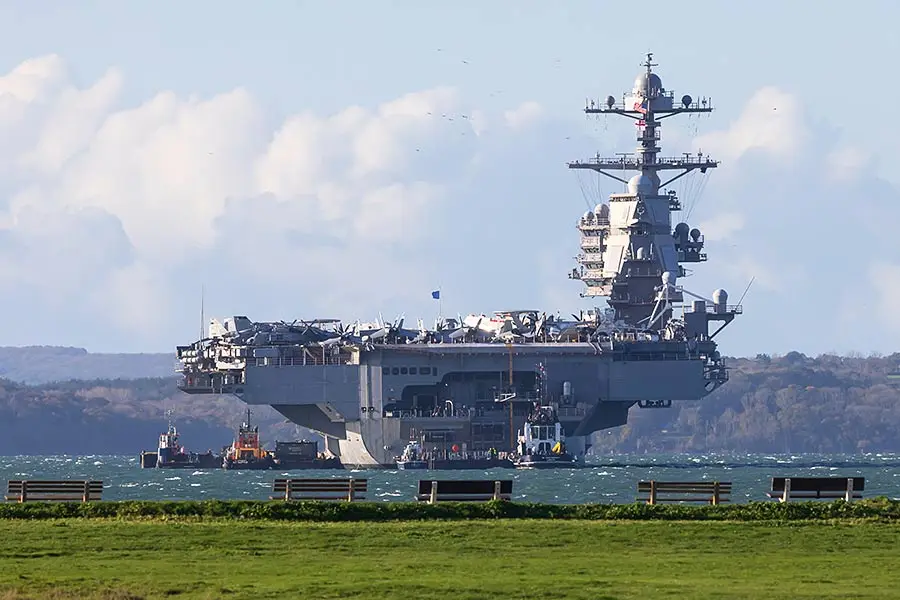
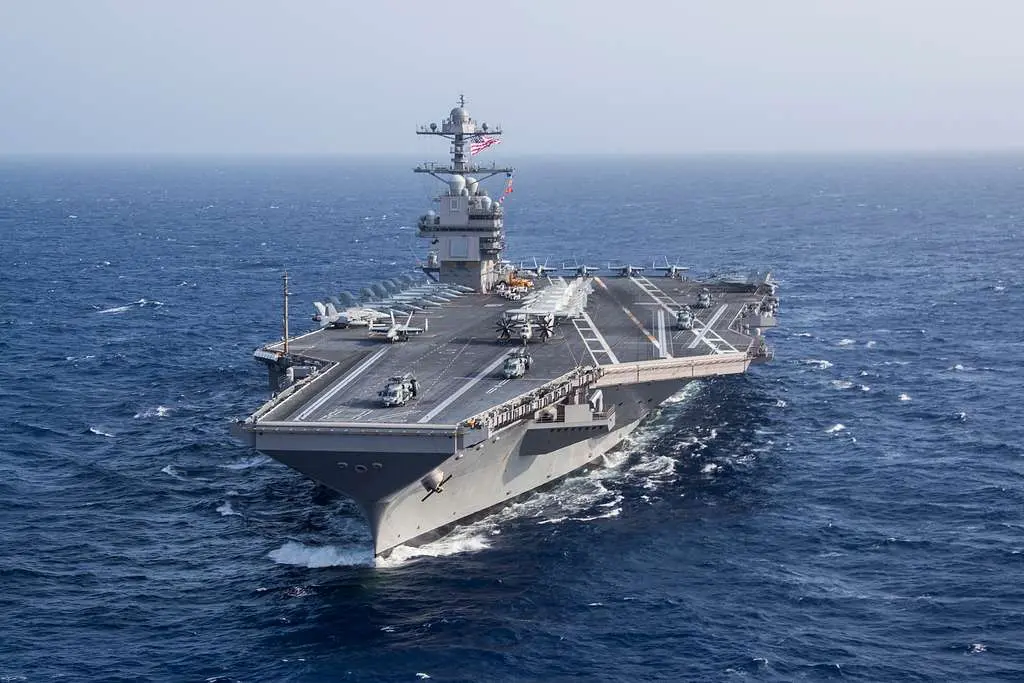
The US Navy’s aircraft carrier USS Gerald R. Ford (CVN-78) is one of the largest warships ever constructed, with a full-load displacement of about 100,000 tonnes.
Introduction
USS Gerald R. Ford has been redirected from the Caribbean Sea to the Middle East, where the warship will join another carrier, the USS Abraham Lincoln. The deployment comes as US President Donald Trump increased pressure on Iran to reach an agreement on its nuclear activities, warning of "very traumatic" consequences if negotiations fail to produce results in the coming weeks.
A measure of sheer mass
The US Navy’s aircraft carrier USS Gerald R. Ford (CVN-78) is one of the largest warships ever constructed, with a full-load displacement of about 100,000 tonnes. Displacement refers to the weight of water a vessel pushes aside when it is fully loaded and ready for operations. Based on Archimedes' principle, a ship floats because it moves a volume of water that weighs the same as the ship itself.
Why displacement matters
This means that when the carrier is stocked with fuel, aircraft, weapons, supplies and crew, it displaces, and therefore weighs, approximately 100,000 tonnes. That is roughly equivalent to the mass of more than 10,000-15,000 adult African elephants.
What full-load displacement indicates
In naval terminology, full-load displacement is the definitive measure of a ship’s weight in service. It includes all operational equipment and stores aboard, not just the structure itself. For the Gerald R. Ford, this figure reflects her capabilities as a nuclear-powered floating airbase capable of sustaining extended deployments without refuelling.
Size and physical scale
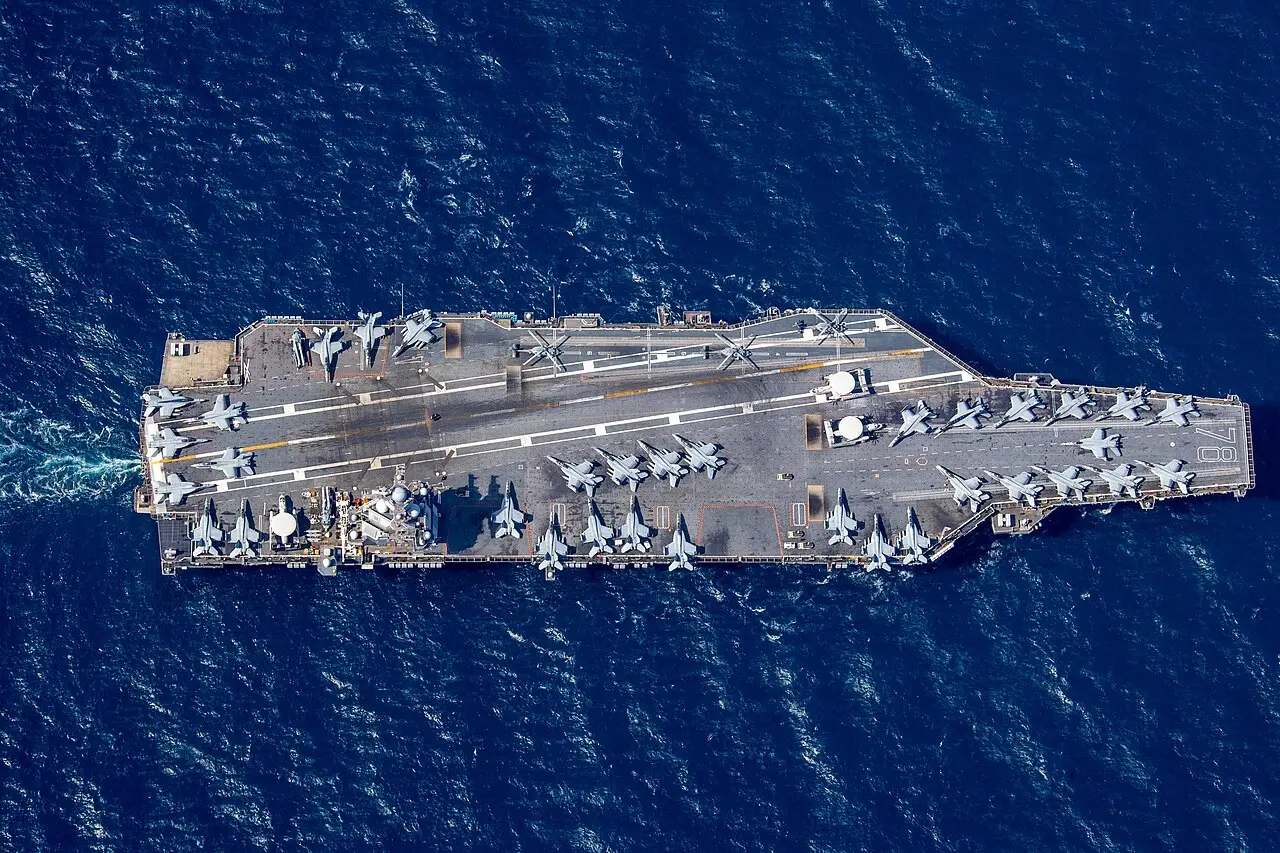
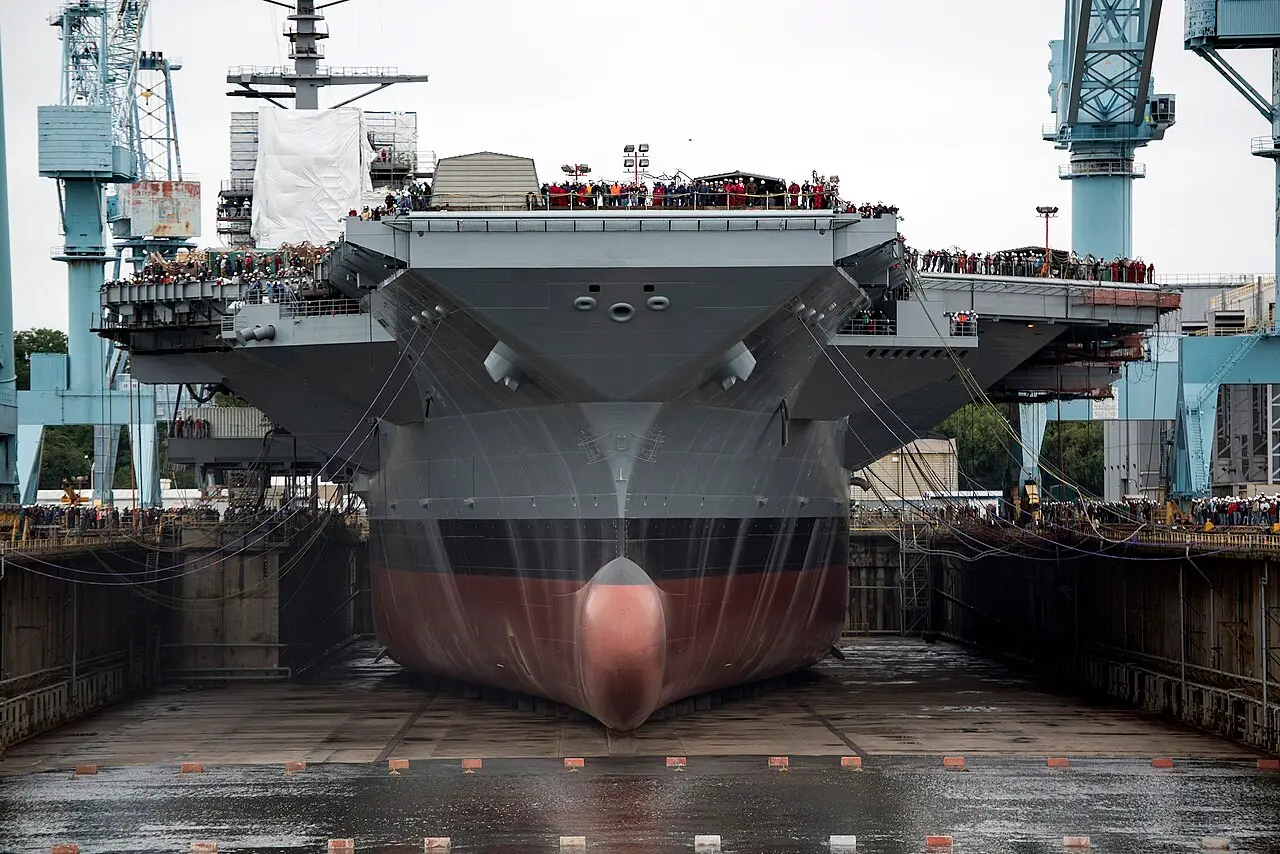
The USS Gerald R. Ford measures about 334 metres (1,106 feet) in length, with a flight deck broad enough to support aircraft operations and an internal hangar below decks. The height of the carrier is about 134-feet, roughly equivalent to a 10 to 13 stories tall building while it's speed is 30+ knots (34.5+ mph). The displacement allows room for more than 60-75 aircraft, a crew of 4000-4500 personnel and all necessary mission equipment.
Nuclear propulsion and endurance
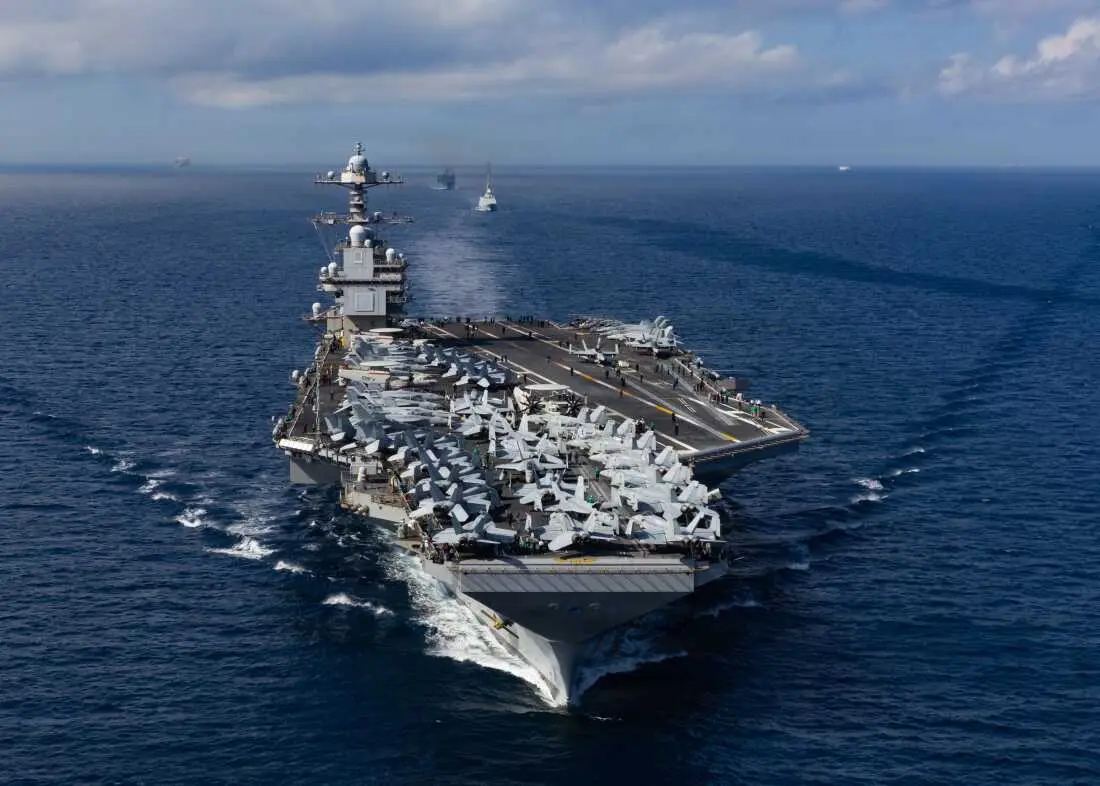
Nuclear propulsion contributes significantly to the carrier’s displacement. Powered by two A1B nuclear reactors, the Ford has nearly unlimited range and can operate at sea for decades without the need for traditional fuel. This endurance gives the United States Navy a persistent presence wherever she is deployed.
The air wing and mission role
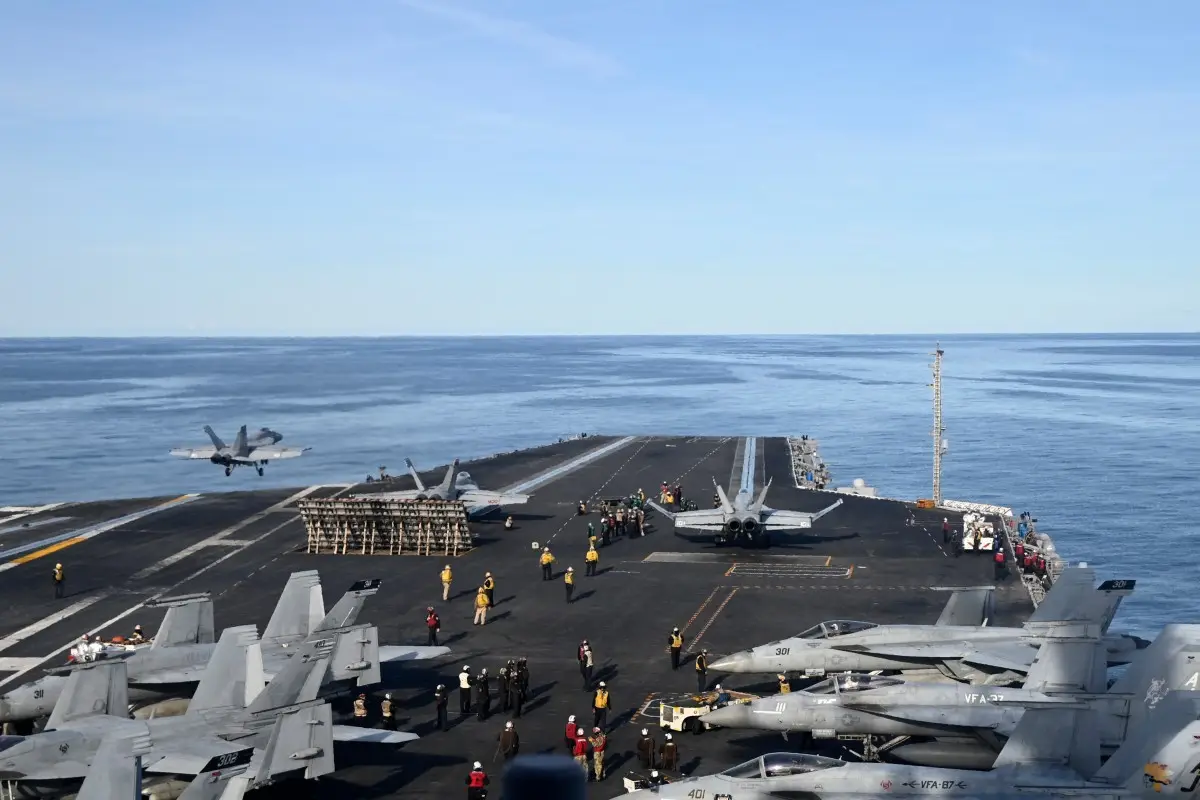
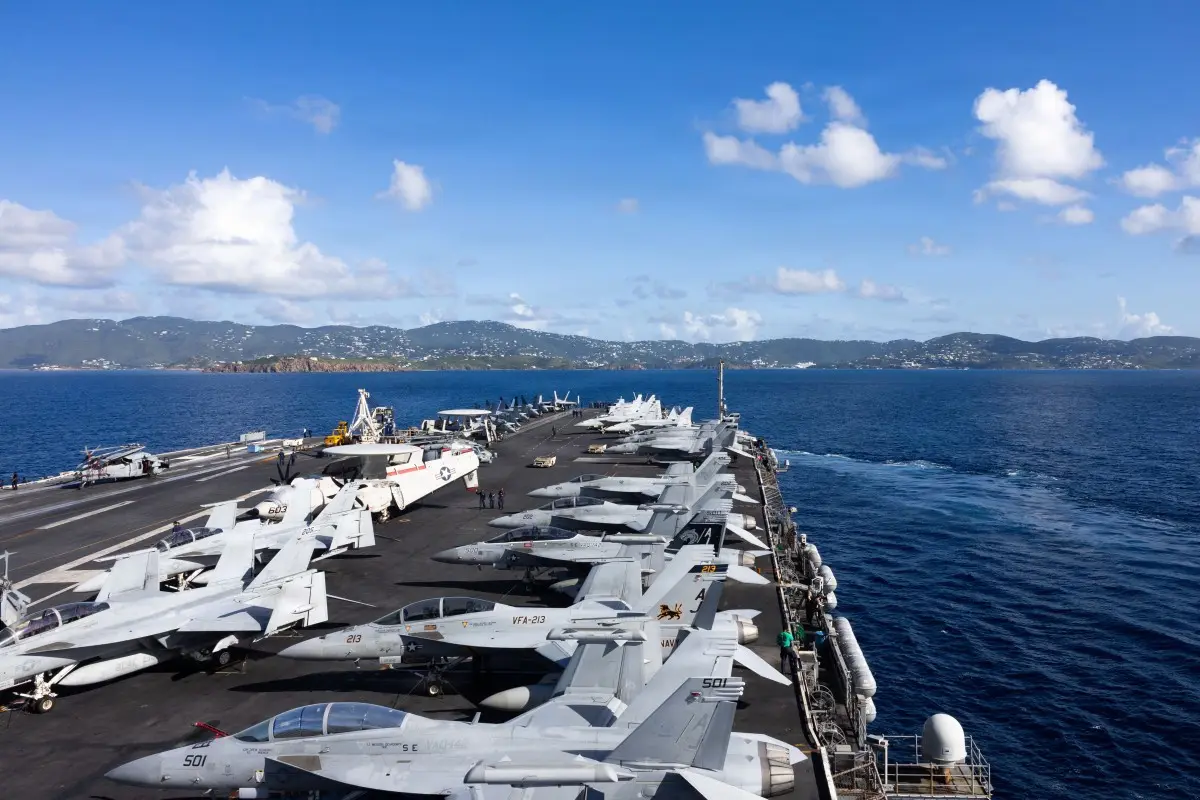
The ship embarks multiple squadrons, including F/A-18 Super Hornets, E/A-18G Growler electronic attack aircraft and E-2D Advanced Hawkeye command and control planes, along with helicopter detachments. This broad air capability bolsters her role as a central component of US naval power projection. Understanding displacement provides insight into the ship’s physical and operational capacity.
)
)
)
)
)