‘Gone in 60 seconds’: How MOSSAD and CIA executed the assassination of Ali Khamenei

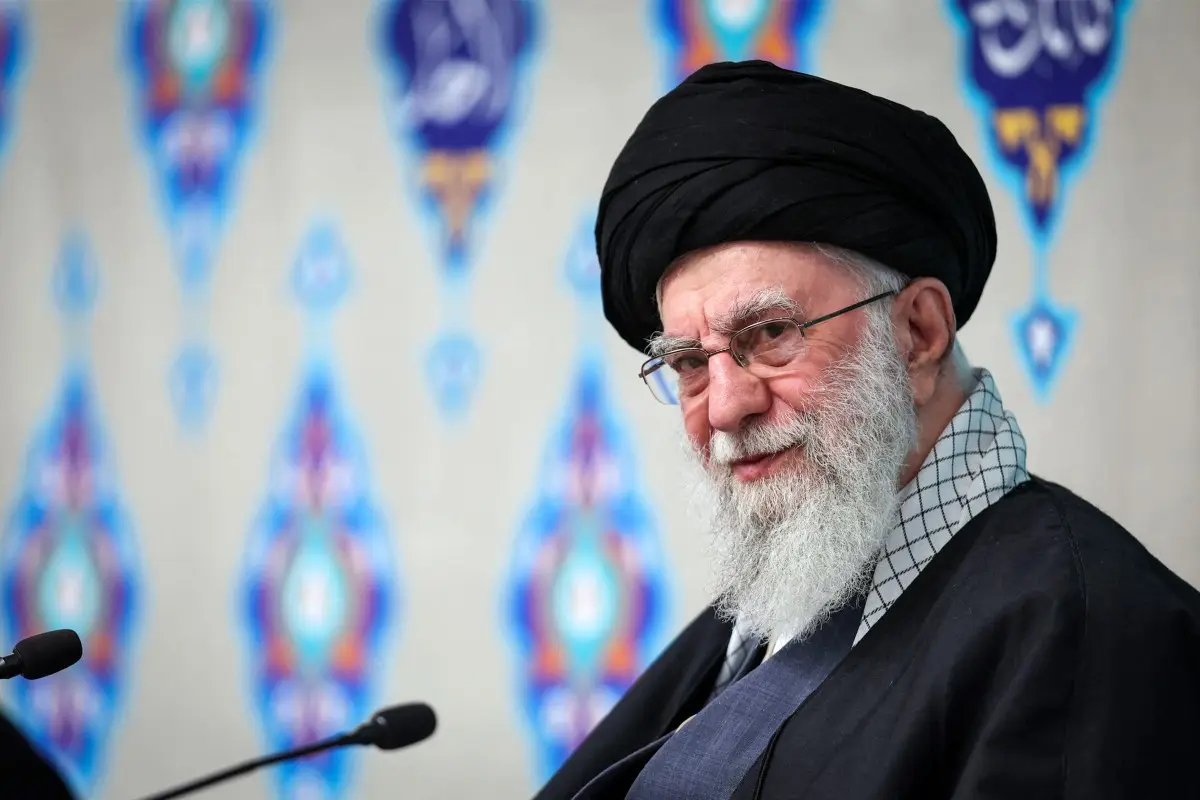
On Saturday morning, February 28, 2026, the 86-year-old Supreme Leader of Iran, Ayatollah Ali Khamenei, was eliminated in a near-simultaneous strike that took just 60 seconds to execute.
1. The 60-Second Decapitation
The strike was a masterpiece of "operational surprise." Military officials confirm that Khamenei was killed alongside seven members of Iran’s top security leadership and 12 members of his inner circle. In total, 40 senior Iranian leaders were wiped out in near-simultaneous strikes across several locations in Tehran, all occurring within the same 60-second window.

2. The CIA’s High-Tech Fingerprint
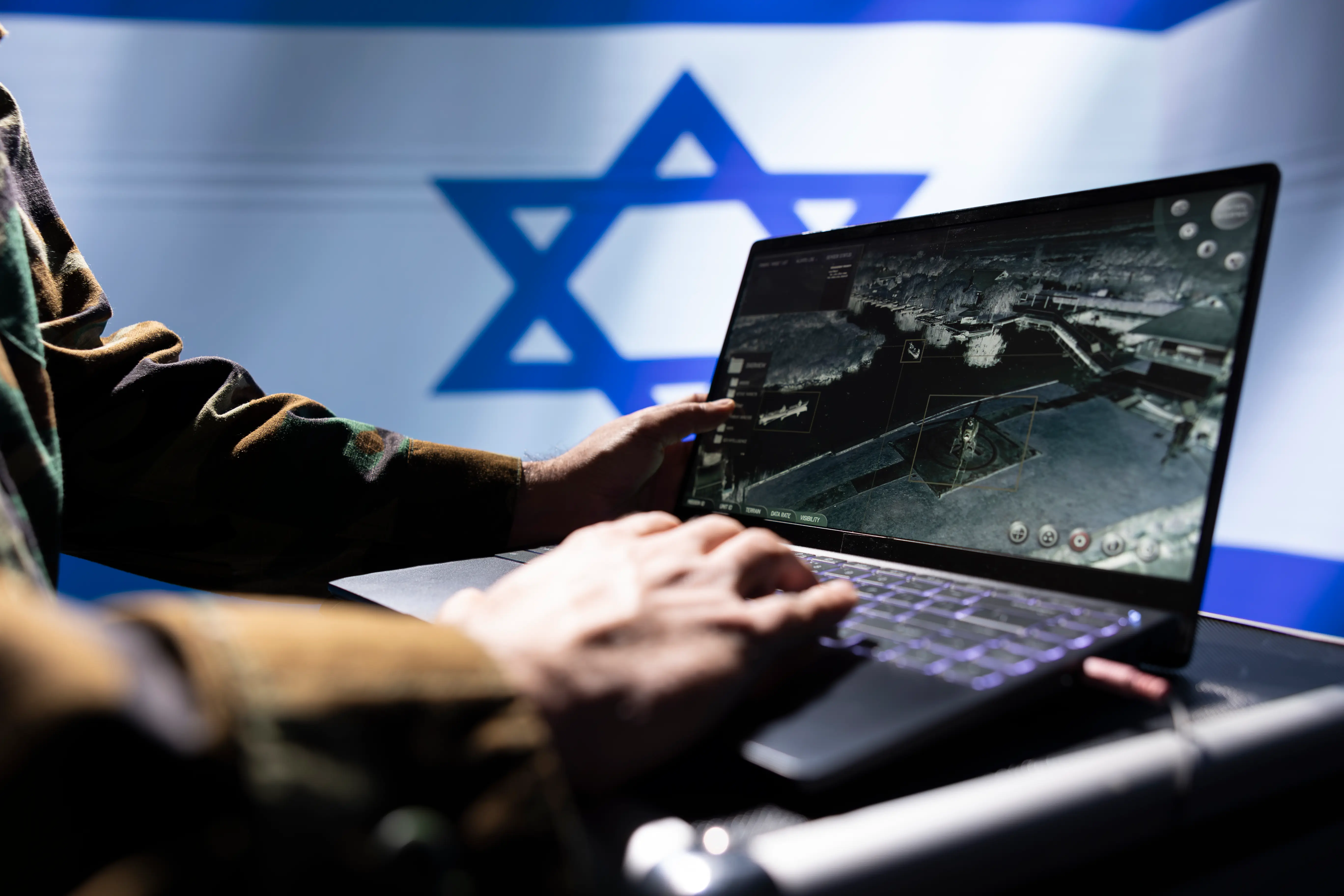
While the Mossad provided the "boots on the ground," the CIA provided the "eyes in the sky." Over the last six months, the U.S. poured unprecedented technological resources and manpower into tracking the Supreme Leader. It was the CIA that ultimately "locked on" to the specific Saturday morning meeting at a high-security compound in the heart of Tehran, providing the exact GPS coordinates and timing for the strike.
3. The Mossad’s 'Foreign Legion'
The mission relied heavily on a "Foreign Legion" of local Iranian agents recruited by Mossad Director David Barnea. These agents, many of whom were Iranian citizens opposed to the clerical regime, provided the "human intelligence" (HUMINT) that technology cannot. They tracked everything from Khamenei’s trash to his food deliveries, building a "minutely detailed file" on his daily routine.
4. Sloppy Security and Burner Phones
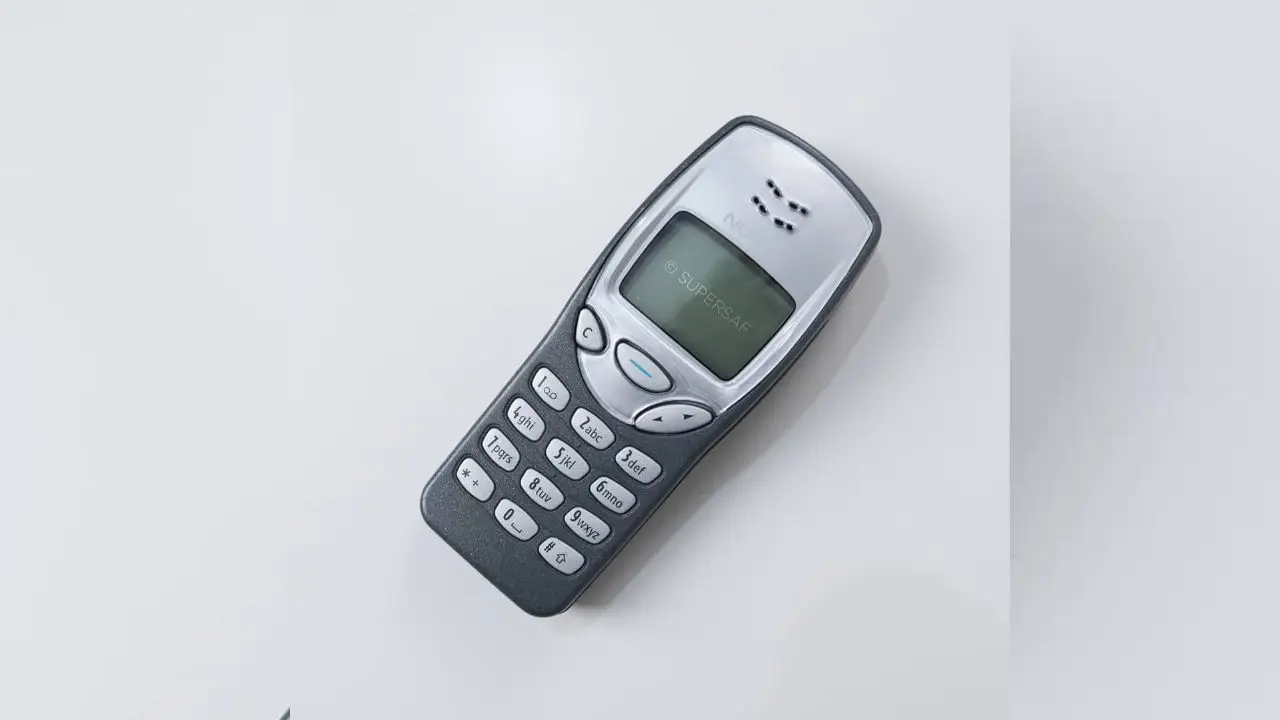
Despite his status, Khamenei and his entourage reportedly became "sloppy." Intelligence veterans noted that the Iranian leadership’s love for their phones became their undoing. Even if the Supreme Leader used a "stack of burner phones," the US and Israel were able to track the pattern of calls to his regular associates, effectively "tagging" his location in real-time.
5. A Daytime Surprise
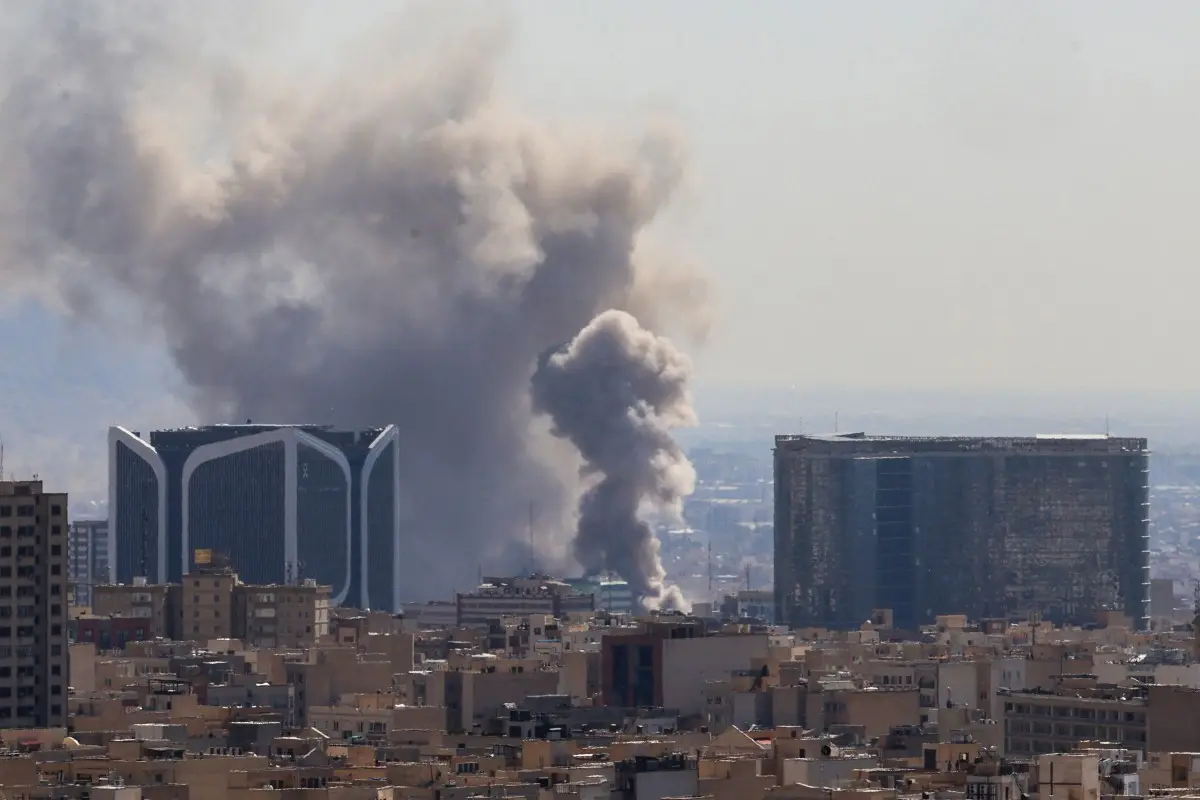
The timing of the strike was a tactical masterstroke. Most experts expected a nighttime raid, the traditional "Standard Operating Procedure" for such hits. Instead, the US and Israel struck in broad daylight during a Saturday morning meeting. This caught the Iranian air defenses completely off-guard, as they were braced for a stealthy, midnight approach.

6. From Nuclear Files to Final Rites
This was the final act in a long list of Mossad penetrations into Iran. From the theft of the nuclear archives to the remote-controlled machine-gun assassination of Mohsen Fakhrizadeh, the Mossad had already proven it could operate at will inside Tehran. The killing of a head of state, however, marks a historic first, Israel had never before assassinated a sitting sovereign leader.
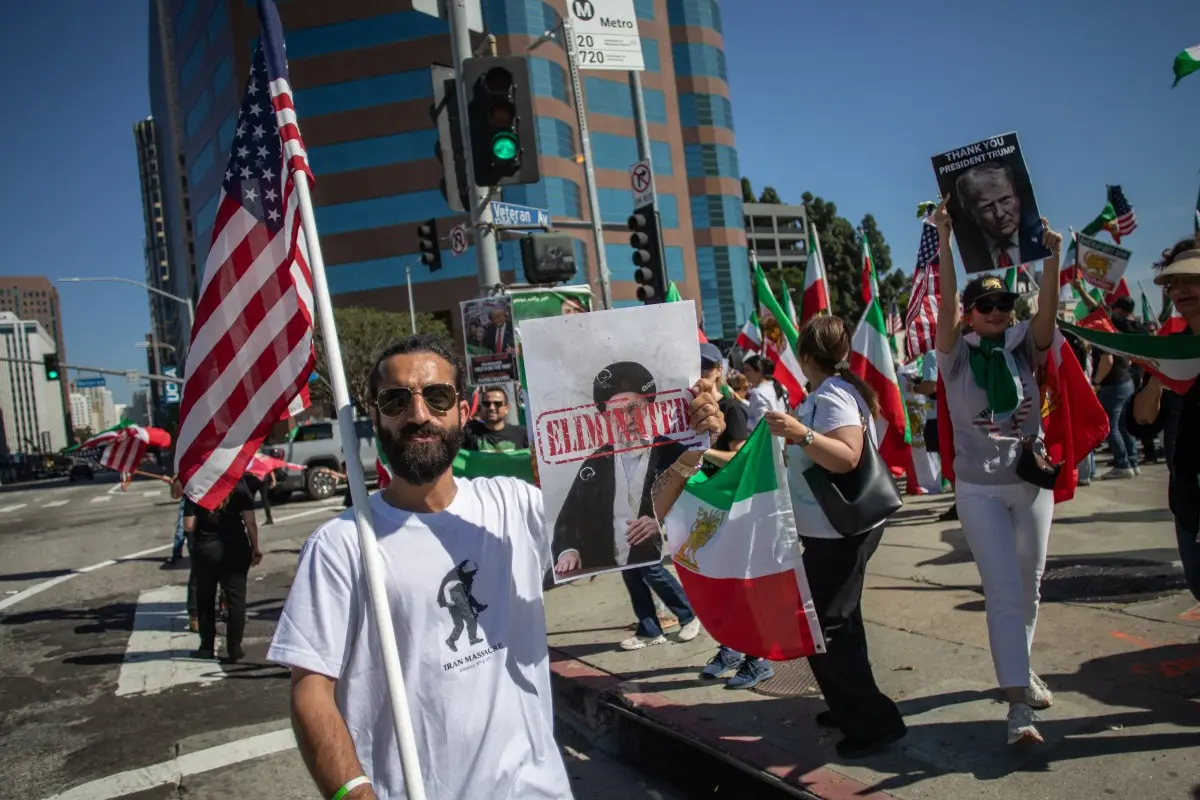
7. A Strategic Success or a Tragic Error?
While the mission was a tactical triumph, veteran spies are already warning of a "strategic error." Intelligence analysts point out that while leaders are "decades in the making," they are easily replaced. The fear remains that by taking out the "Old Guard," the West may have inadvertently opened the door for even more radical, unpredictable opponents to seize the vacuum.
)
)
)
)
)