‘Future of Warfare’: How helicopters and drones will work together in modern warfare

Modern warfare is adopting Manned-Unmanned Teaming (MUM-T), pairing helicopters with drones. This allows pilots to control UAVs from the cockpit, using them as scouts to extend visual range, identify threats, and carry extra weapons.
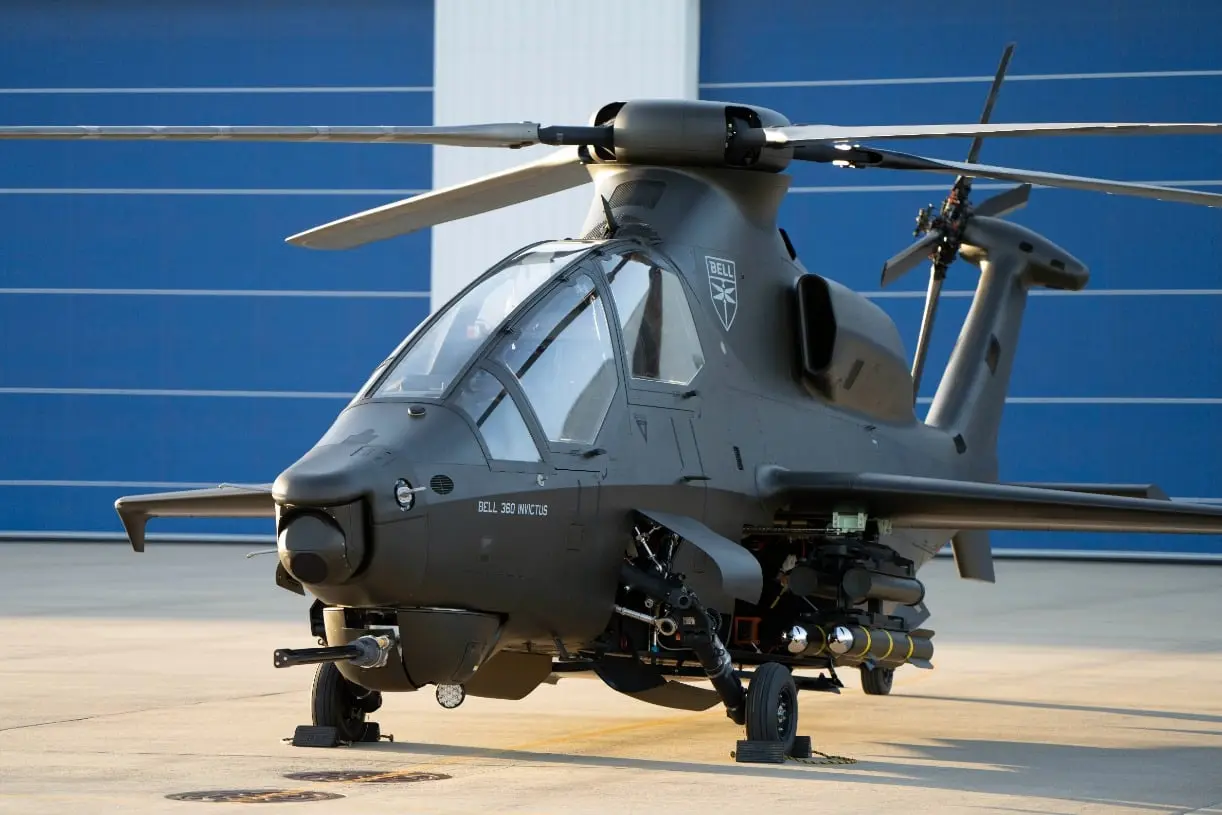
The Manned-Unmanned Team Pilots Controlling Robots
Modern warfare now pairs helicopters directly with drones, a concept known as Manned-Unmanned Teaming (MUM-T). According to Boeing, advanced Apache helicopters allow pilots to control drone flight paths and sensors right from their own cockpits.
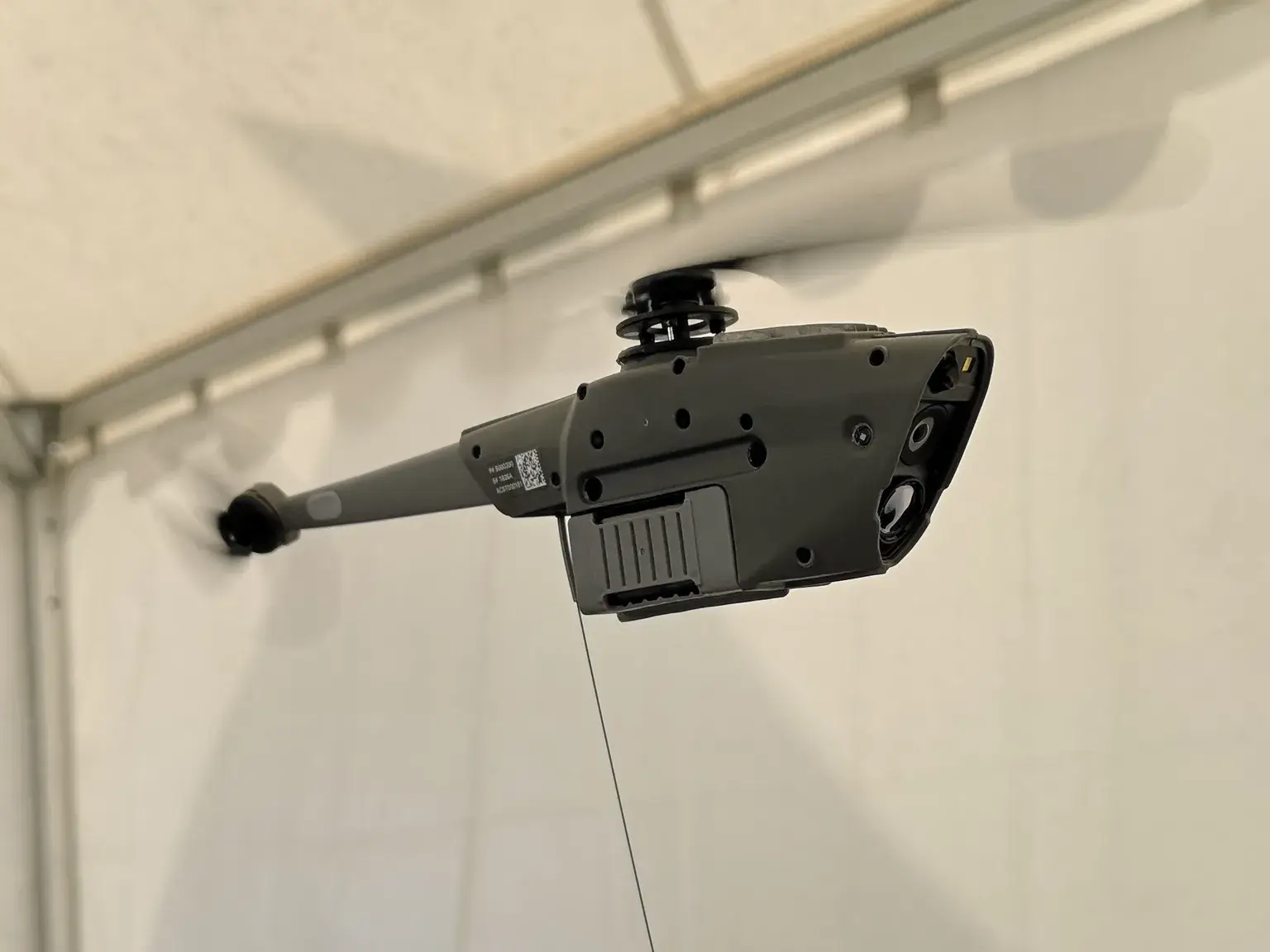
Drones as Forward Scouts Seeing Danger First
Before a helicopter enters a high-risk area, it sends a drone ahead to scan for threats. The War Zone reports that this allows crews to look over hills and past obstacles without exposing themselves to anti-aircraft fire.
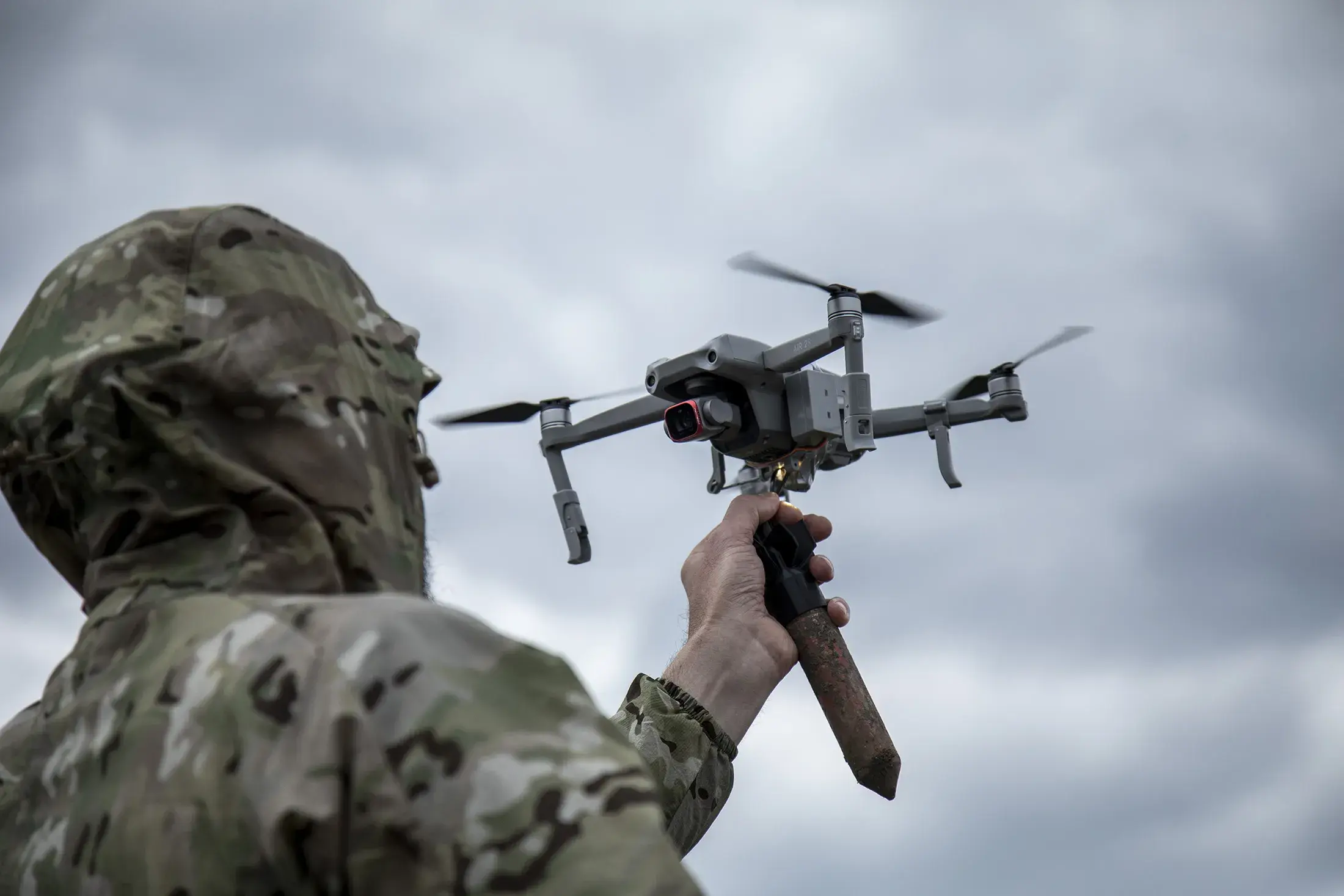
Extending Visual Reach Eyes Beyond the Horizon
Drones significantly extend the operational view of a helicopter crew. Airbus notes that teaming allows pilots to identify and track targets tens of kilometres away, far beyond the range of their on-board sensors.
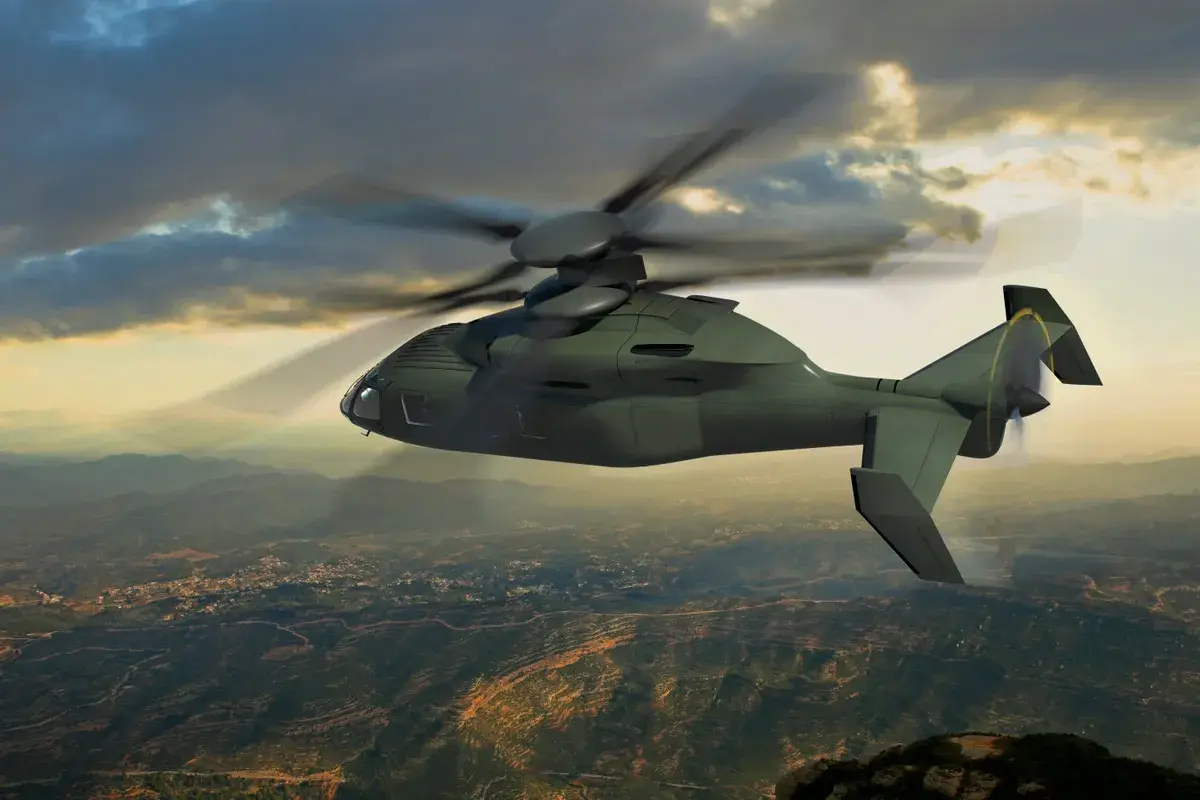
Air-Launched Effects (ALEs) Mid-Flight Deployment
Future helicopters will carry and launch their own small drones mid-flight. The US Army states these 'Air Launched Effects' can act as decoys to confuse enemy radar or perform electronic jamming to protect the main aircraft.
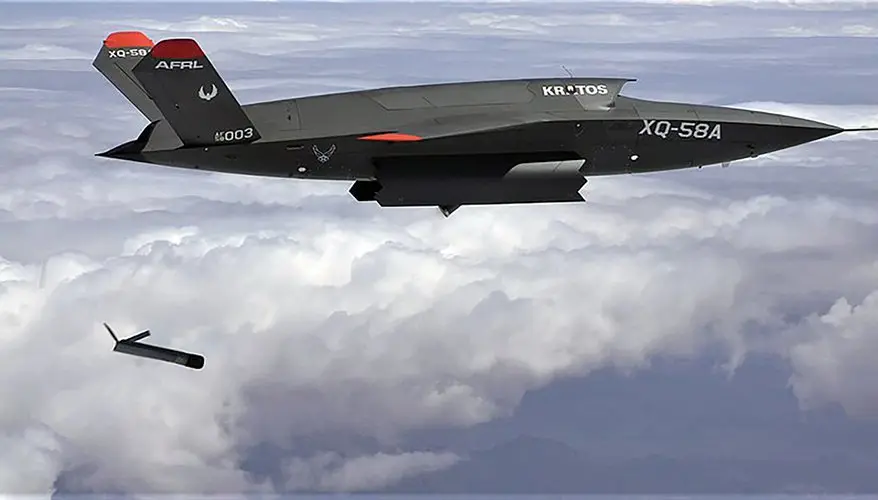
The 'Loyal Wingman' Carrier Bringing Extra Firepower
Drones will eventually carry weapons alongside their manned counterparts. Defence News reports that future 'loyal wingman' drones could carry extra missiles, letting the helicopter pilot designate a target for the drone to destroy.
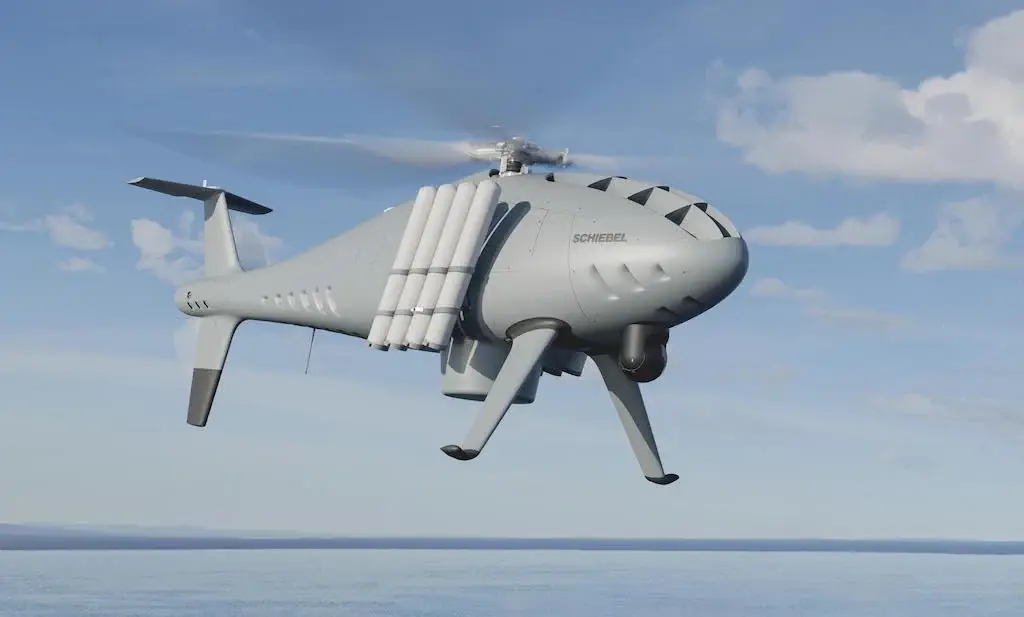
Reducing Human Risk Sending the Machine
In A primary goal of this pairing is to keep human pilots out of harm's way. By using expendable drones for dangerous initial reconnaissance, military strategies aim to reduce casualties in highly contested airspaces.

The Connected Battlefield Sharing Data Instantly
This teaming creates a rapid information network across the battlefield. Janes analysis suggests that intelligence gathered by a drone scout is instantly shared not just with the helicopter, but also with ground commanders simultaneously.
)
)
)
)
)