'Firewall of charged particles': What Voyager reveals about the solar system’s 50,000°C frontier

The firewall acts as a filter, deflecting many high-energy cosmic rays. This shield helps reduce radiation exposure within the solar system, playing a role in Earth’s long-term habitability.
The Charged Particle Barrier
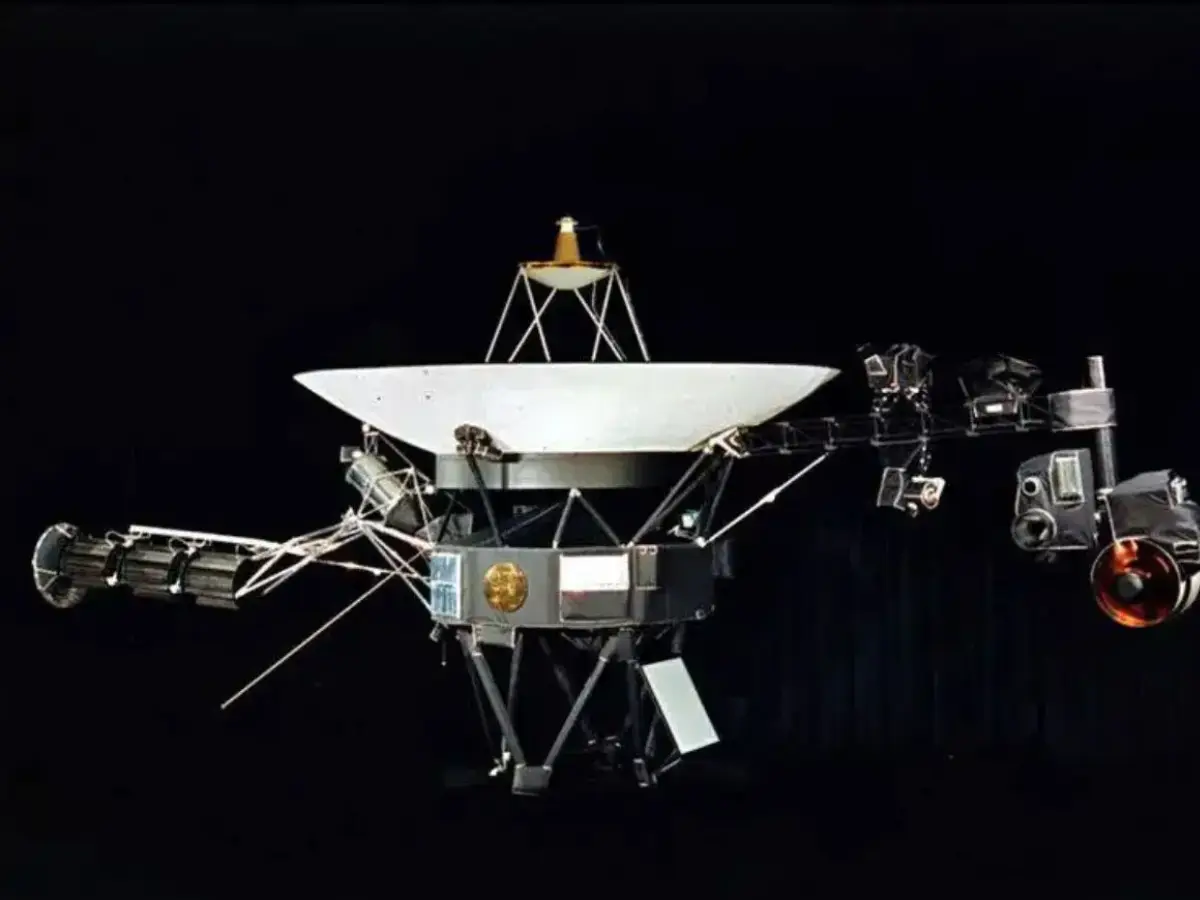
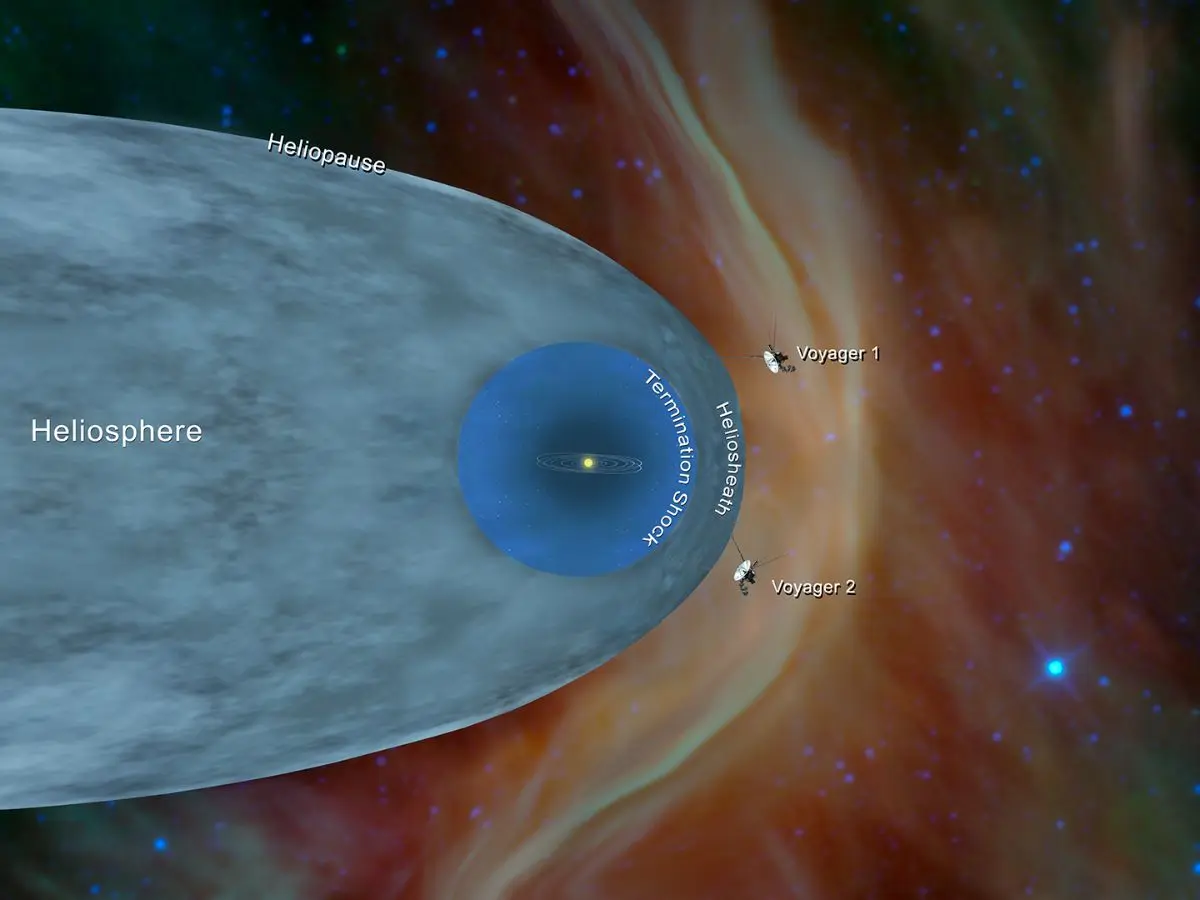
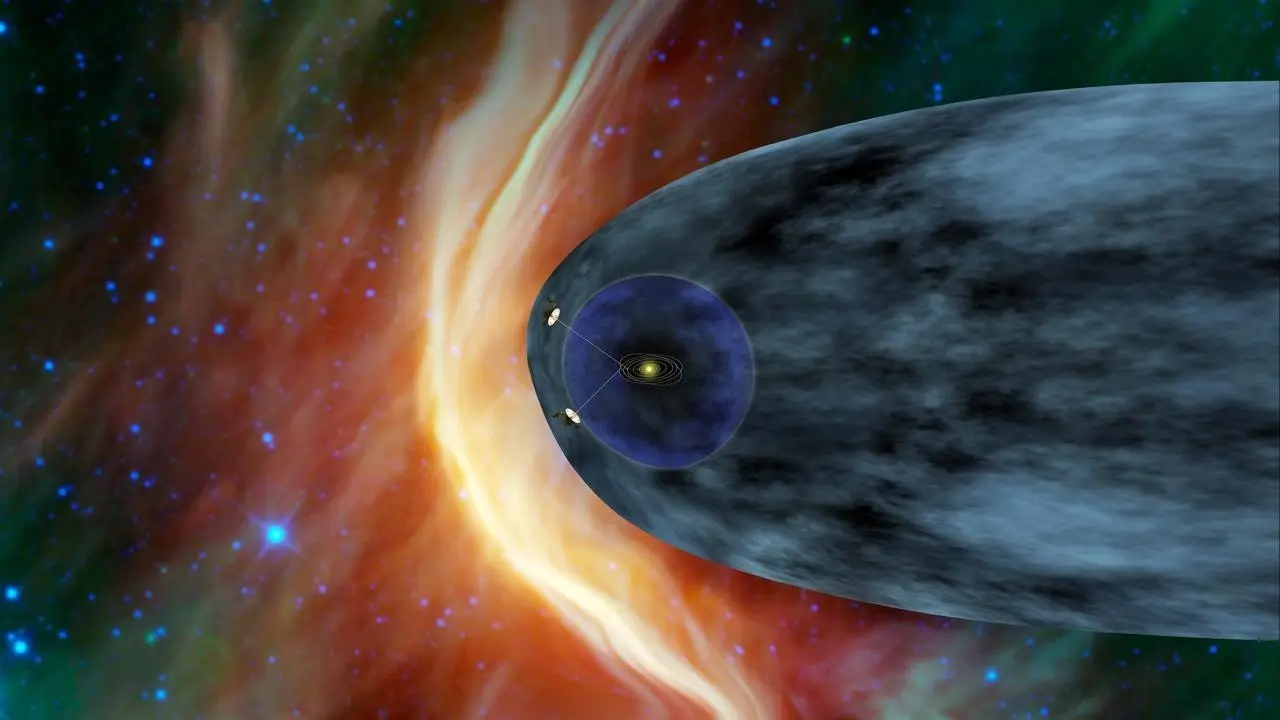
At the outer edge of the solar system, solar wind collides with material from interstellar space. This clash creates a “firewall” of charged particles surrounding our system.
Voyager’s Passage
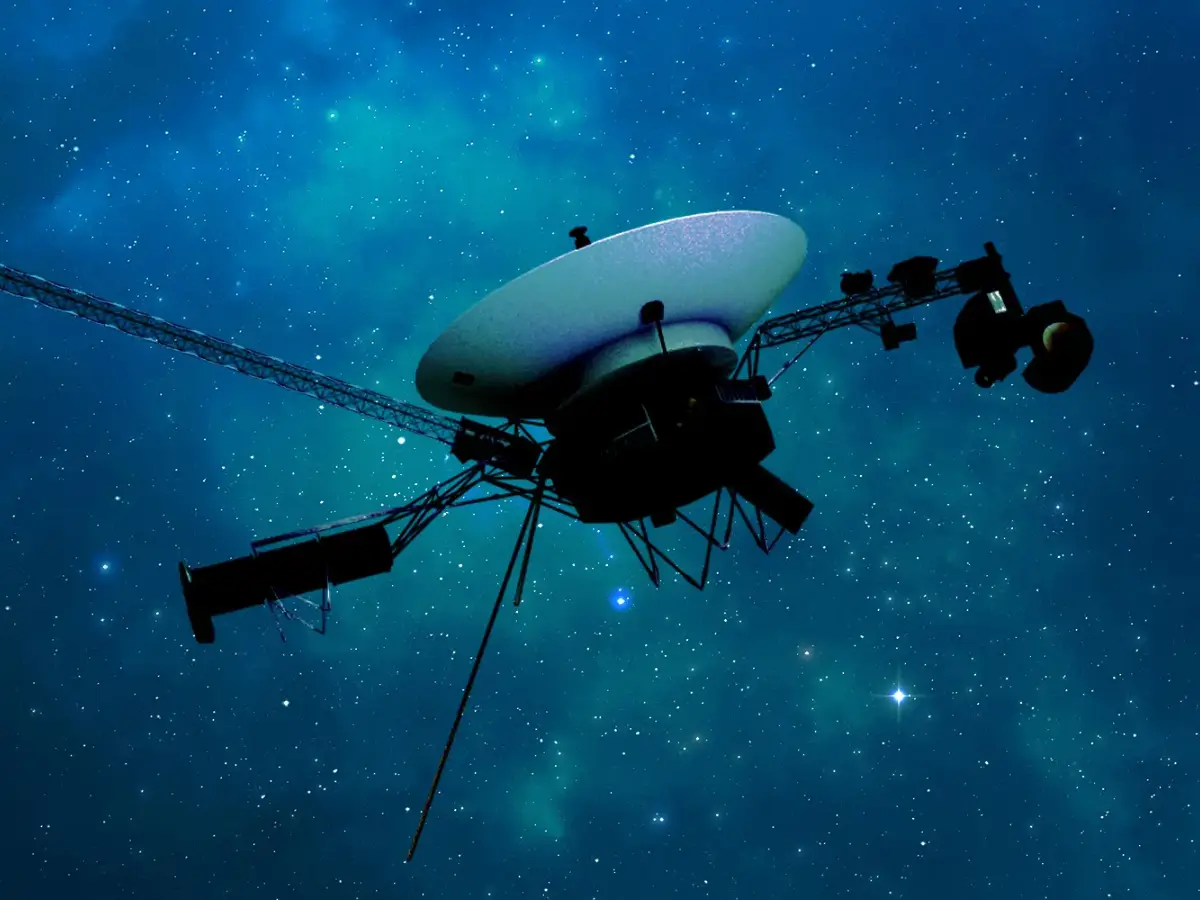
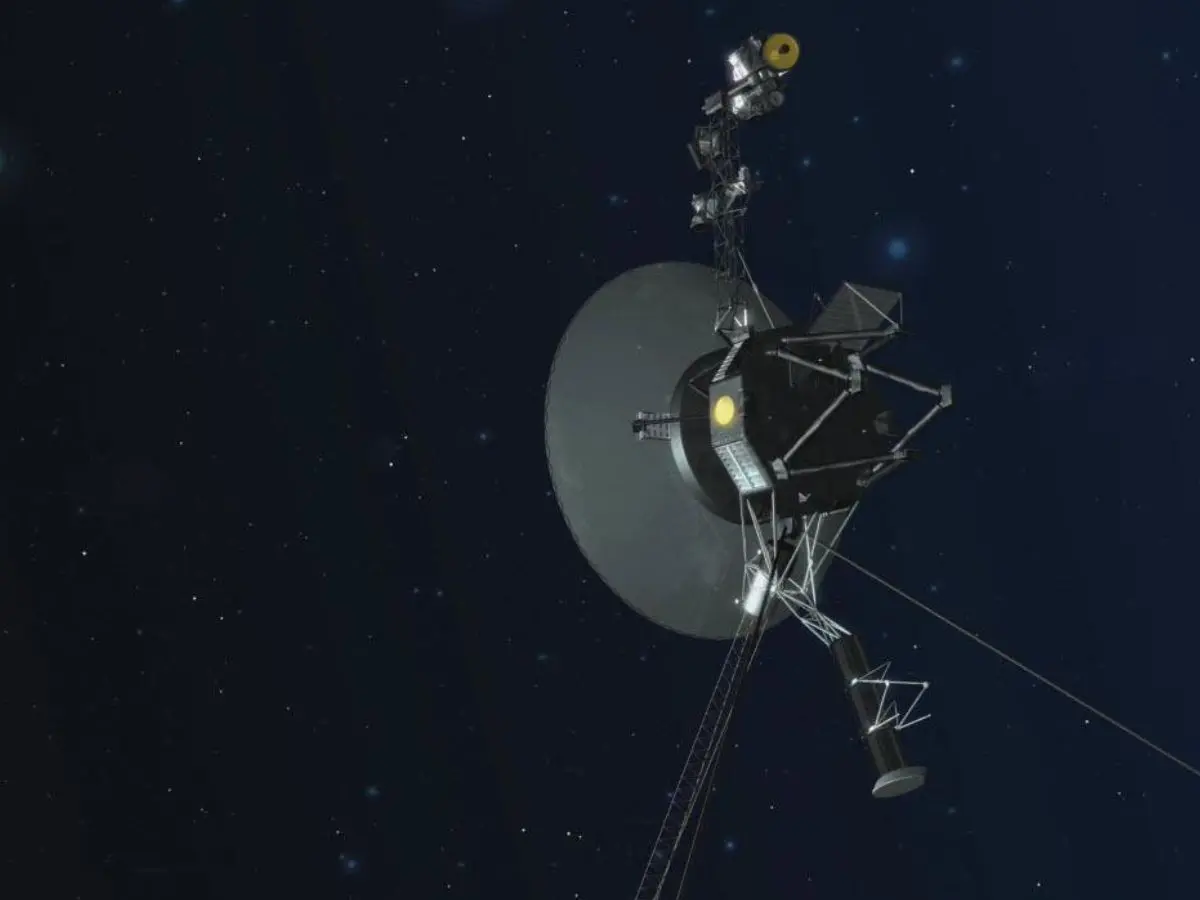
Voyager 1 crossed this frontier in 2012, with Voyager 2 following in 2018. Both spacecraft recorded a sudden change in particle density, confirming they had passed through this charged barrier.
A One-Way Boundary
Inside the firewall, charged particles from the Sun dominate. Beyond it, particles from the interstellar medium prevail. Voyager’s detectors revealed this sharp transition, showing where the solar system ends.
Cosmic Ray Protection
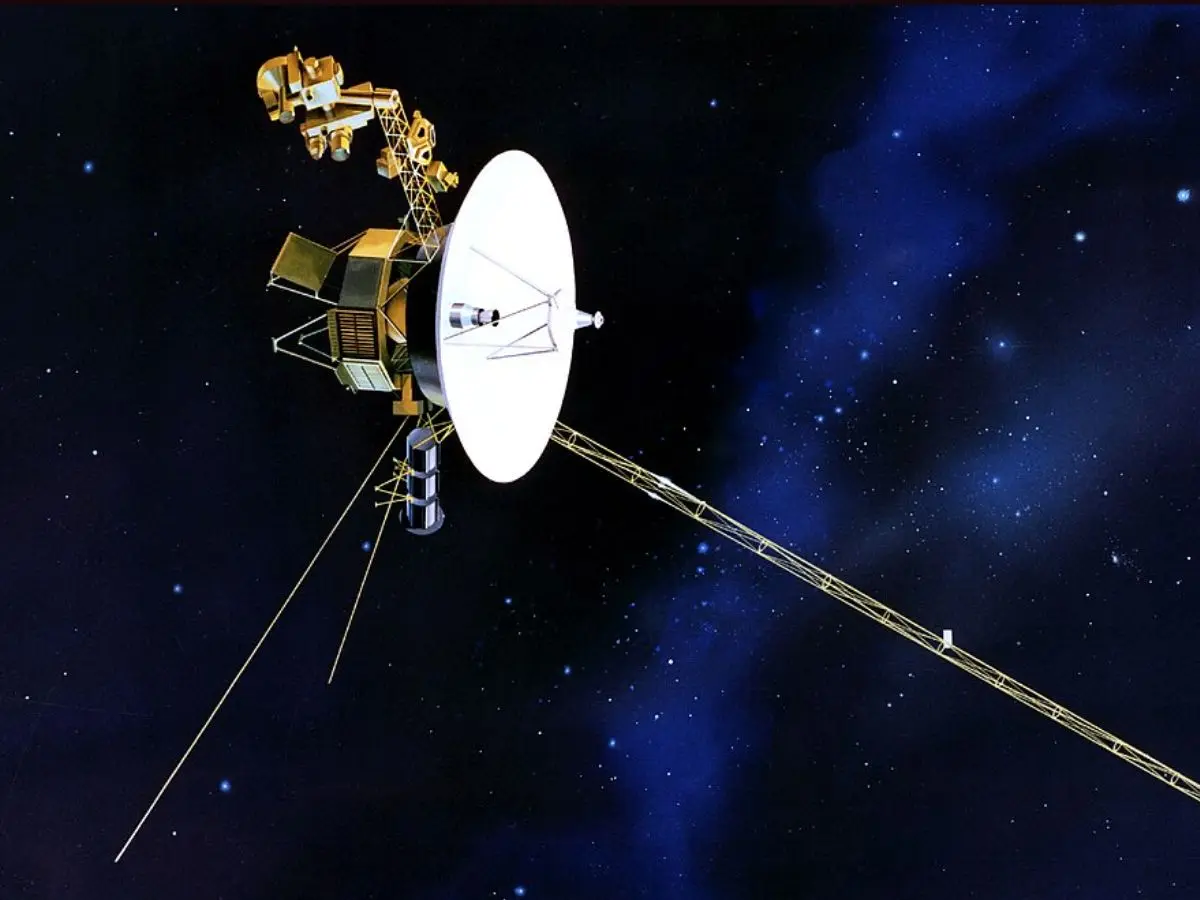
The firewall acts as a filter, deflecting many high-energy cosmic rays. This shield helps reduce radiation exposure within the solar system, playing a role in Earth’s long-term habitability.
Heat Without Flame
Voyager measured plasma temperatures up to tens of thousands of degrees. However, the particles are so sparse that the spacecraft remains unaffected, offering a reminder that “heat” in space behaves differently.
Mapping the Frontier
By recording changes in particle type, density, and energy, Voyager provided the first direct evidence of this frontier, confirming theories that had only existed in models.
Why It Matters
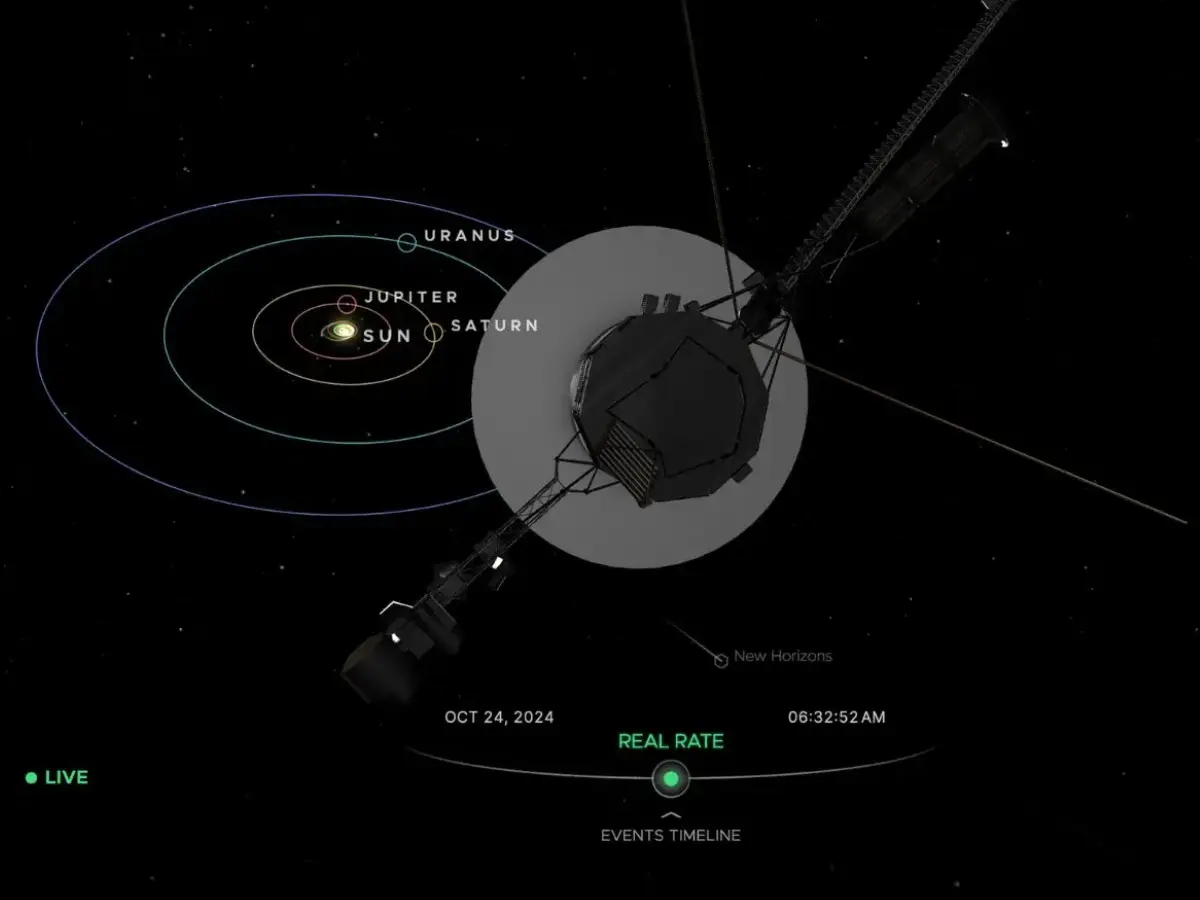
The firewall of charged particles is more than a boundary. It defines the edge of the Sun’s influence and helps astronomers understand how other stars protect their planetary systems.
)
)
)
)
)