'Fine like powder, but sharp like glass': How moon dust could affect astronauts’ lungs and health?

Lunar regolith is created by billions of years of meteoroid impacts that pulverise the Moon’s surface rock.
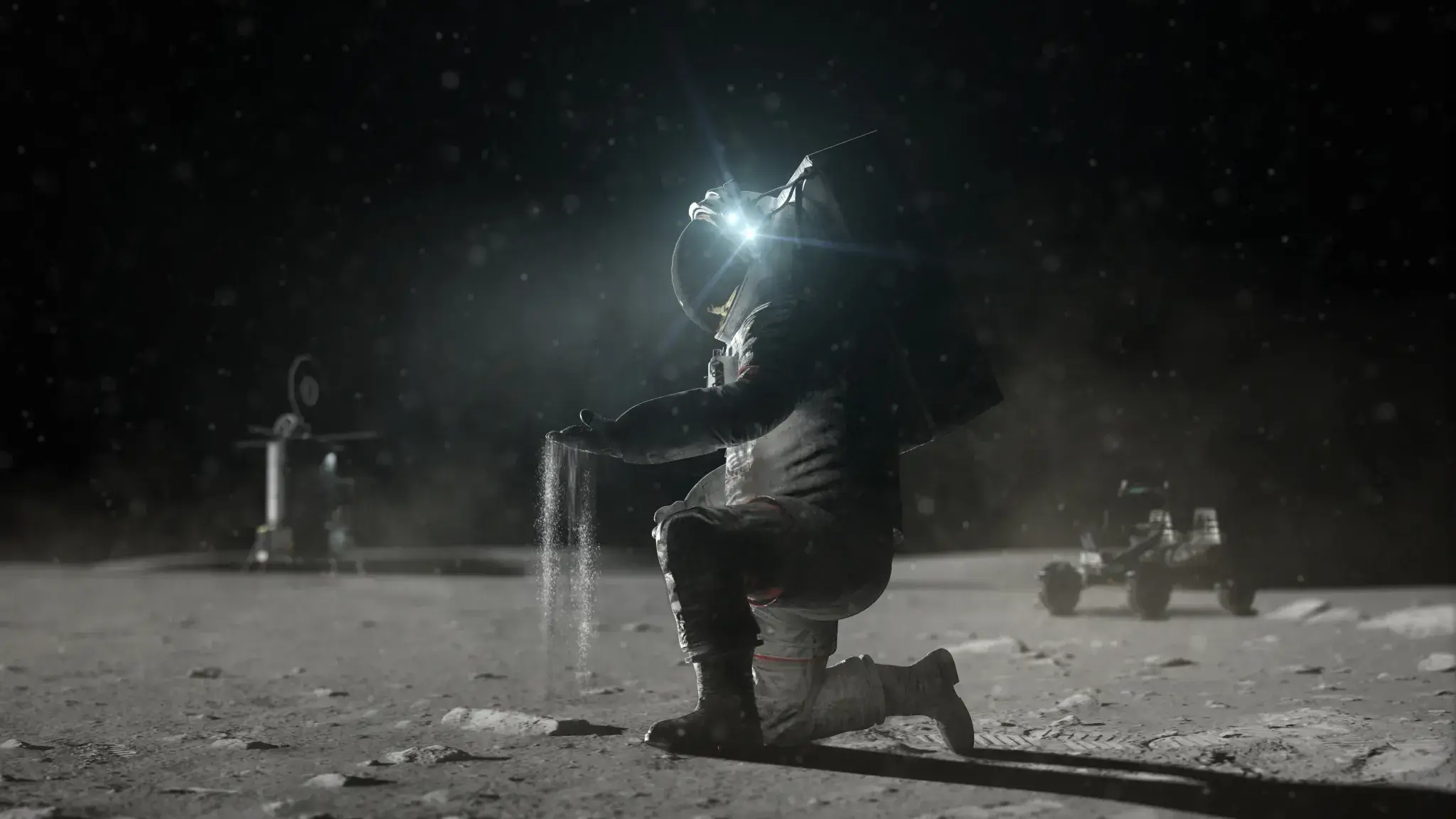
a hidden hazard on the moon
When astronauts return to the Moon under programmes such as NASA’s Artemis and future international missions, they will face a challenge that Apollo crews first glimpsed half a century ago: lunar dust. Far from being just fine powder, moon dust, formally known as lunar regolith, presents a range of physical and chemical hazards. Scientists view it as one of the most serious environmental risks to human health and equipment on the lunar surface.
what makes moon dust dangerous
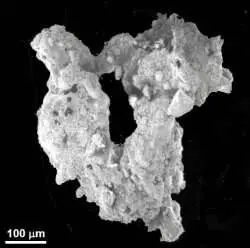
Lunar regolith is created by billions of years of meteoroid impacts that pulverise the Moon’s surface rock. The result is an extremely fine, jagged material that clings to surfaces and resists easy removal. Unlike Earth dust, these particles lack weathering and can behave like tiny shards of sharp glass. When inhaled, they can irritate and damage lung tissue because they penetrate deep into airways rather than being filtered out. According to a research published by European Space agency, lunar soil simulants can destroy lung and brain cells after long-term exposure.
lunar hay fever: the term explained
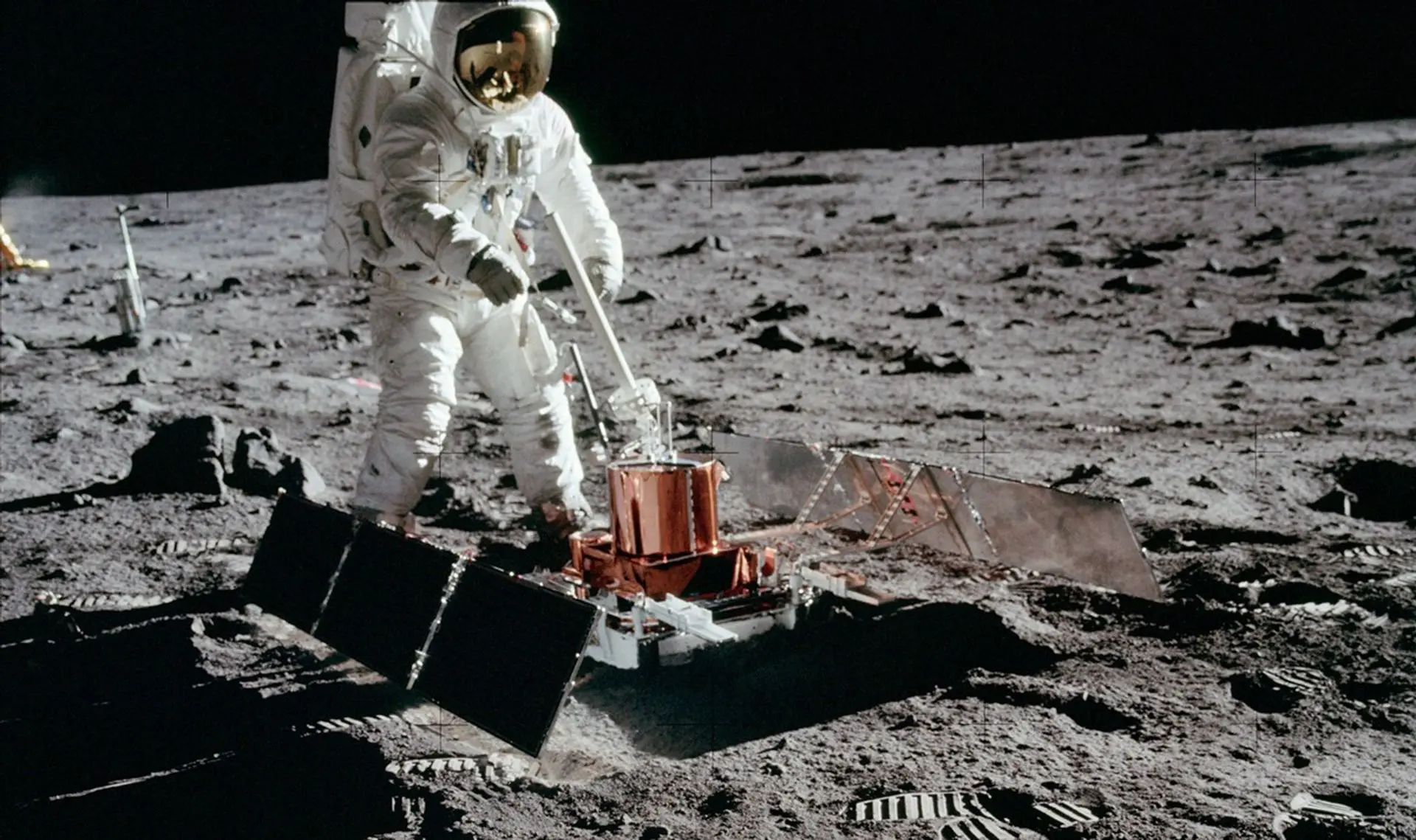
Researchers and astronauts sometimes refer to the respiratory issues that are caused by lunar regolith as a form of ‘lunar hay fever’. This evocative description reflects symptoms that could include coughing or irritation of the lungs and eyes that is caused not by pollen but by abrasive dust. Unlike Earth, the Moon has no atmosphere to settle particles, so dust stirred up by landers, rovers or astronaut activity can remain suspended for a longer period of time.

what apollo astronauts experienced
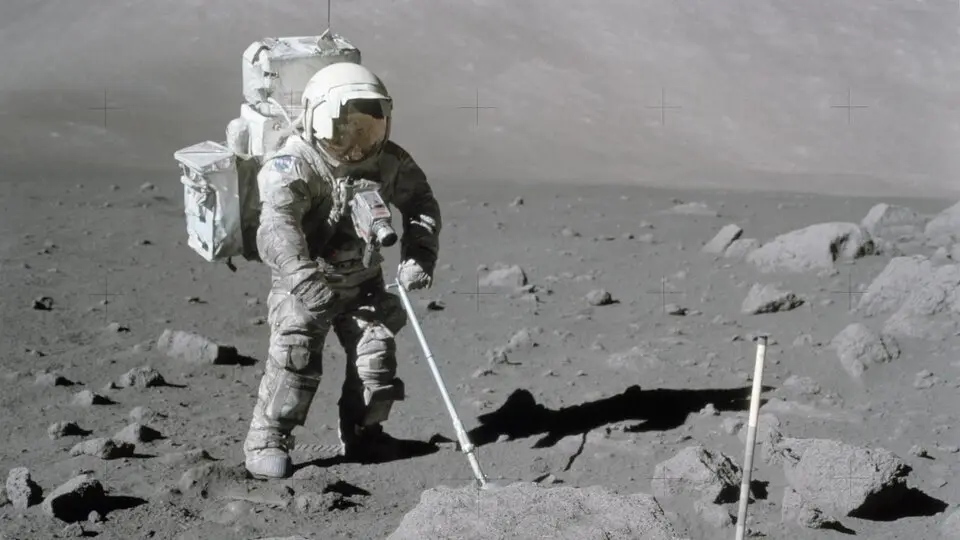
According to ESA, the Apollo astronauts were the first to encounter this problem. The lunar hay fever, as NASA astronaut Harrison Schmitt described it during the Apollo 17 mission created symptoms in all 12 people who have stepped on the Moon. They reported that the dust stuck to spacesuits, even got inside the lunar module and caused sneezing or throat irritation.
Threats for long-duration missions
According to NASA, regolith ate away at spacesuit boots and the vacuum seals of sample containers, and clogged mechanisms. Although exposures were brief and health effects limited, these early experiences exposed us to the need for a deeper understanding of regolith toxicity before long‑duration missions.
chemical reactivity and static cling
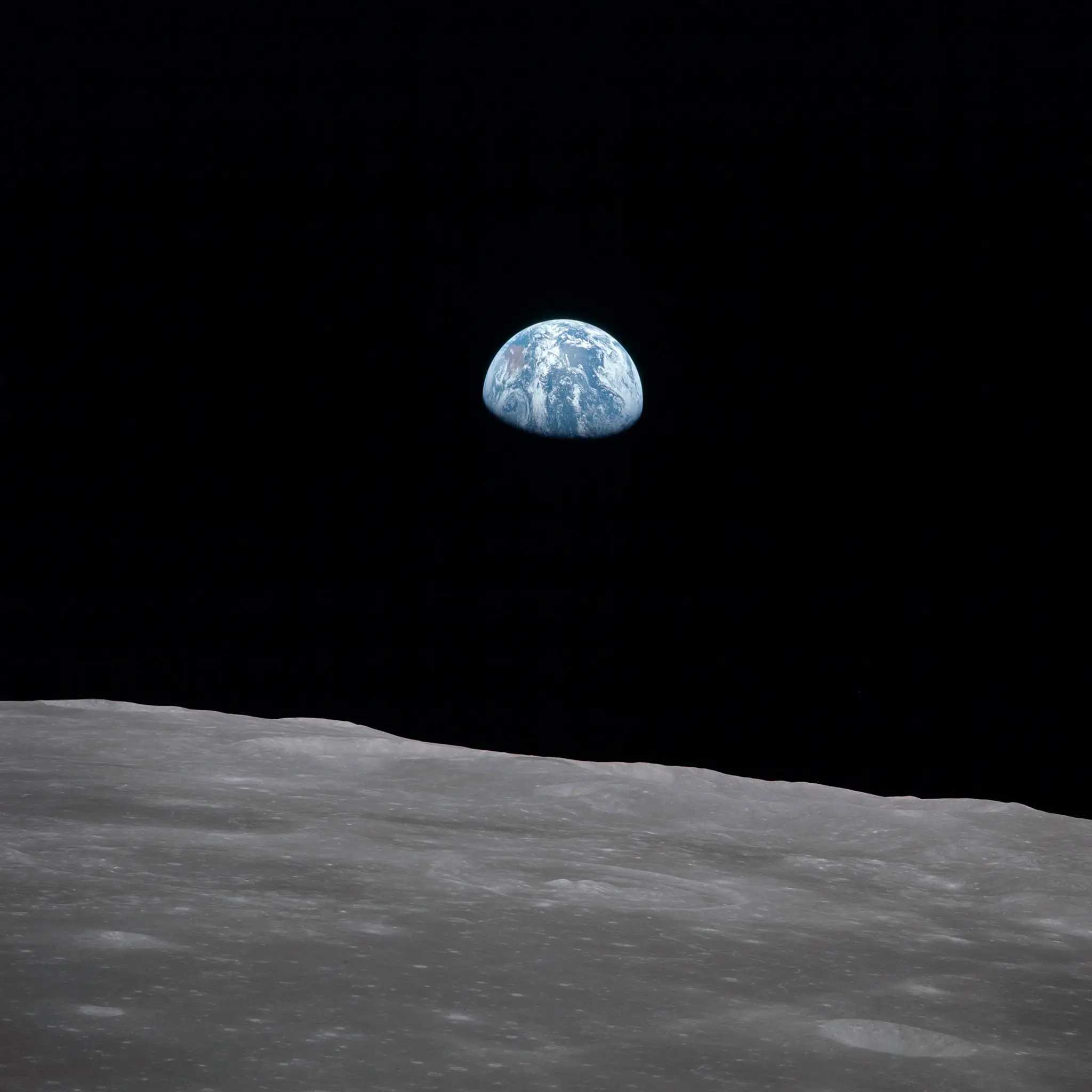
Moon dust’s danger goes beyond its shape, they are sharp and spiky. Its surfaces are chemically reactive because of exposure to solar radiation and micrometeorite impact. Since the moon has no atmosphere, it is constantly bombarded by radiation from the Sun, thus the dust holds a strong electrostatic charge. This charge causes it to cling stubbornly to equipment and suits.
threat to equipment and life‑support systems
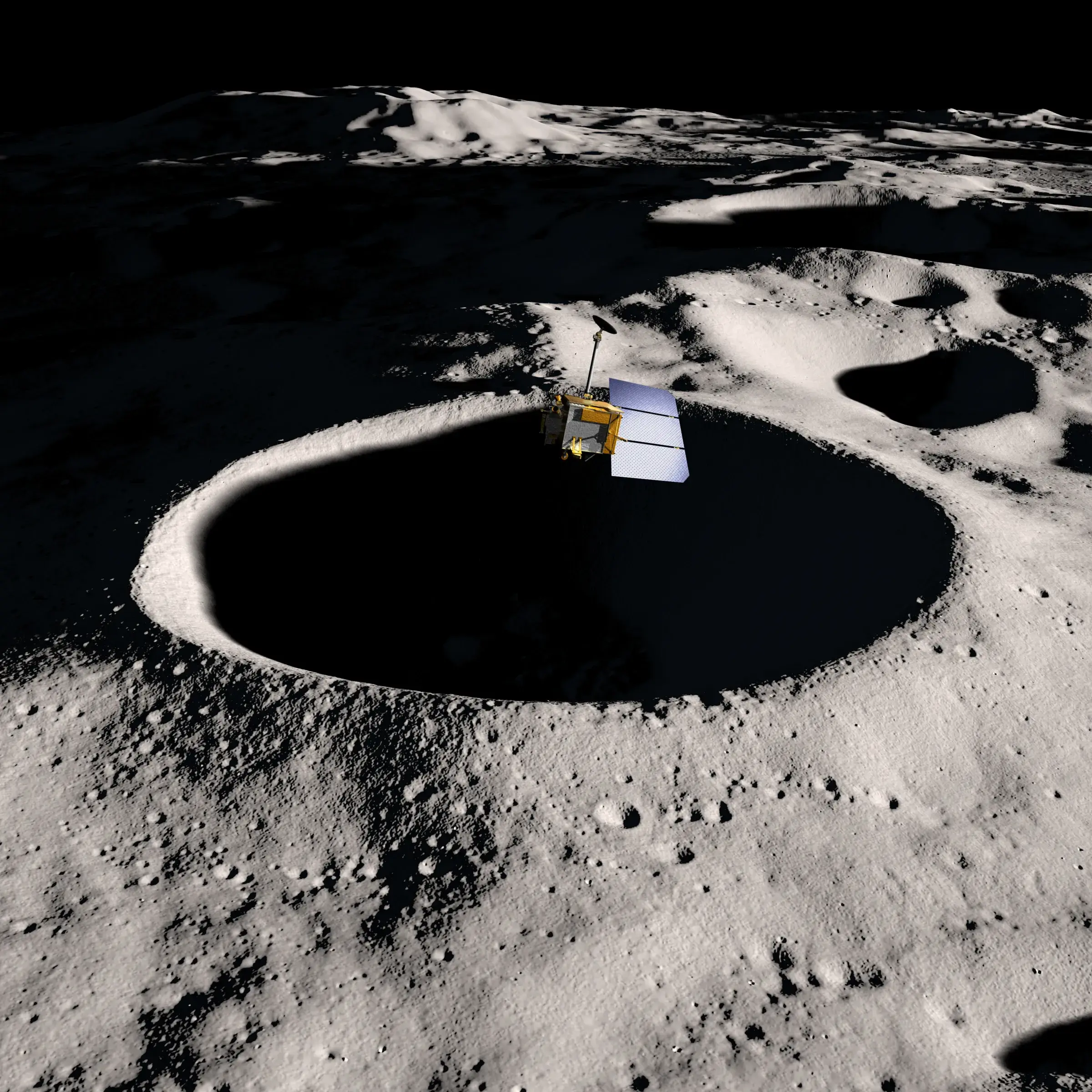
Lunar regolith doesn’t just threaten human lungs. The regolith is the result of the impact of meteoroids hence its abrasive nature can quickly wear down space suits and equipment. Dust infiltration has the potential to degrade air filters, solar panels and other critical systems on landers and habitats. This makes dust mitigation a high priority in mission design and astronaut training.
What experiment proved
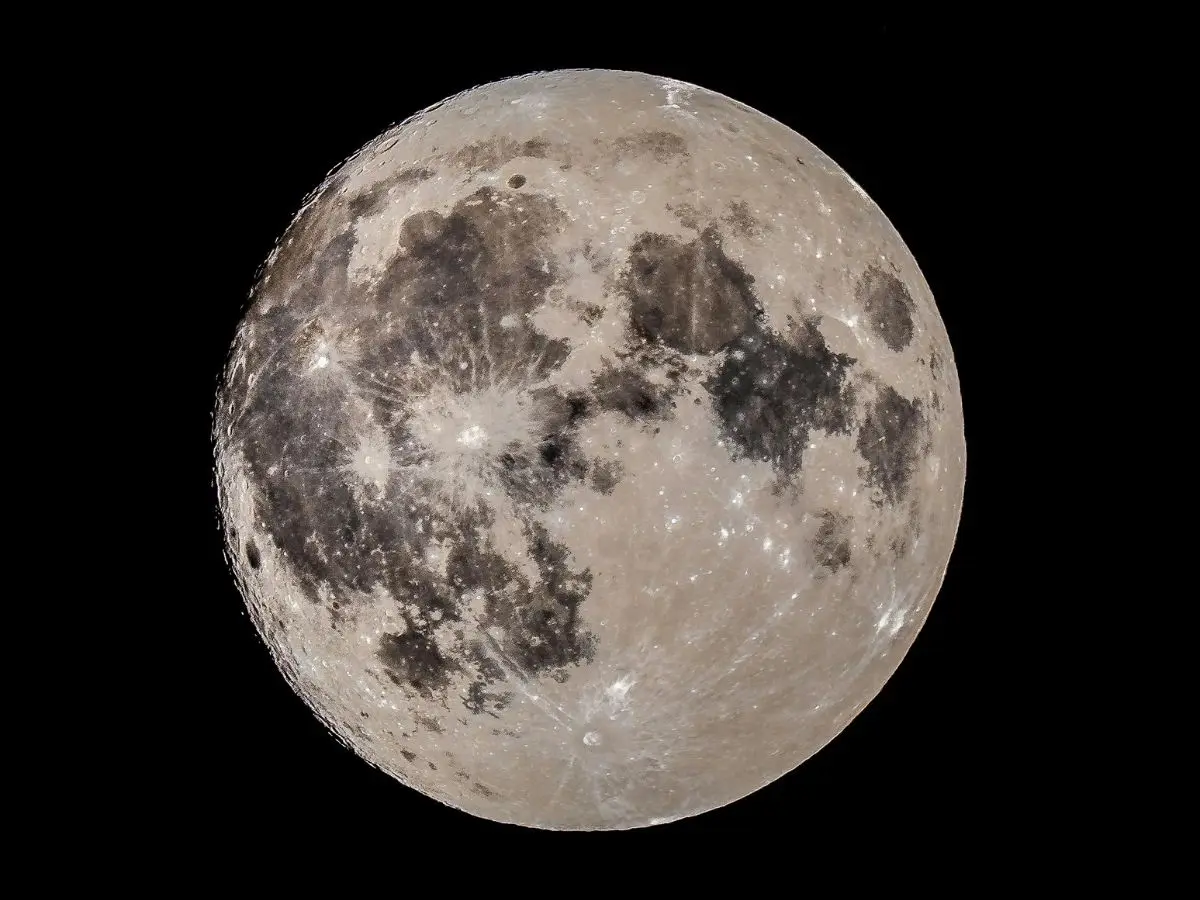
Although an experiment conducted in June 2025 suggested that typical air pollution on a busy urban street may be more toxic than brief exposure to lunar dust, such findings remain limited in scope. Anecdotal observations cannot yet provide a quantitative assessment of the long-term harm lunar dust may pose to human health, particularly during extended missions on the Moon.
preparing for future exploration
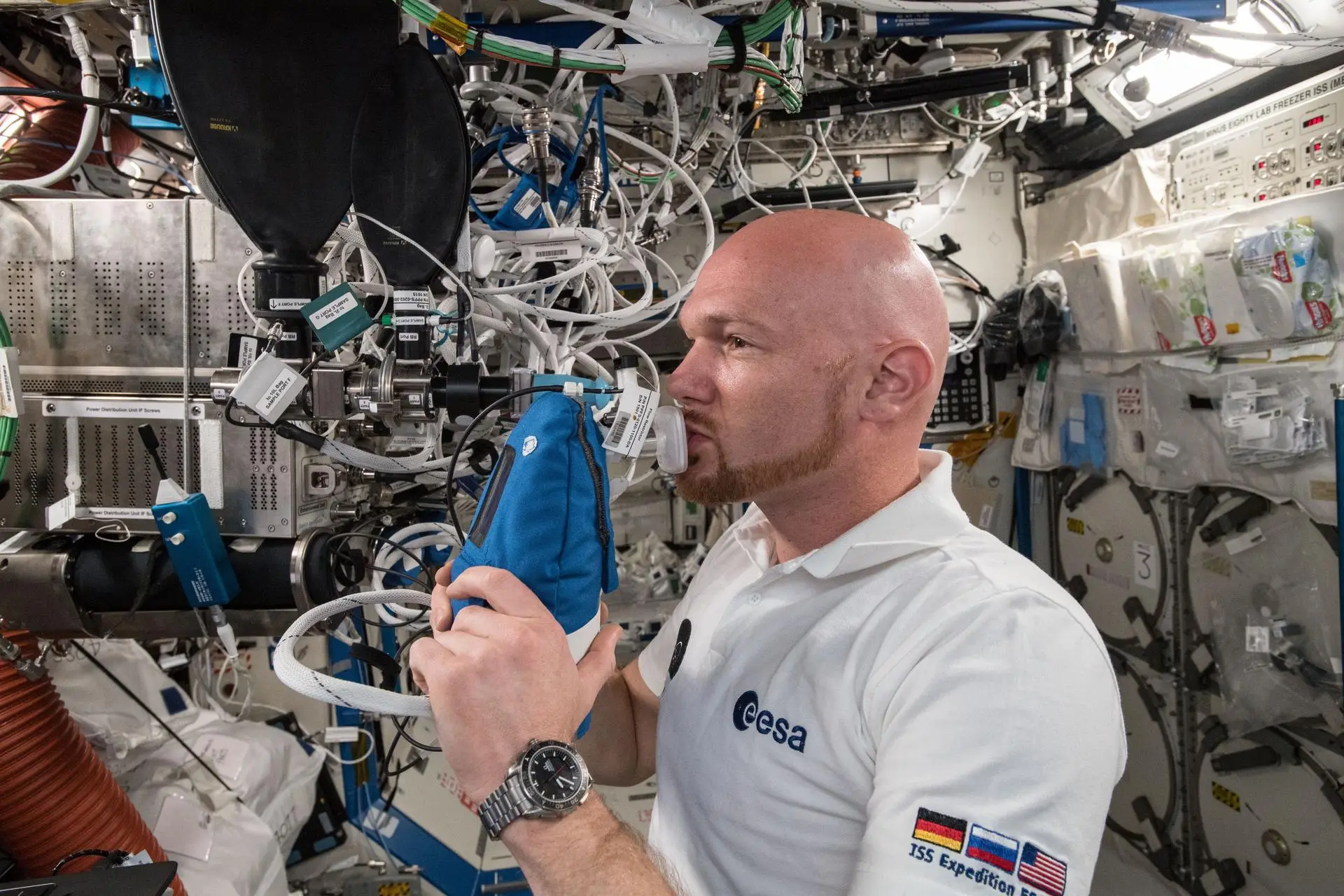
Scientists are developing lunar dust simulants on Earth to study health effects and test mitigation strategies. According to NASA, “Some of the technologies scientists and engineers are developing include surface stabilization, filtration, and dust tolerant fabrics.” With the Artemis II mission, slated to launch in February 2026, understanding and managing lunar dust will be as important as mastering microgravity or radiation shielding.
)
)
)
)
)