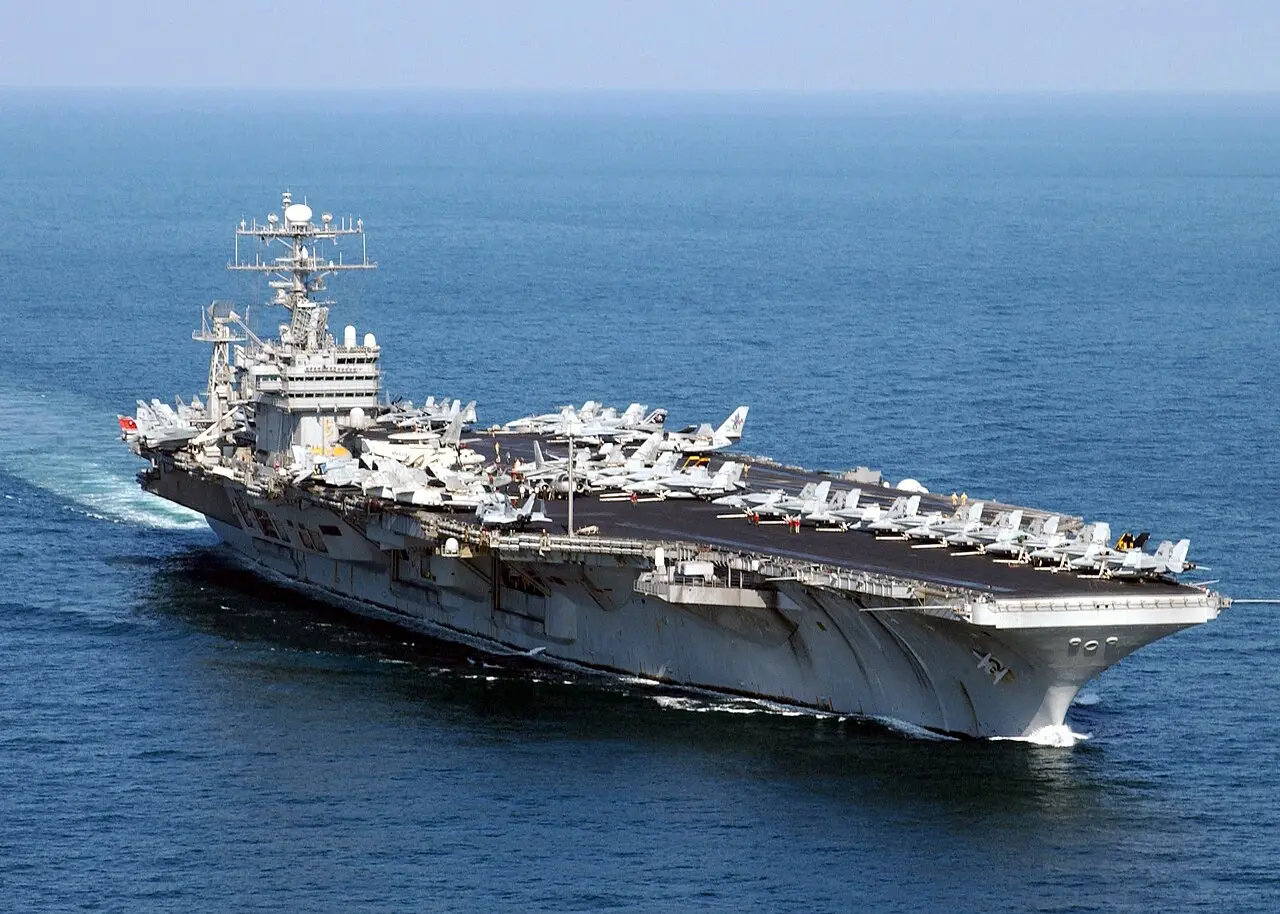
‘Eyes in the Sky’: What keeps the USS Abraham Lincoln protected from any threat coming toward it?

Advanced aircraft like the E-2D Hawkeye and F-35C act as the primary defensive eyes for the USS Abraham Lincoln. They detect missiles and hostile jets from hundreds of miles away, allowing the fleet to neutralise threats before they strike.
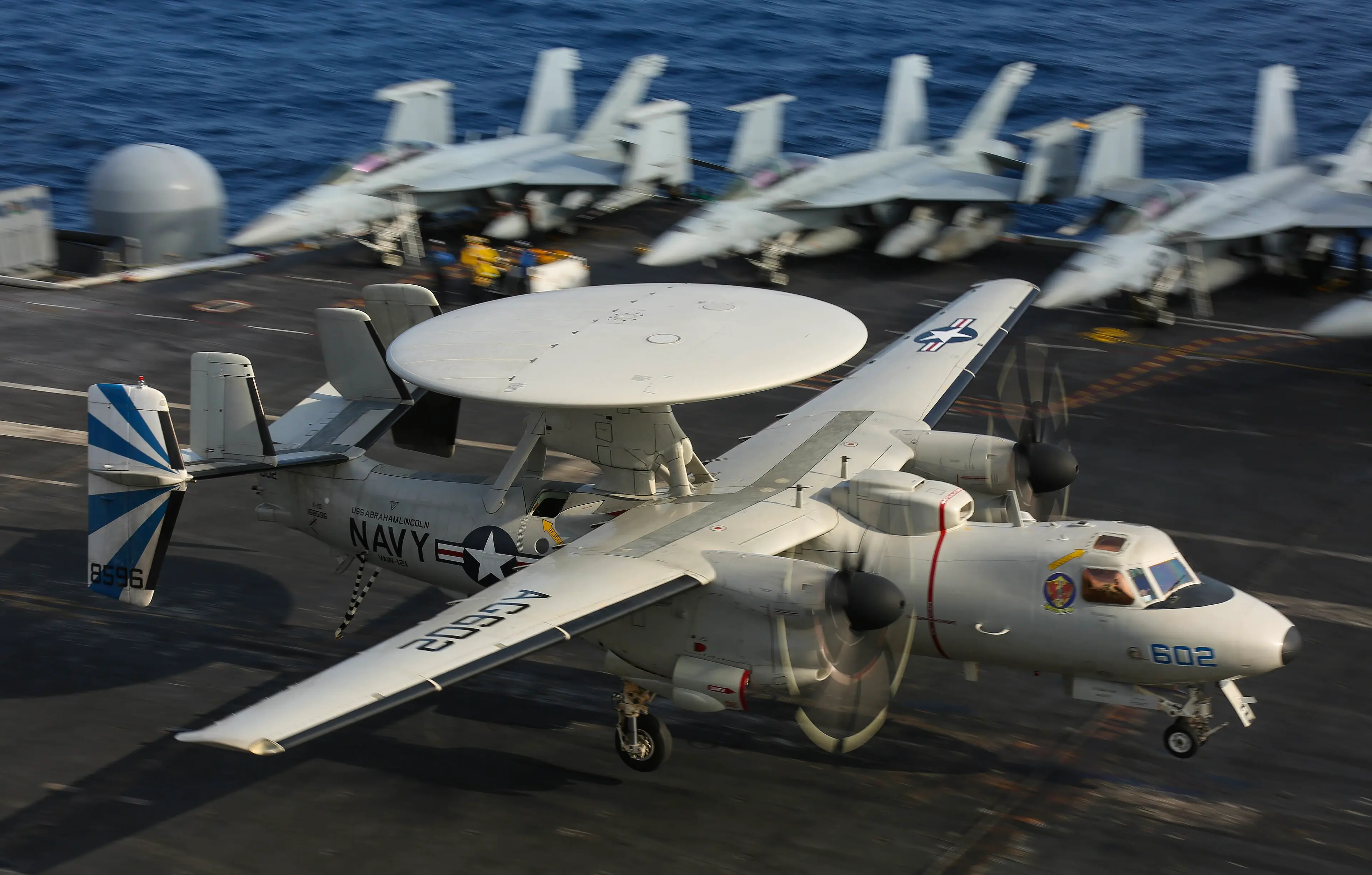
E-2D Hawkeye spots threats early
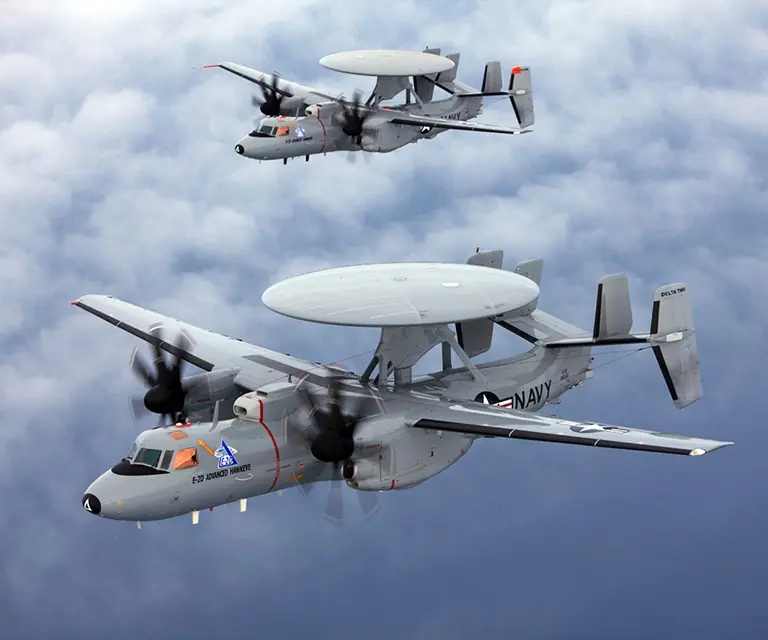
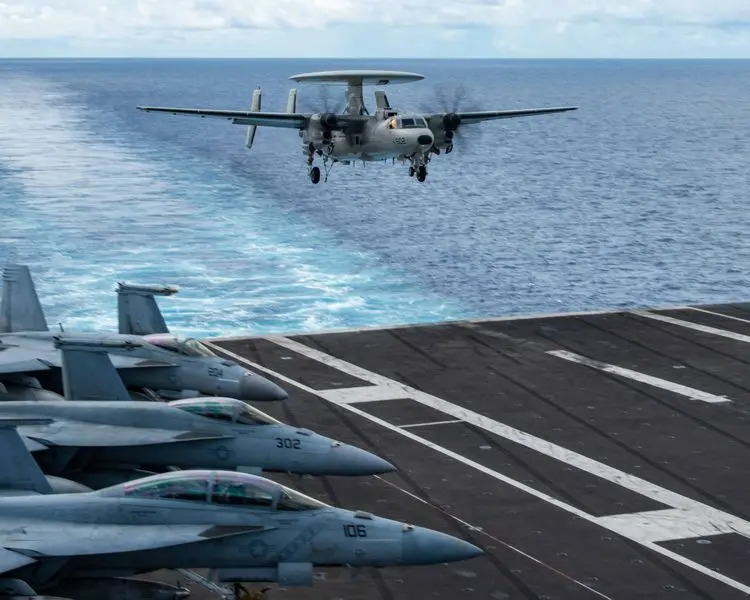
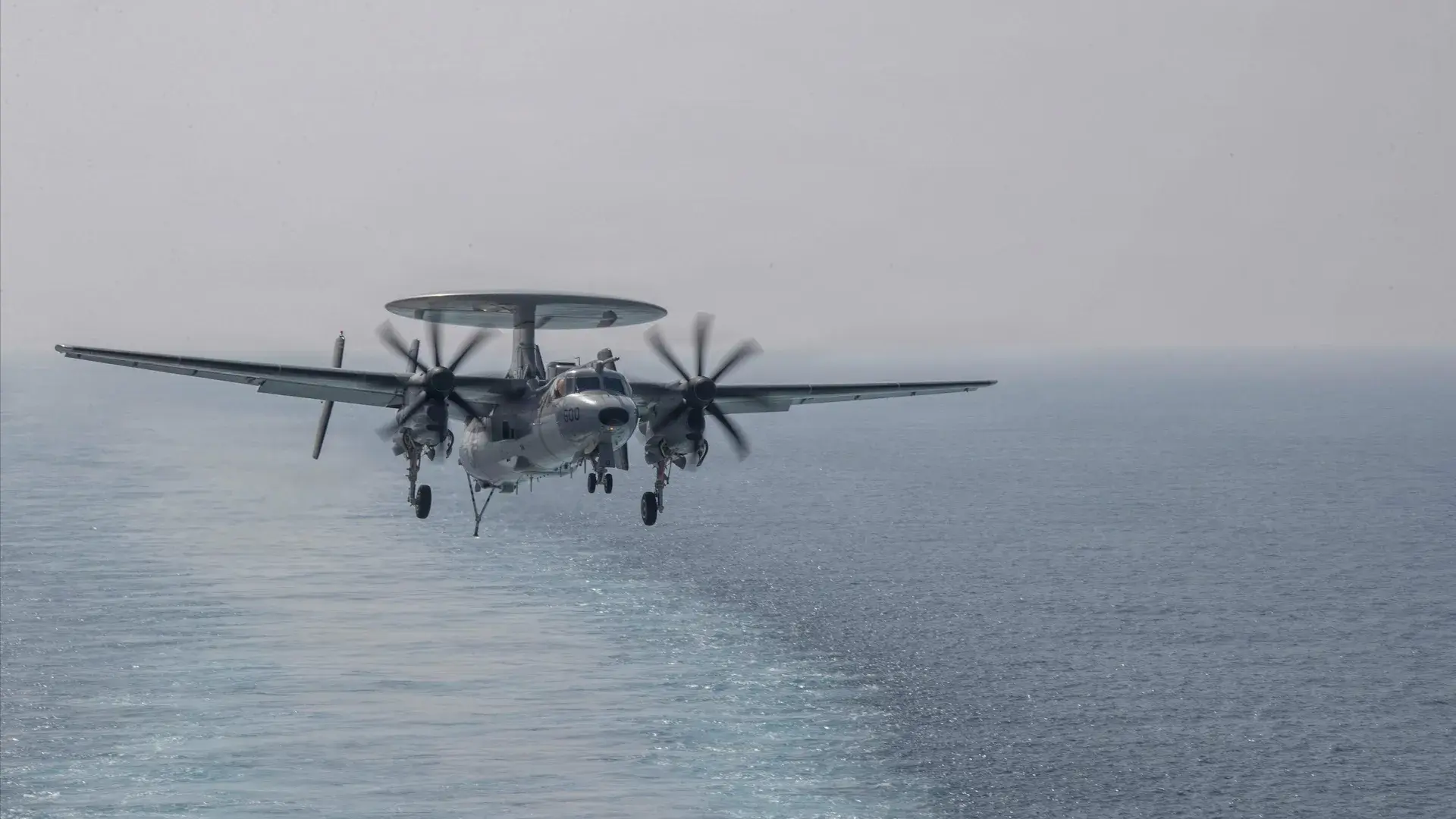
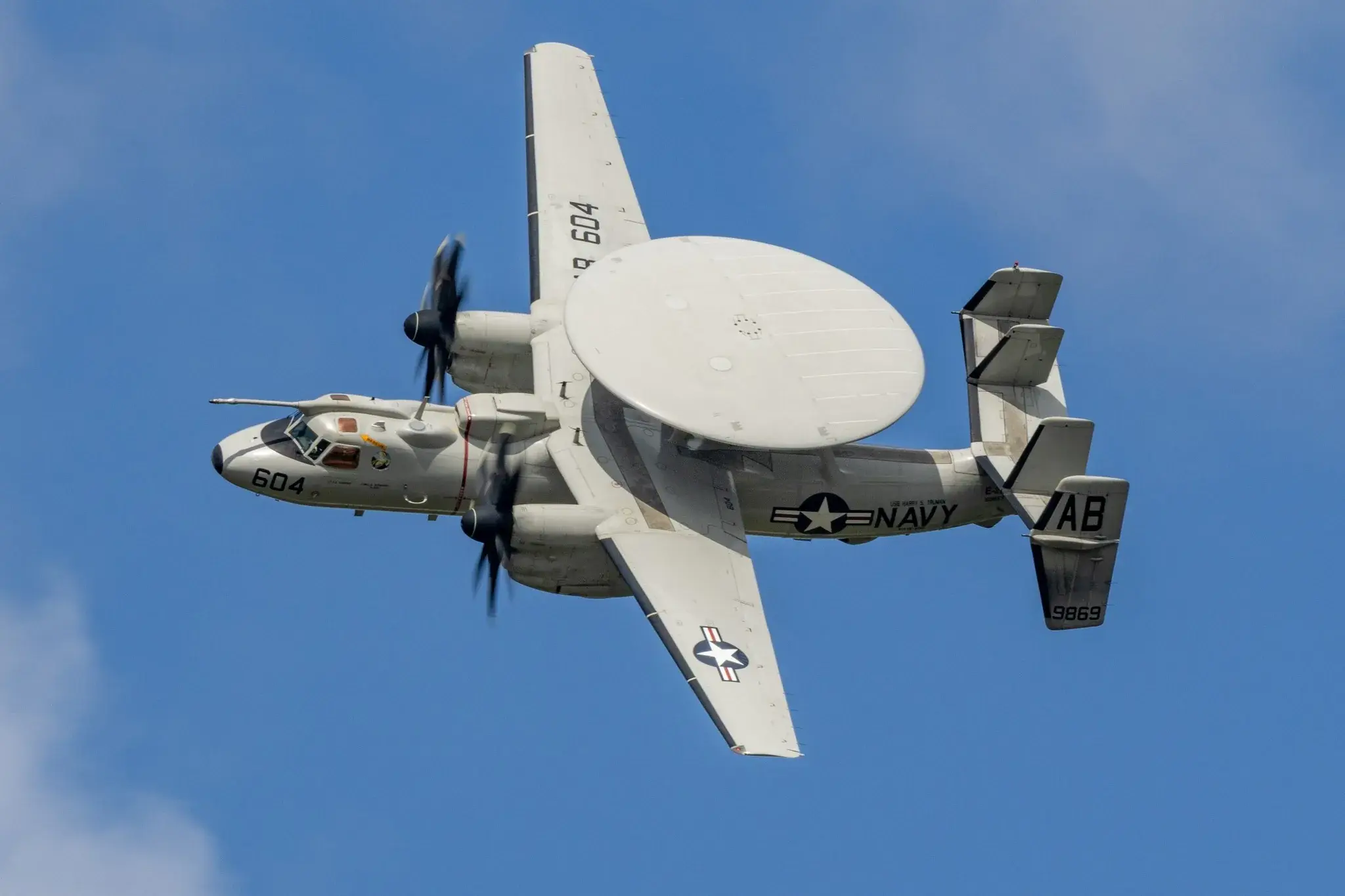
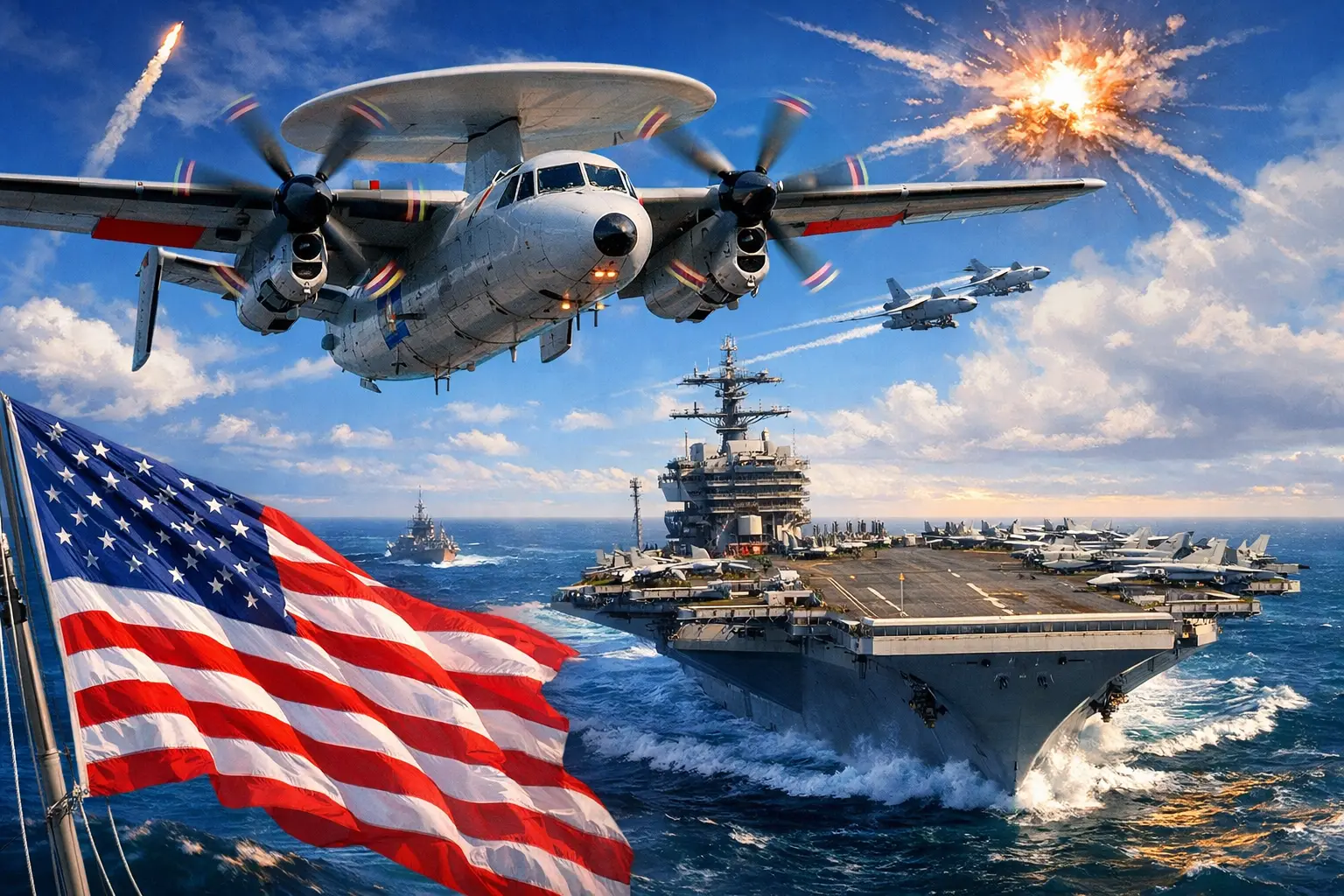
The E-2D Advanced Hawkeye is the most critical component of the carrier's defence. Known as the ‘digital quarterback’, this turboprop aircraft carries a distinctive rotating radar dome. It can scan 360 degrees and detect hostile aircraft or missiles from over 300 miles away. This range allows the strike group to react long before a threat comes close.
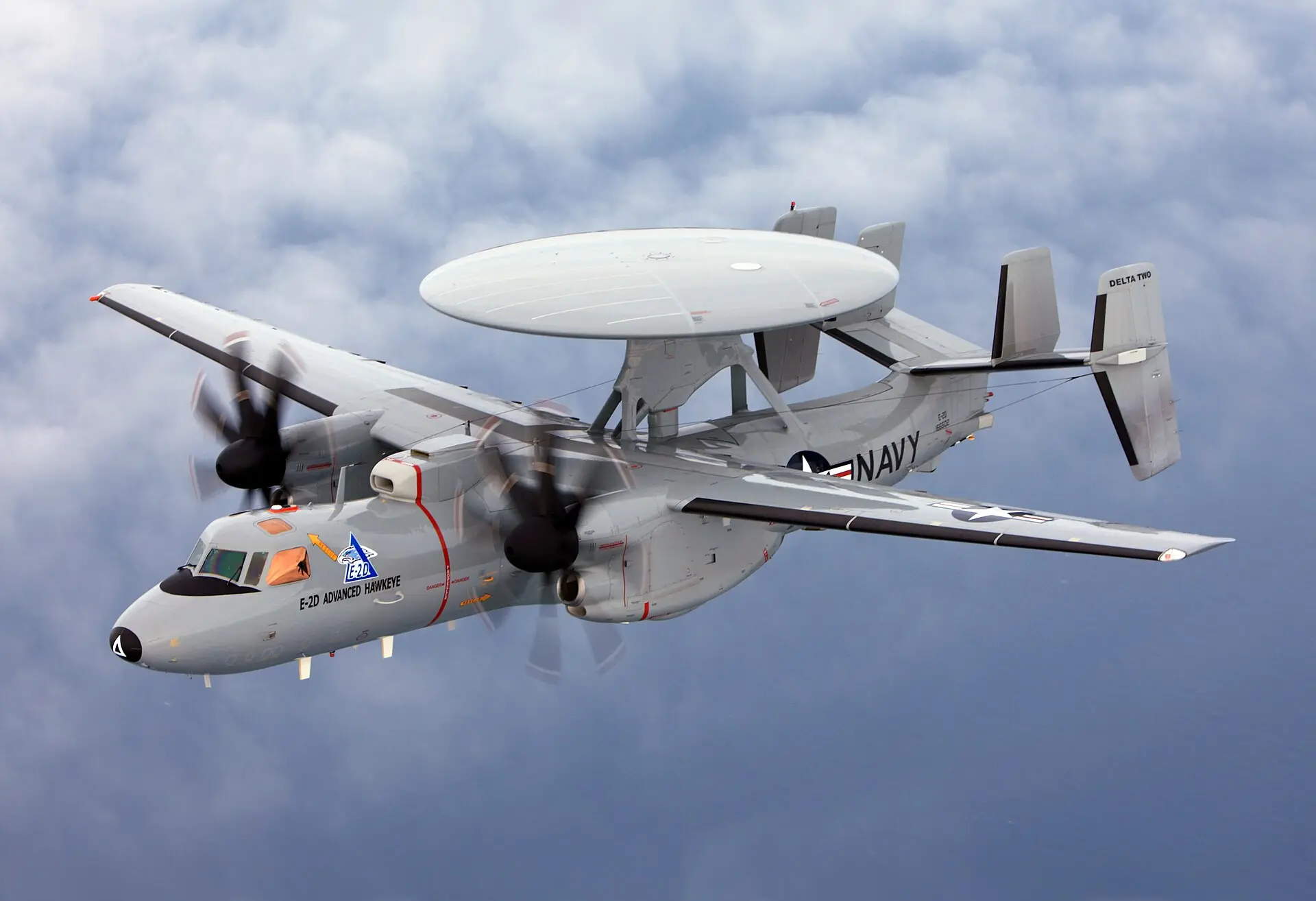
Radar locks onto stealth targets
The APY-9 radar system on the E-2D offers a massive leap in capability over older models. It is designed specifically to detect smaller, stealthier targets that might evade ship-based sensors. By operating at high altitudes, the radar overcomes the curvature of the Earth. It provides a clear picture of the battlefield that ship radars simply cannot match.
F-35C sensors gather crucial data
The F-35C Lightning II provides more than just stealth firepower to the USS Abraham Lincoln. Its advanced sensor suite absorbs electronic signals and tracks ground or air targets passively. The jet acts as a forward-deployed sensor, sending targeting data back to the ship. This allows the fleet to see threats deep inside enemy territory without being detected.
Growlers jam enemy radar signals
The EA-18G Growler protects the carrier by blinding the enemy's own eyes. This electronic warfare aircraft detects hostile radar frequencies and jams them instantly. By disrupting enemy communications and guidance systems, it prevents incoming missiles from locking onto the USS Abraham Lincoln. It ensures the carrier remains hidden electronically while operating in hostile waters.
Helicopters watch the ocean surface
While jets watch the high altitude, MH-60R Seahawk helicopters patrol the lower altitudes and sea surface. They use powerful radar and dipping sonar to detect skimming cruise missiles or periscopes. These helicopters extend the carrier's vision to the immediate horizon. They ensure no low-flying threats or small attack boats can approach the carrier undetected.
Sharing data across the fleet
The Cooperative Engagement Capability (CEC) binds all these ‘eyes’ together. If an E-2D Hawkeye spots a missile 200 miles away, a destroyer protecting the carrier sees it instantly. The ship can fire an interceptor missile based on the aircraft's data. This network ensures that every sensor works together to form a single, impenetrable shield.
Super Hornets act as interceptors
Once the ‘eyes in the sky’ identify an incoming threat, the F/A-18 Super Hornets are deployed to intercept it. These fighters maintain a combat air patrol around the carrier strike group. Guided by the E-2D’s instructions, they can engage enemy bombers or cruise missiles at maximum range. They serve as the physical shield responding to the electronic warning.
Drones extending surveillance range
The Navy is increasingly integrating unmanned systems like the MQ-25 Stingray to support operations. While primarily a refueler, these drones can carry sensor pods to extend the surveillance reach. They can loiter for long periods, keeping a constant watch over vast ocean areas. This persistent surveillance closes gaps that might appear between manned flight cycles.
Continuous watch over the horizon
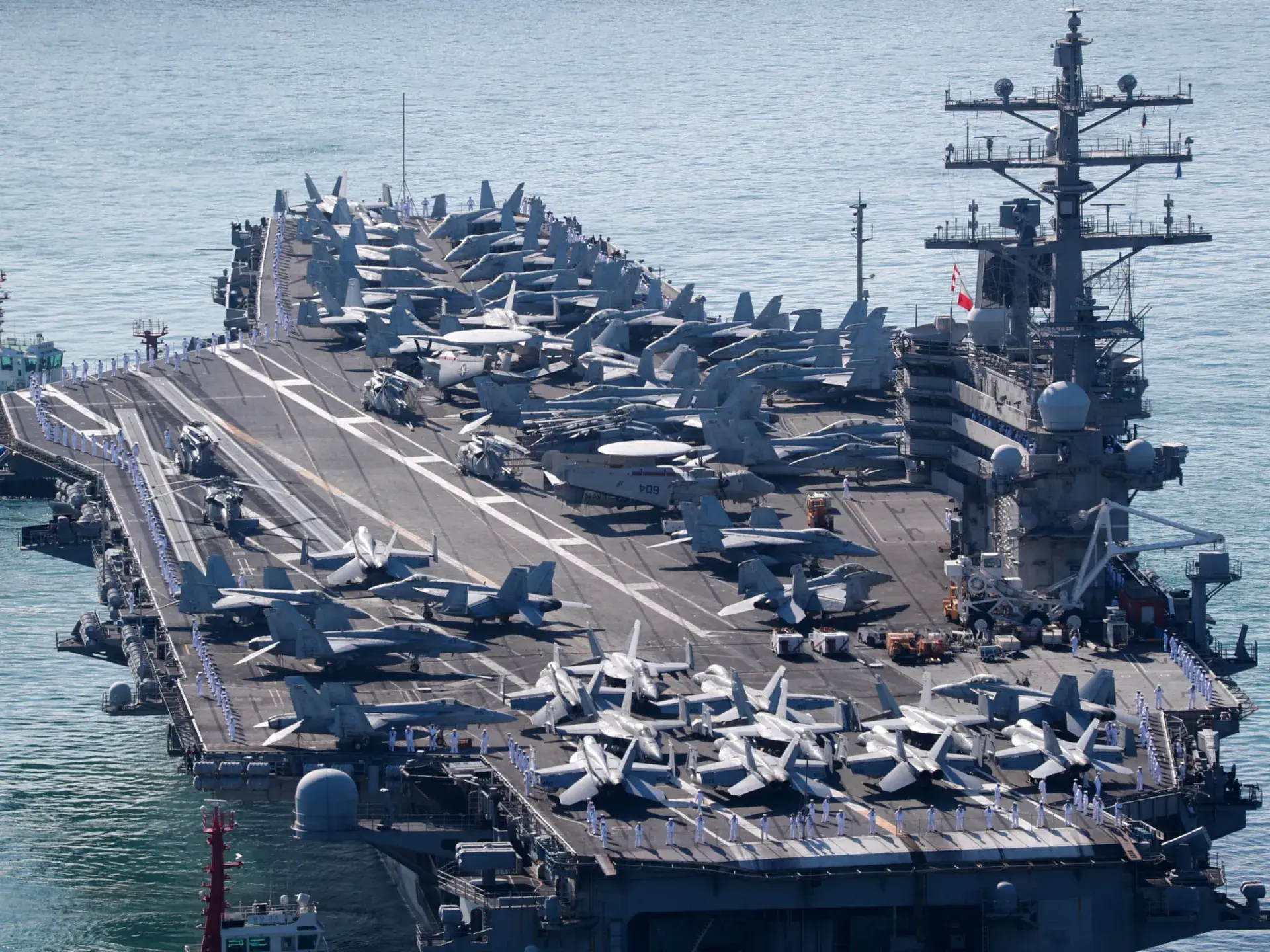
Flight operations on the USS Abraham Lincoln are scheduled to ensure constant surveillance. At least one E-2D Hawkeye is typically airborne during high-threat operations to maintain the radar picture. This rotation ensures there are no blind spots in the carrier's defence. The crew works tirelessly to keep these assets flying around the clock.
Human lookouts remain vital
Despite advanced technology, the human element remains a key layer of defence. Lookouts on the bridge and pilots in the cockpit provide visual confirmation of potential threats. They can identify the intent of approaching aircraft or vessels that sensors might misinterpret. These visual checks validate the electronic data, preventing accidental escalation or missed dangers.
)
)
)
)
)