'Escalation trap': Why Iran cannot afford a direct naval fight with the USS Abraham Lincoln

Iran avoids a direct naval clash with the USS Abraham Lincoln because it lacks the real-time satellite tracking to strike moving targets and cannot match America's overwhelming conventional military.
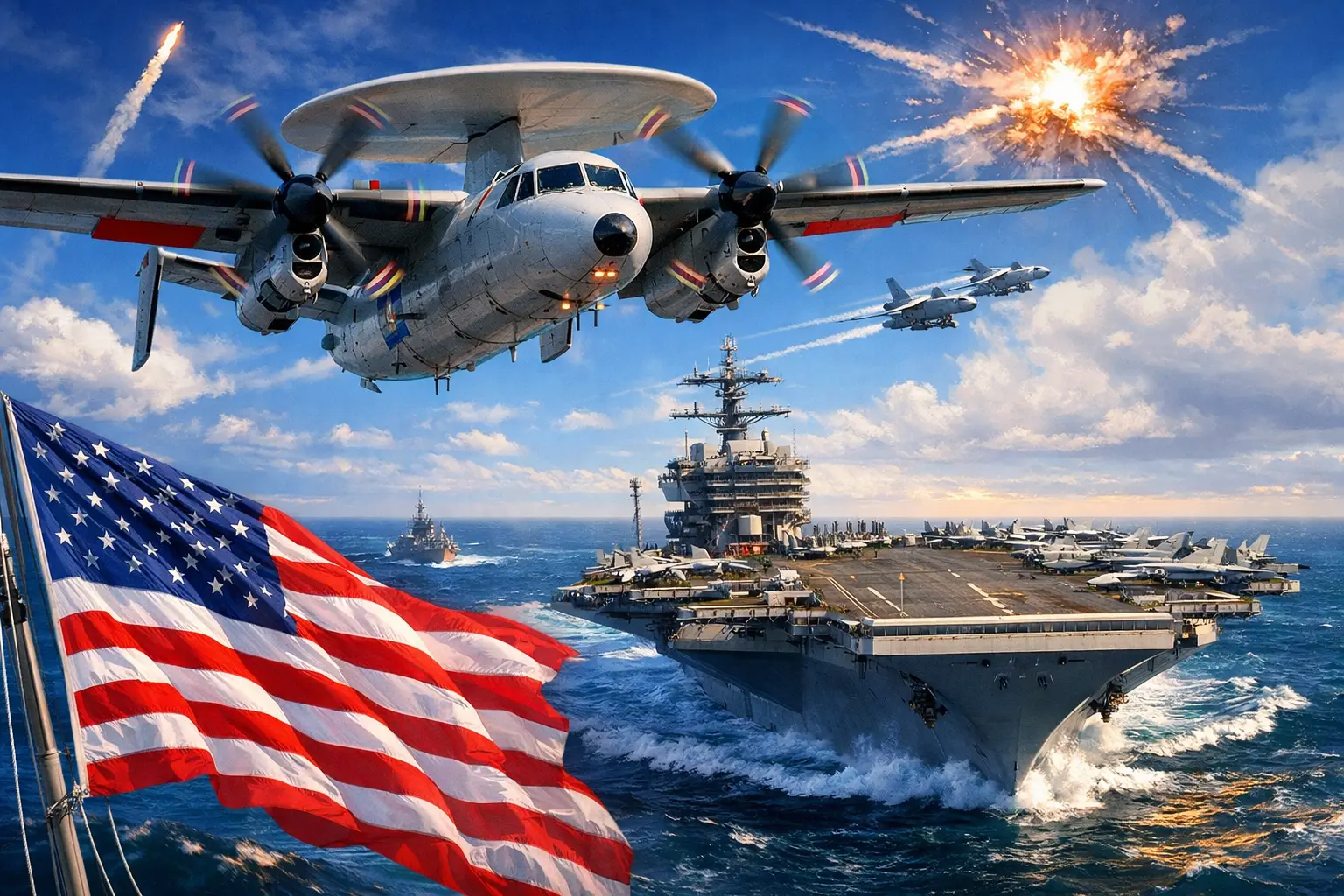
The $13 Billion Target
Tensions in the Arabian Sea have peaked with the deployment of the USS Abraham Lincoln. While Iran projects strength, engaging a multi-billion dollar US supercarrier could trigger a devastating conventional war that Tehran simply cannot sustain.
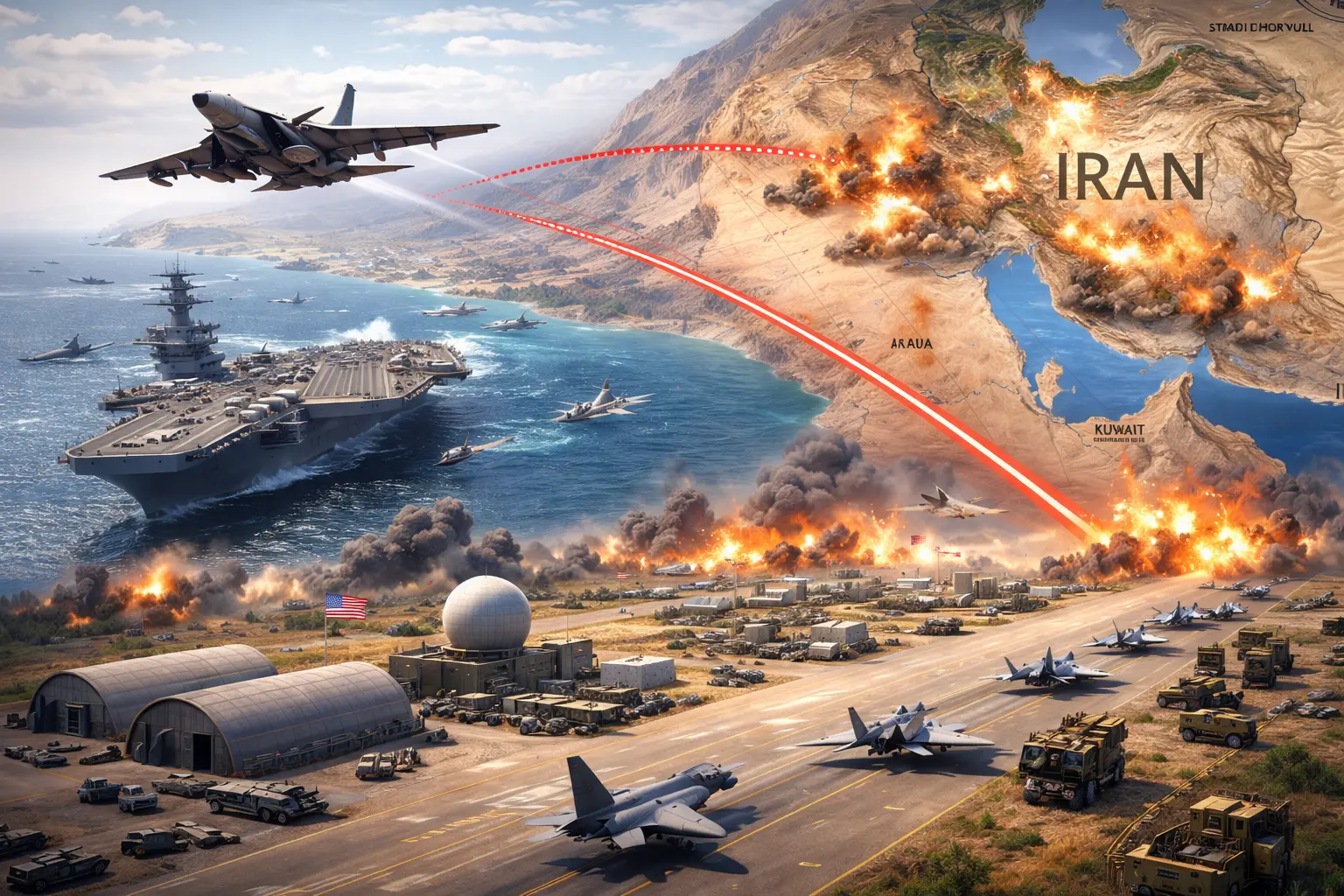
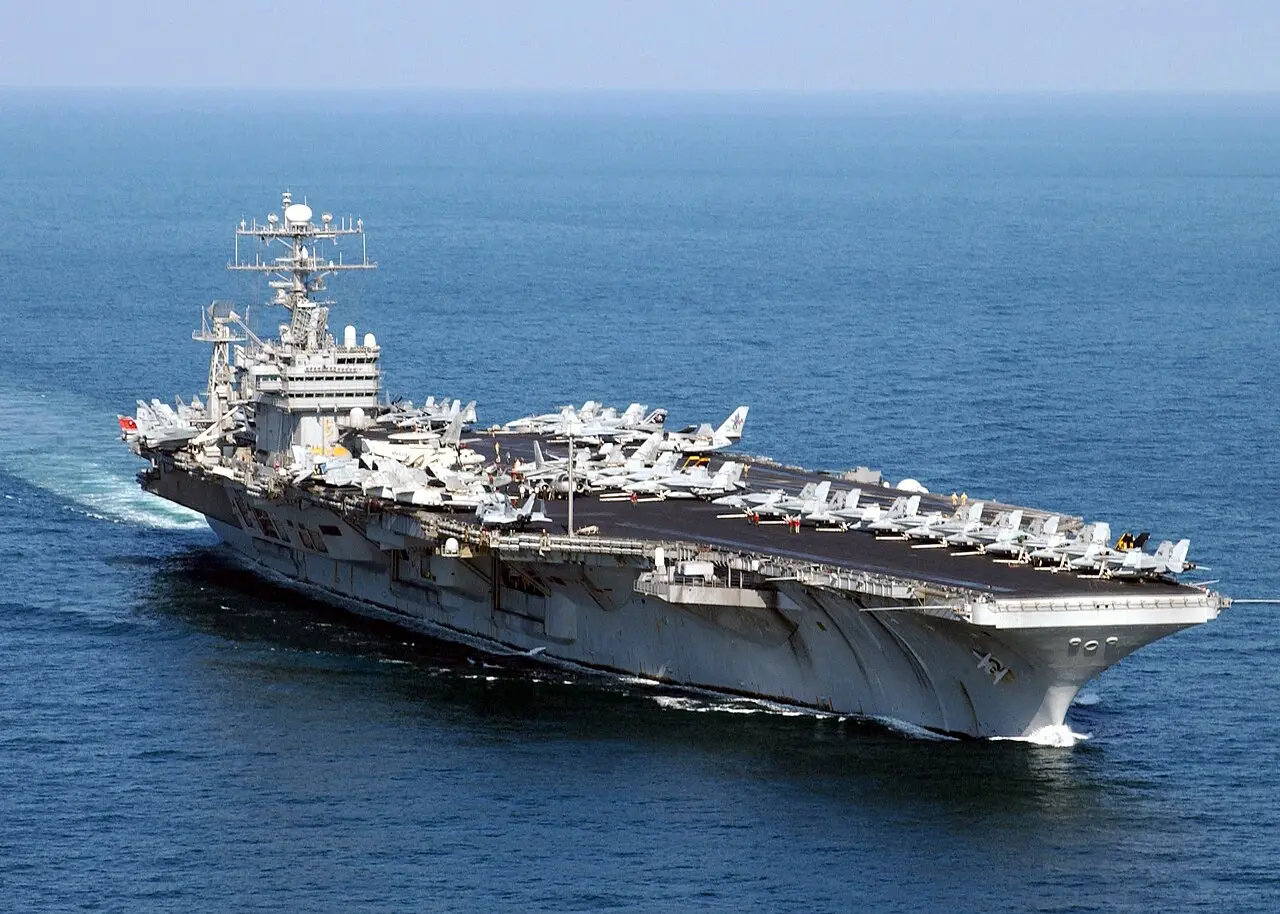
100,000-Tonne Fortress
The USS Abraham Lincoln is a nuclear-powered Nimitz-class behemoth displacing over 100,000 tonnes. Accompanied by a heavily armed strike group, it carries up to 90 advanced aircraft, offering unmatched aerial and maritime superiority in the region.
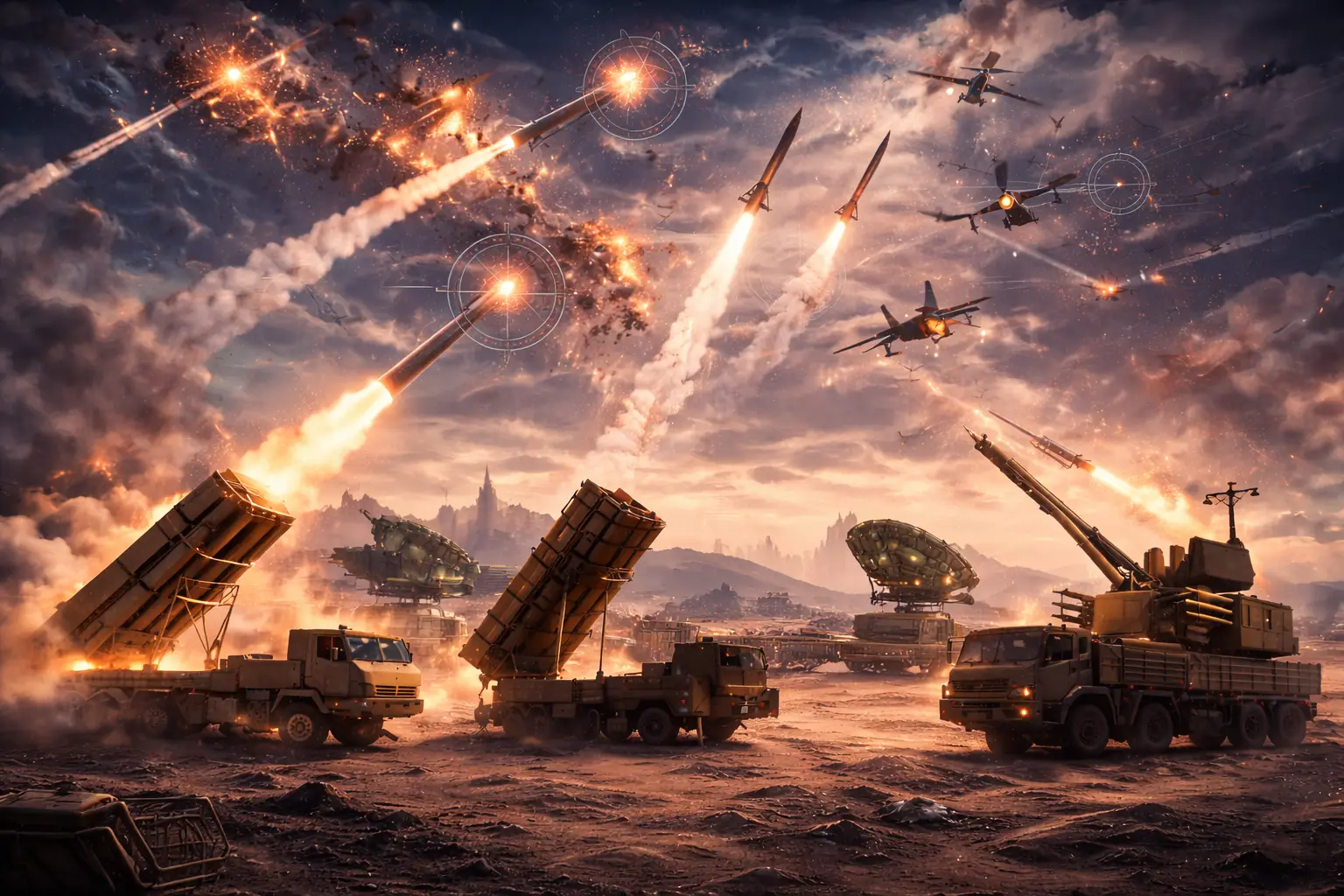
1,000-Mile Range Drones
Crippled by sanctions, the Iranian military relies heavily on an asymmetric naval strategy. Tehran stockpiles low-cost kamikaze drones with ranges of up to 1,000 miles, aiming to overwhelm high-tech enemy defences through sheer numerical volume.
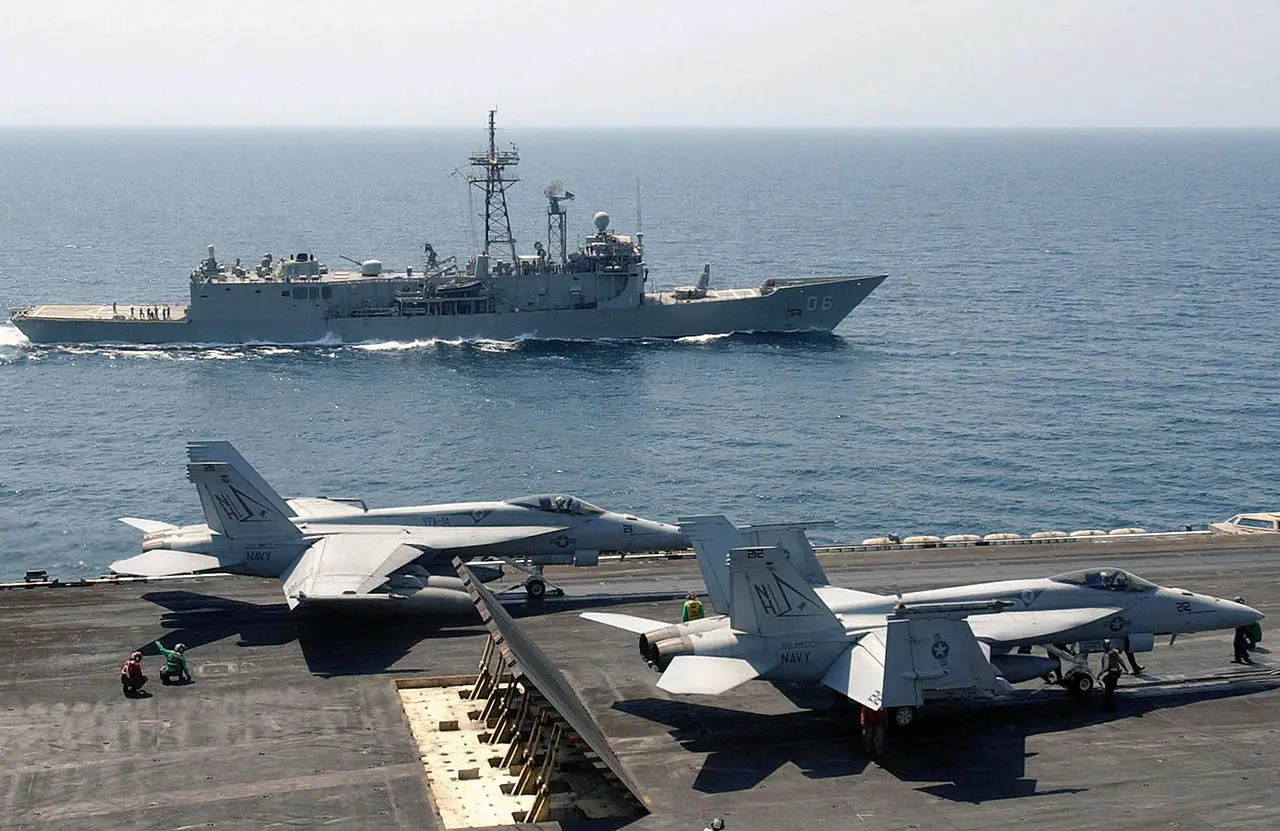
Mach 5 Tracking Gap
Hitting a fast-moving carrier requires real-time satellite tracking. Although Iran claims to possess missiles that fly above Mach 5, defence analysts note Tehran lacks the critical space-based intelligence infrastructure to accurately target mobile ships.
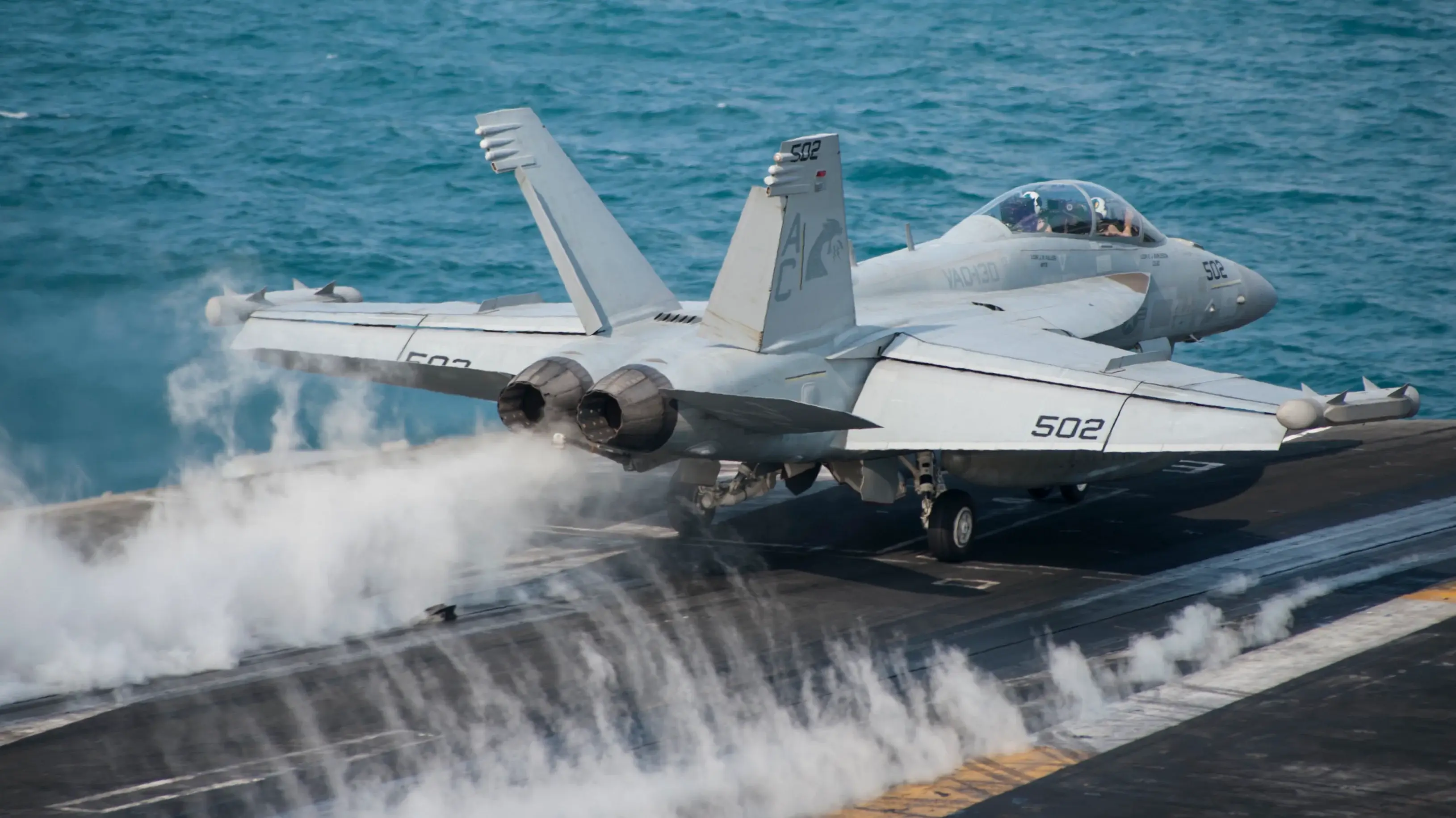
$2 Million Interceptors
The US carrier strike group operates with the highly sophisticated Aegis combat system. Escort cruisers fire advanced interceptor missiles, each costing roughly $2 million, forming a multi-tiered shield capable of destroying dozens of simultaneous threats.
60-Drone Saturation
Tehran often experiments with converted merchant vessels capable of launching up to 60 drones at once. While these saturation attacks can strain defensive interceptors, penetrating the comprehensive radar and weapons perimeter of a US carrier remains highly unlikely.
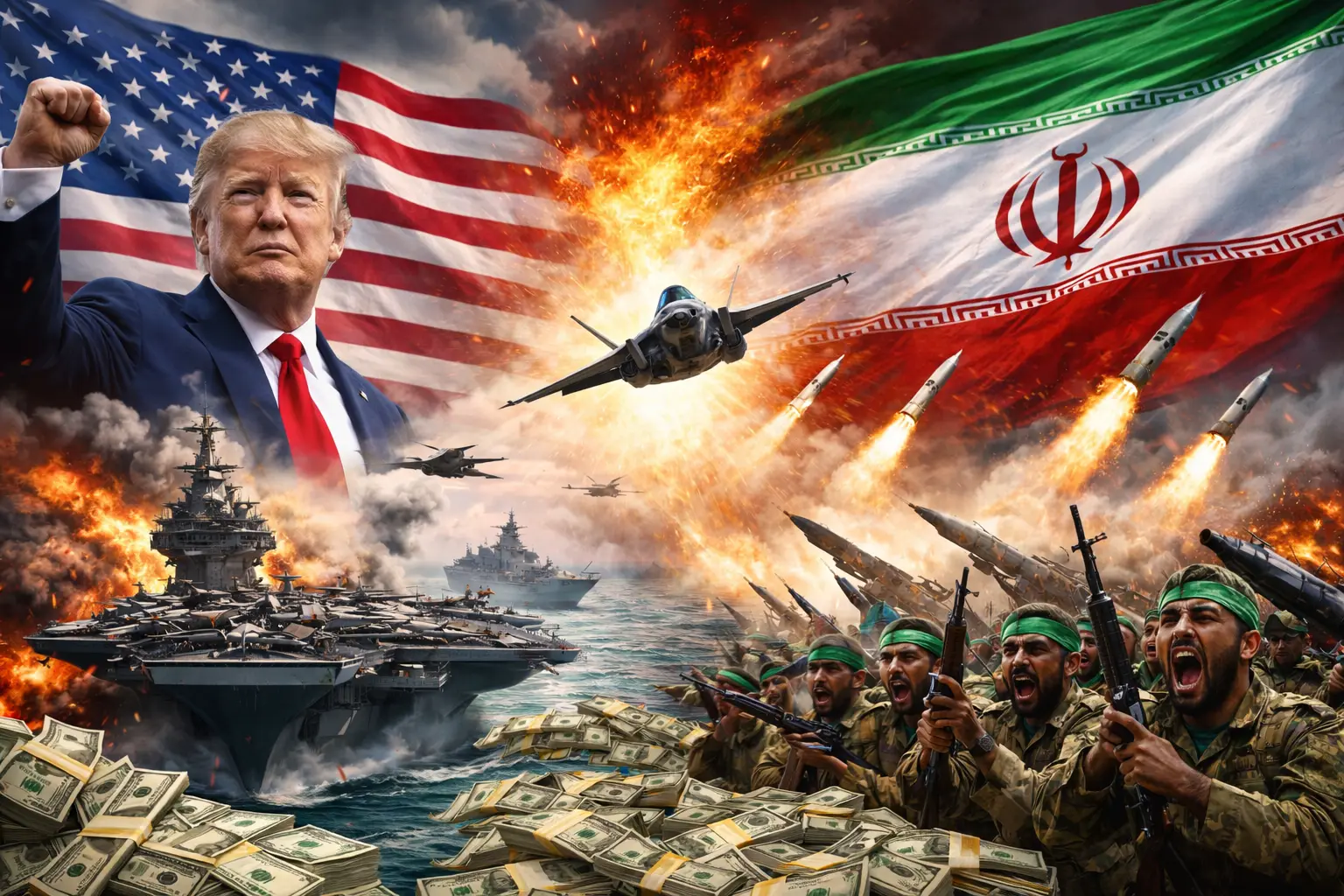
5,000 Sailors at Risk
A direct naval confrontation risking the lives of over 5,000 US sailors would force an overwhelming American military retaliation. Given its deep economic vulnerabilities, Iran relies on proxy skirmishes rather than risking the total destruction of its naval fleet.
)
)
)
)
)