'Electronic warfare': How it can limit the effectiveness of air-to-air missiles

Electronic warfare systems significantly reduce air-to-air missile effectiveness through jamming, chaff, and flares. Modern fighters use sophisticated countermeasures to confuse radar and heat-seeking missiles.
What is Electronic Warfare?
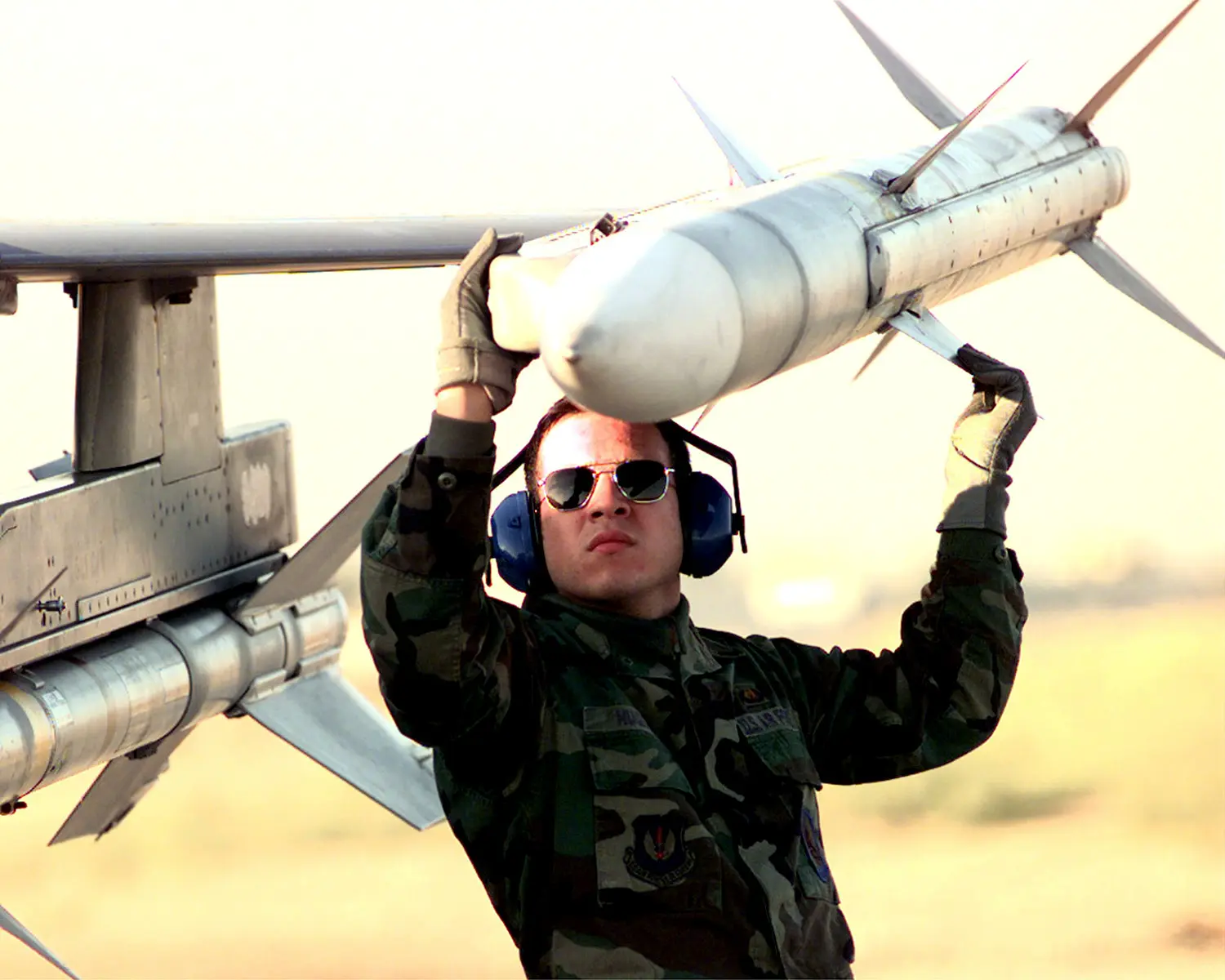
Electronic warfare is the use of electromagnetic energy to detect, disrupt or deceive enemy weapons systems. In air combat, EW focuses on protecting aircraft from radar-guided and infrared-guided missiles by creating electronic noise or decoys.
Radar-Guided Missiles and Their Weakness
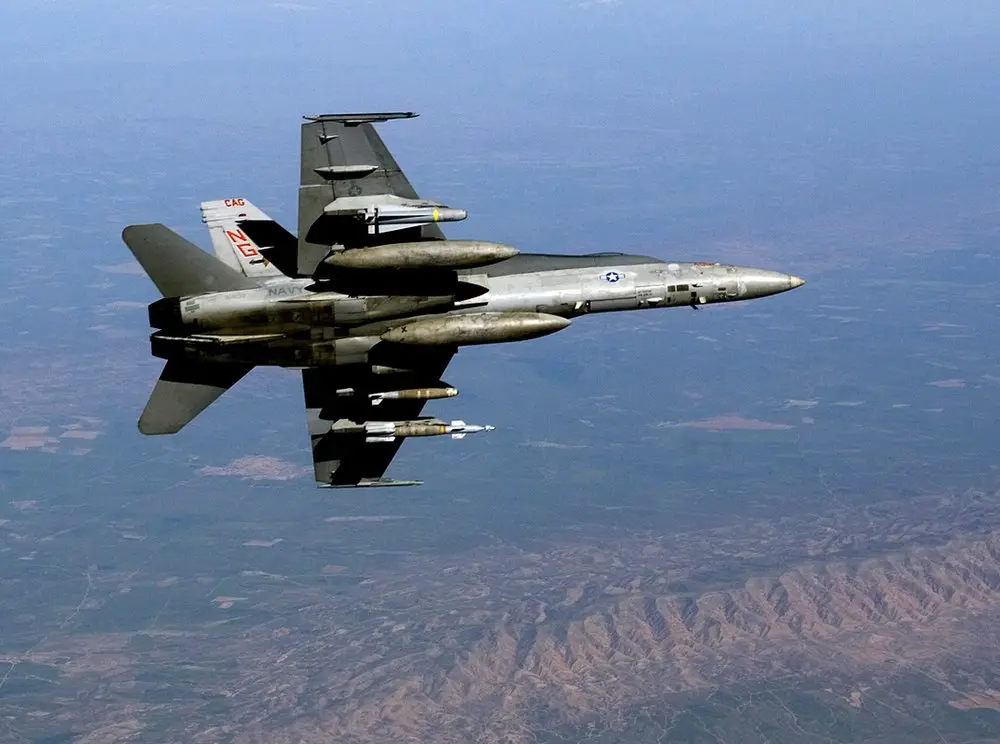
Radar-guided air-to-air missiles locate targets by bouncing electromagnetic waves off aircraft. These missiles use radar signals to track their target, making them vulnerable to electronic jamming and chaff clouds that create false radar echoes.
How Chaff Defeats Radar Missiles
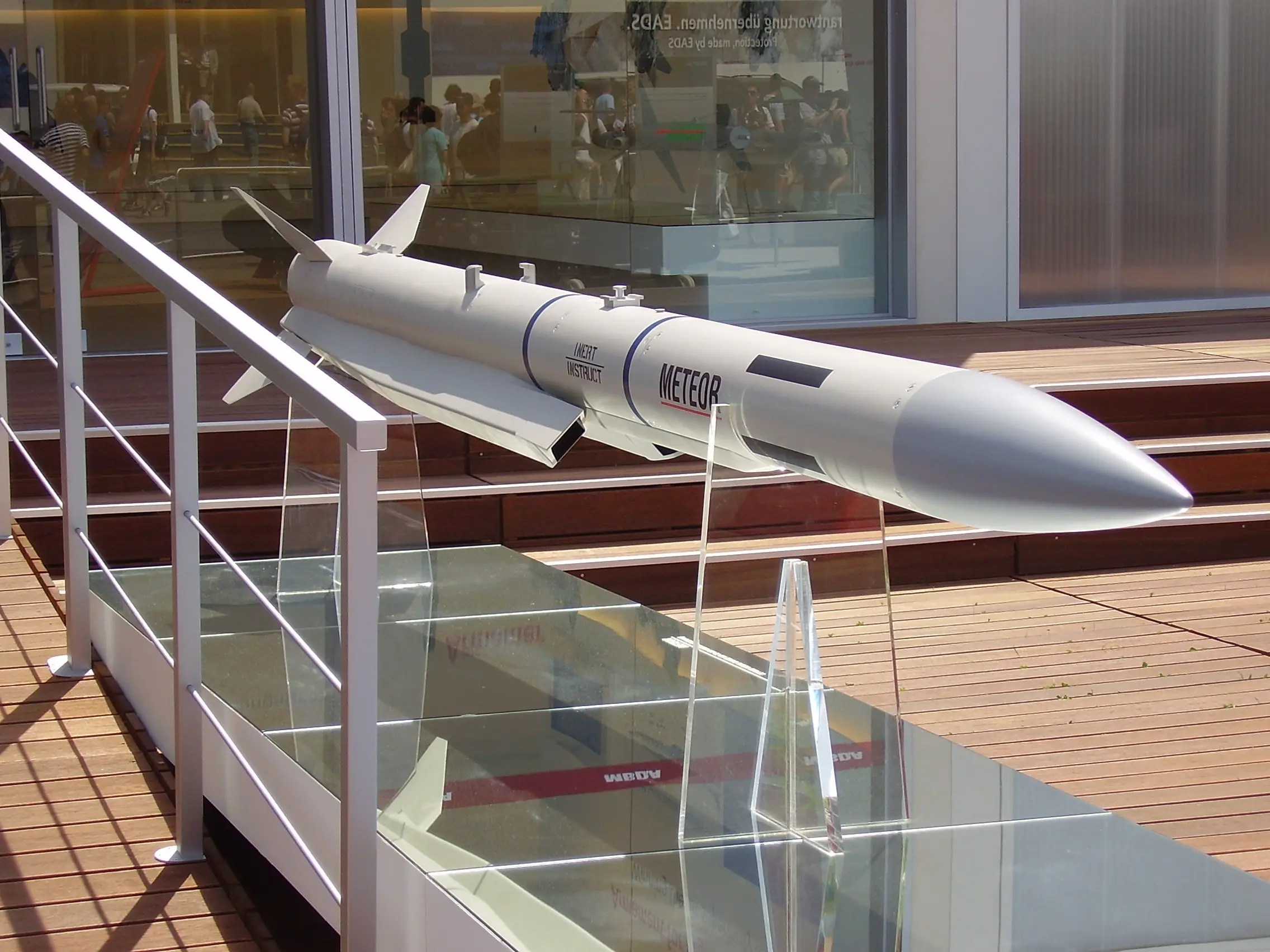
Chaff consists of thin strips of aluminium or zinc-coated fibres that create radar-reflective clouds. When deployed behind an aircraft, chaff makes it difficult for a missile's radar seeker to distinguish the actual target from hundreds of false reflections.
Doppler Radar and Notching Tactics
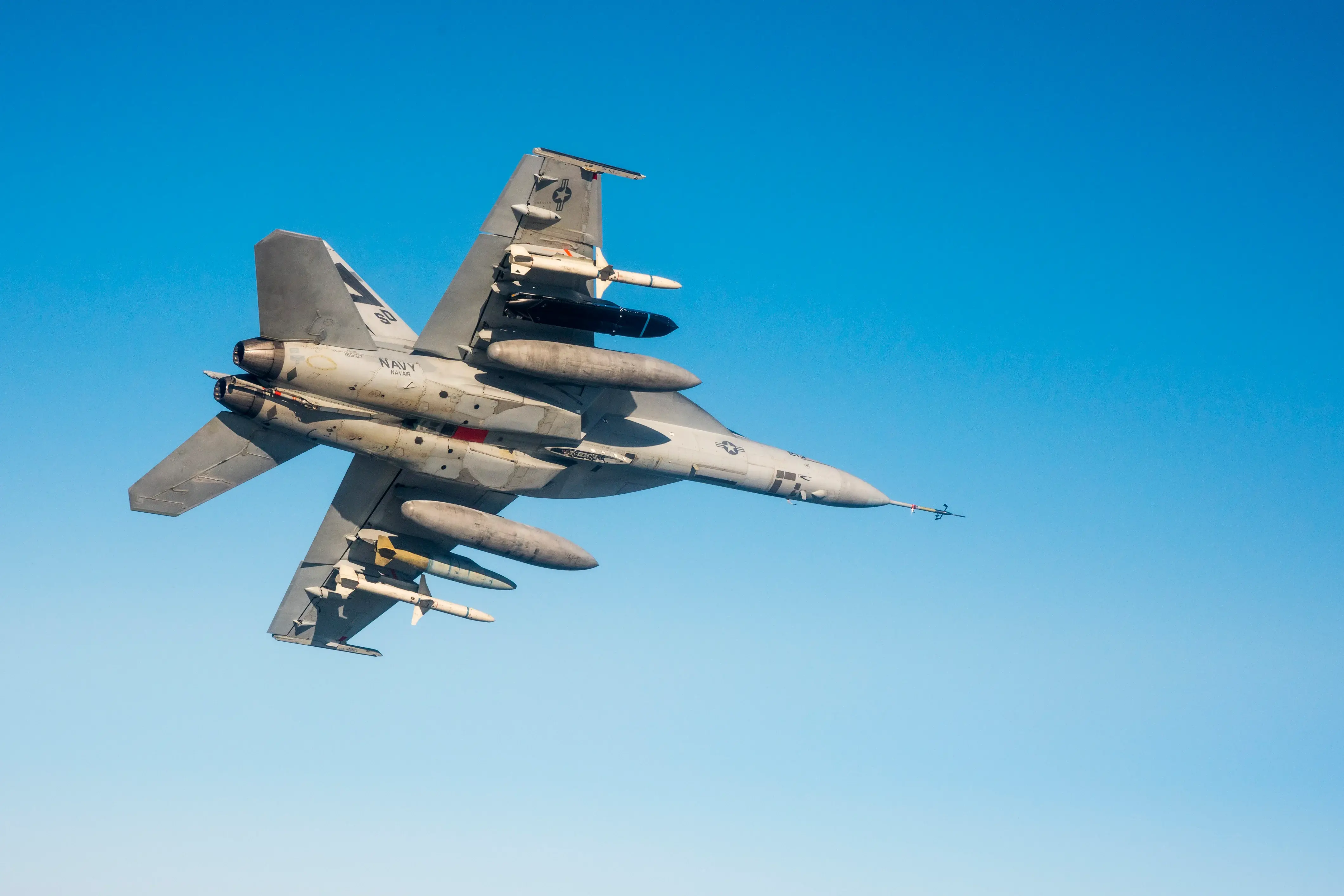
Modern radars use Doppler effect to filter out stationary objects like chaff. Pilots counter this by “notching” - flying perpendicular to the radar beam to match its expected ground speed, making the aircraft appear stationary and undetectable.
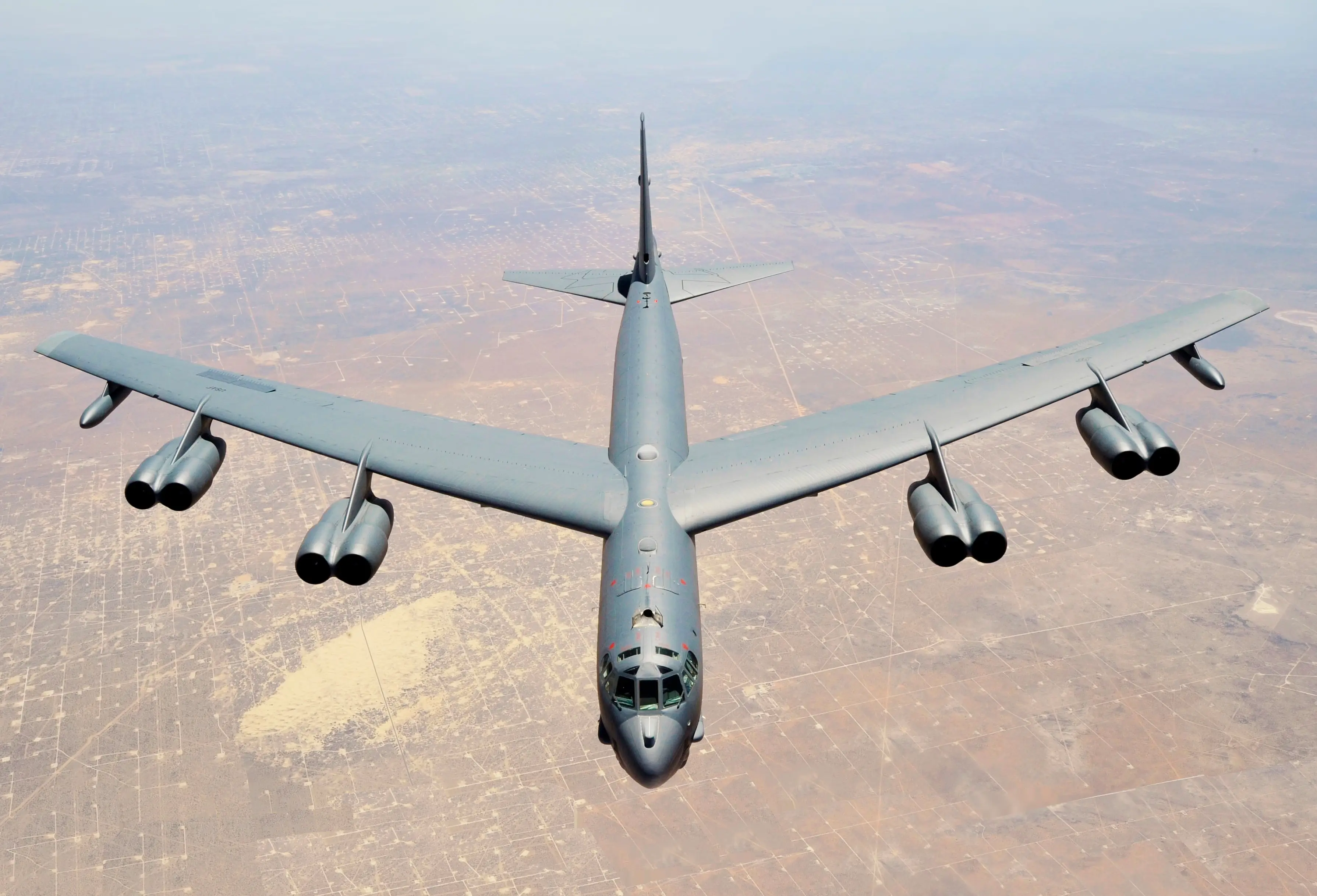
Jamming Pods and Frequency Agility
Fighter aircraft carry jamming pods mounted on wing pylons that transmit powerful radio signals across multiple frequencies. These pods detect incoming threats and generate noise across the electromagnetic spectrum to overwhelm missile guidance systems.
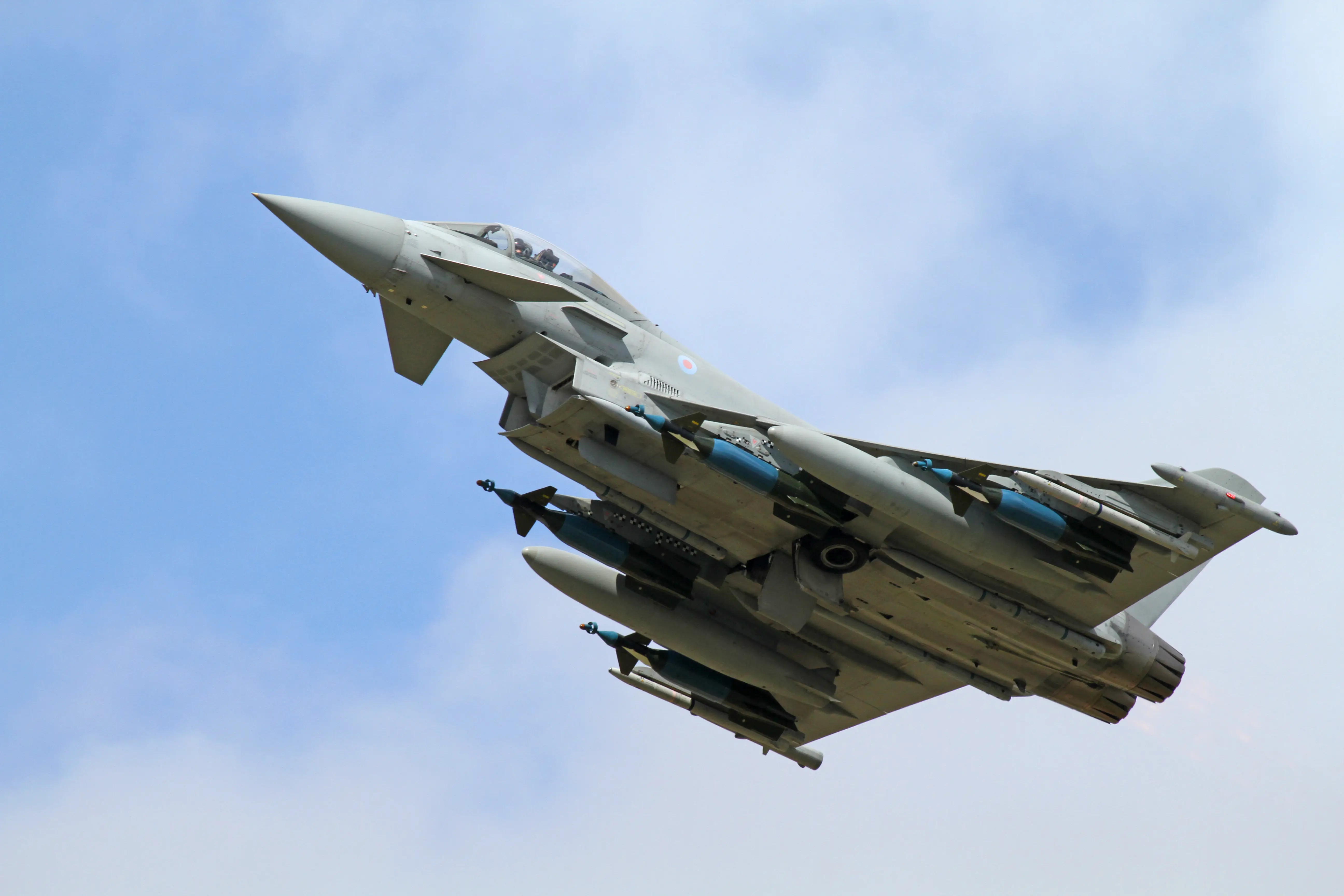
Infrared Countermeasures and Flares
Heat-seeking missiles track aircraft engine exhaust. Pilots deploy flares - pyrotechnic devices burning at temperatures matching jet exhaust - to create multiple false heat signatures that distract the missile's infrared seeker.
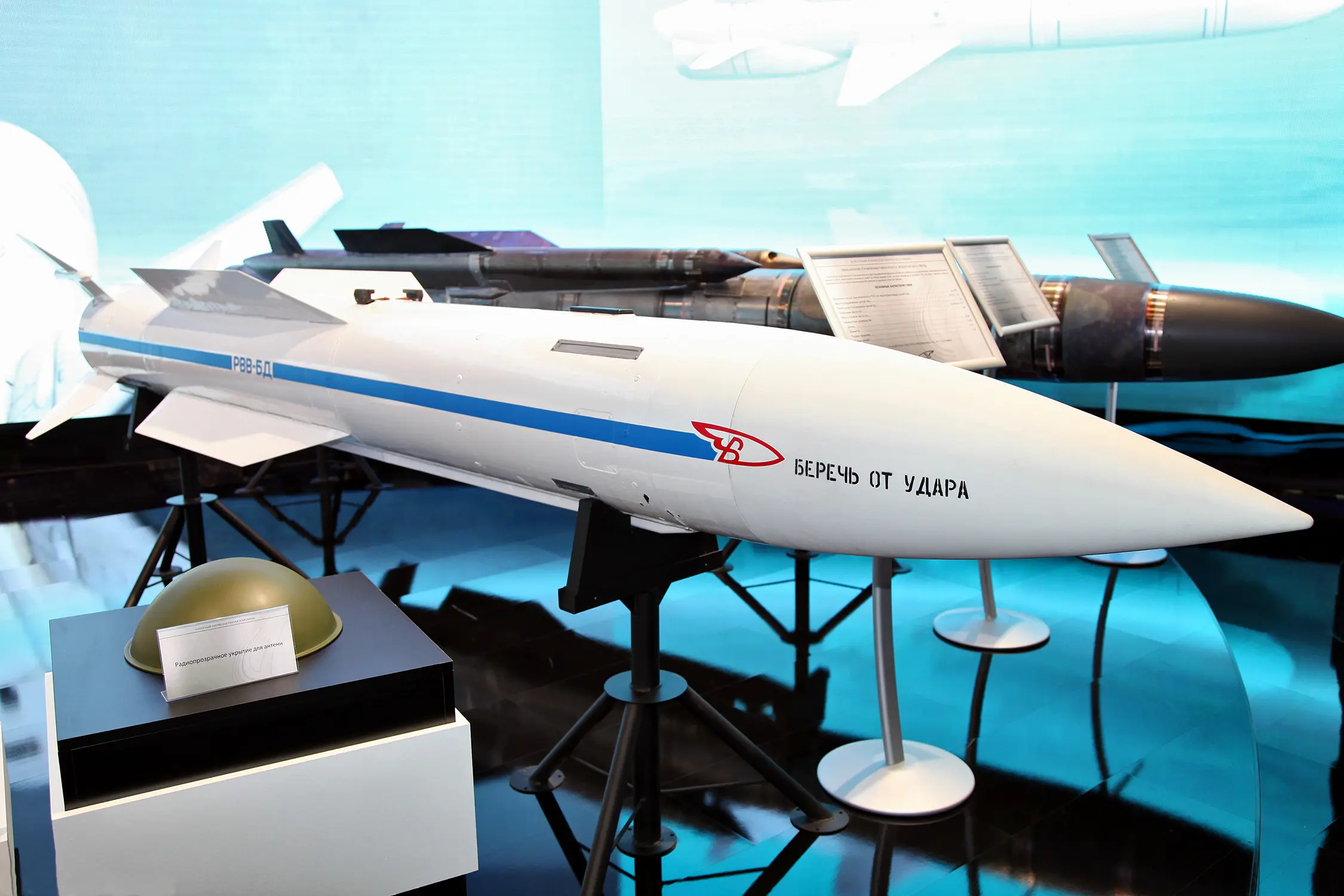
Towed Decoys and Fibre-Optic Lines
Advanced aircraft like the F/A-18E/F Super Hornet use towed decoys connected by fibre-optic cables. These decoys jammer hostile radar signals and lure incoming missiles away from the aircraft before the cable is cut.
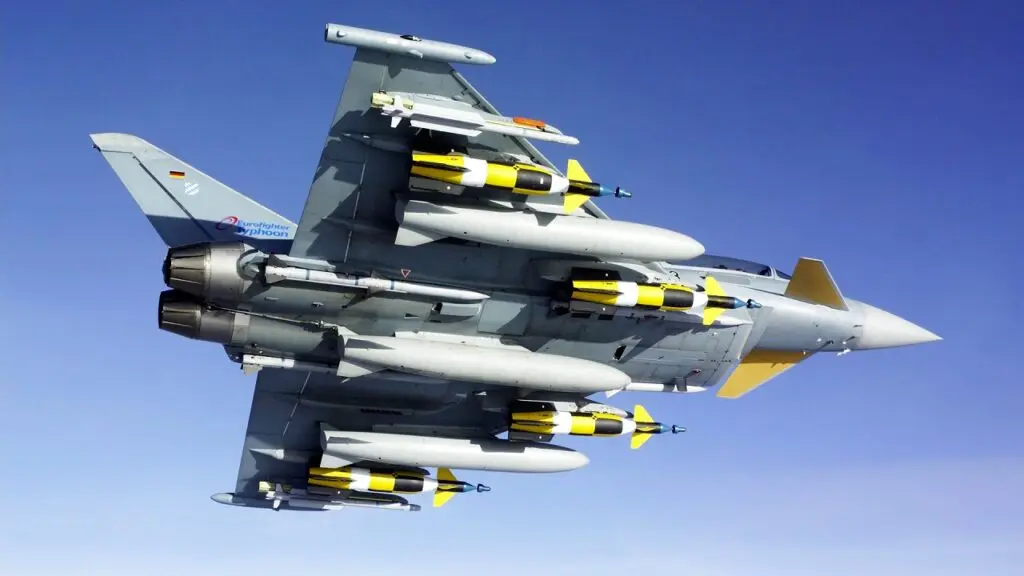
Electronic Counter-Countermeasures (ECCM)
Missile designers respond to EW with anti-jamming technology called ECCM. Modern missiles use frequency-hopping, adaptive algorithms, and multi-spectral seekers to overcome chaff and jamming attempts by targets.
AESA Radar and Next-Generation EW
Active Electronically Scanned Array radars spread signals across wider frequencies, making them harder to jam. This forces EW systems to become more sophisticated, leading to an arms race between jamming and anti-jamming technologies.
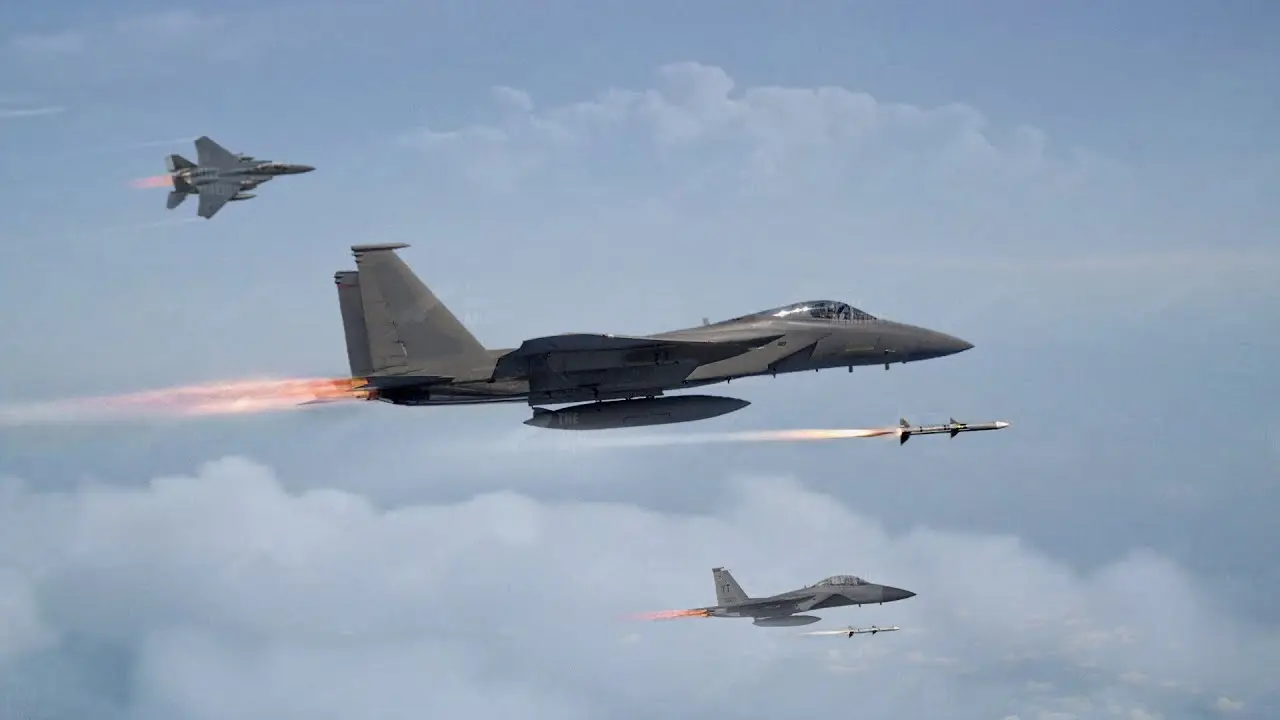
The EW-Missile Balance in Modern Air Combat
Electronic warfare does not make missiles obsolete but significantly reduces their effectiveness. Successful air combat today depends on pilots operating the most advanced EW systems, understanding electronic tactics, and deploying countermeasures with precision timing.
)
)
)
)
)